Explore films connected to The Hitcher through paranoia and pursuit, violence without explanation, innocence under suspicion. Choose the qualities you want to carry into your next watch.
What should feel similar?
Find your next favourite
9 films · Closest overall matches
Hide films you’ve seen or don’t want. Saved on this device.
No matches for this combination yet.
Try another option or reset your choices to see more films.
Based on recorded story, mood and style. Your preferences can change the order.
Survival
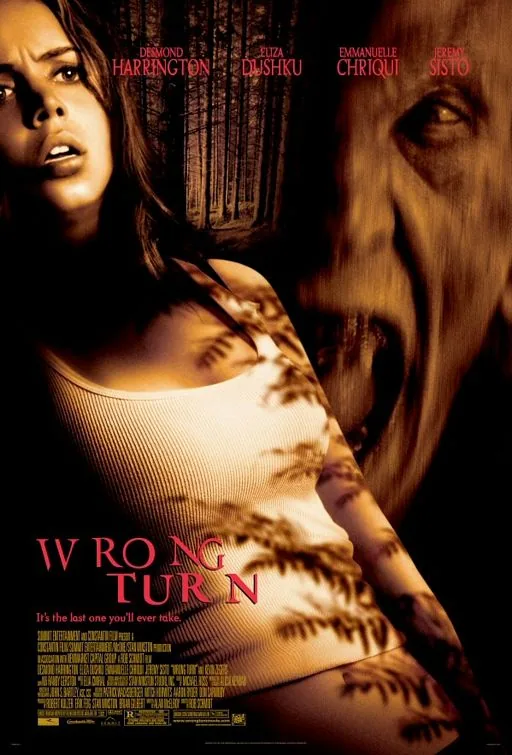
What changes The Hitcher: roadside suspense, repeated pursuit encounters and violent confrontations. Wrong Turn: fast and continuous chase.
After taking an isolated road through the Appalachian hills of West Virginia, a group of young travelers become stranded and realize they are being hunted by violent men who live in the surrounding woods. With their vehicle unusable and rescue unlikely, the survivors must move through unfamiliar terrain while trying to stay quiet and protect one another. The film’s short running time and remote setting keep the threat close, using the fear of being watched and pursued to drive its slasher structure. Limited visibility and uncertain routes keep escape attempts from feeling safe. The strangers' cooperation shifts between concealment and sudden flight as the hunters close in.
Based on recorded story, mood and style. Your preferences can change the order.
Escape and pursuit · Survival
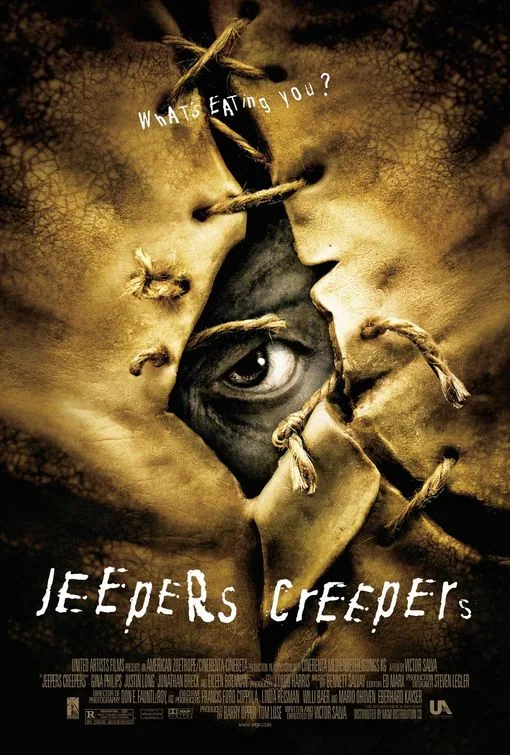
What changes The Hitcher: roadside suspense, repeated pursuit encounters and violent confrontations. Jeepers Creepers: escalating and relentless.
On a spring-break drive through rural Florida, a brother and sister witness a frightening encounter on an isolated road and investigate. Their curiosity brings them face to face with a relentless creature and disappearances that make the landscape increasingly unsafe. The horror film begins as a road thriller, then becomes a supernatural survival story defined by pursuit and grotesque discovery.
Based on recorded story, mood and style. Your preferences can change the order.
Escape and pursuit · Survival
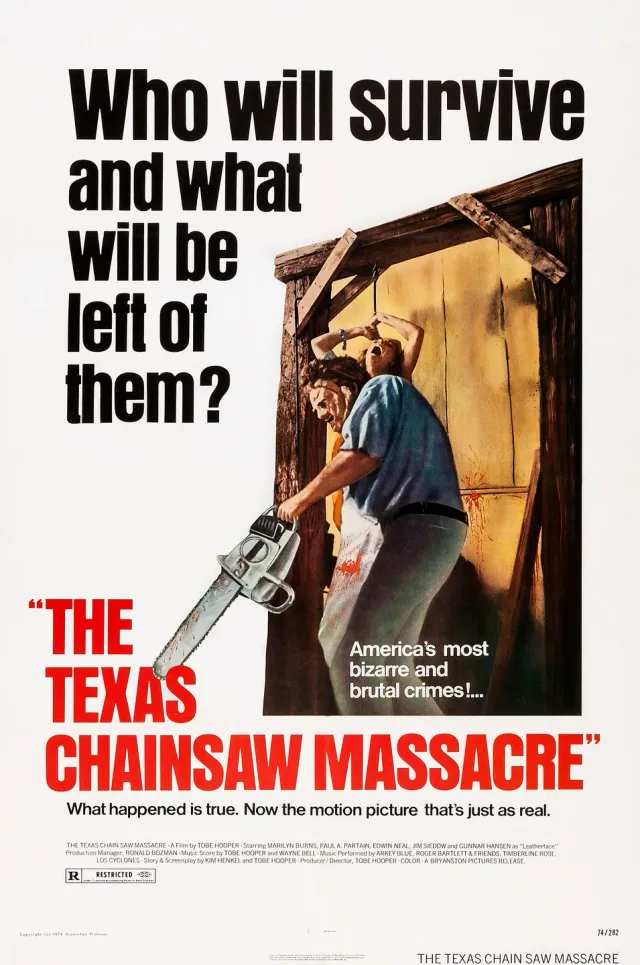
What changes The Hitcher: roadside suspense, repeated pursuit encounters and violent confrontations. The Texas Chain Saw Massacre: escalating and disorienting.
Sally Hardesty, her brother Franklin and three friends drive through rural Texas after reports that a family grave may have been disturbed. Heat, fatigue and the group's stops for fuel and water push them into contact with an unsettling hitchhiker who once worked at a local slaughterhouse. When several of the young people leave the van to look for help, they encounter a nearby house and its violent occupants, including Leatherface. The danger comes not from an elaborate mystery but from the group's gradual entry into a household built around animal slaughter and family ritual. Sally's escape becomes an extended pursuit across the property and into the dawn.
Based on recorded story, mood and style. Your preferences can change the order.
Survival
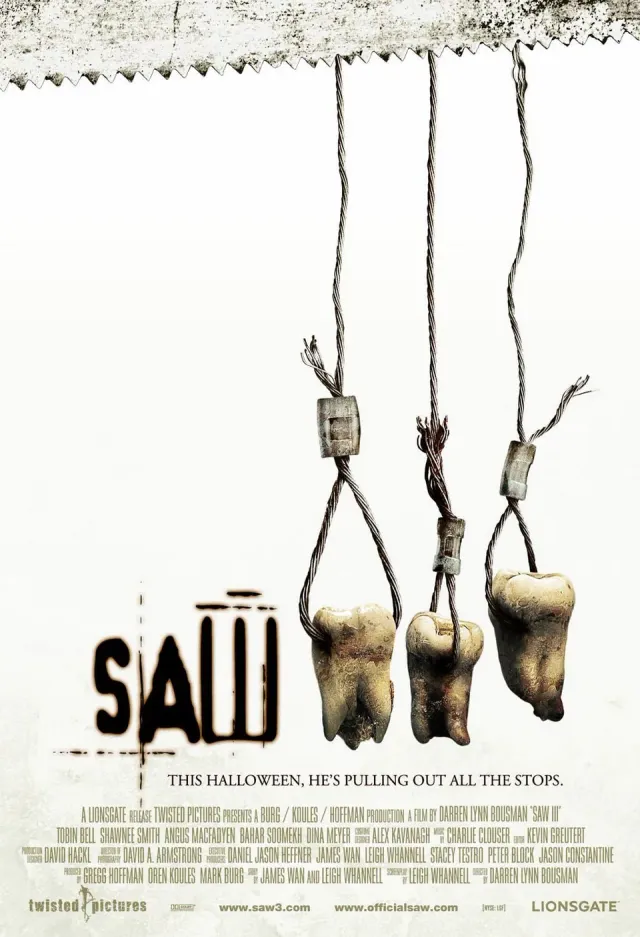
What changes The Hitcher: roadside suspense, repeated pursuit encounters and violent confrontations. Saw III: parallel, escalating and slow-burn.
While Jigsaw is near death, his apprentice Amanda abducts surgeon Lynn Denlon and forces her to keep him alive until grief-stricken Jeff completes a sequence of tests. Jeff is consumed by anger at the drunk driver who killed his son, and each encounter asks whether he can move beyond revenge toward forgiveness. Lynn’s coerced medical work exposes Amanda’s growing departure from John’s supposed rules: traps once presented as opportunities are now being made unwinnable. The stories converge in a family revelation that turns the last choice into a test of whether John’s philosophy can survive the violence committed in its name.
Based on recorded story, mood and style. Your preferences can change the order.
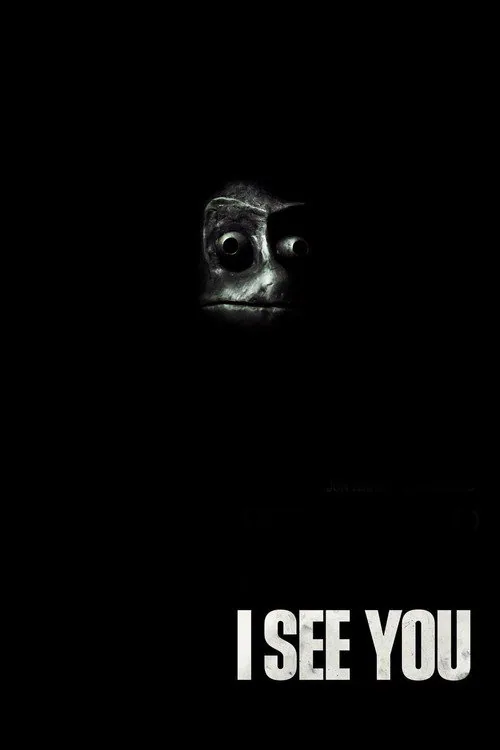
What changes The Hitcher: roadside suspense, repeated pursuit encounters and violent confrontations. I See You: slow-burn opening, midpoint perspective change and twist-driven suspense.
When a young boy disappears in a small Ohio town, detective Greg Harper leads the investigation while trying to repair his strained family life. His wife Jackie’s affair has left their son Connor angry, and unexplained disturbances begin occurring inside their house. The kidnapping case and the family’s domestic problems gradually intersect as the film revisits events from changing perspectives. Adam Randall’s psychological thriller uses shifting genre expectations and carefully withheld information; it contains child abduction and murder themes.
Based on recorded story, mood and style. Your preferences can change the order.
Survival
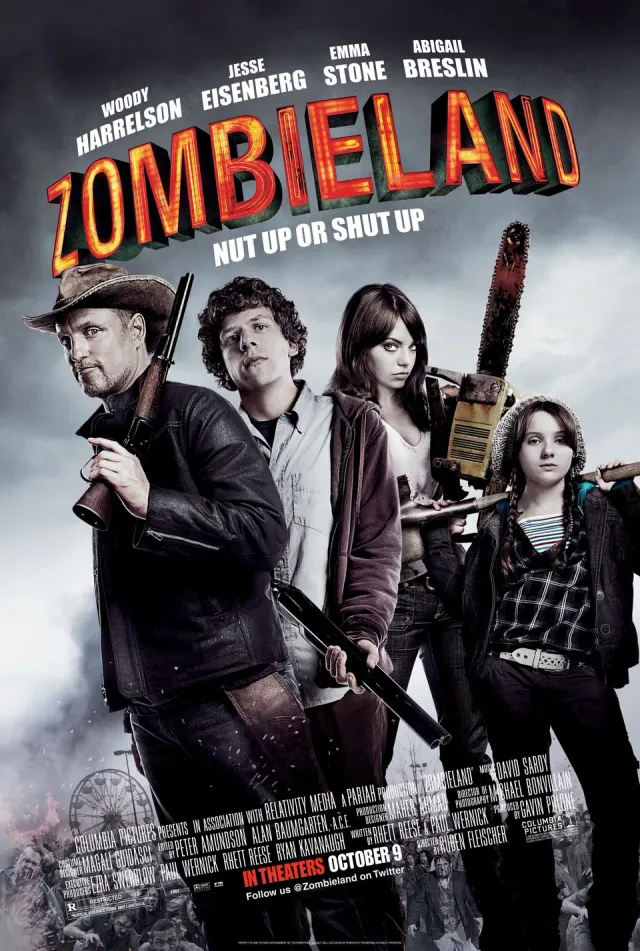
What changes The Hitcher: roadside suspense, repeated pursuit encounters and violent confrontations. Zombieland: episodic journey.
In a United States devastated by a zombie outbreak, anxious college student Columbus survives by following a strict set of rules. On the road he joins Tallahassee, a fearless hunter who is looking for Twinkies, and later sisters Wichita and Little Rock, who have learned to fend for themselves through deception. Their uneasy group travels toward a California amusement park, with each new encounter testing whether trust is more dangerous than the zombies. The horror-comedy lets the characters’ mismatched coping styles carry the road story as much as the undead threat. The film uses the rules as a way to narrate fear, then reveals that personal connection cannot be reduced to a checklist.
Based on recorded story, mood and style. Your preferences can change the order.
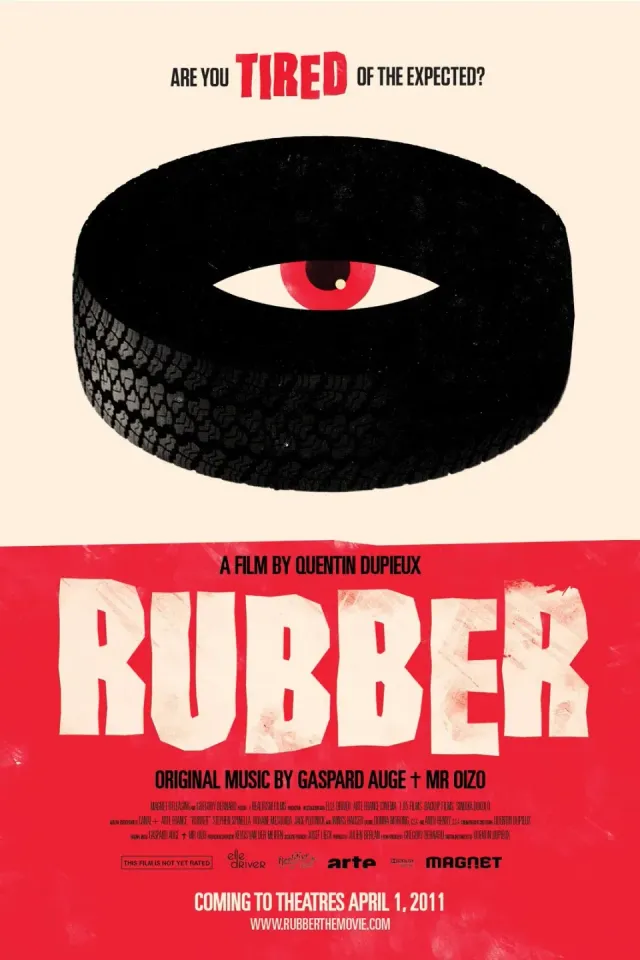
What changes The Hitcher: roadside suspense, repeated pursuit encounters and violent confrontations. Rubber: episodic, deliberately uneven and deadpan.
A tire named Robert wakes in a California desert and discovers that he can move on his own and destroy objects through psychokinesis. He rolls through the landscape and begins targeting people, while a parallel group of spectators watches the events as if they were a movie. Sheriff Chad moves between investigating the deaths and commenting on the story’s logic. Quentin Dupieux’s absurdist horror-comedy turns a simple killer-object premise into an experiment about audience expectations and the demand that every event have a reason.
Based on recorded story, mood and style. Your preferences can change the order.
Escape and pursuit · Survival
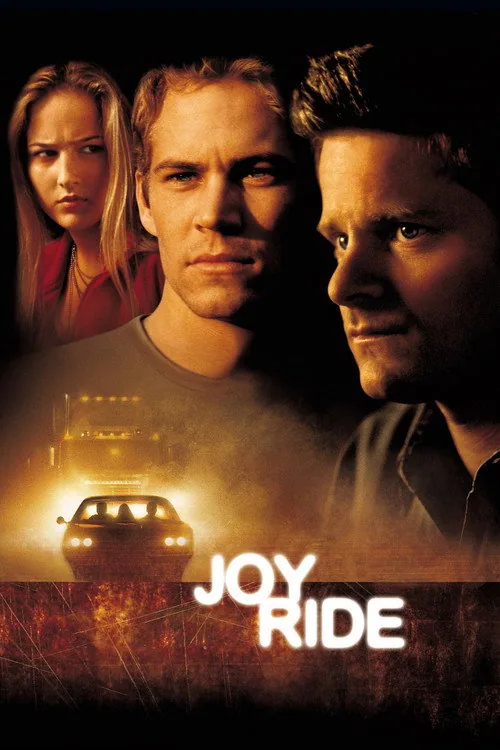
What changes The Hitcher: roadside suspense, repeated pursuit encounters and violent confrontations. Joy Ride: escalating chase, set-piece driven and tight suspense.
On a cross-country drive, brothers Lewis and Fuller install a CB radio and play a prank on a trucker they know only as Rusty Nail. Their joke triggers a series of increasingly dangerous encounters, and the trucker’s pursuit intensifies after Lewis’s friend Venna joins them. As the travelers follow clues and try to reach the police, the open highway becomes a maze with few safe exits. This road thriller builds suspense around mistaken identity, radio communication, and the consequences of treating a stranger as entertainment.
Based on recorded story, mood and style. Your preferences can change the order.
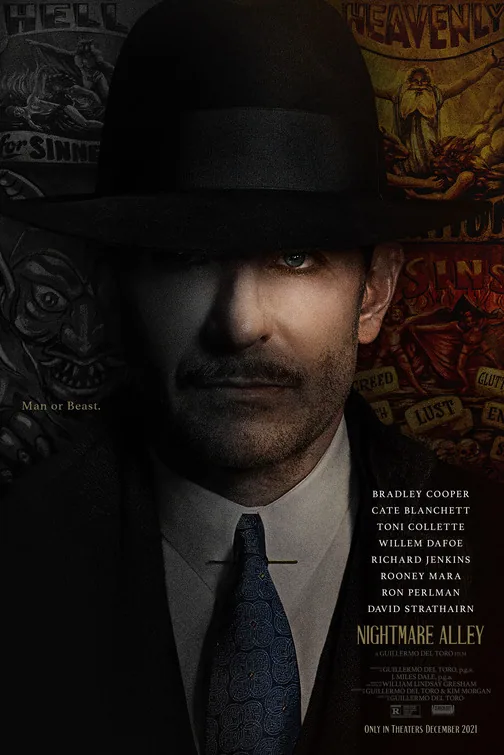
What changes The Hitcher: roadside suspense, repeated pursuit encounters and violent confrontations. Nightmare Alley: gradual and downfall-driven.
Stanton Carlisle joins a traveling carnival and learns to exploit the audience's desire to believe in psychic powers. In the city, he reinvents himself as a sophisticated mentalist and begins targeting wealthy clients with a psychiatrist who understands his methods. Each success draws him deeper into a scheme that requires more control than he possesses. The film follows ambition as it turns performance into manipulation and gradually removes Stant's ability to tell himself a comforting story.
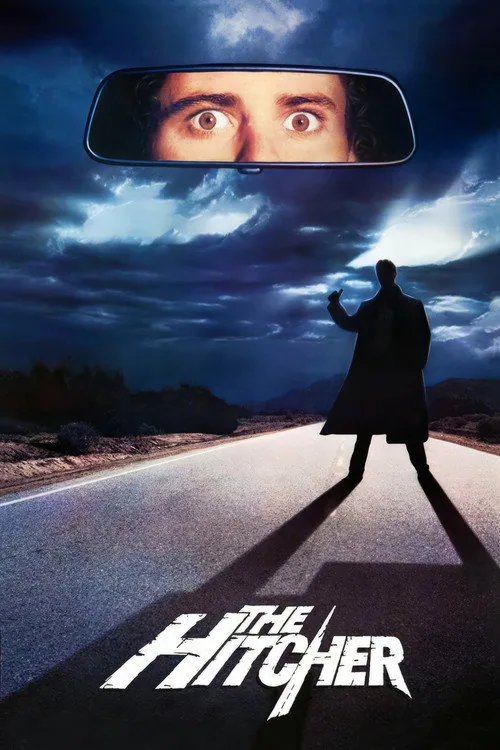
Jim Halsey is driving a car across West Texas when he gives a ride to a hitchhiker who calls himself John Ryder. Ryder quickly reveals a violent nature and begins framing Jim for the murders he commits along the highway. The young driver tries to seek help, but each encounter with the authorities deepens the suspicion against him while Ryder remains just ahead. The road thriller makes the open desert feel inescapable and builds horror from a pursuer whose motives are never made reassuringly clear.
What drives the story
A delivery driver tries to escape the hitchhiker he picked up as the stranger keeps leaving him at the scene of new crimes.
The people at its centre
Jim's fear and desperation meet Ryder's taunting unpredictability, while a waitress becomes an ally and another target.
What it feels like
A stark road horror film uses sparse dialogue, long stretches of highway, and sudden violence to create dread.
Worth knowing
The pursuer's inexplicable fixation gives the film a nightmare quality beyond a standard highway crime chase.
paranoia and pursuitviolence without explanationinnocence under suspicion