Explore films connected to I See You through Family trust and betrayal, Hidden danger, Perspective and truth. Choose the qualities you want to carry into your next watch.
What should feel similar?
Find your next favourite
9 films · Closest overall matches
Hide films you’ve seen or don’t want. Saved on this device.
No matches for this combination yet.
Try another option or reset your choices to see more films.
Based on recorded story, mood and style. Your preferences can change the order.
Investigation
What changes I See You: slow-burn opening, midpoint perspective change and twist-driven suspense. The Stepfather: escalating and suspense-led.
A teenager returns home from military school to find his mother living with a new partner who seems to fit the family unusually well. Small inconsistencies and hidden evidence lead him to suspect that the man’s carefully constructed identity conceals a violent past. The remake turns the ordinary domestic setting into a field of observation, making the family’s desire for stability part of the danger.
Based on recorded story, mood and style. Your preferences can change the order.
Investigation
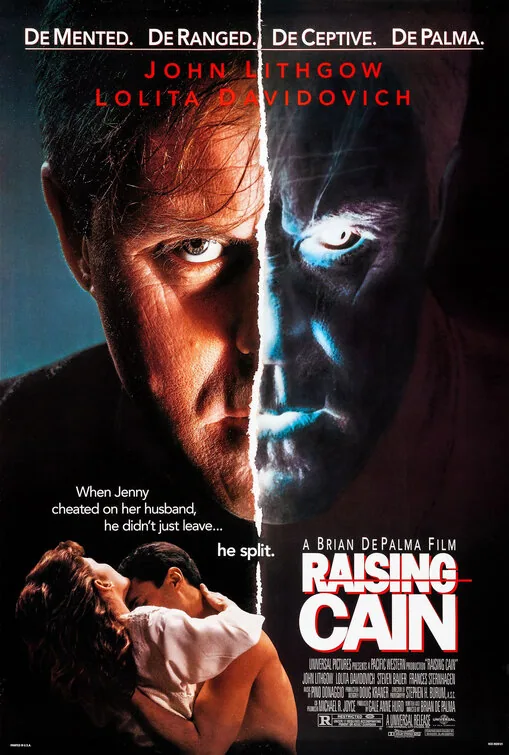
What changes I See You: slow-burn opening, midpoint perspective change and twist-driven suspense. Raising Cain: mystery with sharp subjective reversals.
Child psychologist Carter Nix's wife becomes alarmed by his intense attention to their daughter, while the film reveals fractures in Carter's identity and a trail of abductions tied to his family. Brian De Palma turns domestic unease into a deliberately theatrical psychological thriller, using surveillance, doubles and shifting points of view to keep perception unstable. The story asks how care can become control when professional authority and private pathology overlap.
Both share an uncanny and disorienting atmosphere.
Why this matches +
Genres: Thriller / Mystery
Shared film traits
Based on recorded story, mood and style. Your preferences can change the order.
Constructed reality
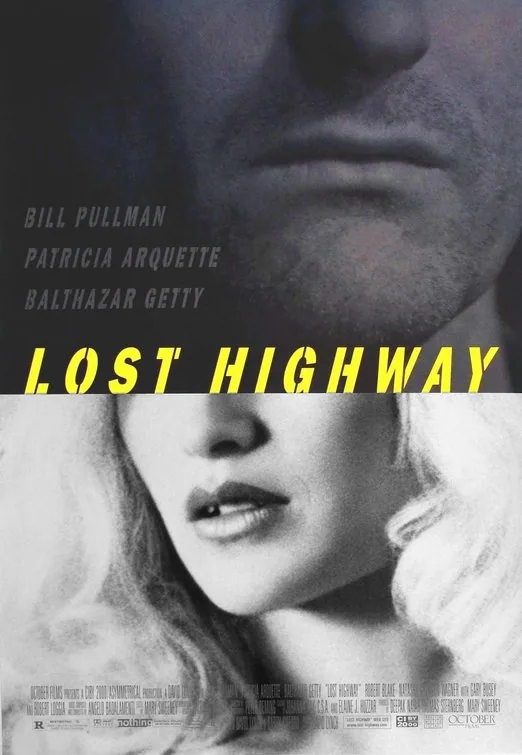
What changes I See You: slow-burn opening, midpoint perspective change and twist-driven suspense. Lost Highway: nonlinear and circular.
Jazz musician Fred Madison begins receiving videotapes that show the outside of his house and then its interior, turning domestic privacy into a threat. After his arrest for murder, the story fractures into an impossible identity change and a second life lived by Pete Dayton, whose affair with Alice repeats patterns of desire, surveillance and control. A mysterious man crosses the film’s worlds as if recording and directing them, but no stable explanation resolves how the two identities relate. David Lynch’s noir is built from circular return, abrupt shifts and oppressive sound rather than a puzzle with one confirmed diagnosis. Its dreamlike form can hold several readings, yet ambiguity should not dissolve the violence against women into abstract style or make the men’s self-deceptions morally weightless.
Based on recorded story, mood and style. Your preferences can change the order.
Investigation
What changes I See You: slow-burn opening, midpoint perspective change and twist-driven suspense. Insidious: Chapter 2: escalating and reveal-driven.
After a family survives a haunting, the danger follows them into a new house and begins attaching itself to the father’s unexplained behavior. Relatives and investigators revisit memories and old recordings to understand the link between the family and a violent presence. The sequel builds its scares around the possibility that home is no longer separate from the supernatural world.
Based on recorded story, mood and style. Your preferences can change the order.
Investigation · Constructed reality
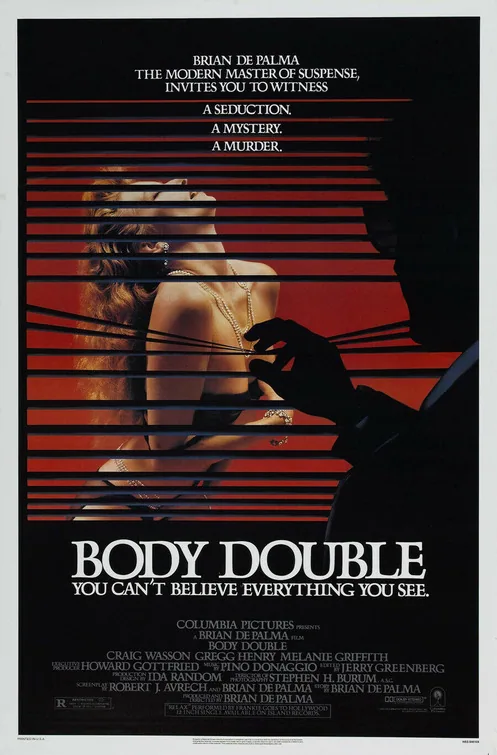
What changes I See You: slow-burn opening, midpoint perspective change and twist-driven suspense. Body Double: a voyeuristic observation becomes a pursuit through film-world clues.
Struggling actor Jake Scully loses his role when claustrophobia disrupts a shoot and leaves home after discovering his girlfriend's infidelity. While house-sitting in the Hollywood Hills, he watches a neighbor through a telescope and becomes fixated on her apparent danger. The mystery draws him into an erotic, self-conscious thriller about voyeurism, performance and the unstable boundary between screen images and reality.
Based on recorded story, mood and style. Your preferences can change the order.
Investigation · Constructed reality
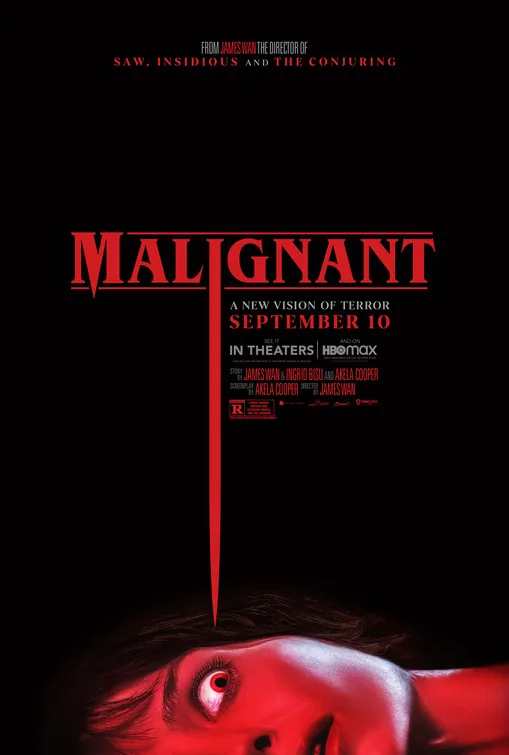
What changes I See You: slow-burn opening, midpoint perspective change and twist-driven suspense. Malignant: a procedural investigation breaks into escalating supernatural spectacle.
Madison is tormented by visions of murders she appears to witness as they happen, while investigators connect the killings to an unknown figure from her past. As the violence escalates, her memories and sense of self become increasingly uncertain. James Wan’s horror film begins as a police mystery and shifts into a highly stylized confrontation with a hidden history, using body horror and identity questions to unsettle genre expectations.
Based on recorded story, mood and style. Your preferences can change the order.
Investigation
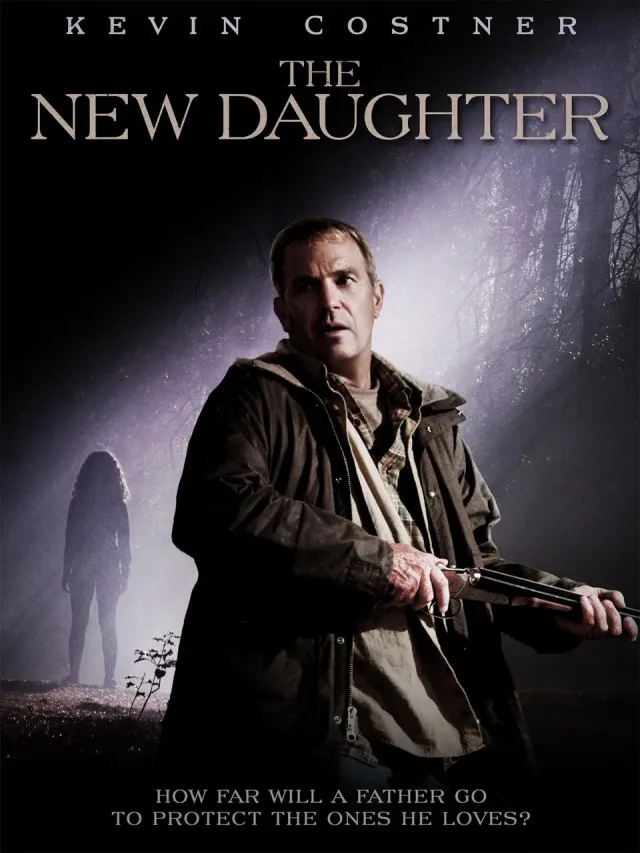
What changes I See You: slow-burn opening, midpoint perspective change and twist-driven suspense. The New Daughter: slow-building, escalating and mystery-driven.
Recently divorced novelist John James moves with his teenage daughter Louisa and young son Sam into an isolated South Carolina home with a troubling history. The children discover a large mound in the nearby fields, and Louisa becomes increasingly drawn to it as strange signs appear around the house. John investigates the mound and the disappearance of a former resident’s daughter, but his search makes the family’s danger harder to dismiss. The horror story follows a father trying to protect his children while confronting a force that may be changing Louisa.
Based on recorded story, mood and style. Your preferences can change the order.
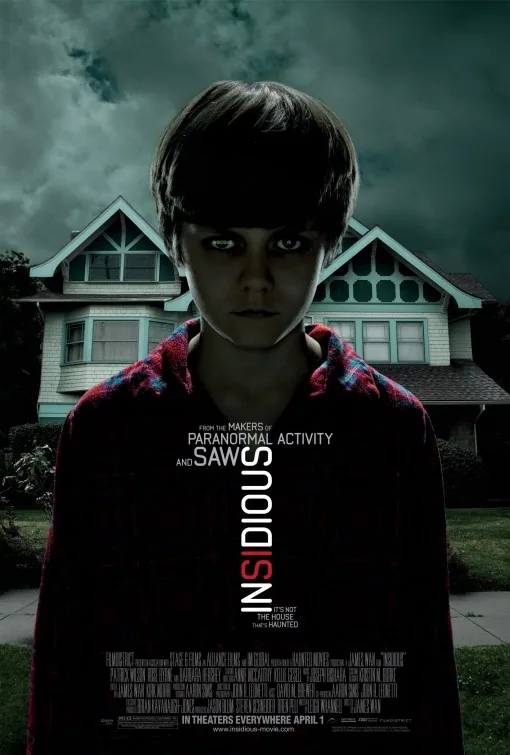
What changes I See You: slow-burn opening, midpoint perspective change and twist-driven suspense. Insidious: slow burn and escalating.
A child's unexplained unresponsiveness coincides with frightening disturbances that follow his family even after they leave their house. A specialist offers an account in which his consciousness has traveled away from his body, making that body available to other presences. The proposed rescue uncovers an earlier family history that had been concealed rather than resolved. The supernatural horror shifts its threat from a dangerous property to a vulnerable relationship between body, memory and inherited ability, making moving home an inadequate escape.
Based on recorded story, mood and style. Your preferences can change the order.
Investigation
What changes I See You: slow-burn opening, midpoint perspective change and twist-driven suspense. Saw: crosscut, time-limited and reversal-driven.
Photographer Adam and oncologist Lawrence Gordon awaken chained at opposite ends of a filthy bathroom, with a corpse between them and separate instructions that turn escape into a timed moral test. Lawrence is ordered to kill Adam or risk his wife and daughter, while Adam tries to reconstruct who placed them there. Flashbacks show the detectives pursuing Jigsaw and Lawrence’s earlier connection to the investigation, but each clue also makes the men question what their captor knows. The final reveal transforms the apparent body in the room into the trap’s most important piece and leaves Adam sealed inside.
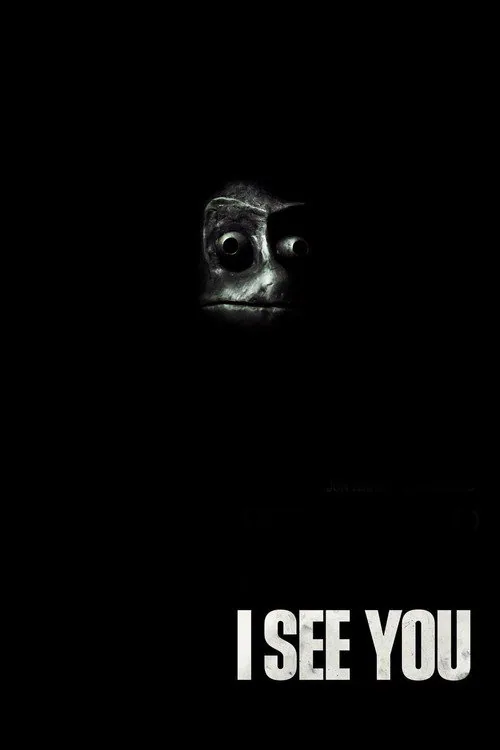
When a young boy disappears in a small Ohio town, detective Greg Harper leads the investigation while trying to repair his strained family life. His wife Jackie’s affair has left their son Connor angry, and unexplained disturbances begin occurring inside their house. The kidnapping case and the family’s domestic problems gradually intersect as the film revisits events from changing perspectives. Adam Randall’s psychological thriller uses shifting genre expectations and carefully withheld information; it contains child abduction and murder themes.
What drives the story
Greg’s search for a missing child runs alongside increasingly strange events in the home where his family is already divided.
The people at its centre
The detective’s authority at work contrasts with his family’s distrust, while outside observers complicate who seems to control the house.
What it feels like
The film shifts among crime, domestic drama, and horror, rewarding attention while involving child abduction and murder.
Worth knowing
Its changing perspective is central to the mystery, so a spoiler-heavy profile would undermine the film’s intended uncertainty.
Family trust and betrayalHidden dangerPerspective and truth