Both share themes of violence, plus a surreal atmosphere.
Why this matches +
Genres: Horror / Thriller
Shared film traits
Based on recorded story, mood and style. Your preferences can change the order.
Dream worlds
Expect surreal and ominous, with episodic and uneven pacing.
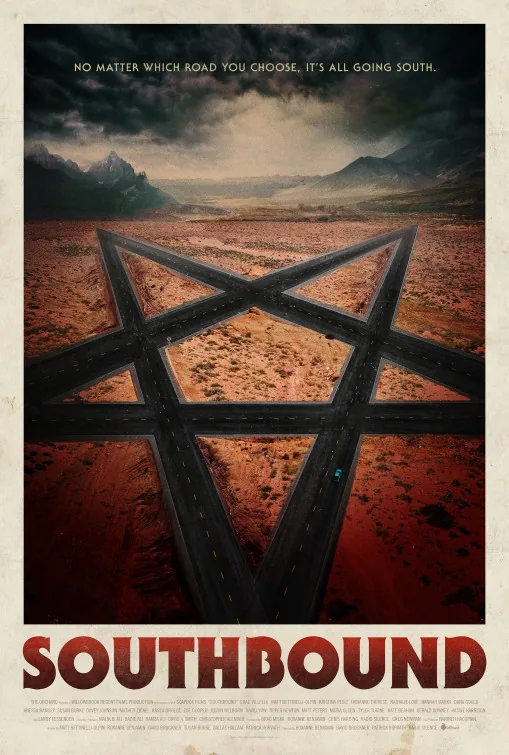
On a lonely stretch of desert highway, travelers encounter a series of unsettling roadside events that connect across five stories. Two men flee a persistent presence, a group of musicians face a stranger in need, a driver tries to save an injured woman, and others become caught in increasingly strange situations. The anthology uses repeated locations and recurring figures to suggest that the highway has its own rules, and that escape may not mean leaving the road behind.
Based on recorded story, mood and style. Your preferences can change the order.
What changes Rubber: episodic, deliberately uneven and deadpan. Zombieland: episodic journey.
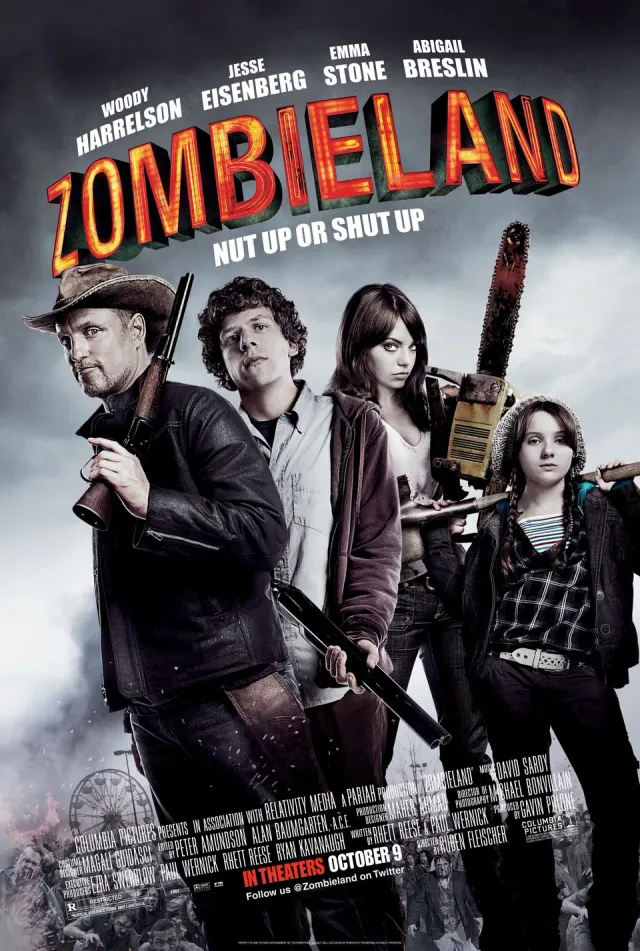
In a United States devastated by a zombie outbreak, anxious college student Columbus survives by following a strict set of rules. On the road he joins Tallahassee, a fearless hunter who is looking for Twinkies, and later sisters Wichita and Little Rock, who have learned to fend for themselves through deception. Their uneasy group travels toward a California amusement park, with each new encounter testing whether trust is more dangerous than the zombies. The horror-comedy lets the characters’ mismatched coping styles carry the road story as much as the undead threat. The film uses the rules as a way to narrate fear, then reveals that personal connection cannot be reduced to a checklist.
Based on recorded story, mood and style. Your preferences can change the order.
What changes Rubber: episodic, deliberately uneven and deadpan. House on Haunted Hill: night-long survival structure, frequent shocks and escalating supernatural threat.
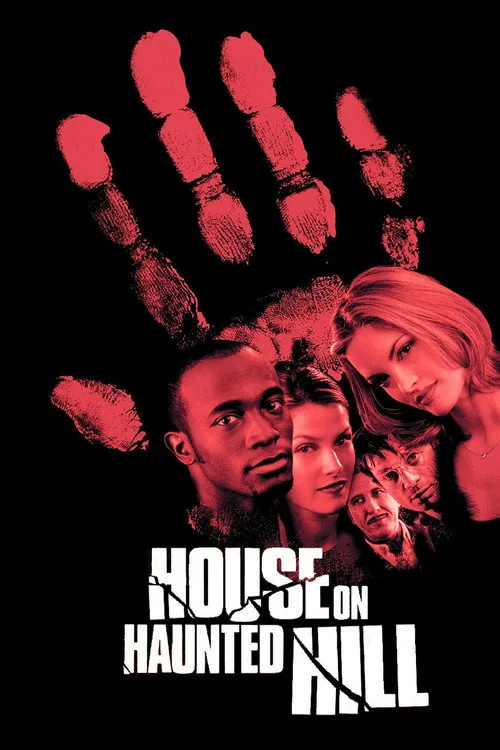
Amusement-park mogul Stephen Price invites a group of strangers to spend a night at an abandoned psychiatric hospital, offering each a large cash prize if they survive. Price intends the event as an elaborate stunt, but the guests are not the people he selected and the building's history proves difficult to dismiss. As the doors lock and events turn violent, alliances form among people who barely know one another. This remake intensifies the original's survival-game premise with supernatural horror, grotesque imagery, and a decaying institutional setting.
Both share themes of violence, plus a macabre atmosphere.
Why this matches +
Genres: Comedy / Horror
Shared film traits
Based on recorded story, mood and style. Your preferences can change the order.
Dream worlds
Expect playful and macabre, with episodic and varied pacing.
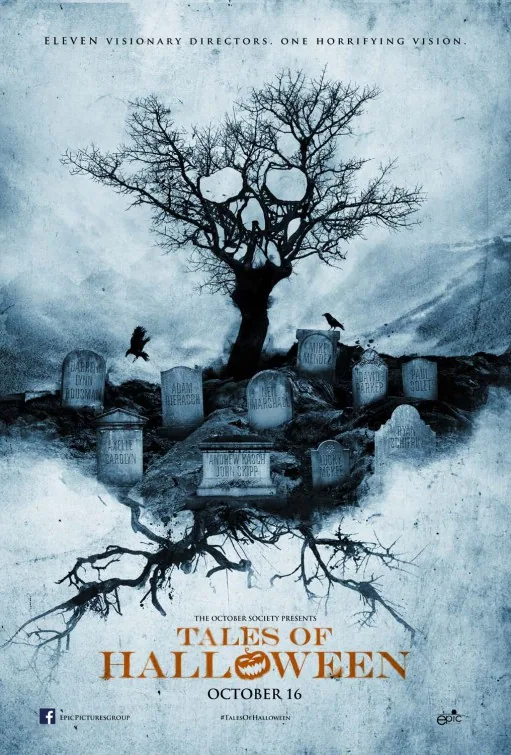
On Halloween night in a small American town, children, parents, trick-or-treaters and other residents encounter an escalating set of strange events. The film gathers ten short horror stories from different directors, moving among supernatural threats, masked figures, monsters and ordinary people whose holiday routines turn dangerous. Their shared date and setting connect the episodes into a broad seasonal anthology rather than a single continuous mystery.
Based on recorded story, mood and style. Your preferences can change the order.
Investigation
What changes Rubber: episodic, deliberately uneven and deadpan. Scream 4: escalating, whodunit and reversal-driven.
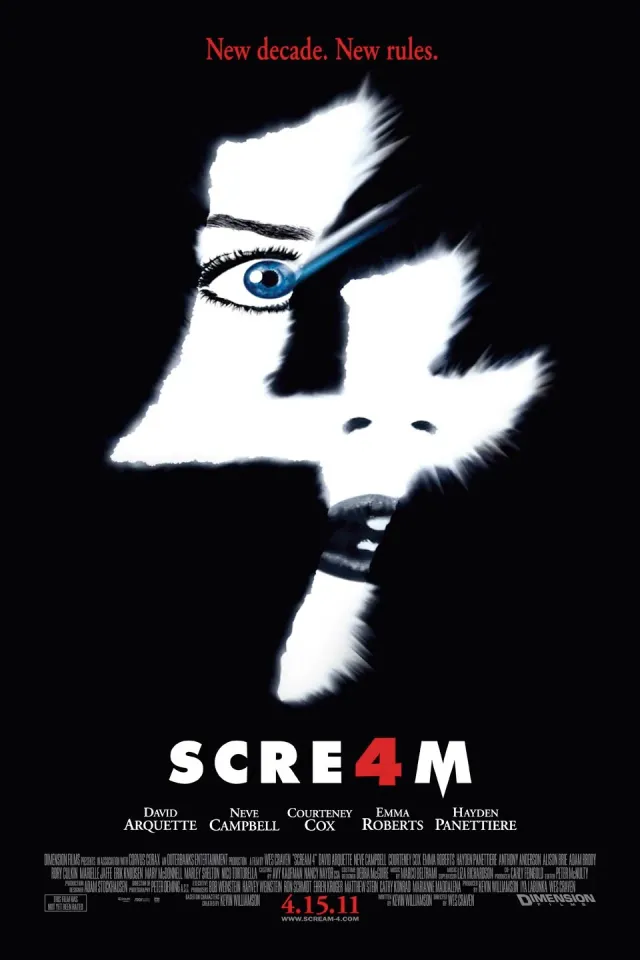
Sidney Prescott returns to Woodsboro on the anniversary of the original murders to promote a self-help book, only to find new attacks that imitate the first killings. Her cousin Jill and Jill’s friends are pulled into the investigation as Dewey, now sheriff, tries to control the case and Gale investigates against his wishes. The movie repeatedly turns the murders into a performance for cameras and online attention, while the police and town struggle to tell imitation from evidence. The final revelation makes the desire for recognition itself part of the killer’s motive.
Based on recorded story, mood and style. Your preferences can change the order.
What changes Rubber: episodic, deliberately uneven and deadpan. The Hitcher: roadside suspense, repeated pursuit encounters and violent confrontations.
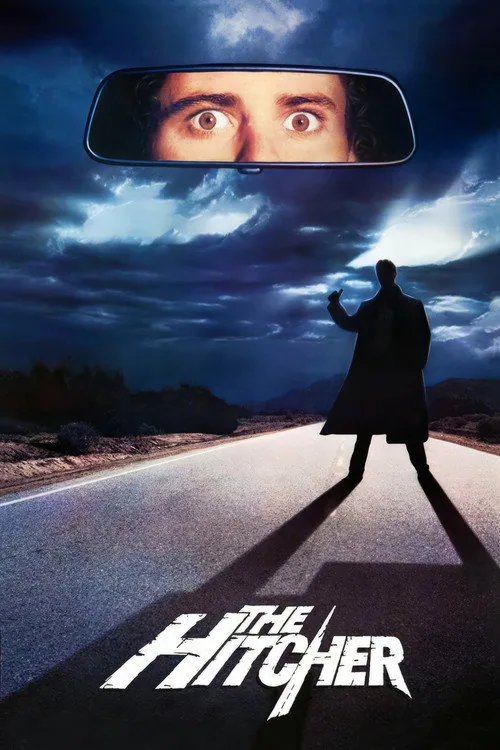
Jim Halsey is driving a car across West Texas when he gives a ride to a hitchhiker who calls himself John Ryder. Ryder quickly reveals a violent nature and begins framing Jim for the murders he commits along the highway. The young driver tries to seek help, but each encounter with the authorities deepens the suspicion against him while Ryder remains just ahead. The road thriller makes the open desert feel inescapable and builds horror from a pursuer whose motives are never made reassuringly clear.
Based on recorded story, mood and style. Your preferences can change the order.
Investigation · Dream worlds
What changes Rubber: episodic, deliberately uneven and deadpan. The Black Cat: mystery-led, episodic attacks, atmospheric and violent resolution.
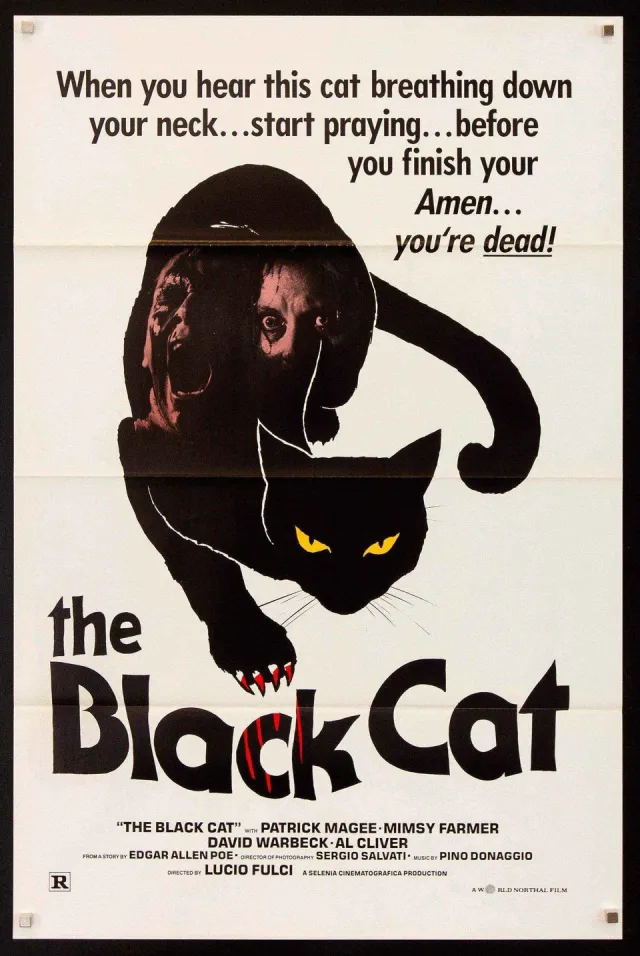
In an English village, deaths begin to follow encounters with a black cat owned by Robert Miles, a former professor who studies the supernatural and records the voices of the dead. American photographer Jill Trevers crosses paths with the animal while investigating a crypt and becomes entangled in a series of frightening incidents. Local police attempt to connect the victims, while Miles’s belief in the cat’s power makes him both a source of knowledge and a possible threat. The film shifts between detective work, occult theory, and horror as the animal’s apparent intelligence drives the mystery forward.
Based on recorded story, mood and style. Your preferences can change the order.
Constructed reality
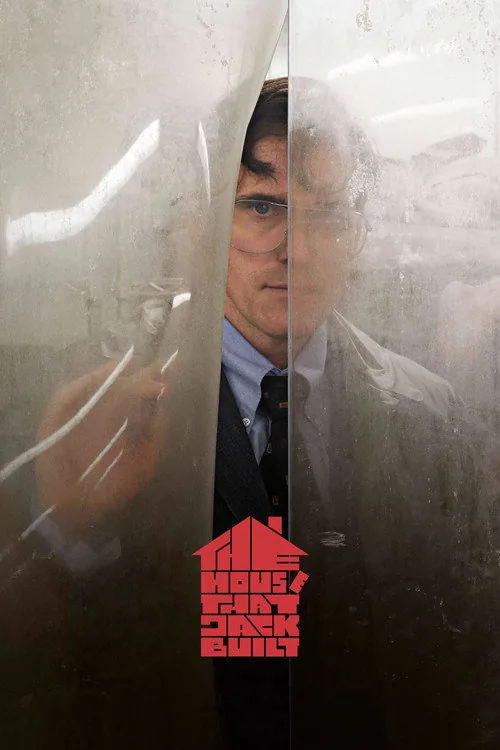
What changes Rubber: episodic, deliberately uneven and deadpan. The House That Jack Built: jack’s account of his crimes becomes an argument with the figure guiding him toward judgment..
Serial killer Jack recounts a series of murders to a companion he calls Verge, presenting each killing as one of several formative “incidents.” His efforts to hide evidence become increasingly elaborate and sometimes grotesque, while he tries to build a house from the bodies he has collected. Lars von Trier’s psychological horror film shifts between crime episodes, art-history arguments, and a final journey through a vision of Hell. It is formally self-conscious and deliberately provocative, framing Jack’s explanations as unreliable and morally repellent rather than asking viewers to admire his crimes.
Based on recorded story, mood and style. Your preferences can change the order.
Investigation
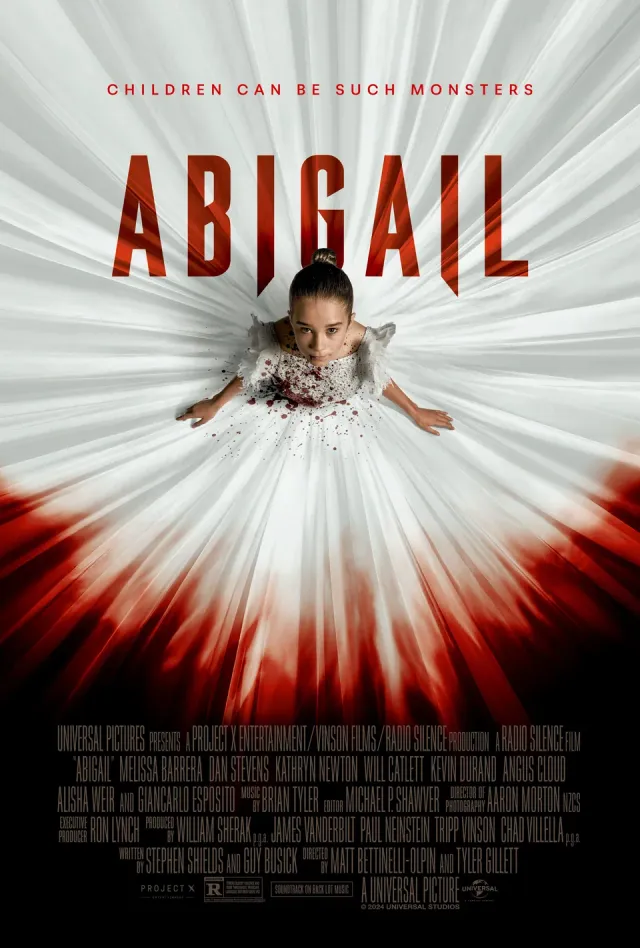
What changes Rubber: episodic, deliberately uneven and deadpan. Abigail: a heist setup flips quickly into a contained survival battle.
A group of criminals kidnap a young ballet dancer and bring her to an isolated mansion for a ransom job. The plan changes as their target proves to be far more dangerous than expected, leaving the kidnappers trapped with the person they were meant to control. The horror comedy reverses the familiar hostage premise, turning the crew’s greed and distrust into liabilities inside a closed space.
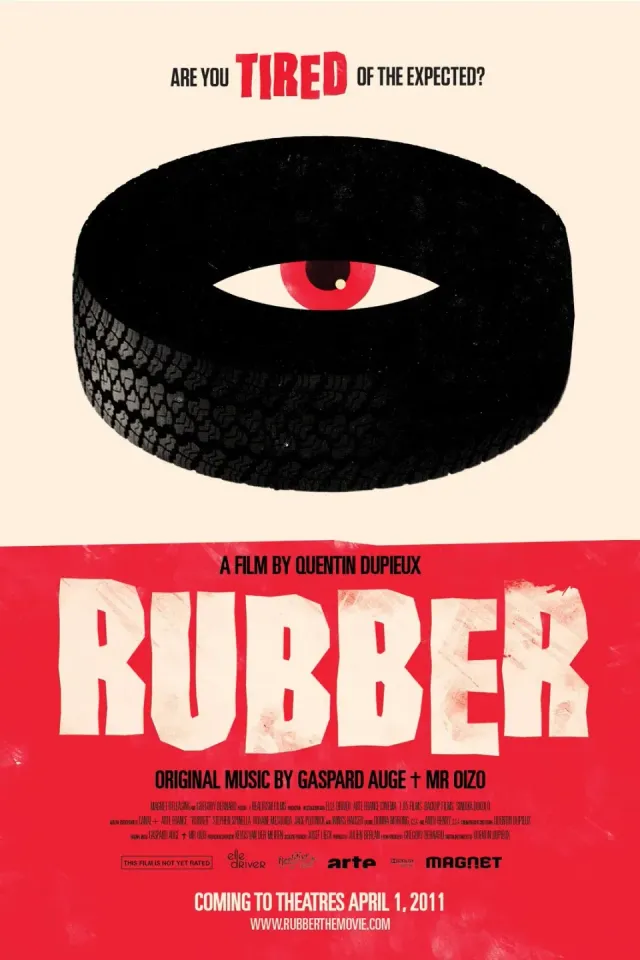
A tire named Robert wakes in a California desert and discovers that he can move on his own and destroy objects through psychokinesis. He rolls through the landscape and begins targeting people, while a parallel group of spectators watches the events as if they were a movie. Sheriff Chad moves between investigating the deaths and commenting on the story’s logic. Quentin Dupieux’s absurdist horror-comedy turns a simple killer-object premise into an experiment about audience expectations and the demand that every event have a reason.
What drives the story
Robert’s unexplained powers drive a string of encounters while the sheriff and an in-film audience respond to the spectacle.
The people at its centre
The tire acts without speech or human motive, and the viewers’ reactions become another part of the film’s inquiry into control and attention.
What it feels like
A sparse landscape and straight-faced performances heighten the joke that a deliberately irrational story can still command attention.
Worth knowing
Its self-aware killer-tire premise makes it an absurdist film experiment rather than a conventional creature feature.
absurdityviolenceaudience expectation
Mood
deadpan · surreal · comic · macabre
Pacing
episodic · deliberately uneven · deadpan
Visual style
open desert vistas · minimalist framing · matter-of-fact effects · stark daylight