Both share themes of survival, plus a claustrophobic atmosphere.
Why this matches +
Genres: Horror / Thriller
Shared film traits
Based on recorded story, mood and style. Your preferences can change the order.
Survival
What changes The Human Centipede: two tourists are imprisoned by a surgeon who plans to join them and another captive into one organism.. The Ruins: steadily tightening, ensemble-driven and escalating.
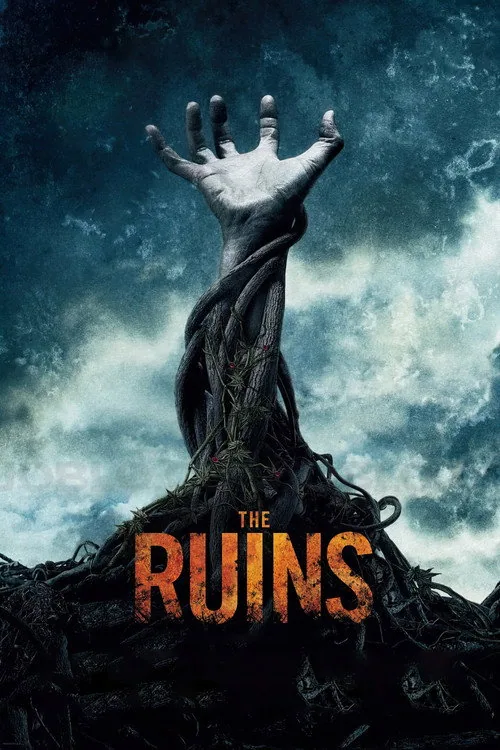
Two American couples vacationing in Mexico join a German tourist searching for his brother at a remote Mayan archaeological site. Local villagers prevent them from leaving after one traveler touches a strange vine covering the ruins. The group discovers that the growth is carnivorous and can imitate familiar sounds, turning the temple into a trap. Carter Smith’s survival horror film places ordinary vacationers in an isolated landscape where mistrust, injury, and an unfamiliar organism steadily reduce their options.
Both share themes of survival, plus a claustrophobic atmosphere.
Why this matches +
Genres: Horror / Thriller
Shared film traits
Based on recorded story, mood and style. Your preferences can change the order.
Escape and pursuit · Survival
What changes The Human Centipede: two tourists are imprisoned by a surgeon who plans to join them and another captive into one organism.. Passenger: a road-trip premise tightens into a pursuit across remote locations.
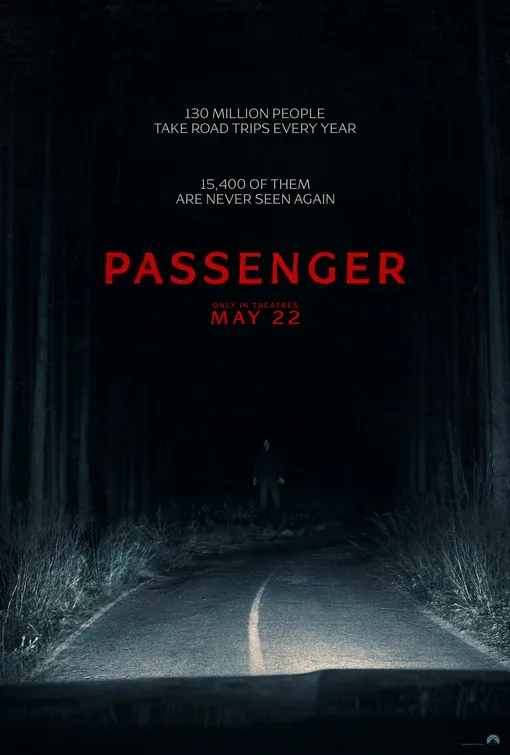
After a friend is killed during a road trip, Lucas continues traveling with a couple who have embraced van life. A supernatural presence begins following them, turning the open road into a series of temporary stops where no one feels safe. The horror film links a group’s escape from ordinary routines with the fear that movement cannot outrun an unseen pursuer, using the vehicle as both shelter and trap.
Based on recorded story, mood and style. Your preferences can change the order.
Escape and pursuit · Survival
What changes The Human Centipede: two tourists are imprisoned by a surgeon who plans to join them and another captive into one organism.. The Void: crisis-driven, rapid escalation and contained siege structure.
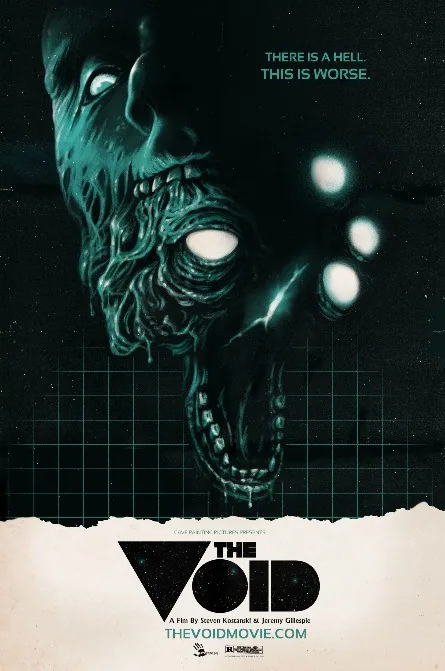
Police officer Daniel Carter brings an injured stranger to a nearly empty hospital on the edge of town. Once inside, patients and staff find themselves surrounded by hooded figures and cut off from help. As disturbing changes spread through the hospital, Carter and the survivors try to find a way out while uncovering a cult’s connection to the place. Jeremy Gillespie and Steven Kostanski build the film around a single besieged location and increasingly grotesque body-horror imagery.
Both share themes of survival, plus a claustrophobic atmosphere.
Why this matches +
Genres: Horror / Zombie
Shared film traits
Based on recorded story, mood and style. Your preferences can change the order.
Survival
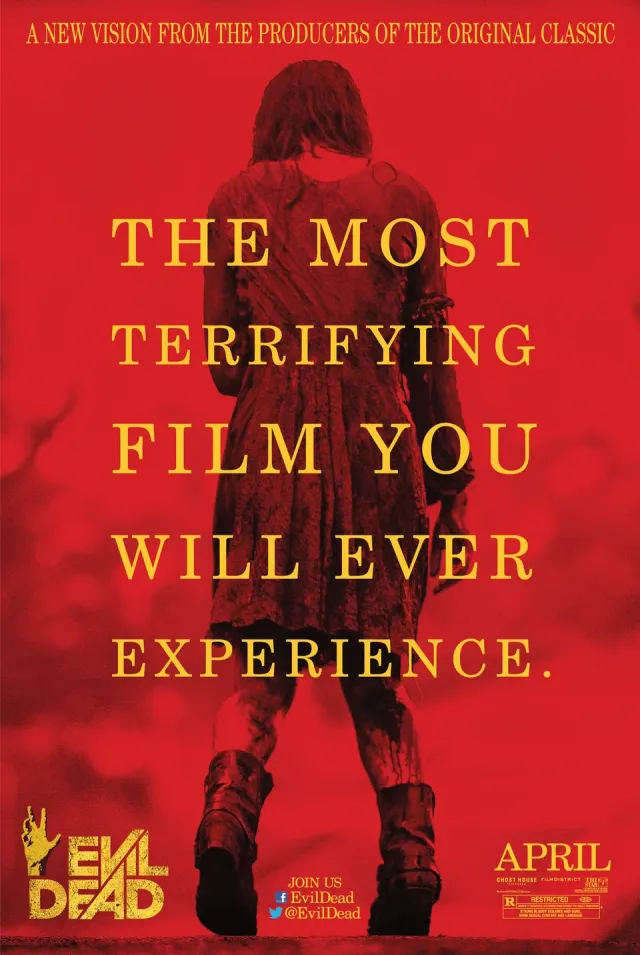
What changes The Human Centipede: two tourists are imprisoned by a surgeon who plans to join them and another captive into one organism.. Evil Dead: escalating and relentless.
Mia arrives at a remote cabin with her brother David and friends as she attempts to withdraw from drugs. A book discovered in the basement is read aloud despite warnings, releasing a demonic force that begins attacking the group. Isolation and distrust make it difficult to decide whether Mia is ill, possessed or both, and the friends' effort to survive becomes increasingly brutal.
Both share escape attempt, plus themes of survival.
Why this matches +
Genres: Horror / Supernatural
Shared film traits
Based on recorded story, mood and style. Your preferences can change the order.
Escape and pursuit · Survival
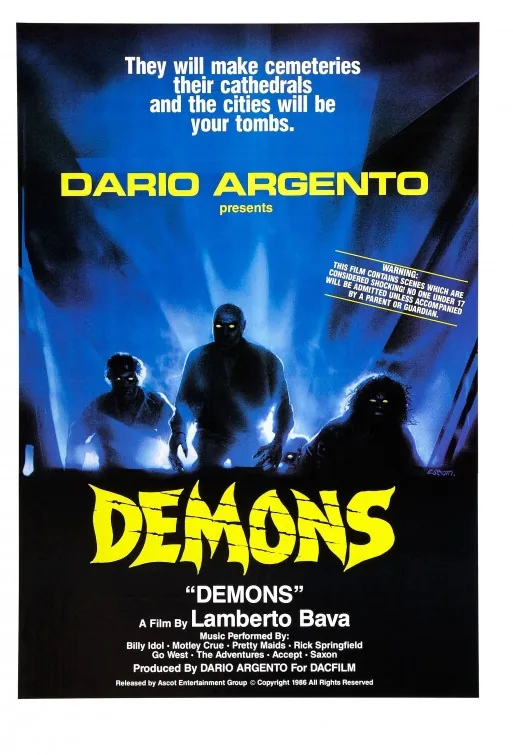
What changes The Human Centipede: two tourists are imprisoned by a surgeon who plans to join them and another captive into one organism.. Demons: rapid escalation, relentless attacks, set-piece action and abrupt shifts.
University student Cheryl accepts free cinema tickets from a mysterious masked stranger and persuades her friend Kathy to join her. Inside the newly reopened Metropol, the audience watches a horror film about teenagers who uncover a mask and an old tomb. When one of the movie’s characters is scratched by the mask, Rosemary—who has injured herself on the matching display in the lobby—begins to transform into a demon. The infection spreads through the audience as the cinema exits are sealed, trapping patrons among the creatures. George and Cheryl fight their way through the auditorium and attempt to reach the roof, but the demonic outbreak is already escaping into Berlin. The film within the film and the real attack become difficult to separate as the survivors seek a way out.
Based on recorded story, mood and style. Your preferences can change the order.
Escape and pursuit · Survival
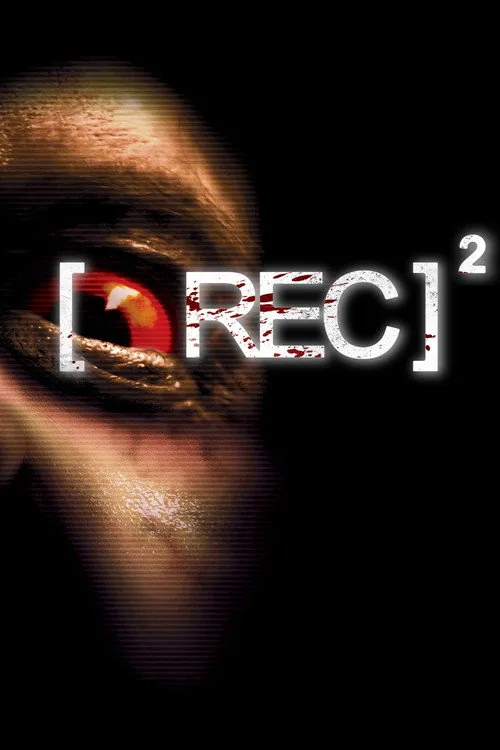
What changes The Human Centipede: two tourists are imprisoned by a surgeon who plans to join them and another captive into one organism.. REC 2: immediate action, escalating horror and fragmented viewpoints.
Minutes after the events of the first film, a special-operations team enters a quarantined Barcelona apartment building with a government official who claims to be a health inspector. The residents remain trapped inside, and the infection continues to turn people violent. When the soldiers discover that their guide knows more than he has revealed, their mission changes from containment to uncovering the outbreak’s disturbing cause. Intercut with their entry are the experiences of several teenagers who have also found a way inside, expanding the found-footage horror while maintaining the building’s claustrophobic threat.
Both share themes of control and survival, plus a claustrophobic atmosphere.
Why this matches +
Genres: Horror / Thriller
Shared film traits
Based on recorded story, mood and style. Your preferences can change the order.
Survival
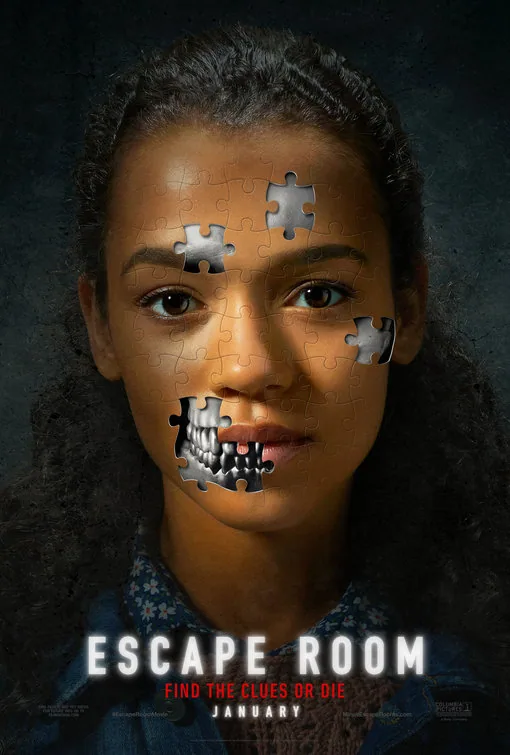
What changes The Human Centipede: two tourists are imprisoned by a surgeon who plans to join them and another captive into one organism.. Escape Room: room-to-room and escalating.
Six strangers accept invitations to test a new escape-room attraction, expecting a contest of puzzles and prizes. The rooms quickly reveal that mistakes can cause real injury, and each participant’s past connects to a larger selection process. As the group searches for rules and exits, the film blends puzzle logic with survival horror and asks whether cooperation can outlast competition.
Based on recorded story, mood and style. Your preferences can change the order.
Escape and pursuit · Survival
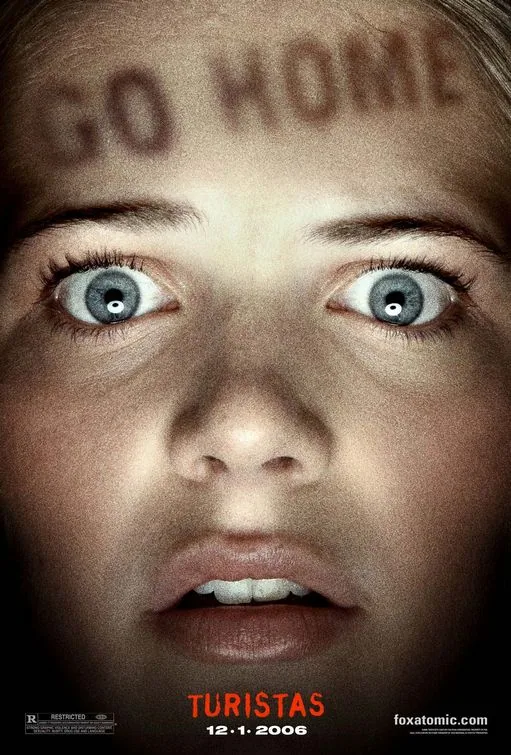
What changes The Human Centipede: two tourists are imprisoned by a surgeon who plans to join them and another captive into one organism.. Turistas: a robbery sends the group from a beach party into the forest and where they uncover the fate of missing travelers.
After a bus crash strands a group of young travelers in Brazil, Alex, his sister Bea and their friends accept help from a local guide. A beach party ends with the tourists drugged and robbed, and their attempt to reach safety leads them into a remote forest. They discover that other travelers have vanished and that a surgeon is harvesting organs from unsuspecting visitors. The group’s cultural assumptions and lack of local knowledge leave them vulnerable, and survival depends on cooperation and decisions about whom they can trust.
Both share themes of survival, plus a claustrophobic atmosphere.
Why this matches +
Genres: Horror / Thriller
Shared film traits
Based on recorded story, mood and style. Your preferences can change the order.
Escape and pursuit · Survival
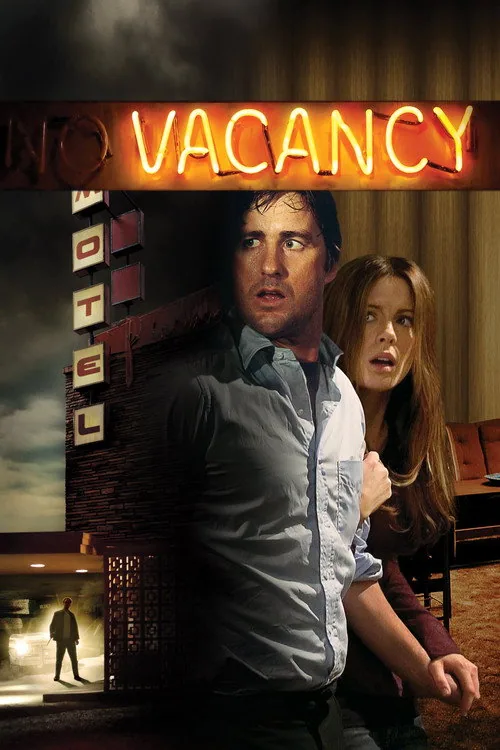
What changes The Human Centipede: two tourists are imprisoned by a surgeon who plans to join them and another captive into one organism.. Vacancy: the room’s previous recordings reveal that the couple’s stay is being staged for an audience..
During the drive home after a strained marriage, David and Amy Fox take a detour when their car breaks down and end up at a remote motel. In their room they find videotapes that show assaults and murders filmed in the same space, then discover hidden cameras and realize the motel manager is watching them. With masked killers closing in and help unavailable, the couple search the motel’s service tunnels for a way out. Nimród Antal’s horror thriller turns a familiar roadside stop into a tightly contained survival trap.
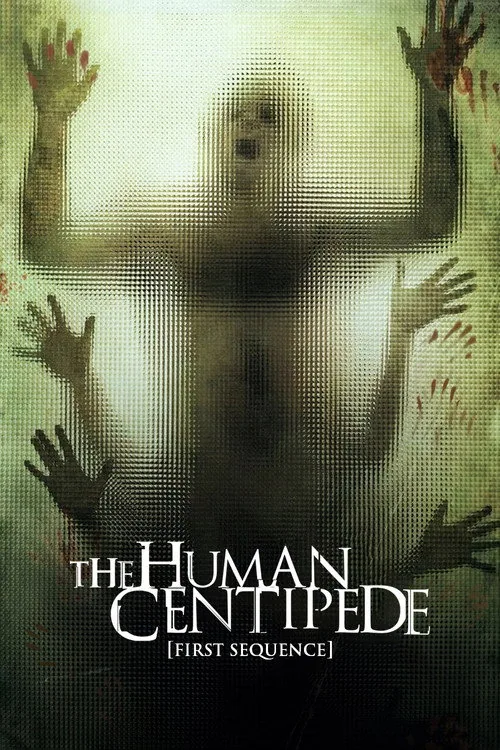
American tourists Lindsay and Jenny seek help after their car breaks down in Germany and find themselves in the home of Dr. Josef Heiter, a retired surgeon obsessed with creating a new organism. He abducts them and another traveler, then performs an operation that joins the three captives into a single body. Their attempts to escape unfold inside Heiter’s isolated medical ward, where he treats them as an experiment and a possession. Tom Six’s Dutch body-horror film is built around an intentionally extreme premise and prolonged captivity.
What drives the story
The captives have sharply different capacities to speak and move, complicating how they can coordinate escape.
The people at its centre
Heiter’s detached medical language turns his victims into objects inside his private experiment.
What it feels like
Contains disturbing surgical mutilation, bodily fluids, animal death, and prolonged captivity; highly distressing for many viewers.
Worth knowing
The film’s central horror is its forced bodily transformation and captivity, not a conventional mystery or slasher pursuit.
CaptivityControlSurvival
Mood
Repellent · Claustrophobic · Extreme
Pacing
Two tourists are imprisoned by a surgeon who plans to join them and another captive into one organism.
Visual style
Clinical horror framing · Restrained gore · Confined medical interiors