Both share a frenetic and claustrophobic atmosphere.
Why this matches +
Genres: Horror / Found footage
Shared film traits
Based on recorded story, mood and style. Your preferences can change the order.
Escape and pursuit · Survival
What changes Demons: rapid escalation, relentless attacks, set-piece action and abrupt shifts. REC 2: immediate action, escalating horror and fragmented viewpoints.
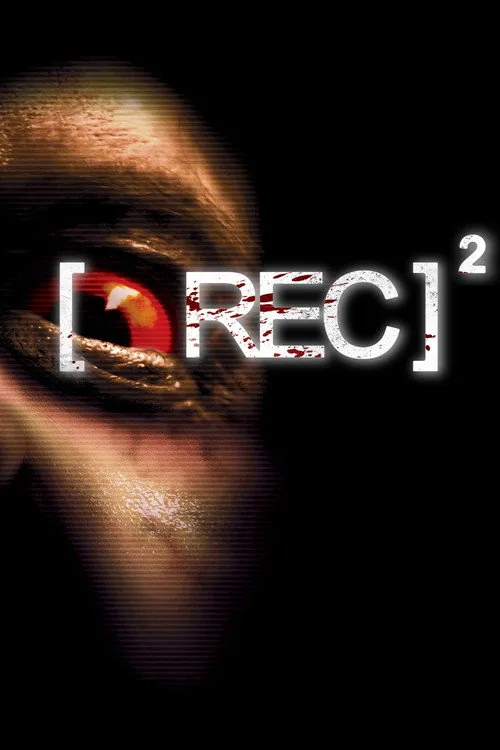
Minutes after the events of the first film, a special-operations team enters a quarantined Barcelona apartment building with a government official who claims to be a health inspector. The residents remain trapped inside, and the infection continues to turn people violent. When the soldiers discover that their guide knows more than he has revealed, their mission changes from containment to uncovering the outbreak’s disturbing cause. Intercut with their entry are the experiences of several teenagers who have also found a way inside, expanding the found-footage horror while maintaining the building’s claustrophobic threat.
Based on recorded story, mood and style. Your preferences can change the order.
What changes Demons: rapid escalation, relentless attacks, set-piece action and abrupt shifts. The Gallows: short suspense beats escalate through one night.
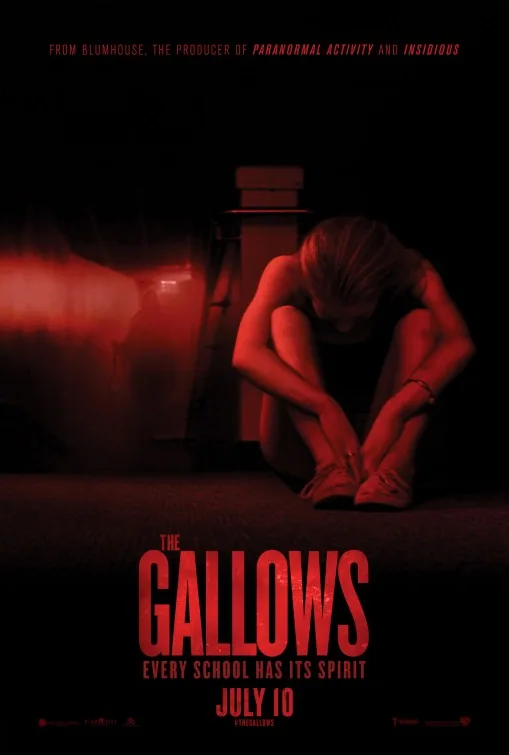
Students preparing a school play revive the name of a production that ended in tragedy decades earlier, only to encounter a presence tied to the old performance. Their backstage choices and attempts to document events turn rehearsal spaces into a found-footage trap. The teen horror film relies on theatrical lore, enclosed corridors and the fear that a performance can invite something beyond the audience.
Based on recorded story, mood and style. Your preferences can change the order.
What changes Demons: rapid escalation, relentless attacks, set-piece action and abrupt shifts. Scary Movie 2: sketch-like, rapid and stop-start.
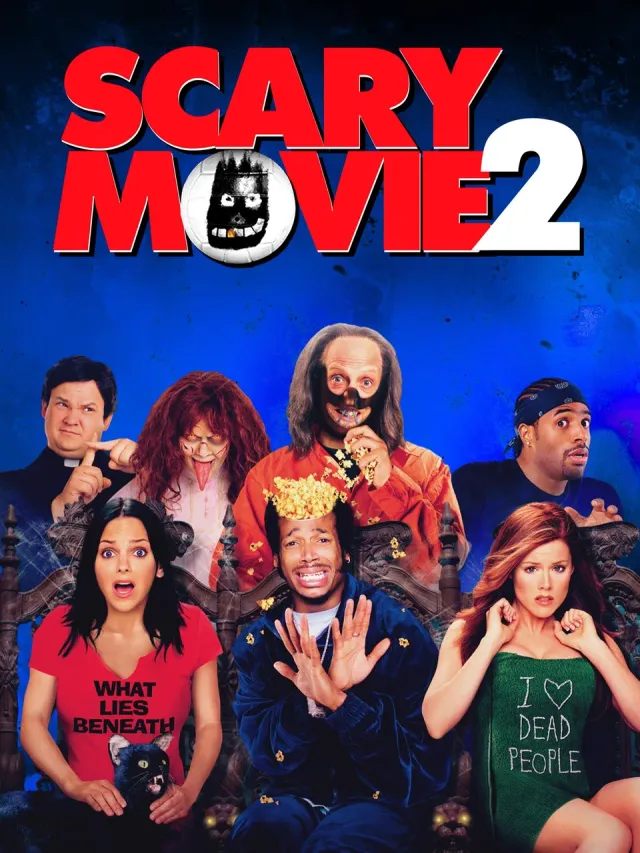
College students Cindy, Ray, Brenda and Shorty are lured to a haunted mansion for an experiment that quickly becomes a series of ghostly attacks and absurd failures. The setup borrows the isolated-house and exorcism machinery of familiar horror films, then keeps undercutting suspense with bodily gags, crude dialogue and deliberately ridiculous behavior. Cindy and Brenda remain at the center of the friend group, but the plot is less concerned with a coherent supernatural mystery than with making each new encounter an excuse to parody the genre. Its humor is intentionally tasteless and often depends on shock rather than character development.
Based on recorded story, mood and style. Your preferences can change the order.
Escape and pursuit · Survival
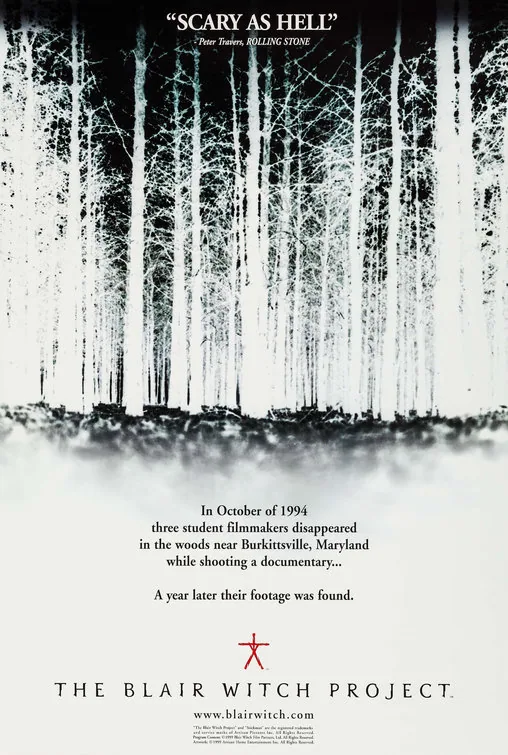
What changes Demons: rapid escalation, relentless attacks, set-piece action and abrupt shifts. The Blair Witch Project: gradual escalation and circular disorientation.
Film students Heather, Mike and Josh travel to Burkittsville, Maryland, to interview residents about the local Blair Witch legend for a documentary. They hike into the Black Hills Forest to investigate the stories and record their reactions, but become lost after their maps fail to help them find a way out. Night sounds, strange arrangements of stones and sticks, and the gradual disappearance of supplies intensify their arguments. As the students turn on one another, the footage becomes the only surviving record of their attempt to get back to town.
Based on recorded story, mood and style. Your preferences can change the order.
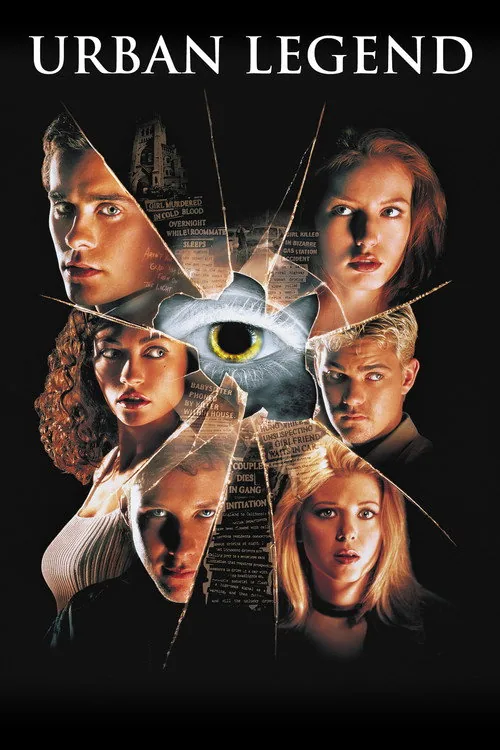
What changes Demons: rapid escalation, relentless attacks, set-piece action and abrupt shifts. Urban Legend: clue-driven slasher structure, rising body count and mystery reveal.
At Pendleton University, a series of murders appear to recreate well-known urban legends. Student Natalie becomes suspicious that the deaths are connected to a massacre from the school’s past, while her friend Paul helps her investigate and campus authorities dismiss her concerns. As the killings draw closer to her social circle, Natalie must work out which stories are clues and who is using them. Jamie Blanks’s slasher film turns familiar folklore into a campus murder mystery.
Based on recorded story, mood and style. Your preferences can change the order.
Constructed reality
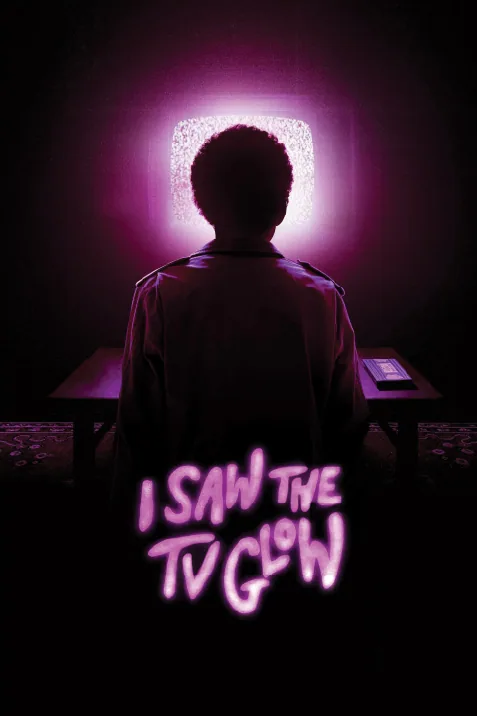
What changes Demons: rapid escalation, relentless attacks, set-piece action and abrupt shifts. I Saw the TV Glow: slow burn and episodic.
Two isolated classmates, Owen and Maddy, bond over a late-night television series that seems to offer a world more meaningful than their suburban routines. Maddy disappears after insisting that the show reveals something true about their identities; years later, she returns with a frightening explanation that Owen cannot bring himself to accept. Their unequal readiness to act turns time, memory and ordinary adulthood into sources of horror. The film’s trans allegory is closely tied to repression and recognition, while its unstable reality resists a tidy supernatural solution. Its ending is disturbing because Owen’s continued deferral has visible costs, not because it offers instructions for a viewer’s safety or identity.
Both share themes of survival, plus a claustrophobic atmosphere.
Why this matches +
Genres: Horror / Thriller
Shared film traits
Based on recorded story, mood and style. Your preferences can change the order.
Escape and pursuit · Survival
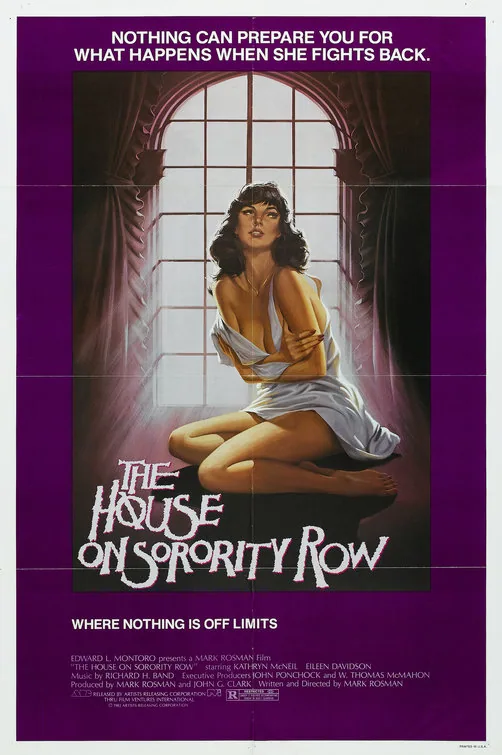
What changes Demons: rapid escalation, relentless attacks, set-piece action and abrupt shifts. The House on Sorority Row: a prank becomes a siege with escalating attacks.
A group of sorority sisters stage a cruel prank against their housemother, but the event ends in her apparent death. As the students prepare for a party and try to conceal what happened, a masked figure begins targeting them. The film builds slasher tension from guilt, secrecy and the claustrophobic social world of the sorority house.
Based on recorded story, mood and style. Your preferences can change the order.
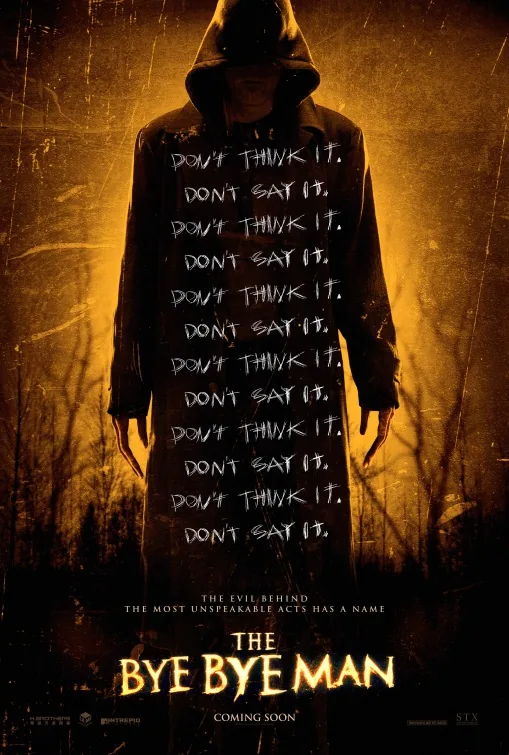
What changes Demons: rapid escalation, relentless attacks, set-piece action and abrupt shifts. The Bye Bye Man: mystery discovery builds toward psychological and physical danger.
Three college students uncover a supernatural figure connected to a rule about not speaking or thinking his name. Their attempts to understand the legend make the threat harder to escape, while suspicion fractures their relationships. The horror film uses a contagious idea as its central mechanism, combining occult mystery with a story about how fear and doubt can spread through a close group.
Based on recorded story, mood and style. Your preferences can change the order.
Escape and pursuit · Survival
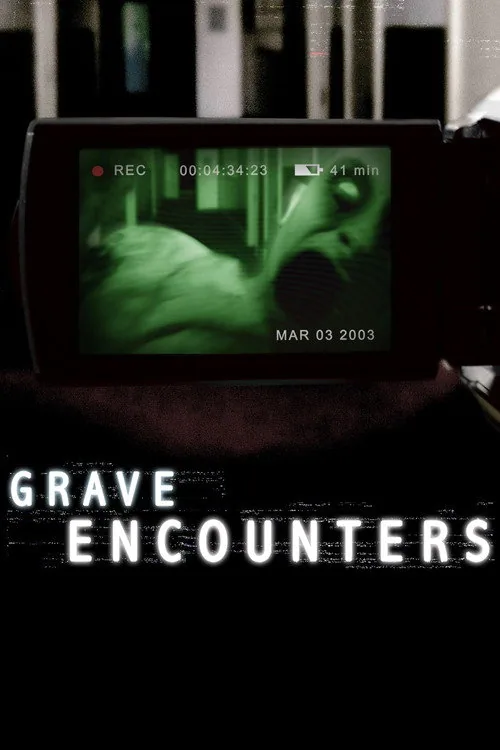
What changes Demons: rapid escalation, relentless attacks, set-piece action and abrupt shifts. Grave Encounters: mockumentary setup, escalating supernatural confinement and found-footage collapse.
A reality television crew enters an abandoned psychiatric hospital to film an overnight episode of its paranormal-investigation show. The host initially treats the location’s stories as material for a performance, but the locked building begins to shift in impossible ways and the crew cannot find an exit. Their cameras record the escalating experience as skepticism gives way to fear. The Vicious Brothers’ found-footage horror film uses the mockumentary setup to trap its cast inside a supposedly haunted institution.
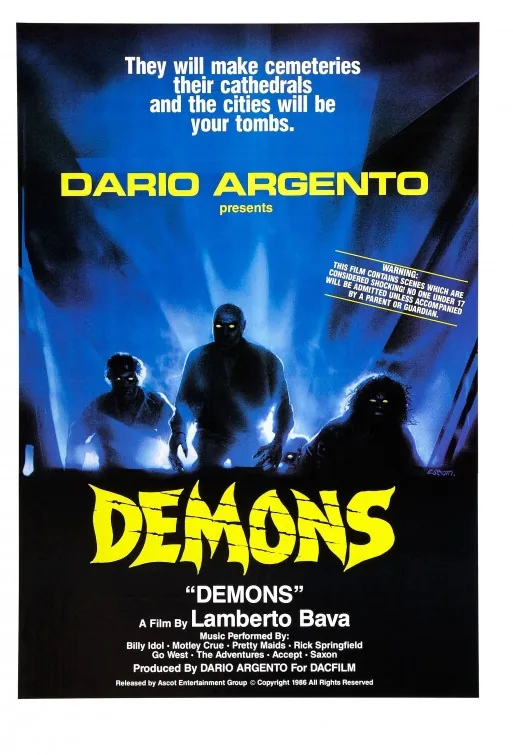
University student Cheryl accepts free cinema tickets from a mysterious masked stranger and persuades her friend Kathy to join her. Inside the newly reopened Metropol, the audience watches a horror film about teenagers who uncover a mask and an old tomb. When one of the movie’s characters is scratched by the mask, Rosemary—who has injured herself on the matching display in the lobby—begins to transform into a demon. The infection spreads through the audience as the cinema exits are sealed, trapping patrons among the creatures. George and Cheryl fight their way through the auditorium and attempt to reach the roof, but the demonic outbreak is already escaping into Berlin. The film within the film and the real attack become difficult to separate as the survivors seek a way out.
What drives the story
A horror screening becomes the source and mirror of a real outbreak, trapping viewers inside the movie’s premise.
The people at its centre
Cheryl and George move from strangers to allies as the cinema’s social groups collapse into isolated survival attempts.
What it feels like
The film pushes gore, rock-inflected energy and frantic action into a self-aware nightmare about being unable to leave the show.
Worth knowing
This is an Italian splatter-horror siege built around a movie theater, not a slow-burn supernatural mystery.