Both centre on satirical absurdity and inherited occult threat.
Why this matches +
Genres: Comedy / Horror
Shared film traits
Based on recorded story, mood and style. Your preferences can change the order.
What changes Scary Movie 2: sketch-like, rapid and stop-start. A Haunted House: sketch-like escalation with recurring scare gags.
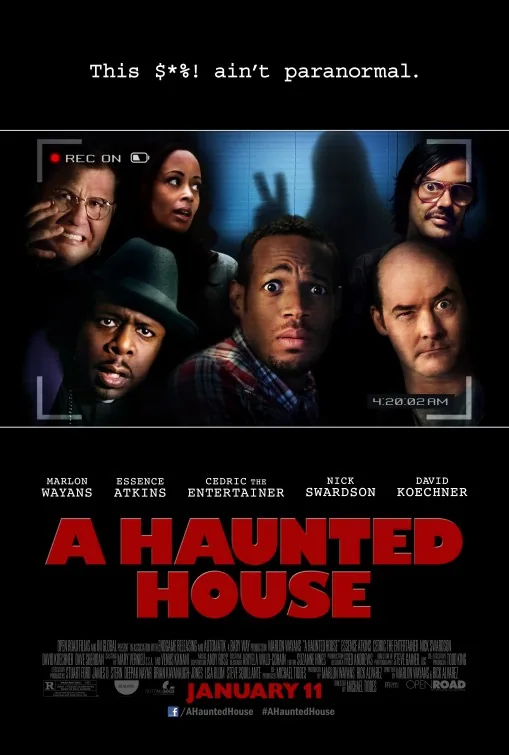
A young couple move into a new home and record increasingly strange events, only to find their attempts at investigation tangled in a parody of possession and found-footage horror conventions. Their relationship, roommates and neighbors become part of the escalating chaos. The comedy is intentionally crude, using familiar supernatural scares as setups for sexual jokes, slapstick and genre spoofing.
Based on recorded story, mood and style. Your preferences can change the order.
What changes Scary Movie 2 is tagged crude and hyperactive; Scary Movie is tagged vulgar and fast.
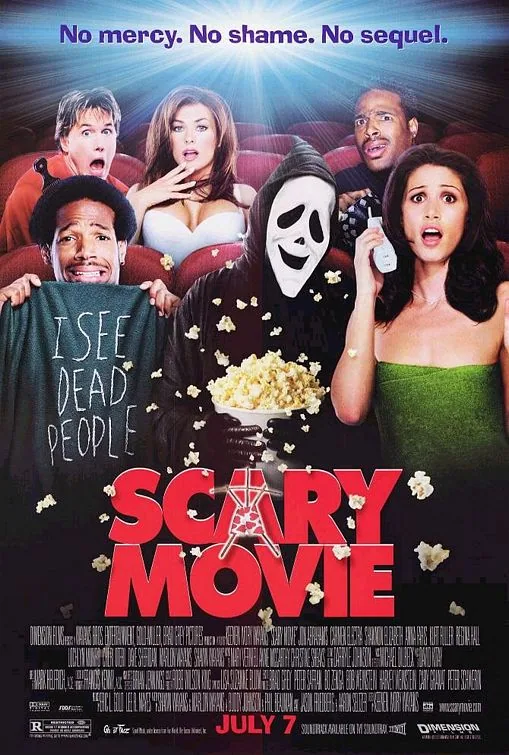
A year after a fatal hit-and-run, Cindy Campbell and her friends are stalked by a masked killer whose calls and attacks echo the slasher films they know. The group’s attempts to hide their own connections to the earlier accident collide with a news crew eager to sensationalize the murders and a school administration focused on its own reputation. Cindy’s uncertainty about her boyfriend Bobby and her friends keeps the mystery moving, but each clue is also an opportunity to spoof the conventions of teen horror. The comedy is fast, vulgar and deliberately irreverent about both the genre and its characters.
Based on recorded story, mood and style. Your preferences can change the order.
What changes Scary Movie 2: sketch-like, rapid and stop-start. Ouija: slow reveal followed by escalating scares.
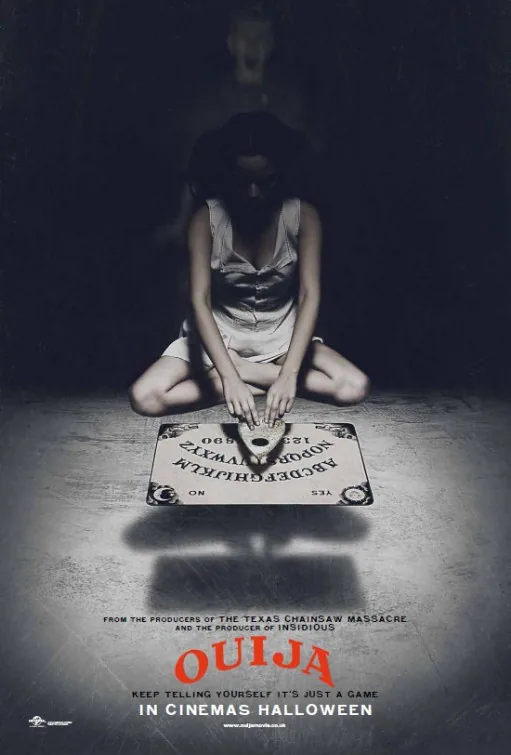
After a young woman’s unexplained death, her friends use a spirit board to contact her and instead awaken a presence that grows more dangerous with each attempt. Their investigation leads them through a house and its history, turning grief into a horror story about curiosity and unseen consequences. The film builds tension through familiar supernatural rules and a group of young characters facing a threat they do not understand.
Based on recorded story, mood and style. Your preferences can change the order.
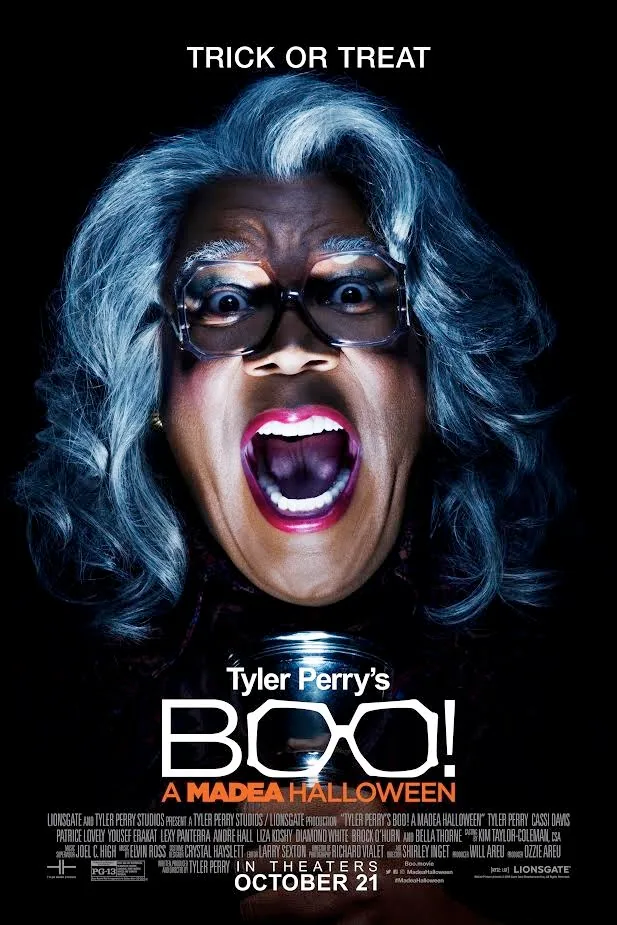
What changes Scary Movie 2: sketch-like, rapid and stop-start. Tyler Perry’s Boo! A Madea Halloween: episodic and escalating.
Brian tries to keep his teenage daughter Tiffany away from a Halloween party, but she finds ways to evade his rules. Madea and Aunt Bam are asked to watch over the household, and their interventions add comic confusion to the family’s attempts to manage the night. Pranks, party trouble and supposed supernatural scares build a broad seasonal farce about parental worry, adolescent independence and the limits of household supervision.
Based on recorded story, mood and style. Your preferences can change the order.
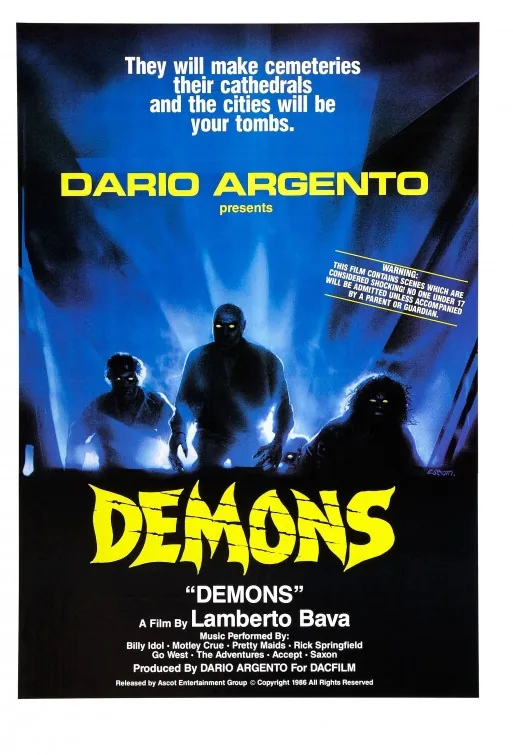
What changes Scary Movie 2: sketch-like, rapid and stop-start. Demons: rapid escalation, relentless attacks, set-piece action and abrupt shifts.
University student Cheryl accepts free cinema tickets from a mysterious masked stranger and persuades her friend Kathy to join her. Inside the newly reopened Metropol, the audience watches a horror film about teenagers who uncover a mask and an old tomb. When one of the movie’s characters is scratched by the mask, Rosemary—who has injured herself on the matching display in the lobby—begins to transform into a demon. The infection spreads through the audience as the cinema exits are sealed, trapping patrons among the creatures. George and Cheryl fight their way through the auditorium and attempt to reach the roof, but the demonic outbreak is already escaping into Berlin. The film within the film and the real attack become difficult to separate as the survivors seek a way out.
Both centre on inherited occult threat and constrained rescue.
Why this matches +
Genres: Horror / Ghost
Shared film traits
Based on recorded story, mood and style. Your preferences can change the order.
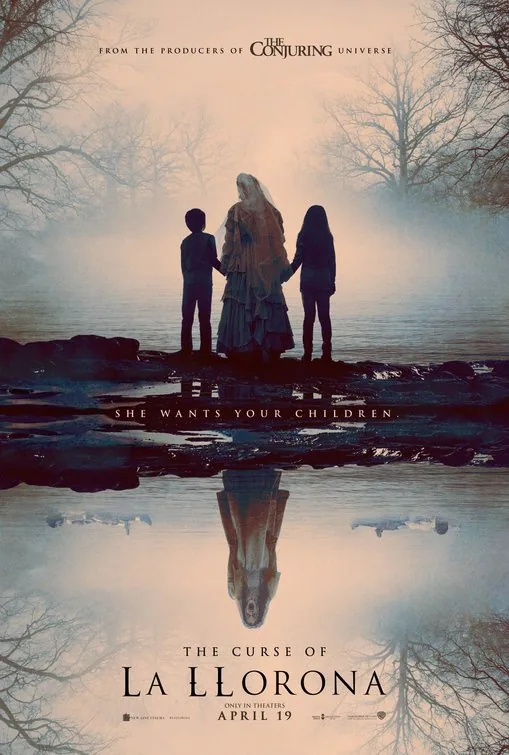
What changes Scary Movie 2: sketch-like, rapid and stop-start. The Curse of La Llorona: escalating and haunting-driven.
In 1970s Los Angeles, social worker Anna Tate-Garcia investigates a family whose children fear a figure associated with the weeping woman of Mexican folklore. After a supernatural attack reaches Anna's own children, she seeks help from a former priest who understands the legend. The film links a specific family crisis to an older haunting, turning domestic spaces and nighttime streets into places of escalating danger.
Based on recorded story, mood and style. Your preferences can change the order.
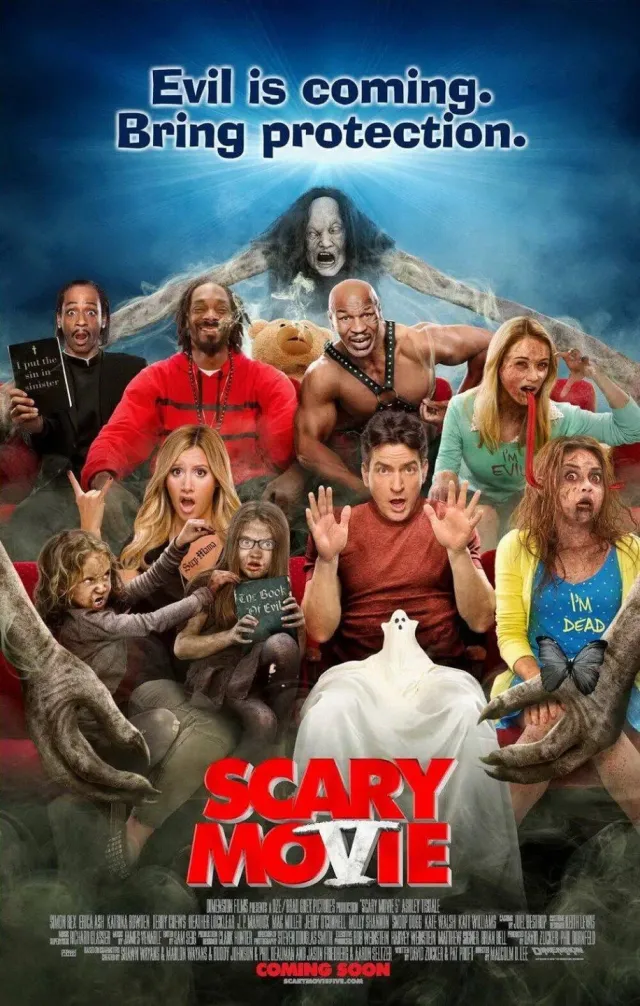
What changes Scary Movie 2: sketch-like, rapid and stop-start. Scary Movie 5: fragmented and sketch-driven.
A couple begin a new life while raising children who may be haunted by a supernatural force, and their family problems quickly become a framework for parodying recent horror and pop-culture films. Malcolm D. Lee uses the franchise’s broad sketch-comedy style, changing scenarios rapidly and relying on visual gags, celebrity appearances and crude references. The result is an intentionally disposable spoof whose appeal depends on recognition and tolerance for exaggerated sexual humor.
Based on recorded story, mood and style. Your preferences can change the order.
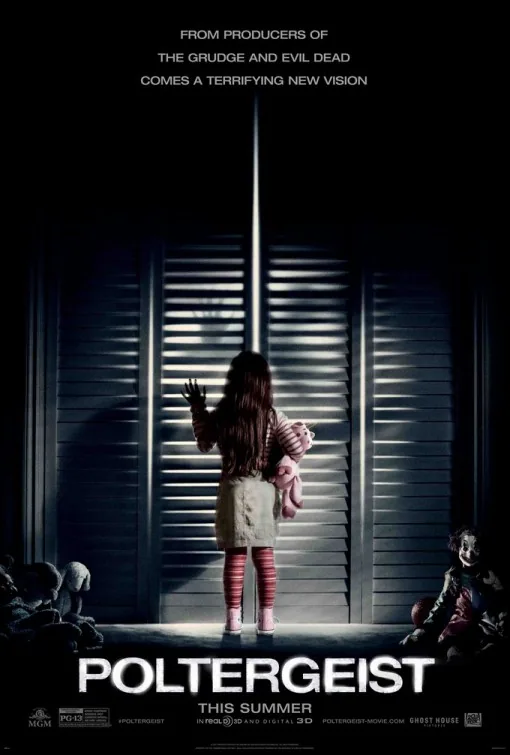
What changes Scary Movie 2: sketch-like, rapid and stop-start. Poltergeist: escalating disturbances lead to a rescue climax.
A family moves into a suburban home where a series of increasingly dangerous supernatural events culminates in the disappearance of their youngest daughter. Her parents and siblings must work together with specialists to find her before the house’s presence becomes irreversible. The remake uses a familiar family-under-threat structure, pairing domestic warmth with haunted-house shocks and urgent rescue.
Based on recorded story, mood and style. Your preferences can change the order.
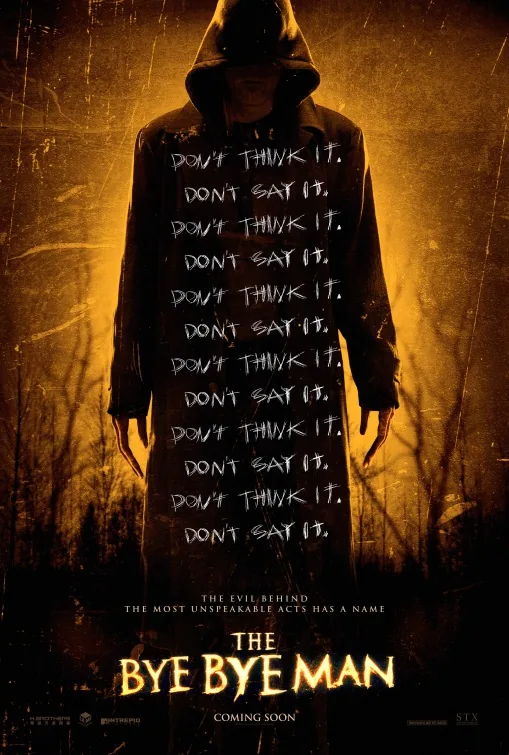
What changes Scary Movie 2: sketch-like, rapid and stop-start. The Bye Bye Man: mystery discovery builds toward psychological and physical danger.
Three college students uncover a supernatural figure connected to a rule about not speaking or thinking his name. Their attempts to understand the legend make the threat harder to escape, while suspicion fractures their relationships. The horror film uses a contagious idea as its central mechanism, combining occult mystery with a story about how fear and doubt can spread through a close group.
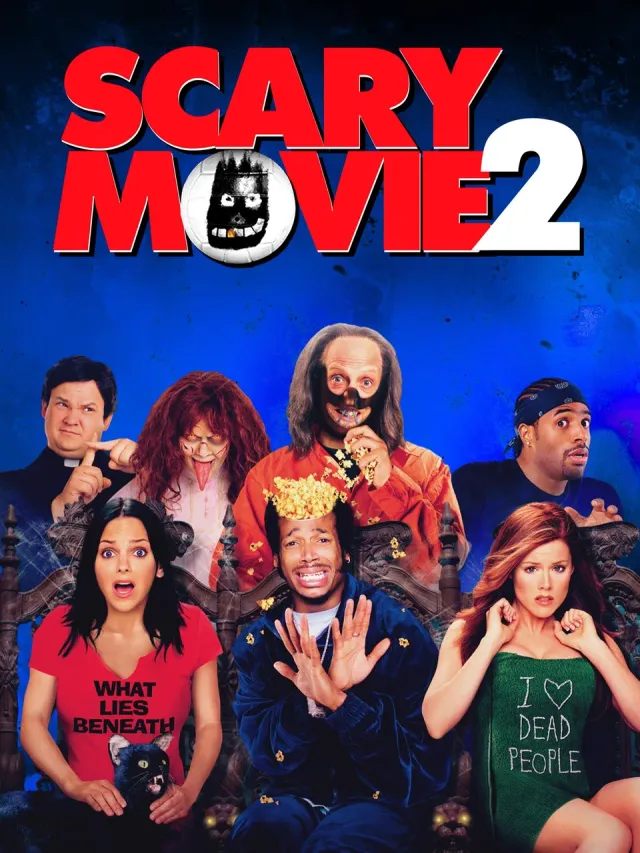
College students Cindy, Ray, Brenda and Shorty are lured to a haunted mansion for an experiment that quickly becomes a series of ghostly attacks and absurd failures. The setup borrows the isolated-house and exorcism machinery of familiar horror films, then keeps undercutting suspense with bodily gags, crude dialogue and deliberately ridiculous behavior. Cindy and Brenda remain at the center of the friend group, but the plot is less concerned with a coherent supernatural mystery than with making each new encounter an excuse to parody the genre. Its humor is intentionally tasteless and often depends on shock rather than character development.
What drives the story
The haunted-house experiment supplies a loose path from one horror reference to the next; comic reversals routinely interrupt any sustained investigation of the haunting.
The people at its centre
Cindy and Brenda’s friendship provides a recognizable anchor, but the film treats most characters as targets for a joke rather than as psychologically developed partners.
What it feels like
Broad physical comedy and rapid-fire genre references turn the mansion into a sketch stage, replacing the first film’s slasher chase with ensemble set pieces.
Worth knowing
A fit for viewers who enjoy crude, reference-heavy horror parody; the plot is deliberately thin and the humor includes sexual and bodily shock jokes.