Explore films connected to Grave Encounters through Performance and belief, Entrapment, Fear in institutional spaces. Choose the qualities you want to carry into your next watch.
What should feel similar?
Find your next favourite
9 films · Closest overall matches
Hide films you’ve seen or don’t want. Saved on this device.
No matches for this combination yet.
Try another option or reset your choices to see more films.
Based on recorded story, mood and style. Your preferences can change the order.
Survival
What changes Grave Encounters: mockumentary setup, escalating supernatural confinement and found-footage collapse. Hell House LLC: slow burn and escalating.
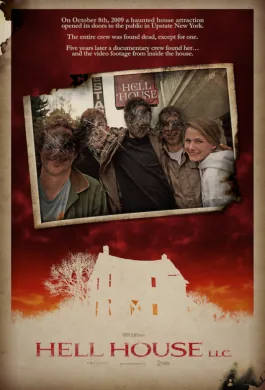
Five years after fifteen visitors and staff died during the opening night of a Halloween attraction, documentary filmmakers return to investigate. Recovered recordings take them back to the preparations inside the Abaddon Hotel, where a crew tried to manufacture scares for paying guests. As that footage accumulates, the distinction between staged effects and an actual threat becomes increasingly difficult to maintain.
Based on recorded story, mood and style. Your preferences can change the order.
Survival
What changes Grave Encounters: mockumentary setup, escalating supernatural confinement and found-footage collapse. Mirrors: slow-building and shock-driven.
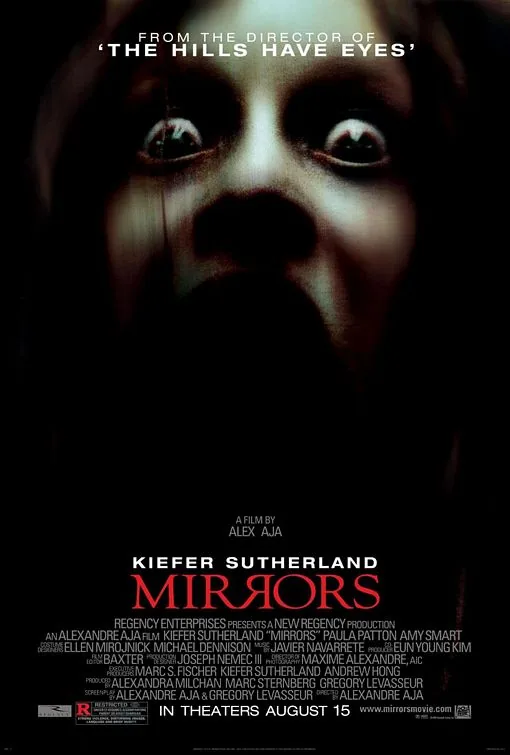
Former detective Ben Carson takes a night-watch job in a burned department store and discovers disturbing images in its mirrors. As the visions grow more threatening and reach beyond the building, he searches for the source while trying to protect his family. The supernatural horror combines a haunted-location premise with an investigation into the site’s past, making reflection a recurring image of danger and misrecognition.
Based on recorded story, mood and style. Your preferences can change the order.
Escape and pursuit · Survival
What changes Grave Encounters: mockumentary setup, escalating supernatural confinement and found-footage collapse. REC 2: immediate action, escalating horror and fragmented viewpoints.
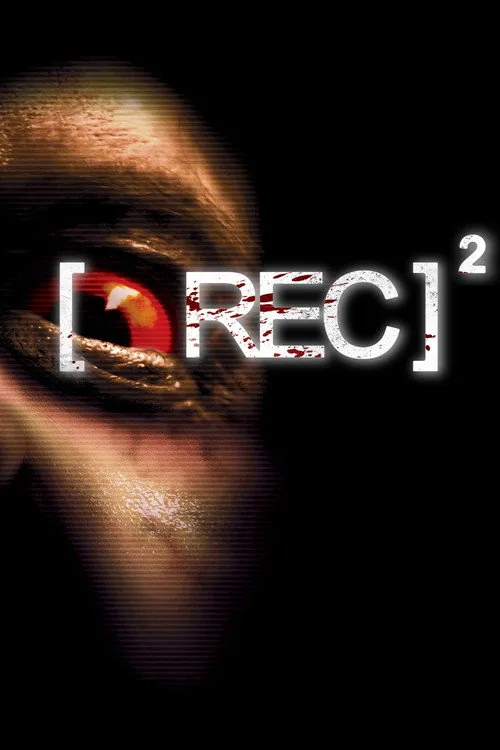
Minutes after the events of the first film, a special-operations team enters a quarantined Barcelona apartment building with a government official who claims to be a health inspector. The residents remain trapped inside, and the infection continues to turn people violent. When the soldiers discover that their guide knows more than he has revealed, their mission changes from containment to uncovering the outbreak’s disturbing cause. Intercut with their entry are the experiences of several teenagers who have also found a way inside, expanding the found-footage horror while maintaining the building’s claustrophobic threat.
Based on recorded story, mood and style. Your preferences can change the order.
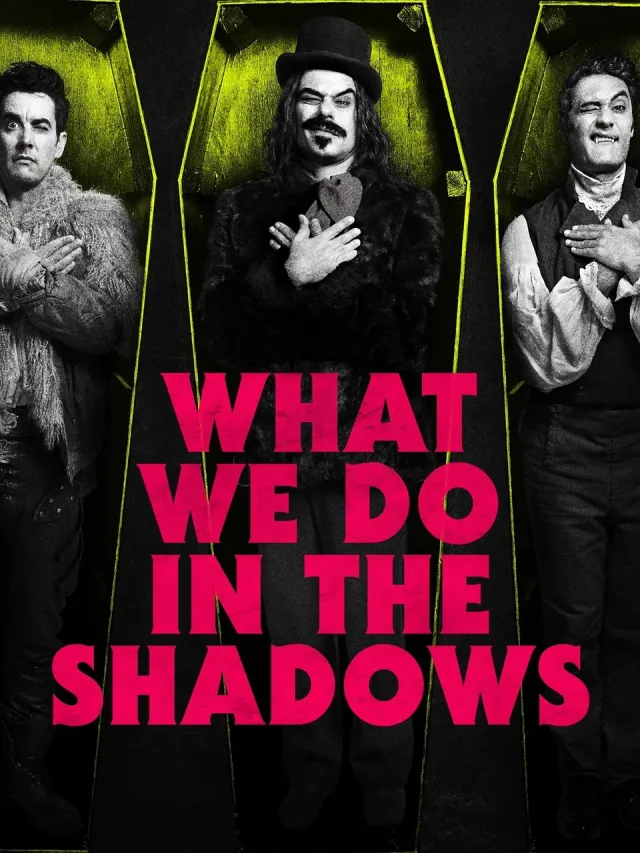
What changes Grave Encounters: mockumentary setup, escalating supernatural confinement and found-footage collapse. What We Do in the Shadows: comic escalation and episodic.
A documentary crew follows Viago, Deacon and Vladislav, vampire roommates trying to manage rent, chores and nightlife in a Wellington flat. Their ancient rivalries and supernatural habits collide with mundane problems such as getting invited into clubs. When the group meets Nick, a newly turned vampire, their routines expand to include his human friend Stu and the practical demands of teaching a newcomer their customs. The mockumentary format keeps the supernatural premise grounded in awkward interviews and domestic disputes. The crew's presence gives the vampires reason to narrate indignities as history. A night out and a dispute about chores can carry equal comic weight.
Based on recorded story, mood and style. Your preferences can change the order.
Escape and pursuit · Survival
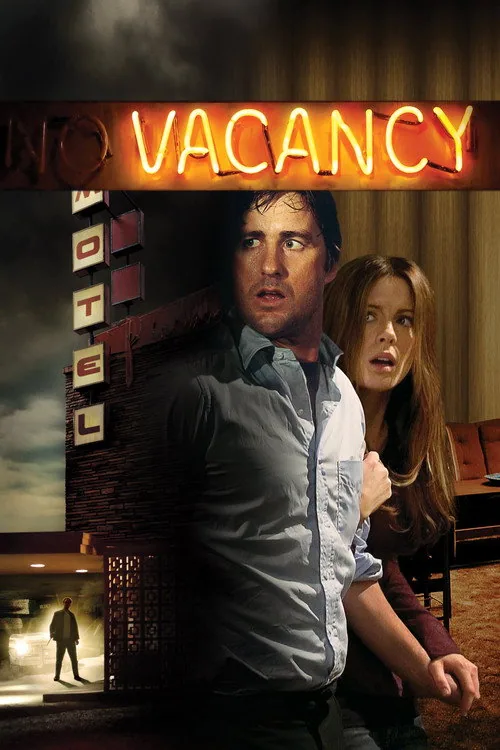
What changes Grave Encounters: mockumentary setup, escalating supernatural confinement and found-footage collapse. Vacancy: the room’s previous recordings reveal that the couple’s stay is being staged for an audience..
During the drive home after a strained marriage, David and Amy Fox take a detour when their car breaks down and end up at a remote motel. In their room they find videotapes that show assaults and murders filmed in the same space, then discover hidden cameras and realize the motel manager is watching them. With masked killers closing in and help unavailable, the couple search the motel’s service tunnels for a way out. Nimród Antal’s horror thriller turns a familiar roadside stop into a tightly contained survival trap.
Based on recorded story, mood and style. Your preferences can change the order.
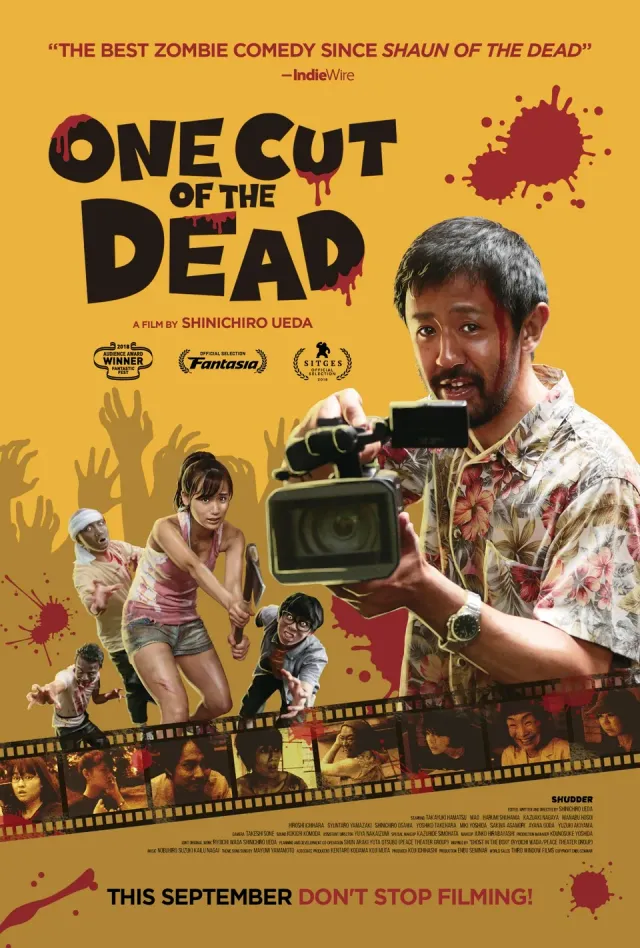
What changes Grave Encounters: mockumentary setup, escalating supernatural confinement and found-footage collapse. One Cut of the Dead: slow-burn opening, perspective shift and comic payoff.
A small film crew shoots a zombie movie inside an abandoned water-treatment plant, where the determined director keeps the cameras rolling as strange events unfold. The story then widens beyond the apparent one-take horror scene, revealing the people, pressures, and improvised planning behind the production. This Japanese comedy-horror turns low-budget filmmaking into both its subject and its source of surprises, moving from undead chaos toward an affectionate portrait of creative teamwork.
Based on recorded story, mood and style. Your preferences can change the order.
What changes Grave Encounters: mockumentary setup, escalating supernatural confinement and found-footage collapse. V/H/S: short-story anthology, uneven bursts of escalation and frame narrative between segments.
A group of petty criminals are hired to retrieve a specific videotape from a remote house, where they discover a dead body and a stack of unlabeled recordings. As they watch the tapes, a series of short horror stories unfolds through different forms of found footage, including encounters with strange visitors and violent supernatural events. The anthology’s framing narrative and segments were made by several independent filmmakers, creating a deliberately rough collection that uses camcorder images and videotape artifacts to evoke amateur recordings.
Based on recorded story, mood and style. Your preferences can change the order.
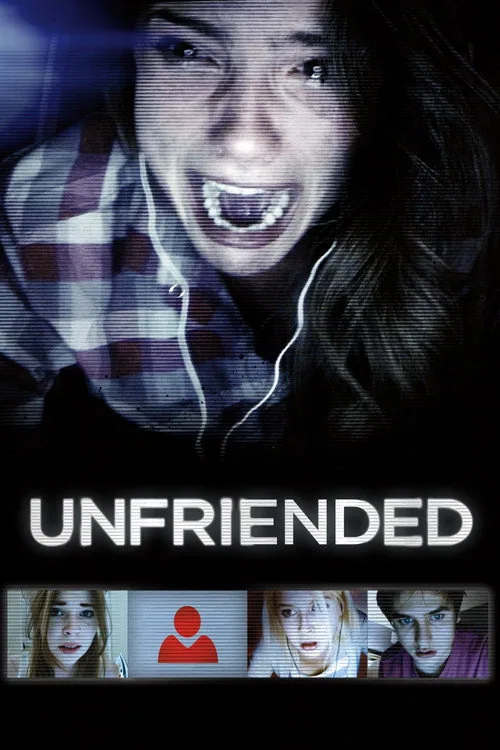
What changes Grave Encounters: mockumentary setup, escalating supernatural confinement and found-footage collapse. Unfriended: real-time feeling, reveal-driven and escalating.
A group of high-school friends hold a video chat when an unknown account joins under the name of Laura Barns, a former classmate who died by suicide after a humiliating video spread online. As messages and private recordings appear, the friends’ past actions are exposed and the session turns into a supernatural threat. The film keeps its action within a computer desktop, using calls, chats, and files to reveal the group’s secrets. Levan Gabriadze’s horror film turns digital communication into a confined slasher setting.
Based on recorded story, mood and style. Your preferences can change the order.
Escape and pursuit · Survival
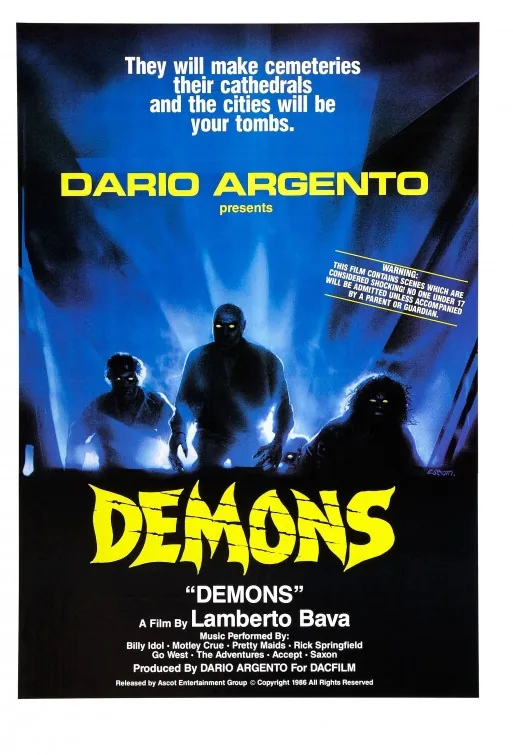
What changes Grave Encounters: mockumentary setup, escalating supernatural confinement and found-footage collapse. Demons: rapid escalation, relentless attacks, set-piece action and abrupt shifts.
University student Cheryl accepts free cinema tickets from a mysterious masked stranger and persuades her friend Kathy to join her. Inside the newly reopened Metropol, the audience watches a horror film about teenagers who uncover a mask and an old tomb. When one of the movie’s characters is scratched by the mask, Rosemary—who has injured herself on the matching display in the lobby—begins to transform into a demon. The infection spreads through the audience as the cinema exits are sealed, trapping patrons among the creatures. George and Cheryl fight their way through the auditorium and attempt to reach the roof, but the demonic outbreak is already escaping into Berlin. The film within the film and the real attack become difficult to separate as the survivors seek a way out.
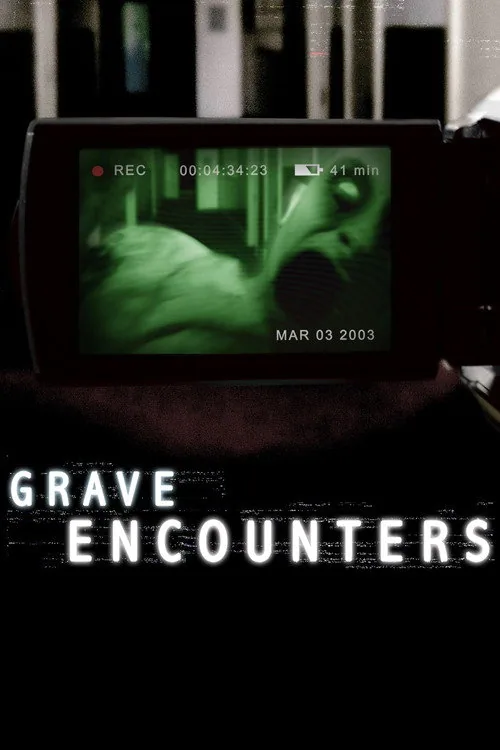
A reality television crew enters an abandoned psychiatric hospital to film an overnight episode of its paranormal-investigation show. The host initially treats the location’s stories as material for a performance, but the locked building begins to shift in impossible ways and the crew cannot find an exit. Their cameras record the escalating experience as skepticism gives way to fear. The Vicious Brothers’ found-footage horror film uses the mockumentary setup to trap its cast inside a supposedly haunted institution.
What drives the story
The crew’s planned overnight investigation turns into an effort to navigate a building that no longer follows ordinary geography.
The people at its centre
The host’s on-camera bravado and the crew’s professional roles fracture as fear replaces the show’s staged skepticism.
What it feels like
Found-footage camerawork and night vision make the hospital’s closed corridors central to the escalating supernatural threat.
Worth knowing
It turns a fictional ghost-hunting television show into a trapped-camera horror story, rather than presenting paranormal research as fact.
Performance and beliefEntrapmentFear in institutional spaces