Based on recorded story, mood and style. Your preferences can change the order.
Constructed reality · Memory and identity
What changes Cam: mystery-led, gradual escalation and identity crisis. Lost Highway: nonlinear and circular.
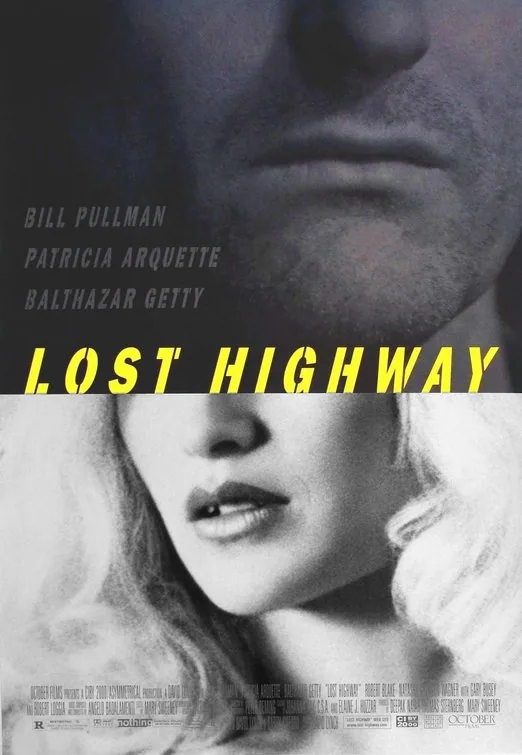
Jazz musician Fred Madison begins receiving videotapes that show the outside of his house and then its interior, turning domestic privacy into a threat. After his arrest for murder, the story fractures into an impossible identity change and a second life lived by Pete Dayton, whose affair with Alice repeats patterns of desire, surveillance and control. A mysterious man crosses the film’s worlds as if recording and directing them, but no stable explanation resolves how the two identities relate. David Lynch’s noir is built from circular return, abrupt shifts and oppressive sound rather than a puzzle with one confirmed diagnosis. Its dreamlike form can hold several readings, yet ambiguity should not dissolve the violence against women into abstract style or make the men’s self-deceptions morally weightless.
Based on recorded story, mood and style. Your preferences can change the order.
Constructed reality · Memory and identity
What changes Cam: mystery-led, gradual escalation and identity crisis. Influencer: slow-burn, twist-driven, tense and escalating.
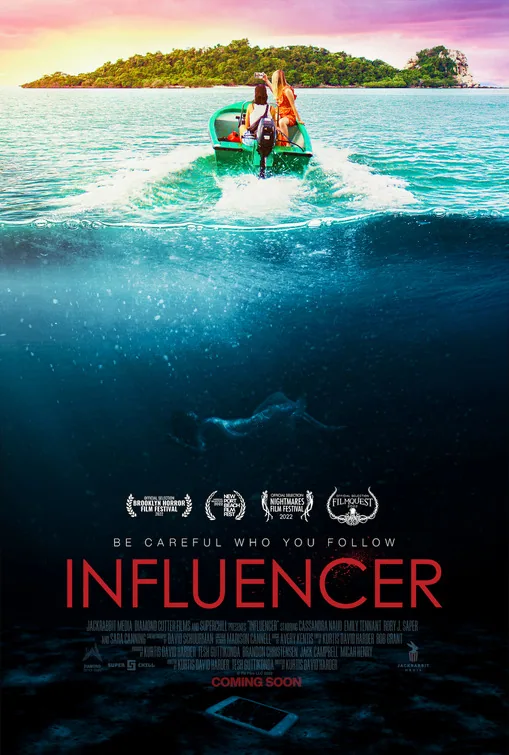
While traveling alone in Thailand, social-media personality Madison meets the mysterious CW, who seems eager to help her find memorable locations for posts. Their friendship becomes a trap when CW steals Madison’s identity and begins using her accounts to shape a convincing online life. The thriller shifts perspectives among travelers as digital performance, tourism and personal histories collide, making a curated public image a tool for both access and deception.
Based on recorded story, mood and style. Your preferences can change the order.
Constructed reality
What changes Cam: mystery-led, gradual escalation and identity crisis. Unfriended: Dark Web: real-time escalation, rapid messages and high-pressure finale.
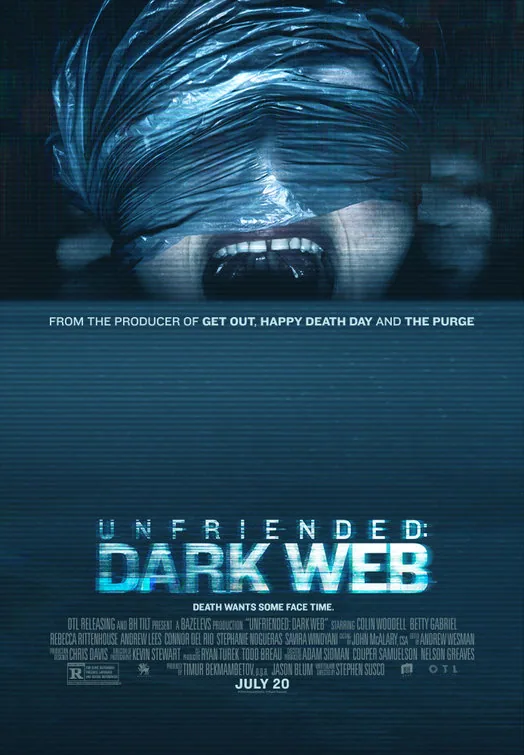
After picking up a laptop left at an internet café, Matias joins a video chat with friends, only to discover it carries accounts and files tied to the dark web. An anonymous user demands the device back and uses its contents to threaten people connected to the group. With the friends still on the call, the screen becomes a confined arena for surveillance, digital coercion, and attempts to work out who is controlling events.
Based on recorded story, mood and style. Your preferences can change the order.
Memory and identity
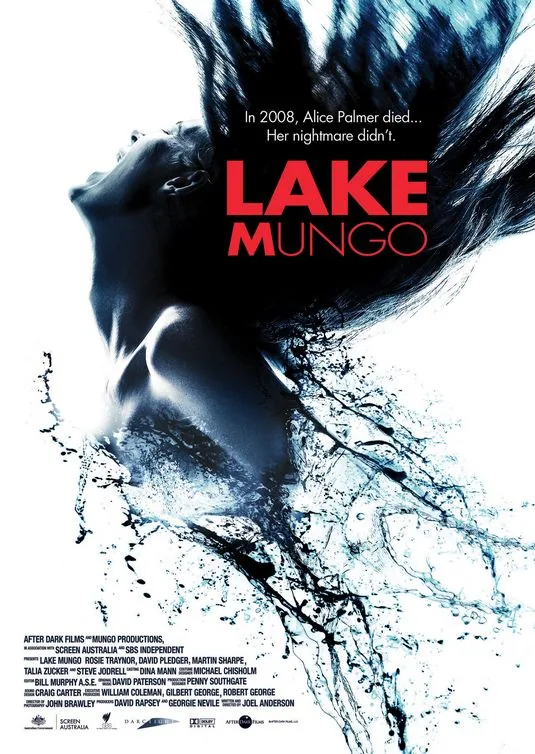
What changes Cam: mystery-led, gradual escalation and identity crisis. Lake Mungo: slow-burn, patient and revelatory.
After sixteen-year-old Alice Palmer drowns near her Australian hometown, her family begins to encounter signs that she may still be present. Her brother Mathew records apparent sightings, while their parents seek answers through photographs, a psychic and a closer look at Alice’s life. The film presents these discoveries through interviews, home videos and other documentary-like evidence. As the family learns that Alice kept parts of her life hidden, their search for a ghost becomes a more painful effort to understand the daughter they thought they knew.
Based on recorded story, mood and style. Your preferences can change the order.
Constructed reality
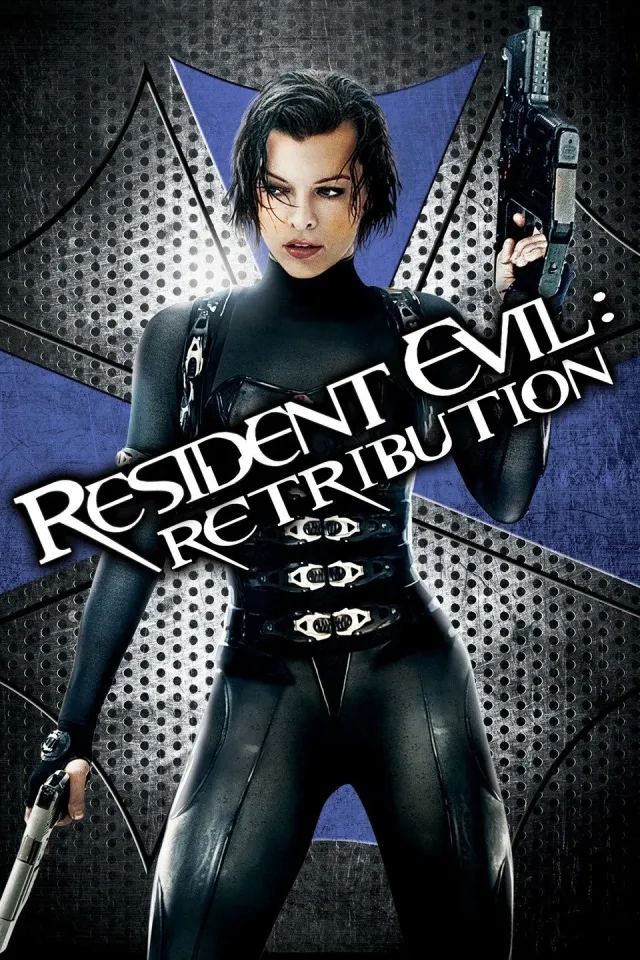
What changes Cam: mystery-led, gradual escalation and identity crisis. Resident Evil: Retribution: level-based, rapid and climactic.
Captured after an attack on the Arcadia, Alice wakes in an underwater Umbrella facility designed to simulate outbreaks in different cities. She escapes with Ada Wong and learns that Wesker has arranged a rescue team, while Umbrella’s Red Queen still controls the installation. Their route through simulated versions of Tokyo, New York and Moscow brings Alice face to face with clones, including a child who mistakes her for a mother. As explosives threaten the facility, the group tries to reach the surface and survive the changing alliances among Umbrella’s operatives.
Based on recorded story, mood and style. Your preferences can change the order.
Memory and identity
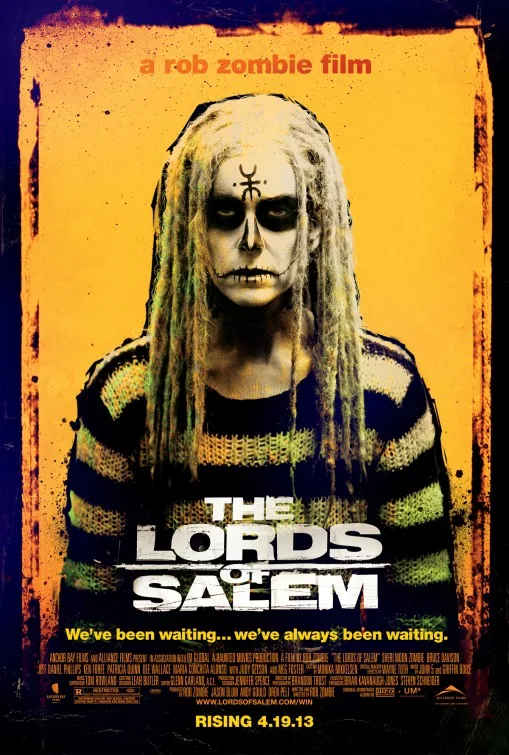
What changes Cam: mystery-led, gradual escalation and identity crisis. The Lords of Salem: gradual, atmospheric and vision-driven.
Heidi Hawthorne is a radio DJ in Salem, Massachusetts, whose routine changes when she receives a wooden box containing a record from a band called The Lords. The music unsettles her and brings on visions connected to the town’s history and a coven of women. As Heidi and her co-workers try to make sense of the record and its effects, the line between memory, nightmare and supernatural influence becomes increasingly difficult to hold.
Based on recorded story, mood and style. Your preferences can change the order.
Constructed reality
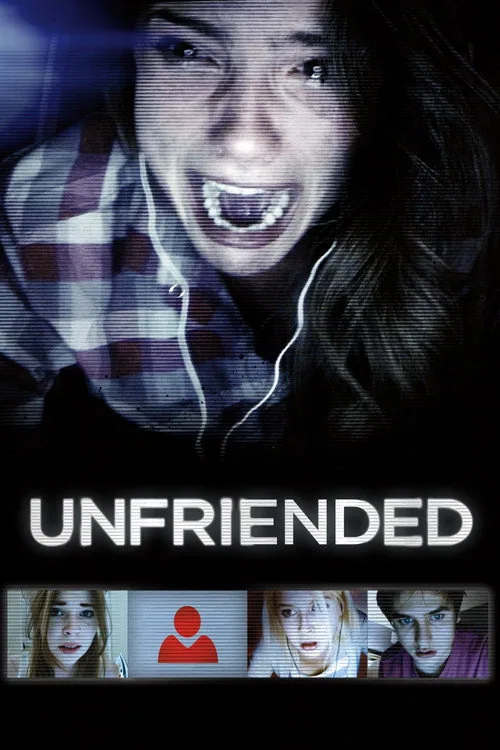
What changes Cam: mystery-led, gradual escalation and identity crisis. Unfriended: real-time feeling, reveal-driven and escalating.
A group of high-school friends hold a video chat when an unknown account joins under the name of Laura Barns, a former classmate who died by suicide after a humiliating video spread online. As messages and private recordings appear, the friends’ past actions are exposed and the session turns into a supernatural threat. The film keeps its action within a computer desktop, using calls, chats, and files to reveal the group’s secrets. Levan Gabriadze’s horror film turns digital communication into a confined slasher setting.
Based on recorded story, mood and style. Your preferences can change the order.
Constructed reality · Memory and identity
What changes Cam: mystery-led, gradual escalation and identity crisis. Deadstream: fast, real-time, escalating and comic-horror.
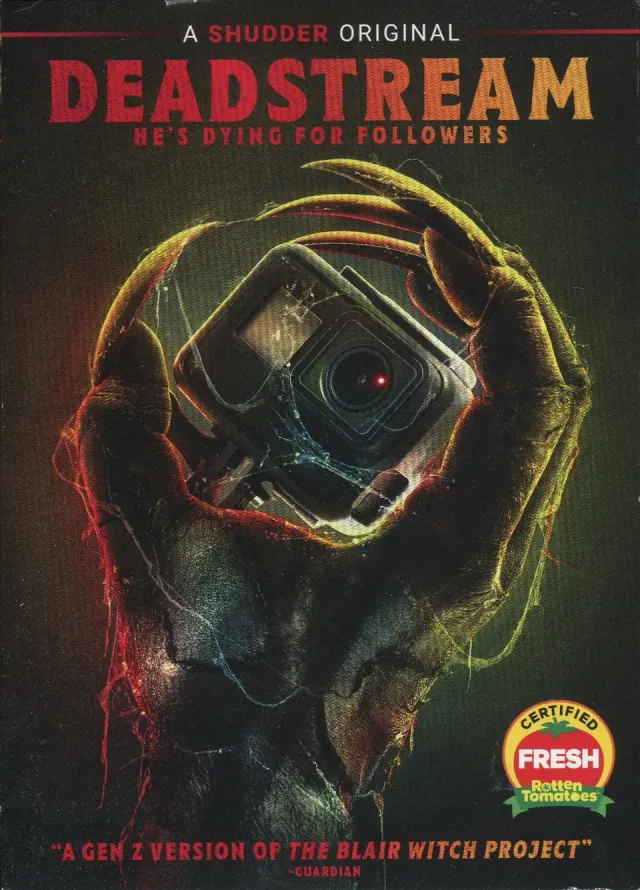
Disgraced streamer Shawn decides to spend a night alone in an abandoned haunted house and broadcast the experience to win back followers. His attempts to control the stream become increasingly difficult after he breaks a symbol and the house responds. A fan who arrives unexpectedly becomes his partner in navigating the haunting. The film uses livestream chat, direct-to-camera performance and practical effects to turn influencer culture into a frantic horror-comedy setting.
Both share themes of identity, plus an uncanny atmosphere.
Why this matches +
Genres: Horror / Thriller
Shared film traits
Based on recorded story, mood and style. Your preferences can change the order.
Constructed reality · Work and ambition
What changes Cam: mystery-led, gradual escalation and identity crisis. Stopmotion: slow burn, escalating and fragmented.
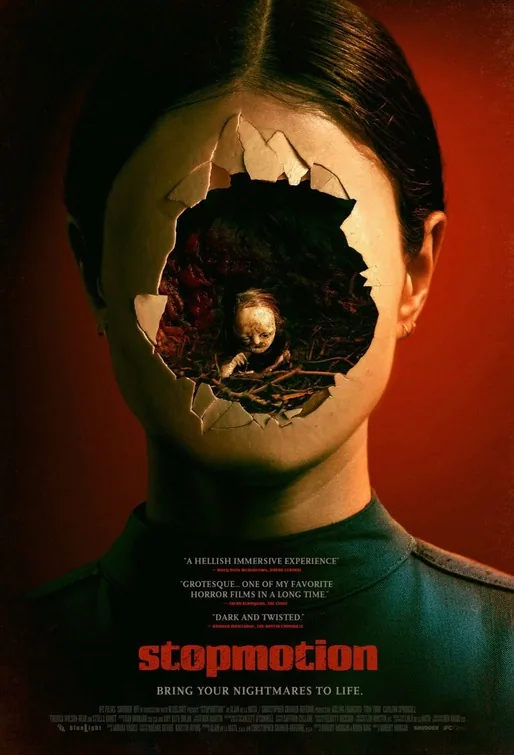
Animator Ella has spent years working under the demanding guidance of her celebrated mother, whose illness disrupts a major stop-motion production. When Ella begins a project of her own, she becomes fascinated by a disturbing story voiced by a young girl and starts building its images by hand. The animation gradually intrudes on Ella's waking life, blurring artistic control, family influence and psychological crisis as she struggles to finish the work.
Alice Ackerman performs online as Lola_Lola, aiming to climb a live-streaming platform’s rankings while keeping the work private from her family. When she loses access to her account, she discovers an almost identical double continues broadcasting under her name and reproducing her behavior. Alice tries to find who controls the lookalike and regain ownership of her identity, but the platform’s audience and rules keep rewarding the copy.
What drives the story
Alice investigates how a lookalike has taken over her online identity and why the platform keeps the impostor active.
The people at its centre
Alice balances her private family relationships against a public persona that strangers believe they own.
What it feels like
The film turns webcam performance and platform identity into a surreal, tightly focused body-horror mystery.
Worth knowing
Its threat comes from a digitally replicated identity and online audience, rather than a supernatural double invading ordinary life.