Based on recorded story, mood and style. Your preferences can change the order.
Dream worlds · Memory and identity
What changes The Lords of Salem: gradual, atmospheric and vision-driven. Inland Empire: elliptical and long-form and disorienting.
Actress Nikki Grace accepts a role in a film production that is said to be cursed, and the boundaries between her performance, private life, and the story she is acting out begin to dissolve. Scenes move through Hollywood rooms, shadowy corridors, and disjointed encounters without settling into one stable account of events. David Lynch’s experimental psychological film uses digital video, repetition, and dream logic to make identity and narrative feel unstable. Its three-hour form invites sensory immersion and interpretation rather than a single, easily summarized solution.
Based on recorded story, mood and style. Your preferences can change the order.
Dream worlds
What changes The Lords of Salem: gradual, atmospheric and vision-driven. The Unholy: inquiry and public gatherings build toward a religious confrontation.
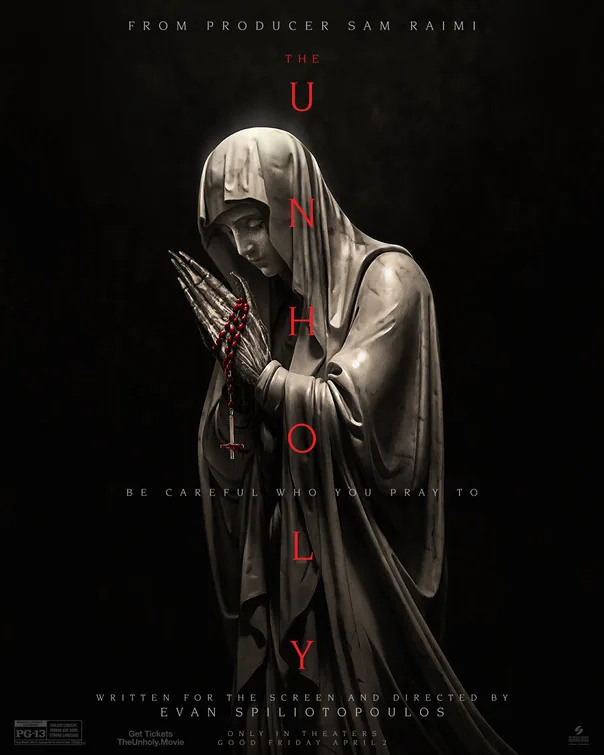
Alice, a young woman with a hearing impairment, claims to receive visions of the Virgin Mary and begins healing people in her town. A journalist investigates the reported miracles, while church officials and residents debate what is happening. The supernatural horror drama connects faith, public attention and the possibility of deception, as the community’s hope becomes inseparable from the danger surrounding Alice.
Both share themes of belief, plus an ominous atmosphere.
Why this matches +
Genres: Horror / Thriller
Shared film traits
Based on recorded story, mood and style. Your preferences can change the order.
Memory and identity
What changes The Lords of Salem: gradual, atmospheric and vision-driven. The Haunting in Connecticut 2: Ghosts of Georgia: gradual escalation, revelation-driven and conventional horror beats.
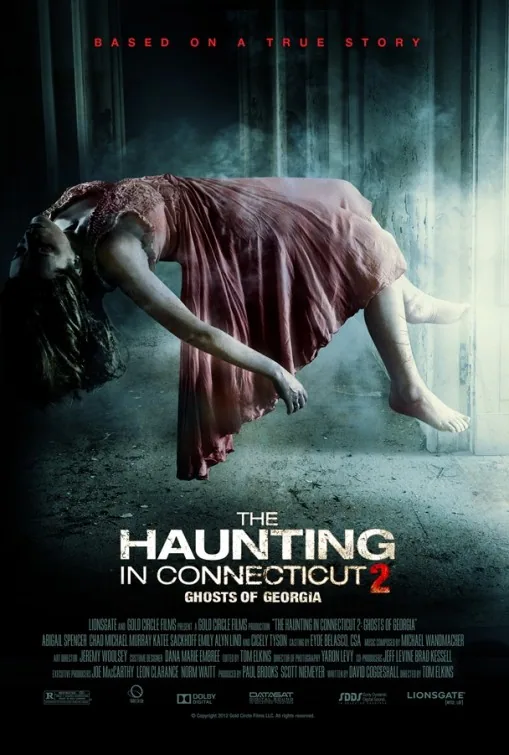
Andy and Lisa Wyrick move with their daughter Heidi into an old house in rural Georgia, hoping to begin a new chapter. Heidi begins seeing a man named Mr. Gordy and other spirits, while Lisa’s suppressed psychic sensitivity returns. Lisa’s sister Joyce encourages her to face what she has tried to shut out. As the family investigates the house, they uncover a history connected to the Underground Railroad and the people who sought refuge there.
Based on recorded story, mood and style. Your preferences can change the order.
What changes The Lords of Salem: gradual, atmospheric and vision-driven. The Haunting: slow burn and building tension.
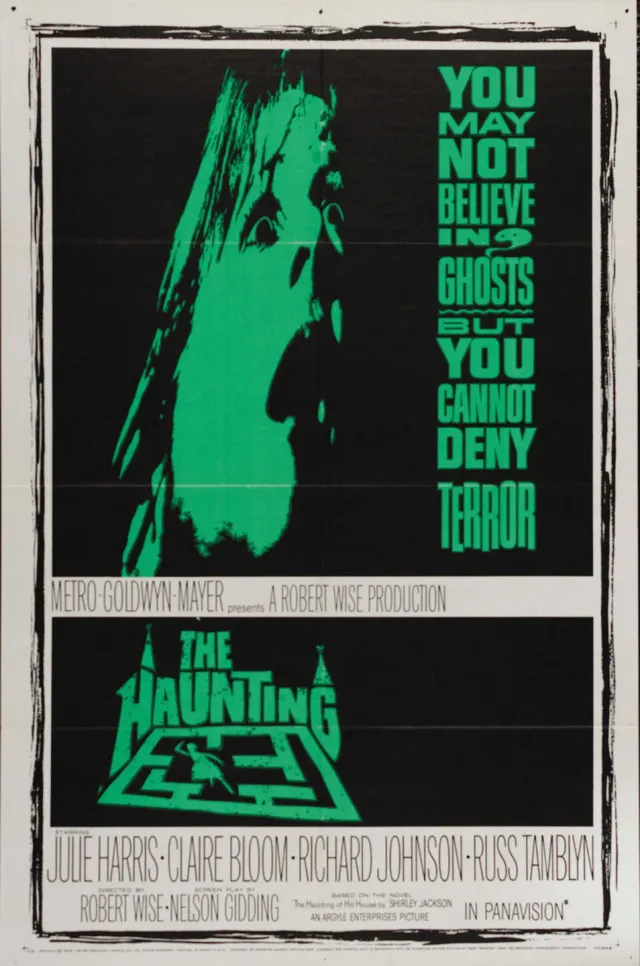
Paranormal researcher Dr. Markway invites a small group to stay at Hill House, a mansion with a disturbing history. Among his guests are Eleanor, a lonely woman eager to escape an oppressive home life, and the perceptive Theo. Strange sounds and tensions within the group make the house’s effects increasingly difficult to separate from Eleanor’s vulnerable state of mind.
Shared characteristics
Genre: Horror
Poster: Film rights holders; original promotional poster documented by Wikipedia · Image source
Based on recorded story, mood and style. Your preferences can change the order.
Memory and identity · Power and authority
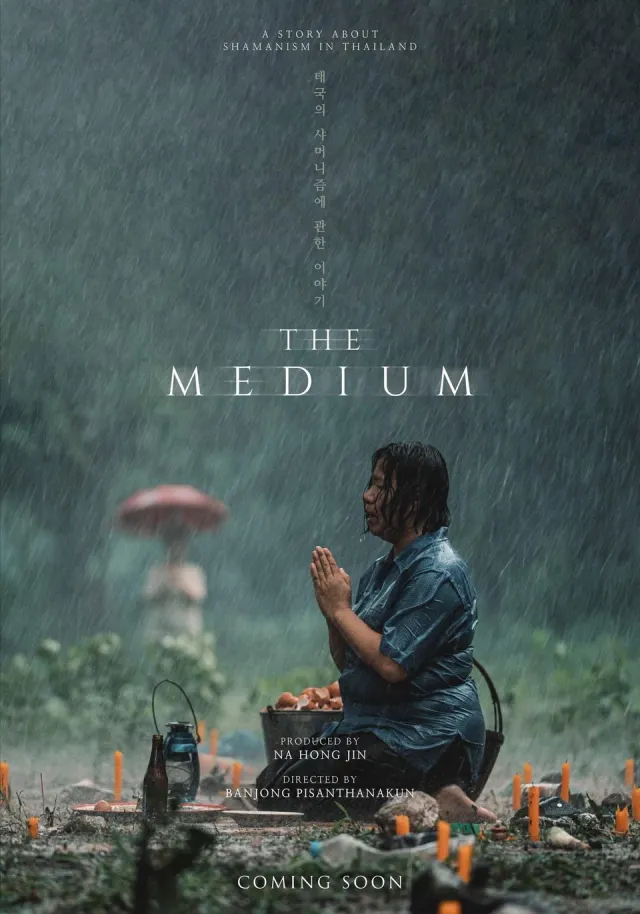
What changes The Lords of Salem: gradual, atmospheric and vision-driven. The Medium: field research establishes nim’s practice, mink’s behavior changes, the family and crew investigate competing explanations and the footage descends into chaos.
A documentary crew travels to a rural community in northeastern Thailand to record Nim, a shaman who believes she has inherited a spirit from her family line. The crew’s attention turns to her niece Mink after the young woman begins exhibiting unsettling changes. As the family seeks an explanation, the film’s observational footage becomes increasingly unstable and the boundary between spiritual practice, family history, and supernatural horror grows uncertain.
Both share themes of trauma, plus an ominous atmosphere.
Why this matches +
Genres: Horror
Shared film traits
Based on recorded story, mood and style. Your preferences can change the order.
Power and authority
What changes The Lords of Salem: gradual, atmospheric and vision-driven. Prey for the Devil: classroom-to-crisis, escalating, conventional horror and climactic.
Sister Ann wants to train as an exorcist after a professor recognizes her ability to empathize with possessed people. At the Church’s reopened training school, she faces resistance to a nun learning a rite reserved for priests and is drawn into the case of a young girl whose possession echoes Ann’s memories of her mother. The horror drama links a supernatural confrontation with questions of authority, vocation and care for people in crisis.
Based on recorded story, mood and style. Your preferences can change the order.
Dream worlds · Power and authority
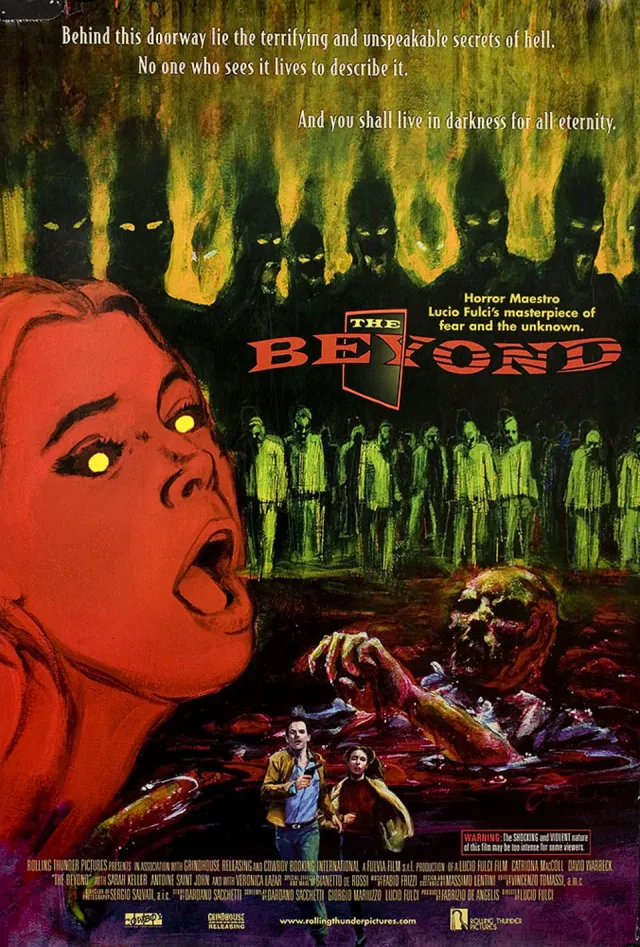
What changes The Lords of Salem: gradual, atmospheric and vision-driven. The Beyond: episodic deaths, escalating supernatural threat, mystery-led and bleak climax.
Liza Merrill inherits a decaying hotel in New Orleans and plans to reopen it despite warnings about its past. The building contains a room linked to an old act of violence and one of seven gates to the afterlife. As repairs begin, accidents and deaths multiply, and local doctor John McCabe finds that ordinary explanations do not account for what is happening. Liza searches for answers in the hotel’s history while the boundary between the living world and a hostile supernatural realm grows weaker. The investigation becomes a struggle to survive a place that seems to draw its visitors toward an inevitable ending.
Based on recorded story, mood and style. Your preferences can change the order.
Memory and identity
What changes The Lords of Salem: gradual, atmospheric and vision-driven. Insidious: The Last Key: mystery-led and escalating.
Parapsychologist Elise Rainier receives a call about strange events in the house where she spent a frightened childhood. Returning with her colleagues forces her to face not only a supernatural presence but also the family history that shaped her ability to sense it. The investigation links ghostly danger with personal memory, making the haunted house a place where old harm must finally be confronted.
Based on recorded story, mood and style. Your preferences can change the order.
Dream worlds
What changes The Lords of Salem: gradual, atmospheric and vision-driven. A Nightmare on Elm Street 5: The Dream Child: escalating.
Alice Johnson believes her nightmare ordeal with Freddy Krueger has ended, but the killer finds a new route into the dreams of people around her. As Alice faces an unexpected pregnancy and the possibility that Freddy can use the unborn child to return, she tries to understand the pattern linking her dreams with his attacks. The friends who remain must help her confront a threat that turns fear, family, and sleep into connected dangers.
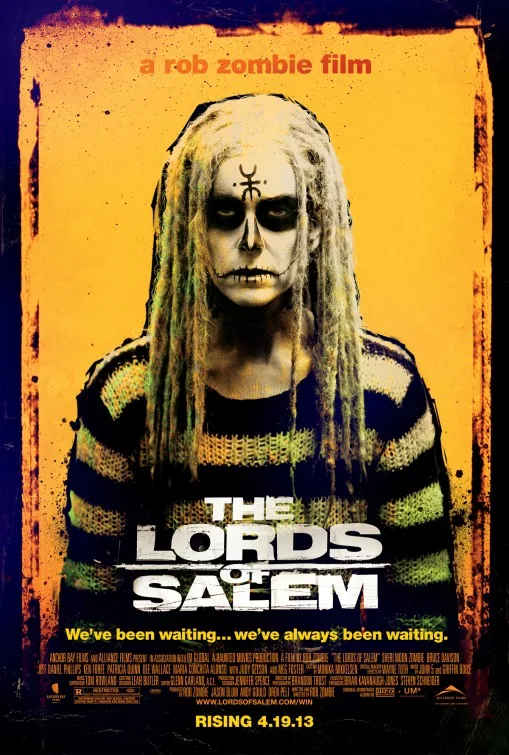
Heidi Hawthorne is a radio DJ in Salem, Massachusetts, whose routine changes when she receives a wooden box containing a record from a band called The Lords. The music unsettles her and brings on visions connected to the town’s history and a coven of women. As Heidi and her co-workers try to make sense of the record and its effects, the line between memory, nightmare and supernatural influence becomes increasingly difficult to hold.
What drives the story
A mysterious record triggers visions that pull Heidi toward a supernatural history tied to Salem and the women around her.
The people at its centre
Heidi relies on her co-workers for perspective, but the visions isolate her as the adults in her life disagree about their meaning.
What it feels like
Patient sound design and recurring visual motifs make the film feel like an extended, disorienting nightmare rather than a conventional chase story.
Worth knowing
Its central threat develops through music, visions and occult history, giving it a meditative tone distinct from Rob Zombie’s more kinetic horror films.