The prosecution and defense reconstruct the ritual through witnesses, allowing the trial to function as an investigation into responsibility and belief.
Why this matches +
These offer a related experience with a meaningful difference in story, tone, or presentation.
An adjacent discovery: a related idea with a different viewing experience.
Genres: Crime / Drama
Shared film traits
Based on recorded story, mood and style. Your preferences can change the order.
Investigation
What changes A case involving apparent supernatural suffering brings religious belief and institutional scrutiny into conflict.
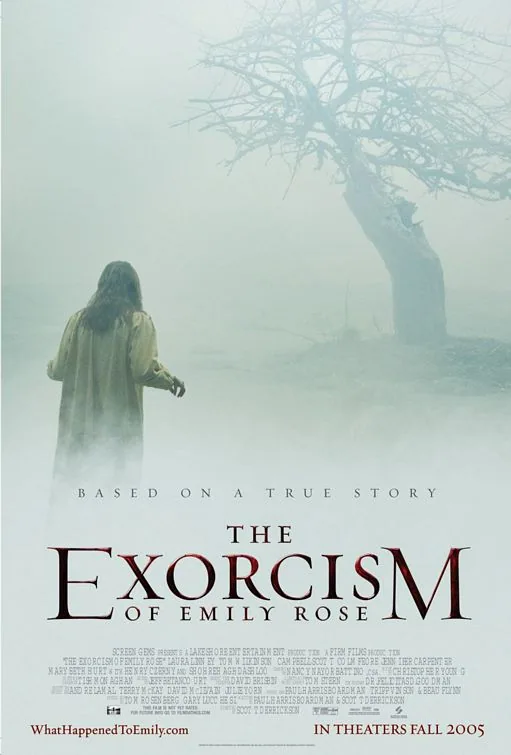
The Exorcism of Emily Rose (2005), directed by Scott Derrickson, follows A priest faces a criminal trial after performing an exorcism on a young woman who died during the ritual. A defense attorney initially approaches the case as a legal problem, then encounters testimony that challenges her certainty about the limits of rational explanation. The courtroom structure places questions of evidence and faith side by side, treating belief as a conflict of interpretation rather than an easy supernatural answer.
A skeptical investigator arrives to explain a sequence of events that townspeople connect to biblical plagues.
Why this matches +
These offer a related experience with a meaningful difference in story, tone, or presentation.
An adjacent discovery: a related idea with a different viewing experience.
Genres: Horror / Thriller
Shared film traits
Based on recorded story, mood and style. Your preferences can change the order.
Investigation
What changes An investigator examines apparent religious miracles in a small town and discovers a threatening supernatural force.
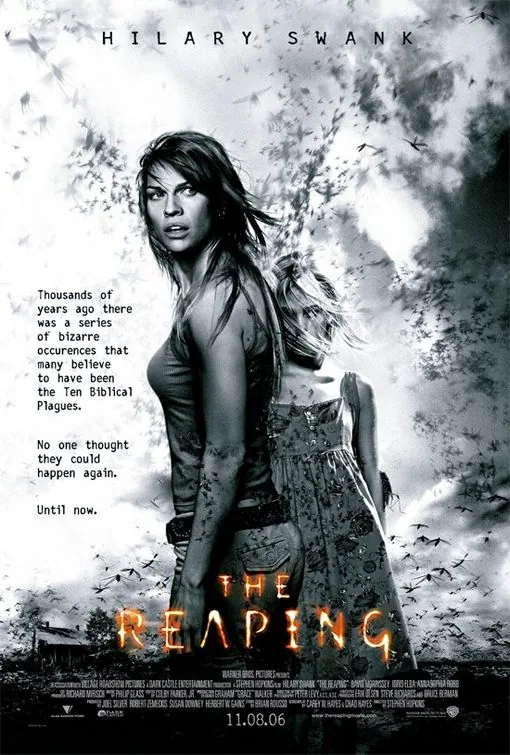
A former missionary turned investigator studies events that appear to resemble biblical plagues in a Louisiana town. The local residents interpret the incidents through religious belief, while the investigator initially looks for scientific explanations and evidence. As the crisis grows, her own loss and personal history affect the inquiry. The supernatural thriller uses a conflict between belief and skepticism to create suspense around whether the town’s events can be explained by ordinary causes.
Margaret’s doubt begins with specific evidence rather than a rejection of faith.
Why this matches +
These offer a related experience with a meaningful difference in story, tone, or presentation.
An adjacent discovery: a related idea with a different viewing experience.
Genres: Horror / Thriller
Shared film traits
Based on recorded story, mood and style. Your preferences can change the order.
Investigation
What changes A young woman connected to the church uncovers a sinister religious conspiracy concealed behind a seemingly benevolent institution.
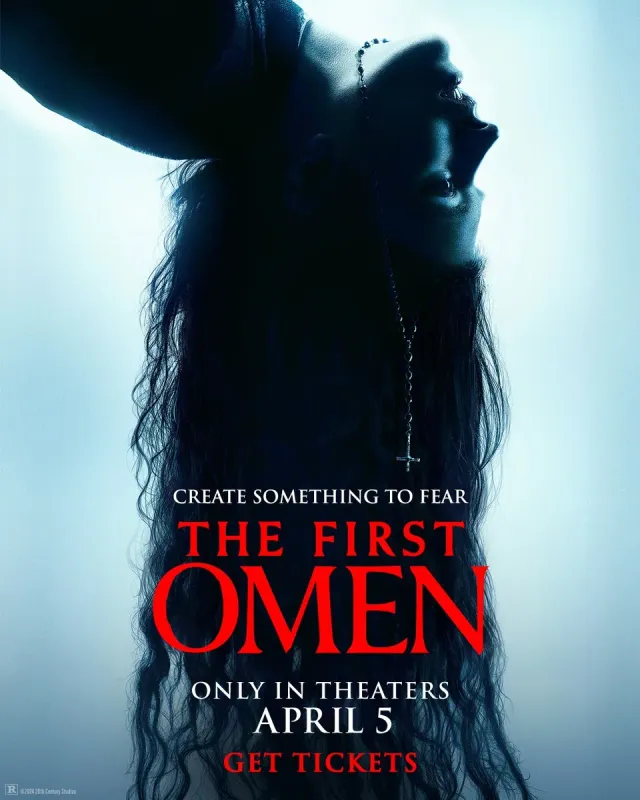
In 1970s Rome, American novice nun Margaret arrives at an orphanage as political protests and church tensions unfold around her. Strange events lead her to suspect that the institution is hiding a plan involving one of the children. The prequel connects supernatural horror to coercive authority, using Margaret’s investigation to challenge the church’s public image and her own place within its hierarchy.
Kiernan investigates Frankie’s affliction as her unexplained words suggest a discovery that some church leaders want suppressed.
Why this matches +
These offer a related experience with a meaningful difference in story, tone, or presentation.
An adjacent discovery: a related idea with a different viewing experience.
Genres: Horror / Thriller
Shared film traits
Based on recorded story, mood and style. Your preferences can change the order.
Investigation
What changes Church authorities investigate extraordinary religious signs as faith and the possibility of a dangerous supernatural presence collide.
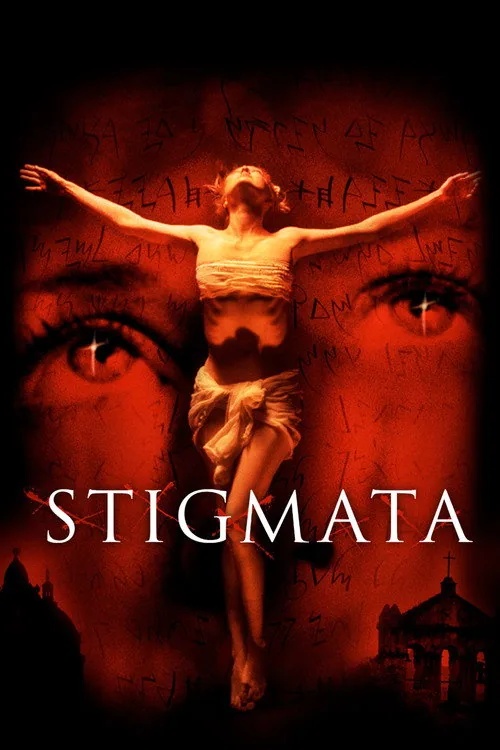
Pittsburgh hairdresser Frankie Paige, who is not religious, begins experiencing wounds associated with the stigmata after receiving a rosary from a Brazilian priest. Father Andrew Kiernan, a Jesuit scientist who investigates reports of miracles for the Vatican, is sent to determine what is happening. As Frankie’s condition worsens, her writing appears connected to a forbidden religious text, putting her at odds with senior church officials. Rupert Wainwright’s supernatural thriller blends faith, conspiracy, and horror imagery.
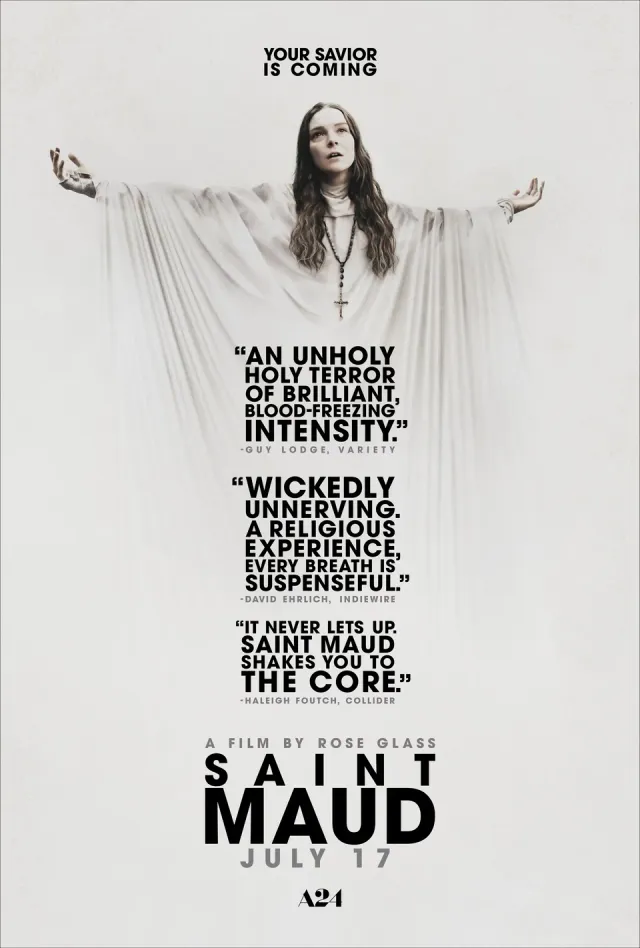
Maud turns grief and professional failure into a divine calling, then interprets Amanda’s need for care as confirmation that she alone can redeem her.
Why this matches +
These offer a related experience with a meaningful difference in story, tone, or presentation.
An adjacent discovery: a related idea with a different viewing experience.
Genres: Horror / Psychological horror fiction
Shared film traits
Based on recorded story, mood and style. Your preferences can change the order.
What changes Religious devotion and perceived visions become intertwined with isolation and frightening uncertainty about spiritual influence.
After a patient dies despite her efforts, a young nurse renames herself Maud, embraces Catholic devotion and takes a palliative-care job in a seaside town. Her new patient, Amanda, is a terminally ill former dancer who speaks openly about fear and desire, while Maud reads their moments of closeness as evidence that God has given her a mission to save Amanda’s soul. Amanda’s resistance and Maud’s isolation deepen the gap between private spiritual certainty and what others can see. The film’s final image makes that gap brutally concrete without resolving every earlier vision.
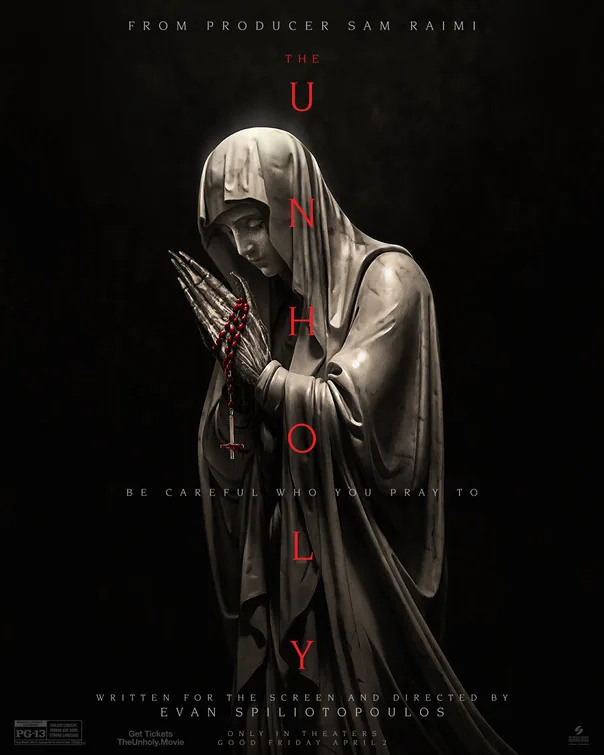
Alice, a young woman with a hearing impairment, claims to receive visions of the Virgin Mary and begins healing people in her town. A journalist investigates the reported miracles, while church officials and residents debate what is happening. The supernatural horror drama connects faith, public attention and the possibility of deception, as the community’s hope becomes inseparable from the danger surrounding Alice.
What drives the story
The reported healings attract attention before the community has a reliable way to assess their source.
The people at its centre
Alice’s experiences are filtered through the beliefs and motives of those around her.
What it feels like
The film uses religious iconography to create atmosphere and uncertainty.
Worth knowing
It is a supernatural horror story about alleged Marian visions, not an account of an established Catholic apparition.
FaithPublic beliefDisability
Mood
Unsettling · Religious · Somber
Pacing
Inquiry and public gatherings build toward a religious confrontation
Visual style
Rural church imagery · Processions · Shadowed supernatural effects