Explore films connected to The Medium through family inheritance, spiritual belief, possession. Choose the qualities you want to carry into your next watch.
What should feel similar?
Find your next favourite
9 films · Closest overall matches
Hide films you’ve seen or don’t want. Saved on this device.
No matches for this combination yet.
Try another option or reset your choices to see more films.
Both share themes of cultural memory, plus an uneasy atmosphere.
Why this matches +
Genres: Drama / Horror
Shared film traits
Based on recorded story, mood and style. Your preferences can change the order.
Family and care · Memory and identity
What changes The Medium: field research establishes nim’s practice, mink’s behavior changes, the family and crew investigate competing explanations and the footage descends into chaos. Nanny: measured, atmospheric, gradually intensifying and dreamlike.
Aisha, a Senegalese immigrant working as a nanny in New York, saves money in the hope of bringing her young son to the United States. Her employment with a wealthy family offers a path forward but also places her at the mercy of missed payments and expanding demands. As she forms a bond with the child in her care, water-linked visions and figures from African folklore enter her daily life. Nikyatu Jusu’s film brings migration, labor and motherhood into a slow-building supernatural drama.
Based on recorded story, mood and style. Your preferences can change the order.
What changes The Medium: field research establishes nim’s practice, mink’s behavior changes, the family and crew investigate competing explanations and the footage descends into chaos. Ouija: slow reveal followed by escalating scares.
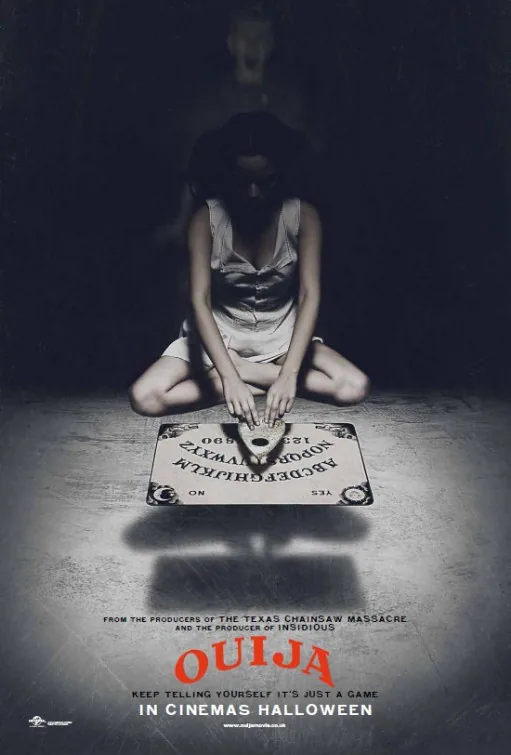
After a young woman’s unexplained death, her friends use a spirit board to contact her and instead awaken a presence that grows more dangerous with each attempt. Their investigation leads them through a house and its history, turning grief into a horror story about curiosity and unseen consequences. The film builds tension through familiar supernatural rules and a group of young characters facing a threat they do not understand.
Based on recorded story, mood and style. Your preferences can change the order.
Memory and identity
What changes The Medium: field research establishes nim’s practice, mink’s behavior changes, the family and crew investigate competing explanations and the footage descends into chaos. Shutter: supernatural signs, clue-led investigation and revelation and punishment.
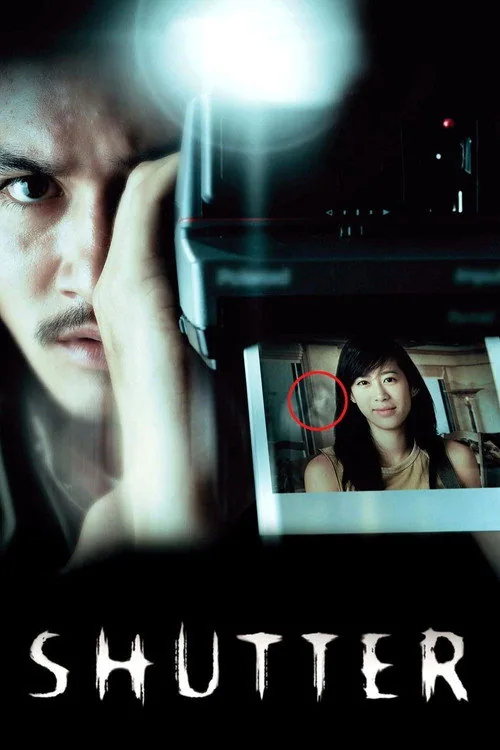
After a party in Bangkok, photographer Tun and his girlfriend Jane strike a woman with their car and leave without helping her. Soon Tun's photographs show strange white shapes, and he suffers unexplained pain; Jane suspects the ghost of the woman they hit. Their search uncovers the woman's connection to Tun's past and the harm he and his friends concealed. The Thai horror film uses photography as evidence and haunting, turning an act of cowardice into a mystery about memory, guilt, and accountability.
Based on recorded story, mood and style. Your preferences can change the order.
What changes The Medium: field research establishes nim’s practice, mink’s behavior changes, the family and crew investigate competing explanations and the footage descends into chaos. The Curse of La Llorona: escalating and haunting-driven.
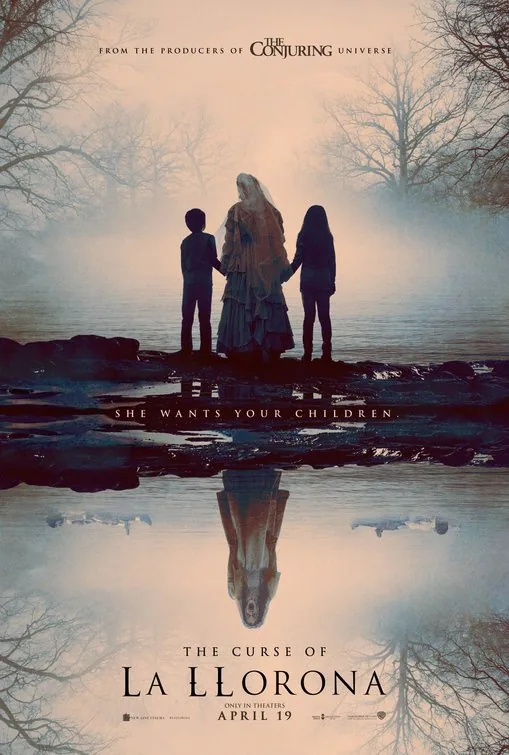
In 1970s Los Angeles, social worker Anna Tate-Garcia investigates a family whose children fear a figure associated with the weeping woman of Mexican folklore. After a supernatural attack reaches Anna's own children, she seeks help from a former priest who understands the legend. The film links a specific family crisis to an older haunting, turning domestic spaces and nighttime streets into places of escalating danger.
Based on recorded story, mood and style. Your preferences can change the order.
Memory and identity
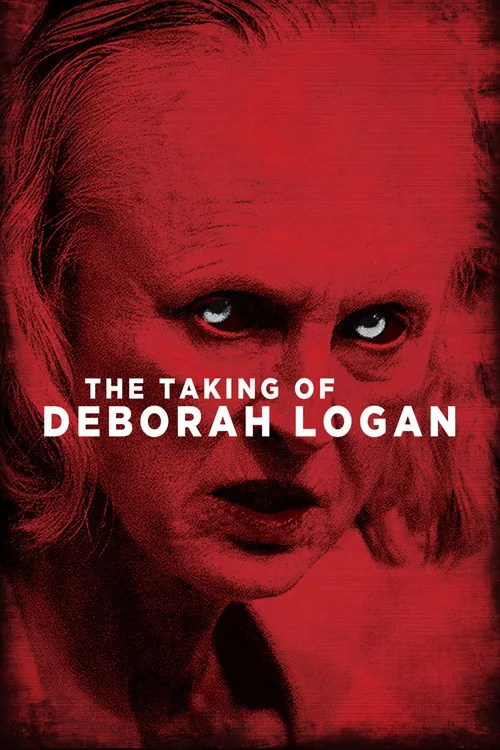
What changes The Medium: field research establishes nim’s practice, mink’s behavior changes, the family and crew investigate competing explanations and the footage descends into chaos. The Taking of Deborah Logan: care routines and interview setup, footage reveals unexplained behavior and investigation becomes rescue.
A student documentary team records Deborah Logan, an older woman with Alzheimer's disease, and her daughter Sarah as they navigate daily care in Virginia. Deborah's behavior grows increasingly disturbing, and the crew begins to capture events that seem to exceed the effects of dementia. A mysterious telephone line and references to an old ritual lead them toward a local physician's history and a new danger involving a young patient. The found-footage horror asks where observation ends and responsibility begins when a family's crisis becomes the subject of a film.
Based on recorded story, mood and style. Your preferences can change the order.
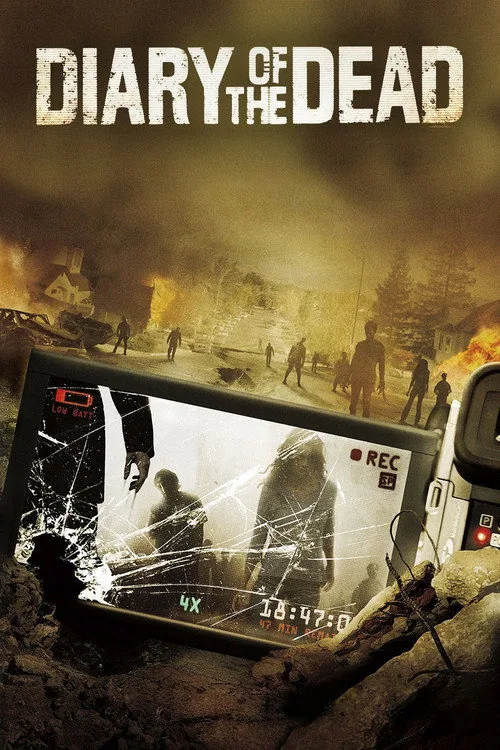
What changes The Medium: field research establishes nim’s practice, mink’s behavior changes, the family and crew investigate competing explanations and the footage descends into chaos. Diary of the Dead: outbreak interrupts a student film shoot, road encounters reveal widening collapse and group fractures as filming and survival collide.
While a group of film students shoots a low-budget horror movie in the woods, reports emerge of the dead returning to life. Student filmmaker Jason insists on recording the collapse, turning the group's escape into an evolving documentary edited with news clips and online footage. His girlfriend Debra and the others encounter frightened survivors, armed authorities, and abandoned communities, while the camera becomes both a tool for witnessing events and a source of conflict about what deserves to be filmed.
Based on recorded story, mood and style. Your preferences can change the order.
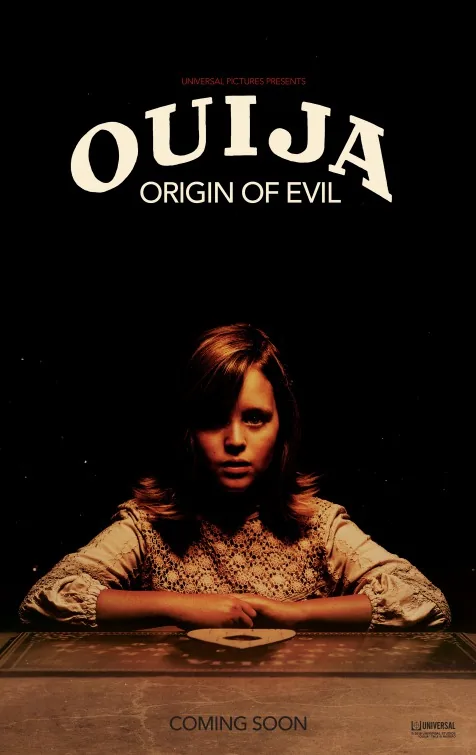
What changes The Medium: field research establishes nim’s practice, mink’s behavior changes, the family and crew investigate competing explanations and the footage descends into chaos. Ouija: Origin of Evil: gradual haunting builds toward possession and pursuit.
A widowed mother runs a séance business with her daughters, using tricks to comfort clients until a new board invites a presence into their home. The family’s younger child becomes the focus of increasingly disturbing events, and the older sister must understand what their performance has awakened. Set in the 1960s, the prequel blends family grief with supernatural horror and period domestic detail.
Based on recorded story, mood and style. Your preferences can change the order.
Family and care · Power and authority
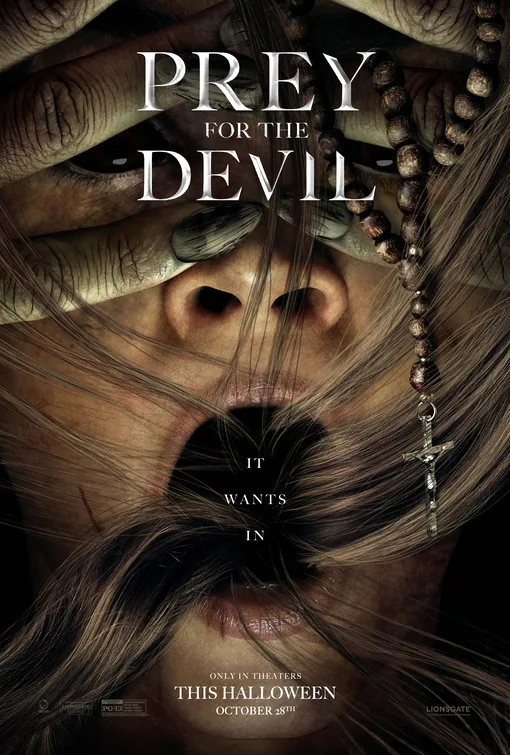
What changes The Medium: field research establishes nim’s practice, mink’s behavior changes, the family and crew investigate competing explanations and the footage descends into chaos. Prey for the Devil: classroom-to-crisis, escalating, conventional horror and climactic.
Sister Ann wants to train as an exorcist after a professor recognizes her ability to empathize with possessed people. At the Church’s reopened training school, she faces resistance to a nun learning a rite reserved for priests and is drawn into the case of a young girl whose possession echoes Ann’s memories of her mother. The horror drama links a supernatural confrontation with questions of authority, vocation and care for people in crisis.
Based on recorded story, mood and style. Your preferences can change the order.
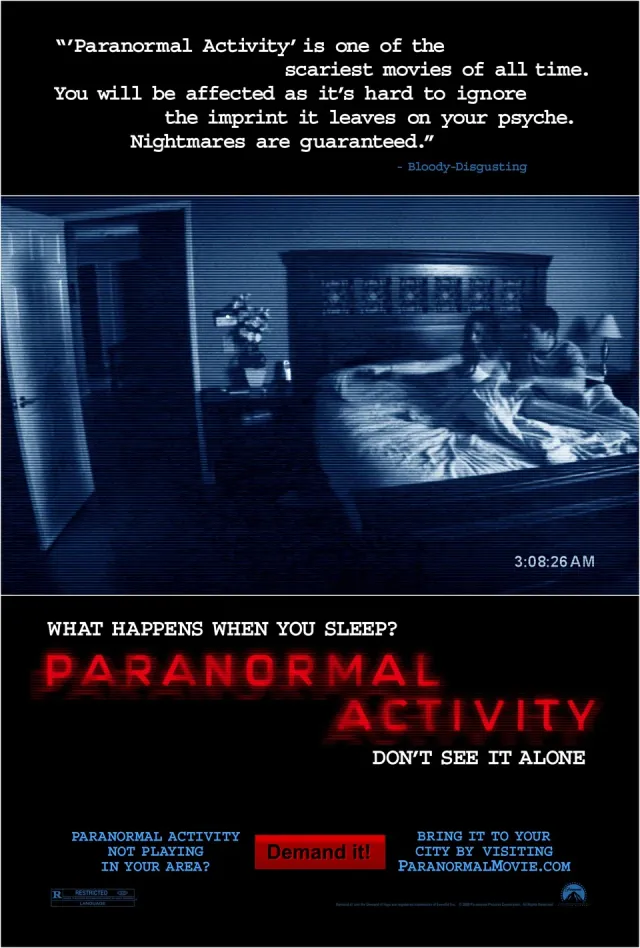
What changes The Medium: field research establishes nim’s practice, mink’s behavior changes, the family and crew investigate competing explanations and the footage descends into chaos. Paranormal Activity: slow and building.
After Katie and Micah move into a San Diego home, they begin experiencing unexplained noises and disturbances at night. Micah buys a camera and records their bedroom, hoping to prove the cause while ignoring the psychic’s warning that the presence has followed Katie for years. The footage captures increasingly deliberate movement, and Micah’s experiments provoke Katie’s fear rather than calming it. Their disagreement about whether to document or avoid the entity lets the haunting intensify inside an ordinary domestic routine. The film’s found-footage structure makes the camera both evidence and a source of helpless watching.
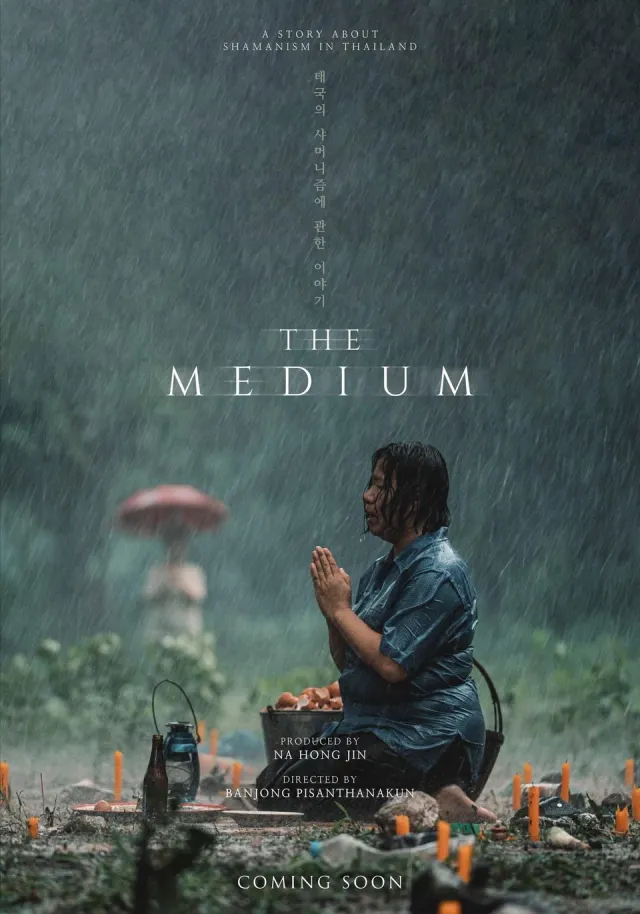
A documentary crew travels to a rural community in northeastern Thailand to record Nim, a shaman who believes she has inherited a spirit from her family line. The crew’s attention turns to her niece Mink after the young woman begins exhibiting unsettling changes. As the family seeks an explanation, the film’s observational footage becomes increasingly unstable and the boundary between spiritual practice, family history, and supernatural horror grows uncertain.
What drives the story
A documentary team follows a Thai shaman and turns its camera toward the younger relative whose behavior may reveal a more dangerous inheritance.
The people at its centre
Nim’s confidence as a spiritual practitioner is tested when her niece Mink becomes the focus of the crew’s inquiry and the family’s fears.
What it feels like
The film uses a documentary crew’s limited access and imperfect recordings to make the viewer assess what the camera can and cannot explain.
Worth knowing
Its horror grows from the collision of an intimate family portrait with regional spiritual practice and an increasingly compromised documentary viewpoint.
family inheritancespiritual beliefpossession
Mood
uneasy · immersive · escalating · bleak
Pacing
field research establishes Nim’s practice · Mink’s behavior changes · the family and crew investigate competing explanations · the footage descends into chaos
Visual style
handheld documentary framing · village and forest textures · ritual imagery · gradual breakdown of observational distance
Storytelling
mockumentary folk horror · spiritual possession · documentary crew perspective · rural family history