Explore films connected to The Taking of Deborah Logan through aging and caregiving, ethics of documentary observation, illness and supernatural fear. Choose the qualities you want to carry into your next watch.
What should feel similar?
Find your next favourite
9 films · Closest overall matches
Hide films you’ve seen or don’t want. Saved on this device.
No matches for this combination yet.
Try another option or reset your choices to see more films.
Based on recorded story, mood and style. Your preferences can change the order.
Investigation
What changes The Taking of Deborah Logan: care routines and interview setup, footage reveals unexplained behavior and investigation becomes rescue. The Blair Witch Project: gradual escalation and circular disorientation.
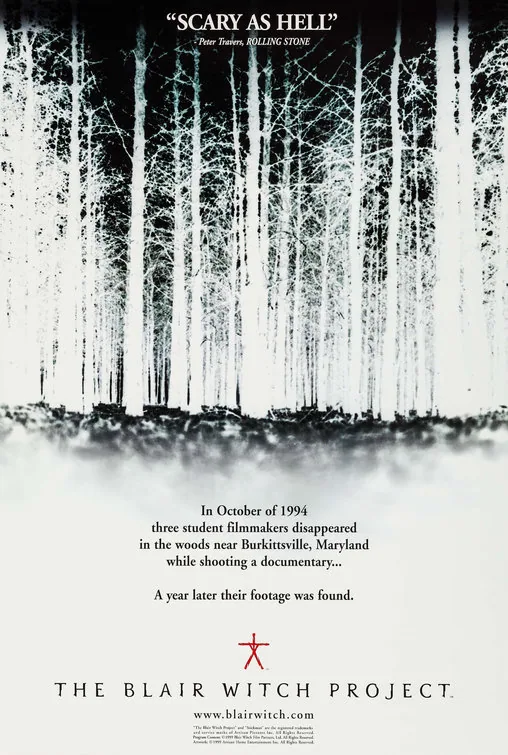
Film students Heather, Mike and Josh travel to Burkittsville, Maryland, to interview residents about the local Blair Witch legend for a documentary. They hike into the Black Hills Forest to investigate the stories and record their reactions, but become lost after their maps fail to help them find a way out. Night sounds, strange arrangements of stones and sticks, and the gradual disappearance of supplies intensify their arguments. As the students turn on one another, the footage becomes the only surviving record of their attempt to get back to town.
Based on recorded story, mood and style. Your preferences can change the order.
What changes The Taking of Deborah Logan: care routines and interview setup, footage reveals unexplained behavior and investigation becomes rescue. Diary of the Dead: outbreak interrupts a student film shoot, road encounters reveal widening collapse and group fractures as filming and survival collide.
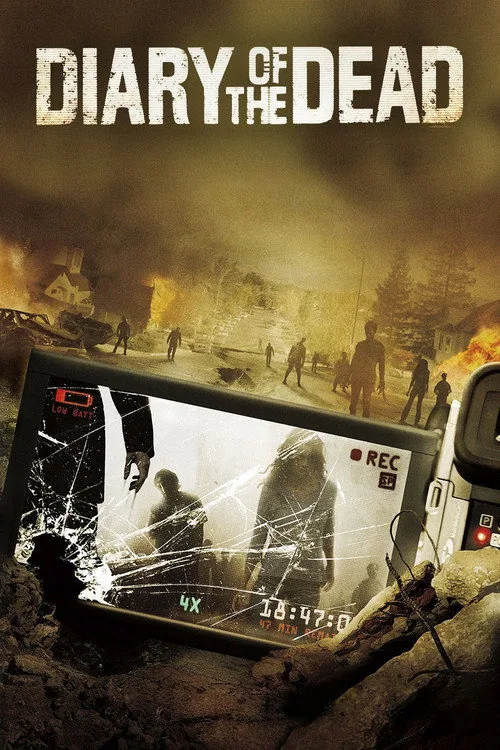
While a group of film students shoots a low-budget horror movie in the woods, reports emerge of the dead returning to life. Student filmmaker Jason insists on recording the collapse, turning the group's escape into an evolving documentary edited with news clips and online footage. His girlfriend Debra and the others encounter frightened survivors, armed authorities, and abandoned communities, while the camera becomes both a tool for witnessing events and a source of conflict about what deserves to be filmed.
Based on recorded story, mood and style. Your preferences can change the order.
Investigation
What changes The Taking of Deborah Logan: care routines and interview setup, footage reveals unexplained behavior and investigation becomes rescue. Blair Witch: return to woods, equipment and trail failures and nightmare pursuit.
James Donahue finds online footage that he believes may show his sister Heather, who disappeared while investigating the Blair Witch decades earlier. He returns to the Maryland woods with friends and a film student documenting the search, accompanied by locals who claim to know where the video was recorded. The group enters the forest with cameras, drones, and GPS equipment, but the terrain and strange sounds undermine their sense of direction. This sequel revisits found-footage horror as a new generation tries to turn an unresolved disappearance into evidence.
Based on recorded story, mood and style. Your preferences can change the order.
Investigation · Memory and identity
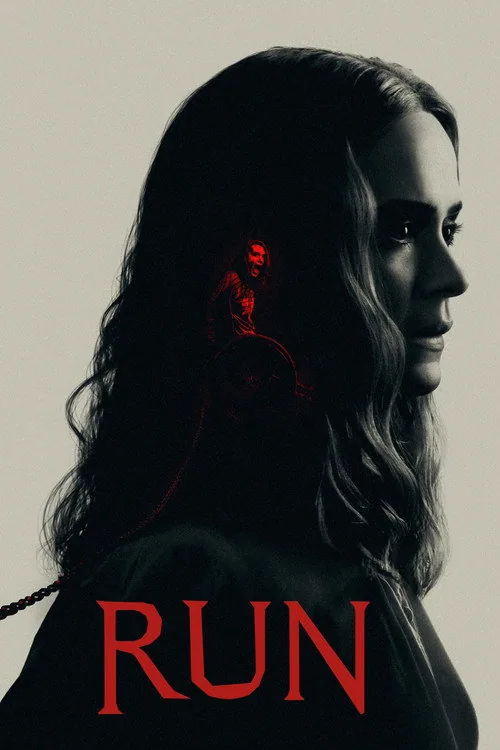
What changes The Taking of Deborah Logan: care routines and interview setup, footage reveals unexplained behavior and investigation becomes rescue. Run: a discrepancy on a prescription label leads chloe to test the boundaries of her mother’s control..
Chloe Sherman, a wheelchair-using teenager with several medical conditions, lives at home with her mother Diane and hopes to attend college. When she notices that one of her medications has been relabeled, she begins checking the facts and discovers that Diane has concealed crucial information about her health and childhood. Aneesh Chaganty’s psychological thriller turns the home and hospital into places of surveillance and escape, following Chloe’s resourcefulness as she seeks outside help and challenges the story her mother has imposed on her.
Based on recorded story, mood and style. Your preferences can change the order.
Investigation · Memory and identity
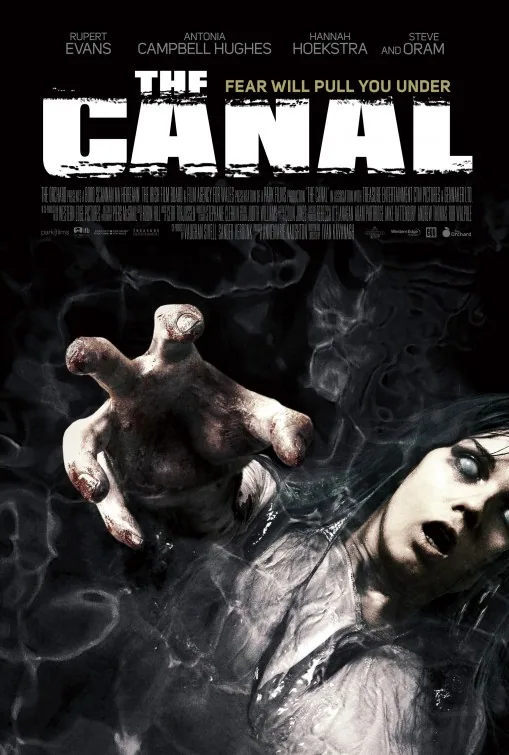
What changes The Taking of Deborah Logan: care routines and interview setup, footage reveals unexplained behavior and investigation becomes rescue. The Canal: slow-burn, gradually disorienting and revelation-driven.
Film archivist David lives with his wife Alice and their young son in a house that carries a violent history. While reviewing old footage, David finds evidence that a murder occurred there decades earlier and begins to suspect that the past is affecting his present. After Alice disappears, he struggles to separate investigation, grief and supernatural signs as his family life unravels. The Canal uses archival images and the house’s canal-side setting to make the past feel close and unstable.
Based on recorded story, mood and style. Your preferences can change the order.
Investigation
What changes The Taking of Deborah Logan: care routines and interview setup, footage reveals unexplained behavior and investigation becomes rescue. Rings: mystery clues accumulate before supernatural attacks.
A young woman becomes involved with a mysterious video that appears to predict the death of anyone who watches it unless they pass it on. Her search for the recording’s origin leads into a history of exploitation and supernatural danger. The horror sequel mixes investigation with a curse mechanism, turning curiosity and the circulation of media into risks that are difficult to escape.
Based on recorded story, mood and style. Your preferences can change the order.
Investigation · Memory and identity
What changes The Taking of Deborah Logan: care routines and interview setup, footage reveals unexplained behavior and investigation becomes rescue. The Unborn: escalating and suspense-led.
A young woman begins experiencing disturbing visions and discovers that a family history she barely understands may be connected to a hostile supernatural presence. As the episodes intensify, she seeks help from people who recognize the danger but cannot offer easy certainty. The horror story links inherited trauma and identity to a possession threat, using the protagonist’s search for an explanation as the route into escalating peril.
Based on recorded story, mood and style. Your preferences can change the order.
Investigation · Memory and identity
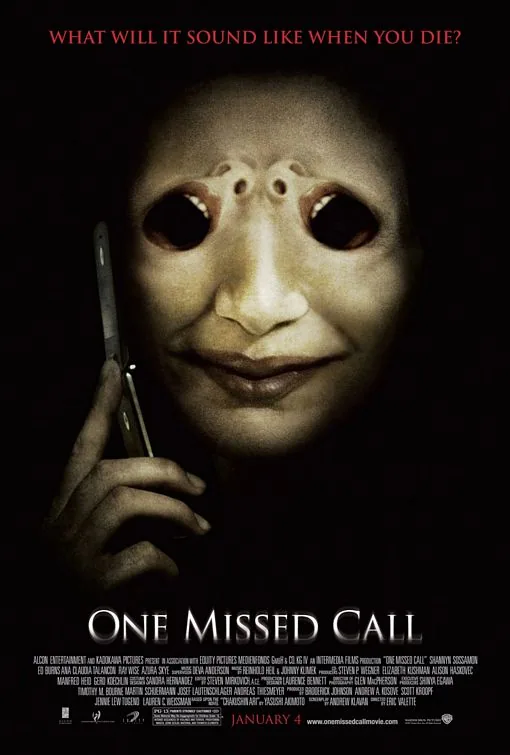
What changes The Taking of Deborah Logan: care routines and interview setup, footage reveals unexplained behavior and investigation becomes rescue. One Missed Call: rapid escalation, episodic deaths and clue-driven.
College student Beth Raymond learns that her friend Leann has received a voicemail that appears to come from her own phone number and contains a recording of her final moments. Similar calls follow among their friends, each ending in a death marked by a red candy. Beth and detective Jack Andrews connect the pattern to an unexplained history at a hospital and to the children of a nurse who worked there. Their investigation draws them toward a source of abuse, grief and supernatural violence carried through the phones.
Based on recorded story, mood and style. Your preferences can change the order.
Investigation
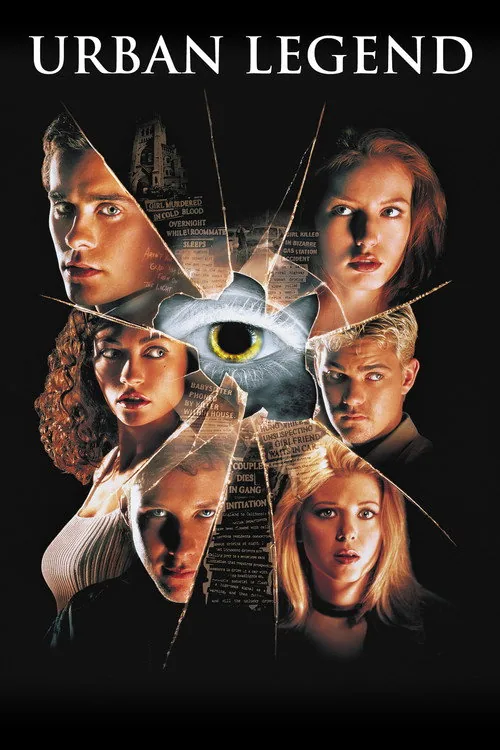
What changes The Taking of Deborah Logan: care routines and interview setup, footage reveals unexplained behavior and investigation becomes rescue. Urban Legend: clue-driven slasher structure, rising body count and mystery reveal.
At Pendleton University, a series of murders appear to recreate well-known urban legends. Student Natalie becomes suspicious that the deaths are connected to a massacre from the school’s past, while her friend Paul helps her investigate and campus authorities dismiss her concerns. As the killings draw closer to her social circle, Natalie must work out which stories are clues and who is using them. Jamie Blanks’s slasher film turns familiar folklore into a campus murder mystery.
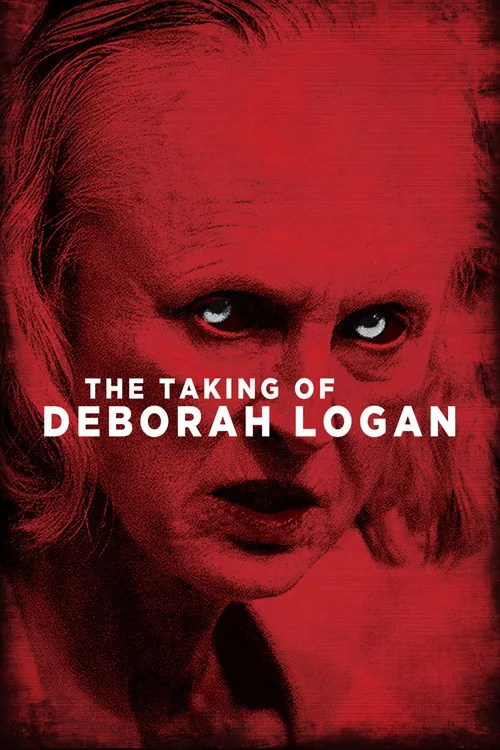
A student documentary team records Deborah Logan, an older woman with Alzheimer's disease, and her daughter Sarah as they navigate daily care in Virginia. Deborah's behavior grows increasingly disturbing, and the crew begins to capture events that seem to exceed the effects of dementia. A mysterious telephone line and references to an old ritual lead them toward a local physician's history and a new danger involving a young patient. The found-footage horror asks where observation ends and responsibility begins when a family's crisis becomes the subject of a film.
What drives the story
A student crew tries to document Deborah's dementia but discovers clues linking her increasingly dangerous behavior to a local occult history.
The people at its centre
Sarah's care for her mother conflicts with the crew's desire to keep filming, while Deborah's fear and confusion challenge easy explanations.
What it feels like
A found-footage horror uses the clinical gaze of a documentary project to make changes in behavior feel both intimate and frightening.
Worth knowing
Its supernatural turn grows out of a student film about caregiving, mixing ethical observation with a possession mystery.
aging and caregivingethics of documentary observationillness and supernatural fear
Mood
clinical · disturbing · escalating
Pacing
care routines and interview setup · footage reveals unexplained behavior · investigation becomes rescue
Visual style
handheld documentary cameras · home video and interview footage · close · clinical observation disrupted by horror
Storytelling
student filmmakers document Alzheimer's patient · behavior suggests something beyond illness · old ritual connects family to new threat