Based on recorded story, mood and style. Your preferences can change the order.
Memory and identity
What changes One Missed Call: rapid escalation, episodic deaths and clue-driven. The Night House: a solitary inquiry turns domestic space into a puzzle.
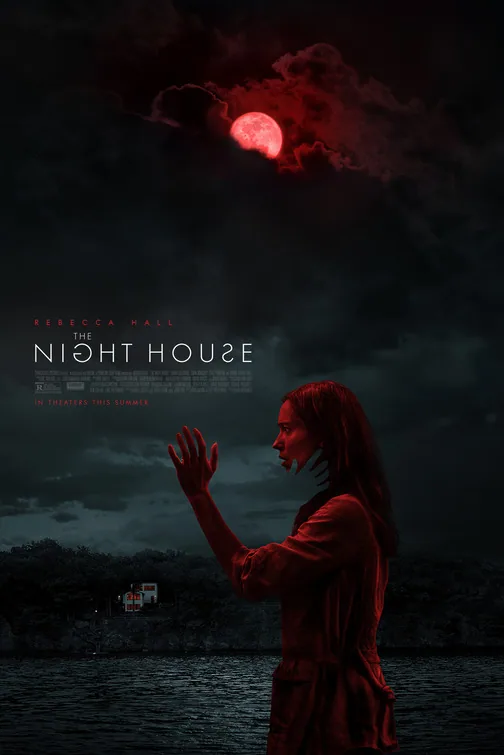
After her husband dies by suicide, Beth begins experiencing disturbances in the lake house they built together. Unusual sounds, inverted spaces and hidden designs lead her to investigate what her husband may have concealed. The supernatural thriller makes grief and architecture interact, as Beth struggles to separate haunting from memory and to understand the unsettling pattern around her marriage.
Based on recorded story, mood and style. Your preferences can change the order.
Investigation
What changes One Missed Call: rapid escalation, episodic deaths and clue-driven. Urban Legend: clue-driven slasher structure, rising body count and mystery reveal.
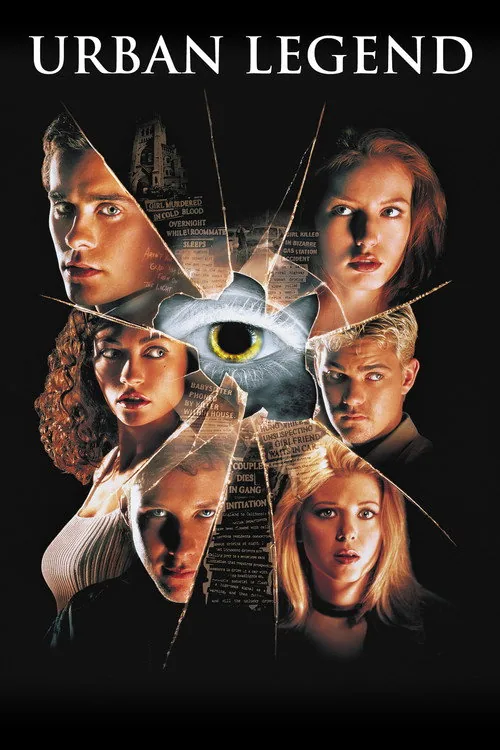
At Pendleton University, a series of murders appear to recreate well-known urban legends. Student Natalie becomes suspicious that the deaths are connected to a massacre from the school’s past, while her friend Paul helps her investigate and campus authorities dismiss her concerns. As the killings draw closer to her social circle, Natalie must work out which stories are clues and who is using them. Jamie Blanks’s slasher film turns familiar folklore into a campus murder mystery.
Based on recorded story, mood and style. Your preferences can change the order.
Survival
What changes One Missed Call: rapid escalation, episodic deaths and clue-driven. Diary of the Dead: outbreak interrupts a student film shoot, road encounters reveal widening collapse and group fractures as filming and survival collide.
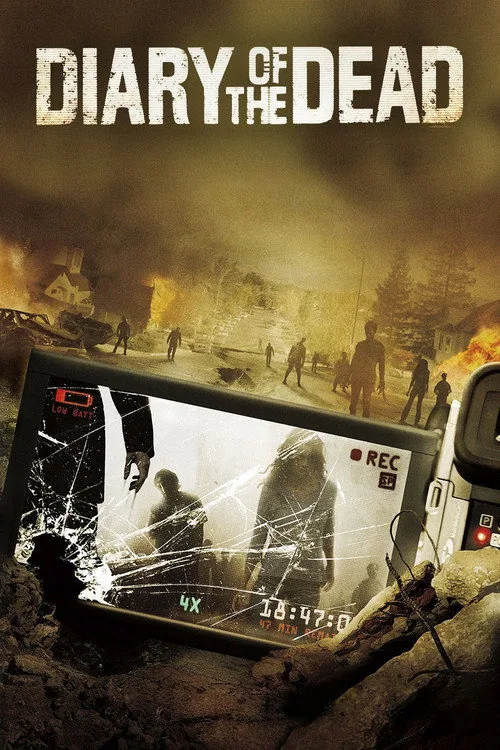
While a group of film students shoots a low-budget horror movie in the woods, reports emerge of the dead returning to life. Student filmmaker Jason insists on recording the collapse, turning the group's escape into an evolving documentary edited with news clips and online footage. His girlfriend Debra and the others encounter frightened survivors, armed authorities, and abandoned communities, while the camera becomes both a tool for witnessing events and a source of conflict about what deserves to be filmed.
Based on recorded story, mood and style. Your preferences can change the order.
Memory and identity · Family and care
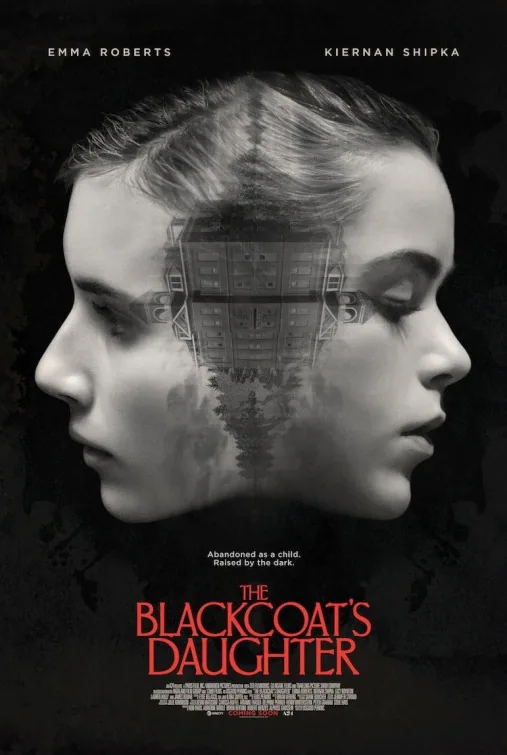
What changes One Missed Call: rapid escalation, episodic deaths and clue-driven. The Blackcoat's Daughter: slow-burn, elliptical and revelatory.
At an isolated Catholic boarding school during winter break, students Kat and Rose are left behind while the rest of the pupils go home. Rose is worried about a possible pregnancy, while Kat becomes increasingly withdrawn and experiences a disturbing presence within the school. A second storyline follows Joan, a young woman traveling with a couple who take her toward the same school. Oz Perkins gradually links the timelines as isolation, grief and the supernatural converge.
Based on recorded story, mood and style. Your preferences can change the order.
Investigation · Memory and identity
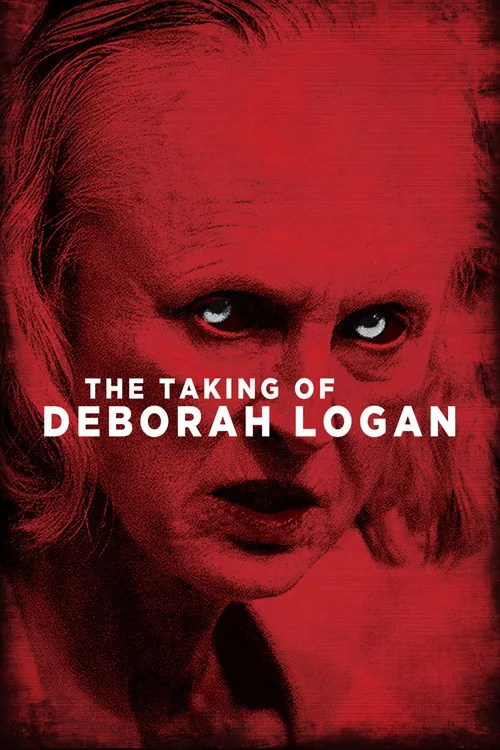
What changes One Missed Call: rapid escalation, episodic deaths and clue-driven. The Taking of Deborah Logan: care routines and interview setup, footage reveals unexplained behavior and investigation becomes rescue.
A student documentary team records Deborah Logan, an older woman with Alzheimer's disease, and her daughter Sarah as they navigate daily care in Virginia. Deborah's behavior grows increasingly disturbing, and the crew begins to capture events that seem to exceed the effects of dementia. A mysterious telephone line and references to an old ritual lead them toward a local physician's history and a new danger involving a young patient. The found-footage horror asks where observation ends and responsibility begins when a family's crisis becomes the subject of a film.
Based on recorded story, mood and style. Your preferences can change the order.
Investigation · Memory and identity
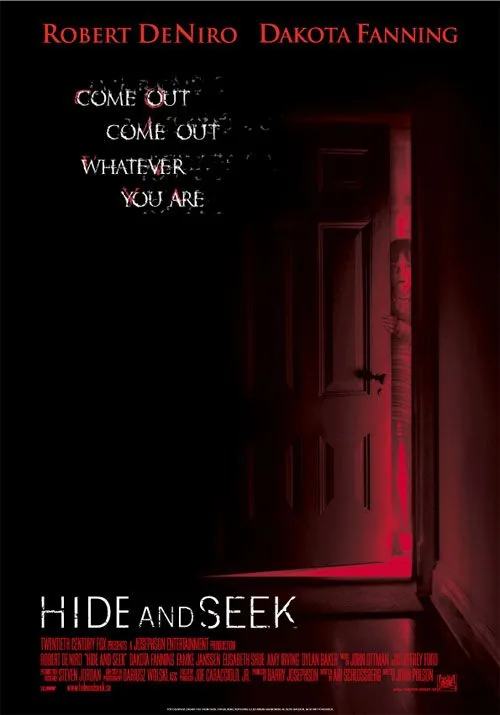
What changes One Missed Call: rapid escalation, episodic deaths and clue-driven. Hide and Seek: slow burn and escalating.
After the death of his wife, a psychologist moves with his young daughter to a quieter home, hoping that a change of setting will help them recover. The girl begins speaking about an imaginary companion, and increasingly troubling events lead her father to question what is real. The psychological thriller builds tension through grief, secrecy and the limits of his professional confidence.
Based on recorded story, mood and style. Your preferences can change the order.
Investigation · Memory and identity
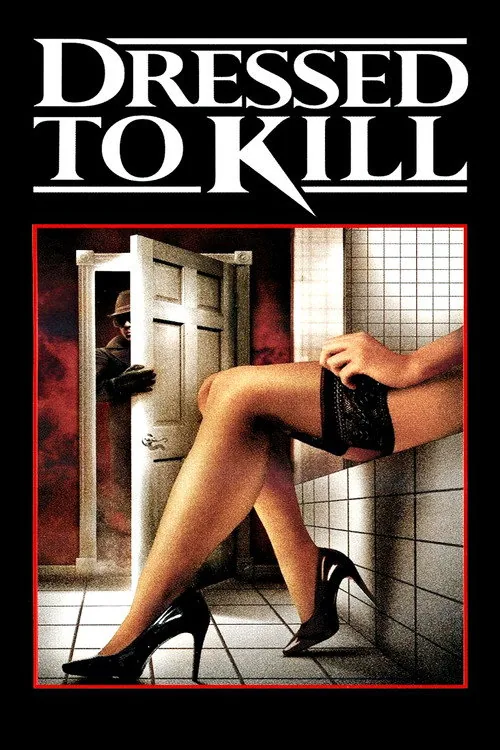
What changes One Missed Call: rapid escalation, episodic deaths and clue-driven. Dressed to Kill: slow suspense build, set-piece murder sequence and revelation-driven finale.
New York housewife Kate Miller leaves a therapy appointment and is murdered in an elevator by a blonde woman. Her son Peter and a sex worker named Liz become entangled in the search for the killer, while police psychiatrist Dr. Robert Elliott is drawn into questions about the crime. Brian De Palma uses shifting viewpoints, elaborate camera movement, and Hitchcockian suspense to turn identity and observation into part of the mystery. The thriller's stylized violence and sexual politics reflect its period and remain central to its reception.
Based on recorded story, mood and style. Your preferences can change the order.
Investigation · Survival
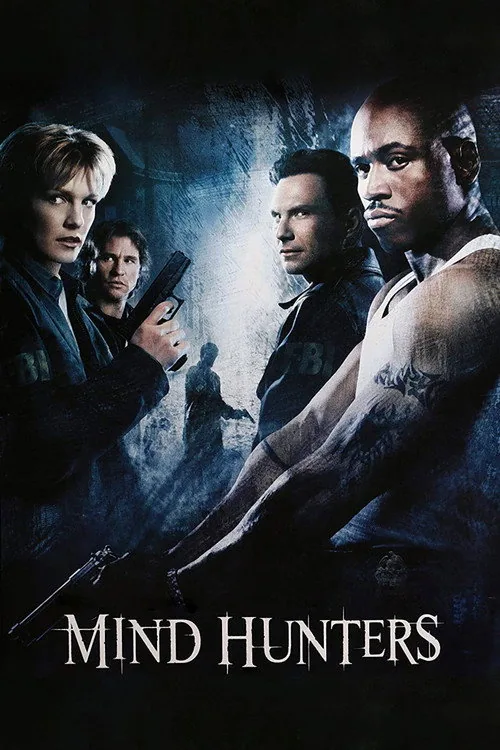
What changes One Missed Call: rapid escalation, episodic deaths and clue-driven. Mindhunters: fast elimination structure and clue-based suspense.
A group of FBI profiler trainees travels to an isolated island for a simulated investigation designed to test their ability to read a killer’s behavior. The exercise becomes real when one trainee dies, and the group discovers that someone among them may be turning the test into a sequence of murders. Cut off from help and unsure whom to trust, the remaining agents use their training to identify the attacker and survive. Renny Harlin’s thriller combines a closed-circle whodunit with slasher-style danger and an ensemble of rival specialists.
Based on recorded story, mood and style. Your preferences can change the order.
Investigation · Memory and identity
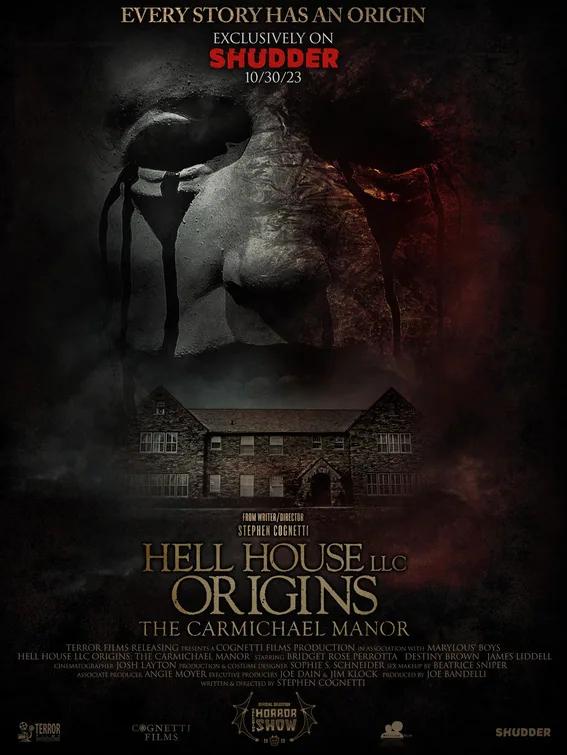
What changes One Missed Call: rapid escalation, episodic deaths and clue-driven. Hell House LLC Origins: The Carmichael Manor: investigation-led, slow-building, night-vision tension and escalating.
Paranormal investigator Margot, her girlfriend Rebecca and her brother Chase travel to Carmichael Manor to investigate the unsolved murders of a family in Rockland County. Their research leads from the house’s locked rooms to artifacts connected with the Abaddon Hotel and the earlier Hell House case. Stephen Cognetti’s found-footage prequel expands the franchise mythology through camera recordings, local history and the investigators’ increasingly uneasy relationships.
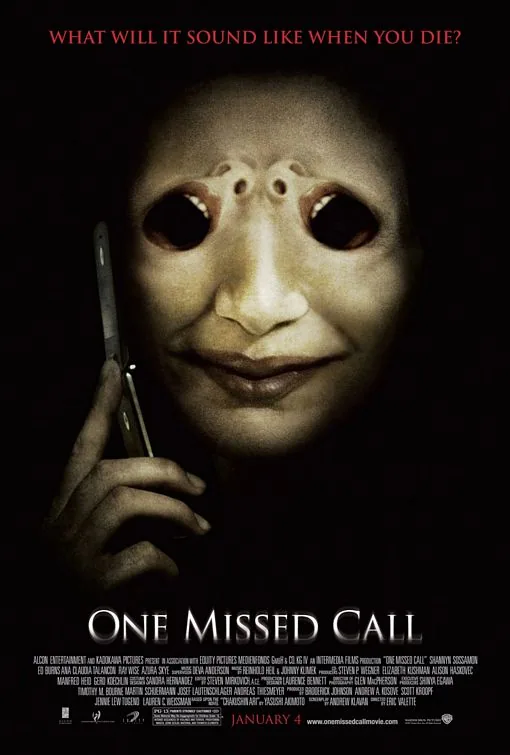
College student Beth Raymond learns that her friend Leann has received a voicemail that appears to come from her own phone number and contains a recording of her final moments. Similar calls follow among their friends, each ending in a death marked by a red candy. Beth and detective Jack Andrews connect the pattern to an unexplained history at a hospital and to the children of a nurse who worked there. Their investigation draws them toward a source of abuse, grief and supernatural violence carried through the phones.
What drives the story
Beth follows a chain of death-predicting calls back to a hospital worker and a family history concealed by official records.
The people at its centre
Beth’s investigation joins her with detective Jack, while her instinct to protect friends is sharpened by a past she has kept private.
What it feels like
A familiar mobile-phone device becomes the countdown mechanism for a supernatural mystery built around repeated visions and sudden deaths.
Worth knowing
This English-language remake uses a U.S. cast and hospital investigation, separating its setting and character history from the original Japanese film.
technology and fearabusegrief
Mood
eerie · urgent · grim · mystifying
Pacing
rapid escalation · episodic deaths · clue-driven
Visual style
phone-screen imagery · urban night settings · ghostly hallucinations · sharp red motif