Explore films connected to Diary of the Dead through media ethics and witnessing, social collapse, fear and human responsibility. Choose the qualities you want to carry into your next watch.
What should feel similar?
Find your next favourite
9 films · Closest overall matches
Hide films you’ve seen or don’t want. Saved on this device.
No matches for this combination yet.
Try another option or reset your choices to see more films.
Based on recorded story, mood and style. Your preferences can change the order.
Survival
What changes Diary of the Dead: outbreak interrupts a student film shoot, road encounters reveal widening collapse and group fractures as filming and survival collide. Friday the 13th: The Final Chapter: fast and escalating.
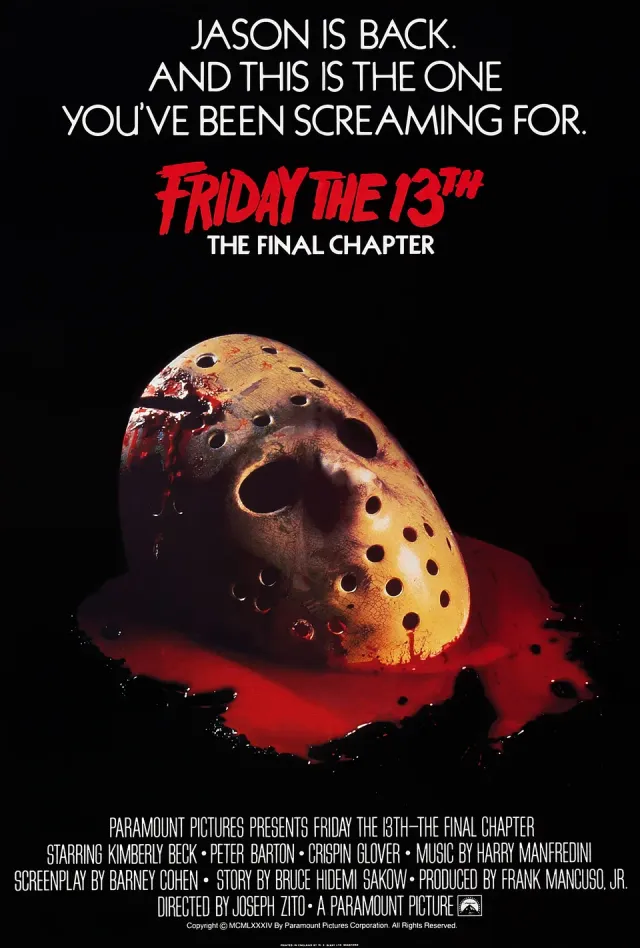
Declared dead after another massacre, Jason returns to threaten both a neighboring holiday group and the Jarvis household. A brother and sister's home becomes entangled with the same violence consuming the visiting teenagers, making family defense more central than in the earlier camp stories. Young Tommy's interest in making monster effects becomes a resource for understanding and distracting a real attacker. The film intensifies the series' physical violence while shifting the final confrontation toward siblings protecting each other.
Based on recorded story, mood and style. Your preferences can change the order.
What changes Diary of the Dead: outbreak interrupts a student film shoot, road encounters reveal widening collapse and group fractures as filming and survival collide. One Cut of the Dead: slow-burn opening, perspective shift and comic payoff.
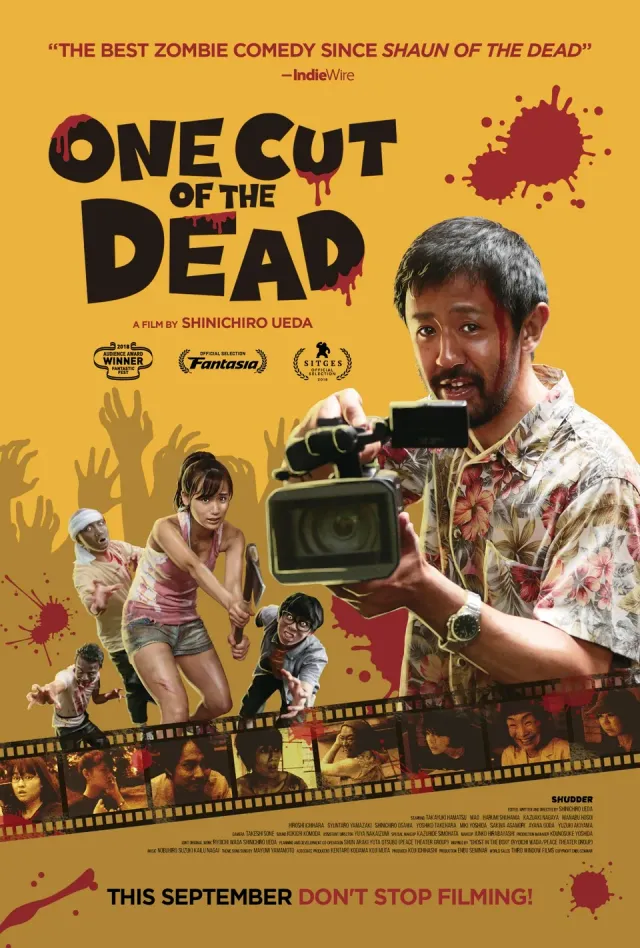
A small film crew shoots a zombie movie inside an abandoned water-treatment plant, where the determined director keeps the cameras rolling as strange events unfold. The story then widens beyond the apparent one-take horror scene, revealing the people, pressures, and improvised planning behind the production. This Japanese comedy-horror turns low-budget filmmaking into both its subject and its source of surprises, moving from undead chaos toward an affectionate portrait of creative teamwork.
Based on recorded story, mood and style. Your preferences can change the order.
What changes Diary of the Dead: outbreak interrupts a student film shoot, road encounters reveal widening collapse and group fractures as filming and survival collide. V/H/S: short-story anthology, uneven bursts of escalation and frame narrative between segments.
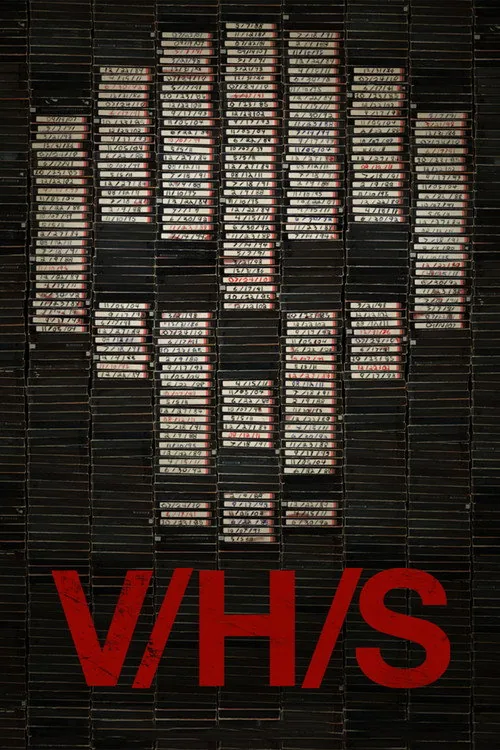
A group of petty criminals are hired to retrieve a specific videotape from a remote house, where they discover a dead body and a stack of unlabeled recordings. As they watch the tapes, a series of short horror stories unfolds through different forms of found footage, including encounters with strange visitors and violent supernatural events. The anthology’s framing narrative and segments were made by several independent filmmakers, creating a deliberately rough collection that uses camcorder images and videotape artifacts to evoke amateur recordings.
Based on recorded story, mood and style. Your preferences can change the order.
Survival
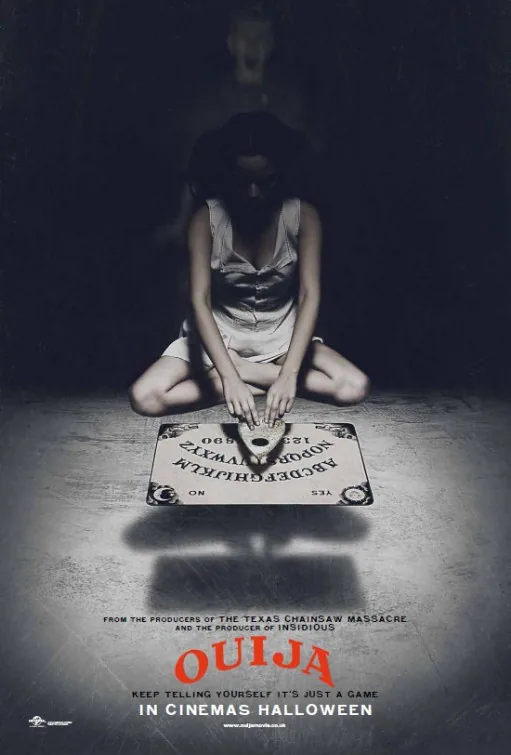
What changes Diary of the Dead: outbreak interrupts a student film shoot, road encounters reveal widening collapse and group fractures as filming and survival collide. Ouija: slow reveal followed by escalating scares.
After a young woman’s unexplained death, her friends use a spirit board to contact her and instead awaken a presence that grows more dangerous with each attempt. Their investigation leads them through a house and its history, turning grief into a horror story about curiosity and unseen consequences. The film builds tension through familiar supernatural rules and a group of young characters facing a threat they do not understand.
Based on recorded story, mood and style. Your preferences can change the order.
Survival
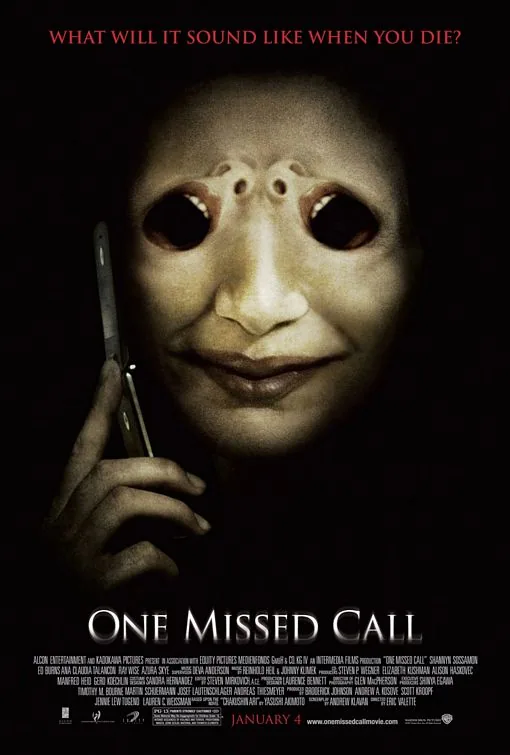
What changes Diary of the Dead: outbreak interrupts a student film shoot, road encounters reveal widening collapse and group fractures as filming and survival collide. One Missed Call: rapid escalation, episodic deaths and clue-driven.
College student Beth Raymond learns that her friend Leann has received a voicemail that appears to come from her own phone number and contains a recording of her final moments. Similar calls follow among their friends, each ending in a death marked by a red candy. Beth and detective Jack Andrews connect the pattern to an unexplained history at a hospital and to the children of a nurse who worked there. Their investigation draws them toward a source of abuse, grief and supernatural violence carried through the phones.
Based on recorded story, mood and style. Your preferences can change the order.
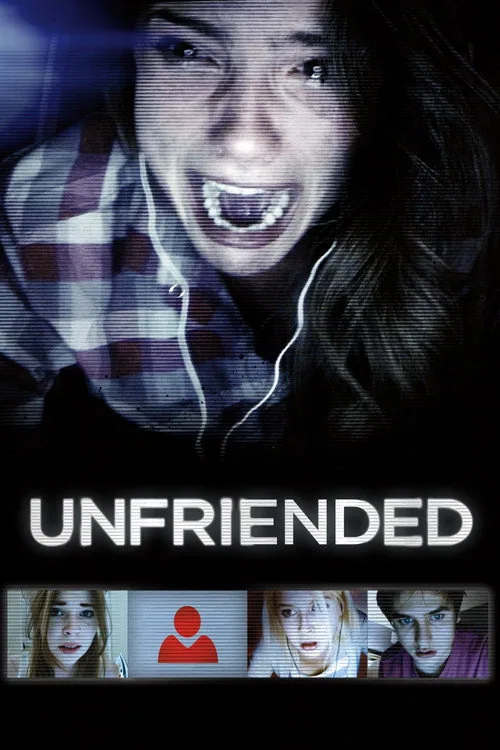
What changes Diary of the Dead: outbreak interrupts a student film shoot, road encounters reveal widening collapse and group fractures as filming and survival collide. Unfriended: real-time feeling, reveal-driven and escalating.
A group of high-school friends hold a video chat when an unknown account joins under the name of Laura Barns, a former classmate who died by suicide after a humiliating video spread online. As messages and private recordings appear, the friends’ past actions are exposed and the session turns into a supernatural threat. The film keeps its action within a computer desktop, using calls, chats, and files to reveal the group’s secrets. Levan Gabriadze’s horror film turns digital communication into a confined slasher setting.
Based on recorded story, mood and style. Your preferences can change the order.
Survival
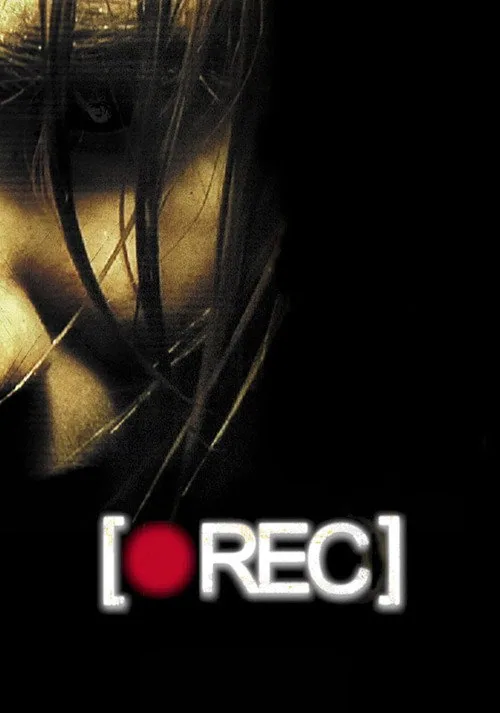
What changes Diary of the Dead: outbreak interrupts a student film shoot, road encounters reveal widening collapse and group fractures as filming and survival collide. Rec: continuous escalation within one night.
Television reporter Ángela Vidal and her cameraman Pablo follow a Barcelona fire crew into an apartment building after an elderly resident behaves violently. When the incident spreads and authorities seal the building, residents and responders become trapped together as panic and infection grow. The film confines its outbreak horror to footage recorded by the crew, making the camera both a window onto the crisis and the survivors’ only record of it.
Based on recorded story, mood and style. Your preferences can change the order.
Survival
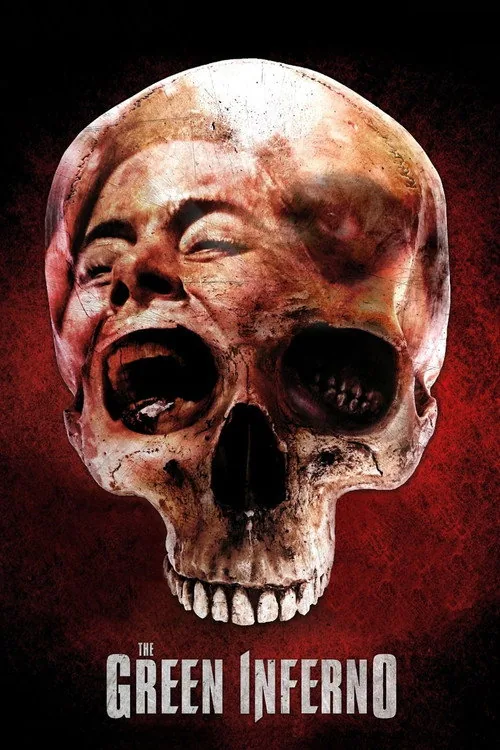
What changes Diary of the Dead: outbreak interrupts a student film shoot, road encounters reveal widening collapse and group fractures as filming and survival collide. The Green Inferno: activist mission setup, crash and capture and survival horror escalation.
College student Justine joins an activist group traveling to the Amazon to protest a corporation's destruction of forest and displacement of Indigenous communities. After the protest is filmed and the students are arrested, their plane crashes in the jungle on the way home. The survivors are captured by the very community they hoped to protect, and must confront the limits of their assumptions about activism and solidarity. Eli Roth's cannibal horror film turns a media-minded protest into a brutal survival story and a satire of performative advocacy.
Based on recorded story, mood and style. Your preferences can change the order.
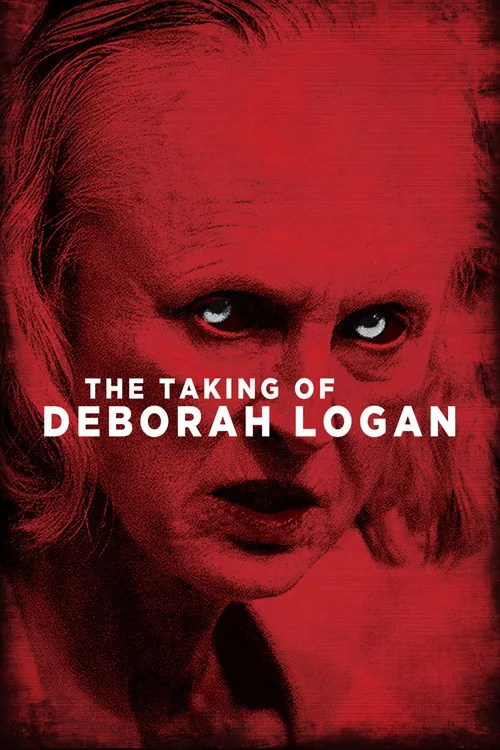
What changes Diary of the Dead: outbreak interrupts a student film shoot, road encounters reveal widening collapse and group fractures as filming and survival collide. The Taking of Deborah Logan: care routines and interview setup, footage reveals unexplained behavior and investigation becomes rescue.
A student documentary team records Deborah Logan, an older woman with Alzheimer's disease, and her daughter Sarah as they navigate daily care in Virginia. Deborah's behavior grows increasingly disturbing, and the crew begins to capture events that seem to exceed the effects of dementia. A mysterious telephone line and references to an old ritual lead them toward a local physician's history and a new danger involving a young patient. The found-footage horror asks where observation ends and responsibility begins when a family's crisis becomes the subject of a film.
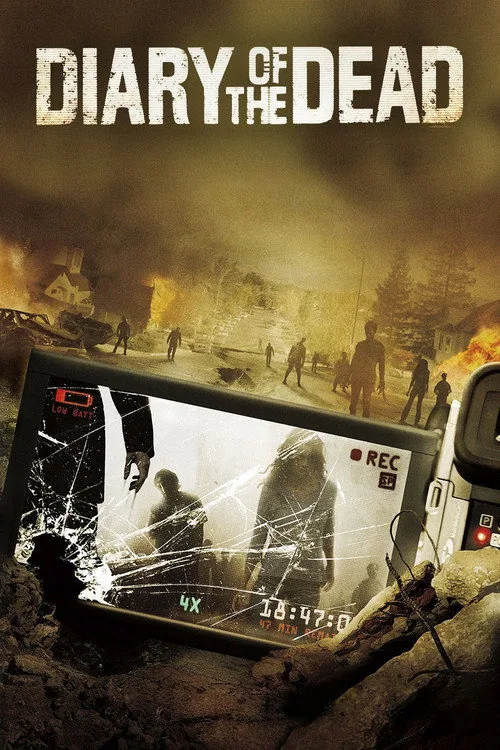
While a group of film students shoots a low-budget horror movie in the woods, reports emerge of the dead returning to life. Student filmmaker Jason insists on recording the collapse, turning the group's escape into an evolving documentary edited with news clips and online footage. His girlfriend Debra and the others encounter frightened survivors, armed authorities, and abandoned communities, while the camera becomes both a tool for witnessing events and a source of conflict about what deserves to be filmed.
What drives the story
Jason continues making a record of the zombie outbreak while the student group searches for safety and reliable information.
The people at its centre
Debra questions Jason's fixation on filming, and the group's differing priorities turn survival into an argument about responsibility.
What it feels like
Found footage, broadcast fragments, and documentary framing make the apocalypse feel mediated as well as immediate.
Worth knowing
Its conflict centers on a filmmaker's impulse to document catastrophe, setting it apart from a simple escape-from-zombies narrative.
media ethics and witnessingsocial collapsefear and human responsibility
Mood
urgent · bleak · self-reflective
Pacing
outbreak interrupts a student film shoot · road encounters reveal widening collapse · group fractures as filming and survival collide
Visual style
handheld documentary camera · news footage and digital inserts · low-budget practical zombie effects
Storytelling
film students document a zombie outbreak · found footage mixes with news and online clips · recording competes with immediate survival