Based on recorded story, mood and style. Your preferences can change the order.
Memory and identity · Family and care
What changes The Canal is tagged gothic and uneasy; Lake Mungo is tagged quietly haunting and melancholic.
After sixteen-year-old Alice Palmer drowns near her Australian hometown, her family begins to encounter signs that she may still be present. Her brother Mathew records apparent sightings, while their parents seek answers through photographs, a psychic and a closer look at Alice’s life. The film presents these discoveries through interviews, home videos and other documentary-like evidence. As the family learns that Alice kept parts of her life hidden, their search for a ghost becomes a more painful effort to understand the daughter they thought they knew.
Based on recorded story, mood and style. Your preferences can change the order.
Memory and identity · Investigation
What changes The Canal: slow-burn, gradually disorienting and revelation-driven. The Taking of Deborah Logan: care routines and interview setup, footage reveals unexplained behavior and investigation becomes rescue.
A student documentary team records Deborah Logan, an older woman with Alzheimer's disease, and her daughter Sarah as they navigate daily care in Virginia. Deborah's behavior grows increasingly disturbing, and the crew begins to capture events that seem to exceed the effects of dementia. A mysterious telephone line and references to an old ritual lead them toward a local physician's history and a new danger involving a young patient. The found-footage horror asks where observation ends and responsibility begins when a family's crisis becomes the subject of a film.
Both share themes of grief and perception, plus an uneasy atmosphere.
Why this matches +
Genres: Horror / Thriller
Shared film traits
Based on recorded story, mood and style. Your preferences can change the order.
Memory and identity · Family and care
Expect uneasy and melancholy, with slow-burn and gradually unsettling pacing.
After losing one of their twin sons, Rachel and Anthony move with their surviving child to Finland, hoping distance will help the family grieve. Elliot begins speaking of his dead brother and behaving in ways Rachel cannot explain. As she searches for answers, the welcoming community offers a spiritual explanation that complicates her trust in her own perceptions. The film develops maternal grief into a supernatural story about family, belief and the temptation to trade uncertainty for certainty.
Based on recorded story, mood and style. Your preferences can change the order.
Memory and identity · Investigation
What changes The Canal: slow-burn, gradually disorienting and revelation-driven. The Guest: a grieving family’s gratitude gives a dangerous visitor access to their home and routines..
David, a former soldier, visits the Peterson family and says he served with their son Caleb, who died in Afghanistan. His helpful manners and apparent kindness make him welcome, but Anna becomes suspicious as violence and unexplained deaths accumulate around the family. Adam Wingard’s thriller first uses the shape of a grief drama and then shifts into a stylized manhunt, with a Halloween dance and a carefully chosen mix tape giving the last act its particular mood. The film’s tension depends on whether David’s charm is care or a weapon.
Based on recorded story, mood and style. Your preferences can change the order.
Investigation
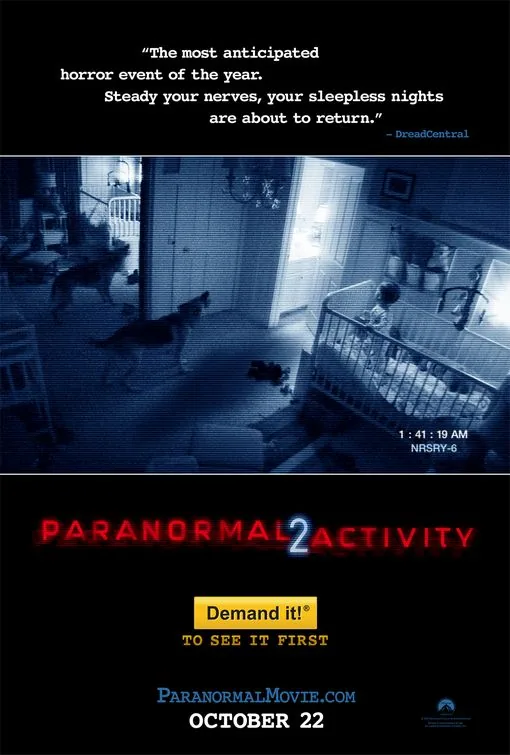
What changes The Canal: slow-burn, gradually disorienting and revelation-driven. Paranormal Activity 2: slow-burn and camera-led.
After a break-in at a family home, a father installs cameras throughout the house to discover who is responsible. The footage begins recording disturbances that intensify around his infant son and connect the household to events already unfolding elsewhere. Routine domestic images become evidence that the family cannot interpret in time, extending the found-footage series through overlapping viewpoints and a patient sense of dread.
Based on recorded story, mood and style. Your preferences can change the order.
Investigation
What changes The Canal: slow-burn, gradually disorienting and revelation-driven. Sinister: slow-building and investigation-led.
A true-crime writer moves his family into a house connected to an unsolved murder, concealing the reason from his wife. The discovery of disturbing home movies offers material that might revive his career, but his investigation begins to suggest a pattern reaching beyond ordinary crime. Professional ambition keeps him close to evidence that threatens the household, making the urge to watch and interpret part of the danger itself.
Based on recorded story, mood and style. Your preferences can change the order.
What changes The Canal: slow-burn, gradually disorienting and revelation-driven. Diary of the Dead: outbreak interrupts a student film shoot, road encounters reveal widening collapse and group fractures as filming and survival collide.
While a group of film students shoots a low-budget horror movie in the woods, reports emerge of the dead returning to life. Student filmmaker Jason insists on recording the collapse, turning the group's escape into an evolving documentary edited with news clips and online footage. His girlfriend Debra and the others encounter frightened survivors, armed authorities, and abandoned communities, while the camera becomes both a tool for witnessing events and a source of conflict about what deserves to be filmed.
Based on recorded story, mood and style. Your preferences can change the order.
Memory and identity · Family and care
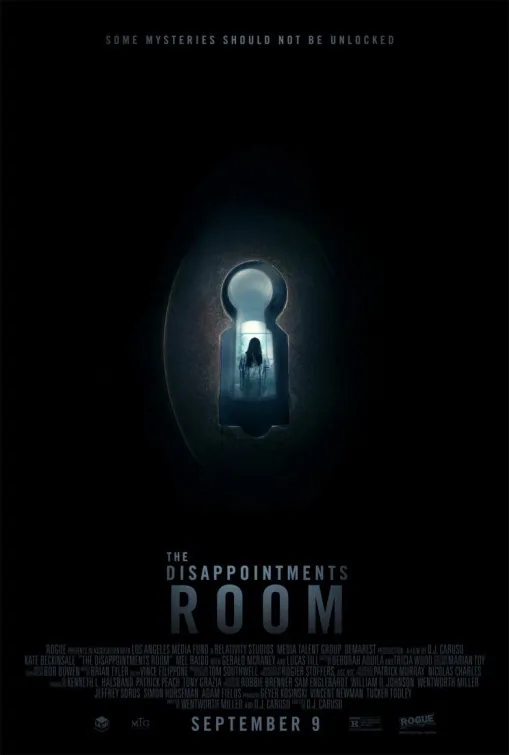
What changes The Canal is tagged gothic and uneasy; The Disappointments Room is tagged isolating and somber.
Dana Barrow moves with her husband David and their young son Lucas into an old country house, hoping the change will help the family recover from a painful loss. While exploring the property, Dana discovers a locked room hidden in the attic and becomes increasingly preoccupied with its history. Strange visions and disturbances unsettle the household, and Dana’s attempts to understand the room place pressure on her marriage and her sense of what is real.
Based on recorded story, mood and style. Your preferences can change the order.
Investigation
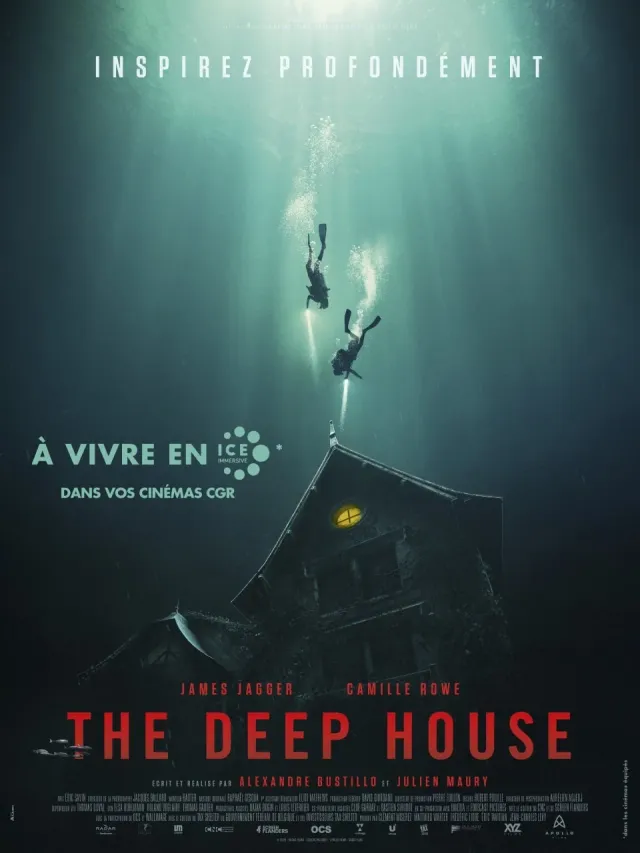
What changes The Canal: slow-burn, gradually disorienting and revelation-driven. The Deep House: the couple pursue a promising location, descend to the submerged house, discover evidence of its history and and struggle to escape as the environment turns hostile.
Young travel video creators Ben and Tina head to a remote French lake after learning that a deserted village and its buildings lie beneath the water. They find a preserved house at the bottom and take their cameras inside, hoping for a striking exploration video. Once the couple becomes trapped underwater with signs of the house’s past around them, their planned excursion turns into a claustrophobic supernatural ordeal.
Film archivist David lives with his wife Alice and their young son in a house that carries a violent history. While reviewing old footage, David finds evidence that a murder occurred there decades earlier and begins to suspect that the past is affecting his present. After Alice disappears, he struggles to separate investigation, grief and supernatural signs as his family life unravels. The Canal uses archival images and the house’s canal-side setting to make the past feel close and unstable.
What drives the story
David’s archival discovery and Alice’s disappearance draw him into a search that links the house’s history to his present fears.
The people at its centre
David’s worry for his son is complicated by his growing isolation, while his colleagues and family cannot easily tell what he believes he has seen.
What it feels like
Old footage, domestic unease and shifting perceptions create a gothic atmosphere in which investigation and grief become difficult to separate.
Worth knowing
Its horror grows from an archivist’s discovery of a house’s recorded past and a family crisis, rather than a group of strangers trapped by a ghost.