Both share themes of grief and memory, plus an unsettling atmosphere.
Why this matches +
Genres: Horror / Thriller
Shared film traits
Based on recorded story, mood and style. Your preferences can change the order.
Family and care · Memory and identity
Expect isolating and somber, with slow-burn and psychological escalation pacing.
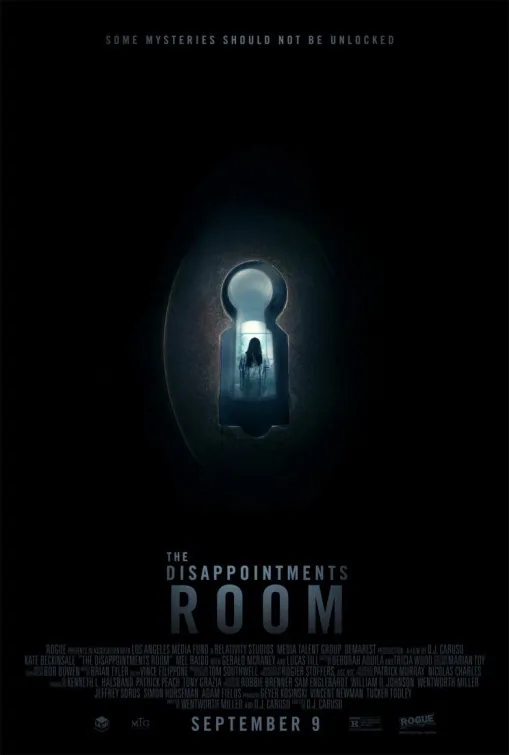
Dana Barrow moves with her husband David and their young son Lucas into an old country house, hoping the change will help the family recover from a painful loss. While exploring the property, Dana discovers a locked room hidden in the attic and becomes increasingly preoccupied with its history. Strange visions and disturbances unsettle the household, and Dana’s attempts to understand the room place pressure on her marriage and her sense of what is real.
Based on recorded story, mood and style. Your preferences can change the order.
Family and care · Memory and identity
What changes Lake Mungo is tagged quietly haunting and melancholic; The Eternal Daughter is tagged eerie and intimate.
Filmmaker Julie arrives at a secluded hotel with her elderly mother Rosalind and their dog, hoping to spend time together and develop a film from family memories. Fog, empty corridors and sounds at night make the hotel feel haunted, while stories about the place bring old grief into their conversations. Julie’s creative project and her relationship with her mother begin to overlap, leaving the film poised between ghost story, family portrait and self-questioning fiction.
Based on recorded story, mood and style. Your preferences can change the order.
Family and care · Memory and identity
What changes Lake Mungo is tagged quietly haunting and melancholic; The Canal is tagged gothic and uneasy.
Film archivist David lives with his wife Alice and their young son in a house that carries a violent history. While reviewing old footage, David finds evidence that a murder occurred there decades earlier and begins to suspect that the past is affecting his present. After Alice disappears, he struggles to separate investigation, grief and supernatural signs as his family life unravels. The Canal uses archival images and the house’s canal-side setting to make the past feel close and unstable.
Based on recorded story, mood and style. Your preferences can change the order.
Memory and identity
What changes Lake Mungo: slow-burn, patient and revelatory. Marrowbone: family arrival and loss, domestic mystery deepens and secrets and past violence converge.
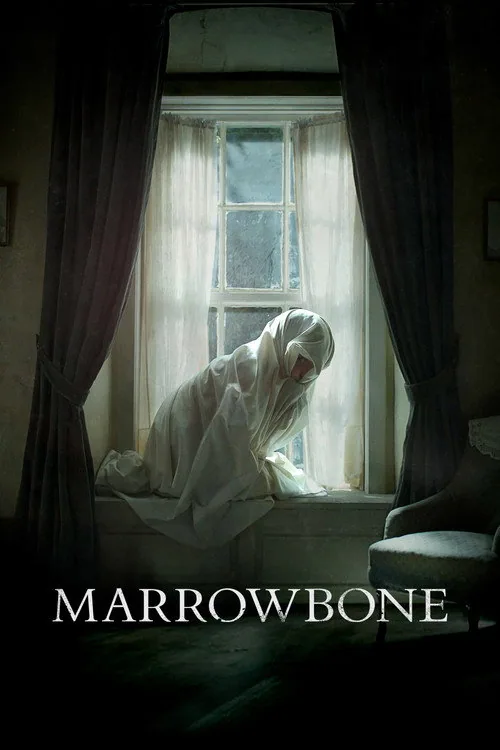
After moving with their mother from England to a rural Maine estate, four siblings try to remain together after her death, hiding what has happened until the eldest can claim legal guardianship. Jack takes responsibility for the household and begins a relationship with Allie, while strange sounds and covered mirrors reinforce the children's belief that a dangerous presence is trapped in the house. As money and official scrutiny threaten their secret, the siblings must face the family's violent past and determine whether the haunting is supernatural or something more painful.
Based on recorded story, mood and style. Your preferences can change the order.
Memory and identity · Investigation
What changes Lake Mungo: slow-burn, patient and revelatory. The Uninvited: slow-building and revelation-led.
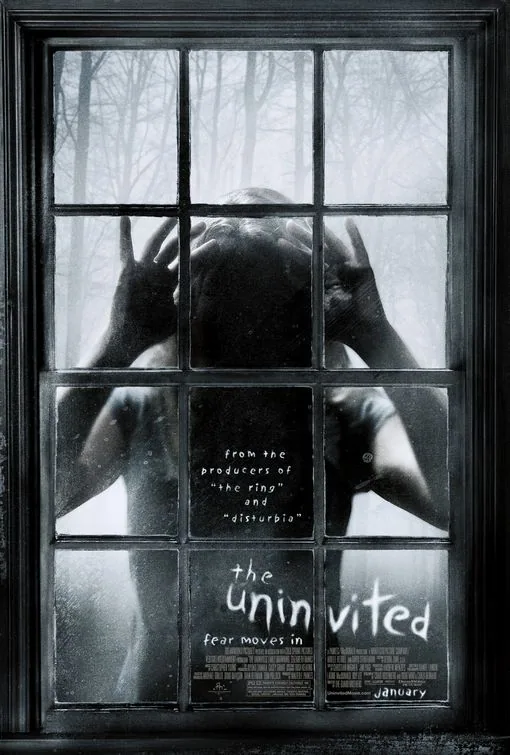
After leaving a psychiatric facility, a teenager returns home to live with her father and his new partner, while troubling events and memories complicate her sense of safety. Her sister supports her suspicions, but the household’s version of the past does not match what the girls remember. The horror remake uses family grief and uncertain recollection to build a mystery in which the apparent supernatural threat may be tied to a more intimate betrayal.
Based on recorded story, mood and style. Your preferences can change the order.
Investigation
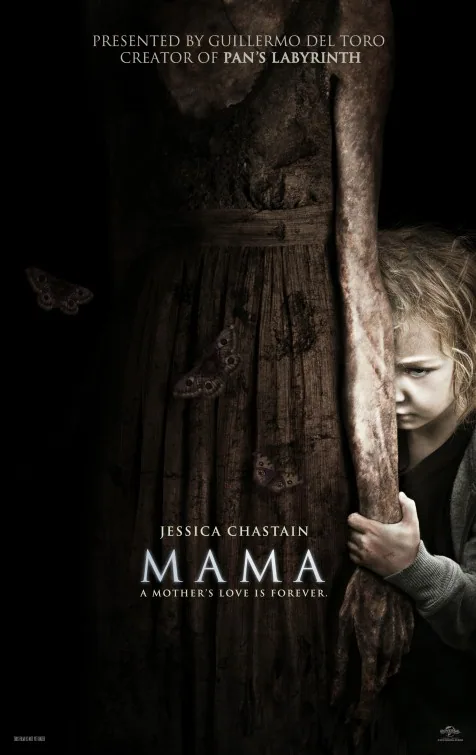
What changes Lake Mungo: slow-burn, patient and revelatory. Mama: slow-building and escalating menace.
Two sisters are discovered alive after years in an isolated cabin and are placed with their uncle and his reluctant partner. Their adjustment is disturbed by an unseen maternal presence that appears to have protected them. As the adults investigate the children's past, ordinary caregiving becomes entangled with supernatural jealousy, and the sisters' different attachments make the idea of returning home increasingly complicated.
Based on recorded story, mood and style. Your preferences can change the order.
Family and care · Memory and identity
What changes Lake Mungo: slow-burn, patient and revelatory. One Missed Call: rapid escalation, episodic deaths and clue-driven.
College student Beth Raymond learns that her friend Leann has received a voicemail that appears to come from her own phone number and contains a recording of her final moments. Similar calls follow among their friends, each ending in a death marked by a red candy. Beth and detective Jack Andrews connect the pattern to an unexplained history at a hospital and to the children of a nurse who worked there. Their investigation draws them toward a source of abuse, grief and supernatural violence carried through the phones.
Based on recorded story, mood and style. Your preferences can change the order.
Investigation
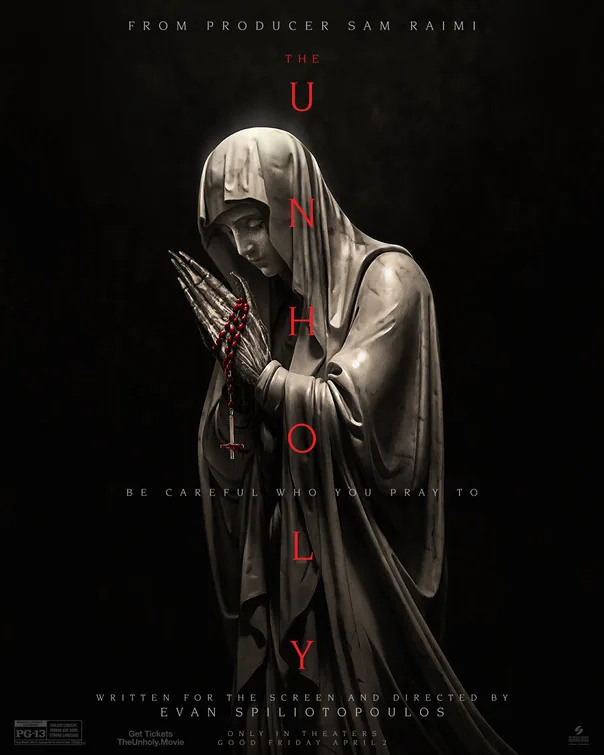
What changes Lake Mungo: slow-burn, patient and revelatory. The Unholy: inquiry and public gatherings build toward a religious confrontation.
Alice, a young woman with a hearing impairment, claims to receive visions of the Virgin Mary and begins healing people in her town. A journalist investigates the reported miracles, while church officials and residents debate what is happening. The supernatural horror drama connects faith, public attention and the possibility of deception, as the community’s hope becomes inseparable from the danger surrounding Alice.
Based on recorded story, mood and style. Your preferences can change the order.
Family and care · Memory and identity
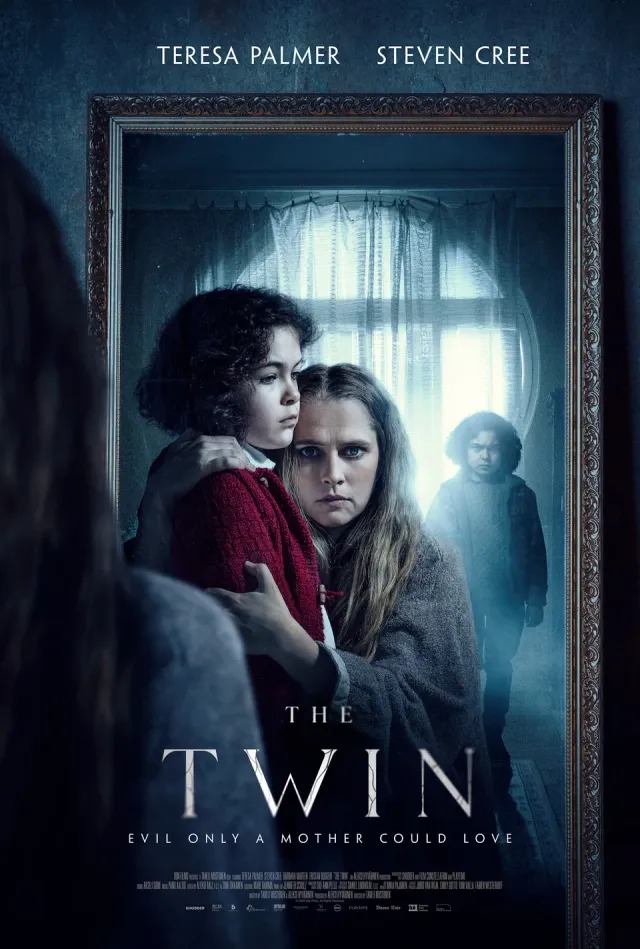
What changes Lake Mungo is tagged quietly haunting and melancholic; The Twin is tagged uneasy and melancholy.
After losing one of their twin sons, Rachel and Anthony move with their surviving child to Finland, hoping distance will help the family grieve. Elliot begins speaking of his dead brother and behaving in ways Rachel cannot explain. As she searches for answers, the welcoming community offers a spiritual explanation that complicates her trust in her own perceptions. The film develops maternal grief into a supernatural story about family, belief and the temptation to trade uncertainty for certainty.
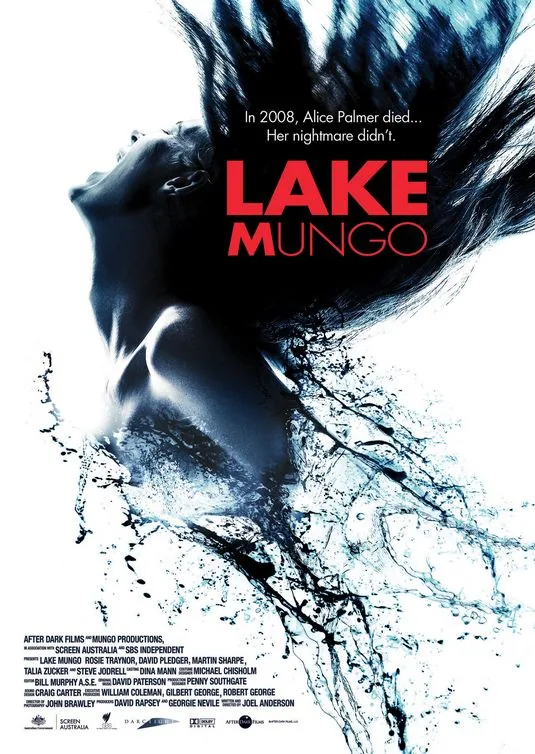
After sixteen-year-old Alice Palmer drowns near her Australian hometown, her family begins to encounter signs that she may still be present. Her brother Mathew records apparent sightings, while their parents seek answers through photographs, a psychic and a closer look at Alice’s life. The film presents these discoveries through interviews, home videos and other documentary-like evidence. As the family learns that Alice kept parts of her life hidden, their search for a ghost becomes a more painful effort to understand the daughter they thought they knew.
What drives the story
The Palmers test their haunting against recordings and personal testimony, uncovering private histories that complicate what the evidence appears to show.
The people at its centre
Russell, June and Mathew process Alice’s death differently, and each new revelation changes how they understand the daughter and sister they lost.
What it feels like
Its calm documentary form lets gaps in recordings, family interviews and nighttime images carry dread without relying on frequent shocks.
Worth knowing
This grief-centered Australian mockumentary favors ambiguity and emotional residue over a conventional ghost story with a clear supernatural explanation.