Both share themes of cultural memory, plus an uneasy atmosphere.
Why this matches +
Genres: Horror
Shared film traits
Based on recorded story, mood and style. Your preferences can change the order.
Family and care · Memory and identity
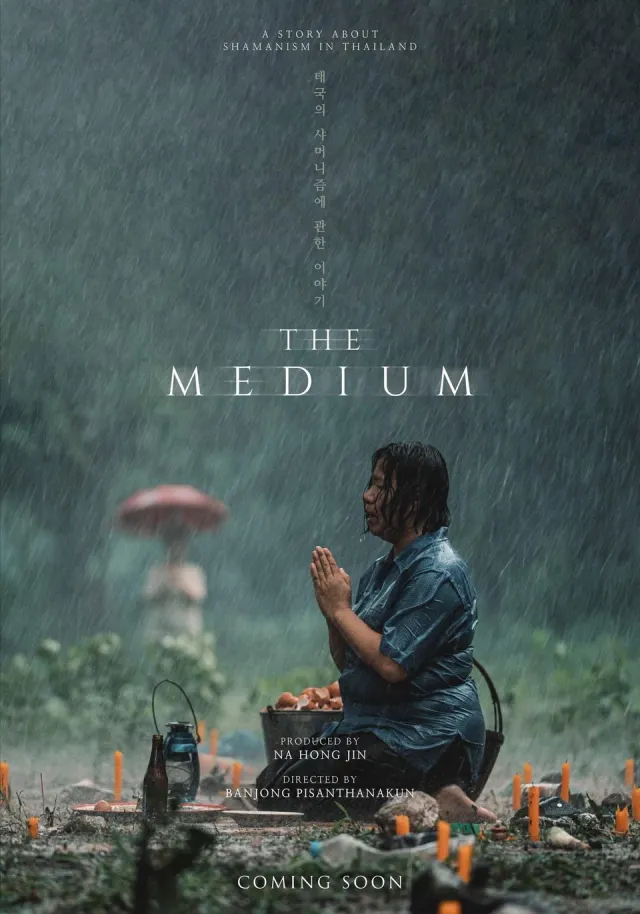
What changes Nanny: measured, atmospheric, gradually intensifying and dreamlike. The Medium: field research establishes nim’s practice, mink’s behavior changes, the family and crew investigate competing explanations and the footage descends into chaos.
A documentary crew travels to a rural community in northeastern Thailand to record Nim, a shaman who believes she has inherited a spirit from her family line. The crew’s attention turns to her niece Mink after the young woman begins exhibiting unsettling changes. As the family seeks an explanation, the film’s observational footage becomes increasingly unstable and the boundary between spiritual practice, family history, and supernatural horror grows uncertain.
Based on recorded story, mood and style. Your preferences can change the order.
Family and care
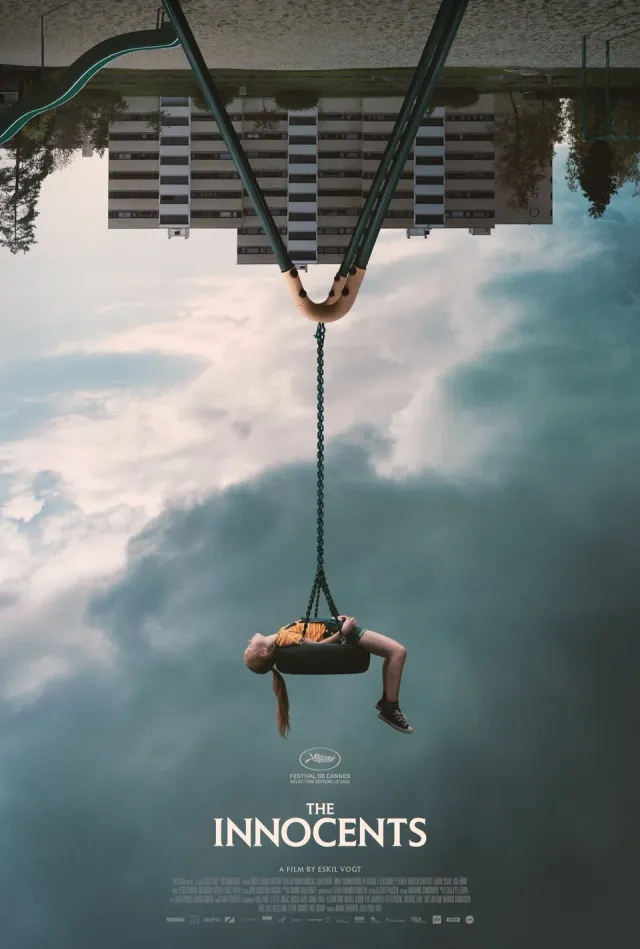
What changes Nanny: measured, atmospheric, gradually intensifying and dreamlike. The Innocents: a new neighborhood brings the children together, playful experiments reveal unusual powers, relationships and resentments affect their use and danger grows beyond their control.
During a Scandinavian summer, young Ida and her family move into an apartment complex where she meets Ben, a boy with an unusual ability. The children begin testing their powers and spend time with Anna, Ida’s autistic older sister, and Aisha, another child in the neighborhood. Their private experiments take a darker turn as the abilities grow more consequential and the adults remain largely unaware of what is happening.
Both share themes of motherhood, plus an intimate atmosphere.
Why this matches +
Genres: Drama / Horror
Shared film traits
Based on recorded story, mood and style. Your preferences can change the order.
Family and care
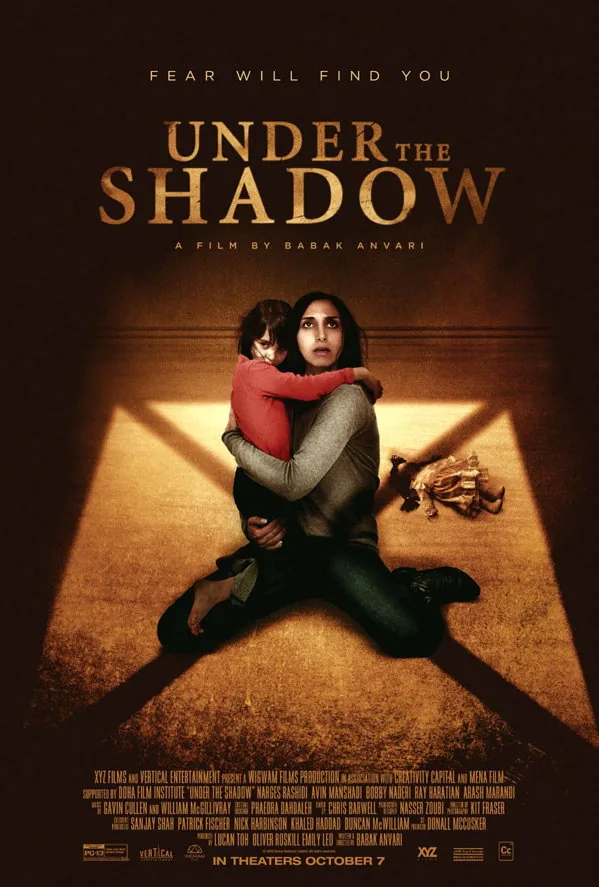
What changes Nanny: measured, atmospheric, gradually intensifying and dreamlike. Under the Shadow: patient, gradual escalation and enclosed suspense.
In 1980s Tehran during the Iran–Iraq War, Shideh wants to resume her medical studies while her physician husband serves at the front. After a missile strikes their apartment building without exploding, Shideh and her young daughter Dorsa remain in the increasingly empty building. Dorsa becomes convinced that an unseen presence has taken her doll, and stories of the djinn make the mother and daughter’s isolation more frightening. Babak Anvari entwines supernatural horror with the limits placed on women during wartime.
Based on recorded story, mood and style. Your preferences can change the order.
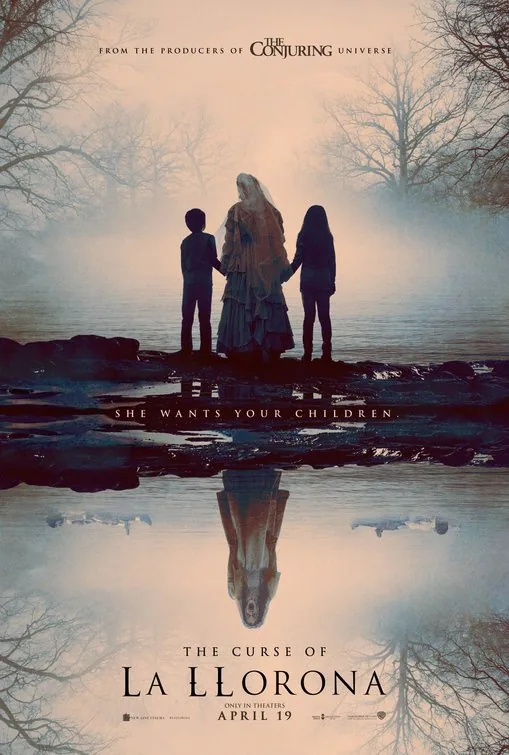
What changes Nanny: measured, atmospheric, gradually intensifying and dreamlike. The Curse of La Llorona: escalating and haunting-driven.
In 1970s Los Angeles, social worker Anna Tate-Garcia investigates a family whose children fear a figure associated with the weeping woman of Mexican folklore. After a supernatural attack reaches Anna's own children, she seeks help from a former priest who understands the legend. The film links a specific family crisis to an older haunting, turning domestic spaces and nighttime streets into places of escalating danger.
Based on recorded story, mood and style. Your preferences can change the order.
Dream worlds
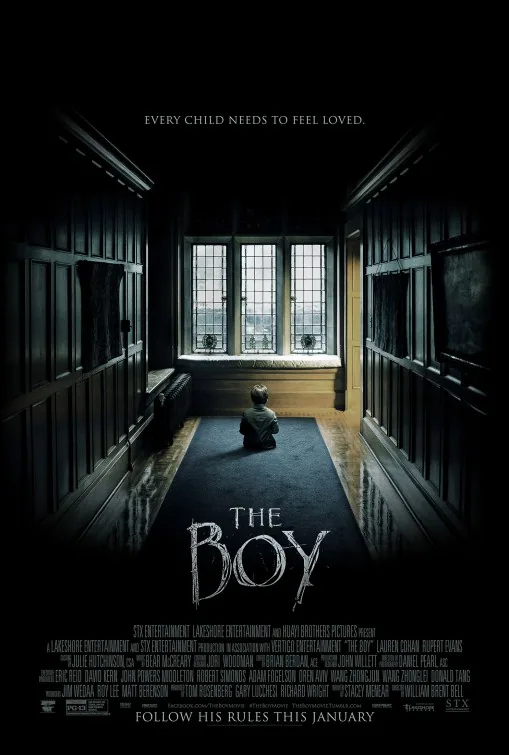
What changes Nanny: measured, atmospheric, gradually intensifying and dreamlike. The Boy: slow unease develops into sudden reversals.
An American nanny accepts a position in an isolated English home and discovers that the child she is expected to care for is a life-sized porcelain doll. The family’s strict rules and the house’s silence make the arrangement increasingly unsettling, especially after she suspects the doll may not be merely an object. The horror uses domestic isolation and uncertain explanations to build suspense around what is hidden inside the house.
Both share themes of motherhood, plus an uneasy atmosphere.
Why this matches +
Genres: Horror / Thriller
Shared film traits
Based on recorded story, mood and style. Your preferences can change the order.
Family and care · Memory and identity
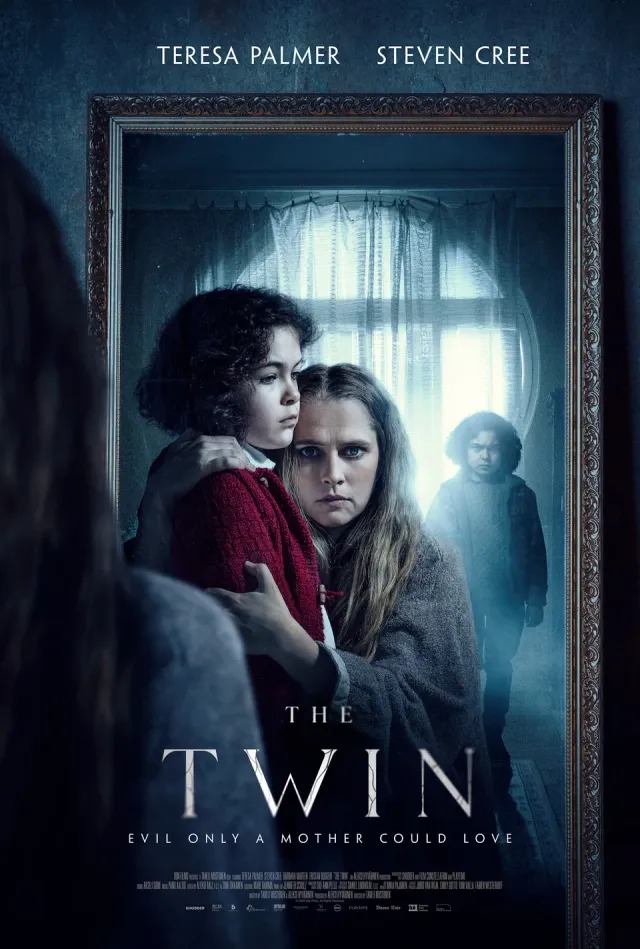
What changes Nanny: measured, atmospheric, gradually intensifying and dreamlike. The Twin: slow-burn, gradually unsettling, mystery-driven and climactic.
After losing one of their twin sons, Rachel and Anthony move with their surviving child to Finland, hoping distance will help the family grieve. Elliot begins speaking of his dead brother and behaving in ways Rachel cannot explain. As she searches for answers, the welcoming community offers a spiritual explanation that complicates her trust in her own perceptions. The film develops maternal grief into a supernatural story about family, belief and the temptation to trade uncertainty for certainty.
Based on recorded story, mood and style. Your preferences can change the order.
Memory and identity
What changes Nanny: measured, atmospheric, gradually intensifying and dreamlike. His House: arrival and adjustment, fragmented haunting and emotional reckoning.
South Sudanese refugees Bol and Rial survive a dangerous crossing to Britain but lose their young daughter during the journey. The government assigns them a shabby house and imposes strict conditions as they wait for an asylum decision. Strange sounds and apparitions begin to haunt the home, while racism and memories of the war make the couple feel watched from every side. Their effort to adapt becomes a confrontation with guilt and grief, as the supernatural presence reflects what they carry from the life they fled.
Based on recorded story, mood and style. Your preferences can change the order.
Memory and identity
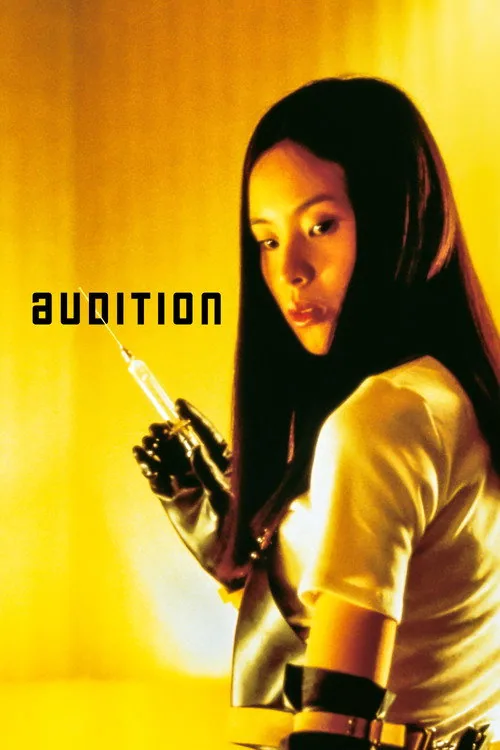
What changes Nanny: measured, atmospheric, gradually intensifying and dreamlike. Audition: a widower meets a former dancer through a false film audition arranged to help him find a wife..
Widower Shigeharu Aoyama’s son encourages him to remarry, so a film producer friend stages a fake audition to introduce him to potential partners. Aoyama becomes captivated by Asami Yamazaki, a former dancer whose references and past prove difficult to verify. As he pursues her, details from her life surface that challenge his assumptions about what she wants and what he is entitled to know. Takashi Miike’s Japanese horror film begins as a restrained dating drama before shifting into a disturbing confrontation shaped by grief, deception, and gendered power.
Based on recorded story, mood and style. Your preferences can change the order.
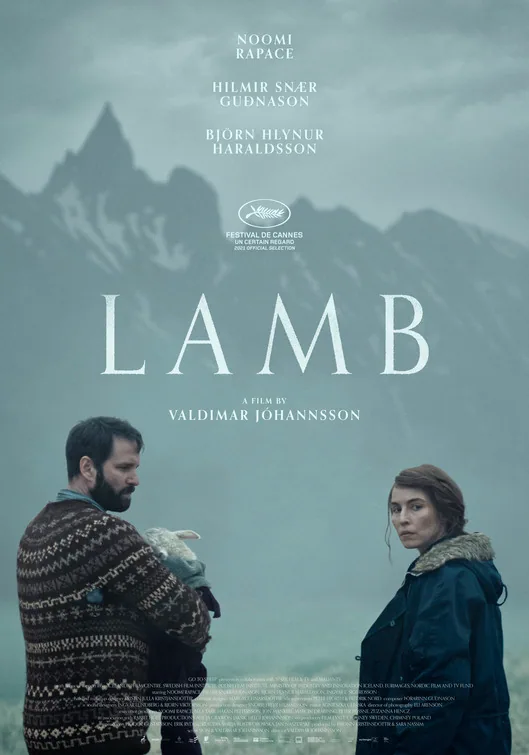
What changes Nanny: measured, atmospheric, gradually intensifying and dreamlike. Lamb: a slow domestic rhythm allows unease to accumulate gradually.
Icelandic farmers María and Ingvar take in a mysterious human-sheep child born on their farm and name her Ada after their deceased daughter. Their new family life is tender but bound to an unsettling act of separation from the natural world. The folk horror keeps much of its meaning unspoken, letting landscape, routine, and the parents’ grief make the uncanny feel intimate rather than sensational.
Aisha, a Senegalese immigrant working as a nanny in New York, saves money in the hope of bringing her young son to the United States. Her employment with a wealthy family offers a path forward but also places her at the mercy of missed payments and expanding demands. As she forms a bond with the child in her care, water-linked visions and figures from African folklore enter her daily life. Nikyatu Jusu’s film brings migration, labor and motherhood into a slow-building supernatural drama.
What drives the story
Aisha tries to meet her work goals and reunite with her son as supernatural visions begin to blur with the pressures of daily life.
The people at its centre
Aisha’s self-reliance is tested by exploitative work and distance from her child, while she seeks a more secure future on her own terms.
What it feels like
The film grounds its haunting images in the practical pressures of immigrant labor, family separation and cultural inheritance.
Worth knowing
A slow, atmospheric horror drama for viewers interested in motherhood, migration and folklore woven into contemporary life.