Explore films connected to Under the Shadow through war and civilian life, motherhood, gender restrictions. Choose the qualities you want to carry into your next watch.
What should feel similar?
Find your next favourite
9 films · Closest overall matches
Hide films you’ve seen or don’t want. Saved on this device.
No matches for this combination yet.
Try another option or reset your choices to see more films.
Based on recorded story, mood and style. Your preferences can change the order.
Family and care · Power and authority
What changes Under the Shadow: patient, gradual escalation and enclosed suspense. Incantation: uneven by design, escalating, fragmented and immersive.
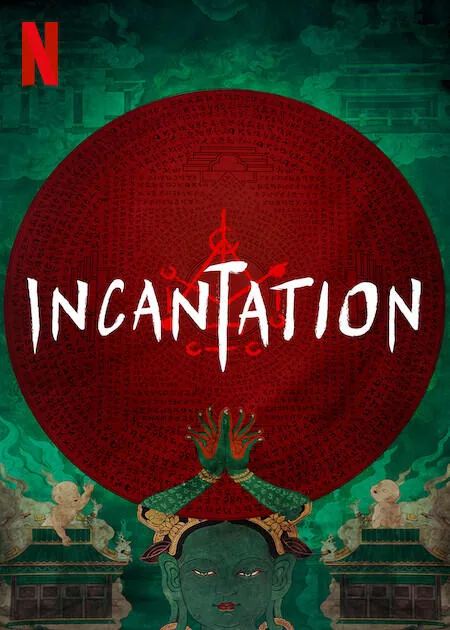
Li Ronan asks viewers to learn an insignia and chant that she believes can protect her daughter from a curse. The found-footage story moves between the present and the events six years earlier, when Ronan and two companions violated a taboo while recording a ritual in a remote village. Religious imagery, unstable chronology and direct address make the audience feel implicated in Ronan’s attempt to explain what happened and keep her child safe.
Both share themes of motherhood, plus an intimate atmosphere.
Why this matches +
Genres: Drama / War
Shared film traits
Based on recorded story, mood and style. Your preferences can change the order.
Family and care · War and civilian life
What changes Under the Shadow: patient, gradual escalation and enclosed suspense. Beanpole: character-driven, quiet tension and emotional ruptures.
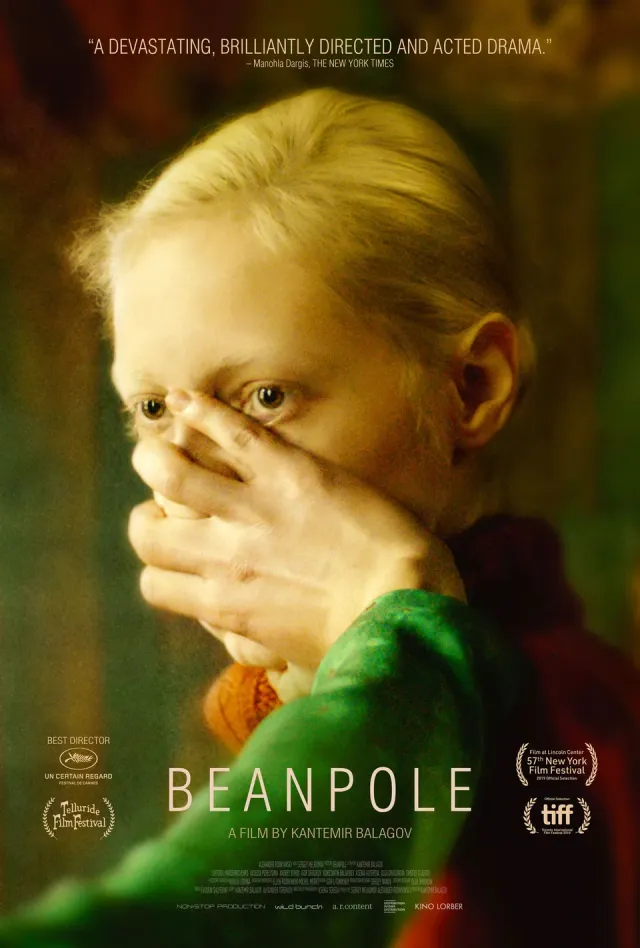
In the aftermath of the Second World War, nurse Iya works in a crowded Leningrad hospital while coping with episodes that temporarily immobilize her. Masha returns from the front and resumes a complicated relationship with Iya, whose life has become entangled with the cost of war. As the women try to imagine a future in a damaged city, their bond is shaped by trauma, dependence, desire, and conflicting ideas about motherhood.
Based on recorded story, mood and style. Your preferences can change the order.
What changes Under the Shadow: patient, gradual escalation and enclosed suspense. Audition: a widower meets a former dancer through a false film audition arranged to help him find a wife..
Widower Shigeharu Aoyama’s son encourages him to remarry, so a film producer friend stages a fake audition to introduce him to potential partners. Aoyama becomes captivated by Asami Yamazaki, a former dancer whose references and past prove difficult to verify. As he pursues her, details from her life surface that challenge his assumptions about what she wants and what he is entitled to know. Takashi Miike’s Japanese horror film begins as a restrained dating drama before shifting into a disturbing confrontation shaped by grief, deception, and gendered power.
Based on recorded story, mood and style. Your preferences can change the order.
What changes Under the Shadow: patient, gradual escalation and enclosed suspense. Bride of Chucky: brisk and episodic chase structure.
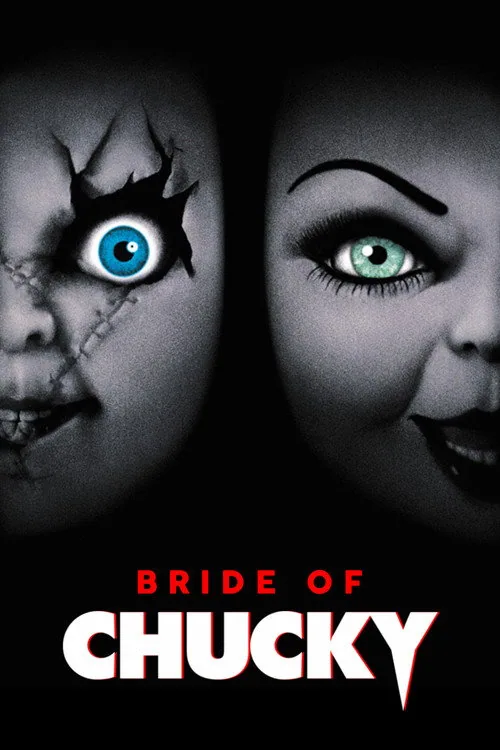
Tiffany, Chucky’s former partner, retrieves the killer doll’s remains and uses a ritual to bring him back, hoping to reconnect with him. Their reunion quickly turns violent, and Tiffany’s own death leads to another transfer of a human soul into a doll. The pair then manipulate a young couple into helping them travel while they pursue a way to become human again. Ronny Yu’s entry in the Child’s Play series leans into self-aware slasher humor, a bickering killer partnership, and comic horror set pieces.
Based on recorded story, mood and style. Your preferences can change the order.
Power and authority · Survival
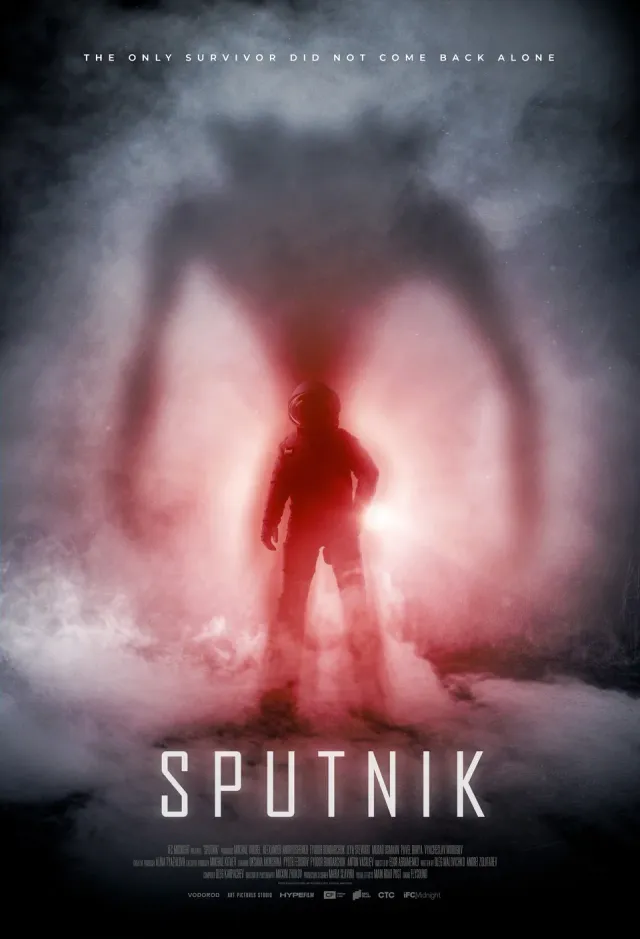
What changes Under the Shadow: patient, gradual escalation and enclosed suspense. Sputnik: crash mystery, nightly creature reveal, clinical study and conflict and containment crisis.
After a Soviet spacecraft crashes in 1983, cosmonaut Konstantin Veshnyakov returns to Earth with no clear memory of the accident and an organism living inside him. Military officials bring psychiatrist Tatyana Klimova to a guarded research facility to assess the survivor and the creature that emerges at night. Tatyana’s investigation exposes the uneasy bond between the two and the military’s willingness to treat both as resources. Egor Abramenko’s Russian science-fiction horror film combines Cold War secrecy, alien body horror, and a doctor’s ethical struggle inside a closed institution.
Both share themes of motherhood, plus an intimate atmosphere.
Why this matches +
Genres: Drama / Horror
Shared film traits
Based on recorded story, mood and style. Your preferences can change the order.
Family and care
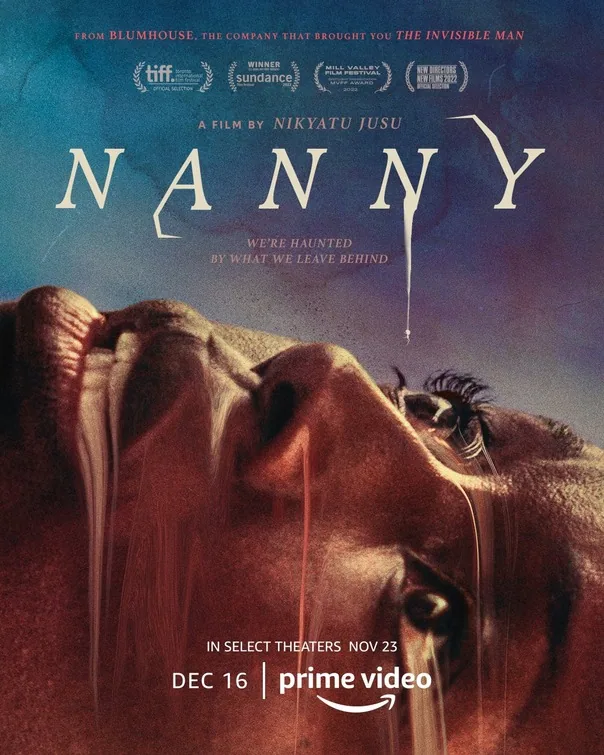
What changes Under the Shadow: patient, gradual escalation and enclosed suspense. Nanny: measured, atmospheric, gradually intensifying and dreamlike.
Aisha, a Senegalese immigrant working as a nanny in New York, saves money in the hope of bringing her young son to the United States. Her employment with a wealthy family offers a path forward but also places her at the mercy of missed payments and expanding demands. As she forms a bond with the child in her care, water-linked visions and figures from African folklore enter her daily life. Nikyatu Jusu’s film brings migration, labor and motherhood into a slow-building supernatural drama.
Based on recorded story, mood and style. Your preferences can change the order.
Survival
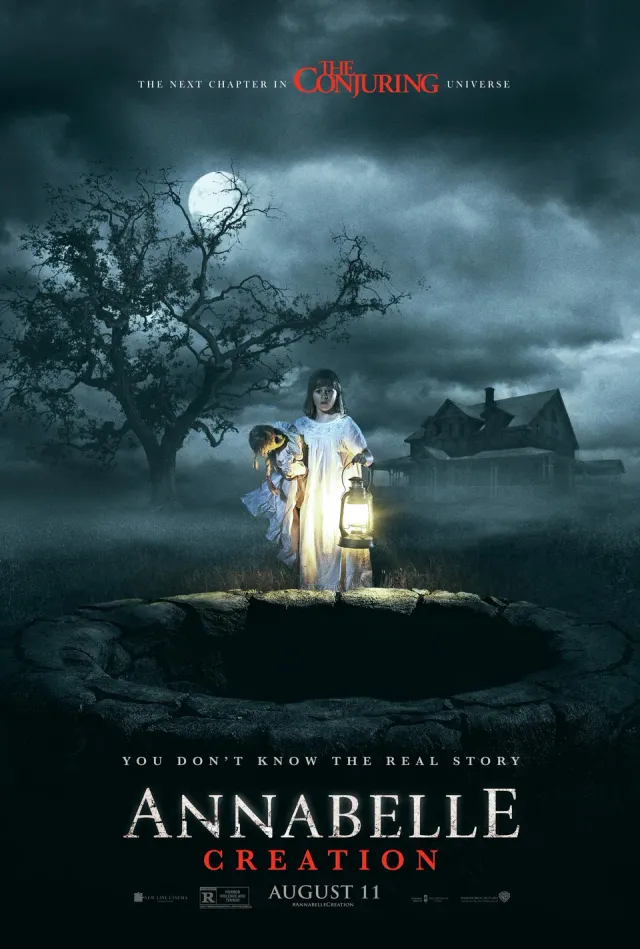
What changes Under the Shadow: patient, gradual escalation and enclosed suspense. Annabelle: Creation: slow burn.
A dollmaker and his wife welcome displaced girls and a nun into their home years after losing their daughter. A locked room and unsettling discoveries expose a history in which mourning made the parents susceptible to a presence claiming intimacy with the dead. The apparent refuge becomes dangerous as a vulnerable girl is drawn toward that concealed bargain, linking present care to the consequences of an earlier refusal to accept loss.
Based on recorded story, mood and style. Your preferences can change the order.
Survival
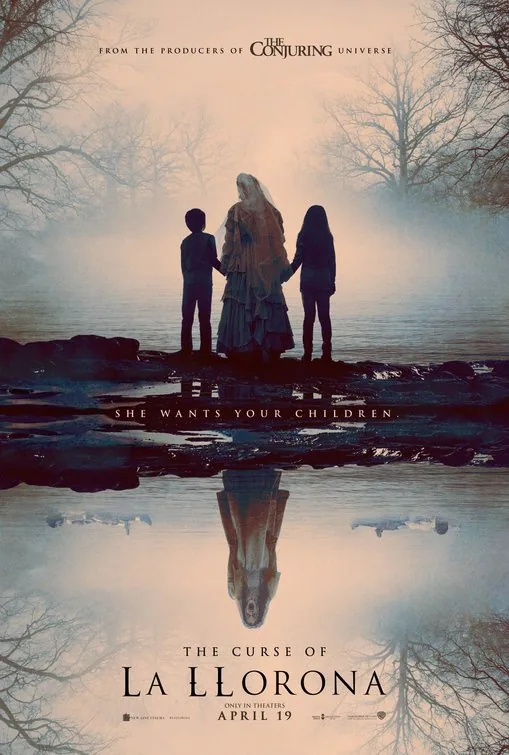
What changes Under the Shadow: patient, gradual escalation and enclosed suspense. The Curse of La Llorona: escalating and haunting-driven.
In 1970s Los Angeles, social worker Anna Tate-Garcia investigates a family whose children fear a figure associated with the weeping woman of Mexican folklore. After a supernatural attack reaches Anna's own children, she seeks help from a former priest who understands the legend. The film links a specific family crisis to an older haunting, turning domestic spaces and nighttime streets into places of escalating danger.
Based on recorded story, mood and style. Your preferences can change the order.
Family and care · Power and authority
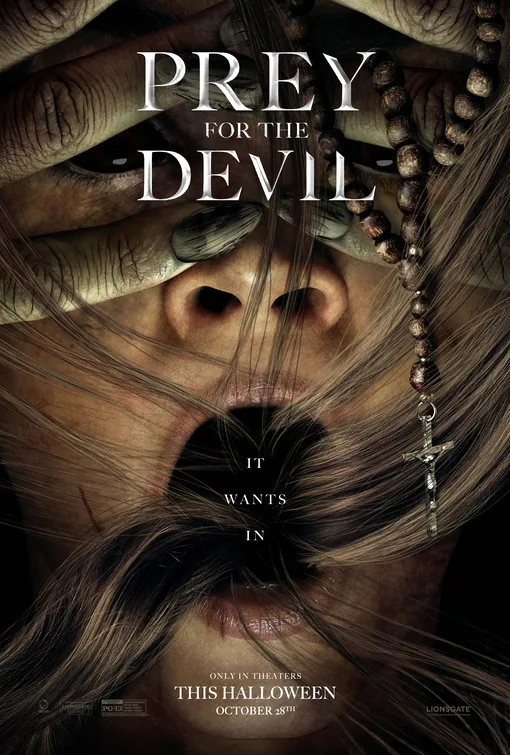
What changes Under the Shadow: patient, gradual escalation and enclosed suspense. Prey for the Devil: classroom-to-crisis, escalating, conventional horror and climactic.
Sister Ann wants to train as an exorcist after a professor recognizes her ability to empathize with possessed people. At the Church’s reopened training school, she faces resistance to a nun learning a rite reserved for priests and is drawn into the case of a young girl whose possession echoes Ann’s memories of her mother. The horror drama links a supernatural confrontation with questions of authority, vocation and care for people in crisis.
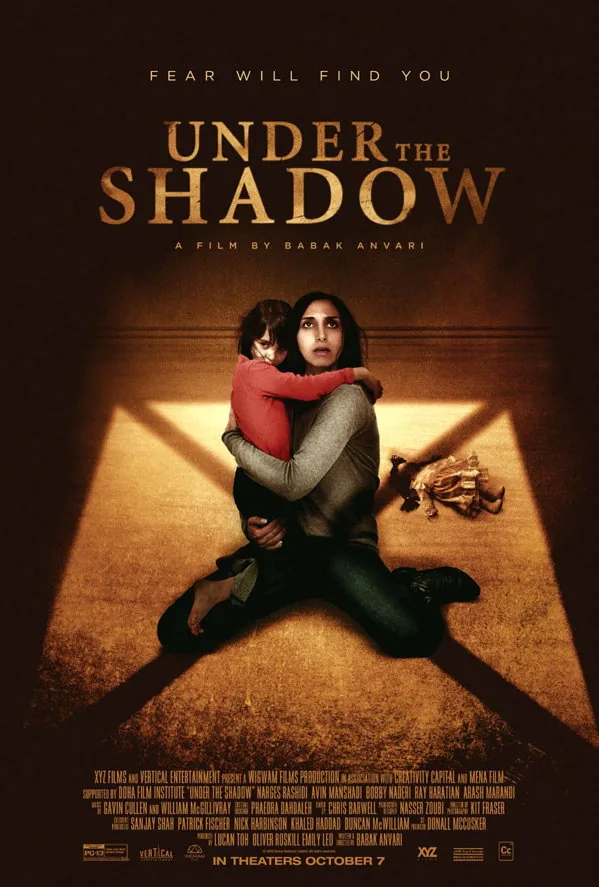
In 1980s Tehran during the Iran–Iraq War, Shideh wants to resume her medical studies while her physician husband serves at the front. After a missile strikes their apartment building without exploding, Shideh and her young daughter Dorsa remain in the increasingly empty building. Dorsa becomes convinced that an unseen presence has taken her doll, and stories of the djinn make the mother and daughter’s isolation more frightening. Babak Anvari entwines supernatural horror with the limits placed on women during wartime.
What drives the story
Shideh tries to keep Dorsa safe in a building under threat from both wartime attacks and a presence the child believes is a djinn.
The people at its centre
Shideh’s skepticism and determination clash with Dorsa’s fear, while the absent father leaves them to face the danger together.
What it feels like
The film makes daily life under bombardment and supernatural dread reinforce one another inside a confined apartment block.
Worth knowing
Its ghost story unfolds through a mother’s restricted choices and a child’s fear during the Iran–Iraq War, rather than through an isolated Western family vacation or estate.
war and civilian lifemotherhoodgender restrictions
Mood
oppressive · intimate · foreboding · tense
Pacing
patient · gradual escalation · enclosed suspense
Visual style
dim apartment interiors · war-torn city soundscape · nighttime shadows · period domestic detail
Storytelling
wartime supernatural horror · mother and daughter · Tehran apartment building · djinn folklore