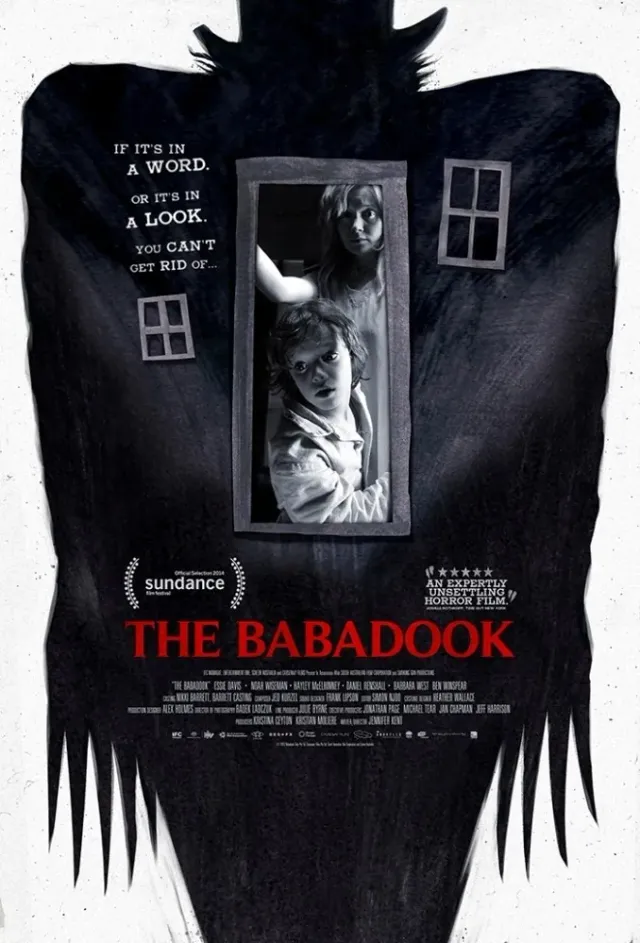
An intrusive story gives form to emotional pressures a mother and child have been unable to acknowledge or manage together.
Why this matches +
A supposedly protective home preserves grief or concealed harm that the family cannot safely acknowledge.
Genres: Horror / Drama
Shared film traits
Based on recorded story, mood and style. Your preferences can change the order.
What changes His House: arrival and adjustment, fragmented haunting and emotional reckoning. The Babadook: slow burn.
A widowed mother raising a troubled young son encounters a disturbing picture book that seems to bring an unwelcome presence into their home. Exhaustion, isolation and the child's fear make ordinary caregiving increasingly difficult as neither can persuade others to understand the danger. The apparent haunting becomes inseparable from grief that has found no sustainable place in their shared life.
Su-mi tries to protect her sister and understand the disturbances at home as family history and perception become uncertain.
Why this matches +
A supposedly protective home preserves grief or concealed harm that the family cannot safely acknowledge.
Genres: Horror / Drama
Shared film traits
Based on recorded story, mood and style. Your preferences can change the order.
Memory and identity
What changes His House: arrival and adjustment, fragmented haunting and emotional reckoning. A Tale of Two Sisters: slow-building dread, domestic conflict and late psychological revelations.
After leaving a mental health facility, teenager Su-mi returns to her family’s secluded country home with her younger sister Su-yeon. Their father’s new wife, Eun-joo, creates an atmosphere of conflict, while strange events and unsettling memories complicate the sisters’ return. Kim Jee-woon’s South Korean psychological horror draws on a traditional folktale but uses domestic spaces, family tension, and carefully shifting perspective to build its mystery. The story contains traumatic family conflict and is best approached without plot spoilers.
Simón’s disappearance draws Laura back into the building’s history and the fragments of her own childhood.
Why this matches +
A supposedly protective home preserves grief or concealed harm that the family cannot safely acknowledge.
Genres: Horror / Drama
Shared film traits
Based on recorded story, mood and style. Your preferences can change the order.
Memory and identity
What changes His House: arrival and adjustment, fragmented haunting and emotional reckoning. The Orphanage: patient domestic mystery that grows more eerie.
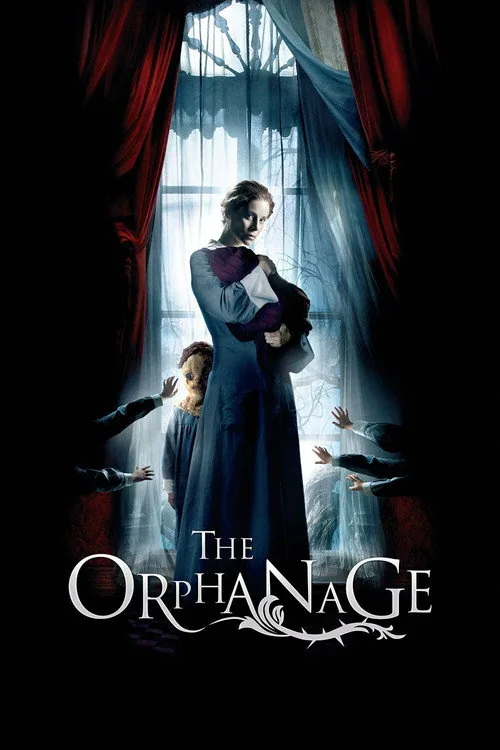
Laura returns to the Spanish orphanage where she grew up, hoping to reopen it as a center for children with disabilities. Her husband and adopted son Simón join her, but Simón begins speaking about an unseen child and soon disappears. Laura searches the closed building for clues, where childhood memories and disturbing encounters blur the line between haunting and grief. The Spanish horror drama makes a family’s search the core of its mystery.
Edna’s changing behavior and the house’s impossible architecture converge, making the family’s search for a safe explanation part of the horror.
Why this matches +
A supposedly protective home preserves grief or concealed harm that the family cannot safely acknowledge.
Genres: Drama / Horror
Shared film traits
Based on recorded story, mood and style. Your preferences can change the order.
Memory and identity
What changes His House: arrival and adjustment, fragmented haunting and emotional reckoning. Relic: slow-building, disorienting and claustrophobic.
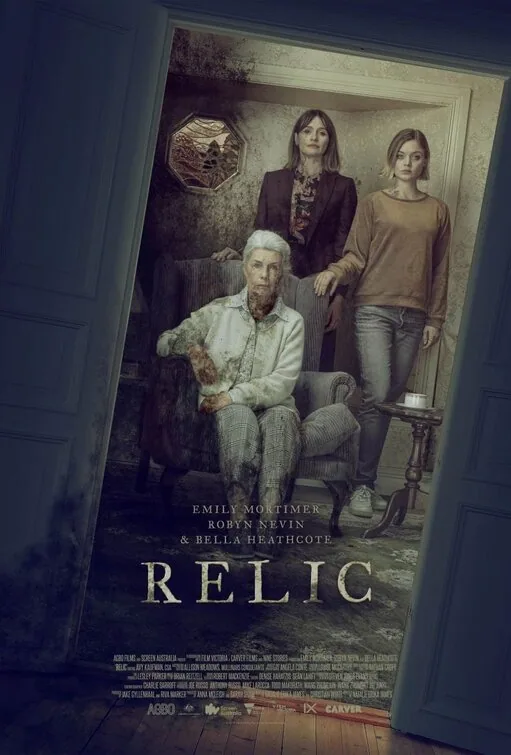
When elderly Edna disappears from her remote home, her daughter Kay and granddaughter Sam return to search for her. The house is locked from the inside, and dark mold begins to spread while Edna leaves increasingly confused notes around the rooms. After Edna returns, Kay considers moving her into care, but the family’s efforts to understand her condition become entangled with strange sounds, shifting corridors and an apparent physical decay in the house. Sam’s experience of the place grows more disorienting, while Kay must decide whether to leave or stay with the mother whose illness frightens and exhausts her.
Carlos investigates a ghost at the orphanage as wartime circumstances and a hidden killing make the building increasingly dangerous.
Why this matches +
A supposedly protective home preserves grief or concealed harm that the family cannot safely acknowledge.
Genres: Horror / Drama
Shared film traits
Based on recorded story, mood and style. Your preferences can change the order.
What changes His House: arrival and adjustment, fragmented haunting and emotional reckoning. The Devil's Backbone: gothic mystery, gradual supernatural revelations and historical drama escalation.
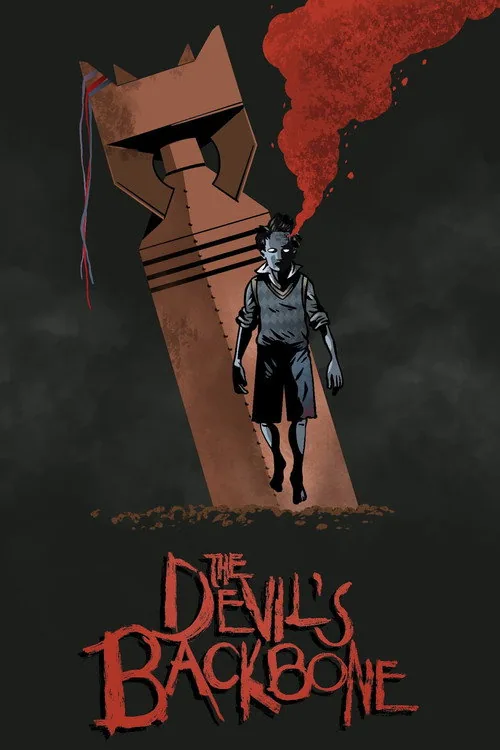
During the final years of the Spanish Civil War, young Carlos is left at a remote orphanage where other boys live under the care of a stern headmaster and a teacher. An unexploded bomb sits in the courtyard, and the ghost of a boy named Santi appears within the building. As Carlos investigates the haunting, the children confront the adults’ secrets, wartime scarcity, and the threat posed by an outsider. Guillermo del Toro’s gothic drama joins a ghost story to a history of violence and abandoned children.
A protective domestic routine becomes an investigation of apparently intrusive occupants, with each contradiction threatening the authority sustaining the household.
Why this matches +
A supposedly protective home preserves grief or concealed harm that the family cannot safely acknowledge.
Genres: Horror / Mystery
Shared film traits
Based on recorded story, mood and style. Your preferences can change the order.
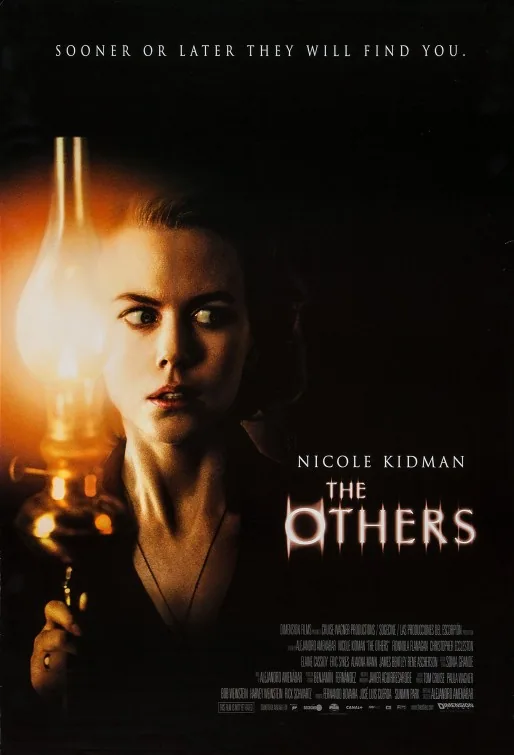
What changes His House: arrival and adjustment, fragmented haunting and emotional reckoning. The Others: slow burn.
In a secluded house after the Second World War, a mother maintains strict darkness to protect children who react dangerously to sunlight. Newly arrived servants disrupt routines as unexplained voices, movements and the children's reports suggest another presence in the rooms. Her determination to preserve a coherent household and religious understanding makes each sign of intrusion more disturbing, gradually exposing a history that ordinary explanations cannot comfortably contain.
An attempt to survive bereavement opens a vulnerable family to influences whose apparent comfort serves a concealed purpose.
Why this matches +
A supposedly protective home preserves grief or concealed harm that the family cannot safely acknowledge.
Genres: Horror / Drama
Shared film traits
Based on recorded story, mood and style. Your preferences can change the order.
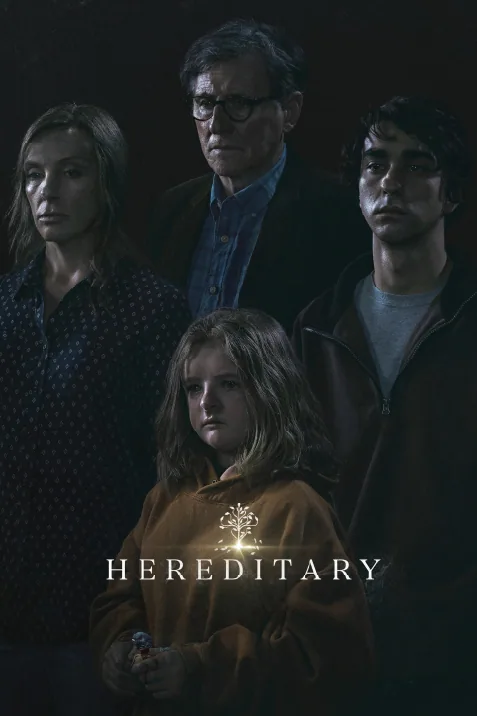
What changes His House: arrival and adjustment, fragmented haunting and emotional reckoning. Hereditary: slow burn.
After the death of an elderly relative, a family struggles with grief that has never been easily discussed and relationships shaped by old resentment. A further catastrophe intensifies blame and drives the mother towards an offered means of maintaining contact with the dead. Unexplained details and inherited obligations gradually make the household's emotional damage difficult to separate from a more organised intrusion into its future.
Helen investigates the Candyman legend and tries to rescue Anthony after being framed.
Why this matches +
A supposedly protective home preserves grief or concealed harm that the family cannot safely acknowledge.
Genres: Horror / Fantasy
Shared film traits
Based on recorded story, mood and style. Your preferences can change the order.
Memory and identity
What changes His House: arrival and adjustment, fragmented haunting and emotional reckoning. Candyman: helen’s fieldwork turns into evidence inside the legend she is trying to document..
Graduate student Helen Lyle researches the Candyman urban legend and the murders attributed to it in Chicago’s Cabrini-Green housing project. Although initially skeptical, she repeats the legend’s ritual and encounters a figure who claims that her disbelief threatens his story. Helen is then framed for violence as the legend begins to shape her own life and the fate of Anne-Marie’s infant son. Bernard Rose’s gothic horror adaptation relocates Clive Barker’s story to Chicago, connecting supernatural fear to race, class, local memory, and the power of urban myths.
An introductory family visit becomes an investigation into the coercive purpose behind carefully performed acceptance.
Why this matches +
A supposedly protective home preserves grief or concealed harm that the family cannot safely acknowledge.
Genres: Horror / Thriller
Shared film traits
Based on recorded story, mood and style. Your preferences can change the order.
What changes His House: arrival and adjustment, fragmented haunting and emotional reckoning. Get Out: slow burn.
A young Black photographer visits his white girlfriend's family estate and encounters a style of hospitality that grows harder to distinguish from surveillance and possession. Casual remarks, unsettling servants and an intrusive gathering undermine the reassurance offered by his partner. His attempt to remain courteous while interpreting what he sees becomes a struggle to retain autonomy inside a household whose apparent admiration conceals a deeply racialised claim on his body.
The building’s mirrored forms make Beth’s search for an explanation a physical experience.
Why this matches +
A supposedly protective home preserves grief or concealed harm that the family cannot safely acknowledge.
Genres: Horror / Thriller
Shared film traits
Based on recorded story, mood and style. Your preferences can change the order.
Memory and identity
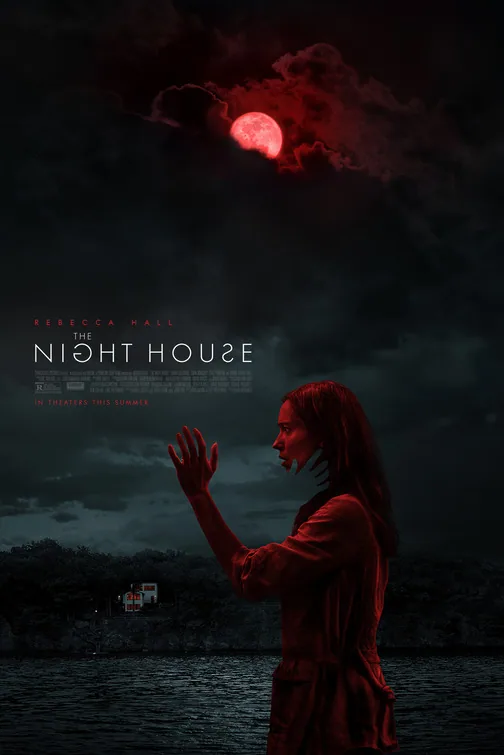
What changes His House: arrival and adjustment, fragmented haunting and emotional reckoning. The Night House: a solitary inquiry turns domestic space into a puzzle.
After her husband dies by suicide, Beth begins experiencing disturbances in the lake house they built together. Unusual sounds, inverted spaces and hidden designs lead her to investigate what her husband may have concealed. The supernatural thriller makes grief and architecture interact, as Beth struggles to separate haunting from memory and to understand the unsettling pattern around her marriage.
An isolated household's attempt at spiritual and economic independence collapses into accusation under pressure from loss and a hostile environment.
Why this matches +
Disbelief and exclusion make a vulnerable person's account of their own bodily safety difficult to defend.
An adjacent discovery: a related idea with a different viewing experience.
Genres: Horror / Drama
Shared film traits
Based on recorded story, mood and style. Your preferences can change the order.
What changes His House: arrival and adjustment, fragmented haunting and emotional reckoning. The Witch: slow burn.
A religious family expelled from a colonial settlement tries to establish a farm beside a forbidding forest. The disappearance of an infant intensifies material hardship and turns private guilt into suspicion among the remaining household members. As religious certainty fails to explain their losses, a teenage daughter's place in the family becomes increasingly precarious within a world where supernatural danger and ordinary patriarchal fear cannot be cleanly separated.
Reiko follows a cursed tape’s cryptic imagery toward its origin while racing against the deadline attached to viewing it.
Why this matches +
Disbelief and exclusion make a vulnerable person's account of their own bodily safety difficult to defend.
An adjacent discovery: a related idea with a different viewing experience.
Genres: Horror / Mystery
Shared film traits
Based on recorded story, mood and style. Your preferences can change the order.
Memory and identity
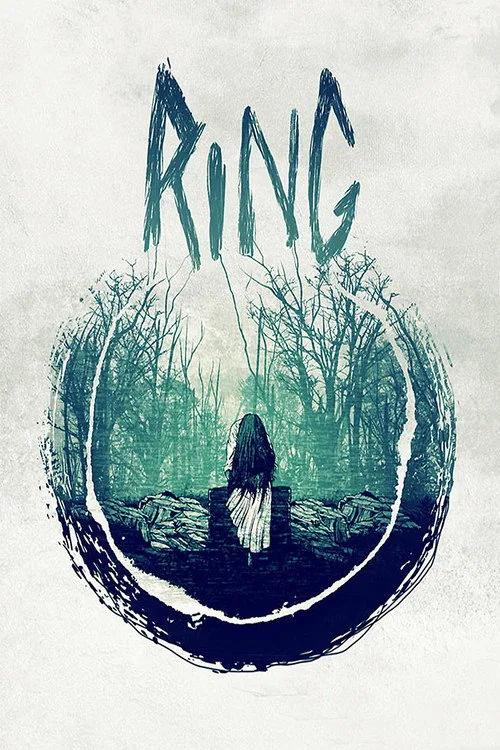
What changes His House: arrival and adjustment, fragmented haunting and emotional reckoning. Ring: clue-driven, slow-building and supernatural escalation.
Journalist Reiko Asakawa investigates an urban legend about a videotape whose viewers receive a phone call and die seven days later. After watching the tape herself, she enlists her psychic ex-husband Ryūji to identify the images and trace their source. Their inquiry connects the curse to a child named Sadako and a well on a remote island. Hideo Nakata’s Japanese horror film builds dread through investigative clues, domestic danger, and the unsettling idea that recorded images can carry a threat into viewers’ homes.
A property investigation exposes a village’s unspoken history, while each sighting of a grieving ghost seems to precede another child’s death.
Why this matches +
Disbelief and exclusion make a vulnerable person's account of their own bodily safety difficult to defend.
An adjacent discovery: a related idea with a different viewing experience.
Genres: Drama / Horror
Shared film traits
Based on recorded story, mood and style. Your preferences can change the order.
What changes His House: arrival and adjustment, fragmented haunting and emotional reckoning. The Woman in Black: slow-burn and escalating dread.
Widowed solicitor Arthur Kipps is sent from London to a remote village to settle the papers of a recently deceased woman. The locals refuse to help him and react with alarm when he visits the isolated Eel Marsh House, where he begins seeing a woman dressed in black. Strange sounds and glimpses in the house connect to the village’s repeated deaths of children, while Arthur’s thoughts remain fixed on his young son at home. His investigation of the estate’s records uncovers a bereavement the village has tried to suppress, and the ghost’s grievance turns the assignment into a crisis of fear and responsibility. Arthur’s effort to understand the house’s history also raises the danger to his son, who remains in London.
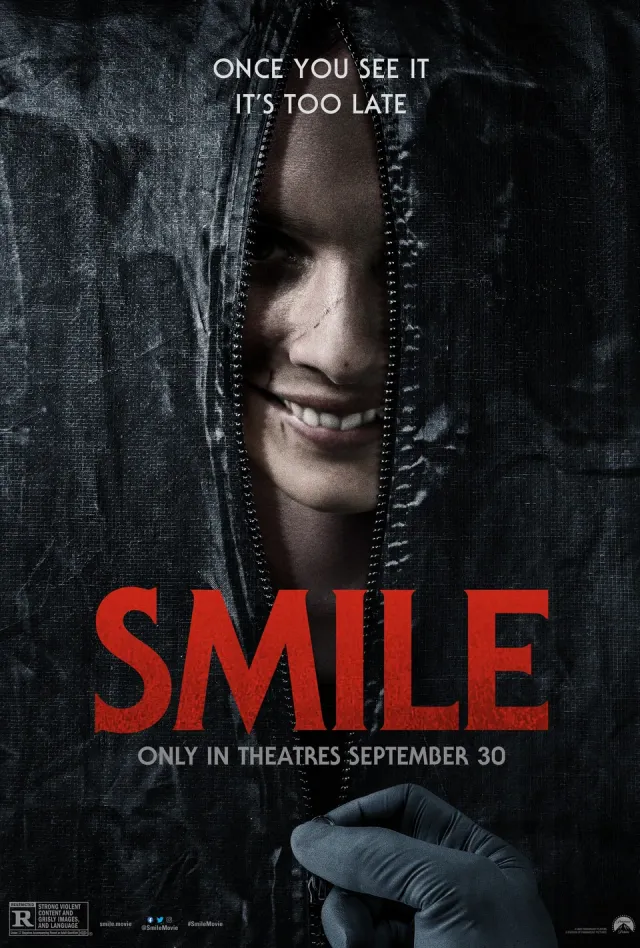
A witnessed death initiates a repeating chain of traumatic apparitions, forcing investigation under a rapidly approaching personal threat.
Why this matches +
Disbelief and exclusion make a vulnerable person's account of their own bodily safety difficult to defend.
An adjacent discovery: a related idea with a different viewing experience.
Genres: Horror / Mystery
Shared film traits
Based on recorded story, mood and style. Your preferences can change the order.
What changes His House: arrival and adjustment, fragmented haunting and emotional reckoning. Smile: intense.
A therapist witnesses a distressed patient's suicide after hearing her describe a presence that imitates other people with an unnatural smile. Similar perceptions begin disrupting the therapist's own life, and those around her interpret them through her history of trauma. Investigating earlier deaths reveals a pattern of witnessed violence, creating a narrowing deadline as her professional authority and intimate relationships fail to secure belief or safety.
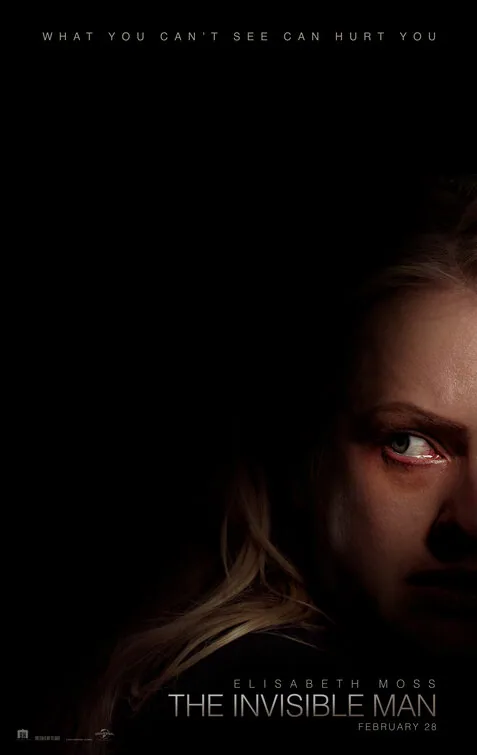
An escaped survivor's attempt to regain independence is undermined by a technologically enabled abuser who weaponises invisibility and others' interpretations of events.
Why this matches +
Disbelief and exclusion make a vulnerable person's account of their own bodily safety difficult to defend.
An adjacent discovery: a related idea with a different viewing experience.
Genres: Horror / Science fiction
Shared film traits
Based on recorded story, mood and style. Your preferences can change the order.
What changes His House: arrival and adjustment, fragmented haunting and emotional reckoning. The Invisible Man: slow burn.
Cecilia escapes a controlling partner and begins rebuilding safety with trusted friends after he is reported dead. Apparently impossible intrusions then sabotage work, family relationships and her credibility, making others doubt a threat she cannot easily demonstrate. His wealth and technical expertise turn absence itself into a means of coercion, forcing her to seek evidence while responding to a campaign designed to leave her isolated and disbelieved.
A festival visit draws a grieving outsider into a community whose apparent emotional care is bound to increasingly restrictive and violent rituals.
Why this matches +
Disbelief and exclusion make a vulnerable person's account of their own bodily safety difficult to defend.
An adjacent discovery: a related idea with a different viewing experience.
Genres: Horror / Drama
Shared film traits
Based on recorded story, mood and style. Your preferences can change the order.
What changes His House: arrival and adjustment, fragmented haunting and emotional reckoning. Midsommar: slow burn.
A young woman coping with a catastrophic family loss accompanies her emotionally distant boyfriend and his friends to a rural Swedish celebration. The community's hospitality offers an intensity of attention missing from her relationship, but ritual expectations steadily expose violence and coercion beneath the welcome. Her search for emotional recognition becomes inseparable from the question of what collective empathy may demand from someone desperate to receive it.
The woman’s repeated encounters gradually disrupt the purpose behind her routine.
Why this matches +
Disbelief and exclusion make a vulnerable person's account of their own bodily safety difficult to defend.
An adjacent discovery: a related idea with a different viewing experience.
Genres: Science Fiction / Drama
Shared film traits
Based on recorded story, mood and style. Your preferences can change the order.
Memory and identity
What changes His House: arrival and adjustment, fragmented haunting and emotional reckoning. Under the Skin: slow and observational.
An enigmatic woman drives through Scotland and approaches men who are isolated or receptive to her attention. Her encounters point toward an inhuman purpose, but the woman’s routine begins to change as she experiences vulnerability and human contact. Jonathan Glazer tells the science-fiction story through sparse dialogue, observational images and an unsettling soundscape, making perception and bodily identity more central than explanation. The result is an atmospheric, adult film that leaves many motives deliberately unresolved.
A child's supernatural trials unfold beside a resistance conflict, making refusal of cruel orders a recurring moral choice across both worlds.
Why this matches +
Disbelief and exclusion make a vulnerable person's account of their own bodily safety difficult to defend.
An adjacent discovery: a related idea with a different viewing experience.
Genres: Fantasy / Drama
Shared film traits
Based on recorded story, mood and style. Your preferences can change the order.
What changes His House: arrival and adjustment, fragmented haunting and emotional reckoning. Pan’s Labyrinth: measured.
A young girl moves with her pregnant mother to a rural military post commanded by a brutal officer in the aftermath of the Spanish Civil War. A mysterious creature offers her a sequence of tasks connected to a hidden identity, while a servant and doctor covertly aid the resistance nearby. The child's imaginative world and the adults' violent struggle repeatedly test obedience, sacrifice and the authority of people demanding absolute submission.
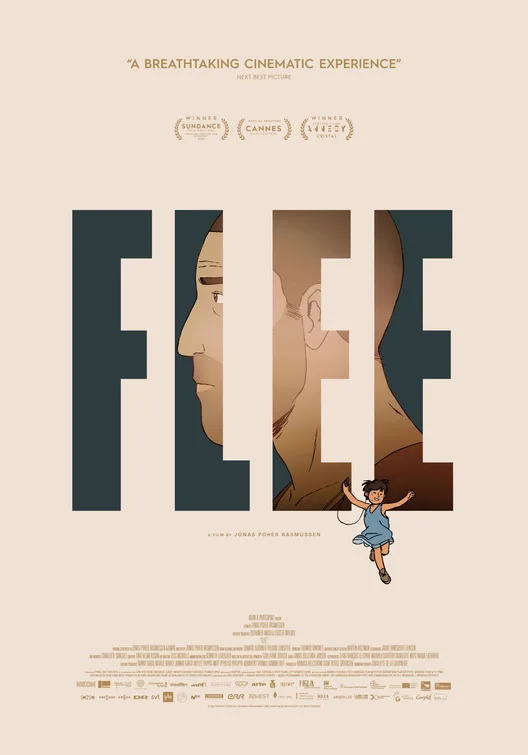
The interview frame gives Amin space to narrate a refugee journey whose undisclosed details still affect his plans for the future.
Why this matches +
Disbelief and exclusion make a vulnerable person's account of their own bodily safety difficult to defend.
An adjacent discovery: a related idea with a different viewing experience.
Genres: Documentary / Animation
The approach A documentary treatment rather than a dramatic feature.
Shared film traits
Based on recorded story, mood and style. Your preferences can change the order.
Memory and identity
What changes His House: arrival and adjustment, fragmented haunting and emotional reckoning. Flee: amin begins to disclose his past to a longtime friend, memories move from childhood into migration and survival and and present-day decisions make the story urgent..
In animated documentary form, Amin tells director Jonas Poher Rasmussen the story of his childhood in Afghanistan and the flight that eventually brought him to Denmark. Amin has not shared every part of this history, even with his partner, and the interviews unfold alongside memories, archival material and animated reconstructions. The film connects displacement to trust, intimacy and the possibility of building a home.
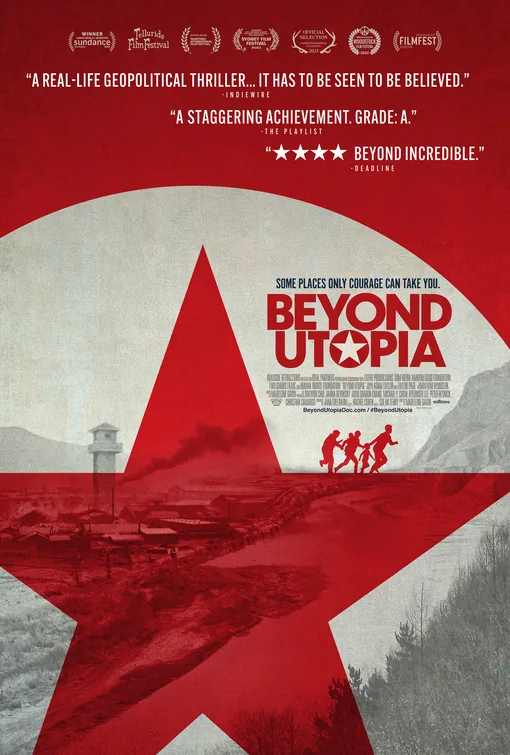
Families attempt a perilous escape while a pastor and underground network help move them toward safety.
Why this matches +
Disbelief and exclusion make a vulnerable person's account of their own bodily safety difficult to defend.
An adjacent discovery: a related idea with a different viewing experience.
Genres: Documentary
The approach A documentary treatment rather than a dramatic feature.
Shared film traits
Based on recorded story, mood and style. Your preferences can change the order.
Survival
What changes His House: arrival and adjustment, fragmented haunting and emotional reckoning. Beyond Utopia: forward-moving, suspenseful and interwoven.
This documentary follows North Korean families attempting to escape through a dangerous route across borders and unfamiliar terrain. Their journeys are connected by a South Korean pastor who helps guide people toward safety, with relatives and intermediaries facing serious risks. The film combines recorded travel with testimony to show the uncertainty of escape, the work of assistance and the lasting consequences for people separated by political borders.
South Sudanese refugees Bol and Rial survive a dangerous crossing to Britain but lose their young daughter during the journey. The government assigns them a shabby house and imposes strict conditions as they wait for an asylum decision. Strange sounds and apparitions begin to haunt the home, while racism and memories of the war make the couple feel watched from every side. Their effort to adapt becomes a confrontation with guilt and grief, as the supernatural presence reflects what they carry from the life they fled.
What drives the story
Bol and Rial try to keep their asylum status while investigating the force that appears inside their assigned house.
The people at its centre
Their different responses to loss and survival create distance even as they depend on each other in an unfamiliar country.
What it feels like
A folk-horror story uses a haunted home to connect personal grief, displacement, and the pressures placed on refugees.
Worth knowing
Its supernatural threat is bound to refugee trauma and state-imposed housing, rather than being an isolated ghost story.
refugee displacementgrief and guilthome and belonging
Mood
haunting · claustrophobic · compassionate
Pacing
arrival and adjustment · fragmented haunting · emotional reckoning
Visual style
decaying house interiors · nightmarish folkloric imagery · contrasting Britain and South Sudan
Storytelling
refugee couple receives assigned home · supernatural presence echoes past trauma · asylum restrictions and racism shape daily life