Simón’s disappearance draws Laura back into the building’s history and the fragments of her own childhood.
Why this matches +
Family recognition and caregiving become uncertain when suppressed loss returns through an uncanny body or home.
Genres: Horror / Drama
Shared film traits
Based on recorded story, mood and style. Your preferences can change the order.
Memory and identity
What changes Relic: slow-building, disorienting and claustrophobic. The Orphanage: patient domestic mystery that grows more eerie.
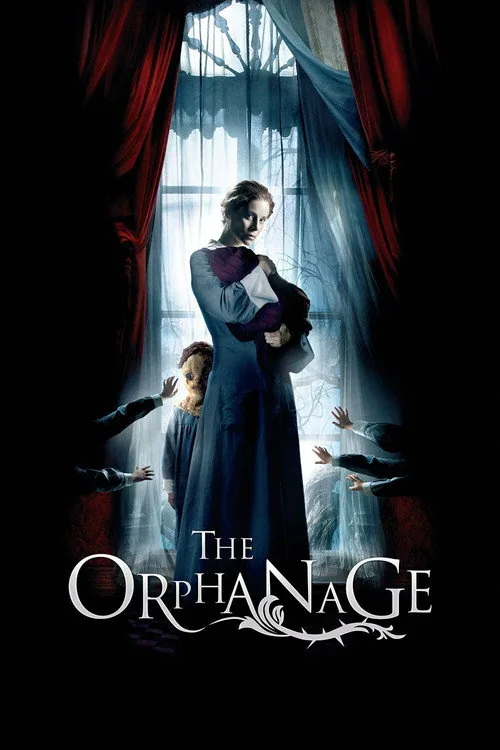
Laura returns to the Spanish orphanage where she grew up, hoping to reopen it as a center for children with disabilities. Her husband and adopted son Simón join her, but Simón begins speaking about an unseen child and soon disappears. Laura searches the closed building for clues, where childhood memories and disturbing encounters blur the line between haunting and grief. The Spanish horror drama makes a family’s search the core of its mystery.
An intrusive story gives form to emotional pressures a mother and child have been unable to acknowledge or manage together.
Why this matches +
Family recognition and caregiving become uncertain when suppressed loss returns through an uncanny body or home.
Genres: Horror / Drama
Shared film traits
Based on recorded story, mood and style. Your preferences can change the order.
What changes Relic: slow-building, disorienting and claustrophobic. The Babadook: slow burn.
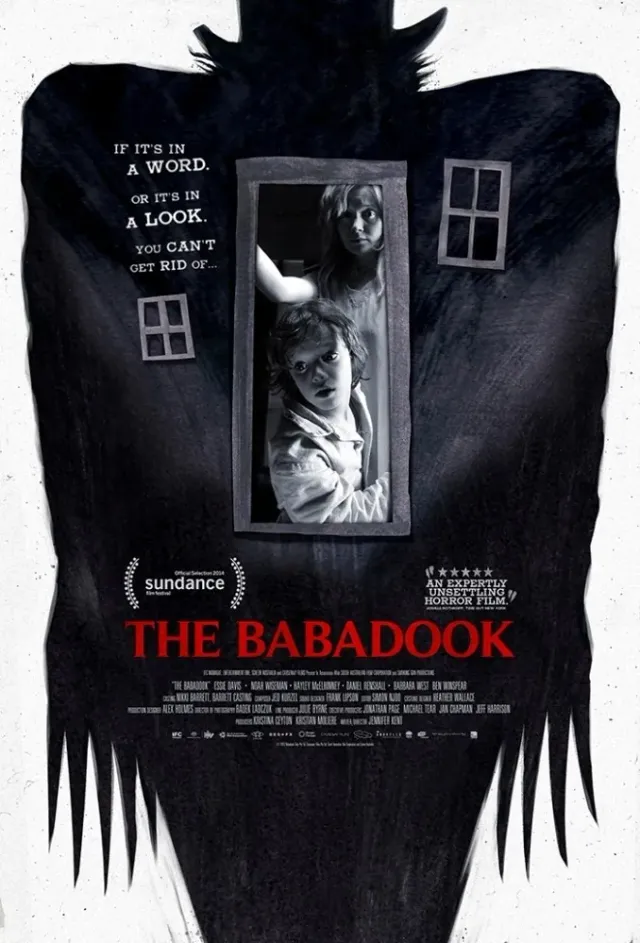
A widowed mother raising a troubled young son encounters a disturbing picture book that seems to bring an unwelcome presence into their home. Exhaustion, isolation and the child's fear make ordinary caregiving increasingly difficult as neither can persuade others to understand the danger. The apparent haunting becomes inseparable from grief that has found no sustainable place in their shared life.
An attempt to survive bereavement opens a vulnerable family to influences whose apparent comfort serves a concealed purpose.
Why this matches +
Family recognition and caregiving become uncertain when suppressed loss returns through an uncanny body or home.
Genres: Horror / Drama
Shared film traits
Based on recorded story, mood and style. Your preferences can change the order.
What changes Relic: slow-building, disorienting and claustrophobic. Hereditary: slow burn.
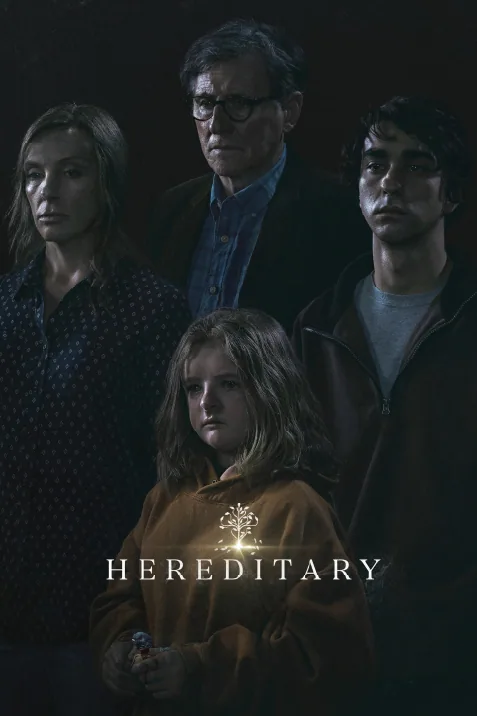
After the death of an elderly relative, a family struggles with grief that has never been easily discussed and relationships shaped by old resentment. A further catastrophe intensifies blame and drives the mother towards an offered means of maintaining contact with the dead. Unexplained details and inherited obligations gradually make the household's emotional damage difficult to separate from a more organised intrusion into its future.
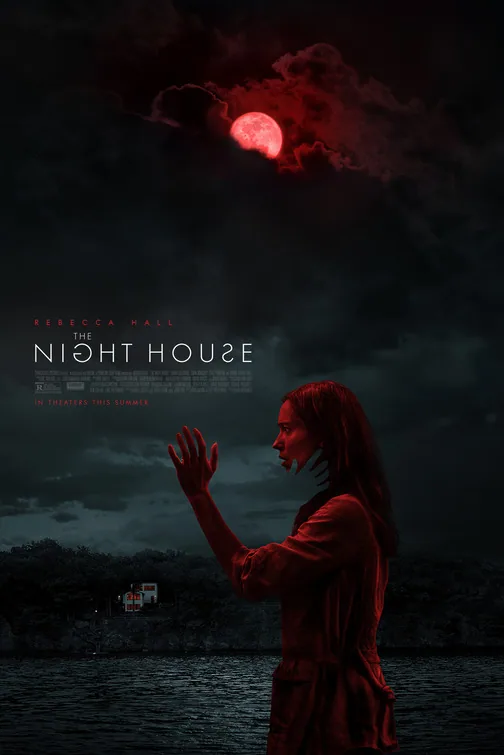
The building’s mirrored forms make Beth’s search for an explanation a physical experience.
Why this matches +
Family recognition and caregiving become uncertain when suppressed loss returns through an uncanny body or home.
Genres: Horror / Thriller
Shared film traits
Based on recorded story, mood and style. Your preferences can change the order.
Memory and identity
What changes Relic: slow-building, disorienting and claustrophobic. The Night House: a solitary inquiry turns domestic space into a puzzle.
After her husband dies by suicide, Beth begins experiencing disturbances in the lake house they built together. Unusual sounds, inverted spaces and hidden designs lead her to investigate what her husband may have concealed. The supernatural thriller makes grief and architecture interact, as Beth struggles to separate haunting from memory and to understand the unsettling pattern around her marriage.
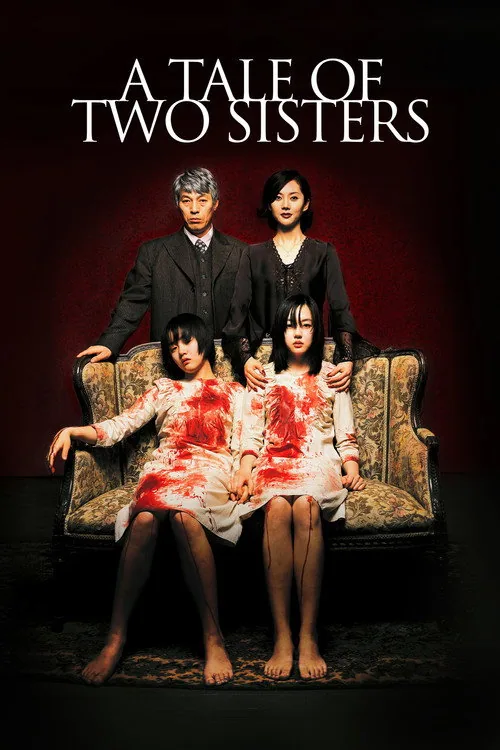
Su-mi tries to protect her sister and understand the disturbances at home as family history and perception become uncertain.
Why this matches +
Family recognition and caregiving become uncertain when suppressed loss returns through an uncanny body or home.
Genres: Horror / Drama
Shared film traits
Based on recorded story, mood and style. Your preferences can change the order.
Memory and identity
What changes Relic: slow-building, disorienting and claustrophobic. A Tale of Two Sisters: slow-building dread, domestic conflict and late psychological revelations.
After leaving a mental health facility, teenager Su-mi returns to her family’s secluded country home with her younger sister Su-yeon. Their father’s new wife, Eun-joo, creates an atmosphere of conflict, while strange events and unsettling memories complicate the sisters’ return. Kim Jee-woon’s South Korean psychological horror draws on a traditional folktale but uses domestic spaces, family tension, and carefully shifting perspective to build its mystery. The story contains traumatic family conflict and is best approached without plot spoilers.
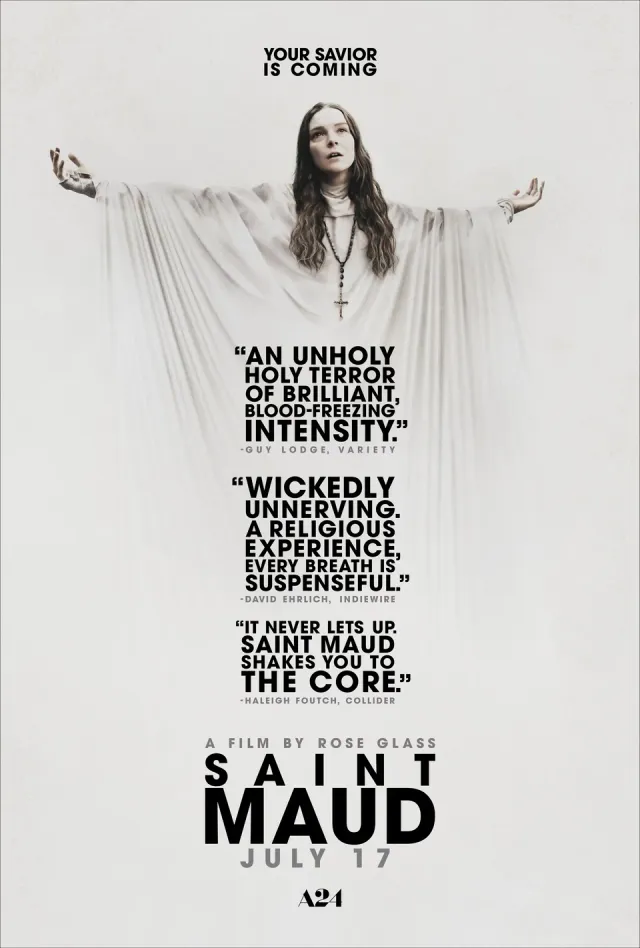
Maud turns grief and professional failure into a divine calling, then interprets Amanda’s need for care as confirmation that she alone can redeem her.
Why this matches +
Family recognition and caregiving become uncertain when suppressed loss returns through an uncanny body or home.
Genres: Horror / Psychological horror fiction
Shared film traits
Based on recorded story, mood and style. Your preferences can change the order.
What changes Relic: slow-building, disorienting and claustrophobic. Saint Maud: measured, building and sudden rupture.
After a patient dies despite her efforts, a young nurse renames herself Maud, embraces Catholic devotion and takes a palliative-care job in a seaside town. Her new patient, Amanda, is a terminally ill former dancer who speaks openly about fear and desire, while Maud reads their moments of closeness as evidence that God has given her a mission to save Amanda’s soul. Amanda’s resistance and Maud’s isolation deepen the gap between private spiritual certainty and what others can see. The film’s final image makes that gap brutally concrete without resolving every earlier vision.
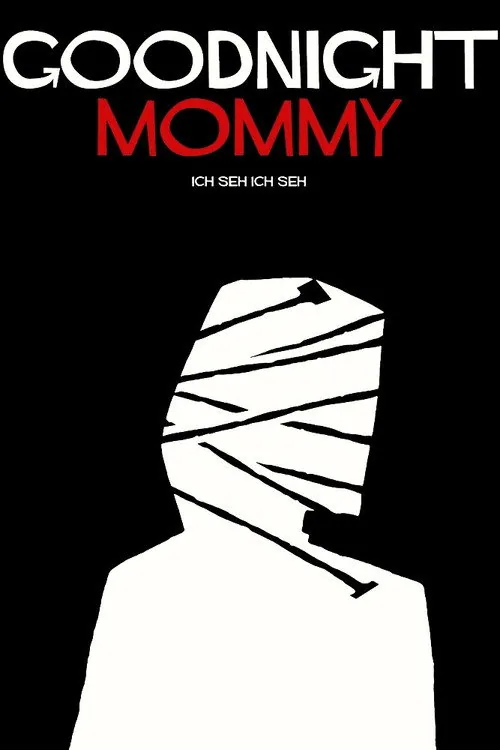
The twins' doubts about their mother's behavior lead them to search for an explanation inside a tightly controlled home.
Why this matches +
Family recognition and caregiving become uncertain when suppressed loss returns through an uncanny body or home.
Genres: Drama / Horror
Shared film traits
Based on recorded story, mood and style. Your preferences can change the order.
Memory and identity
What changes Relic: slow-building, disorienting and claustrophobic. Goodnight Mommy: slow-burn unease, repeated domestic routines and gradual mystery escalation.
After their mother returns from facial surgery with her head covered in bandages, twin boys Elias and Lukas find her behavior strangely distant and severe. The family lives in an isolated modern house, where closed blinds, rules about silence, and a widening gap between the brothers and their mother create a tense domestic mystery. Their suspicions grow as small inconsistencies accumulate and the children try to determine whom they can trust. This Austrian psychological horror film relies on restraint, repetition, and the twins' limited point of view rather than frequent shocks.
Bol and Rial try to keep their asylum status while investigating the force that appears inside their assigned house.
Why this matches +
Family recognition and caregiving become uncertain when suppressed loss returns through an uncanny body or home.
Genres: Horror / Drama
Shared film traits
Based on recorded story, mood and style. Your preferences can change the order.
Memory and identity
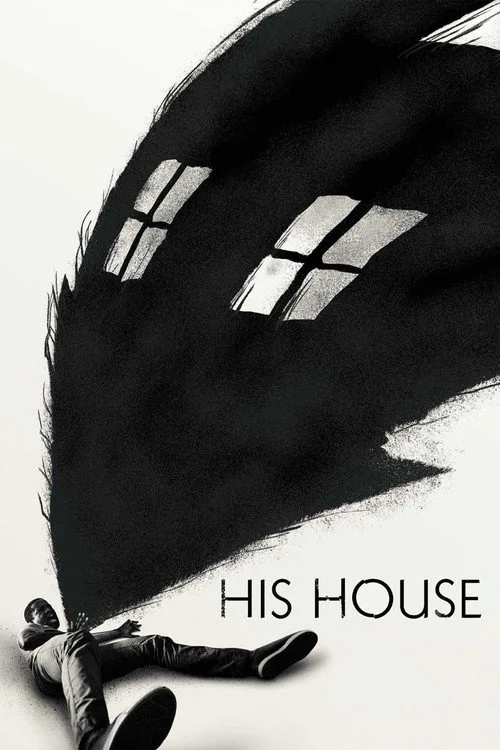
What changes Relic: slow-building, disorienting and claustrophobic. His House: arrival and adjustment, fragmented haunting and emotional reckoning.
South Sudanese refugees Bol and Rial survive a dangerous crossing to Britain but lose their young daughter during the journey. The government assigns them a shabby house and imposes strict conditions as they wait for an asylum decision. Strange sounds and apparitions begin to haunt the home, while racism and memories of the war make the couple feel watched from every side. Their effort to adapt becomes a confrontation with guilt and grief, as the supernatural presence reflects what they carry from the life they fled.
A protective domestic routine becomes an investigation of apparently intrusive occupants, with each contradiction threatening the authority sustaining the household.
Why this matches +
Family recognition and caregiving become uncertain when suppressed loss returns through an uncanny body or home.
Genres: Horror / Mystery
Shared film traits
Based on recorded story, mood and style. Your preferences can change the order.
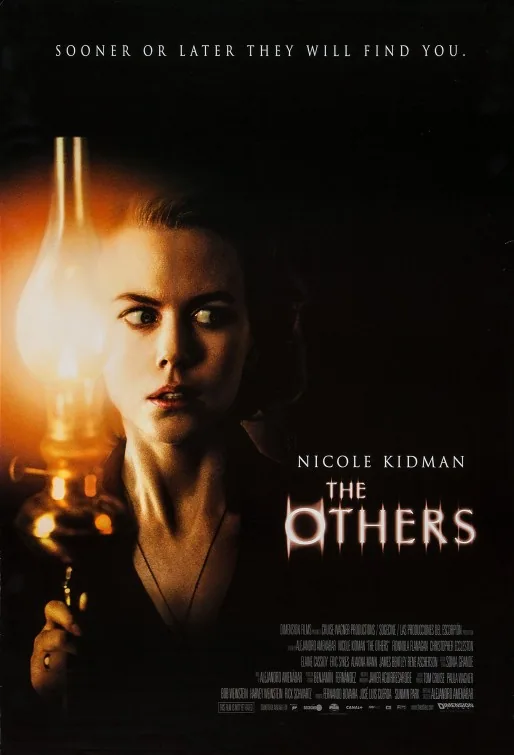
What changes Relic: slow-building, disorienting and claustrophobic. The Others: slow burn.
In a secluded house after the Second World War, a mother maintains strict darkness to protect children who react dangerously to sunlight. Newly arrived servants disrupt routines as unexplained voices, movements and the children's reports suggest another presence in the rooms. Her determination to preserve a coherent household and religious understanding makes each sign of intrusion more disturbing, gradually exposing a history that ordinary explanations cannot comfortably contain.
Anna’s longing for Sean conflicts with the commitment she has begun making to Joseph.
Why this matches +
Family recognition and caregiving become uncertain when suppressed loss returns through an uncanny body or home.
Genres: Drama / Mystery
Shared film traits
Based on recorded story, mood and style. Your preferences can change the order.
Memory and identity
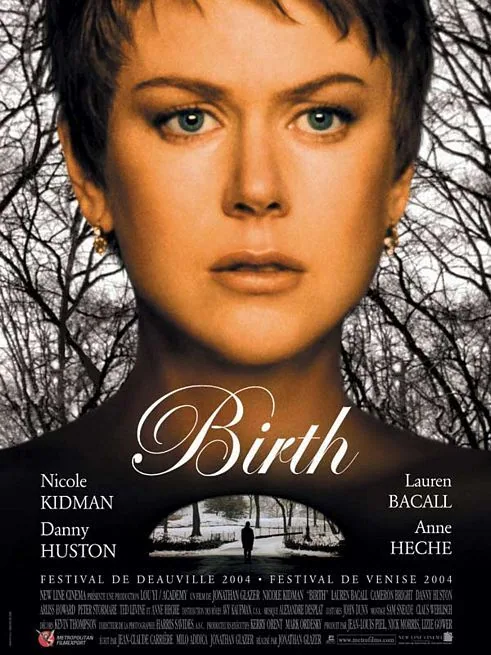
What changes Relic: slow-building, disorienting and claustrophobic. Birth: the child’s claims draw the family into a debate about reincarnation and grief and anna’s future with joseph.
Ten years after her husband Sean dies, Anna lives in New York and is preparing to marry Joseph. At a family gathering, a boy who has taken Sean’s name appears and claims to be her reincarnated husband. Anna is unsettled by his knowledge of private details, while Joseph and Sean’s family look for explanations and question what the child’s presence means. As the boy’s claim changes the adults’ relationships, Anna must distinguish grief and longing from the life she is building in the present.
A coveted dual role turns perfectionism into a demand to become incompatible versions of oneself under escalating scrutiny.
Why this matches +
Identity and attachment must survive bodily change, psychological distress or an aging person's approaching loss.
An adjacent discovery: a related idea with a different viewing experience.
Genres: Drama / Thriller
Shared film traits
Based on recorded story, mood and style. Your preferences can change the order.
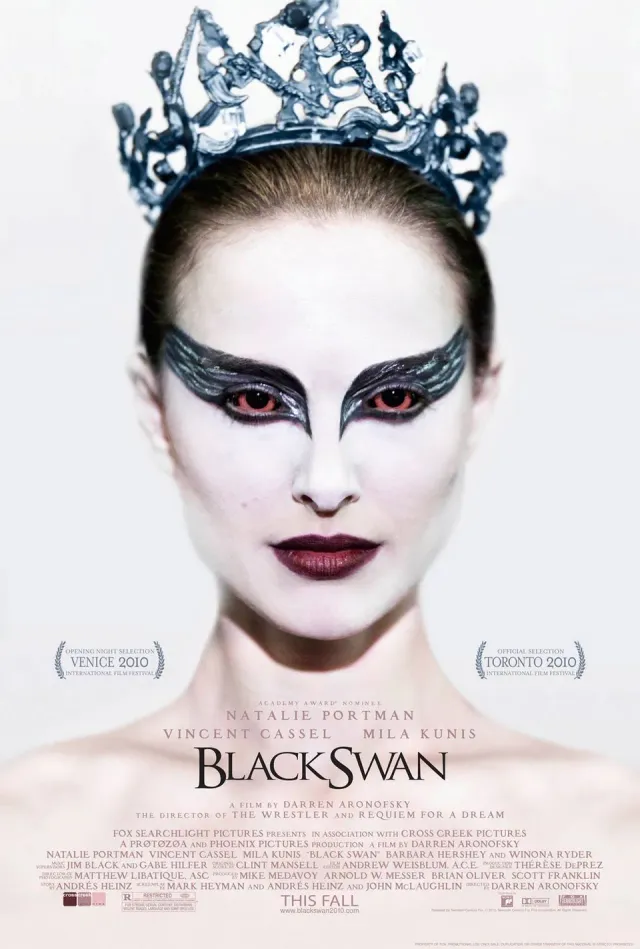
What changes Relic: slow-building, disorienting and claustrophobic. Black Swan: slow burn and intense.
A tightly controlled ballet dancer is chosen to perform a lead role demanding both precision and a sensual spontaneity she struggles to express. Pressure from a manipulative director, a possessive mother and an apparently freer rival intensifies her fear of being replaced. As rehearsal consumes her private life, bodily disturbance and unreliable perception blur the line between artistic transformation and a dangerous collapse of self.
Mark's effort to understand his wife's sudden departure becomes a search through a marriage and reality breaking apart.
Why this matches +
Identity and attachment must survive bodily change, psychological distress or an aging person's approaching loss.
An adjacent discovery: a related idea with a different viewing experience.
Genres: Horror / Drama
Shared film traits
Based on recorded story, mood and style. Your preferences can change the order.
Memory and identity
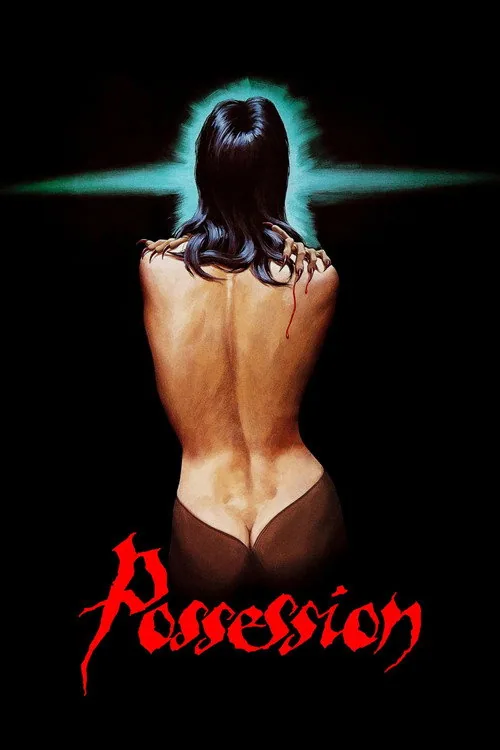
What changes Relic: slow-building, disorienting and claustrophobic. Possession: volatile confrontations, psychological disorientation and surreal escalation.
When spy Mark returns to West Berlin, his wife Anna says she wants to leave him, and their separation turns into a violent unraveling of family life. Mark tries to care for their young son while tracking Anna's movements and encountering people who seem to mirror her. What begins as a marital breakdown becomes an increasingly grotesque psychological and supernatural ordeal. Andrzej Żuławski's intense drama uses fractured behavior and a divided city to make private collapse feel apocalyptic.
Trevor’s attempts to verify Ivan’s presence and understand the accident lead him toward a memory he has kept out of view.
Why this matches +
Identity and attachment must survive bodily change, psychological distress or an aging person's approaching loss.
An adjacent discovery: a related idea with a different viewing experience.
Genres: Drama / Thriller
Shared film traits
Based on recorded story, mood and style. Your preferences can change the order.
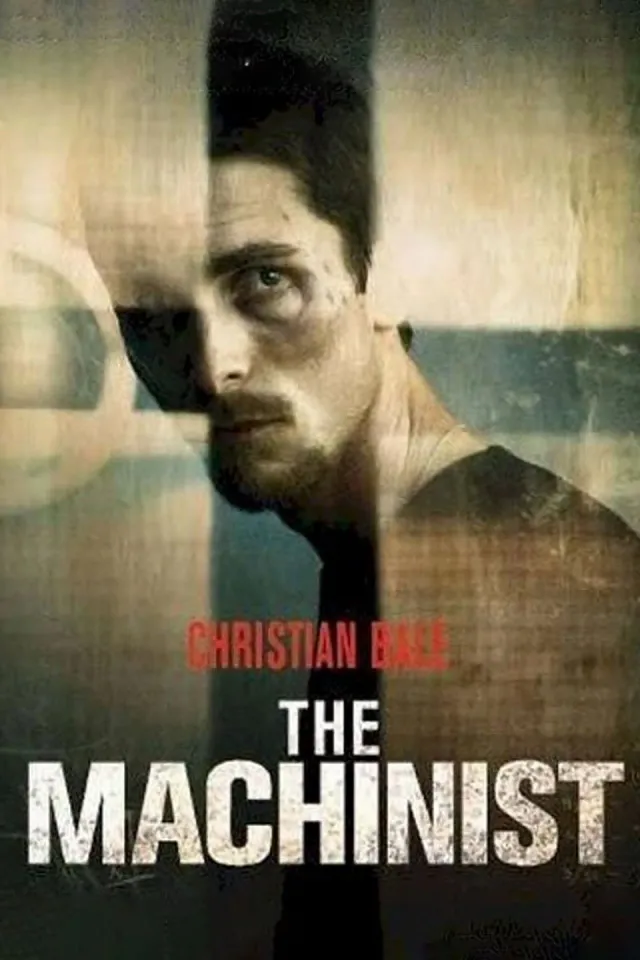
What changes Relic: slow-building, disorienting and claustrophobic. The Machinist: clue accumulation and psychological reveal.
Factory machinist Trevor Reznik has not slept for a year and is growing dangerously thin. An accident at work leaves a colleague injured, but Trevor’s coworkers dispute his account of the events. He begins noticing a mysterious stranger named Ivan and finds cryptic messages that seem to implicate him in a hidden incident. As insomnia fractures his grasp on ordinary life, Trevor tries to reconstruct what happened and why people around him appear to be withholding information. Brad Anderson’s psychological thriller uses a shrinking, unreliable perspective to make guilt and exhaustion part of the mystery.
A festival visit draws a grieving outsider into a community whose apparent emotional care is bound to increasingly restrictive and violent rituals.
Why this matches +
Identity and attachment must survive bodily change, psychological distress or an aging person's approaching loss.
An adjacent discovery: a related idea with a different viewing experience.
Genres: Horror / Drama
Shared film traits
Based on recorded story, mood and style. Your preferences can change the order.
What changes Relic: slow-building, disorienting and claustrophobic. Midsommar: slow burn.
A young woman coping with a catastrophic family loss accompanies her emotionally distant boyfriend and his friends to a rural Swedish celebration. The community's hospitality offers an intensity of attention missing from her relationship, but ritual expectations steadily expose violence and coercion beneath the welcome. Her search for emotional recognition becomes inseparable from the question of what collective empathy may demand from someone desperate to receive it.
A witnessed death initiates a repeating chain of traumatic apparitions, forcing investigation under a rapidly approaching personal threat.
Why this matches +
Identity and attachment must survive bodily change, psychological distress or an aging person's approaching loss.
An adjacent discovery: a related idea with a different viewing experience.
Genres: Horror / Mystery
Shared film traits
Based on recorded story, mood and style. Your preferences can change the order.
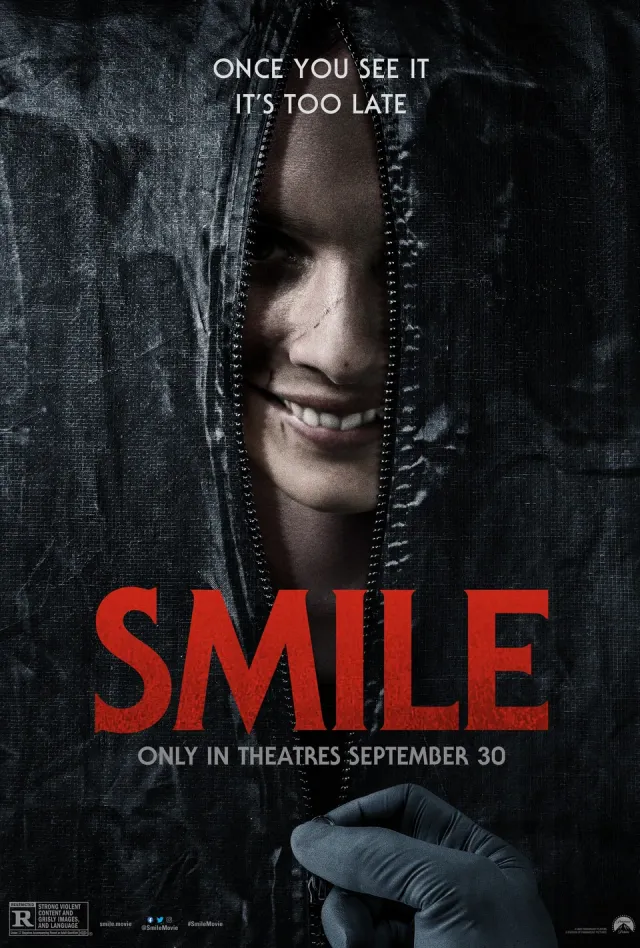
What changes Relic: slow-building, disorienting and claustrophobic. Smile: intense.
A therapist witnesses a distressed patient's suicide after hearing her describe a presence that imitates other people with an unnatural smile. Similar perceptions begin disrupting the therapist's own life, and those around her interpret them through her history of trauma. Investigating earlier deaths reveals a pattern of witnessed violence, creating a narrowing deadline as her professional authority and intimate relationships fail to secure belief or safety.
The academy’s training system gives its leaders control over dancers’ bodies.
Why this matches +
Identity and attachment must survive bodily change, psychological distress or an aging person's approaching loss.
An adjacent discovery: a related idea with a different viewing experience.
Genres: Drama / Horror
Shared film traits
Based on recorded story, mood and style. Your preferences can change the order.
Memory and identity
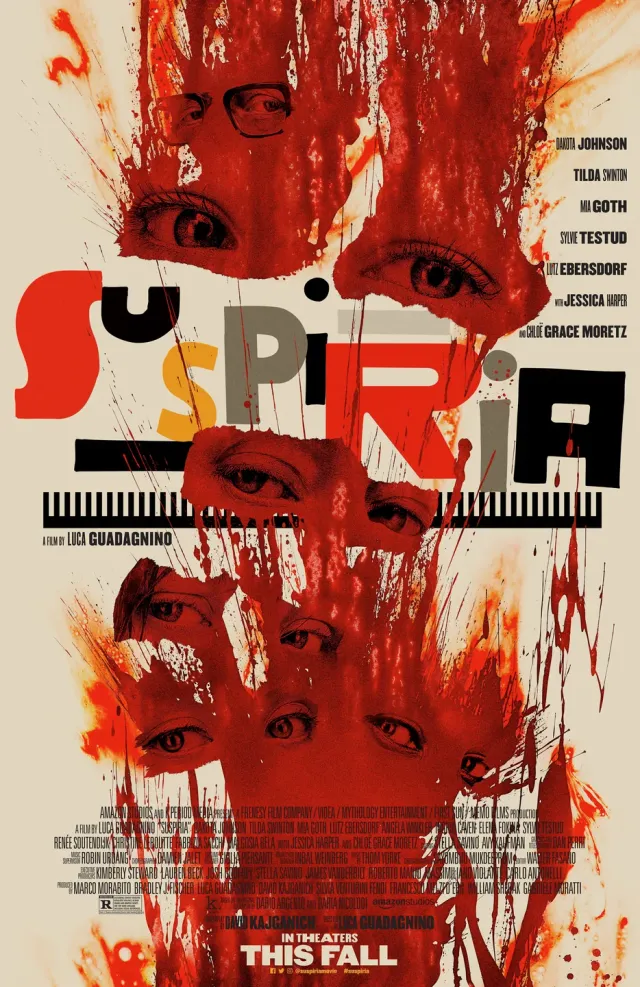
What changes Relic: slow-building, disorienting and claustrophobic. Suspiria: a dance academy mystery deepens into political and supernatural horror.
American dancer Susie Bannion joins a prestigious West Berlin dance academy whose artistic director hides the school’s true purpose. Psychotherapist Josef Klemperer investigates the disappearance of a student and uncovers links between the institution, a coven, and the political unrest of 1970s Germany. The horror film reimagines dance as both discipline and ritual, connecting bodily performance to collective memory, power, and historical trauma.
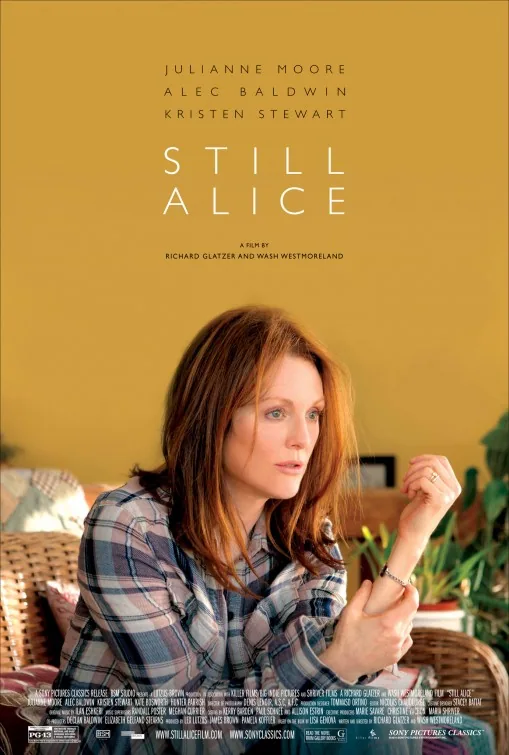
The loss of language makes everyday work and family conversation newly difficult, so Alice's tools for holding onto agency become central to the story.
Why this matches +
Identity and attachment must survive bodily change, psychological distress or an aging person's approaching loss.
An adjacent discovery: a related idea with a different viewing experience.
Genres: Drama
Shared film traits
Based on recorded story, mood and style. Your preferences can change the order.
Memory and identity
What changes Relic: slow-building, disorienting and claustrophobic. Still Alice: gradual decline and domestic observation.
Alice Howland is a successful linguistics professor whose occasional word loss and disorientation lead to a diagnosis of early-onset familial Alzheimer's disease. As she builds reminders and routines to preserve independence, her husband John and their adult children respond in different ways. Her daughter Anna learns she carries the inherited risk, while aspiring actress Lydia declines testing and remains closely involved with her mother. Alice's career, memory and ability to communicate change over time, shifting the family's idea of care and of who Alice is.
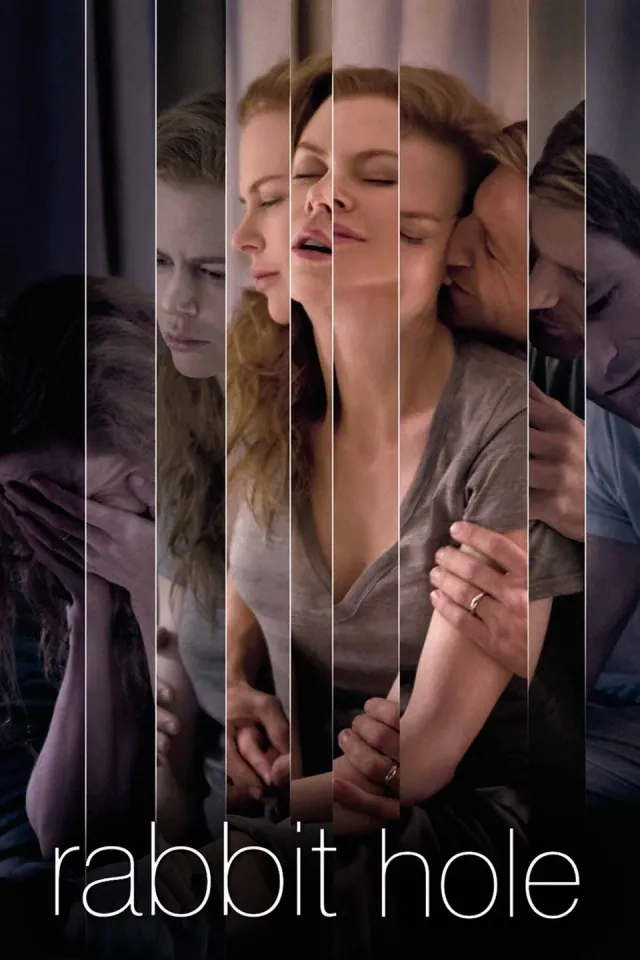
Becca and Howie’s differing coping strategies make grief a shared experience without a shared timetable.
Why this matches +
Identity and attachment must survive bodily change, psychological distress or an aging person's approaching loss.
An adjacent discovery: a related idea with a different viewing experience.
Genres: Drama
Shared film traits
Based on recorded story, mood and style. Your preferences can change the order.
What changes Relic: slow-building, disorienting and claustrophobic. Rabbit Hole: measured and interior.
Becca and Howie are grieving the death of their young son, but their responses to the loss pull them in different directions. Becca wants to clear reminders and avoid another pregnancy, while Howie preserves familiar routines and looks for ways to reconnect with his child. John Cameron Mitchell adapts David Lindsay-Abaire’s play as an intimate domestic drama about grief, marriage and the uncertain paths people take toward living with an absence.
An unexpected guardianship forces a grieving man to revisit the place and history he has been unable to re-enter.
Why this matches +
Identity and attachment must survive bodily change, psychological distress or an aging person's approaching loss.
An adjacent discovery: a related idea with a different viewing experience.
Genres: Drama
Shared film traits
Based on recorded story, mood and style. Your preferences can change the order.
Memory and identity
What changes Relic: slow-building, disorienting and claustrophobic. Manchester by the Sea: measured.
After his brother Joe dies, Lee Chandler returns to the Massachusetts town he left and learns that he has been named guardian of Joe's teenage son, Patrick. The practical arrangements bring him face to face with an earlier catastrophe: a house fire accidentally killed Lee's three children, and he could not remain in the community afterward. Patrick wants to stay with friends and his band, while Lee cannot imagine rebuilding a life there. The two negotiate care without a consoling cure, settling on a future that preserves a relationship Lee can bear.
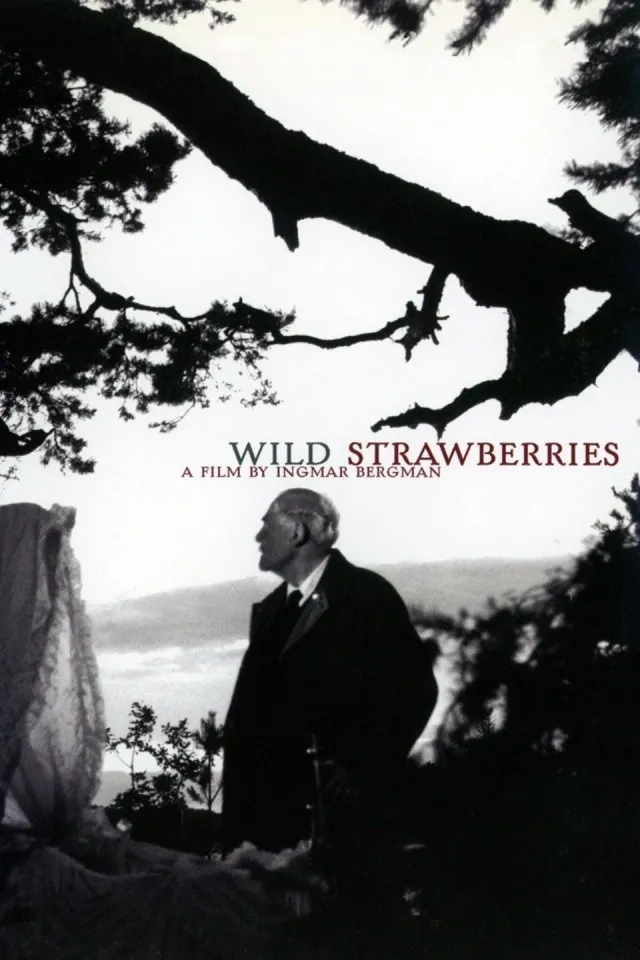
A ceremonial journey becomes a retrospective moral encounter as ordinary companions and remembered places unsettle the traveller's account of his own life.
Why this matches +
Identity and attachment must survive bodily change, psychological distress or an aging person's approaching loss.
An adjacent discovery: a related idea with a different viewing experience.
Genres: Drama / Flashback
Shared film traits
Based on recorded story, mood and style. Your preferences can change the order.
What changes Reflective late-life drama replaces physical horror while retaining memory, aging and family distance.
An elderly physician travels by car to receive an academic honour, accompanied by a daughter-in-law whose strained marriage exposes the emotional habits he would prefer not to examine. Encounters with hitchhikers, family and places from his youth interrupt the outward journey with memories and unsettling dreams. Public recognition becomes less significant than the possibility of acknowledging how distance and self-protection have passed through generations of his household.
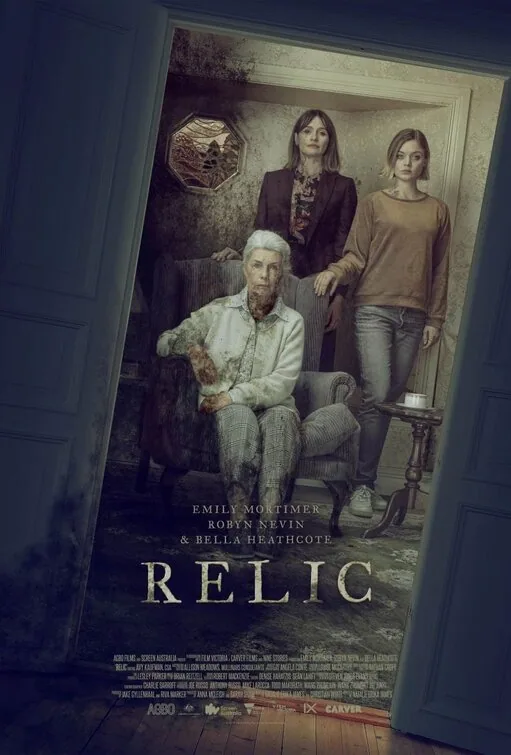
When elderly Edna disappears from her remote home, her daughter Kay and granddaughter Sam return to search for her. The house is locked from the inside, and dark mold begins to spread while Edna leaves increasingly confused notes around the rooms. After Edna returns, Kay considers moving her into care, but the family’s efforts to understand her condition become entangled with strange sounds, shifting corridors and an apparent physical decay in the house. Sam’s experience of the place grows more disorienting, while Kay must decide whether to leave or stay with the mother whose illness frightens and exhausts her.
What drives the story
Edna’s changing behavior and the house’s impossible architecture converge, making the family’s search for a safe explanation part of the horror.
The people at its centre
Kay and Sam care for Edna differently, but both are pushed between fear, anger and attachment as her memory and independence disappear.
What it feels like
Patient pacing and cramped domestic spaces let sound, darkness and body horror transform an ordinary family home into an unstable maze.
Worth knowing
The supernatural elements work as horror, while dementia and caregiving remain real human experiences; the film does not settle on one literal diagnosis for every image.
AgingCaregivingMemory
Mood
Dread-filled · Somber · Intimate
Pacing
Slow-building · Disorienting · Claustrophobic
Visual style
Mold imagery · Dark interiors · Body horror
Storytelling
Psychological horror · Family drama · Domestic haunting