Based on recorded story, mood and style. Your preferences can change the order.
Escape and pursuit
What changes Influencer: slow-burn, twist-driven, tense and escalating. Unsane: admission and confinement, uncertain investigation and escape-driven climax.
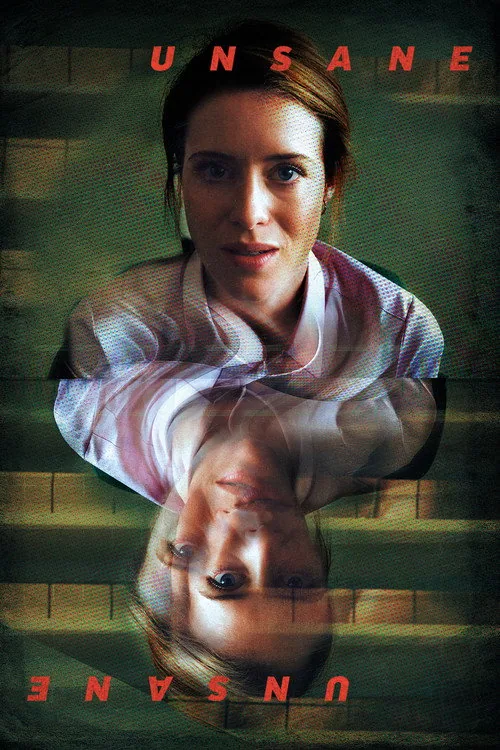
Trying to escape a stalker, Sawyer Valentini moves to a new city and seeks counseling at a behavioral health center. A routine appointment leads her to sign a voluntary admission form, and the facility refuses to release her when she insists that her stalker is among the staff. With help from another patient, Sawyer uncovers a scheme that exploits insurance coverage and must determine whether her perceptions can be trusted. Steven Soderbergh's psychological thriller was filmed on an iPhone, giving its institutional confinement a close, disorienting perspective.
Based on recorded story, mood and style. Your preferences can change the order.
Escape and pursuit · Survival
What changes Influencer: slow-burn, twist-driven, tense and escalating. Hostel: steady and escalating.
Young travelers follow a promise of easy pleasure to a Slovakian hostel, interpreting welcoming attention through their own expectations of access and consumption. Companions disappear, and the setting reveals an organized market in which outsiders become objects for other people's purchased violence. Escaping requires recognizing that ordinary hospitality, transport and apparent friendliness may be part of the same operation. The exploitation horror reverses the travelers' privileged assumptions through graphic captivity, without making its distorted geography a trustworthy picture of the place it depicts.
Based on recorded story, mood and style. Your preferences can change the order.
Survival
What changes Influencer: slow-burn, twist-driven, tense and escalating. The Forest: search-driven suspense with escalating disorientation.
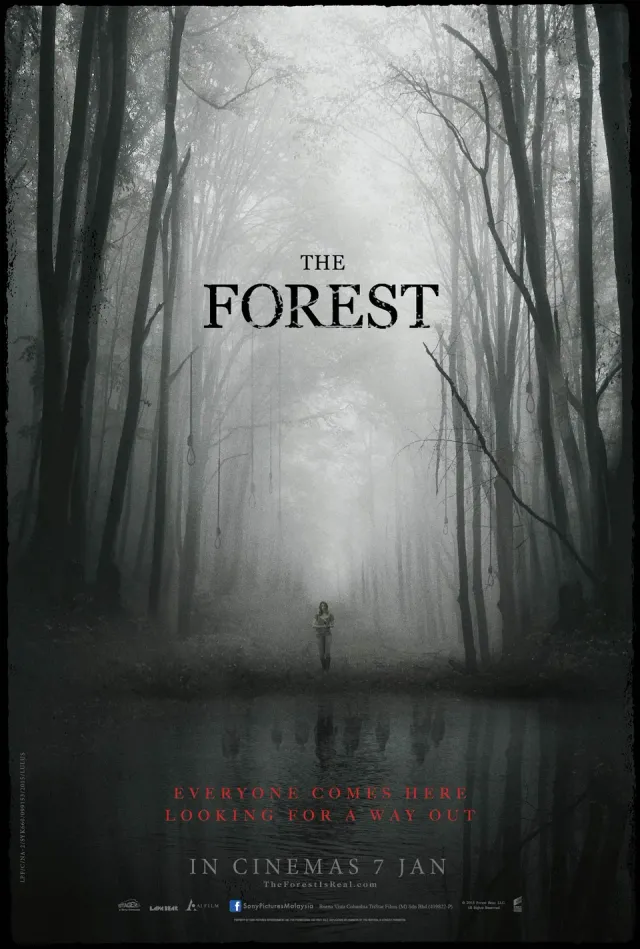
A young woman travels to Japan after her twin sister disappears in a forest associated with people who enter and do not return. Her search draws her into a landscape where grief, fear and local warnings blur what she can trust. The supernatural thriller uses isolation and the bond between twins to turn a real place into a psychological and physical maze.
Based on recorded story, mood and style. Your preferences can change the order.
Memory and identity
What changes Influencer: slow-burn, twist-driven, tense and escalating. Dressed to Kill: slow suspense build, set-piece murder sequence and revelation-driven finale.
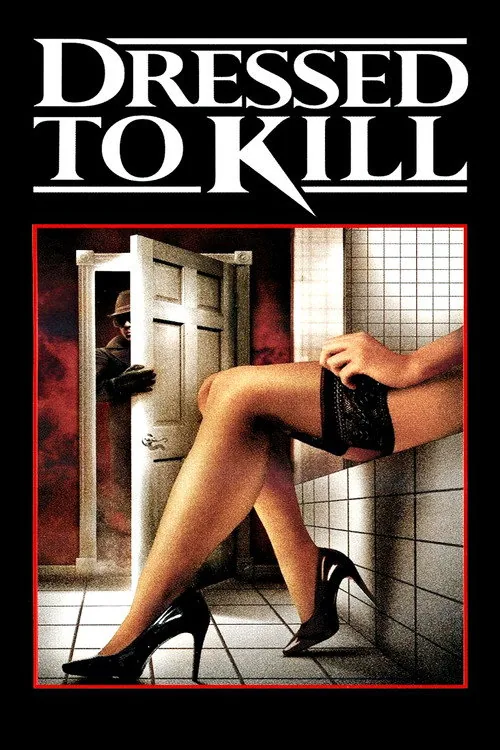
New York housewife Kate Miller leaves a therapy appointment and is murdered in an elevator by a blonde woman. Her son Peter and a sex worker named Liz become entangled in the search for the killer, while police psychiatrist Dr. Robert Elliott is drawn into questions about the crime. Brian De Palma uses shifting viewpoints, elaborate camera movement, and Hitchcockian suspense to turn identity and observation into part of the mystery. The thriller's stylized violence and sexual politics reflect its period and remain central to its reception.
Both share themes of isolation, plus a suspenseful atmosphere.
Why this matches +
Genres: Horror
Shared film traits
Based on recorded story, mood and style. Your preferences can change the order.
Escape and pursuit · Survival
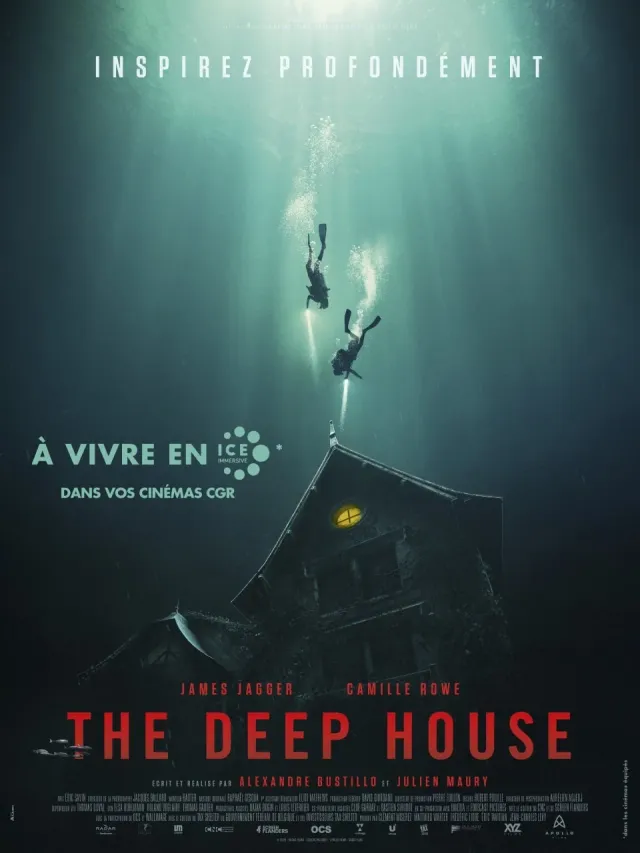
What changes Influencer: slow-burn, twist-driven, tense and escalating. The Deep House: the couple pursue a promising location, descend to the submerged house, discover evidence of its history and and struggle to escape as the environment turns hostile.
Young travel video creators Ben and Tina head to a remote French lake after learning that a deserted village and its buildings lie beneath the water. They find a preserved house at the bottom and take their cameras inside, hoping for a striking exploration video. Once the couple becomes trapped underwater with signs of the house’s past around them, their planned excursion turns into a claustrophobic supernatural ordeal.
Based on recorded story, mood and style. Your preferences can change the order.
Constructed reality
Expect uneasy and somber, with gradual and escalating pacing.
Actor Anthony Miller returns to work on a supernatural film while trying to maintain recovery from addiction and repair his strained family life. His daughter Lee notices that the production seems to worsen his behavior and suspects something more than the pressures of a difficult role. She tries to determine whether the danger is psychological, supernatural or bound to Anthony's unresolved past, as the film-within-the-film blurs with the family's fears.
Based on recorded story, mood and style. Your preferences can change the order.
Survival
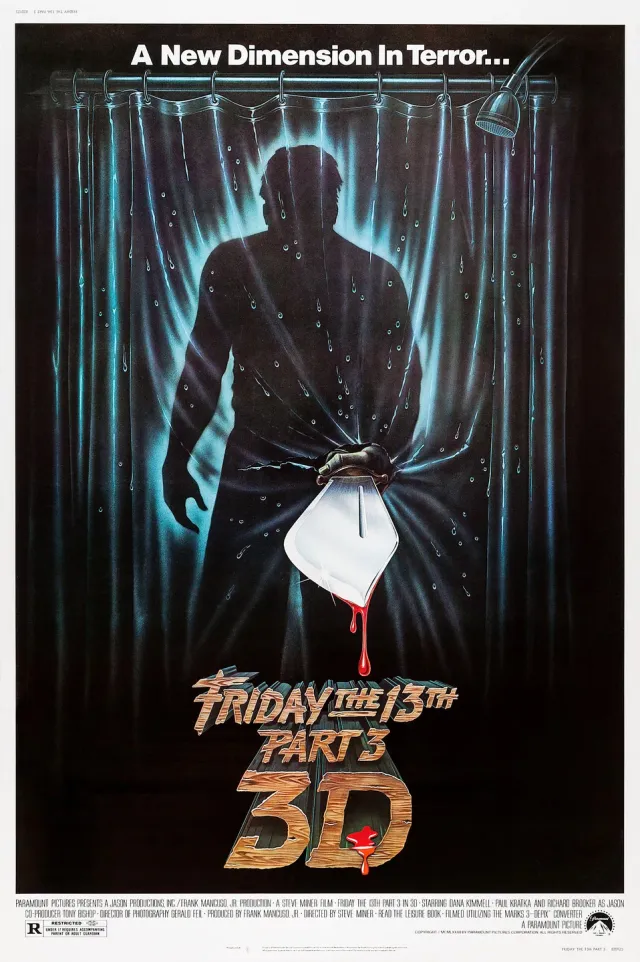
What changes Influencer: slow-burn, twist-driven, tense and escalating. Friday the 13th Part III: steady and escalating.
A young woman returns to a lakeside property associated with an earlier frightening encounter, hoping to face what drove her away. Her friends' holiday and a conflict with local bikers instead place more people near Jason's hiding place. As ordinary leisure gives way to disappearance, the setting becomes a network of vulnerable rooms, outbuildings and paths. The installment joins a survivor's return to a source of fear with a succession of elaborate attacks designed around immediate physical exposure.
Based on recorded story, mood and style. Your preferences can change the order.
Constructed reality
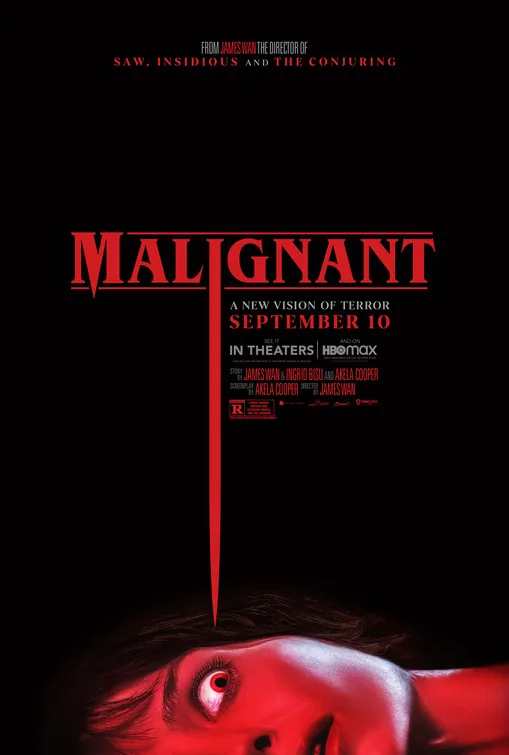
What changes Influencer: slow-burn, twist-driven, tense and escalating. Malignant: a procedural investigation breaks into escalating supernatural spectacle.
Madison is tormented by visions of murders she appears to witness as they happen, while investigators connect the killings to an unknown figure from her past. As the violence escalates, her memories and sense of self become increasingly uncertain. James Wan’s horror film begins as a police mystery and shifts into a highly stylized confrontation with a hidden history, using body horror and identity questions to unsettle genre expectations.
Based on recorded story, mood and style. Your preferences can change the order.
Survival
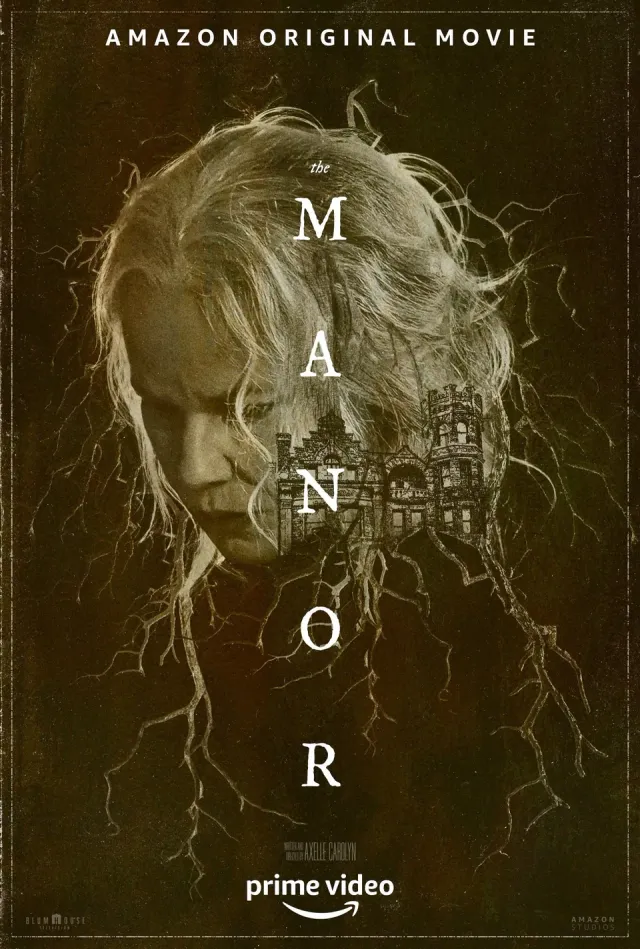
What changes Influencer: slow-burn, twist-driven, tense and escalating. The Manor: judith enters the facility to recover, observes unsettling incidents, faces disbelief from staff and family and and investigates the presence herself.
After suffering a stroke, Judith Albright moves into a historic nursing home where she hopes to regain independence. She soon notices strange behavior among residents and becomes convinced that an unseen presence is stalking the building. Her concerns are dismissed as signs of aging, leaving Judith to investigate the home and protect herself while questioning how much control she still has over her own life.
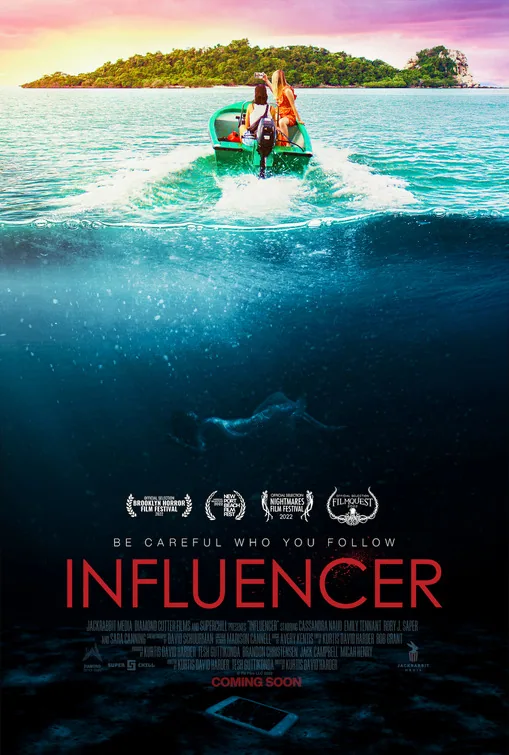
While traveling alone in Thailand, social-media personality Madison meets the mysterious CW, who seems eager to help her find memorable locations for posts. Their friendship becomes a trap when CW steals Madison’s identity and begins using her accounts to shape a convincing online life. The thriller shifts perspectives among travelers as digital performance, tourism and personal histories collide, making a curated public image a tool for both access and deception.
What drives the story
CW uses an influencer’s online persona to move through the world as new travelers become entangled in her elaborate deceptions.
The people at its centre
The changing viewpoints expose how both the influencer and the impersonator use curated identity to control what others believe.
What it feels like
A travel thriller turns the visual language of influencer culture into a source of suspense and identity manipulation.
Worth knowing
A stylish psychological thriller for viewers interested in online personas, travel aesthetics and slow-building deception.