Based on recorded story, mood and style. Your preferences can change the order.
Family and care · Mental health
What changes The Exorcism: gradual, escalating and interior-focused. The Twin: slow-burn, gradually unsettling, mystery-driven and climactic.
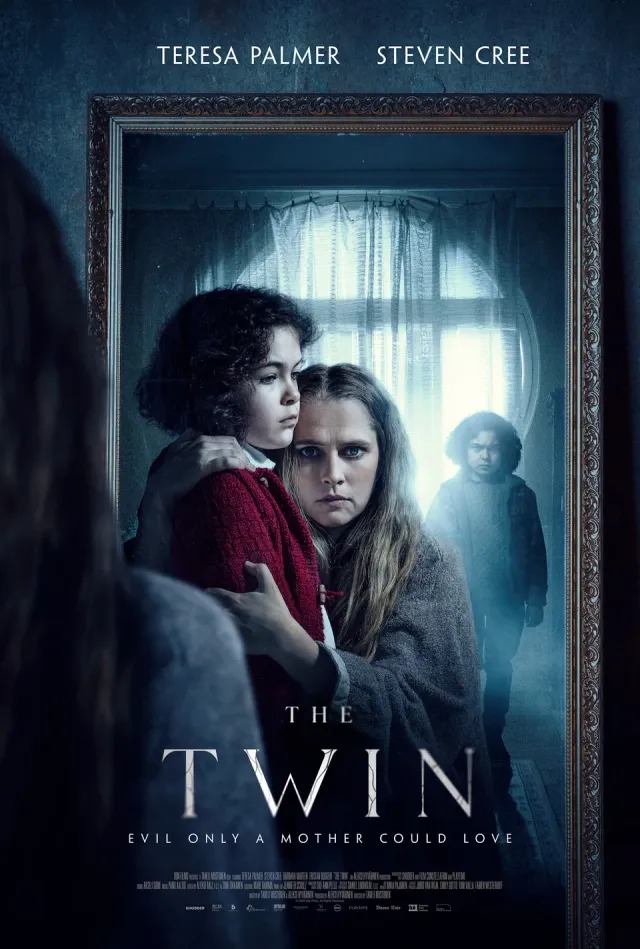
After losing one of their twin sons, Rachel and Anthony move with their surviving child to Finland, hoping distance will help the family grieve. Elliot begins speaking of his dead brother and behaving in ways Rachel cannot explain. As she searches for answers, the welcoming community offers a spiritual explanation that complicates her trust in her own perceptions. The film develops maternal grief into a supernatural story about family, belief and the temptation to trade uncertainty for certainty.
Based on recorded story, mood and style. Your preferences can change the order.
Constructed reality
What changes The Exorcism: gradual, escalating and interior-focused. Malignant: a procedural investigation breaks into escalating supernatural spectacle.
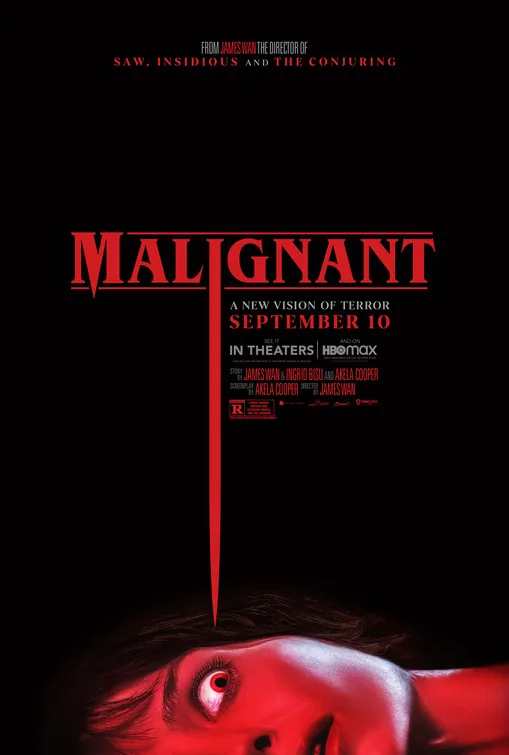
Madison is tormented by visions of murders she appears to witness as they happen, while investigators connect the killings to an unknown figure from her past. As the violence escalates, her memories and sense of self become increasingly uncertain. James Wan’s horror film begins as a police mystery and shifts into a highly stylized confrontation with a hidden history, using body horror and identity questions to unsettle genre expectations.
Both share themes of trauma, plus an uneasy and somber atmosphere.
Why this matches +
Genres: Horror / Thriller
Shared film traits
Based on recorded story, mood and style. Your preferences can change the order.
Family and care · Mental health
Expect uneasy and somber, with slow-burn and escalating pacing.
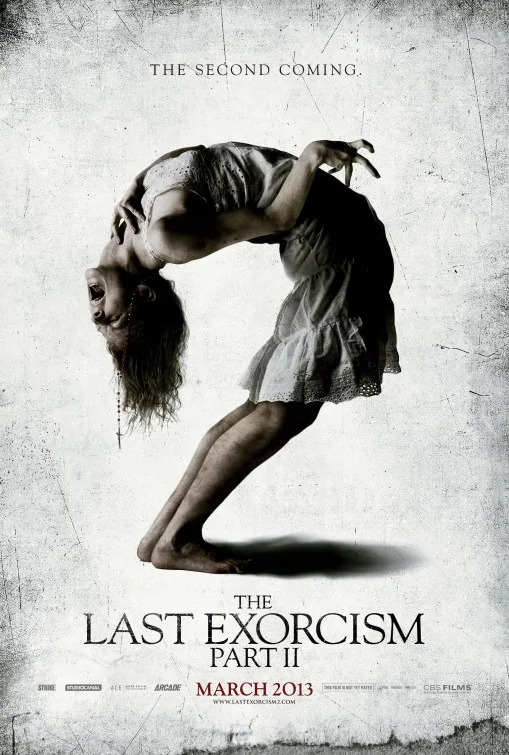
After surviving the events of the previous film, Nell Sweetzer begins again in New Orleans at a residence for young women and takes a job in a hotel. She hopes to build an ordinary life, but unsettling episodes and the return of familiar signs make her fear that the demon Abalam has not left her. Friends and members of a secret group offer competing explanations and plans, leaving Nell to decide whom she can trust as the danger grows.
Based on recorded story, mood and style. Your preferences can change the order.
Mental health
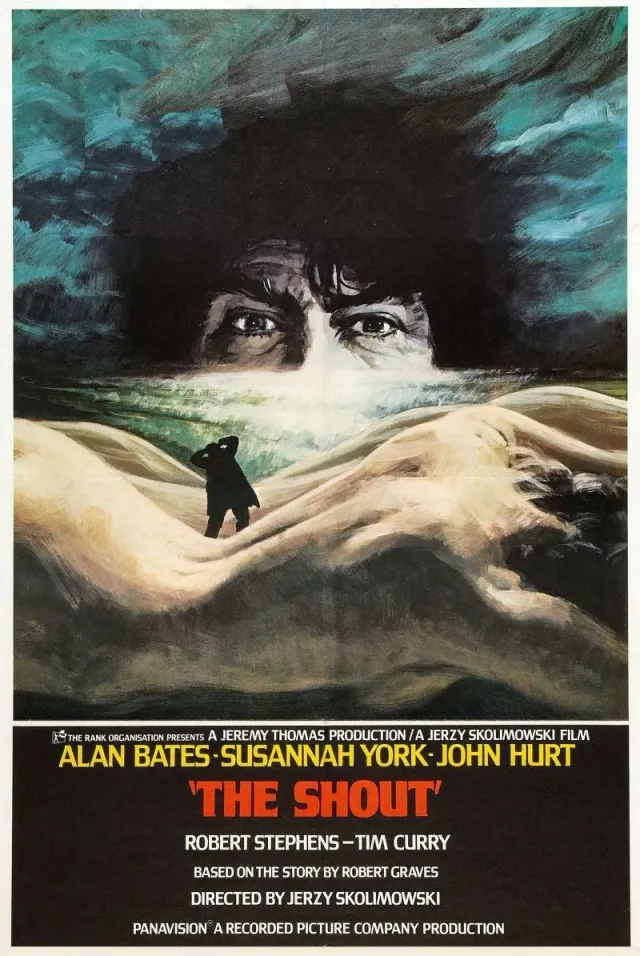
What changes The Exorcism: gradual, escalating and interior-focused. The Shout: measured, disorienting and gradual escalation.
Anthony Fielding, a composer who experiments with electronic sounds in a secluded Devon studio, and his wife Rachel offer shelter to a mysterious traveler named Crossley. Crossley claims to have learned from an Aboriginal shaman how to produce a shout powerful enough to kill anyone who hears it unprotected. His story, behavior, and interest in the couple unsettle their private life, while a parallel framing story at a mental institution places the events under question. The film blurs ordinary reality and a possible supernatural threat as Crossley gains influence.
Based on recorded story, mood and style. Your preferences can change the order.
Family and care · Mental health
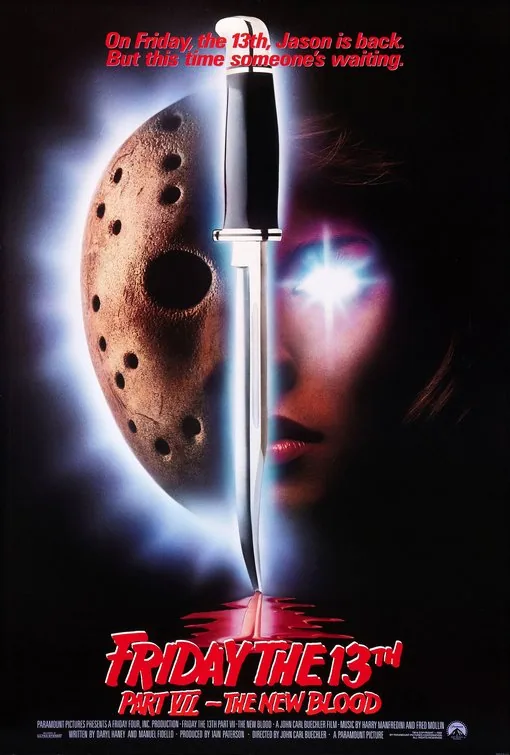
What changes The Exorcism: gradual, escalating and interior-focused. Friday the 13th Part VII: The New Blood: backstory and present crisis, isolated group under attack and escalating supernatural confrontation.
As a child, Tina Shepard accidentally uses telekinetic powers to cause her father’s death at Crystal Lake. Years later, her psychiatrist exploits her guilt in the hope of provoking those abilities. Tina’s attempt to face the memory awakens Jason Voorhees, whose killing spree reaches a group of teenagers nearby. Her powers become both the source of her shame and the means to resist him. The film combines the franchise’s slasher structure with a heroine whose struggle is shaped by a manipulative authority figure, unresolved grief and the danger already rooted in the lake.
Based on recorded story, mood and style. Your preferences can change the order.
Family and care
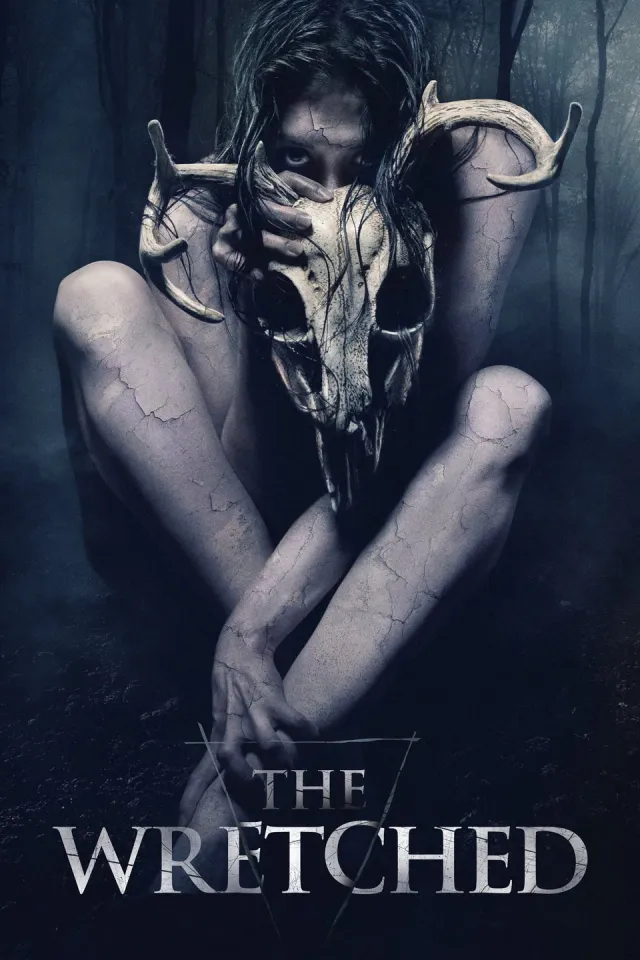
What changes The Exorcism: gradual, escalating and interior-focused. The Wretched: slow-burn clues, investigation and warnings, creature reveals and escalating confrontation.
During a summer with his father, teenager Ben Shaw starts to suspect that something in the woods has taken over the family next door. The neighbor Abbie’s behavior changes, a child disappears, and the adults around Ben seem unable or unwilling to accept what he sees. As he investigates with Mallory, the evidence becomes harder to explain and his warnings strain his relationships. The Pierce Brothers’ supernatural thriller pairs a lakeside coming-of-age setting with a story about memory, trust, and a witch hiding in plain sight.
Based on recorded story, mood and style. Your preferences can change the order.
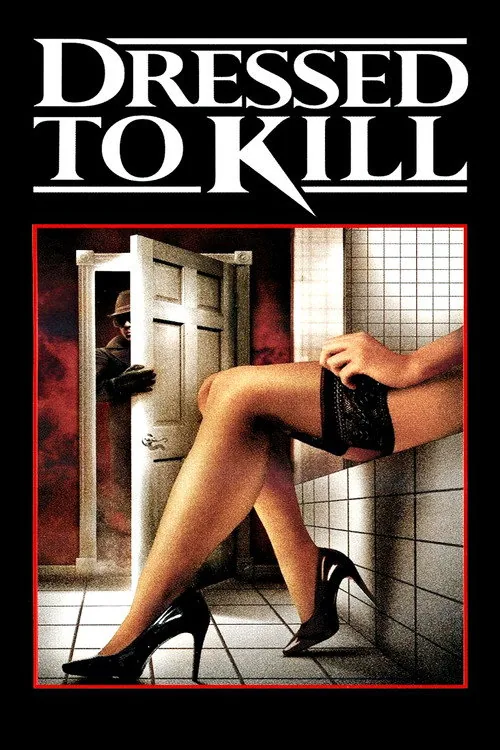
What changes The Exorcism: gradual, escalating and interior-focused. Dressed to Kill: slow suspense build, set-piece murder sequence and revelation-driven finale.
New York housewife Kate Miller leaves a therapy appointment and is murdered in an elevator by a blonde woman. Her son Peter and a sex worker named Liz become entangled in the search for the killer, while police psychiatrist Dr. Robert Elliott is drawn into questions about the crime. Brian De Palma uses shifting viewpoints, elaborate camera movement, and Hitchcockian suspense to turn identity and observation into part of the mystery. The thriller's stylized violence and sexual politics reflect its period and remain central to its reception.
Based on recorded story, mood and style. Your preferences can change the order.
What changes The Exorcism: gradual, escalating and interior-focused. The Curse of La Llorona: escalating and haunting-driven.
In 1970s Los Angeles, social worker Anna Tate-Garcia investigates a family whose children fear a figure associated with the weeping woman of Mexican folklore. After a supernatural attack reaches Anna's own children, she seeks help from a former priest who understands the legend. The film links a specific family crisis to an older haunting, turning domestic spaces and nighttime streets into places of escalating danger.
Based on recorded story, mood and style. Your preferences can change the order.
What changes The Exorcism: gradual, escalating and interior-focused. Ouija: slow reveal followed by escalating scares.
After a young woman’s unexplained death, her friends use a spirit board to contact her and instead awaken a presence that grows more dangerous with each attempt. Their investigation leads them through a house and its history, turning grief into a horror story about curiosity and unseen consequences. The film builds tension through familiar supernatural rules and a group of young characters facing a threat they do not understand.
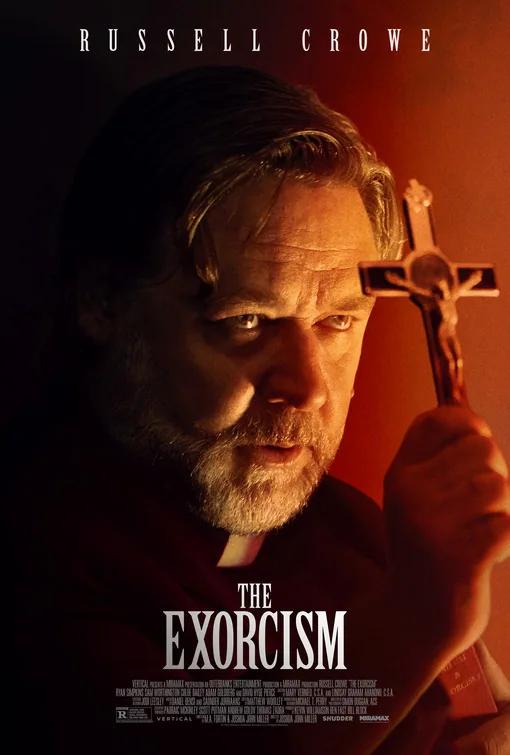
Actor Anthony Miller returns to work on a supernatural film while trying to maintain recovery from addiction and repair his strained family life. His daughter Lee notices that the production seems to worsen his behavior and suspects something more than the pressures of a difficult role. She tries to determine whether the danger is psychological, supernatural or bound to Anthony's unresolved past, as the film-within-the-film blurs with the family's fears.
What drives the story
A recovering actor changes during a horror production, prompting his daughter to question what is harming him.
The people at its centre
Anthony wants to work and reconnect with his daughter, while Lee mistrusts his explanations and the production.
What it feels like
The overlap of acting, relapse and supernatural suggestion keeps the source of danger uncertain.
Worth knowing
Its horror premise is filtered through an actor's vulnerability and a daughter's concern, not a simple exorcism case.
addictiontraumafamily
Mood
uneasy · somber · suspenseful · conflicted
Pacing
gradual · escalating · interior-focused
Visual style
dim production spaces · practical horror imagery · unstable point of view
Storytelling
film within a film · troubled actor · family concern · supernatural suspicion