Based on recorded story, mood and style. Your preferences can change the order.
What changes The Shout is tagged eerie and ambiguous; Peeping Tom is tagged disturbing and melancholic.
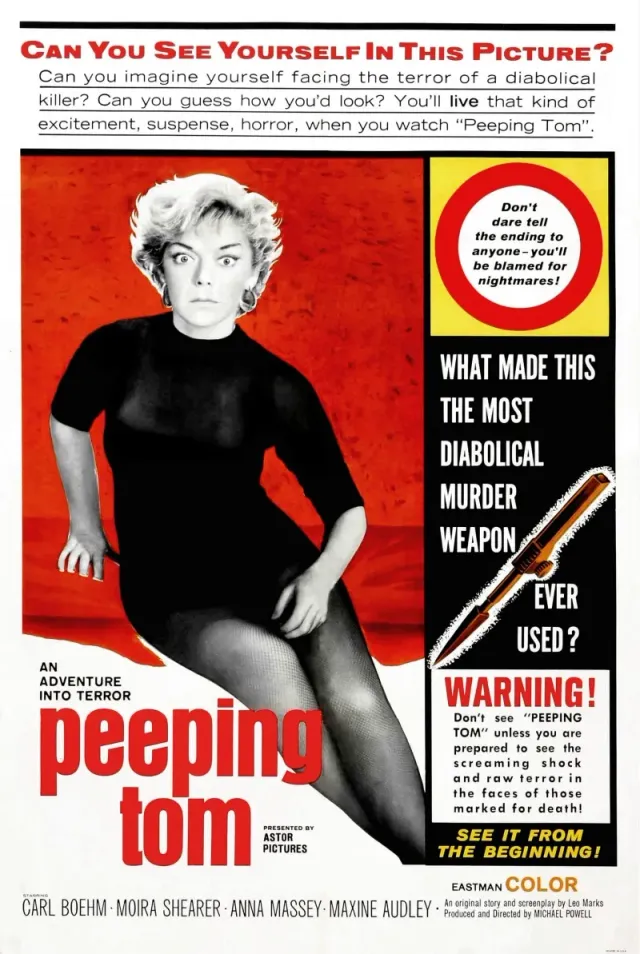
Mark Lewis works in film production and photographs women, but he secretly uses a camera to record the terror of people he murders. His quiet relationship with Helen, a young woman living in his building, offers a glimpse of intimacy that conflicts with his compulsion. The film follows the danger created when image-making, childhood trauma and a desire for control become inseparable.
Shared characteristics
Theme: Intimacy
Genre: Horror
Pacing: Measured
Genre: Drama
Poster: Film rights holders; original promotional poster documented by Wikipedia · Image source
Based on recorded story, mood and style. Your preferences can change the order.
Investigation
What changes The Shout: measured, disorienting and gradual escalation. The Haunting: slow burn and building tension.
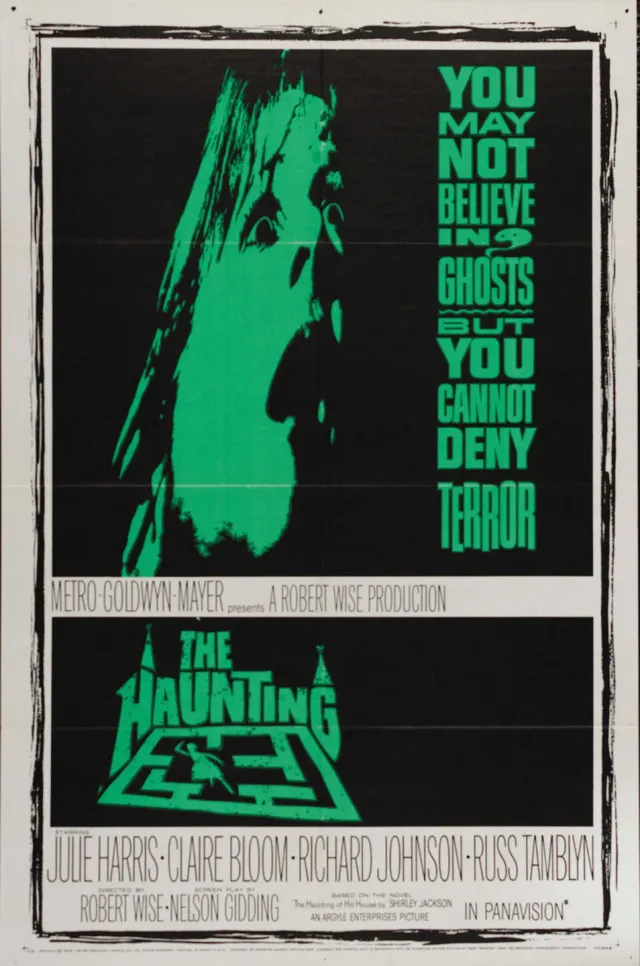
Paranormal researcher Dr. Markway invites a small group to stay at Hill House, a mansion with a disturbing history. Among his guests are Eleanor, a lonely woman eager to escape an oppressive home life, and the perceptive Theo. Strange sounds and tensions within the group make the house’s effects increasingly difficult to separate from Eleanor’s vulnerable state of mind.
Shared characteristics
Mood: Eerie
Genre: Mystery
Genre: Horror
Poster: Film rights holders; original promotional poster documented by Wikipedia · Image source
Based on recorded story, mood and style. Your preferences can change the order.
Memory and identity
What changes The Shout: measured, disorienting and gradual escalation. Lost Highway: nonlinear and circular.
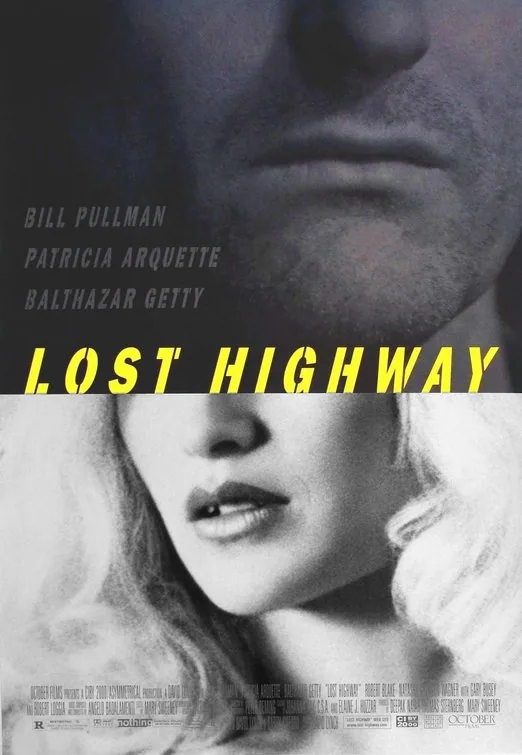
Jazz musician Fred Madison begins receiving videotapes that show the outside of his house and then its interior, turning domestic privacy into a threat. After his arrest for murder, the story fractures into an impossible identity change and a second life lived by Pete Dayton, whose affair with Alice repeats patterns of desire, surveillance and control. A mysterious man crosses the film’s worlds as if recording and directing them, but no stable explanation resolves how the two identities relate. David Lynch’s noir is built from circular return, abrupt shifts and oppressive sound rather than a puzzle with one confirmed diagnosis. Its dreamlike form can hold several readings, yet ambiguity should not dissolve the violence against women into abstract style or make the men’s self-deceptions morally weightless.
Based on recorded story, mood and style. Your preferences can change the order.
Mental health
What changes The Shout: measured, disorienting and gradual escalation. The Exorcism: gradual, escalating and interior-focused.
Actor Anthony Miller returns to work on a supernatural film while trying to maintain recovery from addiction and repair his strained family life. His daughter Lee notices that the production seems to worsen his behavior and suspects something more than the pressures of a difficult role. She tries to determine whether the danger is psychological, supernatural or bound to Anthony's unresolved past, as the film-within-the-film blurs with the family's fears.
Based on recorded story, mood and style. Your preferences can change the order.
Memory and identity · Investigation
What changes The Shout: measured, disorienting and gradual escalation. White Noise: slow-building and escalating.
After his wife dies, an architect is approached by a researcher who claims to record messages from the dead through electronic interference. His search for contact becomes entangled with frightening events and with the possibility that grief is making him vulnerable to dangerous interpretations. The film uses technological mediation as a horror device, examining the desire to hear from a lost person and the risks of treating ambiguous signals as certainty.
Based on recorded story, mood and style. Your preferences can change the order.
Memory and identity · Mental health
What changes The Shout: measured, disorienting and gradual escalation. Lake Mungo: slow-burn, patient and revelatory.
After sixteen-year-old Alice Palmer drowns near her Australian hometown, her family begins to encounter signs that she may still be present. Her brother Mathew records apparent sightings, while their parents seek answers through photographs, a psychic and a closer look at Alice’s life. The film presents these discoveries through interviews, home videos and other documentary-like evidence. As the family learns that Alice kept parts of her life hidden, their search for a ghost becomes a more painful effort to understand the daughter they thought they knew.
Based on recorded story, mood and style. Your preferences can change the order.
Memory and identity
What changes The Shout: measured, disorienting and gradual escalation. Under the Skin: slow and observational.
An enigmatic woman drives through Scotland and approaches men who are isolated or receptive to her attention. Her encounters point toward an inhuman purpose, but the woman’s routine begins to change as she experiences vulnerability and human contact. Jonathan Glazer tells the science-fiction story through sparse dialogue, observational images and an unsettling soundscape, making perception and bodily identity more central than explanation. The result is an atmospheric, adult film that leaves many motives deliberately unresolved.
Based on recorded story, mood and style. Your preferences can change the order.
Memory and identity · Investigation
What changes The Shout: measured, disorienting and gradual escalation. Tenebrae: clue-driven, deliberate camera movement, escalating reversals and sudden violent interruptions.
American horror novelist Peter Neal arrives in Rome to promote his latest book, Tenebrae, and soon receives a message from someone claiming that his fiction has inspired a killing spree. Police captain Germani, an admirer of Neal’s work, asks him to assist as murders unsettle the people around the writer. The investigation draws in Neal’s assistant Anne, agent Bullmer, television interviewer Cristiano Berti and Neal’s former fiancée Jane. Suspects and evidence keep shifting as the crimes appear to borrow details from the novel. The film turns its clue trail into a study of authorship, obsession and how easily a confident explanation can become another form of deception.
Based on recorded story, mood and style. Your preferences can change the order.
Memory and identity · Investigation
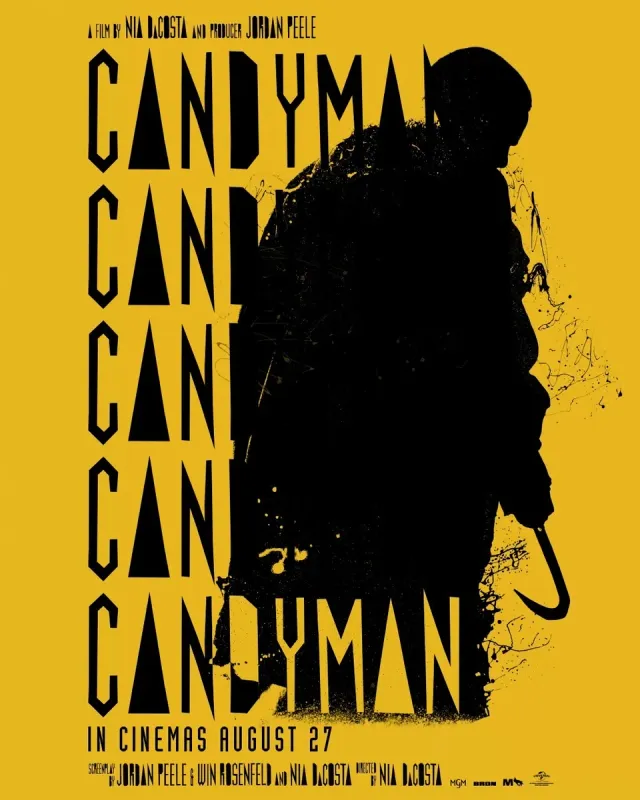
What changes The Shout: measured, disorienting and gradual escalation. Candyman: slow-burn and escalating.
Artist Anthony McCoy becomes fascinated by the history of Cabrini-Green and the story of a figure said to appear when his name is spoken. His research begins as material for an art project, but the legend starts to intrude on his work and personal life. The film links supernatural horror to the memory of violence and the way a community’s history is told, while continuing the Candyman story through a new generation.
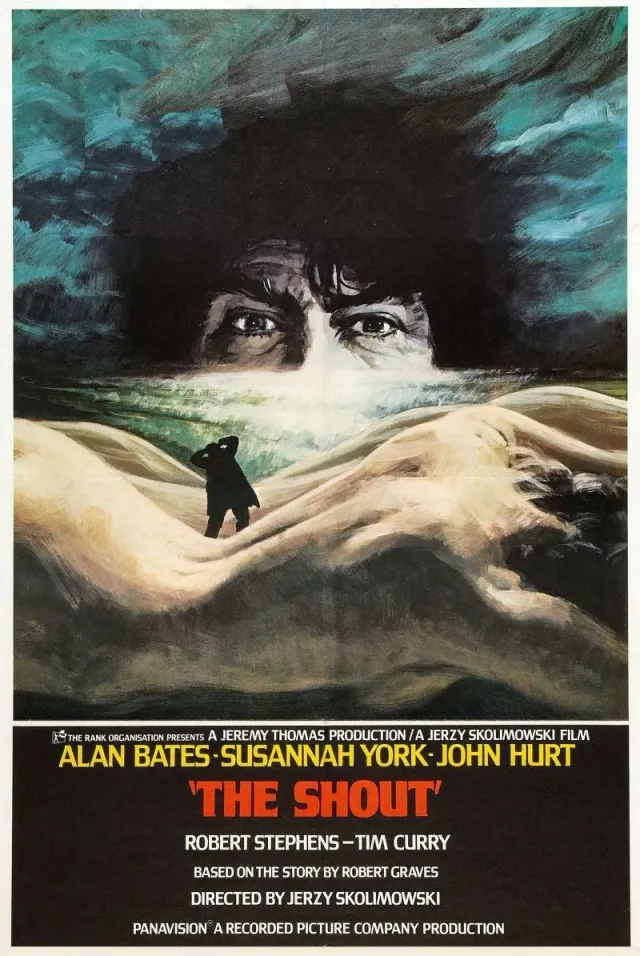
Anthony Fielding, a composer who experiments with electronic sounds in a secluded Devon studio, and his wife Rachel offer shelter to a mysterious traveler named Crossley. Crossley claims to have learned from an Aboriginal shaman how to produce a shout powerful enough to kill anyone who hears it unprotected. His story, behavior, and interest in the couple unsettle their private life, while a parallel framing story at a mental institution places the events under question. The film blurs ordinary reality and a possible supernatural threat as Crossley gains influence.
What drives the story
A mysterious guest unsettles a couple by claiming to possess a sound that can kill.
The people at its centre
Anthony's experiments make him curious about Crossley's claims, while Rachel senses a threat to their private world.
What it feels like
Unusual sound and a story-within-a-story structure keep the audience uncertain about what is real.
Worth knowing
This is an experimental psychological horror film built around ambiguity and sound, not a conventional monster story.