Both share themes of art, plus a surreal atmosphere.
Why this matches +
Genres: Drama
Shared film traits
Based on recorded story, mood and style. Your preferences can change the order.
Memory and identity
What changes Synecdoche, New York: a theater director’s attempt to stage his life grows into an endless replica of the world around him.. Youth: episodic and unhurried.
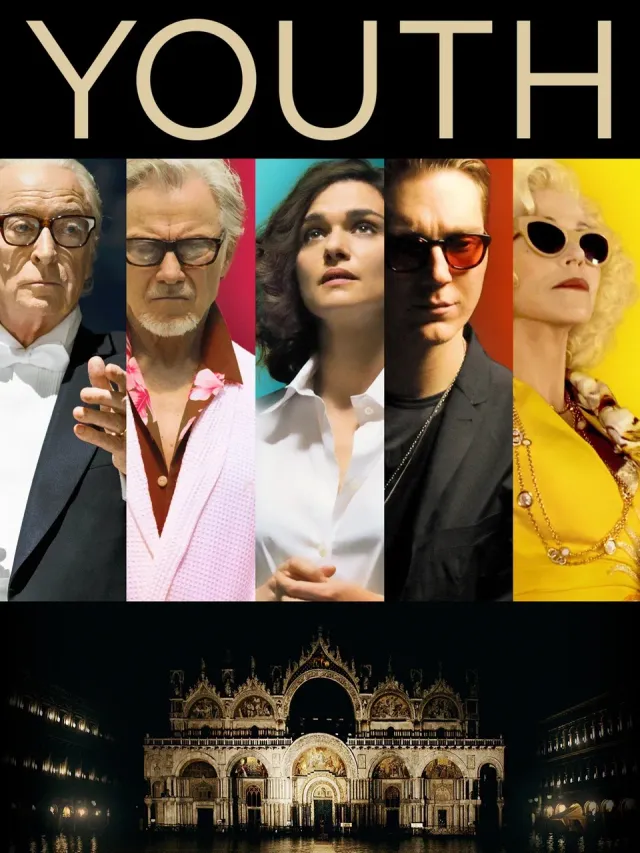
At a Swiss mountain resort, retired conductor Fred Ballinger spends time with his filmmaker friend Mick Boyle while their adult children and other guests occupy the same enclosed world. A request from Queen Elizabeth brings Fred's musical past back into view, while Mick continues working on a film meant to define his career. Paolo Sorrentino's drama observes age, artistic ambition and desire through stylized encounters.
Based on recorded story, mood and style. Your preferences can change the order.
Constructed reality · Memory and identity
What changes Synecdoche, New York: a theater director’s attempt to stage his life grows into an endless replica of the world around him.. Here: a non-linear structure revisits one place across multiple generations.
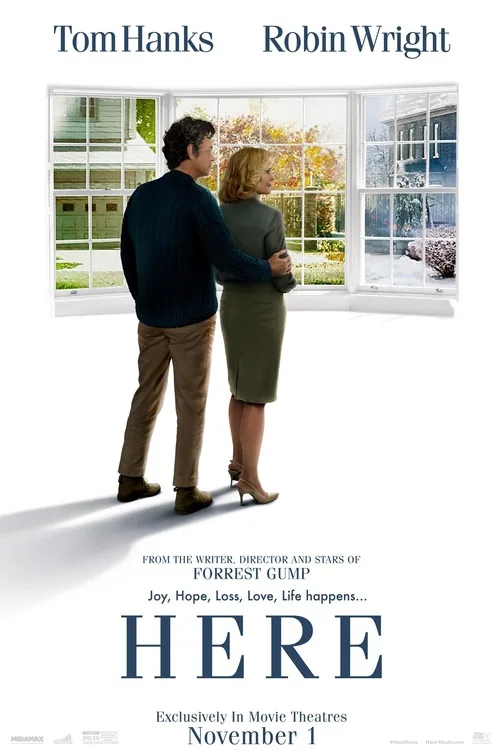
The film remains anchored to one location while moving across different periods and generations of people who live in or pass through it. Domestic routines, relationships, and historical change become visible through the space itself, making the room a witness to lives it cannot control. The drama adapts a graphic-novel structure into a meditation on memory, time, family, and the meanings that accumulate around an ordinary place.
Based on recorded story, mood and style. Your preferences can change the order.
Memory and identity
What changes Synecdoche, New York: a theater director’s attempt to stage his life grows into an endless replica of the world around him.. Get on Up: nonlinear life episodes build toward legacy.
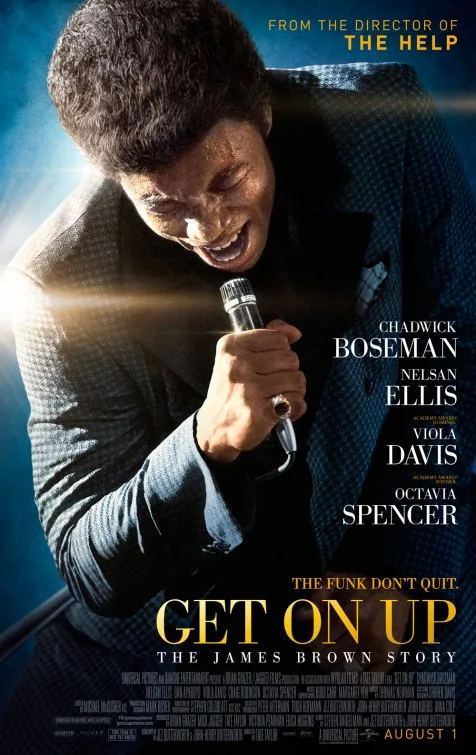
A musical biopic follows James Brown from a difficult childhood through the rise of a singular stage performer whose discipline and ambition reshape popular music. The narrative moves across time rather than offering a simple rise-and-fall sequence, connecting performance to family wounds, business power and the cost of control. Its energy comes from music and Brown’s forceful presence, alongside a frank look at the damage behind his success.
Based on recorded story, mood and style. Your preferences can change the order.
Memory and identity
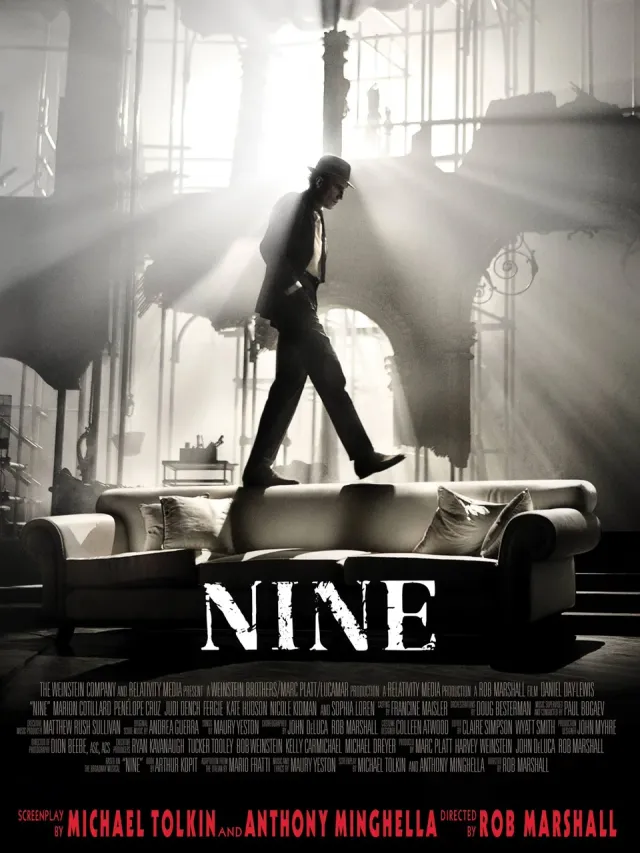
What changes Synecdoche, New York: a theater director’s attempt to stage his life grows into an endless replica of the world around him.. Nine: song-led and fragmented.
Film director Guido Contini tries to make a new movie while facing a creative crisis and reflecting on the women whose affection and expectations shape his life. Rehearsals, memories and fantasy sequences overlap as he struggles to turn experience into art. The musical adapts a stage tradition of inward performance, making artistic ambition and romantic confusion part of the same elaborately staged problem.
Based on recorded story, mood and style. Your preferences can change the order.
Memory and identity
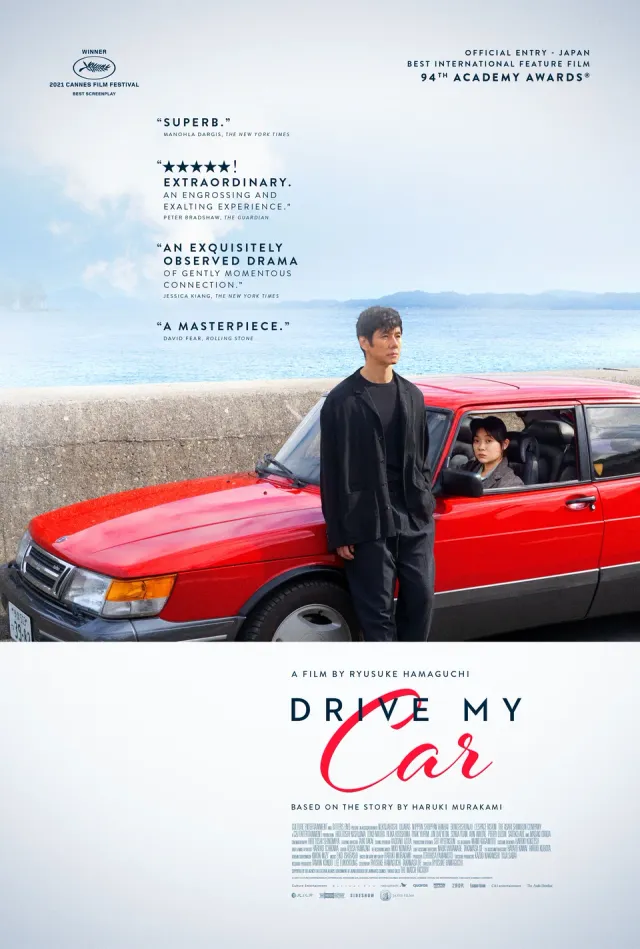
What changes Synecdoche, New York: a theater director’s attempt to stage his life grows into an endless replica of the world around him.. Drive My Car: slow and layered.
Theater director Yūsuke Kafuku travels to Hiroshima to stage Uncle Vanya and is assigned a quiet driver, Misaki. Rehearsals, long drives and the use of recorded lines gradually create room for both to confront grief and difficult memories. Ryusuke Hamaguchi gives the adaptation a patient, conversational structure, using Chekhov’s play and the red Saab as recurring spaces where private pain can be approached indirectly.
Based on recorded story, mood and style. Your preferences can change the order.
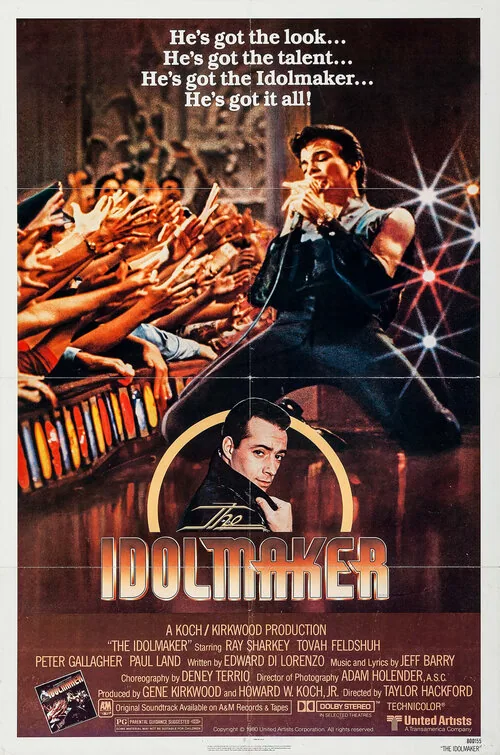
What changes Synecdoche, New York: a theater director’s attempt to stage his life grows into an endless replica of the world around him.. The Idolmaker: rise followed by professional conflict.
Vincent Vacarri sees popular music as a craft that can be manufactured and uses his talent for promotion to develop young singers into teen idols. As his discoveries gain attention, ambition, authorship and control begin to pull the partnership apart. The drama draws loosely on real pop impresario Bob Marcucci, treating the recording business as both a route to opportunity and a contest over who owns a performer's image.
Both share themes of art, plus a surreal atmosphere.
Why this matches +
Genres: Comedy / Drama
Shared film traits
Based on recorded story, mood and style. Your preferences can change the order.
Constructed reality · Memory and identity
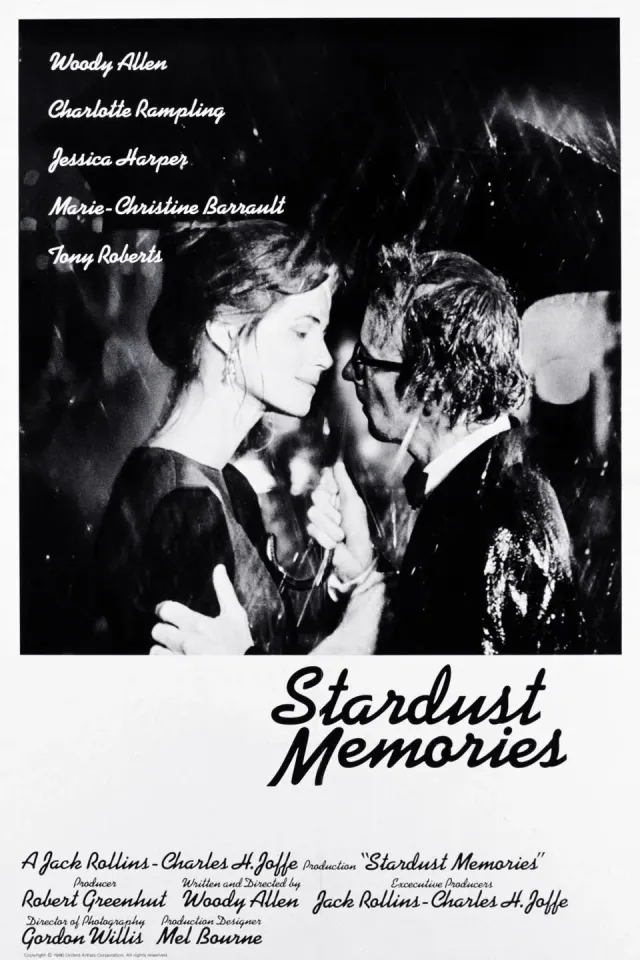
What changes Synecdoche, New York: a theater director’s attempt to stage his life grows into an endless replica of the world around him.. Stardust Memories: fragmented and conversation-led.
Film director Sandy Bates attends a retrospective of his work at a seaside festival, where fans, colleagues, romantic partners and strangers ask him to explain himself. His present-day encounters blur with memories and imagined scenes as he weighs commercial success against the intimate films he wants to make. The comedy-drama turns celebrity and artistic doubt into a fragmented meditation on attention and creation.
Based on recorded story, mood and style. Your preferences can change the order.
Memory and identity
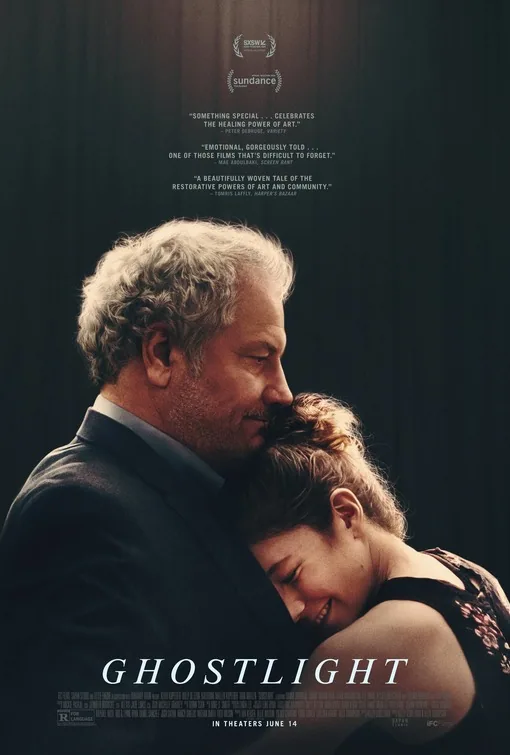
What changes Synecdoche, New York: a theater director’s attempt to stage his life grows into an endless replica of the world around him.. Ghostlight: measured, rehearsal-based and emotionally cumulative.
Dan, a construction worker coping with personal strain, unexpectedly joins a community theater production of Romeo and Juliet. The amateur cast and rehearsals draw him into a world of performance that gradually intersects with his family's unresolved grief. As the play's language gives shape to feelings that are difficult to discuss directly, the drama moves between ordinary working life, domestic tension and the fragile community built around a production.
Based on recorded story, mood and style. Your preferences can change the order.
Memory and identity
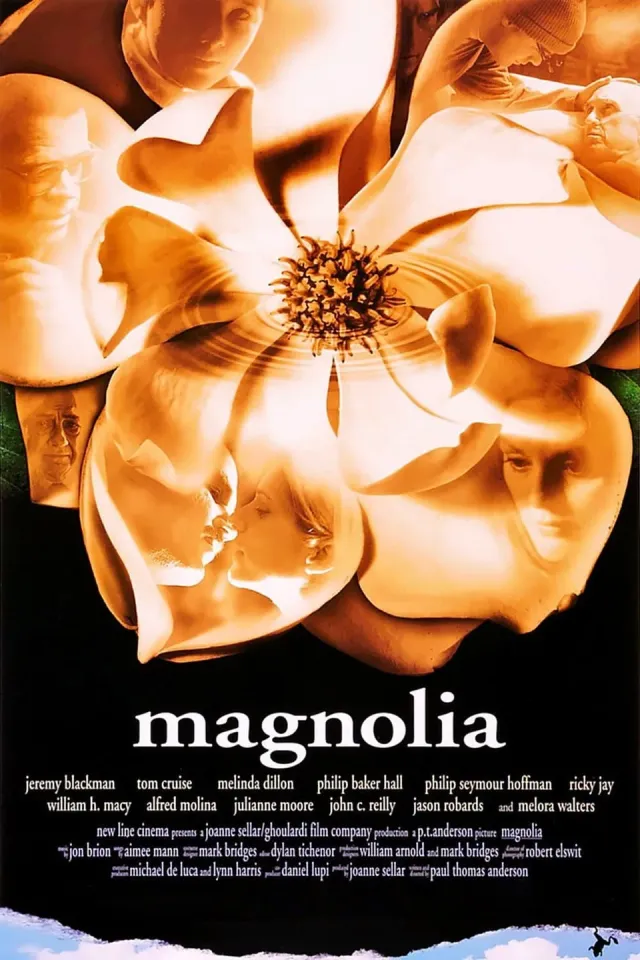
What changes Synecdoche, New York: a theater director’s attempt to stage his life grows into an endless replica of the world around him.. Magnolia: parallel and escalating.
Across one day in Los Angeles, quiz-show families, a dying television producer, an estranged son, a nurse, a police officer and a former child contestant move through intersecting crises. The connections are not a tidy conspiracy: they gather around parental harm, public performance, confession and the need to be recognized by someone who may not forgive. Frank Mackey’s brash persona conceals the childhood he refuses to discuss, while his father’s illness creates a belated opening for contact. An extraordinary event interrupts the ensemble’s emotional convergence without delivering equal repair to everyone. Paul Thomas Anderson’s long, music-driven drama balances coincidence with deliberate formal links; its moments of grace allow hope, not a guarantee that regret earns absolution.
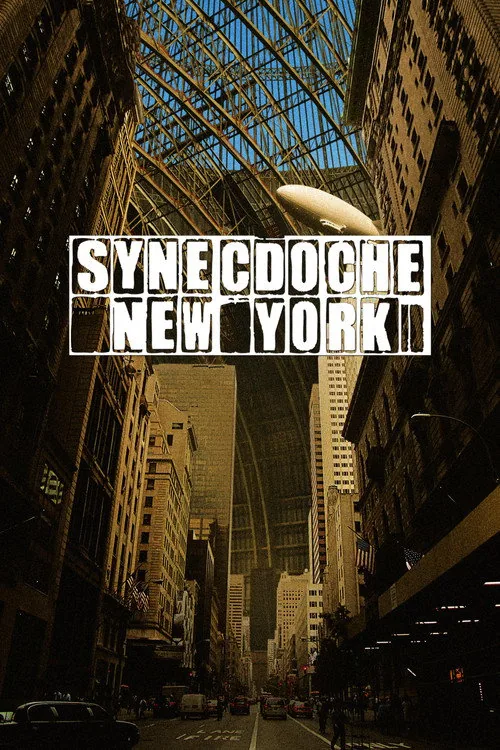
Theater director Caden Cotard receives a large arts grant and decides to create a radically realistic play based on his life. He builds a full-scale replica of New York inside a warehouse, hires actors to play people he knows, and eventually casts doubles who reenact the actors themselves. As Caden’s relationships falter and decades pass, the boundaries between his life and the production become increasingly difficult to locate. Charlie Kaufman’s drama uses an expanding theatrical project to explore mortality, artistic ambition, memory, and the impossibility of representing a whole life.
What drives the story
Caden’s effort to make his play truthful blurs the difference between directing life and living it.
The people at its centre
The people he hires to portray others become entangled in increasingly recursive performances.
What it feels like
The film includes illness, bereavement, suicide, and disturbing family material.
Worth knowing
Its nested performances and long passages of time resist a conventional plot resolution in favor of an accumulating meditation on life.
MortalityArtIdentity
Mood
Surreal · Introspective · Unsettling
Pacing
A theater director’s attempt to stage his life grows into an endless replica of the world around him.
Visual style
Warehouse-scale sets · Recursive staging · Gradual time shifts
Storytelling
Play within a play · Life-sized replica · Actors as doubles