The day’s ordinary encounters shift the professor’s attention without neatly resolving the loss he carries.
Why this matches +
These offer a related experience with a meaningful difference in story, tone, or presentation.
An adjacent discovery: a related idea with a different viewing experience.
Genres: Drama / LGBTQ-related
Shared film traits
Based on recorded story, mood and style. Your preferences can change the order.
Memory and identity
What changes A bereaved man moves through carefully observed routines while trying to live with loss and the difficulty of connecting with others.
In 1960s Los Angeles, a British professor is grieving the sudden death of his partner and tries to move through one day while deciding whether he can continue living alone. Encounters with a friend, a student and strangers alter the emotional texture of that day without undoing his loss. The film turns clothing, color and routine into close expressions of grief, loneliness and the fragile possibility of renewed attention.
An intimate encounter prompts the actress to recount a suppressed wartime love, while her lover challenges the certainty with which she can claim to remember Hiroshima. The architect can challenge the actress’s certainty without becoming a spokesperson for everyone in Hiroshima.
Why this matches +
These offer a related experience with a meaningful difference in story, tone, or presentation.
An adjacent discovery: a related idea with a different viewing experience.
Genres: Drama / Romance
Shared film traits
Based on recorded story, mood and style. Your preferences can change the order.
Memory and identity
What changes An intimate conversation between two people connects present attraction with memories of personal and historical trauma.
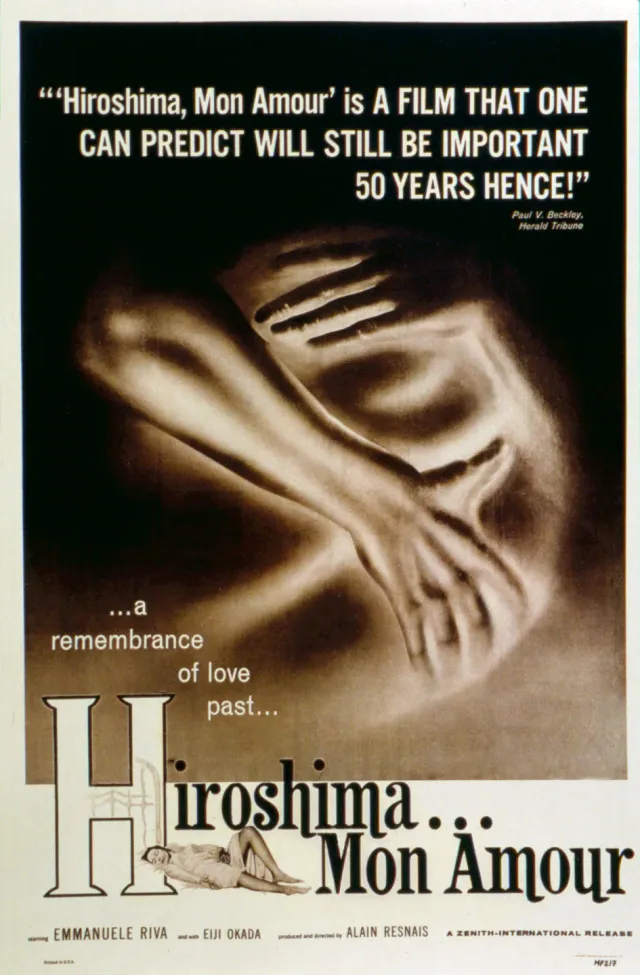
A French actress and a Japanese architect begin an affair in postwar Hiroshima, where her film work about peace does not grant her full access to the city’s history. Their conversations open onto her earlier love affair in occupied Nevers and the punishment that followed its loss. Repetition, fragmented images and documentary traces let one memory interrupt another without making the woman’s private suffering equivalent to the atomic bombing. The architect can ask her to remember, but cannot turn memory into shared ownership. The film’s formal argument lies in that unfinished encounter between personal recollection, public catastrophe and the limits of witnessing.
A construction worker joins a local production of Romeo and Juliet as his family faces grief.
Why this matches +
These offer a related experience with a meaningful difference in story, tone, or presentation.
An adjacent discovery: a related idea with a different viewing experience.
Genres: Drama
Shared film traits
Based on recorded story, mood and style. Your preferences can change the order.
Memory and identity
What changes A grieving person finds an indirect way to process family loss through the collaborative work of staging a play.
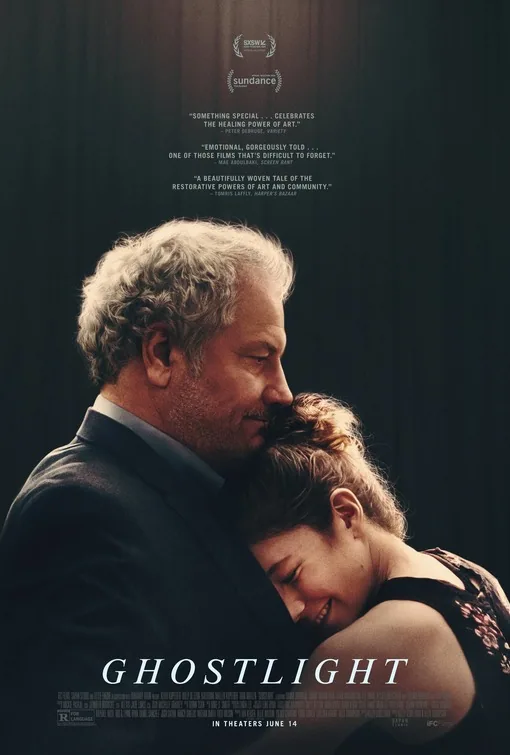
Dan, a construction worker coping with personal strain, unexpectedly joins a community theater production of Romeo and Juliet. The amateur cast and rehearsals draw him into a world of performance that gradually intersects with his family's unresolved grief. As the play's language gives shape to feelings that are difficult to discuss directly, the drama moves between ordinary working life, domestic tension and the fragile community built around a production.
Gustav’s attempt to make a film about his mother revives tensions with his daughters, turning the family house into both a contested inheritance and a proposed set.
Why this matches +
These offer a related experience with a meaningful difference in story, tone, or presentation.
An adjacent discovery: a related idea with a different viewing experience.
Genres: Drama / Comedy
Shared film traits
Based on recorded story, mood and style. Your preferences can change the order.
Memory and identity
What changes Estranged family members and a filmmaker confront grief and unresolved relationships through the process of creating a theatrical or cinematic work.
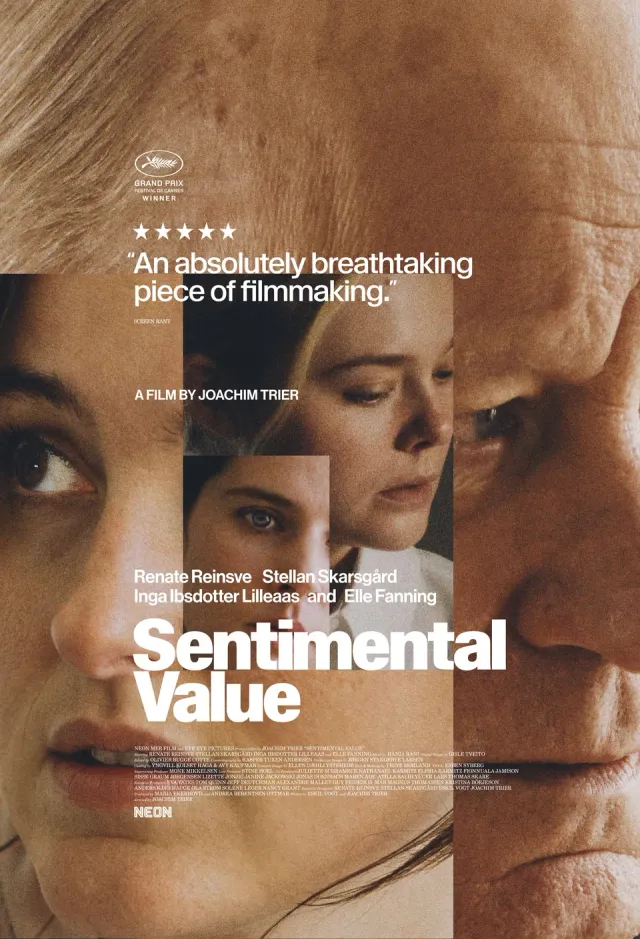
After their mother’s death, sisters Nora and Agnes face the return of their estranged father Gustav, a once-successful director who wants to make a film inspired by his own mother’s wartime trauma in their family home. Nora, a stage actor who struggles with performance anxiety, refuses the role he offers her; Agnes, a historian and parent, is more willing to hear him out. Gustav’s script turns private family memory into material for a production, and the dispute over where and how to film it exposes what each generation has inherited. The eventual staging asks whether art can create understanding without repairing the past by itself.
The concrete pour gives Locke’s professional life a deadline he cannot ignore.
Why this matches +
These offer a related experience with a meaningful difference in story, tone, or presentation.
An adjacent discovery: a related idea with a different viewing experience.
Genres: Drama
Shared film traits
Based on recorded story, mood and style. Your preferences can change the order.
What changes A long car journey becomes a contained space for conversations about responsibility, family and choices that cannot easily be undone.
On the eve of a major concrete pour, construction manager Ivan Locke leaves work and drives toward a hospital after learning that a colleague from a past affair is in labor. He manages the consequences through a chain of phone calls while his marriage, career, and professional duties begin to unravel. The contained drama uses one car journey to examine responsibility, keeping its protagonist physically alone while his choices connect him to many others.
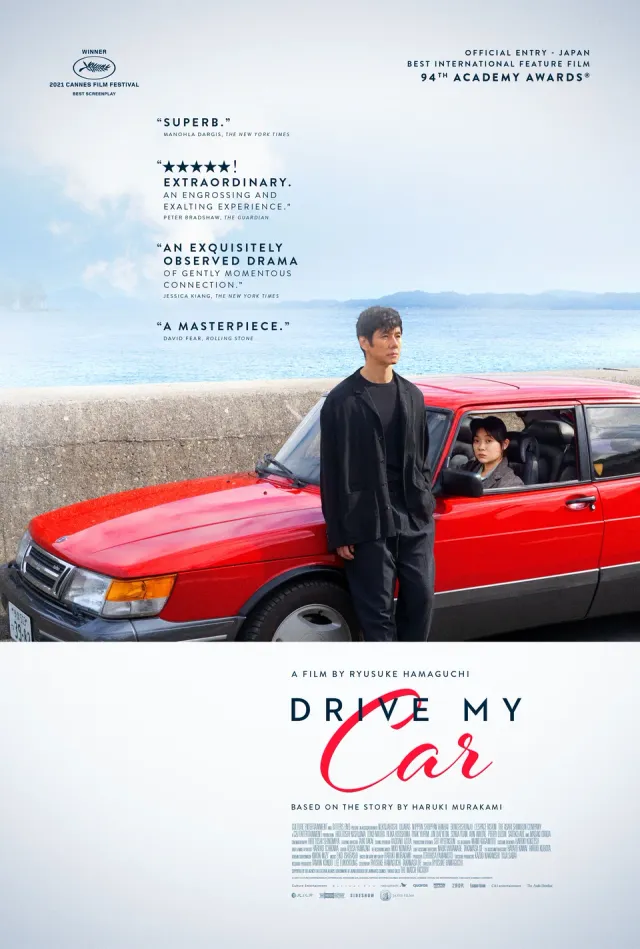
Theater director Yūsuke Kafuku travels to Hiroshima to stage Uncle Vanya and is assigned a quiet driver, Misaki. Rehearsals, long drives and the use of recorded lines gradually create room for both to confront grief and difficult memories. Ryusuke Hamaguchi gives the adaptation a patient, conversational structure, using Chekhov’s play and the red Saab as recurring spaces where private pain can be approached indirectly.
What drives the story
The production process makes rehearsing another person’s words a form of emotional inquiry.
The people at its centre
Yūsuke and Misaki’s quiet partnership grows through attention rather than confession.
What it feels like
The film’s extended scenes and Chekhov references reward patient engagement with ambiguity.
Worth knowing
Its long runtime and sustained grief drama favor viewers drawn to contemplative cinema.
GriefArtTrust
Mood
Reflective · Patient · Intimate
Pacing
Slow · Layered
Visual style
Long takes · Quiet interiors · Red car imagery
Storytelling
Theater production · Long drives · Shared mourning