An unexpected guardianship forces a grieving man to revisit the place and history he has been unable to re-enter.
Why this matches +
These films share important themes, atmosphere or storytelling interests with this selection.
Genres: Drama
Shared film traits
Based on recorded story, mood and style. Your preferences can change the order.
Memory and identity
What changes Its own story: An unexpected guardianship forces a grieving man to revisit the place and history he has been unable to re-enter.
After his brother Joe dies, Lee Chandler returns to the Massachusetts town he left and learns that he has been named guardian of Joe's teenage son, Patrick. The practical arrangements bring him face to face with an earlier catastrophe: a house fire accidentally killed Lee's three children, and he could not remain in the community afterward. Patrick wants to stay with friends and his band, while Lee cannot imagine rebuilding a life there. The two negotiate care without a consoling cure, settling on a future that preserves a relationship Lee can bear.
A day in each woman’s life forms a braided structure; their choices echo one another while belonging to different relationships and historical moments.
Why this matches +
These films share important themes, atmosphere or storytelling interests with this selection.
Genres: Drama / LGBTQ-related
Shared film traits
Based on recorded story, mood and style. Your preferences can change the order.
Memory and identity
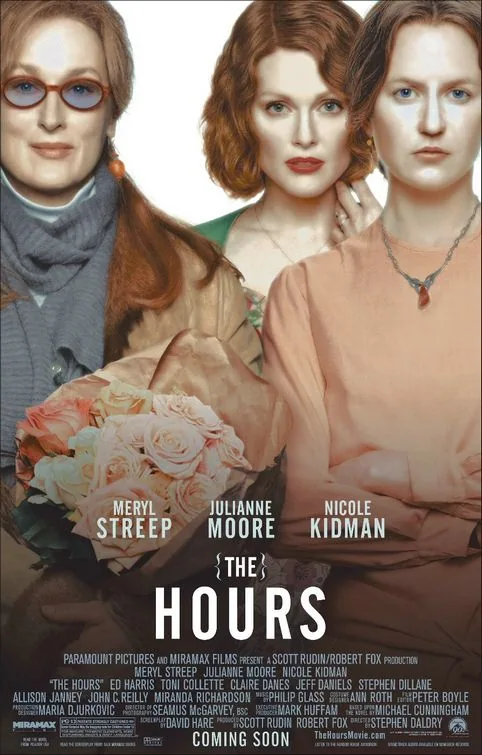
What changes Its own story: A day in each woman’s life forms a braided structure; their choices echo one another while belonging to different relationships and historical moments.
The film follows three women on separate days in different decades: Virginia Woolf in 1920s England, Laura Brown in 1950s Los Angeles and Clarissa Vaughan in contemporary New York. Virginia writes Mrs. Dalloway while struggling with illness and the restrictions of her life; Laura reads the novel as domestic dissatisfaction closes around her; Clarissa cares for Richard, a poet and former lover dying of AIDS. Editing and recurring gestures connect the women without making their experiences identical. The result is a literary drama about care, escape and the futures people imagine for themselves.
Progressive illness makes an intimate promise of care increasingly difficult to sustain.
Why this matches +
These films share important themes, atmosphere or storytelling interests with this selection.
Genres: Drama / Romance
Shared film traits
Based on recorded story, mood and style. Your preferences can change the order.
What changes Its own story: Progressive illness makes an intimate promise of care increasingly difficult to sustain.
An elderly married couple's settled Parisian life changes after the wife suffers a stroke and becomes increasingly dependent on care. Her husband's promise to look after her at home brings routines of intimacy into contact with exhaustion, humiliation and fear. Visits from their daughter expose differences between observing decline from outside and living within its demands each day.
Adam’s romance with Harry and visits with his parents intersect as he tries to understand what intimacy and loss mean to him.
Why this matches +
These films share important themes, atmosphere or storytelling interests with this selection.
Genres: Drama / Romance
Shared film traits
Based on recorded story, mood and style. Your preferences can change the order.
Memory and identity
What changes Its own story: Adam’s romance with Harry and visits with his parents intersect as he tries to understand what intimacy and loss mean to him.
Adam, a screenwriter living alone in a nearly empty London tower block, begins a tentative relationship with his neighbor Harry. He also returns to the suburban home of his childhood, where his long-deceased parents appear as they were when he was young. Through these impossible conversations and his present-day romance, Adam revisits grief, loneliness, sexuality, and the bullying that shaped his sense of self. Andrew Haigh’s film blends romantic drama with a quiet, subjective ghost story.
A seasonal encounter becomes a long relationship constrained by secrecy, economic obligations and unequal hopes for a life together.
Why this matches +
These films share important themes, atmosphere or storytelling interests with this selection.
Genres: Drama / Romance
Shared film traits
Based on recorded story, mood and style. Your preferences can change the order.
What changes Its own story: A seasonal encounter becomes a long relationship constrained by secrecy, economic obligations and unequal hopes for a life together.
Two young men working a seasonal herding job form an attachment that neither can readily accommodate within the lives expected of them. Returning to marriages, work and family obligations does not end the bond, but turns meetings into isolated intervals rather than a shared public future. Years of missed choices expose differences in willingness to risk change and the power of a social world in which ordinary intimacy can carry physical danger.
A time-limited summer visit creates space for a developing attachment whose meaning must be negotiated without an established shared future.
Why this matches +
These films share important themes, atmosphere or storytelling interests with this selection.
Genres: Drama / Romance
Shared film traits
Based on recorded story, mood and style. Your preferences can change the order.
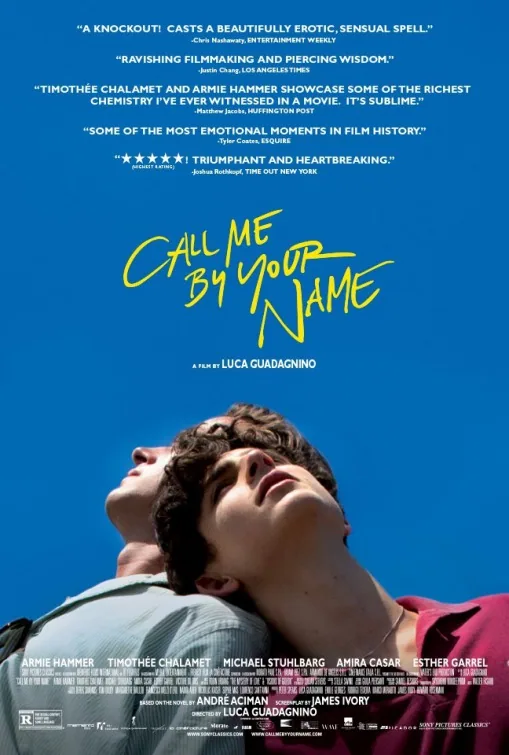
What changes Its own story: A time-limited summer visit creates space for a developing attachment whose meaning must be negotiated without an established shared future.
A teenager spending the summer with his family in northern Italy meets an older graduate student invited to assist his father. Initial irritation, curiosity and self-conscious performance give way to an attachment neither can assume the other is prepared to acknowledge. Music, reading and the routines of a temporary household provide indirect ways to approach desire, while the visitor's limited stay makes emerging intimacy inseparable from anticipated separation.
Bereavement drives Julie to abandon possessions and relationships, but unfinished music and new knowledge make complete withdrawal impossible.
Why this matches +
These films share important themes, atmosphere or storytelling interests with this selection.
Genres: Drama / Art
Shared film traits
Based on recorded story, mood and style. Your preferences can change the order.
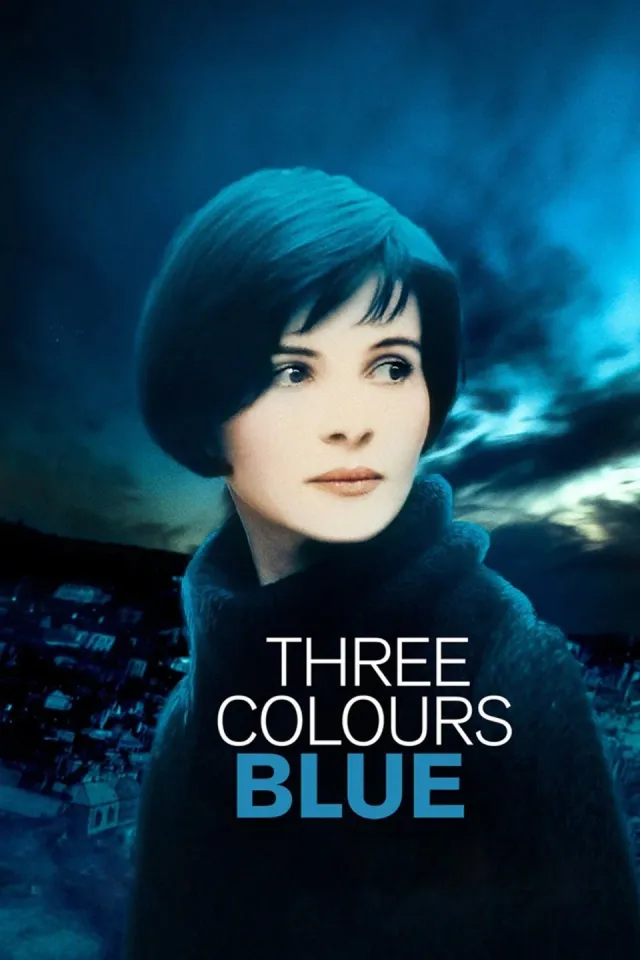
What changes Its own story: Bereavement drives Julie to abandon possessions and relationships, but unfinished music and new knowledge make complete withdrawal impossible.
After a car crash kills her composer husband and young daughter, Julie survives and tries to erase the attachments that bind her to her former life. She leaves the family home, avoids her husband’s unfinished music and seeks anonymity in Paris. Yet the score continues to surface in fragments, and Olivier asks her to help complete the work they had been creating together. Julie also learns that her husband’s private life was not what she believed. Her attempt at freedom becomes less about forgetting than deciding what she can carry forward and with whom she can share it. The film repeatedly interrupts scenes as music catches Julie off guard, making memory arrive without her consent.
A developing romance is shaped by a custody system that can turn private intimacy into evidence and by each woman's changing sense of what she wants for herself. Public scrutiny changes what the relationship can safely leave undocumented.
Why this matches +
These films share important themes, atmosphere or storytelling interests with this selection.
Genres: Drama / Romance
Shared film traits
Based on recorded story, mood and style. Your preferences can change the order.
What changes Its own story: A developing romance is shaped by a custody system that can turn private intimacy into evidence and by each woman's changing sense of what she wants for herself. Public scrutiny changes what the relationship can safely leave undocumented.
Therese, a young department-store clerk and aspiring photographer, meets Carol, a married mother navigating divorce and a custody dispute. Their attraction begins with tentative looks and a shared journey, but power between them is not fixed by age, wealth or experience alone. Custody surveillance makes private affection legible to people who can use it against Carol, while Therese's artistic and personal choices develop beyond the romance. The film treats restraint as an effect of scrutiny and social risk, not a lack of desire.
Repeated encounters between bereaved parents make new attraction possible while remembered love complicates emotional availability.
Why this matches +
These films explore a related idea in a different setting, genre or style.
An adjacent discovery: a related idea with a different viewing experience.
Genres: Romance / Drama
Shared film traits
Based on recorded story, mood and style. Your preferences can change the order.
What changes Cautious romantic renewal between bereaved parents replaces acute suicidal despair, while sensory memory and attachment to absent partners remain closely related.
A widowed race driver and a woman raising her daughter after her husband's death meet through their children's boarding school. Shared trips and conversations develop into attraction, but memories of their earlier marriages shape how each approaches a new relationship. The film moves between present encounters and remembered intimacy, allowing hesitation and emotional association to matter as much as a conventional sequence of romantic milestones.
Shared suspicion creates intimacy that remains constrained by social scrutiny and the characters' own moral boundaries.
Why this matches +
These films explore a related idea in a different setting, genre or style.
An adjacent discovery: a related idea with a different viewing experience.
Genres: Romance / Drama
Shared film traits
Based on recorded story, mood and style. Your preferences can change the order.
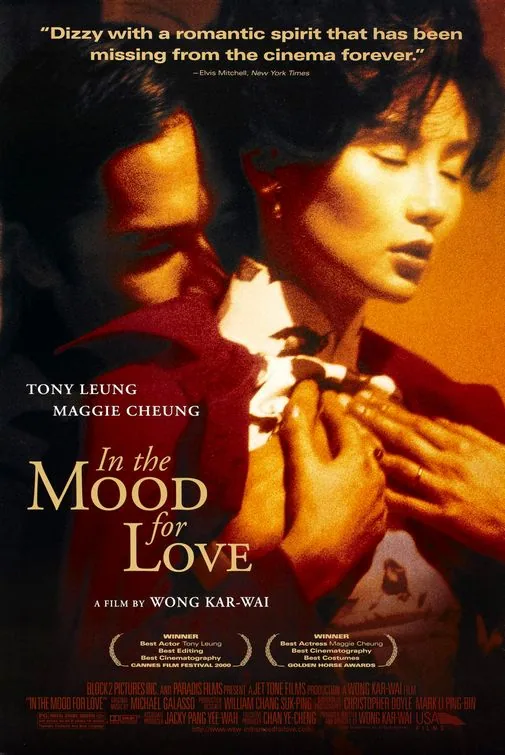
What changes Restrained attraction and ethical hesitation replace acute suicidal grief, while formal visual motifs express intimacy that cannot become an ordinary shared life.
Neighbours in a crowded Hong Kong apartment building discover that their spouses may be having an affair with each other. Seeking to understand that betrayal, they begin rehearsing conversations and spending time together while insisting their own relationship will be different. Repetition, proximity and fear of gossip make a growing attachment both intensely felt and difficult to acknowledge.
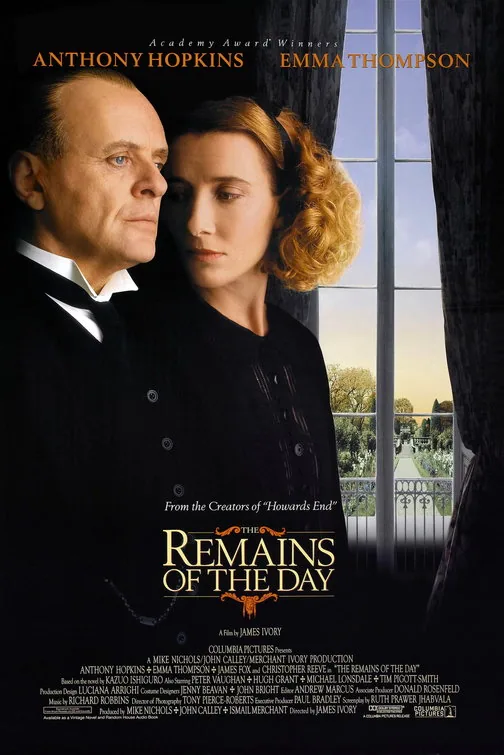
A present-day visit to a former colleague opens memories of the household and of the choices Stevens made in the name of service.
Why this matches +
These films explore a related idea in a different setting, genre or style.
An adjacent discovery: a related idea with a different viewing experience.
Genres: Drama
Shared film traits
Based on recorded story, mood and style. Your preferences can change the order.
What changes A retrospective account of professional repression replaces the concentrated suicidal day, while ordinary gestures expose the cost of denied intimacy.
In postwar Britain, butler James Stevens drives across the West Country to visit Miss Kenton, the former housekeeper at Darlington Hall. Their journey is intercut with memories of the years they served Lord Darlington, a gentleman whose prewar political associations later stain his reputation. Stevens prides himself on emotional restraint and professional dignity, while Kenton challenges his loyalty to the household and invites him to acknowledge their personal attachment. He repeatedly subordinates private feeling to service, even as the political choices made at the estate reveal how professionalism can become complicity. The return trip gives Stevens time to reconsider what he has preserved and what he has lost. James Ivory's adaptation builds its drama from manners, omissions and the distance between public conduct and private regret.
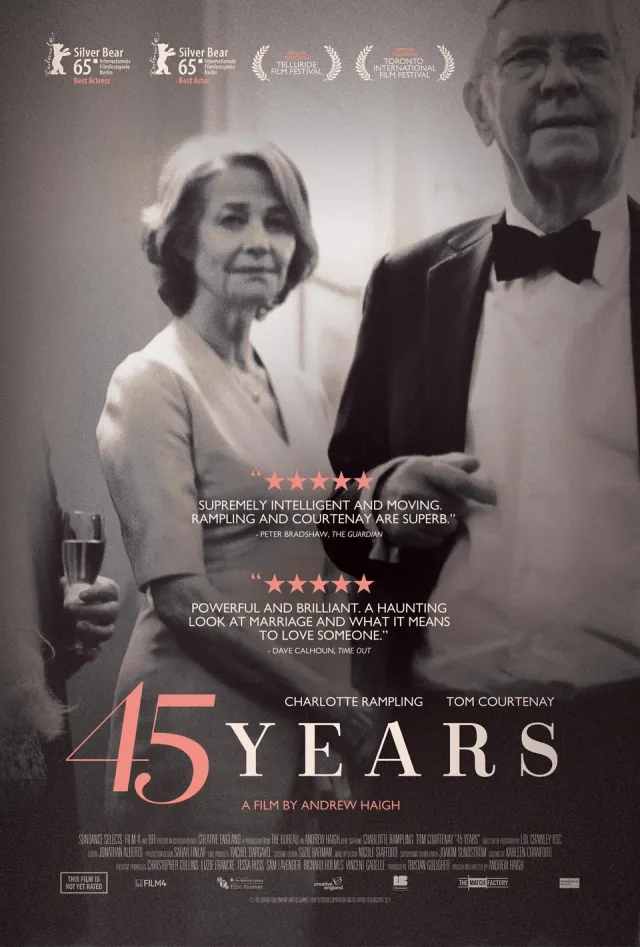
A letter about her husband's long-lost first love unsettles a wife as their anniversary approaches.
Why this matches +
These films explore a related idea in a different setting, genre or style.
An adjacent discovery: a related idea with a different viewing experience.
Genres: Drama / Romance
Shared film traits
Based on recorded story, mood and style. Your preferences can change the order.
Memory and identity
What changes An anniversary unsettled by an absent past replaces immediate bereavement and suicidal distress, while quiet domestic perception destabilizes a settled identity.
As Kate and Geoff prepare for their forty-fifth wedding anniversary, a letter arrives with news about the body of Geoff's first love, preserved in a Swiss glacier since her disappearance decades earlier. The discovery unsettles the couple's shared history and changes the emotional atmosphere of their preparations. Andrew Haigh's restrained drama follows how a long marriage responds when an old story returns with new force.
The misdelivered meal gives Ila and Saajan a private channel through which ordinary routines turn into personal conversation.
Why this matches +
These films explore a related idea in a different setting, genre or style.
An adjacent discovery: a related idea with a different viewing experience.
Genres: Drama / Romance
Shared film traits
Based on recorded story, mood and style. Your preferences can change the order.
What changes Its own story: The misdelivered meal gives Ila and Saajan a private channel through which ordinary routines turn into personal conversation.
A meal prepared by Ila for her inattentive husband is mistakenly delivered to Saajan, a lonely widower nearing retirement in Mumbai. When the error goes unnoticed, Ila and Saajan begin exchanging notes through the lunchbox, sharing disappointments and hopes that they rarely express to people around them. Ritesh Batra’s Hindi-language drama follows this correspondence alongside the rhythms of the city’s delivery system, finding intimacy in food, routine, and small acts of attention. Its emotional movement is quiet and open-ended rather than driven by a conventional romantic resolution.
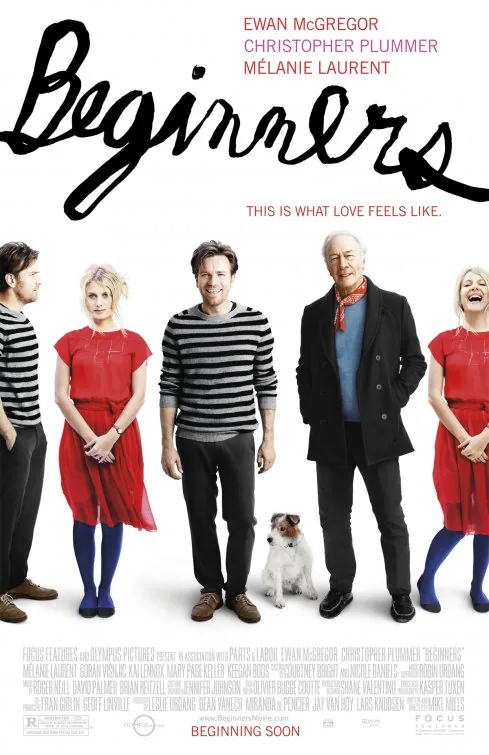
A man's new relationship unfolds alongside memories of his father beginning a more honest life in old age.
Why this matches +
These films explore a related idea in a different setting, genre or style.
An adjacent discovery: a related idea with a different viewing experience.
Genres: Drama / Romance
Shared film traits
Based on recorded story, mood and style. Your preferences can change the order.
Memory and identity
What changes A more hopeful romantic opening and family remembrance replace the acute crisis, while bereavement and an older man's concealed personal history shape new connection.
After his father's death, Oliver remembers the older man's late-life coming out and the years of illness that followed, while beginning a hesitant relationship with actress Anna. Memories of his mother, his childhood and the family he thought he understood surface alongside the new romance. Mike Mills' drama shifts between periods with a light, personal touch, examining grief, honesty and the possibilities of starting over.
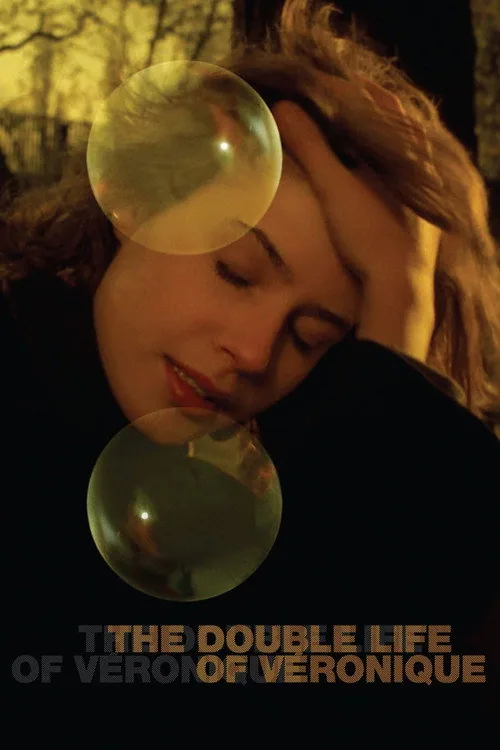
A death in Poland leaves Véronique with a sense that part of her life has ended without knowing why.
Why this matches +
These films explore a related idea in a different setting, genre or style.
An adjacent discovery: a related idea with a different viewing experience.
Genres: Drama / Fantasy
Shared film traits
Based on recorded story, mood and style. Your preferences can change the order.
Memory and identity
What changes Its own story: A death in Poland leaves Véronique with a sense that part of her life has ended without knowing why.
Weronika, a Polish singer with a fragile heart, feels an unexplained connection to another young woman living in France. After Weronika dies during a performance, Véronique experiences a grief she cannot explain and gradually becomes aware of a mysterious link between them. Her relationship with a puppeteer deepens the film's questions about intuition, art, and an unseen double. Krzysztof Kieślowski's drama moves between Poland and France through recurring colors, music, and gestures rather than a fully explained supernatural plot.
A temporary stay abroad creates an emotional interval in which two dissatisfied people can recognise feelings their ordinary routines conceal.
Why this matches +
These films explore a related idea in a different setting, genre or style.
An adjacent discovery: a related idea with a different viewing experience.
Genres: Drama / Romance
Shared film traits
Based on recorded story, mood and style. Your preferences can change the order.
What changes Temporary companionship and quieter dissatisfaction replace suicidal grief, while sensory attention and hesitant intimacy become alternatives to isolation.
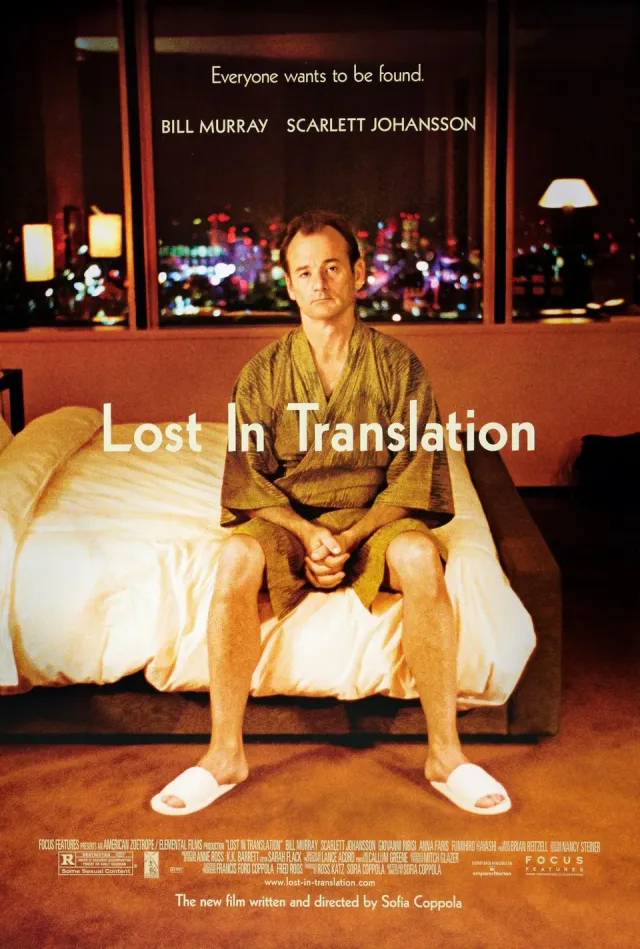
An American actor working on an advertisement in Tokyo meets a young woman accompanying a husband whose work leaves her largely alone. Dislocation, insomnia and uncertainty about their marriages create a companionship neither expected to find. Their shared movement through the city offers temporary relief from the roles awaiting them elsewhere, while the knowledge that the encounter is brief keeps affection poised between possibility and restraint.
The hidden portrait turns looking into both a professional task and an intimate negotiation over who controls the image.
Why this matches +
These films explore a related idea in a different setting, genre or style.
An adjacent discovery: a related idea with a different viewing experience.
Genres: Drama / Romance
Shared film traits
Based on recorded story, mood and style. Your preferences can change the order.
What changes Remembered, constrained romance replaces acute suicidal bereavement, while painterly observation and the enduring presence of a lost attachment remain central.
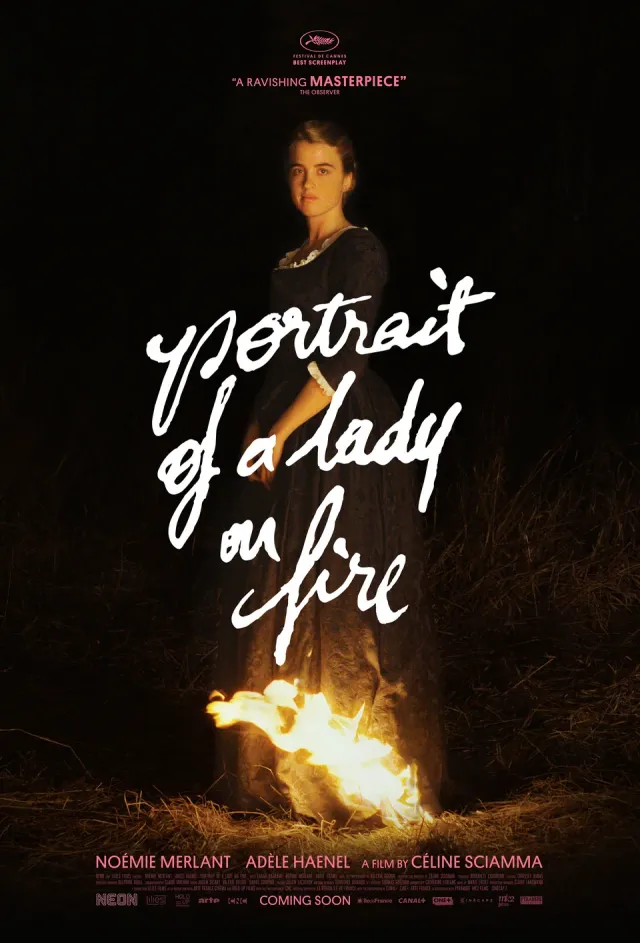
In late-eighteenth-century Brittany, painter Marianne is hired to make a portrait of Héloïse, a young woman whose arranged marriage depends on a painting she refuses to sit for. Marianne first observes her under the pretense of companionship, then paints from memory. When Héloïse agrees to pose, the two women develop an intimacy shaped by the short time before the marriage. Their relationship also includes the household’s young servant Sophie, whose pregnancy leads to a clandestine abortion. The portrait is completed, and Marianne and Héloïse separate, with a final later encounter preserving the force of their shared memory.
A series of career and relationship choices tests Julie’s belief that she can keep changing without paying a cost in intimacy or time.
Why this matches +
These films explore a related idea in a different setting, genre or style.
An adjacent discovery: a related idea with a different viewing experience.
Genres: Drama / Romance
Shared film traits
Based on recorded story, mood and style. Your preferences can change the order.
What changes A younger adult's changing ambitions and relationships replace a concentrated bereavement crisis, while subjective perception and mortality unsettle ordinary life.
Over four years in Oslo, Julie changes direction from medical studies to psychology and then photography, while trying to understand what kind of work and relationship she wants. She begins a life with the older comic-book artist Aksel, whose readiness for commitment does not settle her uncertainty. At a party, she meets Eivind, who is also involved with someone else, and their impulsive attraction opens a different possibility. The film moves through chapter-like episodes, fantasies and time shifts as Julie confronts how choices affect other people and how time limits the promise of reinvention. One chapter interrupts ordinary time as Julie moves toward a man already committed elsewhere, making choice itself visible.
The layered strands transform a search for a cure into a broader question about whether love can coexist with mortality.
Why this matches +
These films explore a related idea in a different setting, genre or style.
An adjacent discovery: a related idea with a different viewing experience.
Genres: Drama / Romance
Shared film traits
Based on recorded story, mood and style. Your preferences can change the order.
Memory and identity
What changes Its own story: The layered strands transform a search for a cure into a broader question about whether love can coexist with mortality.
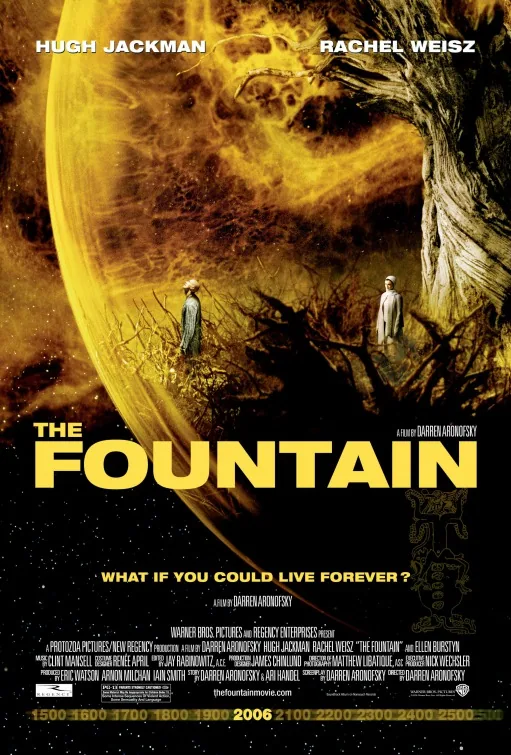
A scientist searches for a way to save his dying wife, while a writer creates a story about a conquistador seeking a tree of life and a later figure journeys through space. The film intertwines these strands without settling every connection between them. Darren Aronofsky’s drama uses recurring images and a compressed structure to explore love, mortality, grief and the desire to defeat loss.
In 1960s Los Angeles, a British professor is grieving the sudden death of his partner and tries to move through one day while deciding whether he can continue living alone. Encounters with a friend, a student and strangers alter the emotional texture of that day without undoing his loss. The film turns clothing, color and routine into close expressions of grief, loneliness and the fragile possibility of renewed attention.
What drives the story
The day’s ordinary encounters shift the professor’s attention without neatly resolving the loss he carries.
The people at its centre
George’s controlled public manner protects a private grief that becomes visible through brief exchanges.
What it feels like
Precise color and styling make perception itself part of the film’s emotional movement.
Worth knowing
An interior portrait of bereavement differs from a romance whose central question is whether a couple reunites.