Both share themes of grief and memory, plus a melancholic and reflective atmosphere.
Why this matches +
Genres: Drama
Shared film traits
Based on recorded story, mood and style. Your preferences can change the order.
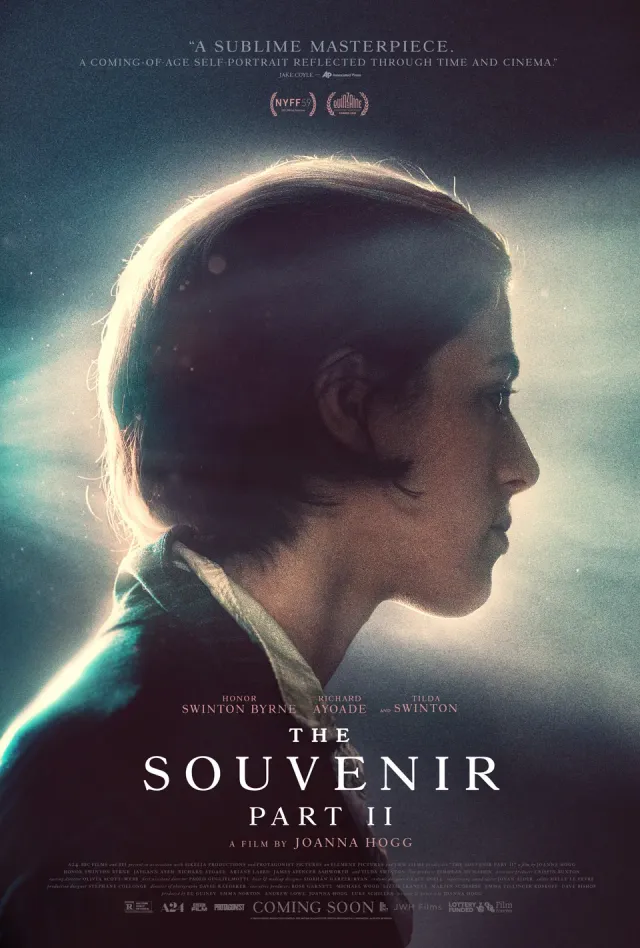
What changes Three Colours: Blue: measured and fragmentary. The Souvenir Part II: julie revisits anthony’s life, develops a film drawn from their relationship and and discovers that translating memory into a scene requires choices..
After the death of her boyfriend Anthony, film student Julie returns to school and begins shaping a final project from their relationship. She tries to reconcile what she experienced with what others remember, while directing actors and managing her own doubts about how to tell the story. The film treats filmmaking as both a creative task and an imperfect way of revisiting grief.
Based on recorded story, mood and style. Your preferences can change the order.
From the same film series.
Expect reflective and warm, with measured and interwoven pacing.
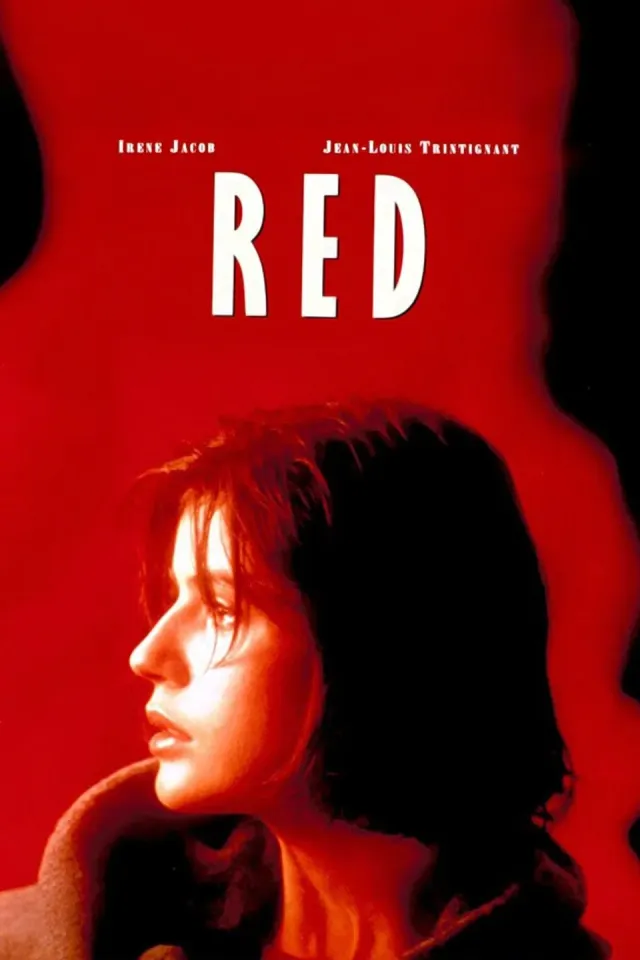
In Geneva, model Valentine accidentally hits a dog and follows its address to the home of retired judge Joseph Kern. She discovers that he has been listening to his neighbors’ telephone calls, and their conversations gradually become a debate about privacy, responsibility and whether observation can substitute for involvement. Valentine’s own relationship with a distant boyfriend and the life of her neighbor Auguste develop in parallel, creating coincidences that the film leaves partly open to interpretation. The third film in Kieślowski’s trilogy connects chance encounters to a question of how people choose to treat one another. Kern’s listening has damaged his neighbors’ privacy, but telling Valentine what he did does not undo the breach.
Based on recorded story, mood and style. Your preferences can change the order.
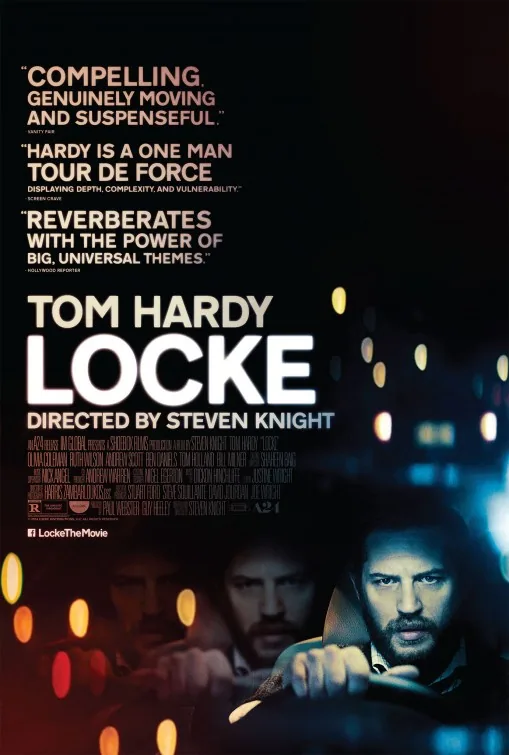
What changes Three Colours: Blue: measured and fragmentary. Locke: a real-time drive unfolds through phone conversations and consequences.
On the eve of a major concrete pour, construction manager Ivan Locke leaves work and drives toward a hospital after learning that a colleague from a past affair is in labor. He manages the consequences through a chain of phone calls while his marriage, career, and professional duties begin to unravel. The contained drama uses one car journey to examine responsibility, keeping its protagonist physically alone while his choices connect him to many others.
Based on recorded story, mood and style. Your preferences can change the order.
Music and performance
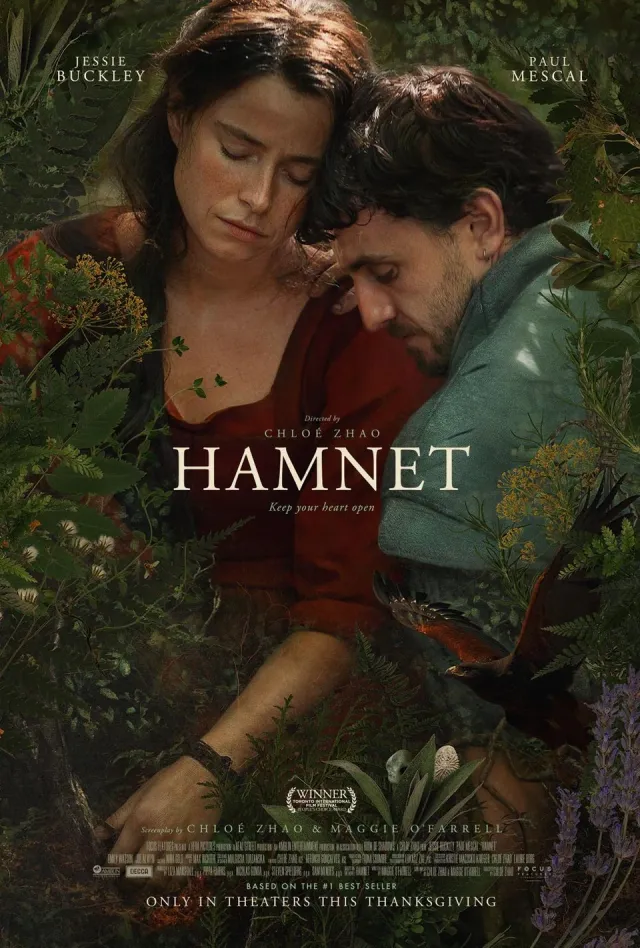
What changes Three Colours: Blue: measured and fragmentary. Hamnet: measured.
Chloé Zhao’s adaptation imagines the marriage of Agnes and William Shakespeare around the death of their young son Hamnet and the grief that follows. Agnes’s perspective keeps domestic care, intuitive knowledge and loss in the foreground, while the later theatre sequence proposes a powerful artistic response to bereavement. The connection between this private tragedy and Hamlet is the film’s imaginative premise, not a documented explanation of Shakespeare’s writing. Its intimate attention to family life builds toward an emotionally expansive performance, asking how art can give grief form without claiming to recover the historical couple’s private thoughts.
Both share themes of memory, plus a reflective atmosphere.
Why this matches +
Genres: Drama
Shared film traits
Based on recorded story, mood and style. Your preferences can change the order.
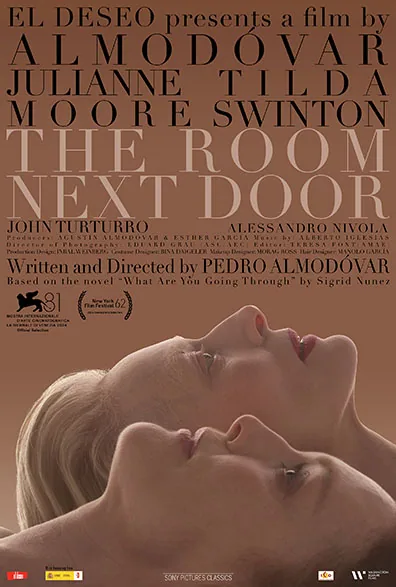
What changes Three Colours: Blue: measured and fragmentary. The Room Next Door: deliberate, conversation-led and quietly intense.
Ingrid, a successful writer, reconnects with Martha, a former colleague now living with terminal cancer. Martha asks Ingrid to stay close as she prepares to end her life on her own terms, and the two women retreat to a country house where companionship and difficult conversations replace the routines of the hospital. Their friendship, memories and conflicting responses to death create an intimate drama about autonomy, care and the limits of what one person can decide for another.
Both centre on grief and adjustment and values reassessment.
Why this matches +
Genres: Drama / Period drama
Shared film traits
Based on recorded story, mood and style. Your preferences can change the order.
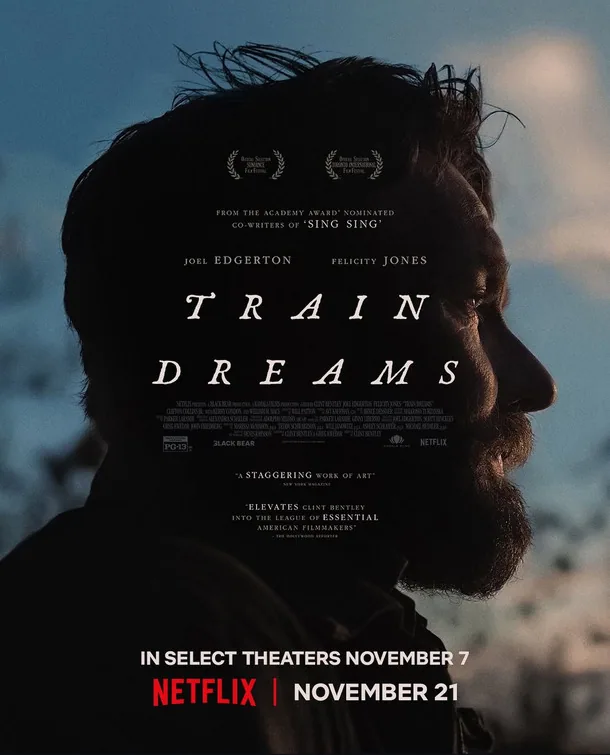
What changes Three Colours: Blue: measured and fragmentary. Train Dreams: episodic and decades-long accumulation.
In the early twentieth-century American West, Robert Grainier works as a logger and railroad laborer, moving between remote jobs and the home he is building with Gladys. Industrial expansion brings wages and connection while isolating workers from families and exposing them to dangerous conditions and racialized violence. The film includes the murder of a Chinese laborer by fellow loggers, an episode that complicates Robert’s quiet, observant presence and appears later here than in Denis Johnson’s novella. Over decades, work, love and loss register against a landscape changing faster than Robert can control. Clint Bentley’s adaptation follows an ordinary life rather than a conventional rise-to-greatness plot.
Both share themes of grief, plus a reflective atmosphere.
Why this matches +
Genres: Drama
Shared film traits
Based on recorded story, mood and style. Your preferences can change the order.
What changes Three Colours: Blue: measured and fragmentary. His Three Daughters: contained, dialogue-heavy and gradually softening.
Katie, Christina and Rachel gather in their father's New York apartment as he approaches the end of his life. They have lived with different degrees of distance from him and from one another, and the practical work of caring for him brings old resentments into the open. As the sisters wait and negotiate decisions, their compressed time together reveals competing versions of family history, responsibility and love without reducing their differences to a simple reconciliation.
Based on recorded story, mood and style. Your preferences can change the order.
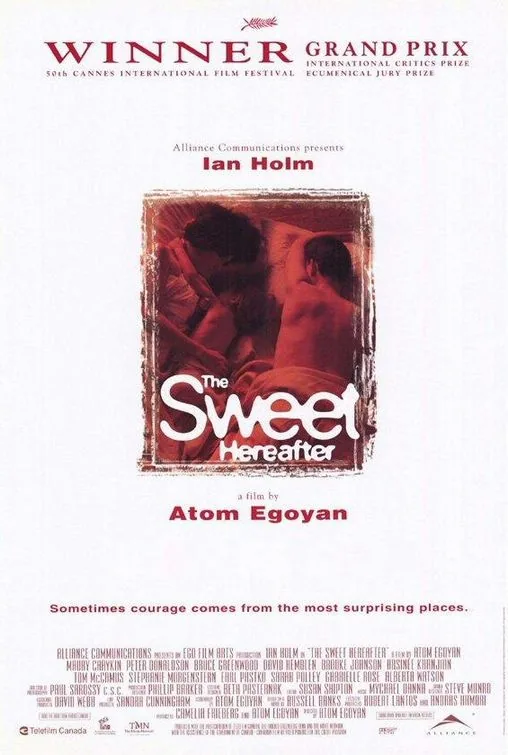
What changes Three Colours: Blue: measured and fragmentary. The Sweet Hereafter: interwoven memories and present-day interviews reveal how the crash reshapes the town and the case.
A school bus crash kills fourteen children in the small British Columbia town of Sam Dent. Lawyer Mitchell Stephens arrives to organize a lawsuit, carrying private grief over his estranged daughter’s addiction. The case depends on testimony from survivors and the bus driver, and Stephens tries to shape what the witnesses will say about the crash. Nicole Burnell, a teenager who survived with a serious injury, makes a choice at her deposition that stops the suit. Her decision leaves the community to live with grief outside the promise of legal compensation.
Based on recorded story, mood and style. Your preferences can change the order.
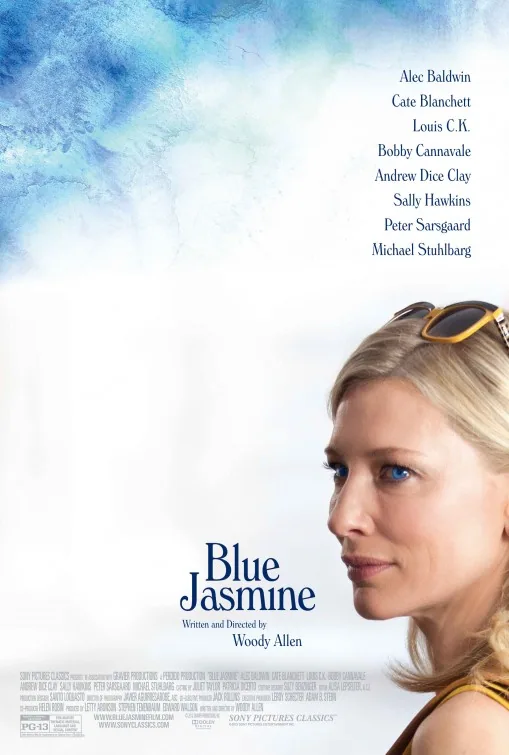
What changes Three Colours: Blue: measured and fragmentary. Blue Jasmine: measured.
After her husband Hal's fraud and death destroy their privileged life, Jasmine arrives at her sister Ginger's modest San Francisco apartment still performing the status she has lost. Memories interrupt her attempts to secure work and a new partner, exposing the lies and harm surrounding the marriage she remembers selectively. Ginger's practical support is indispensable, but Jasmine's contempt for her sister's choices makes dependence humiliating. The fractured chronology keeps the past present without turning distress into a diagnosis or a moral sentence.
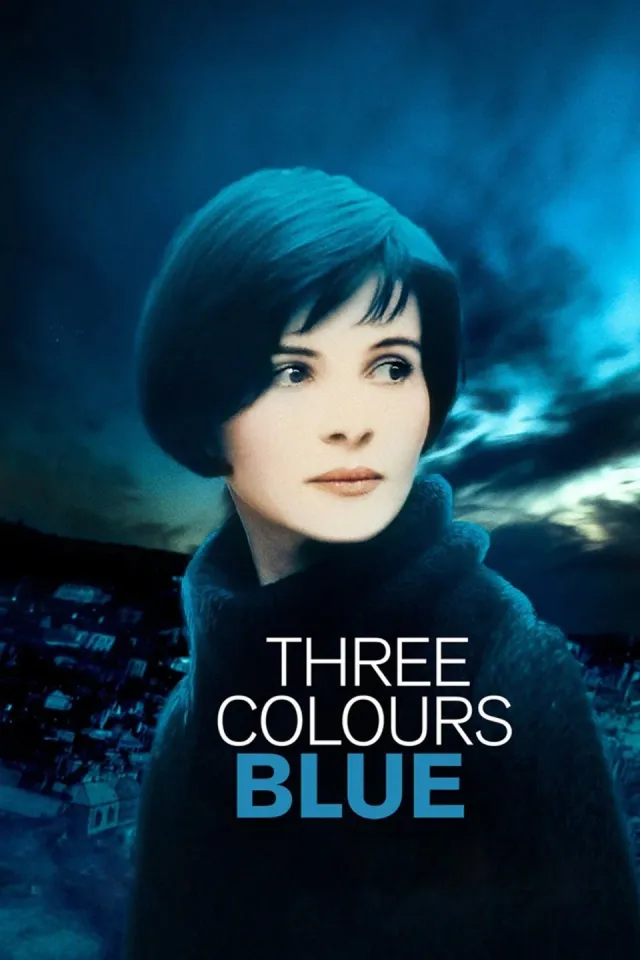
After a car crash kills her composer husband and young daughter, Julie survives and tries to erase the attachments that bind her to her former life. She leaves the family home, avoids her husband’s unfinished music and seeks anonymity in Paris. Yet the score continues to surface in fragments, and Olivier asks her to help complete the work they had been creating together. Julie also learns that her husband’s private life was not what she believed. Her attempt at freedom becomes less about forgetting than deciding what she can carry forward and with whom she can share it. The film repeatedly interrupts scenes as music catches Julie off guard, making memory arrive without her consent.
What drives the story
Bereavement drives Julie to abandon possessions and relationships, but unfinished music and new knowledge make complete withdrawal impossible.
The people at its centre
Julie’s need for privacy protects her from being defined by grief, while Olivier’s devotion and the pregnant mistress challenge her view of the marriage she lost.
What it feels like
Blue light, abrupt sound interruptions and repeated musical phrases give the film an inward rhythm, making memory felt through form rather than explanatory dialogue.
Worth knowing
For viewers receptive to a quiet art drama about grief, music and the limits of isolation. It is not a conventional recovery story or a mystery solved by the husband’s secret.
grieffreedommemory
Mood
interior · melancholic · reflective
Pacing
measured · fragmentary
Visual style
blue palette · musical motifs · abrupt sound cuts
Storytelling
withdrawal · unfinished composition · family secret