Both share terminal illness, plus an intimate and reflective atmosphere.
Why this matches +
Genres: Drama
Shared film traits
Based on recorded story, mood and style. Your preferences can change the order.
Family and care · Memory and identity
What changes His Three Daughters: contained, dialogue-heavy and gradually softening. The Room Next Door: deliberate, conversation-led and quietly intense.
Ingrid, a successful writer, reconnects with Martha, a former colleague now living with terminal cancer. Martha asks Ingrid to stay close as she prepares to end her life on her own terms, and the two women retreat to a country house where companionship and difficult conversations replace the routines of the hospital. Their friendship, memories and conflicting responses to death create an intimate drama about autonomy, care and the limits of what one person can decide for another.
Both share themes of responsibility, plus an intimate atmosphere.
Why this matches +
Genres: Drama
Shared film traits
Based on recorded story, mood and style. Your preferences can change the order.
Family and care · Memory and identity
What changes His Three Daughters: contained, dialogue-heavy and gradually softening. The Son: dialogue-led, tense, domestic and emotionally escalating.
Peter is building a new family with his second wife when his former partner asks him to take in their teenage son Nicholas, who has stopped attending school and is struggling with depression. Peter wants to offer the care he believes he lacked from his own father, but his attempts to help are complicated by old resentments and by the limits of his understanding. Florian Zeller’s family drama follows the strain of trying to support a young person in crisis while maintaining the appearance of ordinary domestic life.
Based on recorded story, mood and style. Your preferences can change the order.
What changes His Three Daughters: contained, dialogue-heavy and gradually softening. Leave No Trace: patient observation and understated emotional turns.
Will and his teenage daughter Tom have built a quiet life in the forests of Portland, Oregon, living off the grid and relying on practiced routines. When a small mistake brings social services into their lives, the two are moved into a new environment and eventually set out toward the wilderness again. Debra Granik’s restrained drama observes the bond between a protective father and an increasingly independent daughter, asking how care, safety, and belonging can mean different things to each of them without casting their conflict as a simple contest of right and wrong.
Both share an intimate and compassionate atmosphere.
Why this matches +
Genres: Drama
Shared film traits
Based on recorded story, mood and style. Your preferences can change the order.
Memory and identity
What changes His Three Daughters: contained, dialogue-heavy and gradually softening. Secrets & Lies: reunion unsettles everyday family routines, private conversations expose old wounds and gathering brings several relationships into view.
After the death of her adoptive mother, London optometrist Hortense Cumberbatch searches for her birth family and meets Cynthia Purley, a working-class woman who gave her up as a baby. Cynthia must absorb the unexpected reunion while managing a strained relationship with her daughter Roxanne and the needs of her brother Maurice. As family members prepare for a celebration, long-held stories surface in intimate conversations that test their assumptions about race, class, motherhood, and belonging.
Based on recorded story, mood and style. Your preferences can change the order.
Family and care · Mental health
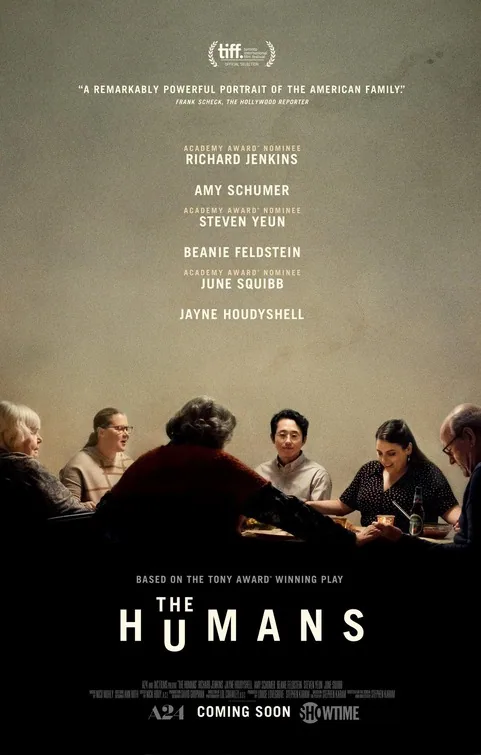
What changes His Three Daughters: contained, dialogue-heavy and gradually softening. The Humans: the family assembles for a holiday meal, everyday complaints expose long-running tensions and and private worries surface as the apartment grows unsettling..
On Thanksgiving, the Blake family gathers in the run-down Chinatown apartment where younger daughter Brigid lives with her partner Richard. Parents Erik and Deirdre, sister Aimee and grandmother Momo arrive carrying financial, health and relationship strains. As dinner unfolds, family jokes and old grievances coexist with unsettling sounds and darkness in the building around them.
Based on recorded story, mood and style. Your preferences can change the order.
Family and care · Memory and identity
What changes His Three Daughters: contained, dialogue-heavy and gradually softening. The Story of Us: alternating memories and present-day encounters track the distance between shared love and entrenched habits.
After fifteen years of marriage, Ben and Katie Jordan find that their shared family life hides growing resentment and silence. Once their children leave for summer camp, the couple begins a trial separation and tries to remember why they fell in love. Flashbacks to their courtship and to years of arguments sit beside awkward phone calls, counseling and small attempts to reconnect. Time apart offers both spouses a chance to see the marriage from the other’s point of view, but affection alone does not erase their habits or the questions they must answer.
Based on recorded story, mood and style. Your preferences can change the order.
Family and care
What changes His Three Daughters: contained, dialogue-heavy and gradually softening. Never Rarely Sometimes Always: quiet observational scenes, day-by-day appointment structure, deliberate pauses and low-key emotional turning points.
Seventeen-year-old Autumn discovers she is pregnant and learns that her rural Pennsylvania clinic will not provide the care she wants without parental consent. She travels to New York City with her cousin Skylar, where the two navigate appointments, transport, money, and the strain of keeping their trip private. Eliza Hittman’s restrained drama follows their practical decisions and quiet moments of support, giving close attention to the obstacles Autumn faces and the trust that sustains the cousins through an unfamiliar city.
Both share themes of grief, plus a reflective atmosphere.
Why this matches +
Genres: Drama
Shared film traits
Based on recorded story, mood and style. Your preferences can change the order.
Memory and identity
What changes His Three Daughters: contained, dialogue-heavy and gradually softening. The Souvenir Part II: julie revisits anthony’s life, develops a film drawn from their relationship and and discovers that translating memory into a scene requires choices..
After the death of her boyfriend Anthony, film student Julie returns to school and begins shaping a final project from their relationship. She tries to reconcile what she experienced with what others remember, while directing actors and managing her own doubts about how to tell the story. The film treats filmmaking as both a creative task and an imperfect way of revisiting grief.
Based on recorded story, mood and style. Your preferences can change the order.
Memory and identity
What changes His Three Daughters: contained, dialogue-heavy and gradually softening. Queen at Sea: measured.
Amanda and her stepfather Martin disagree over how to care for Leslie, whose dementia makes questions of consent and independence increasingly difficult. Each believes they are acting in her interests, but their decisions expose divisions within the family. This drama follows the uncertain boundary between protecting someone and taking control of their life, with no easy agreement about who should decide.
Katie, Christina and Rachel gather in their father's New York apartment as he approaches the end of his life. They have lived with different degrees of distance from him and from one another, and the practical work of caring for him brings old resentments into the open. As the sisters wait and negotiate decisions, their compressed time together reveals competing versions of family history, responsibility and love without reducing their differences to a simple reconciliation.
What drives the story
Three adult sisters share their father's apartment while caring for him near the end of his life.
The people at its centre
Katie's authority, Christina's distance and Rachel's dependence shape a fragile balance among the siblings.
What it feels like
The confined setting makes everyday care and family conversation carry the weight of unresolved history.
Worth knowing
Its emotional movement comes through listening and compromise rather than a major external event.
sisterhoodcaregivinggrief
Mood
intimate · tense · compassionate · reflective
Pacing
contained · dialogue-heavy · gradually softening
Visual style
close interior framing · subdued apartment textures · expressive performances