Explore films connected to Never Rarely Sometimes Always through bodily autonomy, cousinhood, resource inequality. Choose the qualities you want to carry into your next watch.
What should feel similar?
Find your next favourite
9 films · Closest overall matches
Hide films you’ve seen or don’t want. Saved on this device.
No matches for this combination yet.
Try another option or reset your choices to see more films.
Based on recorded story, mood and style. Your preferences can change the order.
Coming of age
What changes Never Rarely Sometimes Always: quiet observational scenes, day-by-day appointment structure, deliberate pauses and low-key emotional turning points. Fish Tank: patient observation and gradual emotional disturbance.
Fifteen-year-old Mia lives with her mother and younger sister in an Essex housing estate, feeling restless and isolated from the people around her. Dance is one of the few things that gives her a sense of direction. When her mother’s new boyfriend enters the household, Mia becomes drawn into a complicated relationship that changes her understanding of trust and adulthood. Andrea Arnold’s British drama follows her through a compressed period of family tension and self-discovery, using close observation and a young protagonist’s perspective to depict a life with few easy choices.
Based on recorded story, mood and style. Your preferences can change the order.
Survival
What changes Never Rarely Sometimes Always: quiet observational scenes, day-by-day appointment structure, deliberate pauses and low-key emotional turning points. Echo Valley: quiet farm routine is interrupted, investigation reveals a dangerous secret and mother faces escalating moral choices.
Kate lives a secluded life caring for horses at her Pennsylvania farm while grieving a personal loss. Her troubled daughter Claire arrives unexpectedly, hysterical and covered in someone else's blood, and Kate's instinct to protect her quickly collides with the need to understand what happened. As a dangerous secret emerges, mother and daughter become caught in choices that test their trust and expose the limits of unconditional loyalty. The psychological thriller turns a quiet rural home into the center of a tense story about sacrifice, family, and how far a parent will go to save a child.
Based on recorded story, mood and style. Your preferences can change the order.
Family and care
What changes Never Rarely Sometimes Always: quiet observational scenes, day-by-day appointment structure, deliberate pauses and low-key emotional turning points. His Three Daughters: contained, dialogue-heavy and gradually softening.
Katie, Christina and Rachel gather in their father's New York apartment as he approaches the end of his life. They have lived with different degrees of distance from him and from one another, and the practical work of caring for him brings old resentments into the open. As the sisters wait and negotiate decisions, their compressed time together reveals competing versions of family history, responsibility and love without reducing their differences to a simple reconciliation.
Both share themes of privacy, plus a compassionate atmosphere.
Why this matches +
Genres: Drama
Shared film traits
Based on recorded story, mood and style. Your preferences can change the order.
Survival
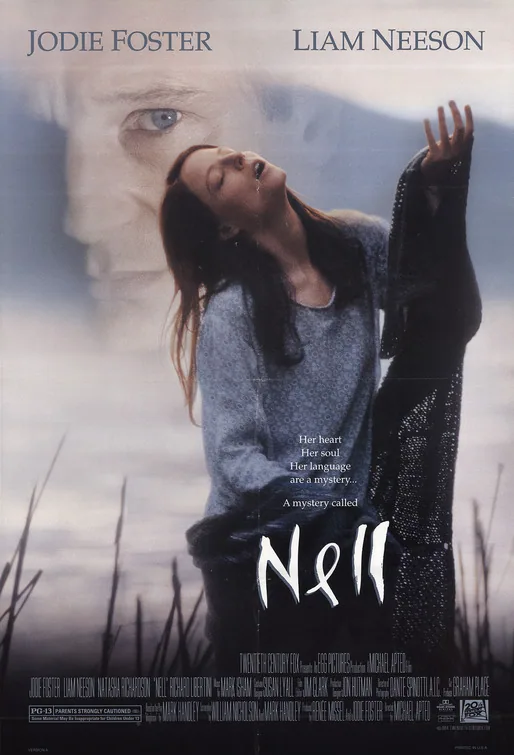
What changes Never Rarely Sometimes Always: quiet observational scenes, day-by-day appointment structure, deliberate pauses and low-key emotional turning points. Nell: a time-limited assessment brings medical and legal and personal approaches into conflict.
After Violet Kellty dies in a secluded mountain cabin, physician Jerry Lovell finds her adult daughter Nell living in isolation and speaking a language that no one around her understands. Jerry brings in researcher Paula Olsen to help assess Nell, and their professional interest raises a question about whether she should be observed in a clinic or allowed to remain in the place she knows. The sheriff and others become involved as the limited time of a court order approaches. Jerry and Paula must separate scientific curiosity from Nell’s welfare while learning how she communicates and what kind of life she wants.
Based on recorded story, mood and style. Your preferences can change the order.
What changes Never Rarely Sometimes Always: quiet observational scenes, day-by-day appointment structure, deliberate pauses and low-key emotional turning points. The Divine Secrets of the Ya-Ya Sisterhood: alternating timelines and character-led.
A playwright's public comments about her childhood deepen a long-running rift with her mother and threaten to disrupt her upcoming wedding. The mother's lifelong friends intervene, bringing the daughter into a shared history that spans girlhood, marriage and painful family choices. The drama uses memories and an ensemble of older women to ask how adult children can understand parents without excusing the harm they experienced.
Based on recorded story, mood and style. Your preferences can change the order.
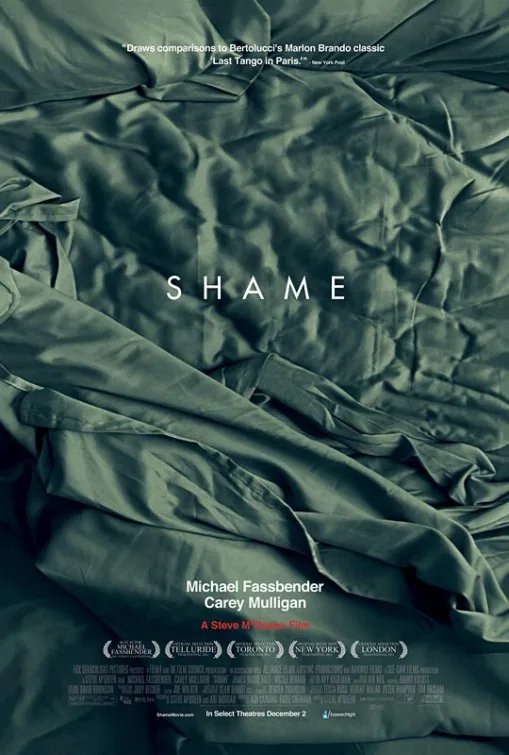
What changes Never Rarely Sometimes Always: quiet observational scenes, day-by-day appointment structure, deliberate pauses and low-key emotional turning points. Shame: repetitive, slow-burn and open-ended.
Brandon is a well-paid New Yorker whose pornography use, sex and pursuit of anonymous encounters have become a rigid daily routine. His sister Sissy arrives unexpectedly and asks to stay, bringing emotional need into an apartment and life Brandon has arranged to avoid intimacy. He tries a date with a co-worker, but cannot maintain the closeness and retreats into anonymous sex; meanwhile, his anger toward Sissy escalates as her vulnerability makes their shared past difficult to ignore. When she harms herself, Brandon’s carefully controlled distance gives way to panic, though the ending leaves his next choice unresolved.
Based on recorded story, mood and style. Your preferences can change the order.
Coming of age · Escape and pursuit
What changes Never Rarely Sometimes Always: quiet observational scenes, day-by-day appointment structure, deliberate pauses and low-key emotional turning points. Leave No Trace: patient observation and understated emotional turns.
Will and his teenage daughter Tom have built a quiet life in the forests of Portland, Oregon, living off the grid and relying on practiced routines. When a small mistake brings social services into their lives, the two are moved into a new environment and eventually set out toward the wilderness again. Debra Granik’s restrained drama observes the bond between a protective father and an increasingly independent daughter, asking how care, safety, and belonging can mean different things to each of them without casting their conflict as a simple contest of right and wrong.
Both share an intimate and compassionate atmosphere.
Why this matches +
Genres: Drama
Shared film traits
Based on recorded story, mood and style. Your preferences can change the order.
What changes Never Rarely Sometimes Always: quiet observational scenes, day-by-day appointment structure, deliberate pauses and low-key emotional turning points. Secrets & Lies: reunion unsettles everyday family routines, private conversations expose old wounds and gathering brings several relationships into view.
After the death of her adoptive mother, London optometrist Hortense Cumberbatch searches for her birth family and meets Cynthia Purley, a working-class woman who gave her up as a baby. Cynthia must absorb the unexpected reunion while managing a strained relationship with her daughter Roxanne and the needs of her brother Maurice. As family members prepare for a celebration, long-held stories surface in intimate conversations that test their assumptions about race, class, motherhood, and belonging.
Based on recorded story, mood and style. Your preferences can change the order.
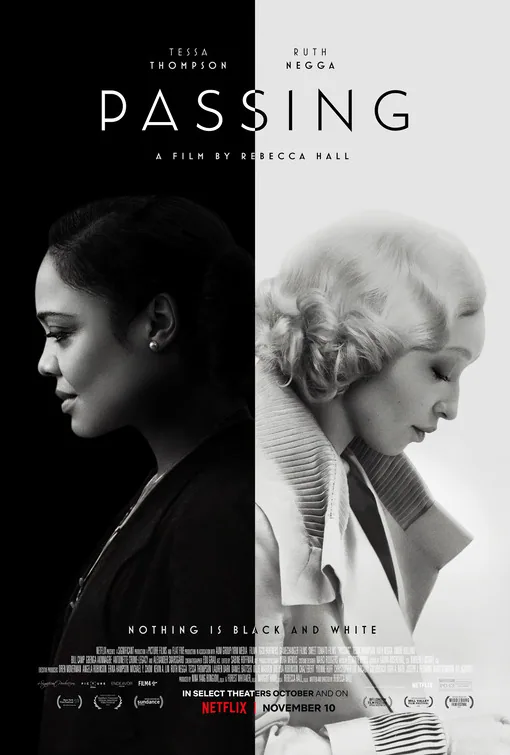
What changes Never Rarely Sometimes Always: quiet observational scenes, day-by-day appointment structure, deliberate pauses and low-key emotional turning points. Passing: a chance meeting renews the women’s friendship, clare enters irene’s social world and and shifting loyalties raise the risks of exposure..
In 1920s New York, Irene Redfield encounters Clare Bellew, a childhood friend who has been living as white. Their renewed connection draws Clare back into Harlem society and into Irene’s household, while Irene becomes increasingly unsettled by Clare’s presence. Rebecca Hall’s adaptation follows the social codes, private desires and racial dangers that shape what each woman can reveal.
Seventeen-year-old Autumn discovers she is pregnant and learns that her rural Pennsylvania clinic will not provide the care she wants without parental consent. She travels to New York City with her cousin Skylar, where the two navigate appointments, transport, money, and the strain of keeping their trip private. Eliza Hittman’s restrained drama follows their practical decisions and quiet moments of support, giving close attention to the obstacles Autumn faces and the trust that sustains the cousins through an unfamiliar city.
What drives the story
Autumn and Skylar travel from Pennsylvania to New York as they seek care and manage each step with limited money and privacy.
The people at its centre
Skylar’s steady presence gives Autumn room to decide what to say and what to keep private as they navigate an unfamiliar city.
What it feels like
The story treats travel, paperwork, waiting, and small acts of friendship as the central drama of a difficult healthcare journey.
Worth knowing
It stays with two cousins and their constrained decisions, rather than turning the subject into a courtroom debate or a medical thriller.