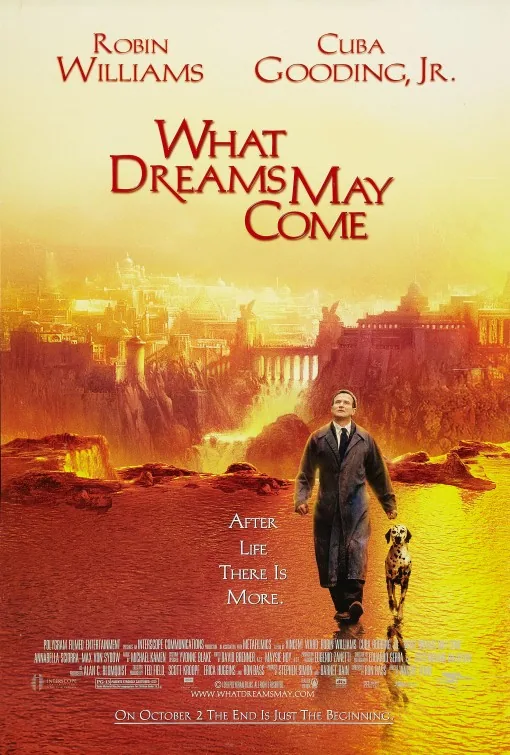
A scientific pattern becomes personally significant when Ian follows its implications after a major loss.
Why this matches +
These offer a related experience with a meaningful difference in story, tone, or presentation.
An adjacent discovery: a related idea with a different viewing experience.
Genres: Drama / Romance
Shared film traits
Based on recorded story, mood and style. Your preferences can change the order.
Memory and identity
What changes A scientist's research and a profound romantic loss intersect with questions about mortality and spiritual continuity; genetics and reincarnation rather than nested timelines.
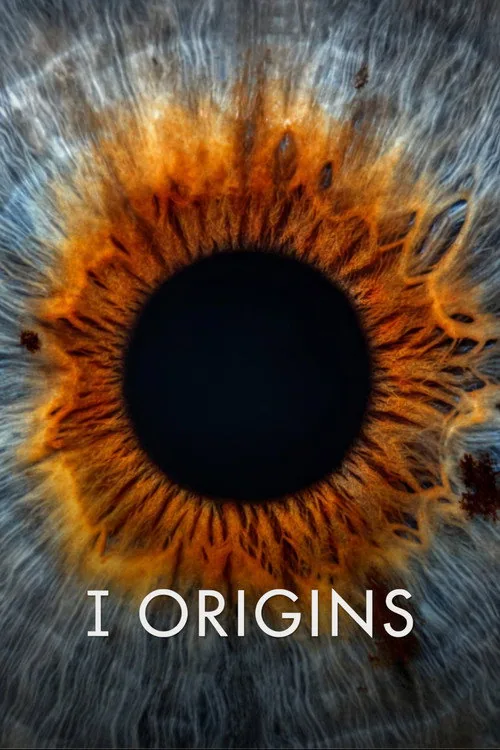
Molecular biologist Ian Gray studies the evolution of the eye and meets Sofi, whose spiritual outlook challenges his evidence-centered worldview. Their relationship deepens even as their beliefs remain different; after a personal loss, Ian’s research into eye patterns leads him toward a question with emotional as well as scientific consequences. The science-fiction drama connects intimate grief to a speculative investigation, asking whether empirical findings can explain everything people carry forward from one life to another.
An adult revisits family memories and a sibling's death while the film places his private grief beside an immense cosmic history.
Why this matches +
These offer a related experience with a meaningful difference in story, tone, or presentation.
An adjacent discovery: a related idea with a different viewing experience.
Genres: Drama / Coming-of-age
Shared film traits
Based on recorded story, mood and style. Your preferences can change the order.
Memory and identity
What changes A visually poetic film uses fragments across time to contemplate family, death and humanity's place in the universe; a childhood-centered family drama.
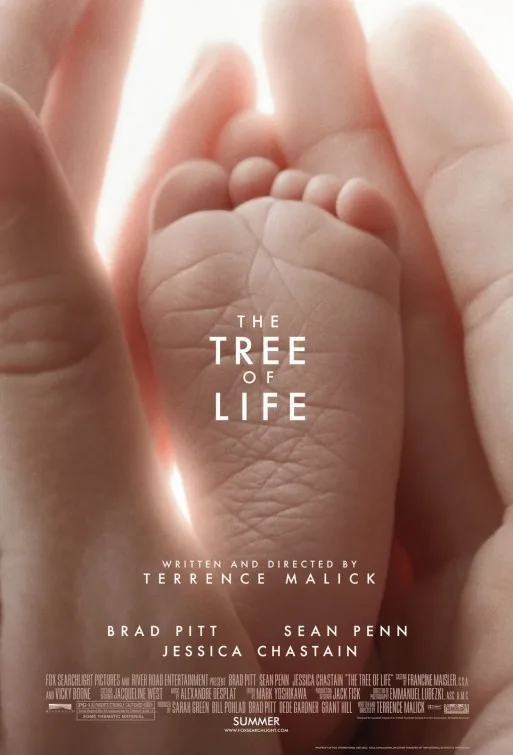
Adult Jack reflects on his childhood in 1950s Texas, where his mother's warmth and his father's strict, ambitious parenting shaped his ideas about love and power. The memory of a family loss runs through his recollections, making ordinary moments of play, discipline and sibling rivalry feel charged with questions he could not answer as a child. The film moves between Jack's present, fragmented family memories and vast images of the universe's origins, placing private grief beside the scale of creation. Rather than offer a single explanatory account of the past, it lets images, music and recurrence carry much of the emotional argument. Jack's adult search is for a way to hold anger, love and absence together.
The apparent anomaly cannot be separated from the visitors’ emotional histories, turning investigation into a question about human interpretation.
Why this matches +
These offer a related experience with a meaningful difference in story, tone, or presentation.
An adjacent discovery: a related idea with a different viewing experience.
Genres: Drama / Mystery
Shared film traits
Based on recorded story, mood and style. Your preferences can change the order.
Memory and identity
What changes A contemplative science-fiction drama examines grief and a lost relationship through mysterious experiences in space; a psychologist on a station.
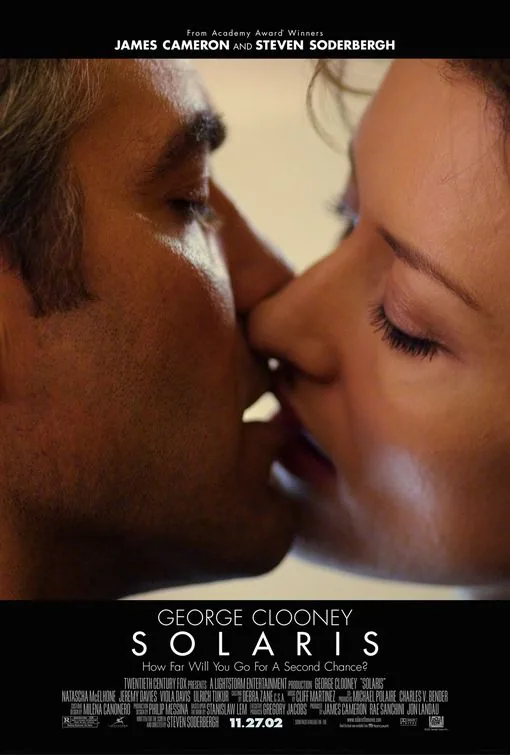
Psychologist Chris Kelvin travels to a space station orbiting the planet Solaris after its crew begins experiencing disturbing phenomena. He encounters a manifestation connected to his own memories and grief, complicating the mission’s scientific purpose. Steven Soderbergh’s adaptation makes the remote station a setting for questions about consciousness, love and whether the past can be understood from the outside.
The afterlife’s changing landscapes externalize grief, and Chris’s decision to search for Annie turns metaphysical rules into a rescue quest.
Why this matches +
These offer a related experience with a meaningful difference in story, tone, or presentation.
An adjacent discovery: a related idea with a different viewing experience.
Genres: Fantasy / Drama
Shared film traits
Based on recorded story, mood and style. Your preferences can change the order.
Memory and identity
What changes A bereaved lover embarks on a metaphysical journey driven by the desire to reunite with a lost spouse; an afterlife fantasy.
After pediatrician Chris Nielsen dies in a car accident, he finds himself in an afterlife shaped by the imagery and colors of his artist wife Annie’s paintings. His children and mentor Albert help him understand this unfamiliar place, but Annie’s grief takes her beyond his reach. When Chris learns where she is, he faces a journey that tests whether love can remain meaningful without becoming possession. Adapted from Richard Matheson’s novel, the film makes its visual conception of heaven and hell part of the story’s emotional argument. Chris must decide whether his pursuit can honor Annie's agency as well as their shared bond. His children and Albert give him earthly ties that shape the journey.
Unpredictable disappearances interrupt the couple's life, making reunion and anticipation part of the relationship's structure.
Why this matches +
These offer a related experience with a meaningful difference in story, tone, or presentation.
An adjacent discovery: a related idea with a different viewing experience.
Genres: Drama / Fantasy
Shared film traits
Based on recorded story, mood and style. Your preferences can change the order.
Memory and identity
What changes A romance is shaped by a speculative relationship to time and the pain of separation and mortality; a more conventional time-travel narrative.
The Time Traveler's Wife (2009), directed by Robert Schwentke, follows A woman builds a relationship with a man whose involuntary time travel repeatedly removes him from the present. Their love story unfolds out of sequence, with separation and uncertainty shaping ordinary milestones as much as the fantastical premise. The speculative romance treats time displacement as an ongoing strain on intimacy, asking what commitment can mean when shared time is unreliable.
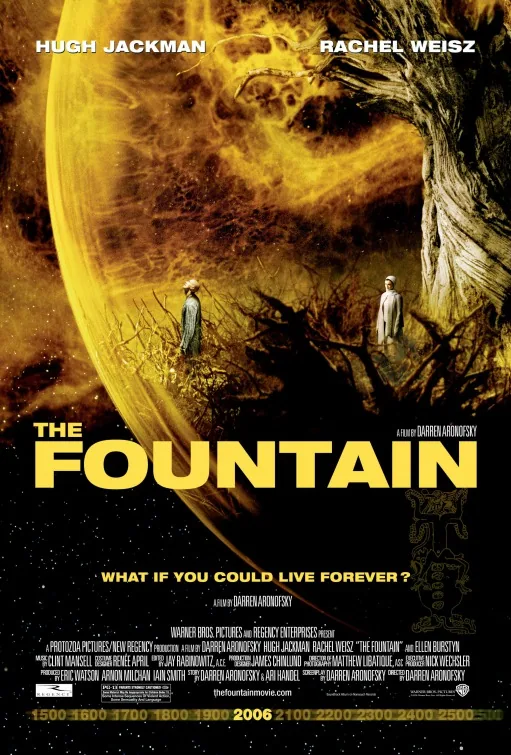
A scientist searches for a way to save his dying wife, while a writer creates a story about a conquistador seeking a tree of life and a later figure journeys through space. The film intertwines these strands without settling every connection between them. Darren Aronofsky’s drama uses recurring images and a compressed structure to explore love, mortality, grief and the desire to defeat loss.
What drives the story
The layered strands transform a search for a cure into a broader question about whether love can coexist with mortality.
The people at its centre
The central relationship persists across radically different circumstances, while grief appears as both a refusal to lose and a need to let go.
What it feels like
Its repetition, visual symbolism and compressed storytelling invite interpretation rather than straightforward plot tracking.
Worth knowing
This is an intimate metaphysical drama with speculative imagery, distinct from a conventional time-travel or space adventure.