A secret romance develops inside a production financed by a possessive patron, forcing the lovers to turn performance into a means of concealment and expression.
Why this matches +
These films share important themes, atmosphere or storytelling interests with this selection.
Genres: Drama / Romance
Shared film traits
Based on recorded story, mood and style. Your preferences can change the order.
Music and performance
What changes Its own story: A secret romance develops inside a production financed by a possessive patron, forcing the lovers to turn performance into a means of concealment and expression.
A young writer enters a Parisian cabaret hoping to join an artistic revolution and falls in love with its star performer. Their relationship must be concealed from a wealthy patron whose funding is expected to secure the venue's future and access to the woman he desires. A theatrical production becomes both cover and mirror for their romance, while illness and economic dependence make declarations of freedom increasingly fragile.
A romance grows through mutual artistic support, then careers test whether the futures it helped create can remain shared.
Why this matches +
These films share important themes, atmosphere or storytelling interests with this selection.
Genres: Drama / Romance
Shared film traits
Based on recorded story, mood and style. Your preferences can change the order.
Music and performance
What changes Its own story: A romance grows through mutual artistic support, then careers test whether the futures it helped create can remain shared.
An aspiring actress and a jazz pianist meet while navigating service work, failed opportunities and incompatible ideas of artistic success in Los Angeles. Their romance gives each the encouragement to continue, but the work that moves them forward also creates distance. Seasonal shifts, songs and imagined possibilities follow the changing relationship between devotion to another person and the identities they hope to build through art.
Romantic and sexual experiments unfold alongside fascism's rise, with the club's stage translating political change into performance but not stopping it. The songs comment on events without making performers politically omniscient.
Why this matches +
These films share important themes, atmosphere or storytelling interests with this selection.
Genres: Musical / Drama
Shared film traits
Based on recorded story, mood and style. Your preferences can change the order.
Music and performance
What changes Its own story: Romantic and sexual experiments unfold alongside fascism's rise, with the club's stage translating political change into performance but not stopping it. The songs comment on events without making performers politically omniscient.
In 1931 Berlin, English academic Brian Roberts meets American performer Sally Bowles in the world around the Kit Kat Club. Their relationship, her attachment to a wealthy patron and the club's exuberant performances unfold as political exclusion becomes ordinary outside its stage. The musical numbers comment on the dramatic action without safely standing apart from it: spectacle can expose brutality while also helping a community treat it as someone else's problem. Personal freedom and romantic choice remain unequal as fascism tightens its hold. The Emcee's numbers can turn a casual audience's laughter into part of the film's critique.
A stalled production forces an artist to confront the personal evasions he has tried to convert into creative authority.
Why this matches +
These films share important themes, atmosphere or storytelling interests with this selection.
Genres: Fantasy / Drama
Shared film traits
Based on recorded story, mood and style. Your preferences can change the order.
Music and performance
What changes Its own story: A stalled production forces an artist to confront the personal evasions he has tried to convert into creative authority.
A celebrated film director arrives at a production unable to explain clearly what he intends to make. Meetings with collaborators, family and lovers send him into memories and fantasies that repeatedly interrupt professional obligations. His apparent crisis of artistic inspiration exposes a larger habit of organising other people around incompatible wishes, making the search for a coherent film inseparable from the difficulty of taking responsibility for a contradictory life.
Gideon keeps moving between stage rehearsal, film editing and medical strain, trying to preserve work and appetite by editing out the evidence of collapse. The production process itself becomes the plot's accelerating clock.
Why this matches +
These films share important themes, atmosphere or storytelling interests with this selection.
Genres: Drama / Musical
Shared film traits
Based on recorded story, mood and style. Your preferences can change the order.
Music and performance
What changes Its own story: Gideon keeps moving between stage rehearsal, film editing and medical strain, trying to preserve work and appetite by editing out the evidence of collapse. The production process itself becomes the plot's accelerating clock.
Joe Gideon, a Broadway director and choreographer, juggles a new stage production, the editing of his latest film, family obligations and a punishing work routine. His theatrical discipline depends on treating exhaustion as something to be cut around, while the people close to him watch that self-image fail. Fantasies with an imagined figure of death interrupt rehearsals and daily life, making performance a way to control what he cannot admit. Bob Fosse's semi-autobiographical musical turns the labor of making a show into a show about the cost of making one.
Caden’s effort to make his play truthful blurs the difference between directing life and living it.
Why this matches +
These films share important themes, atmosphere or storytelling interests with this selection.
Genres: Drama
Shared film traits
Based on recorded story, mood and style. Your preferences can change the order.
Memory and identity
What changes Its own story: Caden’s effort to make his play truthful blurs the difference between directing life and living it.
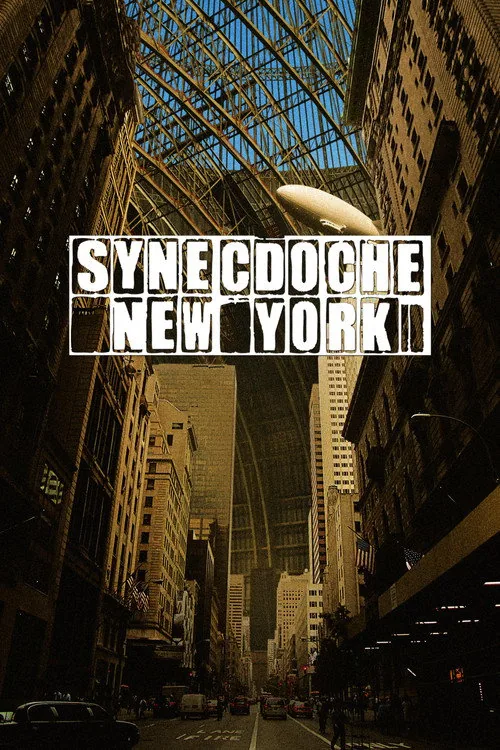
Theater director Caden Cotard receives a large arts grant and decides to create a radically realistic play based on his life. He builds a full-scale replica of New York inside a warehouse, hires actors to play people he knows, and eventually casts doubles who reenact the actors themselves. As Caden’s relationships falter and decades pass, the boundaries between his life and the production become increasingly difficult to locate. Charlie Kaufman’s drama uses an expanding theatrical project to explore mortality, artistic ambition, memory, and the impossibility of representing a whole life.
A ballerina’s ascent under a controlling impresario becomes entwined with her relationship with a young composer.
Why this matches +
These films share important themes, atmosphere or storytelling interests with this selection.
Genres: Drama / Music
Shared film traits
Based on recorded story, mood and style. Your preferences can change the order.
Music and performance
What changes Its own story: A ballerina’s ascent under a controlling impresario becomes entwined with her relationship with a young composer.
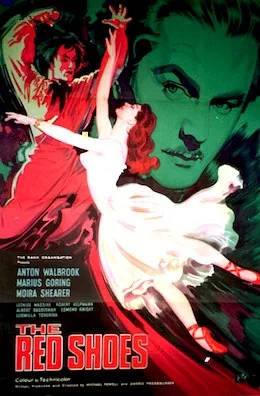
Young ballerina Vicky Page joins the celebrated company led by demanding impresario Boris Lermontov. Her performance in a new ballet makes her a star, while her growing love for composer Julian Craster competes with Lermontov’s insistence on total devotion to art. As professional triumph and personal attachment pull in opposing directions, Vicky must confront the costs of the life she has chosen.
Shared characteristics
Genre: Romance
Genre: Drama
Poster: Film rights holders; original promotional poster documented by Wikipedia · Image source
A theatrical comeback concentrates professional and personal crises into a production that its organiser treats as proof of his worth.
Why this matches +
These films share important themes, atmosphere or storytelling interests with this selection.
Genres: Drama / Comedy
Shared film traits
Based on recorded story, mood and style. Your preferences can change the order.
Music and performance
What changes Its own story: A theatrical comeback concentrates professional and personal crises into a production that its organiser treats as proof of his worth.
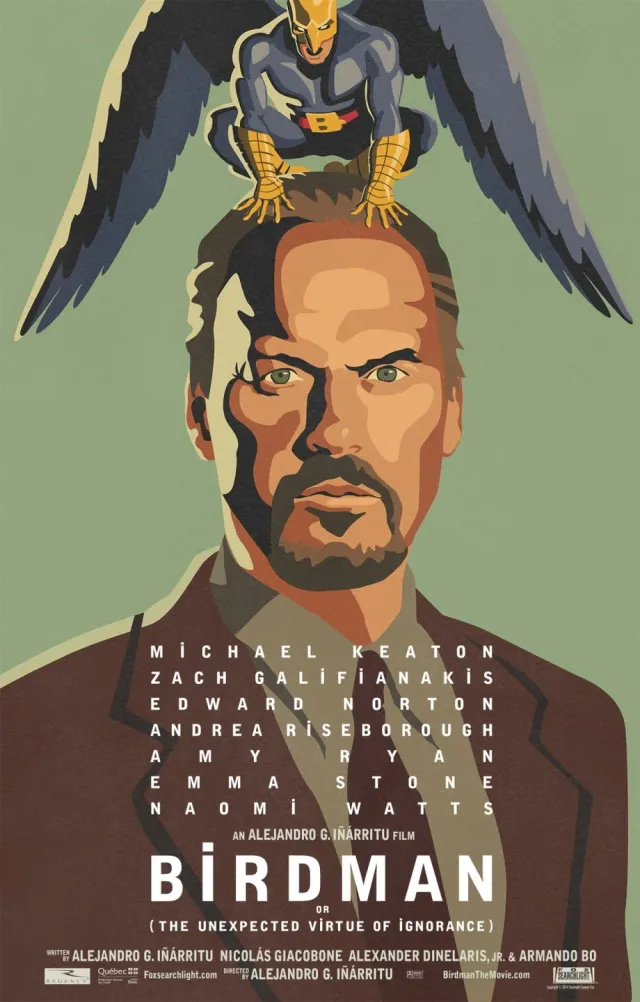
An actor best known for a superhero role mounts a Broadway production to prove that he still matters as an artist. Rehearsal problems, family strain and a volatile colleague repeatedly interrupt his attempt to control the public story of his return. A derisive inner voice and experiences that may be fantasies make professional ambition feel inseparable from an unstable need to be admired on his own terms.
Barton cannot write the commissioned story and instead confronts the gap between his public ideals and the person asking for his attention. The block is both a career problem and a failure of empathy.
Why this matches +
These films share important themes, atmosphere or storytelling interests with this selection.
Genres: Drama / Comedy
Shared film traits
Based on recorded story, mood and style. Your preferences can change the order.
What changes Its own story: Barton cannot write the commissioned story and instead confronts the gap between his public ideals and the person asking for his attention. The block is both a career problem and a failure of empathy.
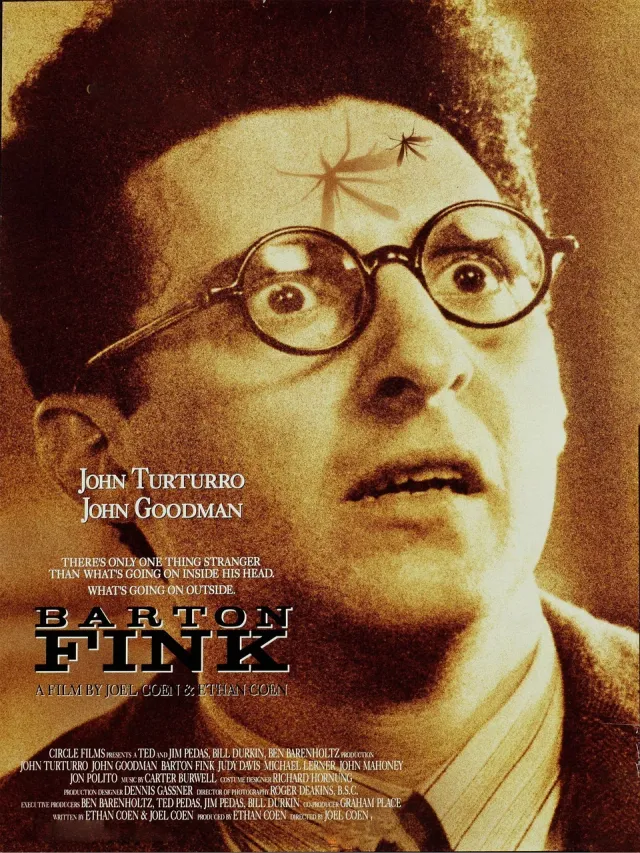
Barton Fink, a New York playwright celebrated for writing about ordinary people, accepts a Hollywood assignment to create a wrestling picture and checks into a decaying hotel. His blocked script frustrates a studio that expects usable work, while the attentive neighbor in the next room asks for the kind of listening Barton claims to value. The more he talks about artistic purpose, the harder it becomes to treat the surrounding people as more than material. The Coens' hotel comedy grows into a symbolic, violent ordeal that refuses to explain every image as either literal or psychological.
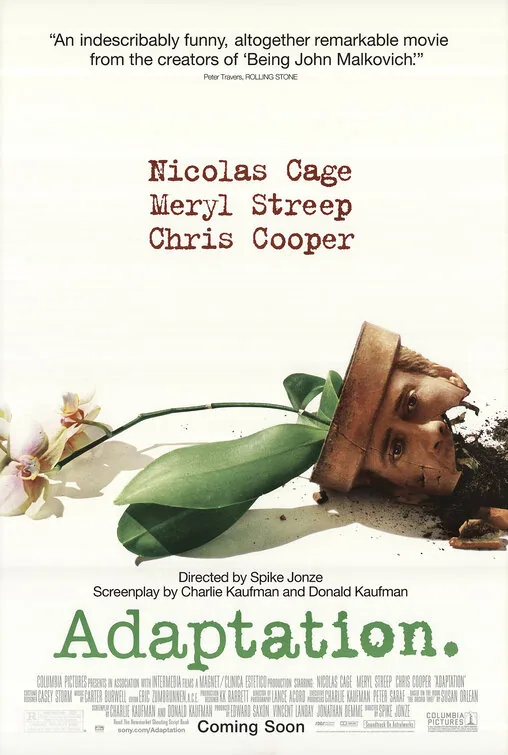
A writer's inability to adapt a book becomes the film's plot; his effort to resist conventional story machinery eventually gives way to conspicuously conventional devices. The turn is both narrative event and self-critique.
Why this matches +
These films share important themes, atmosphere or storytelling interests with this selection.
Genres: Comedy / Drama
Shared film traits
Based on recorded story, mood and style. Your preferences can change the order.
What changes Its own story: A writer's inability to adapt a book becomes the film's plot; his effort to resist conventional story machinery eventually gives way to conspicuously conventional devices. The turn is both narrative event and self-critique.
Screenwriter Charlie Kaufman struggles to adapt Susan Orlean's nonfiction book about orchid poacher John Laroche while feeling unable to write the kind of movie he thinks Hollywood expects. His confident twin brother Donald embraces conventional screenwriting lessons, and Charlie's fascination with Orlean makes research increasingly entangled with fantasy. The film eventually turns its own resistance to formula into a story that uses formula, crime and melodrama. By folding the writer, his brother and Orlean into a fiction that announces its inventions, it makes adaptation itself the subject and the joke.
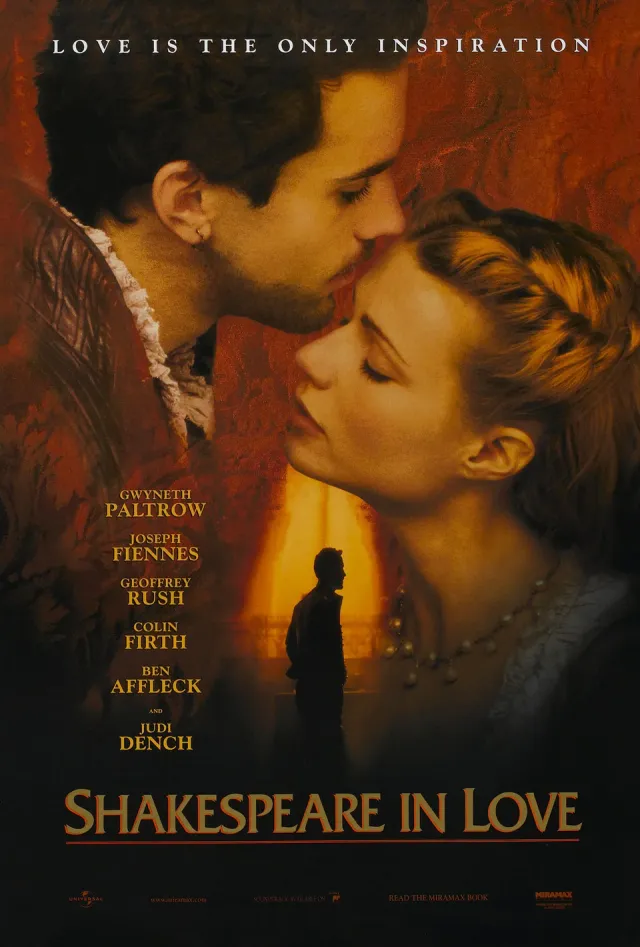
A blocked production gains momentum through a concealed performer and forbidden romance, while theatre deadlines collide with marriage and social rules.
Why this matches +
These films explore a related idea in a different setting, genre or style.
An adjacent discovery: a related idea with a different viewing experience.
Genres: Drama / Romance
Shared film traits
Based on recorded story, mood and style. Your preferences can change the order.
Music and performance
What changes Its own story: A blocked production gains momentum through a concealed performer and forbidden romance, while theatre deadlines collide with marriage and social rules.
A young playwright struggling to complete a promised production finds inspiration in a merchant's daughter who longs to act despite women being excluded from the stage. Disguised as a male performer, she joins his company, and their affair begins to reshape the work being rehearsed. Financial pressures, theatrical rivalries and her arranged marriage make the performance a temporary space in which desire can flourish without controlling the world outside.
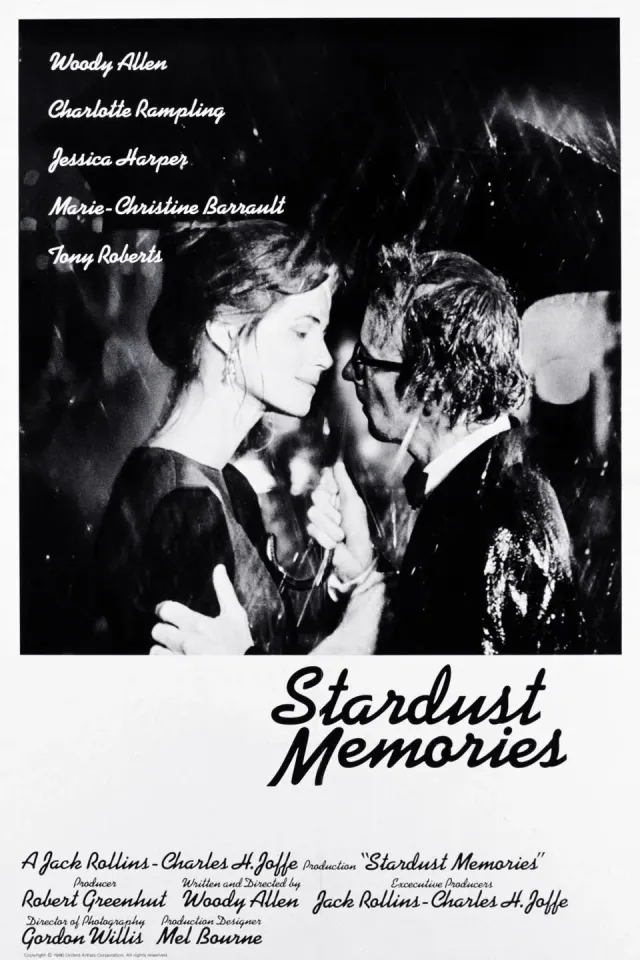
A celebrated director's public appearance becomes an inward review of his life and work.
Why this matches +
These films explore a related idea in a different setting, genre or style.
An adjacent discovery: a related idea with a different viewing experience.
Genres: Comedy / Drama
Shared film traits
Based on recorded story, mood and style. Your preferences can change the order.
Memory and identity
What changes Its own story: A celebrated director's public appearance becomes an inward review of his life and work.
Film director Sandy Bates attends a retrospective of his work at a seaside festival, where fans, colleagues, romantic partners and strangers ask him to explain himself. His present-day encounters blur with memories and imagined scenes as he weighs commercial success against the intimate films he wants to make. The comedy-drama turns celebrity and artistic doubt into a fragmented meditation on attention and creation.
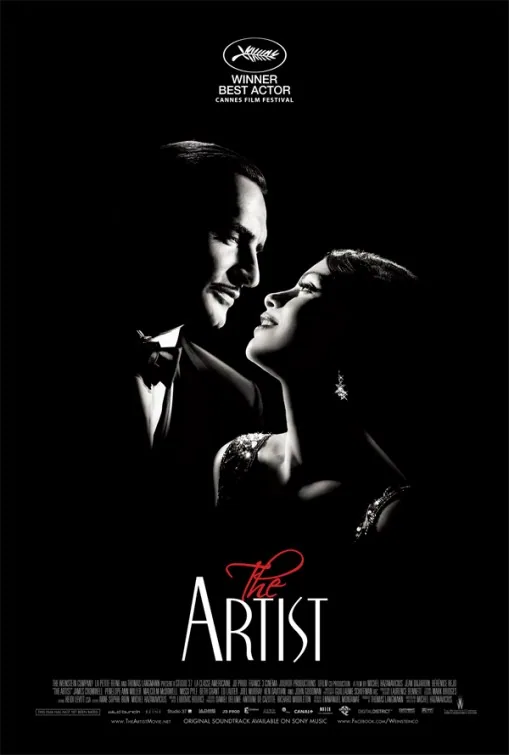
A technological change threatens a star's livelihood and identity while someone linked to his past finds new opportunity.
Why this matches +
These films explore a related idea in a different setting, genre or style.
An adjacent discovery: a related idea with a different viewing experience.
Genres: Drama / Romance
Shared film traits
Based on recorded story, mood and style. Your preferences can change the order.
Music and performance
What changes Its own story: A technological change threatens a star's livelihood and identity while someone linked to his past finds new opportunity.
A celebrated silent-film actor enjoys an established public identity just as recorded dialogue begins changing the industry around him. A young performer he briefly helps adapts to the new medium, and their careers move in opposite directions. Pride and fear make offers of assistance difficult to accept, turning professional obsolescence into a private crisis about whether affection can survive unequal success.
Two linked careers move in opposite directions as creative recognition collides with an established performer's decline.
Why this matches +
These films explore a related idea in a different setting, genre or style.
An adjacent discovery: a related idea with a different viewing experience.
Genres: Drama / Romance
Shared film traits
Based on recorded story, mood and style. Your preferences can change the order.
Music and performance
What changes Its own story: Two linked careers move in opposite directions as creative recognition collides with an established performer's decline.
An established musician hears a talented singer perform and encourages her onto a larger stage. Their romance develops as her public career rises and his addiction and insecurity become harder to contain. Professional collaboration and private care increasingly pull in different directions, exposing how difficult love becomes when success, dependence and self-worth are tied to performing.
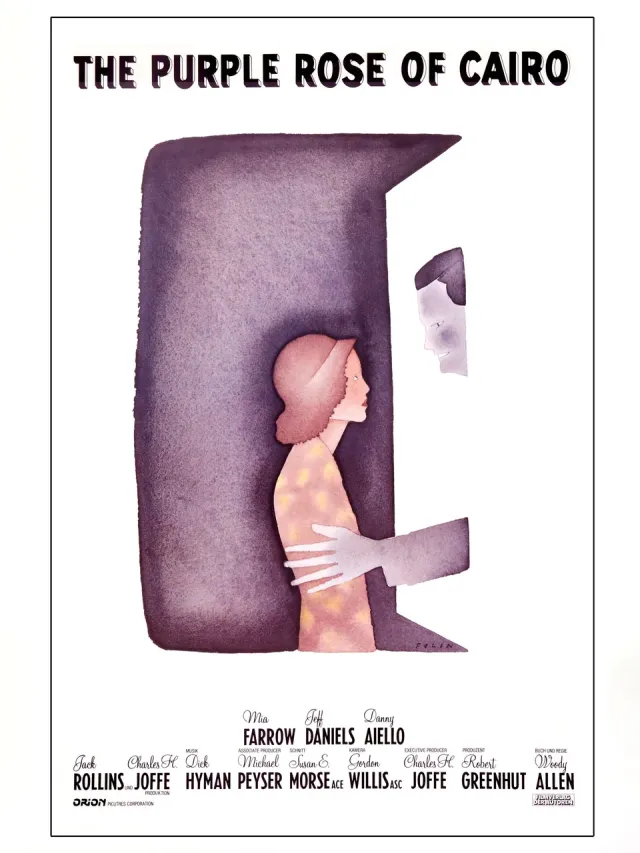
A movie character leaves his film for a spectator, bringing the studio, the actor and the stalled picture into Cecilia's private life.
Why this matches +
These films explore a related idea in a different setting, genre or style.
An adjacent discovery: a related idea with a different viewing experience.
Genres: Fantasy / Romance
Shared film traits
Based on recorded story, mood and style. Your preferences can change the order.
What changes Its own story: A movie character leaves his film for a spectator, bringing the studio, the actor and the stalled picture into Cecilia's private life.
During the Depression, New Jersey waitress Cecilia escapes an abusive marriage and an exhausting job by returning to the cinema. A character in her favorite picture, archaeologist Tom Baxter, notices her and steps out of the screen, leaving the other film characters unable to continue. The studio sends Tom's actor, Gil Shepherd, to bring him back, and Cecilia becomes the focus of competing affections from the fictional adventurer and the man who portrays him. As the movie's producer threatens to destroy copies unless Tom returns, Cecilia must decide whether she wants a life with someone who belongs to fantasy or with someone who can move through the real world. The story's play with cinema is also a melancholic account of how little escape can change material circumstances.
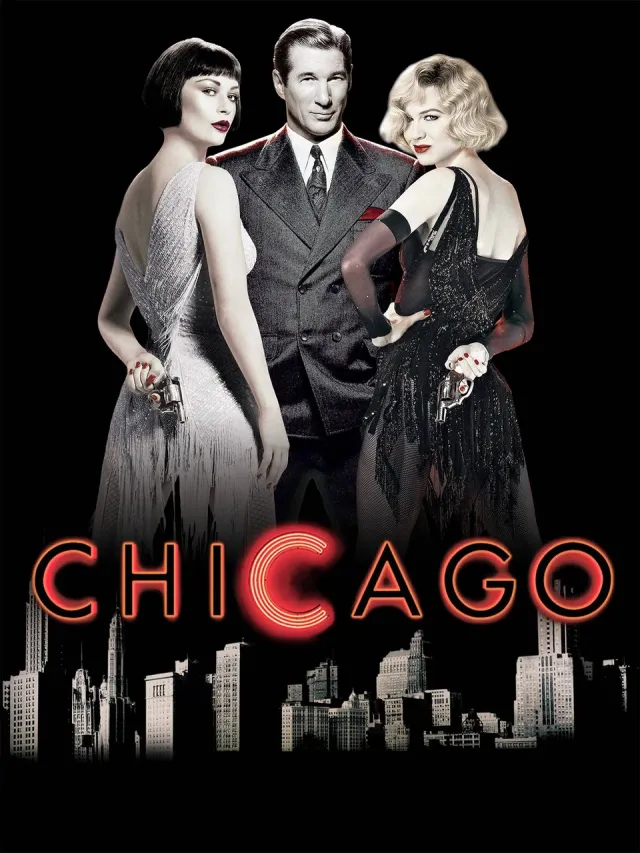
A defendant converts a criminal case into a publicity opportunity while competing for the limited attention on which her apparent value depends.
Why this matches +
These films explore a related idea in a different setting, genre or style.
An adjacent discovery: a related idea with a different viewing experience.
Genres: Drama / Comedy
Shared film traits
Based on recorded story, mood and style. Your preferences can change the order.
Music and performance
What changes Its own story: A defendant converts a criminal case into a publicity opportunity while competing for the limited attention on which her apparent value depends.
An aspiring performer jailed after a killing discovers that publicity may be more useful to her future than innocence or professional ability. Competition with another notorious prisoner unfolds through a lawyer and a media environment willing to package violence as entertainment. Fantasies staged as musical performances turn legal strategy, sexual reputation and public attention into elements of the same transaction, exposing how little sustained recognition depends on truth.
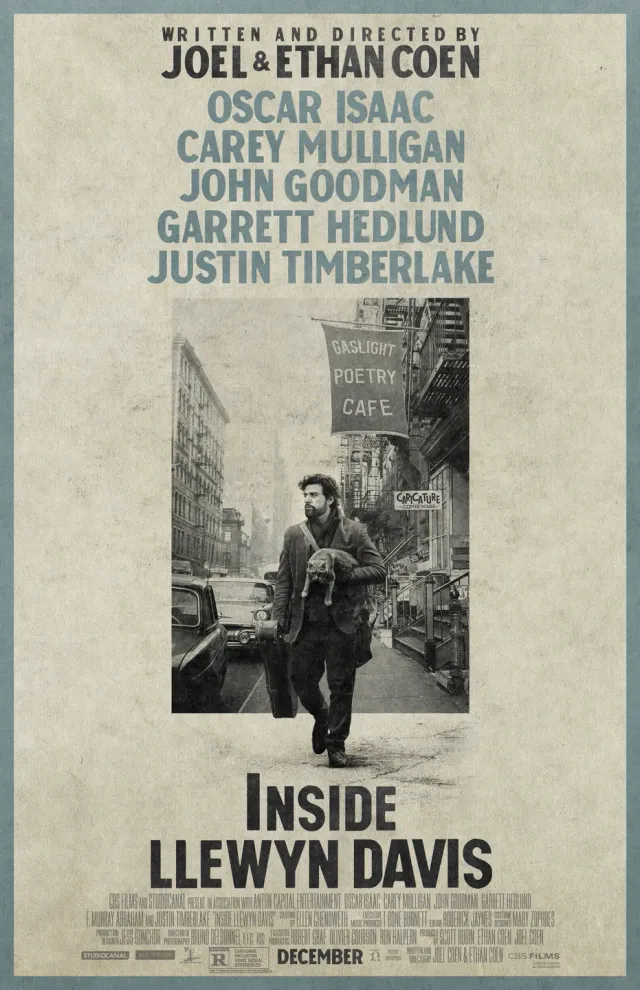
A musician's repeated attempts to secure work and shelter expose a pattern that talent alone cannot resolve.
Why this matches +
These films explore a related idea in a different setting, genre or style.
An adjacent discovery: a related idea with a different viewing experience.
Genres: Drama / Music
Shared film traits
Based on recorded story, mood and style. Your preferences can change the order.
Music and performance
What changes Its own story: A musician's repeated attempts to secure work and shelter expose a pattern that talent alone cannot resolve.
A struggling folk singer moves between borrowed sofas, uncertain gigs and failed professional opportunities in an early-1960s music scene. Small obligations and self-defeating encounters interrupt every attempt to gain momentum. Grief and pride remain difficult for him to articulate, leaving his artistry at odds with the practical and emotional cooperation that a sustainable life might require.
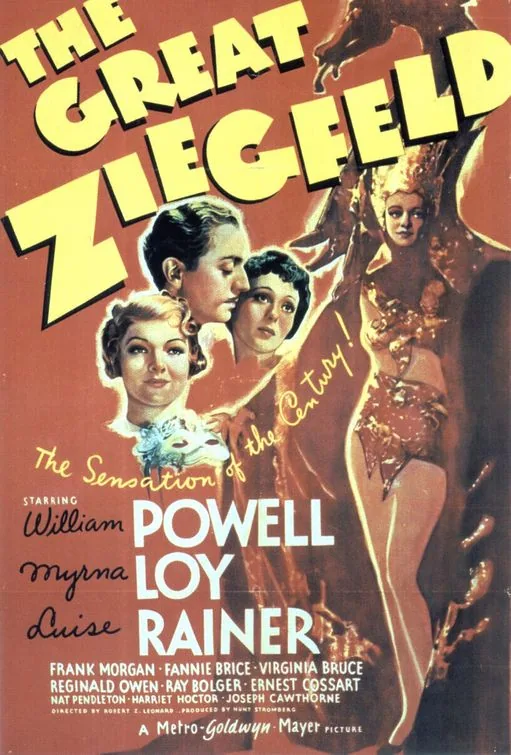
Ziegfeld’s desire to outdo competing impresarios drives a succession of productions whose scale grows with his reputation and financial risk.
Why this matches +
These films explore a related idea in a different setting, genre or style.
An adjacent discovery: a related idea with a different viewing experience.
Genres: Drama / Biography
Shared film traits
Based on recorded story, mood and style. Your preferences can change the order.
Music and performance
What changes A more expansive and public impresario biography replaces the blocked director's intimate fantasy crisis, while elaborate revue interrupts and expresses backstage ambition.
Florenz Ziegfeld arrives in New York determined to build a theatrical spectacle grander than his rival Jack Billings can offer. His career moves through lavish productions, romantic relationships and financial setbacks, with performers and collaborators helping turn his ambitions into the Follies. The film presents Ziegfeld as an impresario whose work depends on both extravagance and the people he assembles. Its enormous musical numbers are central to the experience, while the biographical story simplifies real lives and events into a studio-era celebration of showmanship.
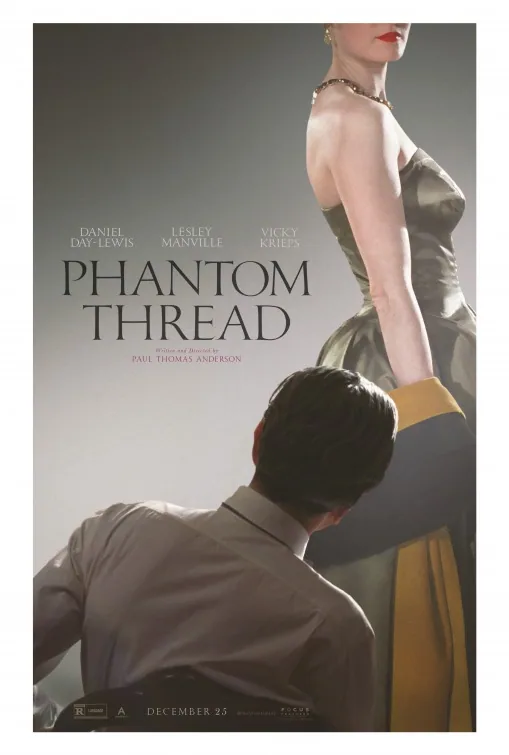
The mushroom illness transforms Reynolds’s demand for control into a deliberate dependence, a pattern Alma uses to claim room inside his routines.
Why this matches +
These films explore a related idea in a different setting, genre or style.
An adjacent discovery: a related idea with a different viewing experience.
Genres: Drama / Romance
Shared film traits
Based on recorded story, mood and style. Your preferences can change the order.
What changes Its own story: The mushroom illness transforms Reynolds’s demand for control into a deliberate dependence, a pattern Alma uses to claim room inside his routines.
In 1950s London, celebrated dressmaker Reynolds Woodcock runs a demanding couture house with his sister Cyril, whose practical authority protects his routines. He meets Alma, a waitress who becomes his partner and model, but the intimacy quickly takes on the same controlling rules that govern his work. Alma’s effort to care for Reynolds on her own terms leads her to poison him with mushrooms, making him dependent on her during illness. Their relationship develops through repeated negotiations over vulnerability, power and creative control, with Reynolds ultimately accepting a form of care that he might otherwise reject.
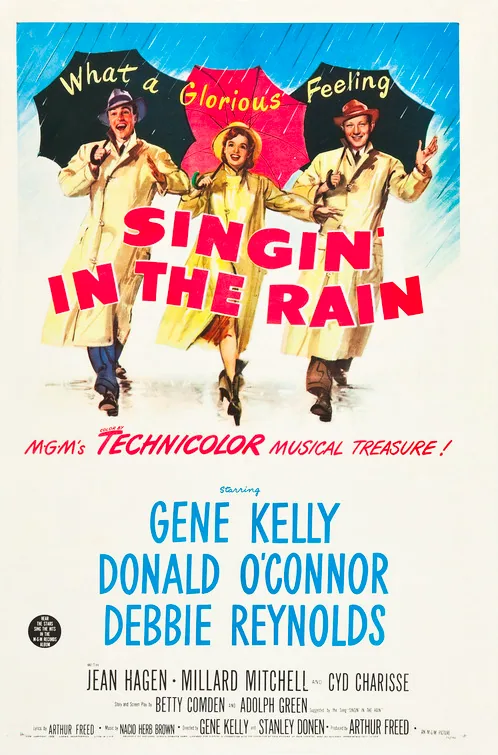
A studio's conversion to sound turns a production crisis into a dispute over whose performance and voice receive public credit.
Why this matches +
These films explore a related idea in a different setting, genre or style.
An adjacent discovery: a related idea with a different viewing experience.
Genres: Romance / Comedy
Shared film traits
Based on recorded story, mood and style. Your preferences can change the order.
Music and performance
What changes Buoyant collaborative romance and comic technical adaptation replace the director's self-implicating romantic memories, while performance makes backstage creativity visible.
A silent-film star faces an industry transition when sound threatens to expose the limitations of his established screen partnership. A young performer with a stronger voice helps transform a troubled production into a musical, while studio publicity tries to preserve the illusion that the existing leading lady supplies everything audiences hear. Romance and professional recognition become entangled with the hidden labour making cinematic glamour possible.
Film director Guido Contini tries to make a new movie while facing a creative crisis and reflecting on the women whose affection and expectations shape his life. Rehearsals, memories and fantasy sequences overlap as he struggles to turn experience into art. The musical adapts a stage tradition of inward performance, making artistic ambition and romantic confusion part of the same elaborately staged problem.
What drives the story
Guido’s stalled production forces him to revisit the relationships and memories he draws upon for art.
The people at its centre
The women in his life challenge his habit of turning intimacy into material for performance.
What it feels like
Elaborate numbers shift between fantasy and rehearsal to express the director’s divided attention.
Worth knowing
Its self-reflexive musical differs from a backstage story about a production reaching opening night.
ArtDesireAmbition
Mood
Theatrical · Restless · Reflective
Pacing
Song-led · Fragmented
Visual style
Stylized stage-to-screen musical
Storytelling
Creative crisis · Romantic entanglement · Musical fantasy