Lee’s growing confidence changes the terms of her relationship, and her capacity to state desire becomes central to the film’s account of intimacy.
Why this matches +
Selected for the central appeal: Intimate dramas about creative work, controlling relationships and negotiated vulnerability.
Genres: Drama / Romance
Shared film traits
Based on recorded story, mood and style. Your preferences can change the order.
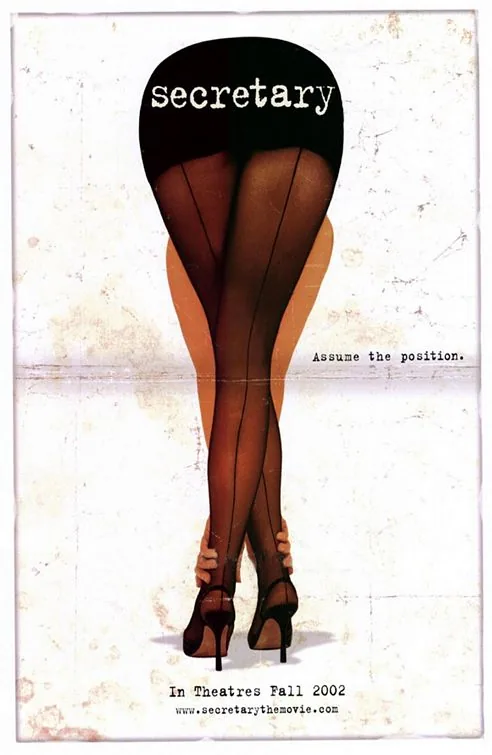
What changes Secretary explores an unconventional intimate relationship shaped by power, care and negotiated control.
After leaving psychiatric care, Lee Holloway takes a secretarial job and develops a consensual but unconventional relationship with her demanding employer. Their connection brings questions of agency, boundaries and self-acceptance into both the office and Lee’s home life. The film approaches desire through awkwardness and negotiation rather than treating difference as a simple problem to cure. Restrained framing and intimate performances keep the workplace romance focused on power, communication and choice.
The hidden portrait turns looking into both a professional task and an intimate negotiation over who controls the image.
Why this matches +
These offer a related experience with a meaningful difference in story, tone, or presentation.
An adjacent discovery: a related idea with a different viewing experience.
Genres: Drama / Romance
Shared film traits
Based on recorded story, mood and style. Your preferences can change the order.
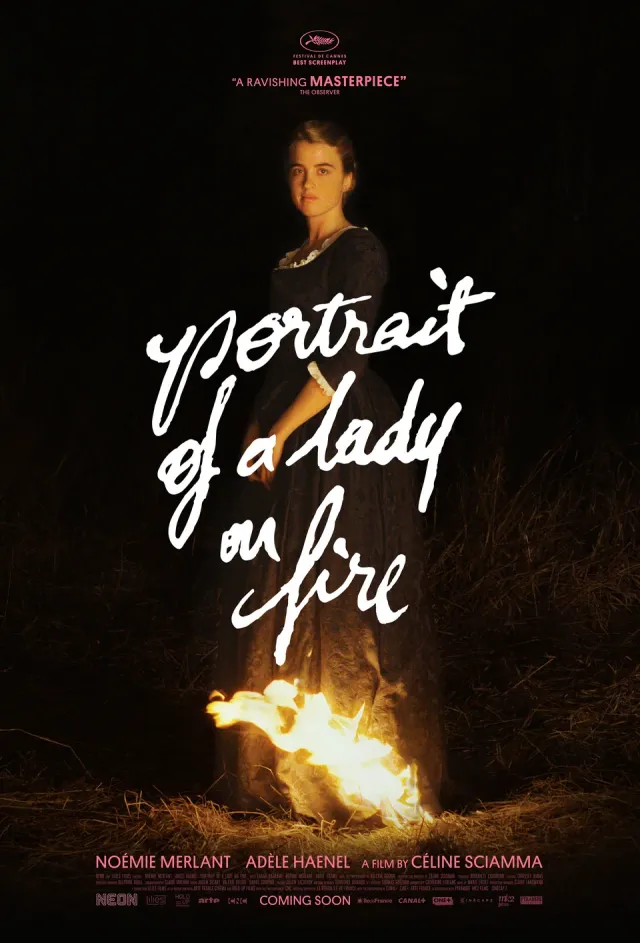
What changes Portrait of a Lady on Fire connects artistic creation with a close relationship shaped by unequal circumstances.
In late-eighteenth-century Brittany, painter Marianne is hired to make a portrait of Héloïse, a young woman whose arranged marriage depends on a painting she refuses to sit for. Marianne first observes her under the pretense of companionship, then paints from memory. When Héloïse agrees to pose, the two women develop an intimacy shaped by the short time before the marriage. Their relationship also includes the household’s young servant Sophie, whose pregnancy leads to a clandestine abortion. The portrait is completed, and Marianne and Héloïse separate, with a final later encounter preserving the force of their shared memory.
Alma’s confidences create the intimacy and imbalance that propel the story, while Elisabet’s silence prevents a stable account of what she wants.
Why this matches +
These offer a related experience with a meaningful difference in story, tone, or presentation.
An adjacent discovery: a related idea with a different viewing experience.
Genres: Drama / Psychological
Shared film traits
Based on recorded story, mood and style. Your preferences can change the order.
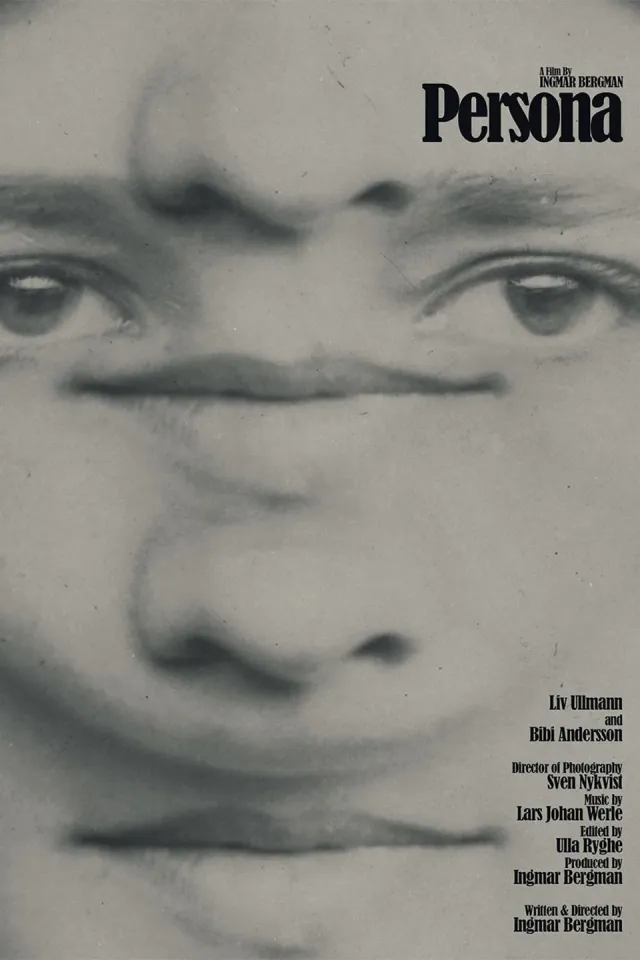
What changes Persona examines shifting dependence and identity between two women in an intensely controlled setting.
Stage actress Elisabet Vogler stops speaking during a performance and is sent to recover at a seaside cottage with nurse Alma. As Alma talks through memories and private anxieties, Elisabet listens without offering the reassurance Alma expects. Their closeness becomes increasingly uneasy: Alma feels exposed, the actress appears to observe her, and scenes begin to unsettle the boundary between the women’s identities. The film returns to Elisabet’s motherhood and her rejection of her son, but it does not settle whether the women merge, mirror one another or remain in a painful struggle for control. Its broken framing keeps the act of watching visible.
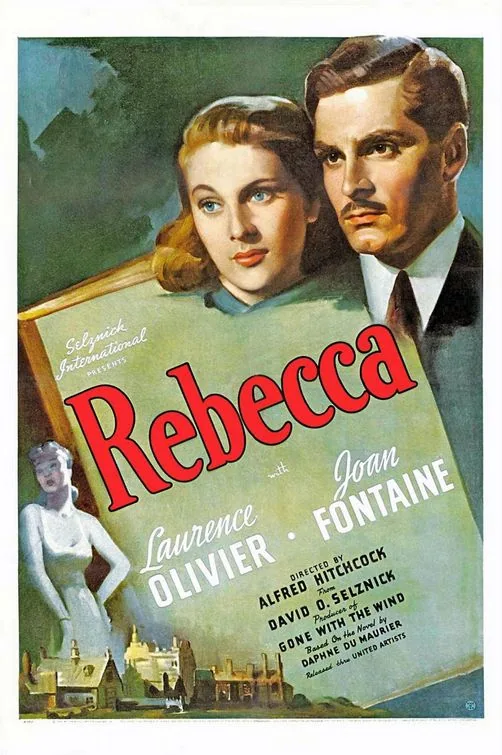
A new marriage is destabilised by an idealised predecessor whose reputation conceals the events that actually shaped the household.
Why this matches +
These offer a related experience with a meaningful difference in story, tone, or presentation.
An adjacent discovery: a related idea with a different viewing experience.
Genres: Drama / Thriller
Shared film traits
Based on recorded story, mood and style. Your preferences can change the order.
What changes Rebecca follows a woman navigating an imposing household and a partner whose routines and past shape their relationship.
A shy young companion marries a wealthy widower and moves into his imposing country house, where reminders of his first wife dominate daily life. The housekeeper's hostility and the new bride's insecurity make an absent woman seem more powerful than anyone living there. As concealed facts about the earlier marriage emerge, romantic reassurance becomes entangled with class authority, jealousy and the moral cost of protecting a household's secrets.
A father's decision to leave unsettles a family whose members have built their lives around an emotionally fragile mother.
Why this matches +
These offer a related experience with a meaningful difference in story, tone, or presentation.
An adjacent discovery: a related idea with a different viewing experience.
Genres: Drama
Shared film traits
Based on recorded story, mood and style. Your preferences can change the order.
What changes Interiors follows emotionally restrained people whose creative lives and family relationships conceal deep tensions.
Arthur, a New York attorney, tells his wife Eve that he wants to separate and begin a different life. Their three adult daughters respond in different ways: Renata, a poet, feels caught between sympathy for her mother and concern for her father; Joey struggles with her own direction; and Flyn is often away working as an actress. When Arthur returns from a trip with Pearl, a warm and outgoing woman unlike Eve, the family must confront grief, resentment, and the emotional distance that has long shaped their home.
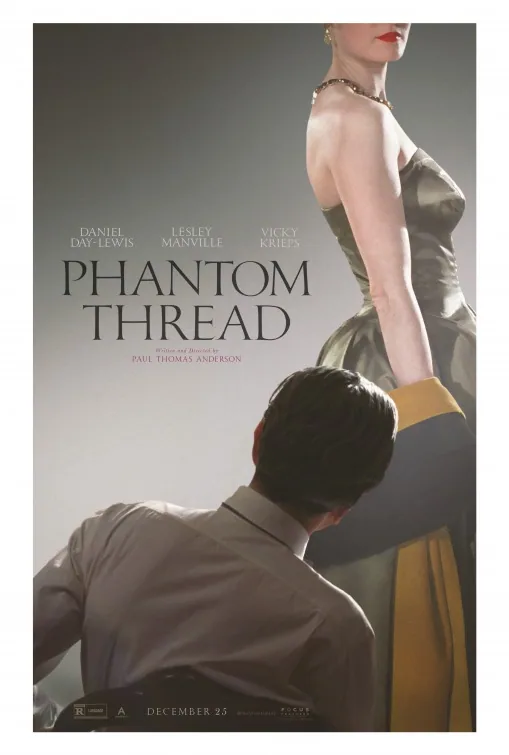
In 1950s London, celebrated dressmaker Reynolds Woodcock runs a demanding couture house with his sister Cyril, whose practical authority protects his routines. He meets Alma, a waitress who becomes his partner and model, but the intimacy quickly takes on the same controlling rules that govern his work. Alma’s effort to care for Reynolds on her own terms leads her to poison him with mushrooms, making him dependent on her during illness. Their relationship develops through repeated negotiations over vulnerability, power and creative control, with Reynolds ultimately accepting a form of care that he might otherwise reject.
What drives the story
The mushroom illness transforms Reynolds’s demand for control into a deliberate dependence, a pattern Alma uses to claim room inside his routines.
The people at its centre
Cyril manages Reynolds’s needs; Alma challenges them, and the film leaves their unsettling bargain open to both tenderness and manipulation.
What it feels like
Anderson’s precise compositions, Greenwood’s score and the couture workshop’s rituals make domestic meals and fittings feel like stages in a private contest.
Worth knowing
It is an intimate psychological romance about mutually shaped control, not a conventional story of a muse simply rescuing an isolated genius.
ControlCareDependency
Mood
Elegant · Tense · Intimate
Pacing
Measured · Slow burn · Repetitive
Visual style
Period detail · Composed · Couture
Storytelling
Psychological romance · Power struggle · Character study