Repeated transitions in home, school and relationships accumulate into an emerging adult perspective.
Why this matches +
These films share important themes, atmosphere or storytelling interests with this selection.
Genres: Drama / Coming-of-age
Shared film traits
Based on recorded story, mood and style. Your preferences can change the order.
What changes Its own story: Repeated transitions in home, school and relationships accumulate into an emerging adult perspective.
A Texas boy grows from early childhood towards college while his family moves, changes partners and adapts to financial and emotional pressures. Ordinary conversations, sibling conflicts and shifting friendships accumulate without a single governing crisis. As the years pass, the adults' unfinished lives remain visible alongside his developing sense of identity, making growing up a process of observation as much as decisive action.
An adult revisits family memories and a sibling's death while the film places his private grief beside an immense cosmic history.
Why this matches +
These films share important themes, atmosphere or storytelling interests with this selection.
Genres: Drama / Coming-of-age
Shared film traits
Based on recorded story, mood and style. Your preferences can change the order.
Memory and identity
What changes Its own story: An adult revisits family memories and a sibling's death while the film places his private grief beside an immense cosmic history.
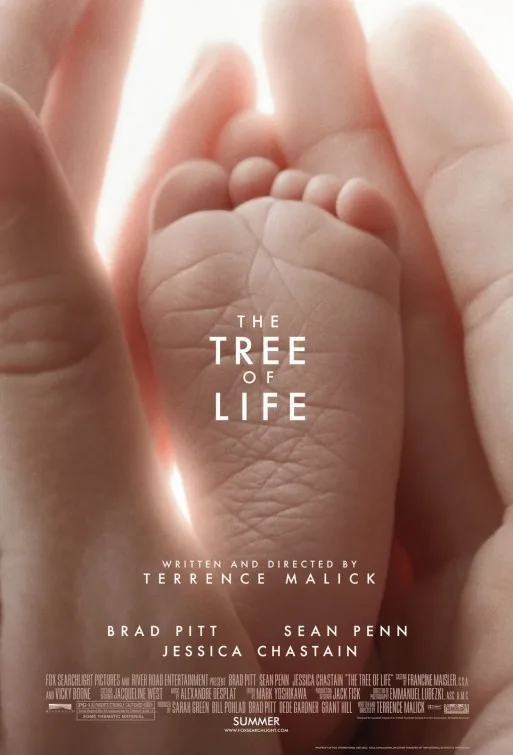
Adult Jack reflects on his childhood in 1950s Texas, where his mother's warmth and his father's strict, ambitious parenting shaped his ideas about love and power. The memory of a family loss runs through his recollections, making ordinary moments of play, discipline and sibling rivalry feel charged with questions he could not answer as a child. The film moves between Jack's present, fragmented family memories and vast images of the universe's origins, placing private grief beside the scale of creation. Rather than offer a single explanatory account of the past, it lets images, music and recurrence carry much of the emotional argument. Jack's adult search is for a way to hold anger, love and absence together.
A ghost remains in a house across changing occupants and eras, attached to a note hidden by his wife.
Why this matches +
These films share important themes, atmosphere or storytelling interests with this selection.
Genres: Drama / Fantasy
Shared film traits
Based on recorded story, mood and style. Your preferences can change the order.
Memory and identity · Constructed reality
What changes Its own story: A ghost remains in a house across changing occupants and eras, attached to a note hidden by his wife.
After musician C dies in a car accident, he returns to the house he shared with his wife M beneath a white sheet. Unable to communicate, he watches her grieve and eventually leave, while the house passes through new residents and changing eras. The ghost’s experience stretches across time as he remains attached to a hidden note in the home. David Lowery’s supernatural drama uses long still compositions and a deliberately slow pace to explore memory, grief, and the persistence of place.
Benjamin's reverse physical aging makes ordinary milestones arrive out of order; the diary frame lets Daisy's present illness shape how the past is remembered.
Why this matches +
These films share important themes, atmosphere or storytelling interests with this selection.
Genres: Fantasy / Drama
Shared film traits
Based on recorded story, mood and style. Your preferences can change the order.
Memory and identity
What changes Its own story: Benjamin's reverse physical aging makes ordinary milestones arrive out of order; the diary frame lets Daisy's present illness shape how the past is remembered.
As Daisy lies dying in a New Orleans hospital, her daughter reads aloud from the diary of Benjamin Button. Born on Armistice Day with the body of an elderly man, Benjamin grows younger in appearance as the decades pass. Raised by Queenie at a nursing home, he travels with a tugboat crew and maintains a changing connection with Daisy, whom he first met as a child. Their lives intersect at different ages, but time's opposing direction complicates intimacy, family and the possibility of growing old together.
Will's investigation into Edward's tall tales becomes a last attempt to know his father, but each factual check raises a deeper question about what a story can communicate.
Why this matches +
These films share important themes, atmosphere or storytelling interests with this selection.
Genres: Drama / Fantasy
Shared film traits
Based on recorded story, mood and style. Your preferences can change the order.
What changes Its own story: Will's investigation into Edward's tall tales becomes a last attempt to know his father, but each factual check raises a deeper question about what a story can communicate.
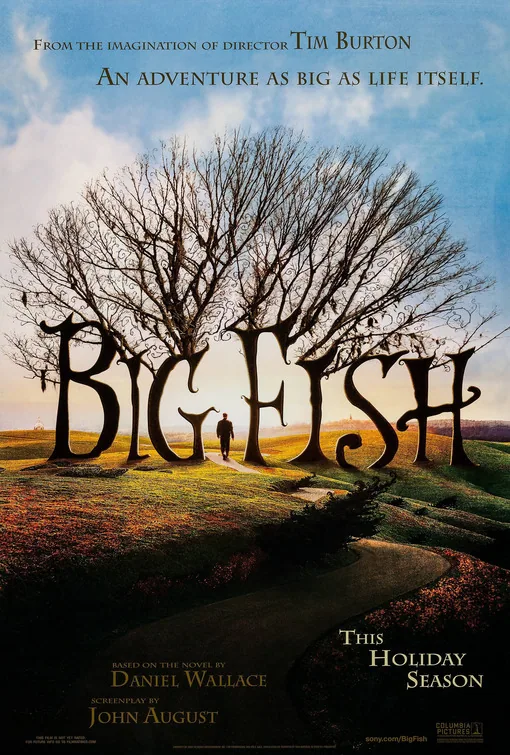
Will Bloom returns to Alabama when his father Edward is dying, still frustrated that the man tells extravagant stories instead of speaking plainly about their relationship. He investigates the people and places behind those tales, hoping to separate verifiable fact from performance before it is too late. The stories make Edward's life larger but also conceal disappointments and private choices. As father and son approach a final conversation, Will must consider whether accepting a story means abandoning truth or recognizing the kind of intimacy Edward knew how to offer. The fantasy remains an emotional language, not a verified history.
An elderly man undertakes a slow cross-state journey to visit his brother before another illness makes reconciliation impossible.
Why this matches +
These films share important themes, atmosphere or storytelling interests with this selection.
Genres: Drama / Adventure
Shared film traits
Based on recorded story, mood and style. Your preferences can change the order.
What changes Its own story: An elderly man undertakes a slow cross-state journey to visit his brother before another illness makes reconciliation impossible.
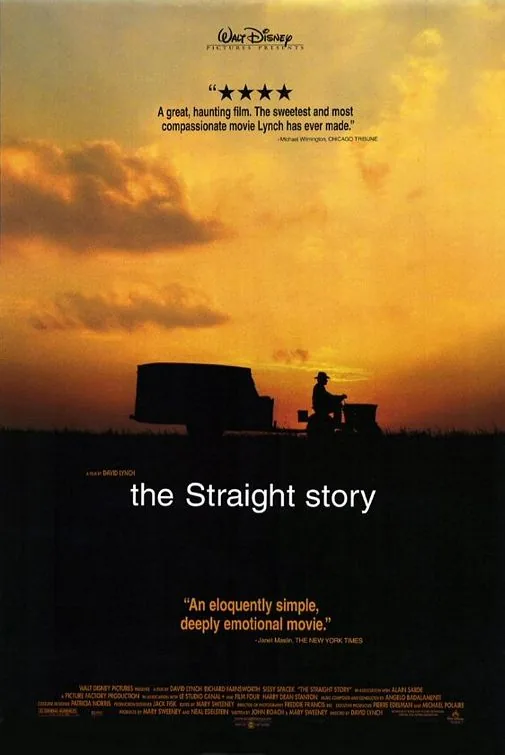
When 73-year-old Alvin Straight hears that his estranged brother Lyle has suffered a stroke, he decides to travel from Iowa to Wisconsin to see him. Alvin cannot drive because of his eyesight and refuses to depend on the family car, so he sets out on a small John Deere riding mower with a trailer. Mechanical problems slow the trip, and conversations with people he meets reveal pieces of his marriage, his wartime past and the long silence between the brothers. His daughter Rose worries about his health and the journey's practical risks, but Alvin persists. The distance is modest by road-movie standards and immense for the vehicle, turning each stop into an opportunity to decide what reconciliation can still mean.
The closing of familiar gathering places and Sam’s death remove the few shared rituals that gave the young people a sense of community.
Why this matches +
These films share important themes, atmosphere or storytelling interests with this selection.
Genres: Drama / Coming-of-age
Shared film traits
Based on recorded story, mood and style. Your preferences can change the order.
What changes Its own story: The closing of familiar gathering places and Sam’s death remove the few shared rituals that gave the young people a sense of community.
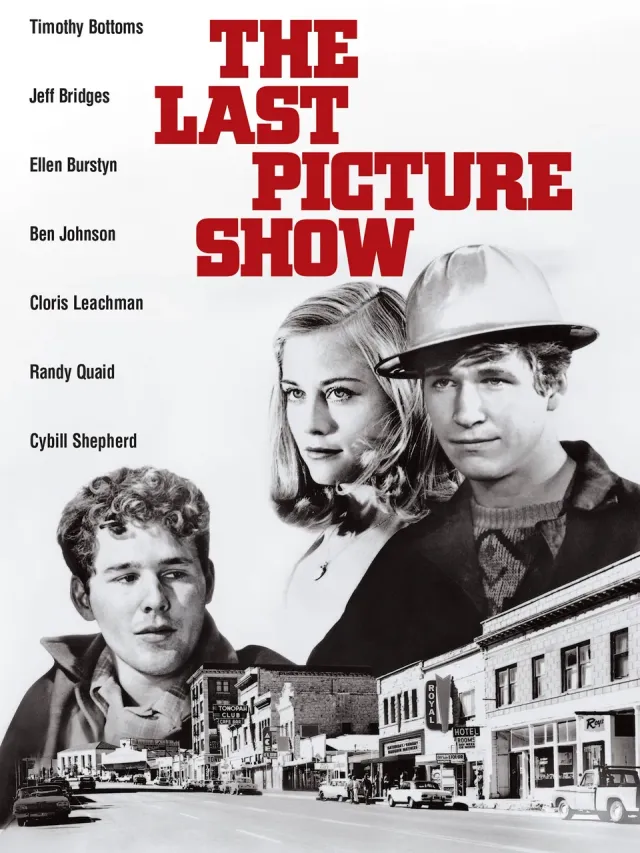
In the oil town of Anarene, high-school friends Sonny Crawford and Duane Jackson drift through their final year as the places that structure the town begin to close. Both become involved with Jacy Farrow, whose wealth and ambitions offer a path away from local routine. Sonny’s relationship with Ruth, the adult wife of his high-school coach, creates an uneasy attachment shaped by age and power. Billy, a disabled teenager, is treated as a town fixture and later becomes the target of a cruel sexual initiation arranged by his friends. Sam the Lion’s pool hall and movie theater are among the few places where young people gather; his death makes the town feel smaller still. The story follows desire, boredom and loss without promising that growing up will deliver a clear escape.
A child's remembered family life is gradually broken apart by labor conflict, class barriers, migration and the dangers of the mine.
Why this matches +
These films explore a related idea in a different setting, genre or style.
An adjacent discovery: a related idea with a different viewing experience.
Genres: Drama
Shared film traits
Based on recorded story, mood and style. Your preferences can change the order.
Memory and identity
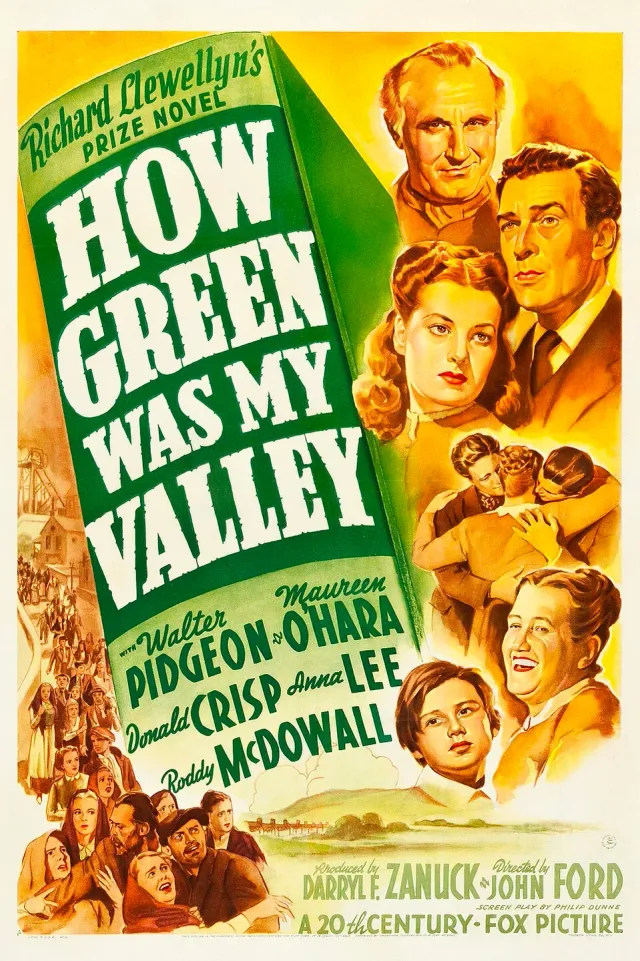
What changes Its own story: A child's remembered family life is gradually broken apart by labor conflict, class barriers, migration and the dangers of the mine.
A man remembers childhood in a Welsh mining family before changes in work and landscape dissolved the world he knew. Wage conflict divides his father from older brothers, while schooling, romance and religious gossip expose other hierarchies inside a community he still loves. Injuries and departures accumulate beneath the warmth of song and family ritual. The drama makes recollection both a shelter and an admission of loss, presenting industrial change through the child who cannot yet understand every pressure shaping the adults around him.
News from home opens a recollection in which apprenticeship, first love and departure shape the meaning of a later artistic life.
Why this matches +
These films explore a related idea in a different setting, genre or style.
An adjacent discovery: a related idea with a different viewing experience.
Genres: Drama / Coming-of-age
Shared film traits
Based on recorded story, mood and style. Your preferences can change the order.
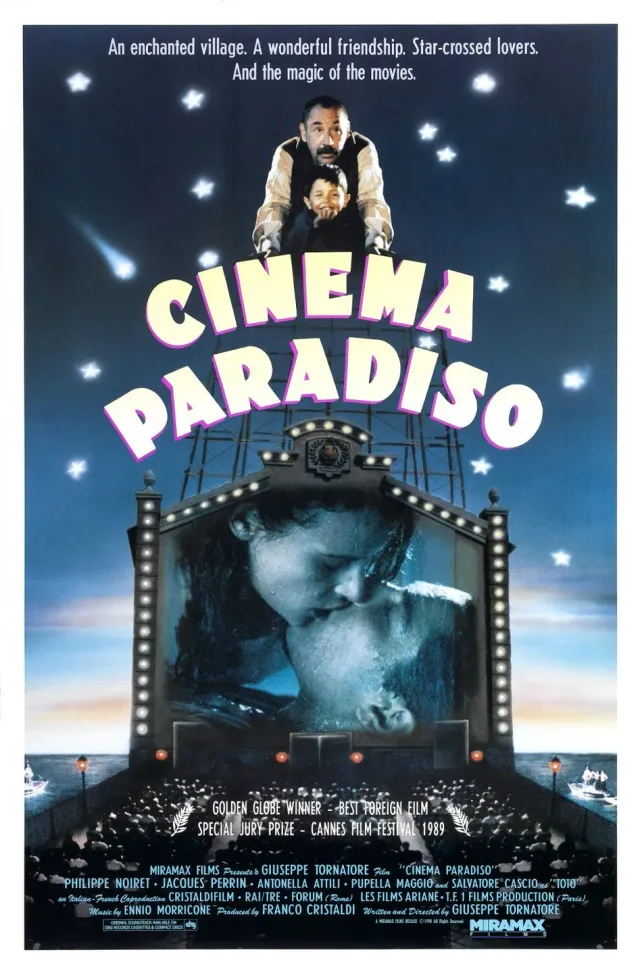
What changes Its own story: News from home opens a recollection in which apprenticeship, first love and departure shape the meaning of a later artistic life.
A successful filmmaker learns of a death in the Sicilian town he left decades earlier and revisits his childhood through memories of its cinema. Friendship with a projectionist introduced him to images, forbidden access and the communal life organised around a screen. Growing older brings romance and the difficult possibility that following a vocation may require leaving the place and people through which that vocation first became imaginable.
The film's engine follows the hypothetical life becomes a sustained experiment in changed priorities; this keeps the stakes tied to observable choices.
Why this matches +
These films explore a related idea in a different setting, genre or style.
An adjacent discovery: a related idea with a different viewing experience.
Genres: Comedy / Drama
Shared film traits
Based on recorded story, mood and style. Your preferences can change the order.
Memory and identity
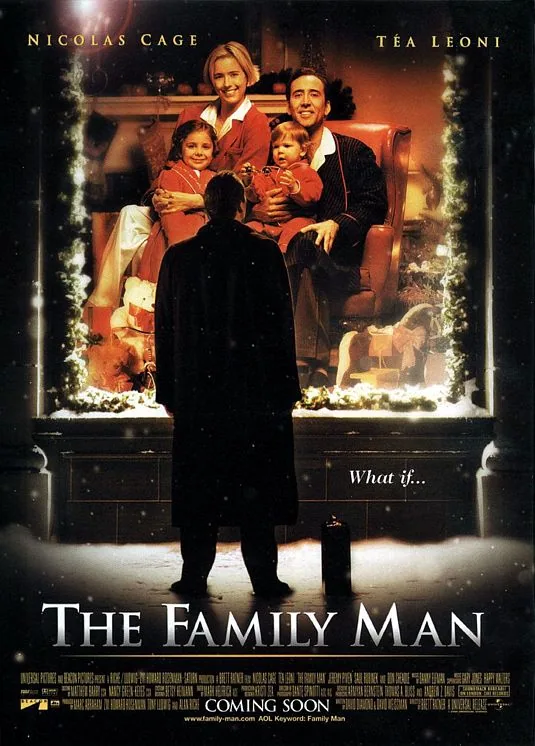
What changes Its own story: The film's engine follows the hypothetical life becomes a sustained experiment in changed priorities; this keeps the stakes tied to observable choices.
A successful investment banker wakes up in a life he might have lived if he had made a different choice years earlier: a suburban marriage, children and a less glamorous career. The sudden change asks him to reconsider what he values and what his old ambitions left behind. Its holiday fantasy explores work, intimacy and alternate futures.
A financial emergency triggers a retrospective examination of deferred dreams and a supernatural counterfactual about one person's social influence.
Why this matches +
These films explore a related idea in a different setting, genre or style.
An adjacent discovery: a related idea with a different viewing experience.
Genres: Fantasy / Drama
Shared film traits
Based on recorded story, mood and style. Your preferences can change the order.
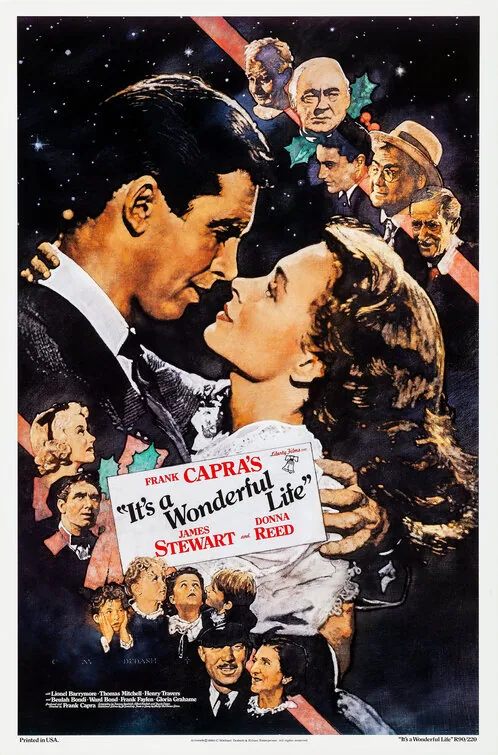
What changes Its own story: A financial emergency triggers a retrospective examination of deferred dreams and a supernatural counterfactual about one person's social influence.
A small-town businessman who has repeatedly postponed his own ambitions reaches a crisis when missing money threatens the institution he has kept alive for his neighbours. A supernatural visitor asks him to reconsider the value of a life he experiences as failure. By revisiting ordinary obligations and imagining their absence, the story connects private despair with the often invisible consequences of friendship, affordable housing and communal care.
A staged family celebration turns knowledge of approaching loss into a practical dispute over who should carry emotional responsibility.
Why this matches +
These films explore a related idea in a different setting, genre or style.
An adjacent discovery: a related idea with a different viewing experience.
Genres: Drama / Comedy
Shared film traits
Based on recorded story, mood and style. Your preferences can change the order.
What changes Its own story: A staged family celebration turns knowledge of approaching loss into a practical dispute over who should carry emotional responsibility.
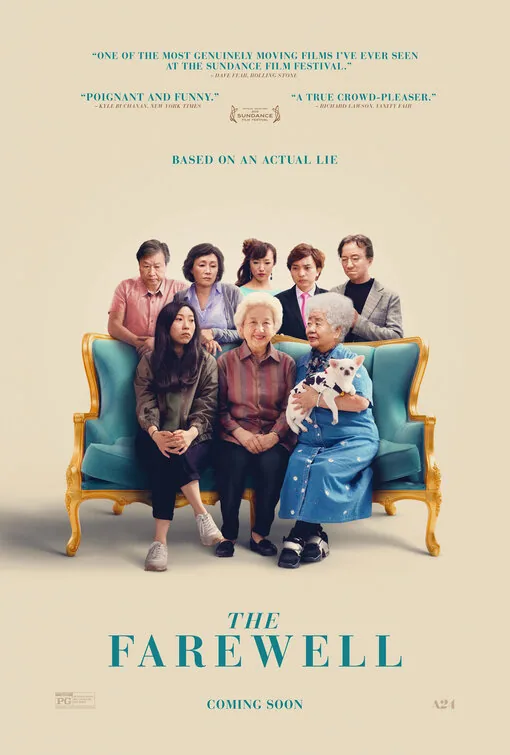
A Chinese American woman learns that her grandmother in China has received a terminal diagnosis that the family intends to conceal from her. A hastily arranged wedding creates a reason for relatives living abroad to gather without revealing why they have come. Returning against her parents' advice, the granddaughter struggles with a form of care that depends on collective concealment, while recognising that migration has already complicated what belonging and responsibility mean.
Dorothea asks Abbie and Julie to help her connect with Jamie, and their imperfect guidance reshapes the household's understanding of growing up.
Why this matches +
These films explore a related idea in a different setting, genre or style.
An adjacent discovery: a related idea with a different viewing experience.
Genres: Comedy / Drama
Shared film traits
Based on recorded story, mood and style. Your preferences can change the order.
What changes Its own story: Dorothea asks Abbie and Julie to help her connect with Jamie, and their imperfect guidance reshapes the household's understanding of growing up.
In 1979 Santa Barbara, single mother Dorothea worries that she cannot reach her teenage son Jamie, so she asks two younger women living in their house to help guide him. Photographer Abbie and Jamie's close friend Julie bring different ideas about adulthood, sexuality, and the changing world, while Dorothea's own perspective is shaped by the era in which she grew up. Their shared household becomes a loose education for all of them, built from arguments, music, and attempts to understand one another across generations.
A bus driver and poet notices his city while sharing a home with an aspiring artist. His routine shifts after a small loss and an encounter.
Why this matches +
These films explore a related idea in a different setting, genre or style.
An adjacent discovery: a related idea with a different viewing experience.
Genres: Drama / Comedy
Shared film traits
Based on recorded story, mood and style. Your preferences can change the order.
What changes Its own story: A bus driver and poet notices his city while sharing a home with an aspiring artist. His routine shifts after a small loss and an encounter.
Paterson, a bus driver in Paterson, New Jersey, follows a steady routine of work, walks with his dog, and quiet conversations at a local bar. He writes poems in a notebook, drawing on passenger conversations and daily details, while his wife Laura pursues creative ambitions at home. The film observes ordinary days without a crisis-driven plot. Jim Jarmusch’s drama finds variation in repetition, private art, neighborhood encounters, and the way a small loss interrupts a familiar rhythm.
The castaway’s repeated escape attempts give way to an unexpected relationship that changes how he understands the island and his future.
Why this matches +
These films explore a related idea in a different setting, genre or style.
An adjacent discovery: a related idea with a different viewing experience.
Genres: Animation / Drama
Shared film traits
Based on recorded story, mood and style. Your preferences can change the order.
Memory and identity
What changes Its own story: The castaway’s repeated escape attempts give way to an unexpected relationship that changes how he understands the island and his future.
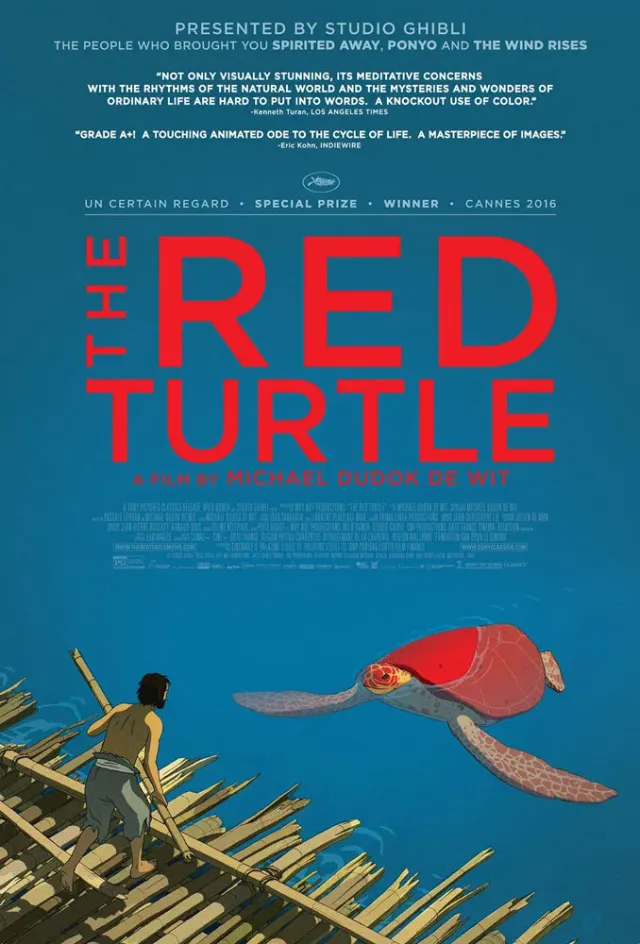
A man is stranded on an uninhabited island after a storm and repeatedly tries to escape on rafts he builds from bamboo. An unseen force destroys each attempt, until he encounters a red turtle that changes the direction of his life. The island gradually becomes a place where he forms a family and watches the rhythms of nature and aging. Michael Dudok de Wit’s animated fable tells its story without spoken dialogue, using movement, sound and landscape instead.
The film remains anchored to one location while moving across different periods and generations of people who live in or pass through it. Domestic routines, relationships, and historical change become visible through the space itself, making the room a witness to lives it cannot control. The drama adapts a graphic-novel structure into a meditation on memory, time, family, and the meanings that accumulate around an ordinary place.
What drives the story
The fixed viewpoint makes viewers notice how the same space changes across generations.
The people at its centre
Family stories connect private decisions to larger historical shifts. That consequence remains central to the character’s next choice.
What it feels like
The structure treats memory as an accumulation of ordinary moments.
Worth knowing
The room functions as witness, even though it cannot shape the lives inside it.
TimeMemoryFamily
Mood
Reflective · Intimate · Bittersweet
Pacing
A non-linear structure revisits one place across multiple generations
Visual style
Fixed-frame compositions · Changing production design · Period transitions
Storytelling
Temporal recurrence · Family restoration · Memory and identity