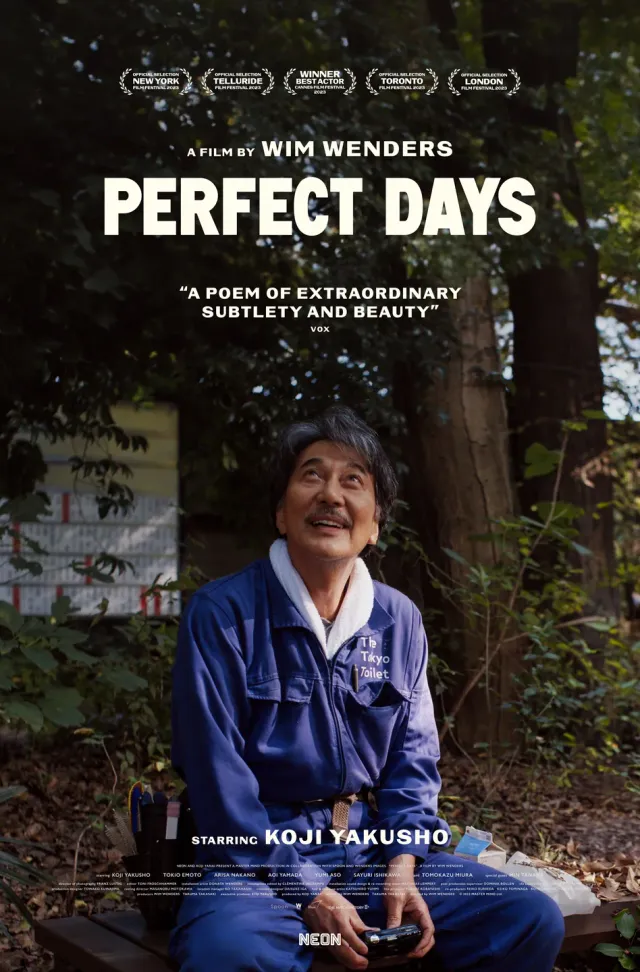
The repeated routine is the film’s story engine; small disruptions reveal the family ties and loneliness that the schedule leaves outside its frame.
Why this matches +
Small routines and reserved encounters make an ordinary life meaningful without a grand transformative quest.
Genres: Drama
Shared film traits
Based on recorded story, mood and style. Your preferences can change the order.
Expect contemplative and gentle, with slow and repetitive pacing.
Hirayama works as a meticulous public-toilet cleaner in Tokyo, arranging his days around familiar routes, cassette tapes, books and photographs of trees. His routine is mostly self-chosen and gives him quiet satisfaction, but small interruptions gradually reveal relationships he keeps at a distance. His younger coworker Takashi’s needs, the arrival of Hirayama’s niece Niko and an unexpected encounter with a man from a nearby restaurant unsettle the pattern without turning it into a conventional quest. As these moments accumulate, Hirayama’s attention to work, nature and music becomes a way of meeting an uncertain life one day at a time.
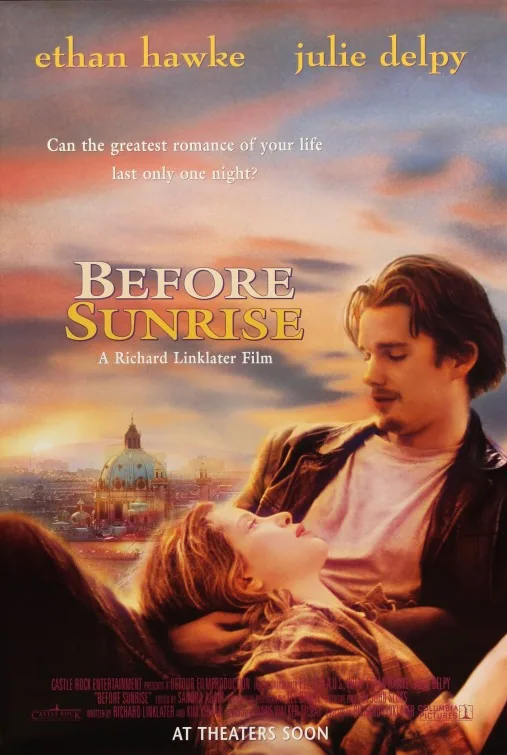
A voluntary interruption to two journeys creates a brief interval in which strangers can test connection without knowing its eventual cost.
Why this matches +
Small routines and reserved encounters make an ordinary life meaningful without a grand transformative quest.
Genres: Drama / Romance
Shared film traits
Based on recorded story, mood and style. Your preferences can change the order.
What changes Paterson: gentle, repetitive and observational. Before Sunrise: measured.
An American traveller persuades a French student he meets on a train to spend an evening walking with him through Vienna before his departure. With no shared past and little immediate accountability, conversation moves quickly between flirtation, embarrassment and competing ideas about adulthood. The approaching train gives ordinary encounters and pauses a temporary intensity, making the possibility of intimacy inseparable from the knowledge that the meeting may not become a continuing life.
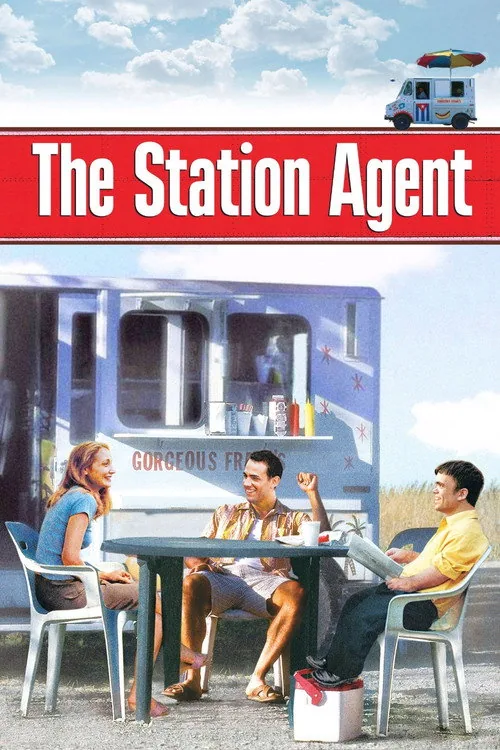
Fin’s attempt at seclusion is gradually interrupted by neighbors who keep returning and form a friendship without demanding instant intimacy.
Why this matches +
Small routines and reserved encounters make an ordinary life meaningful without a grand transformative quest.
Genres: Comedy / Drama
Shared film traits
Based on recorded story, mood and style. Your preferences can change the order.
What changes Paterson: gentle, repetitive and observational. The Station Agent: unhurried, conversation-led and low-key.
Finbar McBride, a private man with a passion for trains, inherits an abandoned station in rural New Jersey and hopes to live there alone. His quiet routine is interrupted by Joe, an outgoing vendor whose stand is nearby, and Olivia, an artist coping with a recent family loss. Although the three begin with different needs and little in common, repeated encounters build a tentative friendship. Tom McCarthy’s comedy-drama gives attention to silence, loneliness, and the awkward process of allowing other people into a life organized around solitude.
The misdelivered meal gives Ila and Saajan a private channel through which ordinary routines turn into personal conversation.
Why this matches +
Small routines and reserved encounters make an ordinary life meaningful without a grand transformative quest.
Genres: Drama / Romance
Shared film traits
Based on recorded story, mood and style. Your preferences can change the order.
What changes Paterson: gentle, repetitive and observational. The Lunchbox: slow and intimate and episodic letters and meals.
A meal prepared by Ila for her inattentive husband is mistakenly delivered to Saajan, a lonely widower nearing retirement in Mumbai. When the error goes unnoticed, Ila and Saajan begin exchanging notes through the lunchbox, sharing disappointments and hopes that they rarely express to people around them. Ritesh Batra’s Hindi-language drama follows this correspondence alongside the rhythms of the city’s delivery system, finding intimacy in food, routine, and small acts of attention. Its emotional movement is quiet and open-ended rather than driven by a conventional romantic resolution.
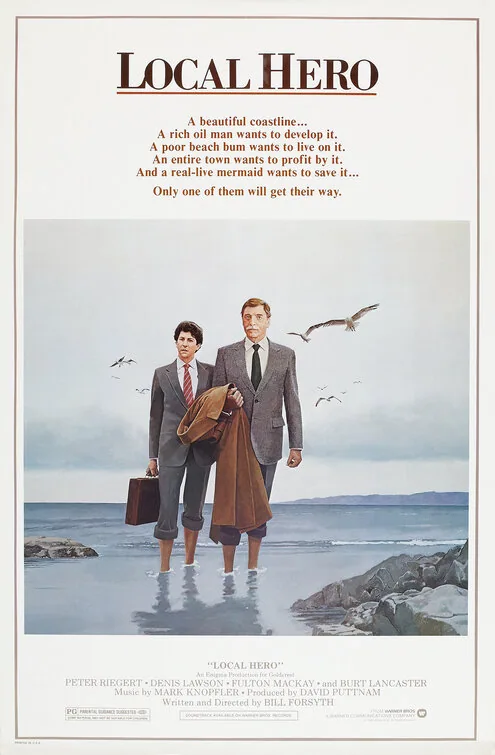
A corporate land deal becomes uncertain as Mac grows attached to the community he was sent to displace.
Why this matches +
Small routines and reserved encounters make an ordinary life meaningful without a grand transformative quest.
Genres: Comedy / Drama
Shared film traits
Based on recorded story, mood and style. Your preferences can change the order.
What changes Paterson: gentle, repetitive and observational. Local Hero: unhurried, episodic, measured encounters and gentle reversals.
Houston oil executive Mac MacIntyre is sent to the Scottish village of Ferness to acquire its land for a refinery. The company’s eccentric owner, Felix Happer, gives him an unrelated instruction to watch the sky, while local representative Danny Oldsen helps him navigate the assignment. As Mac meets hotel owners, residents and a marine researcher, the village becomes more than a transaction and his confidence in the plan weakens. The sale seems straightforward until an old beachcomber refuses to part with the shore. Happer’s visit changes the negotiations in an unexpected direction, leaving Mac to return to Houston with the village still on his mind.
Recording music gives two strangers a shared project without pretending it can solve every practical problem.
Why this matches +
Small routines and reserved encounters make an ordinary life meaningful without a grand transformative quest.
Genres: Musical
Shared film traits
Based on recorded story, mood and style. Your preferences can change the order.
What changes Paterson is tagged contemplative and quiet; Once is tagged intimate and hopeful.
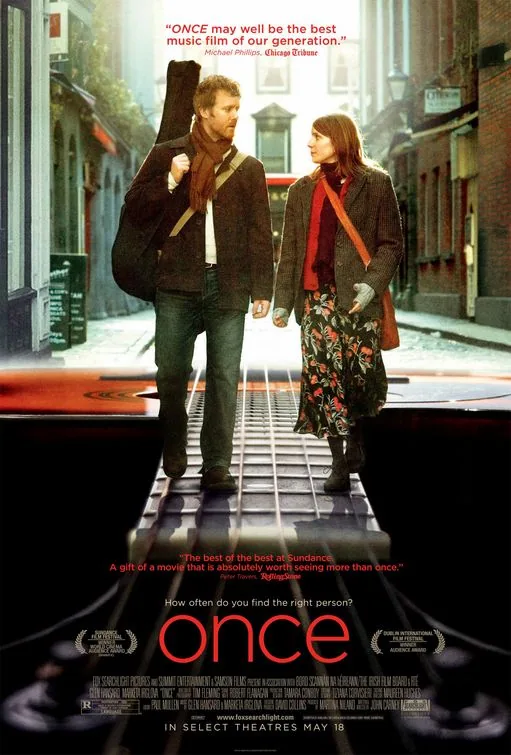
A Dublin street musician meets a Czech immigrant who recognizes his songs and encourages him to record them. Their collaboration creates a brief, emotionally close partnership shaped by music, practical responsibilities and lives that are already committed elsewhere. The independent musical keeps performance and everyday labor intertwined, using original songs not as decorative breaks but as the language through which two people express feelings they cannot comfortably turn into a conventional romance.
An imaginative helper uses secret interventions to manage other people's connections while postponing a more vulnerable connection of her own.
Why this matches +
Small routines and reserved encounters make an ordinary life meaningful without a grand transformative quest.
Genres: Drama / Romance
Shared film traits
Based on recorded story, mood and style. Your preferences can change the order.
What changes Paterson: gentle, repetitive and observational. Amélie: steady.
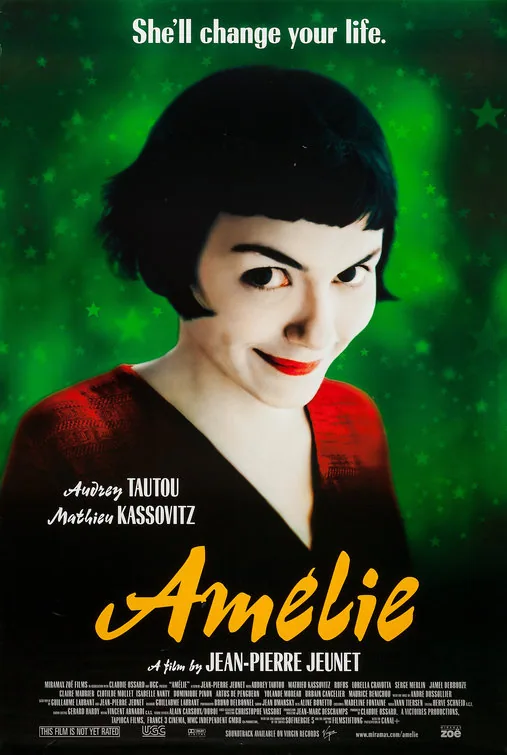
A solitary Parisian waitress discovers a hidden object from someone's childhood and becomes fascinated by the happiness an anonymous intervention can produce. She begins arranging small changes in other people's lives while avoiding direct exposure of her own desires. Attraction to a similarly eccentric stranger turns her private game of observation into a more difficult invitation to risk being seen, misunderstood and loved without controlling the outcome.
Jesse’s questions interrupt Johnny’s work and gradually change how he listens.
Why this matches +
Small routines and reserved encounters make an ordinary life meaningful without a grand transformative quest.
Genres: Drama
Shared film traits
Based on recorded story, mood and style. Your preferences can change the order.
What changes Paterson: gentle, repetitive and observational. C'mon C'mon: an episodic road structure leaves space for listening and conversation.
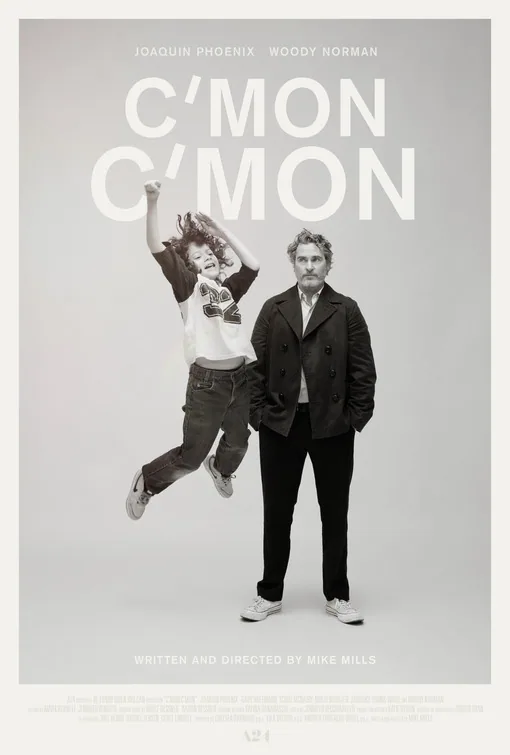
Radio journalist Johnny temporarily cares for his young nephew Jesse while his sister helps Jesse’s father manage a difficult period. Their road travels for Johnny’s interviews become an improvised relationship between an adult and a child who ask direct questions about the future. The black-and-white drama is less driven by plot than by conversation, observing grief, caregiving, and the unfamiliar rhythms that form when family members spend sustained time together.
A visit by elderly parents exposes the distance between generations as their adult children balance affection with urban routines and obligations.
Why this matches +
Small routines and reserved encounters make an ordinary life meaningful without a grand transformative quest.
Genres: Drama
Shared film traits
Based on recorded story, mood and style. Your preferences can change the order.
What changes Paterson: gentle, repetitive and observational. Tokyo Story: slow and everyday episodes.
An aging couple, Shukichi and Tomi Hirayama, travel from their coastal town to Tokyo to visit their adult children and grandchildren. Their son and daughter are busy with work and family, and arrange a brief trip to a seaside resort rather than spending much time with them. Noriko, the widow of their deceased son, treats the couple with particular kindness despite her own modest life. When Tomi becomes ill, the family’s attentions reveal different forms of affection, duty and regret. Ozu follows these changes through small domestic gestures rather than dramatic confrontations. The visit’s short duration turns small family accommodations into signs of affection, impatience and regret.
A friendship's changed practical arrangements expose a precarious creative career, turning repeated moves into a test of whether adaptation can occur without interpreting every change as abandonment.
Why this matches +
Small routines and reserved encounters make an ordinary life meaningful without a grand transformative quest.
Genres: Drama / Comedy
Shared film traits
Based on recorded story, mood and style. Your preferences can change the order.
What changes Paterson: gentle, repetitive and observational. Frances Ha: episodic.
A dancer in New York assumes that the life she shares with her closest friend can continue while each moves toward a creative future. Changes in housing, money and the friend's relationship expose how much stability that imagined partnership has supplied. Drifting through temporary rooms and impractical gestures, Frances must distinguish preserving an attachment from requiring it to keep confirming an identity her working life no longer supports in the same way.
A temporary stay abroad creates an emotional interval in which two dissatisfied people can recognise feelings their ordinary routines conceal.
Why this matches +
Creative attention or an unexpected relationship reveals possibilities that a solitary adult's familiar identity has kept at a distance.
An adjacent discovery: a related idea with a different viewing experience.
Genres: Drama / Romance
Shared film traits
Based on recorded story, mood and style. Your preferences can change the order.
What changes Paterson: gentle, repetitive and observational. Lost in Translation: meditative and measured.
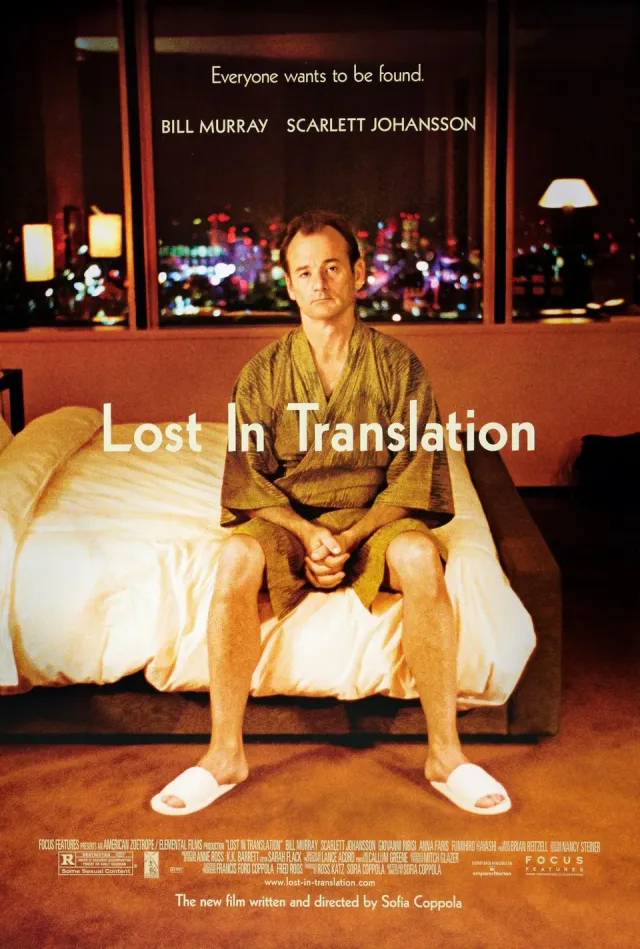
An American actor working on an advertisement in Tokyo meets a young woman accompanying a husband whose work leaves her largely alone. Dislocation, insomnia and uncertainty about their marriages create a companionship neither expected to find. Their shared movement through the city offers temporary relief from the roles awaiting them elsewhere, while the knowledge that the encounter is brief keeps affection poised between possibility and restraint.
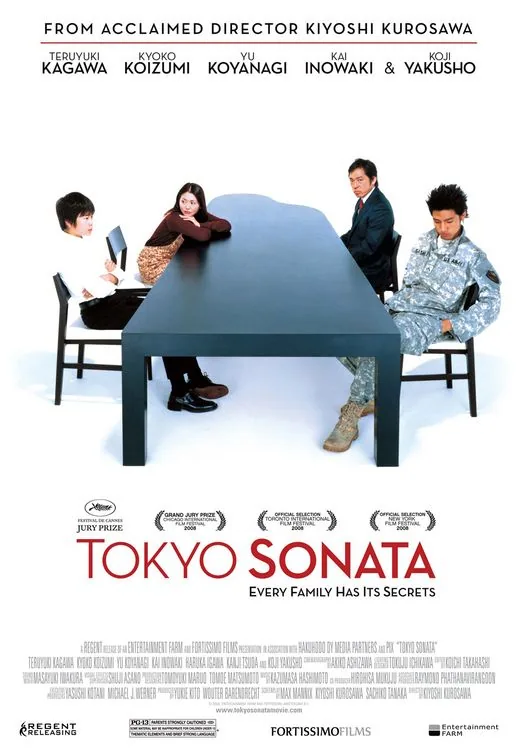
The family’s separate secrets accumulate until job loss, a son’s departure and a hidden piano education force the household toward crisis.
Why this matches +
Creative attention or an unexpected relationship reveals possibilities that a solitary adult's familiar identity has kept at a distance.
An adjacent discovery: a related idea with a different viewing experience.
Genres: Drama
Shared film traits
Based on recorded story, mood and style. Your preferences can change the order.
What changes Paterson: gentle, repetitive and observational. Tokyo Sonata: measured, gradually escalating and quietly suspenseful.
When office worker Ryūhei loses his position during a corporate restructuring, he conceals the dismissal from his wife and sons and keeps returning each day as if he still has a job. His teenage son Takashi announces a plan that takes him far from home, while younger Kenji secretly studies piano against his father’s wishes. Megumi, the family’s mother, is left managing a household whose members share meals but hide their fears. As their deceptions unravel, this restrained Tokyo drama follows economic insecurity into the private life of a family.
A risky farming venture turns competing ideas of security and success into daily disputes over money, care and where the family should live.
Why this matches +
Creative attention or an unexpected relationship reveals possibilities that a solitary adult's familiar identity has kept at a distance.
An adjacent discovery: a related idea with a different viewing experience.
Genres: Drama
Shared film traits
Based on recorded story, mood and style. Your preferences can change the order.
What changes Paterson: gentle, repetitive and observational. Minari: measured.
A Korean immigrant family moves to rural Arkansas, where the father hopes to build a farm supplying vegetables to other Korean households. His confidence in the land creates new strains for a marriage already stretched by insecure work, distance from familiar support and their son's health needs. The arrival of the children's grandmother offers another form of continuity, making the family's effort to put down roots both practical and deeply personal.
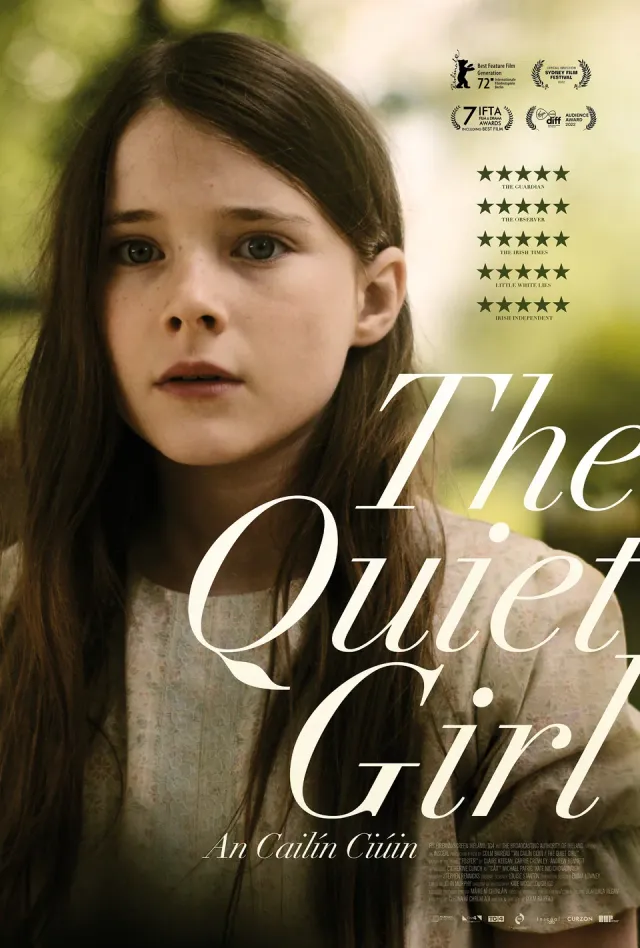
Cáit moves into a relative’s home for the summer, where daily chores and careful attention reveal a different model of family life.
Why this matches +
Creative attention or an unexpected relationship reveals possibilities that a solitary adult's familiar identity has kept at a distance.
An adjacent discovery: a related idea with a different viewing experience.
Genres: Drama
Shared film traits
Based on recorded story, mood and style. Your preferences can change the order.
What changes Paterson: gentle, repetitive and observational. The Quiet Girl: measured, minimal, patient and emotionally cumulative.
Nine-year-old Cáit is sent from her crowded home to stay with distant relatives in rural Ireland for the summer. Eibhlín welcomes her with patient care, while the more reserved Seán gradually makes room for the child in the routines of the farm. As Cáit learns the household’s silences and small acts of kindness, she discovers how attention can make a neglected child feel safe and how grief can remain present without being explained.
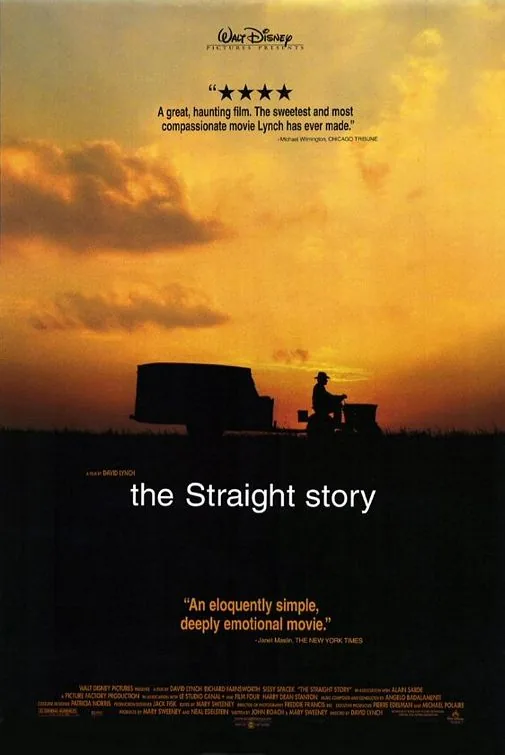
An elderly man undertakes a slow cross-state journey to visit his brother before another illness makes reconciliation impossible.
Why this matches +
Creative attention or an unexpected relationship reveals possibilities that a solitary adult's familiar identity has kept at a distance.
An adjacent discovery: a related idea with a different viewing experience.
Genres: Drama / Adventure
Shared film traits
Based on recorded story, mood and style. Your preferences can change the order.
What changes Paterson: gentle, repetitive and observational. The Straight Story: unhurried and road-shaped.
When 73-year-old Alvin Straight hears that his estranged brother Lyle has suffered a stroke, he decides to travel from Iowa to Wisconsin to see him. Alvin cannot drive because of his eyesight and refuses to depend on the family car, so he sets out on a small John Deere riding mower with a trailer. Mechanical problems slow the trip, and conversations with people he meets reveal pieces of his marriage, his wartime past and the long silence between the brothers. His daughter Rose worries about his health and the journey's practical risks, but Alvin persists. The distance is modest by road-movie standards and immense for the vehicle, turning each stop into an opportunity to decide what reconciliation can still mean.
A question from classmates changes how Léo understands his closeness with Rémi, and their shifting friendship leaves consequences that he must face.
Why this matches +
Creative attention or an unexpected relationship reveals possibilities that a solitary adult's familiar identity has kept at a distance.
An adjacent discovery: a related idea with a different viewing experience.
Genres: Drama
Shared film traits
Based on recorded story, mood and style. Your preferences can change the order.
What changes Paterson: gentle, repetitive and observational. Close: quiet, patient, elliptical and emotionally cumulative.
Léo and Rémi share a close friendship through childhood games, sleepovers and summers at a flower farm in rural Belgium. When classmates begin labeling their intimacy, Léo becomes more guarded and turns toward new peers and ice hockey, leaving Rémi to make sense of the distance. A sudden loss changes the story into an intimate portrait of grief, guilt and the ways a boy tries to understand feelings he has been taught to conceal.
Three widely separated periods of contact turn reunion into an encounter with alternative lives rather than a simple opportunity to resume a childhood romance.
Why this matches +
Creative attention or an unexpected relationship reveals possibilities that a solitary adult's familiar identity has kept at a distance.
An adjacent discovery: a related idea with a different viewing experience.
Genres: Drama / Romance
Shared film traits
Based on recorded story, mood and style. Your preferences can change the order.
What changes Paterson: gentle, repetitive and observational. Past Lives: measured.
Two childhood friends separated when one family leaves South Korea reconnect years later across video calls and another long interval of separate lives. When they finally meet in New York, she is married and has built a language, career and identity that her old friend only partly knows. Their time together brings affection for an unrealised future into contact with responsibility toward the present they have actually chosen.
A deliberate erasure process becomes an internal attempt to preserve the relationship it was meant to remove.
Why this matches +
Creative attention or an unexpected relationship reveals possibilities that a solitary adult's familiar identity has kept at a distance.
An adjacent discovery: a related idea with a different viewing experience.
Genres: Science fiction / Romance
Shared film traits
Based on recorded story, mood and style. Your preferences can change the order.
What changes Paterson: gentle, repetitive and observational. Eternal Sunshine of the Spotless Mind: measured.
A withdrawn man discovers that his former partner has undergone a procedure erasing their relationship and elects to do the same. While the treatment moves through his memories, moments he wanted to escape become experiences he tries to protect. Their intimacy is revisited in unstable order, exposing both the pain of incompatibility and the attachments that cannot be reduced to a clean decision to forget.
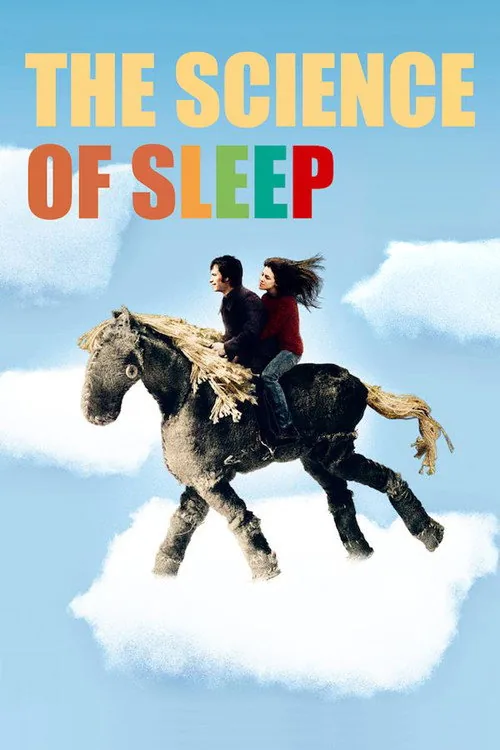
Stéphane’s elaborate dreams keep intruding into his attempts to work, communicate, and build a relationship with Stéphanie.
Why this matches +
Creative attention or an unexpected relationship reveals possibilities that a solitary adult's familiar identity has kept at a distance.
An adjacent discovery: a related idea with a different viewing experience.
Genres: Fantasy / Comedy
Shared film traits
Based on recorded story, mood and style. Your preferences can change the order.
What changes Paterson: gentle, repetitive and observational. The Science of Sleep: dreamlike episodic structure, romantic hesitation and handmade fantasy interludes.
After his father’s death, Stéphane returns to Paris and takes an unsatisfying job, where he meets his neighbor Stéphanie. His dreams are vivid, handmade worlds that increasingly spill into his waking life, making it hard to know whether a conversation, invention, or romantic gesture has actually happened. Michel Gondry’s French-language comedy blends fantasy, romance, and surreal craft imagery to follow a shy man whose imagination both connects him with another person and complicates ordinary intimacy.
The auditor’s effort to find the narrator turns a literary device into a practical investigation of his own agency.
Why this matches +
Creative attention or an unexpected relationship reveals possibilities that a solitary adult's familiar identity has kept at a distance.
An adjacent discovery: a related idea with a different viewing experience.
Genres: Comedy / Drama
Shared film traits
Based on recorded story, mood and style. Your preferences can change the order.
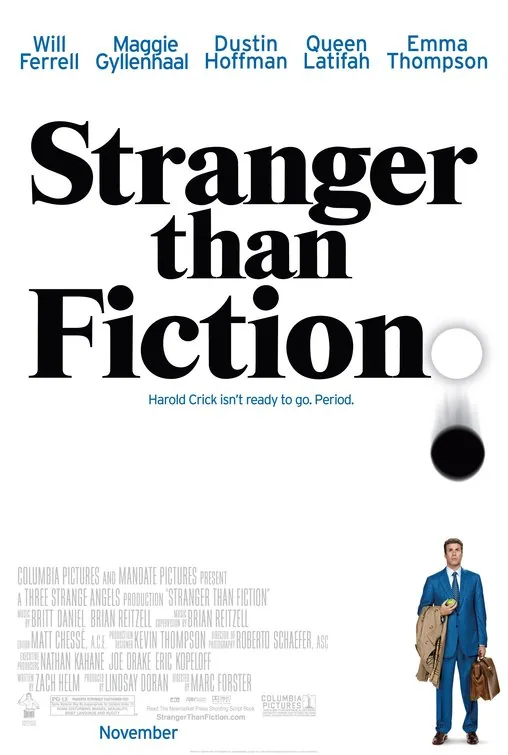
What changes Paterson: gentle, repetitive and observational. Stranger than Fiction: measured and conversational.
An IRS auditor begins hearing a narrator describe his actions and becomes convinced that his life is being written toward an ending. He seeks help from a literary scholar while his routines bring him into contact with a baker he is auditing. The comedy uses a self-aware premise to ask whether a person can alter a story without losing the relationships and responsibilities that give life meaning.
Paterson, a bus driver in Paterson, New Jersey, follows a steady routine of work, walks with his dog, and quiet conversations at a local bar. He writes poems in a notebook, drawing on passenger conversations and daily details, while his wife Laura pursues creative ambitions at home. The film observes ordinary days without a crisis-driven plot. Jim Jarmusch’s drama finds variation in repetition, private art, neighborhood encounters, and the way a small loss interrupts a familiar rhythm.
What drives the story
A bus driver and poet notices his city while sharing a home with an aspiring artist. His routine shifts after a small loss and an encounter.
The people at its centre
Paterson and Laura encourage one another’s creative interests while expressing themselves in different ways.
What it feels like
Contains a dog destroying a notebook and brief comic references to violence; otherwise low-intensity.
Worth knowing
The film uses repetition instead of a dramatic turning point, so its movement comes from small changes in ordinary life.
RoutineCreativityAttention
Mood
Contemplative · Quiet · Warm
Pacing
Gentle · Repetitive · Observational
Visual style
Long takes · Repeated patterns · Poetry on screen
Storytelling
Daily rituals · Poetry notebook · Small variations