Lars’s introduction of Bianca prompts the community to meet his emotional needs on terms he can tolerate.
Why this matches +
Reserved outsiders find companionship through small routines without a forced cure for their solitude.
Genres: Comedy / Drama
Shared film traits
Based on recorded story, mood and style. Your preferences can change the order.
What changes The Station Agent: unhurried, conversation-led and low-key. Lars and the Real Girl: patient and gradual character change.
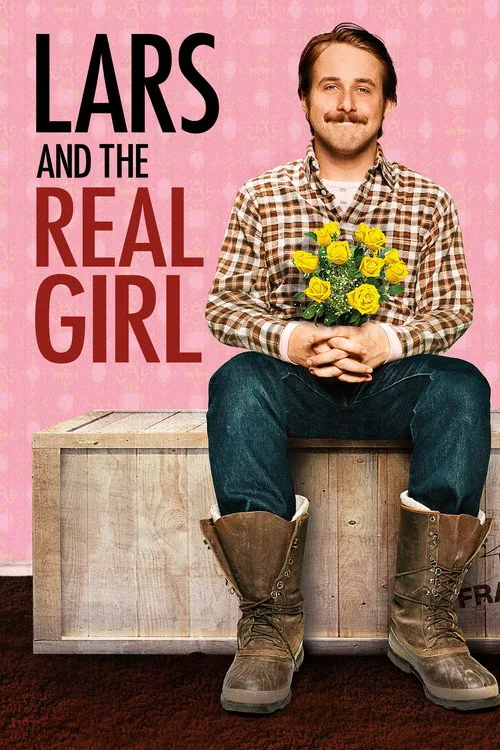
Lars Lindstrom lives in a small Wisconsin town and finds ordinary closeness difficult after a childhood marked by loss and emotional distance. When he introduces a life-size doll named Bianca as his girlfriend, his brother and sister-in-law seek help from the community rather than humiliating him. The gentle comedy follows the town’s effort to support Lars while he works through his attachment and gradually becomes more open to other people.
A friendship's changed practical arrangements expose a precarious creative career, turning repeated moves into a test of whether adaptation can occur without interpreting every change as abandonment.
Why this matches +
Reserved outsiders find companionship through small routines without a forced cure for their solitude.
Genres: Drama / Comedy
Shared film traits
Based on recorded story, mood and style. Your preferences can change the order.
What changes The Station Agent: unhurried, conversation-led and low-key. Frances Ha: episodic.
A dancer in New York assumes that the life she shares with her closest friend can continue while each moves toward a creative future. Changes in housing, money and the friend's relationship expose how much stability that imagined partnership has supplied. Drifting through temporary rooms and impractical gestures, Frances must distinguish preserving an attachment from requiring it to keep confirming an identity her working life no longer supports in the same way.
A bus driver and poet notices his city while sharing a home with an aspiring artist. His routine shifts after a small loss and an encounter.
Why this matches +
Reserved outsiders find companionship through small routines without a forced cure for their solitude.
Genres: Drama / Comedy
Shared film traits
Based on recorded story, mood and style. Your preferences can change the order.
What changes The Station Agent: unhurried, conversation-led and low-key. Paterson: gentle, repetitive and observational.
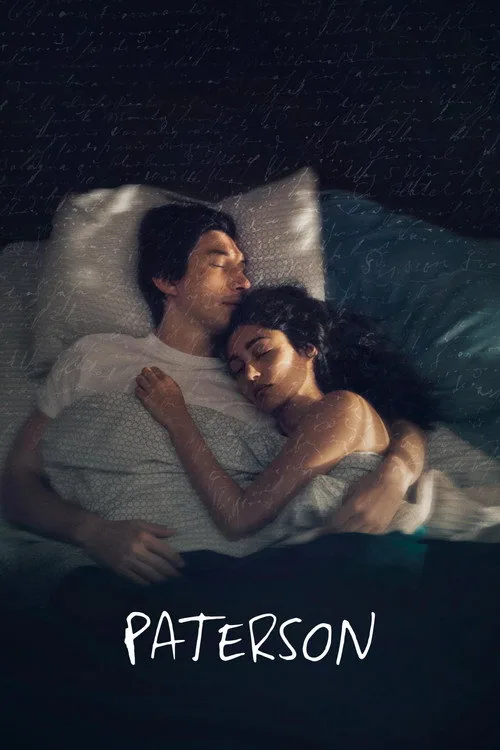
Paterson, a bus driver in Paterson, New Jersey, follows a steady routine of work, walks with his dog, and quiet conversations at a local bar. He writes poems in a notebook, drawing on passenger conversations and daily details, while his wife Laura pursues creative ambitions at home. The film observes ordinary days without a crisis-driven plot. Jim Jarmusch’s drama finds variation in repetition, private art, neighborhood encounters, and the way a small loss interrupts a familiar rhythm.
The repeated routine is the film’s story engine; small disruptions reveal the family ties and loneliness that the schedule leaves outside its frame.
Why this matches +
Reserved outsiders find companionship through small routines without a forced cure for their solitude.
Genres: Drama
Shared film traits
Based on recorded story, mood and style. Your preferences can change the order.
What changes The Station Agent: unhurried, conversation-led and low-key. Perfect Days: slow, repetitive and measured.
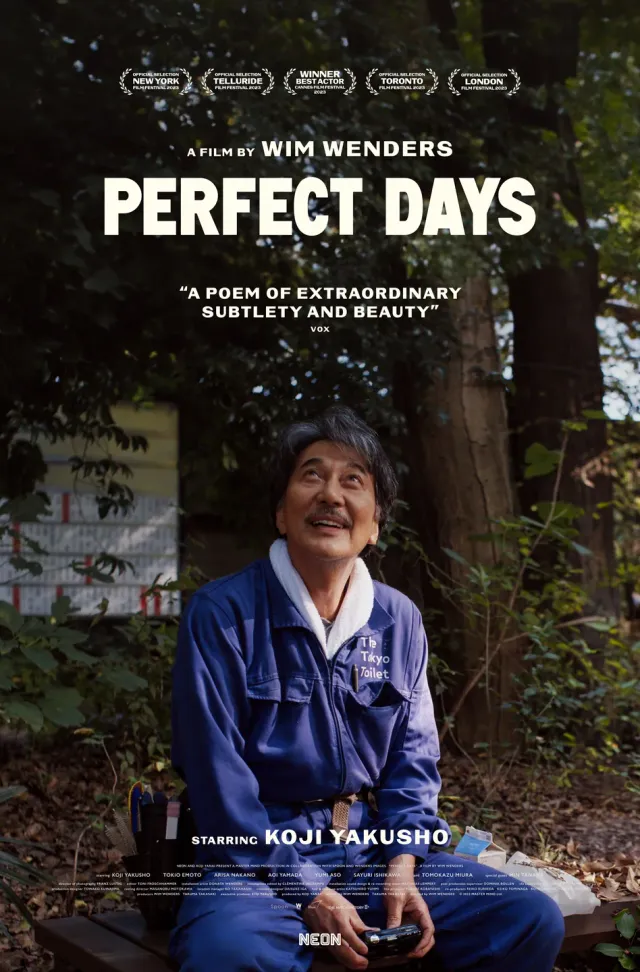
Hirayama works as a meticulous public-toilet cleaner in Tokyo, arranging his days around familiar routes, cassette tapes, books and photographs of trees. His routine is mostly self-chosen and gives him quiet satisfaction, but small interruptions gradually reveal relationships he keeps at a distance. His younger coworker Takashi’s needs, the arrival of Hirayama’s niece Niko and an unexpected encounter with a man from a nearby restaurant unsettle the pattern without turning it into a conventional quest. As these moments accumulate, Hirayama’s attention to work, nature and music becomes a way of meeting an uncertain life one day at a time.
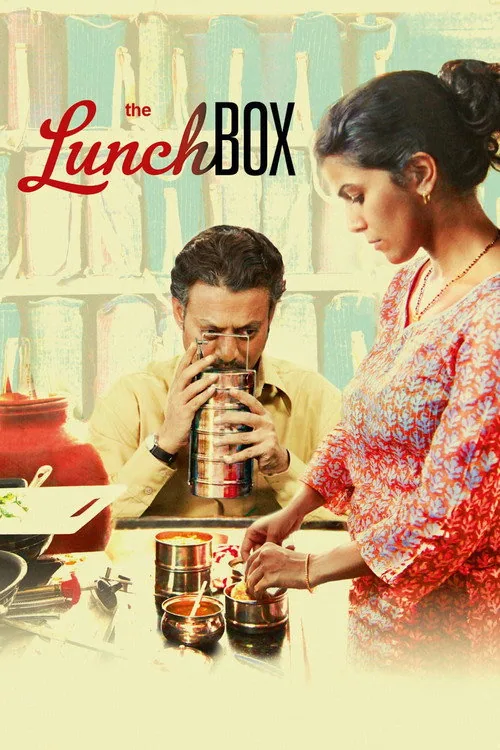
The misdelivered meal gives Ila and Saajan a private channel through which ordinary routines turn into personal conversation.
Why this matches +
Reserved outsiders find companionship through small routines without a forced cure for their solitude.
Genres: Drama / Romance
Shared film traits
Based on recorded story, mood and style. Your preferences can change the order.
What changes The Station Agent: unhurried, conversation-led and low-key. The Lunchbox: slow and intimate and episodic letters and meals.
A meal prepared by Ila for her inattentive husband is mistakenly delivered to Saajan, a lonely widower nearing retirement in Mumbai. When the error goes unnoticed, Ila and Saajan begin exchanging notes through the lunchbox, sharing disappointments and hopes that they rarely express to people around them. Ritesh Batra’s Hindi-language drama follows this correspondence alongside the rhythms of the city’s delivery system, finding intimacy in food, routine, and small acts of attention. Its emotional movement is quiet and open-ended rather than driven by a conventional romantic resolution.
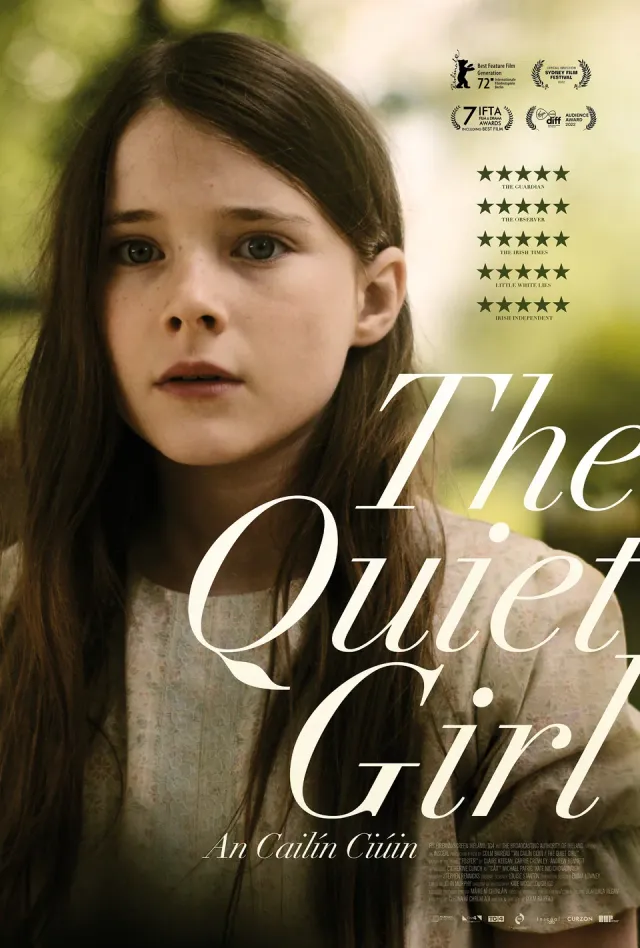
Cáit moves into a relative’s home for the summer, where daily chores and careful attention reveal a different model of family life.
Why this matches +
Reserved outsiders find companionship through small routines without a forced cure for their solitude.
Genres: Drama
Shared film traits
Based on recorded story, mood and style. Your preferences can change the order.
What changes The Station Agent: unhurried, conversation-led and low-key. The Quiet Girl: measured, minimal, patient and emotionally cumulative.
Nine-year-old Cáit is sent from her crowded home to stay with distant relatives in rural Ireland for the summer. Eibhlín welcomes her with patient care, while the more reserved Seán gradually makes room for the child in the routines of the farm. As Cáit learns the household’s silences and small acts of kindness, she discovers how attention can make a neglected child feel safe and how grief can remain present without being explained.
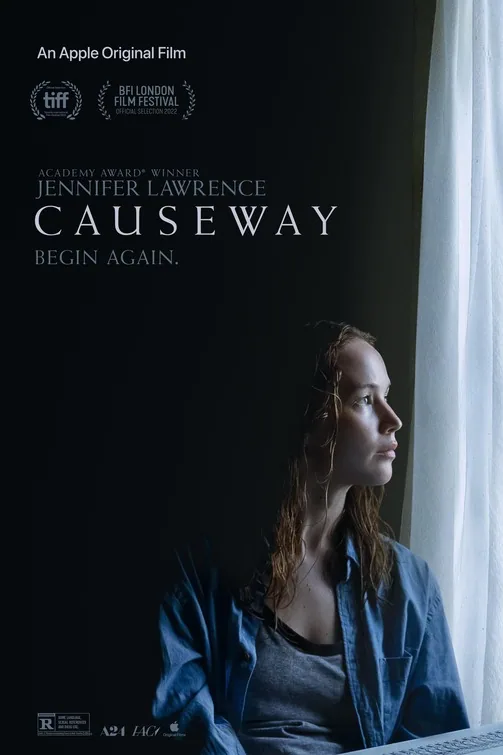
Lynsey’s return home and determination to redeploy are complicated by recovery, while a friendship with James makes room for mutual honesty.
Why this matches +
Reserved outsiders find companionship through small routines without a forced cure for their solitude.
Genres: Drama
Shared film traits
Based on recorded story, mood and style. Your preferences can change the order.
What changes The Station Agent: unhurried, conversation-led and low-key. Causeway: slow, observational, understated and patient.
Army engineer Lynsey is recovering from a traumatic brain injury after deployment and hopes to return to military duty. When she must move back to New Orleans, ordinary tasks and memories make adjustment difficult. She finds a job cleaning pools and forms an unexpected friendship with James, an auto mechanic dealing with his own physical injury and grief. The film gives their conversations and gradual trust more weight than a conventional recovery arc.
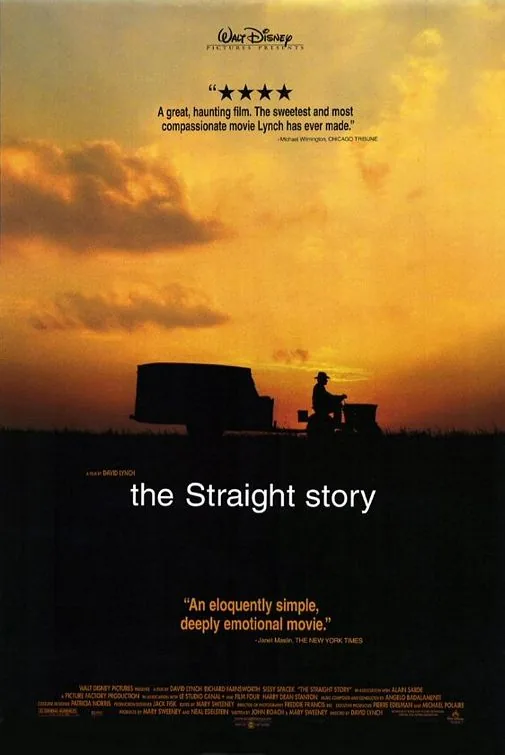
An elderly man undertakes a slow cross-state journey to visit his brother before another illness makes reconciliation impossible.
Why this matches +
Reserved outsiders find companionship through small routines without a forced cure for their solitude.
Genres: Drama / Adventure
Shared film traits
Based on recorded story, mood and style. Your preferences can change the order.
Expect gentle and reflective, with unhurried and road-shaped pacing.
When 73-year-old Alvin Straight hears that his estranged brother Lyle has suffered a stroke, he decides to travel from Iowa to Wisconsin to see him. Alvin cannot drive because of his eyesight and refuses to depend on the family car, so he sets out on a small John Deere riding mower with a trailer. Mechanical problems slow the trip, and conversations with people he meets reveal pieces of his marriage, his wartime past and the long silence between the brothers. His daughter Rose worries about his health and the journey's practical risks, but Alvin persists. The distance is modest by road-movie standards and immense for the vehicle, turning each stop into an opportunity to decide what reconciliation can still mean.
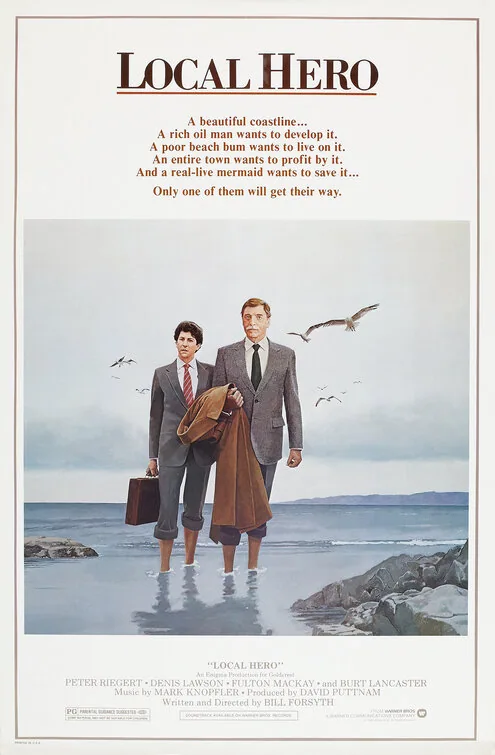
A corporate land deal becomes uncertain as Mac grows attached to the community he was sent to displace.
Why this matches +
Reserved outsiders find companionship through small routines without a forced cure for their solitude.
Genres: Comedy / Drama
Shared film traits
Based on recorded story, mood and style. Your preferences can change the order.
Expect gentle and wry, with unhurried and episodic pacing.
Houston oil executive Mac MacIntyre is sent to the Scottish village of Ferness to acquire its land for a refinery. The company’s eccentric owner, Felix Happer, gives him an unrelated instruction to watch the sky, while local representative Danny Oldsen helps him navigate the assignment. As Mac meets hotel owners, residents and a marine researcher, the village becomes more than a transaction and his confidence in the plan weakens. The sale seems straightforward until an old beachcomber refuses to part with the shore. Happer’s visit changes the negotiations in an unexpected direction, leaving Mac to return to Houston with the village still on his mind.
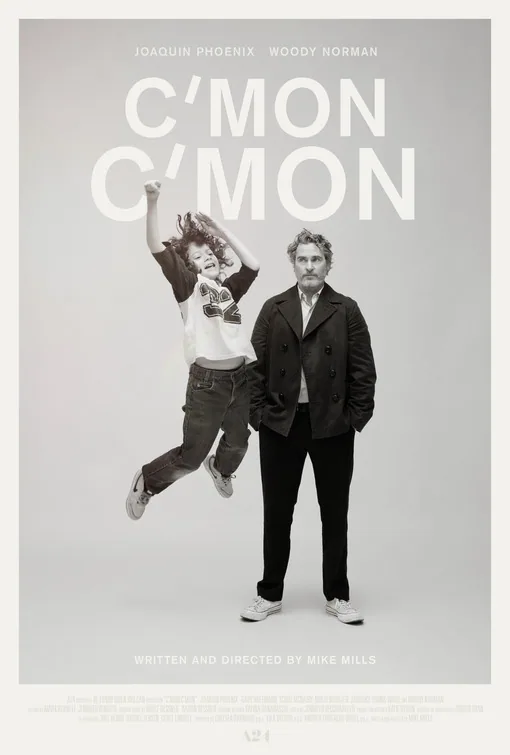
Jesse’s questions interrupt Johnny’s work and gradually change how he listens.
Why this matches +
Reserved outsiders find companionship through small routines without a forced cure for their solitude.
Genres: Drama
Shared film traits
Based on recorded story, mood and style. Your preferences can change the order.
What changes The Station Agent: unhurried, conversation-led and low-key. C'mon C'mon: an episodic road structure leaves space for listening and conversation.
Radio journalist Johnny temporarily cares for his young nephew Jesse while his sister helps Jesse’s father manage a difficult period. Their road travels for Johnny’s interviews become an improvised relationship between an adult and a child who ask direct questions about the future. The black-and-white drama is less driven by plot than by conversation, observing grief, caregiving, and the unfamiliar rhythms that form when family members spend sustained time together.
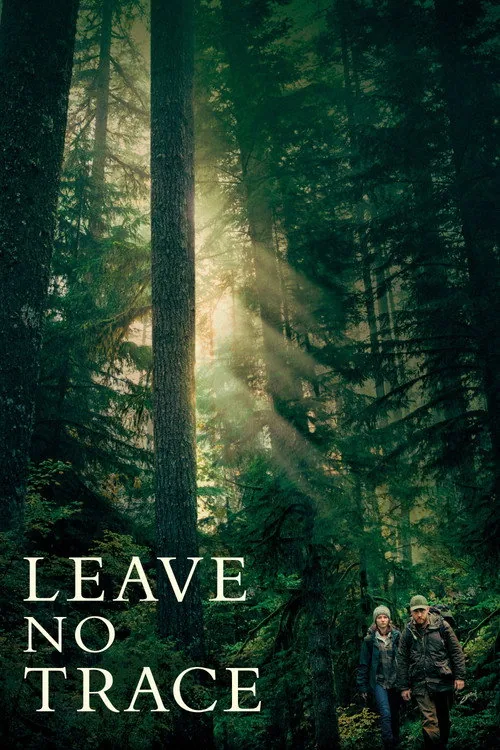
The family’s displacement exposes the different futures Will and Tom imagine and the compromises each can accept.
Why this matches +
Dependable everyday care gives a vulnerable person's ordinary life meaning beyond the roles other people assign them.
An adjacent discovery: a related idea with a different viewing experience.
Genres: Drama
Shared film traits
Based on recorded story, mood and style. Your preferences can change the order.
What changes The Station Agent: unhurried, conversation-led and low-key. Leave No Trace: patient observation and understated emotional turns.
Will and his teenage daughter Tom have built a quiet life in the forests of Portland, Oregon, living off the grid and relying on practiced routines. When a small mistake brings social services into their lives, the two are moved into a new environment and eventually set out toward the wilderness again. Debra Granik’s restrained drama observes the bond between a protective father and an increasingly independent daughter, asking how care, safety, and belonging can mean different things to each of them without casting their conflict as a simple contest of right and wrong.
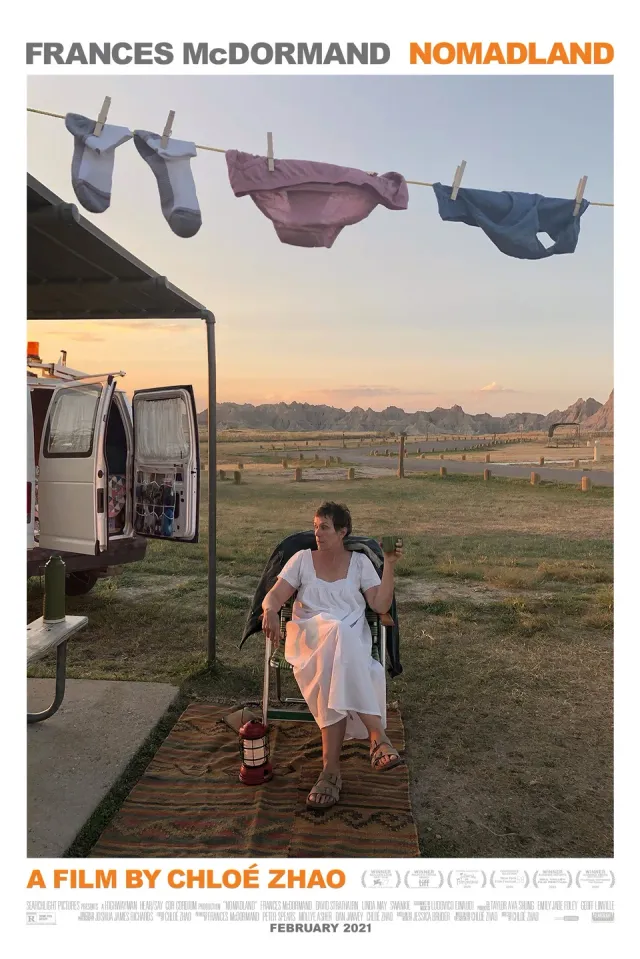
Seasonal labour and travel create recurring choices between stability, movement and attachment.
Why this matches +
Dependable everyday care gives a vulnerable person's ordinary life meaning beyond the roles other people assign them.
An adjacent discovery: a related idea with a different viewing experience.
Genres: Drama
Shared film traits
Based on recorded story, mood and style. Your preferences can change the order.
What changes The Station Agent: unhurried, conversation-led and low-key. Nomadland: measured.
After the loss of her husband and the collapse of a company town, a woman travels through the American West in a van, taking seasonal jobs. Encounters with other mobile workers reveal practical solidarity alongside economic insecurity, illness and different reasons for avoiding permanent settlement. Her movement remains both a response to material loss and a personal way of living with memory.
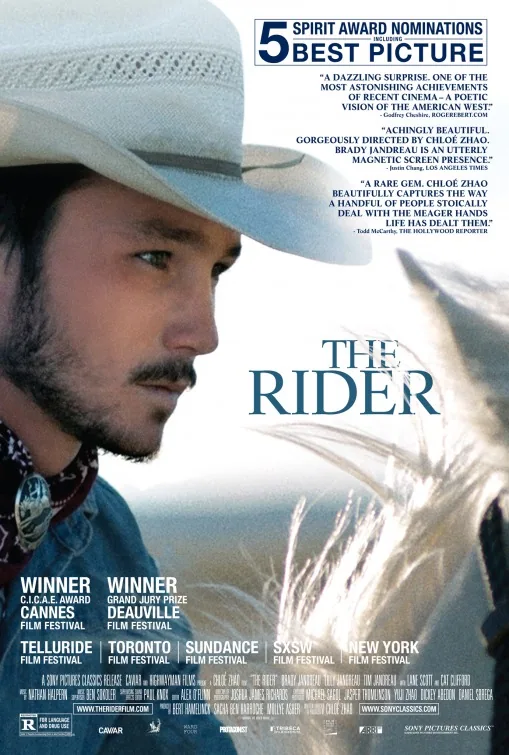
Brady tries to build a life after a head injury while deciding whether the sport that shaped him is still possible.
Why this matches +
Dependable everyday care gives a vulnerable person's ordinary life meaning beyond the roles other people assign them.
An adjacent discovery: a related idea with a different viewing experience.
Genres: Drama / Western
Shared film traits
Based on recorded story, mood and style. Your preferences can change the order.
What changes The Station Agent: unhurried, conversation-led and low-key. The Rider: patient, observational and episodic.
After a serious head injury ends his competitive rodeo career, young Lakota horseman Brady Blackburn returns to life on the Pine Ridge Reservation. He trains horses and spends time with friends, but his identity is closely tied to riding and to the possibility of competing again. His sister Lilly and father Wayne share his home, while Brady’s visits to fellow riders facing disability make the cost of his decision harder to ignore. Chloé Zhao filmed with nonprofessional performers whose lives closely inform the story.
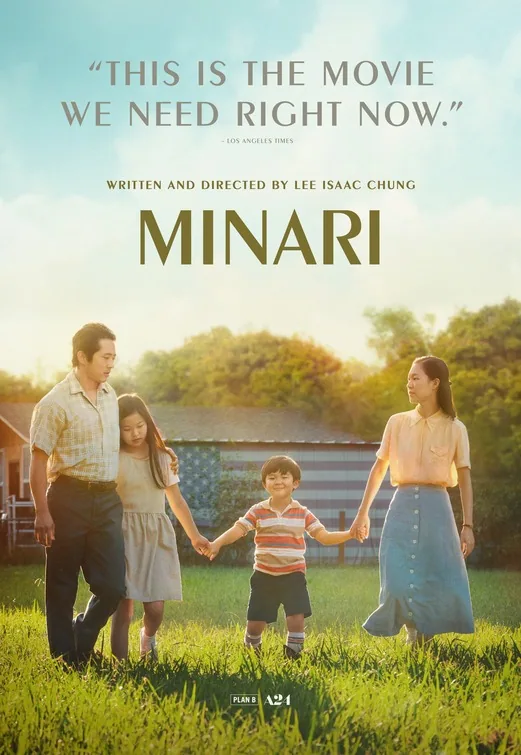
A risky farming venture turns competing ideas of security and success into daily disputes over money, care and where the family should live.
Why this matches +
Dependable everyday care gives a vulnerable person's ordinary life meaning beyond the roles other people assign them.
An adjacent discovery: a related idea with a different viewing experience.
Genres: Drama
Shared film traits
Based on recorded story, mood and style. Your preferences can change the order.
What changes The Station Agent: unhurried, conversation-led and low-key. Minari: measured.
A Korean immigrant family moves to rural Arkansas, where the father hopes to build a farm supplying vegetables to other Korean households. His confidence in the land creates new strains for a marriage already stretched by insecure work, distance from familiar support and their son's health needs. The arrival of the children's grandmother offers another form of continuity, making the family's effort to put down roots both practical and deeply personal.
Eva’s new friendship and romance overlap, making private judgments increasingly difficult to separate from direct experience.
Why this matches +
Dependable everyday care gives a vulnerable person's ordinary life meaning beyond the roles other people assign them.
An adjacent discovery: a related idea with a different viewing experience.
Genres: Romance / Comedy
Shared film traits
Based on recorded story, mood and style. Your preferences can change the order.
What changes The Station Agent: unhurried, conversation-led and low-key. Enough Said: conversational and gradual relationship development.
Eva, a divorced massage therapist and mother, begins a tentative relationship with Albert, a warm, soft-spoken father whose daughter is about to leave for college. At the same time, Eva becomes friends with a new client, Marianne, who talks openly about her former husband without Eva realizing that he is Albert. Secondhand stories begin to color Eva’s view of the man she is getting to know. Nicole Holofcener’s romantic comedy-drama follows adults navigating intimacy, insecurity, and parenting with gentle humor and careful attention to everyday conversation.
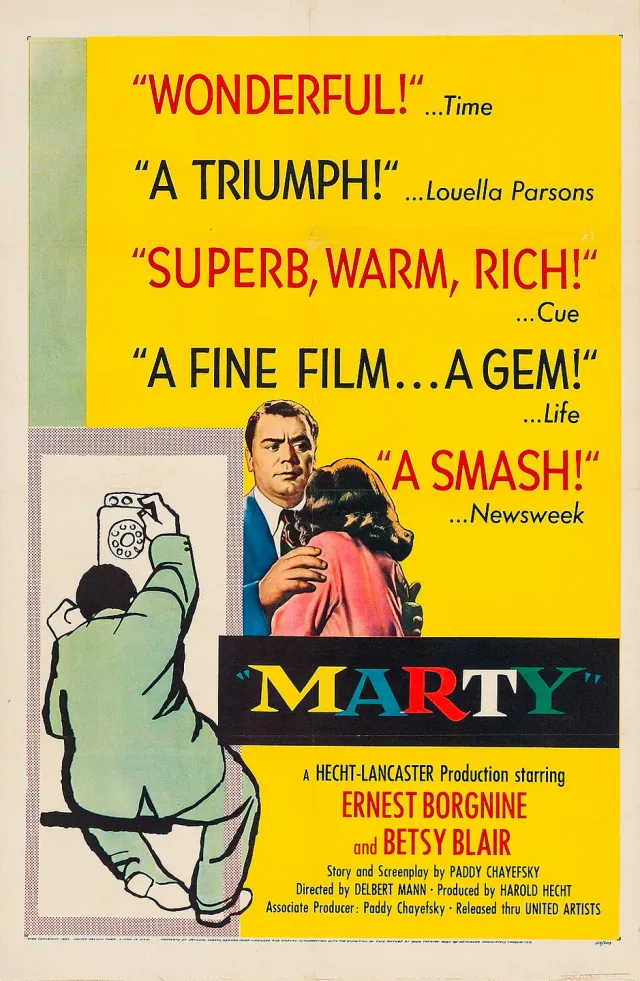
A chance meeting gives a lonely man an opening for intimacy, but his friends' ridicule and his mother's dependence pressure him to abandon it.
Why this matches +
Dependable everyday care gives a vulnerable person's ordinary life meaning beyond the roles other people assign them.
An adjacent discovery: a related idea with a different viewing experience.
Genres: Drama / Romance
Shared film traits
Based on recorded story, mood and style. Your preferences can change the order.
What changes The Station Agent: unhurried, conversation-led and low-key. Marty: measured.
Marty Piletti is a thirty-four-year-old Bronx butcher who still lives with his widowed mother and has nearly given up hope of finding a partner. At a dance hall he meets Clara, a shy teacher whose friends have left, and the two discover an easy connection in a night of conversation and dancing. Marty initially keeps the relationship quiet because he expects ridicule from his friends and worries about leaving his mother alone. When Clara is treated as an embarrassment by his social circle, he has to decide whether companionship matters more than their approval.
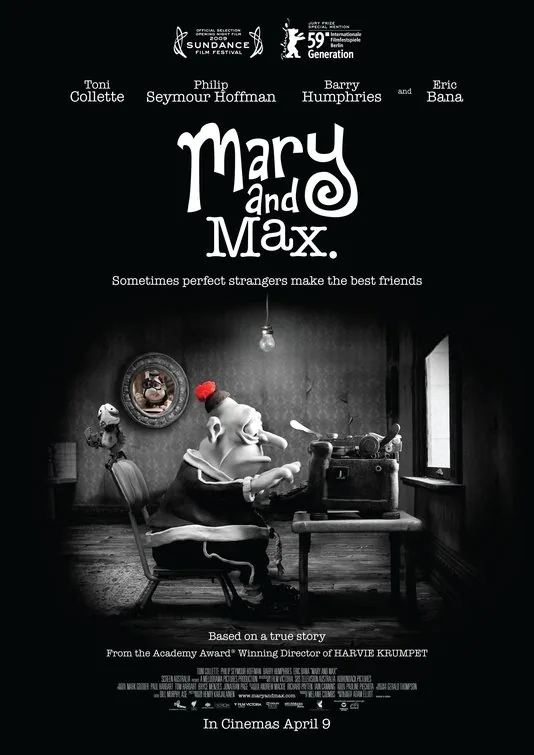
A long-distance correspondence becomes a lasting relationship whose misunderstandings carry real emotional consequences.
Why this matches +
Dependable everyday care gives a vulnerable person's ordinary life meaning beyond the roles other people assign them.
An adjacent discovery: a related idea with a different viewing experience.
Genres: Animation / Drama
Shared film traits
Based on recorded story, mood and style. Your preferences can change the order.
What changes The Station Agent: unhurried, conversation-led and low-key. Mary and Max: measured.
A lonely Australian girl selects an American stranger from a telephone directory and begins a correspondence that continues across years. Their letters create companionship through misunderstandings, family difficulties and frank questions about the world. As the child grows and attempts to interpret her friend's life, affection is tested by the difference between accepting another person and believing one has explained or repaired them.
After a young gamer dies, his parents discover the friendships he built through an online world.
Why this matches +
Dependable everyday care gives a vulnerable person's ordinary life meaning beyond the roles other people assign them.
An adjacent discovery: a related idea with a different viewing experience.
Genres: Documentary
The approach A documentary treatment rather than a dramatic feature.
Shared film traits
Based on recorded story, mood and style. Your preferences can change the order.
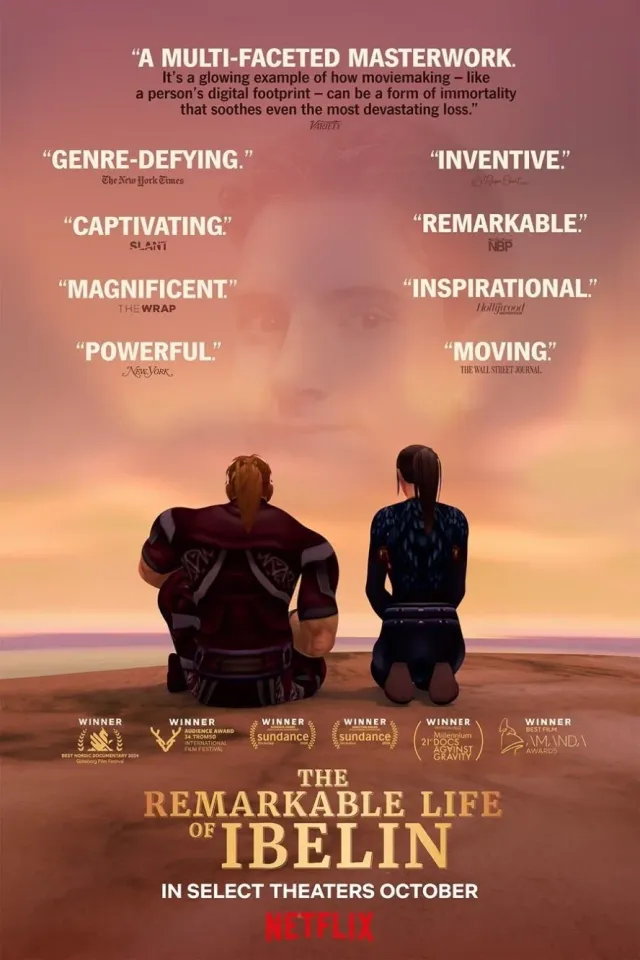
What changes The Station Agent: unhurried, conversation-led and low-key. The Remarkable Life of Ibelin: interwoven, reflective and gradually expansive.
Norwegian gamer Mats Steen lived with Duchenne muscular dystrophy and spent much of his life connecting with others through the online role-playing game World of Warcraft. After his death, his parents learn that people across the world knew him through the character he played and the relationships he built online. Benjamin Ree's documentary combines interviews, family archives and animated game sequences to reconsider what a meaningful social life can look like.
Retirement and bereavement strip away familiar roles, turning a wedding journey and written self-account into an uneasy search for evidence that one life has mattered.
Why this matches +
Dependable everyday care gives a vulnerable person's ordinary life meaning beyond the roles other people assign them.
An adjacent discovery: a related idea with a different viewing experience.
Genres: Drama / Comedy
Shared film traits
Based on recorded story, mood and style. Your preferences can change the order.
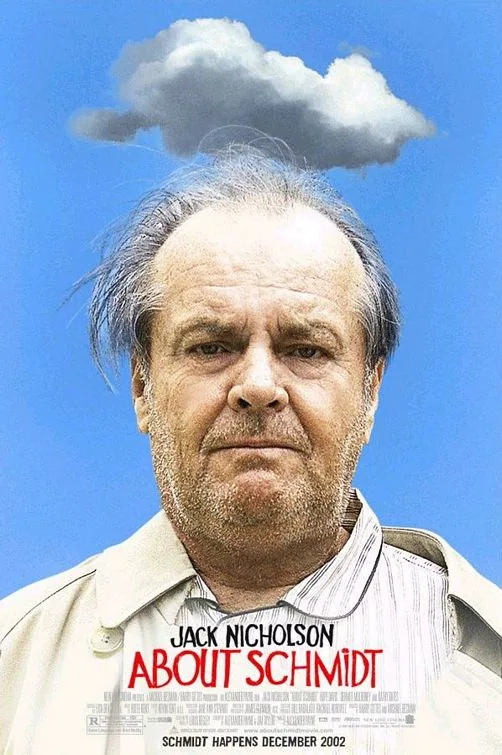
What changes The Station Agent: unhurried, conversation-led and low-key. About Schmidt: measured.
A newly retired insurance employee loses his wife and begins questioning what his work and marriage have actually meant. Traveling toward his daughter's wedding gives him a chance to interfere with her plans while presenting his life to a distant sponsored child through letters. The gap between his self-description and the encounters around him exposes grief, resentment, and a need for significance he struggles to express generously.
A terminal diagnosis redirects a passive official toward one neglected civic project, then a posthumous inquiry asks whether colleagues can maintain the change he began. Building the playground is a modest civic achievement whose meaning changes after Watanabe can no longer explain it.
Why this matches +
Dependable everyday care gives a vulnerable person's ordinary life meaning beyond the roles other people assign them.
An adjacent discovery: a related idea with a different viewing experience.
Genres: Drama
Shared film traits
Based on recorded story, mood and style. Your preferences can change the order.
What changes The Station Agent: unhurried, conversation-led and low-key. Ikiru: measured and nonlinear.
Municipal clerk Kanji Watanabe learns that he is dying after decades of routine work and first tries to use nightlife to fill the time he has left. A younger colleague’s vitality shows him what he has been missing, but purpose takes practical form when he presses the city to build a playground requested by neighborhood residents. After his death, the film shifts to coworkers reconstructing his actions and gradually losing resolve to change their own habits. This two-part structure makes the project meaningful without promising institutional reform: what Watanabe achieved can be acknowledged, misunderstood and absorbed by the bureaucracy he briefly moved.
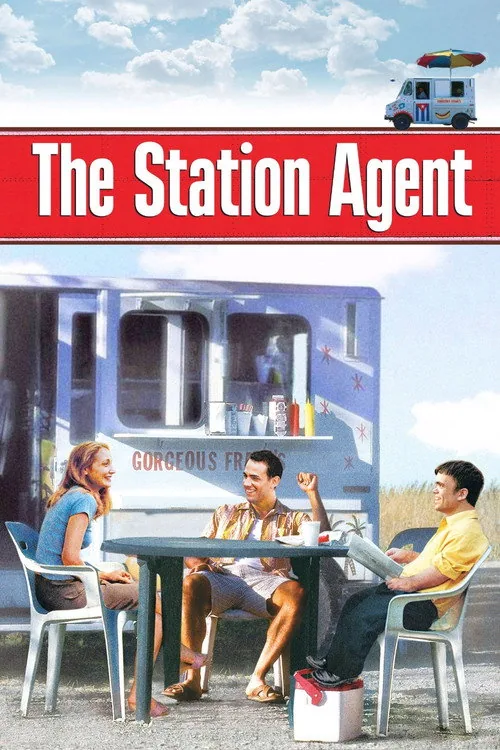
Finbar McBride, a private man with a passion for trains, inherits an abandoned station in rural New Jersey and hopes to live there alone. His quiet routine is interrupted by Joe, an outgoing vendor whose stand is nearby, and Olivia, an artist coping with a recent family loss. Although the three begin with different needs and little in common, repeated encounters build a tentative friendship. Tom McCarthy’s comedy-drama gives attention to silence, loneliness, and the awkward process of allowing other people into a life organized around solitude.
What drives the story
Fin’s attempt at seclusion is gradually interrupted by neighbors who keep returning and form a friendship without demanding instant intimacy.
The people at its centre
Joe’s openness and Olivia’s guarded sadness each test Fin’s reserve, while Fin’s presence gives both companions a different kind of support.
What it feels like
The film uses quiet humor, everyday conversation, and a deliberately modest pace to make small changes in connection feel meaningful.
Worth knowing
Its character drama centers on an unlikely friendship, not on a train mystery or a conventional romance plot.
Loneliness and friendshipGrief and recoveryBeing seen and understood