Brady tries to build a life after a head injury while deciding whether the sport that shaped him is still possible.
Why this matches +
An adult's bodily or emotional injury requires a new relationship to ordinary work, independence and friendship.
Genres: Drama / Western
Shared film traits
Based on recorded story, mood and style. Your preferences can change the order.
Family and care · Memory and identity
Expect quiet and observational, with patient and observational pacing.
After a serious head injury ends his competitive rodeo career, young Lakota horseman Brady Blackburn returns to life on the Pine Ridge Reservation. He trains horses and spends time with friends, but his identity is closely tied to riding and to the possibility of competing again. His sister Lilly and father Wayne share his home, while Brady’s visits to fellow riders facing disability make the cost of his decision harder to ignore. Chloé Zhao filmed with nonprofessional performers whose lives closely inform the story.
Seasonal labour and travel create recurring choices between stability, movement and attachment.
Why this matches +
An adult's bodily or emotional injury requires a new relationship to ordinary work, independence and friendship.
Genres: Drama
Shared film traits
Based on recorded story, mood and style. Your preferences can change the order.
What changes Causeway: slow, observational, understated and patient. Nomadland: measured.
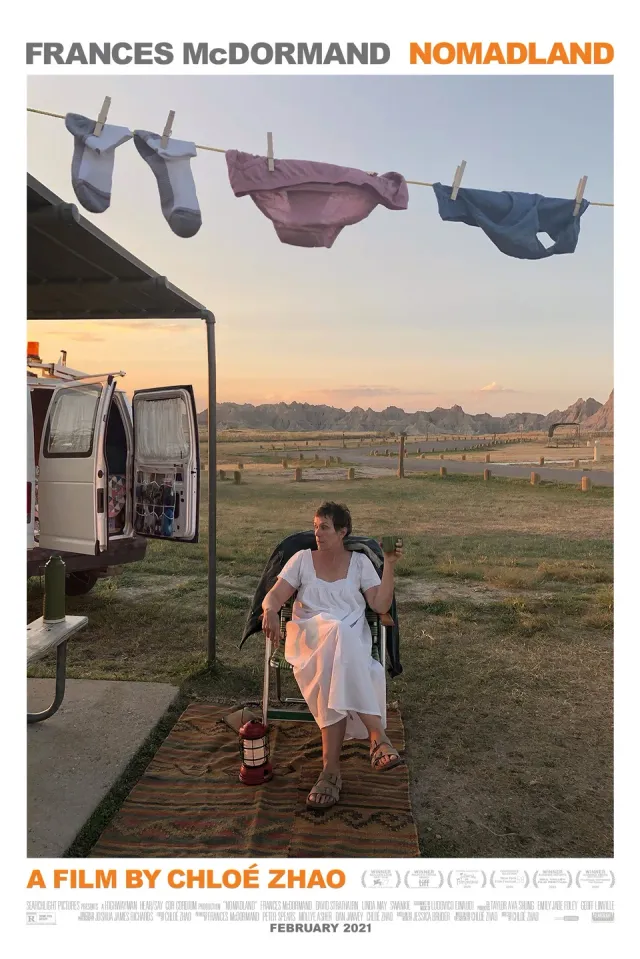
After the loss of her husband and the collapse of a company town, a woman travels through the American West in a van, taking seasonal jobs. Encounters with other mobile workers reveal practical solidarity alongside economic insecurity, illness and different reasons for avoiding permanent settlement. Her movement remains both a response to material loss and a personal way of living with memory.
Sudden hearing loss forces a performer to rebuild daily life while questioning what recovery should mean.
Why this matches +
An adult's bodily or emotional injury requires a new relationship to ordinary work, independence and friendship.
Genres: Drama
Shared film traits
Based on recorded story, mood and style. Your preferences can change the order.
What changes Causeway: slow, observational, understated and patient. Sound of Metal: measured.
A metal drummer touring with his partner rapidly loses his hearing and is persuaded to join a residential Deaf community. The interruption threatens a life structured around music, intimacy and the discipline of recovery from addiction. While learning new ways to communicate, he remains preoccupied with restoring his former hearing and relationship, creating a conflict between participating in the life available to him and pursuing an expensive return to the one he remembers.
The film’s central action is Conrad’s attempt to live with grief, while the family’s outward order repeatedly blocks honest mourning.
Why this matches +
An adult's bodily or emotional injury requires a new relationship to ordinary work, independence and friendship.
Genres: Drama
Shared film traits
Based on recorded story, mood and style. Your preferences can change the order.
Memory and identity
What changes Causeway: slow, observational, understated and patient. Ordinary People: measured and steady.
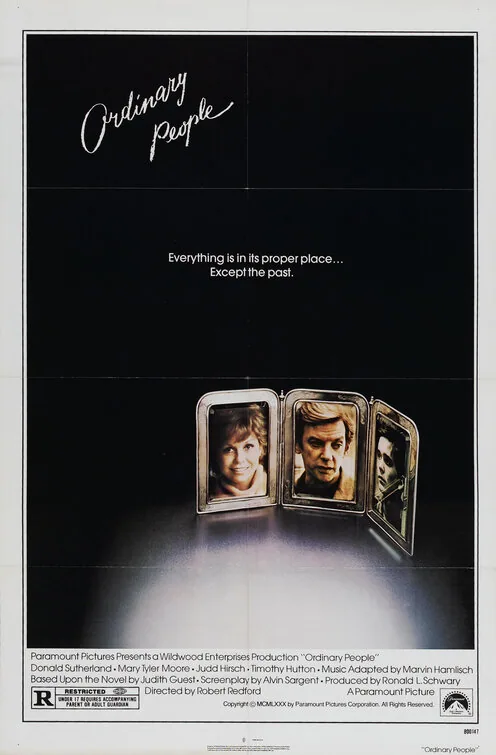
After the accidental drowning death of their eldest son Buck, the affluent Jarrett family tries to resume ordinary routines. Younger son Conrad returns home after a suicide attempt and psychiatric hospitalization, struggling with guilt and the belief that he should have died instead. Therapy with Dr. Berger helps him name grief and anger, while his father Calvin tries to reconnect with both sons’ absence. His mother Beth maintains control through social appearances and finds Conrad’s vulnerability intolerable. Their conflict forces Calvin to recognize that family recovery may not mean preserving the household intact.
The family’s displacement exposes the different futures Will and Tom imagine and the compromises each can accept.
Why this matches +
An adult's bodily or emotional injury requires a new relationship to ordinary work, independence and friendship.
Genres: Drama
Shared film traits
Based on recorded story, mood and style. Your preferences can change the order.
What changes Causeway: slow, observational, understated and patient. Leave No Trace: patient observation and understated emotional turns.
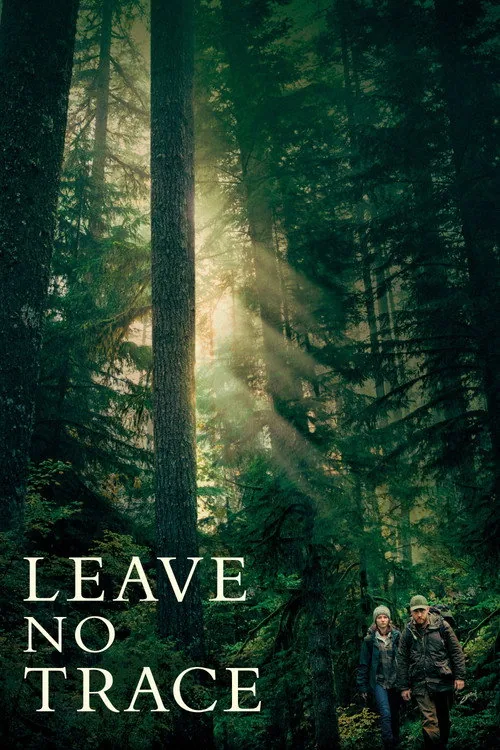
Will and his teenage daughter Tom have built a quiet life in the forests of Portland, Oregon, living off the grid and relying on practiced routines. When a small mistake brings social services into their lives, the two are moved into a new environment and eventually set out toward the wilderness again. Debra Granik’s restrained drama observes the bond between a protective father and an increasingly independent daughter, asking how care, safety, and belonging can mean different things to each of them without casting their conflict as a simple contest of right and wrong.
An unexpected guardianship forces a grieving man to revisit the place and history he has been unable to re-enter.
Why this matches +
An adult's bodily or emotional injury requires a new relationship to ordinary work, independence and friendship.
Genres: Drama
Shared film traits
Based on recorded story, mood and style. Your preferences can change the order.
Memory and identity
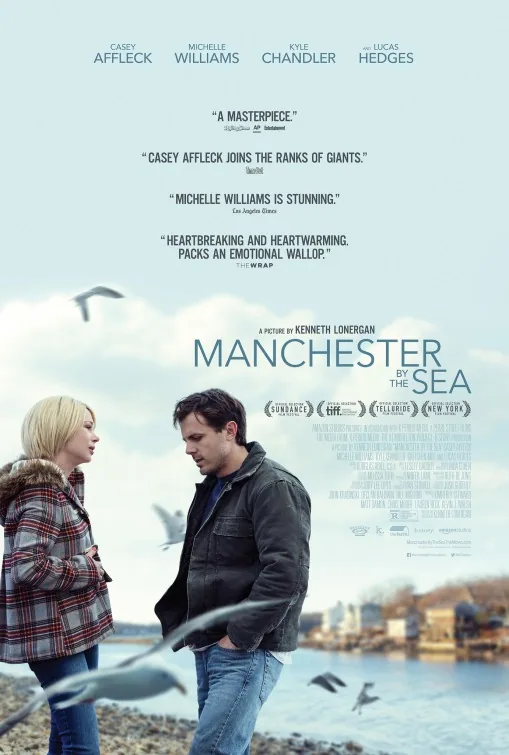
What changes Causeway: slow, observational, understated and patient. Manchester by the Sea: measured.
After his brother Joe dies, Lee Chandler returns to the Massachusetts town he left and learns that he has been named guardian of Joe's teenage son, Patrick. The practical arrangements bring him face to face with an earlier catastrophe: a house fire accidentally killed Lee's three children, and he could not remain in the community afterward. Patrick wants to stay with friends and his band, while Lee cannot imagine rebuilding a life there. The two negotiate care without a consoling cure, settling on a future that preserves a relationship Lee can bear.
Davis’s letter-writing and dismantling become ways to notice and question the habits he used to avoid feeling.
Why this matches +
An adult's bodily or emotional injury requires a new relationship to ordinary work, independence and friendship.
Genres: Drama / Comedy
Shared film traits
Based on recorded story, mood and style. Your preferences can change the order.
Memory and identity
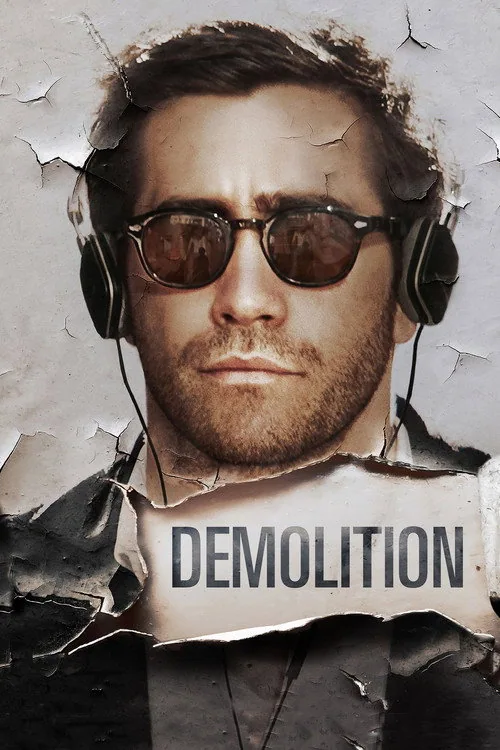
What changes Causeway: slow, observational, understated and patient. Demolition: a series of small disruptions opens into deeper self-examination.
Investment banker Davis Mitchell is left emotionally disoriented after his wife dies in a car accident. His increasingly candid complaint letters to a vending-machine company attract the attention of customer-service representative Karen, and he begins taking apart objects and parts of his orderly life to understand what feels broken. Jean-Marc Vallée’s drama follows an unconventional grieving process through work, family strain, and an unexpected connection rather than presenting recovery as a quick return to normal.
A worker has one weekend to persuade colleagues to give up a bonus so she can keep her job.
Why this matches +
An adult's bodily or emotional injury requires a new relationship to ordinary work, independence and friendship.
Genres: Drama
Shared film traits
Based on recorded story, mood and style. Your preferences can change the order.
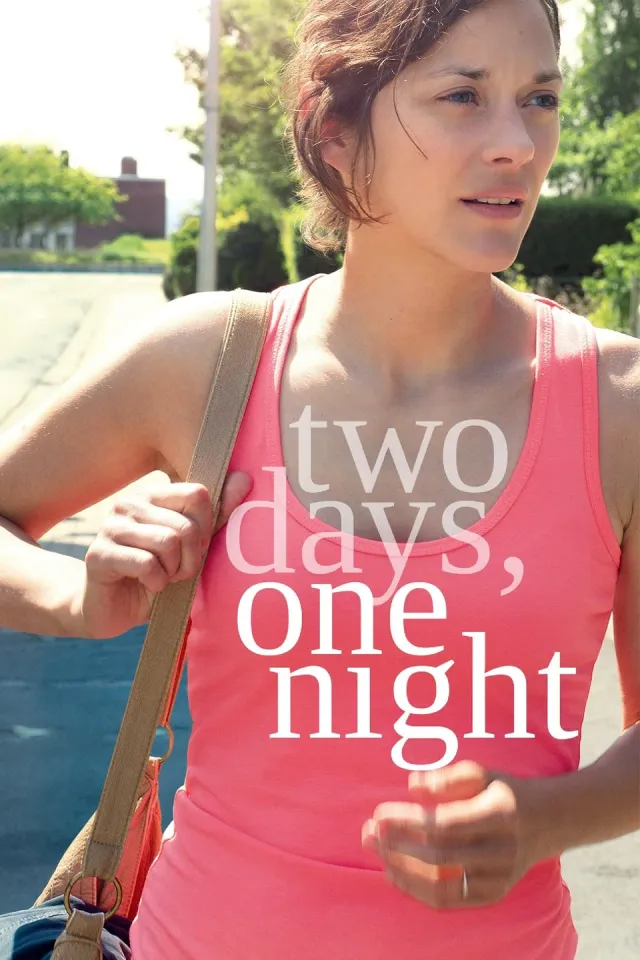
What changes Causeway: slow, observational, understated and patient. Two Days, One Night: compressed and steady.
Sandra learns that her factory colleagues have been offered a bonus in exchange for voting to eliminate her job. With only a weekend to change their minds, she visits each coworker and asks them to reconsider, while managing illness and fragile confidence. Jean-Pierre and Luc Dardenne's drama turns a workplace vote into an intimate portrait of solidarity, pressure and the value attached to one person's labour.
Becca and Howie’s differing coping strategies make grief a shared experience without a shared timetable.
Why this matches +
An adult's bodily or emotional injury requires a new relationship to ordinary work, independence and friendship.
Genres: Drama
Shared film traits
Based on recorded story, mood and style. Your preferences can change the order.
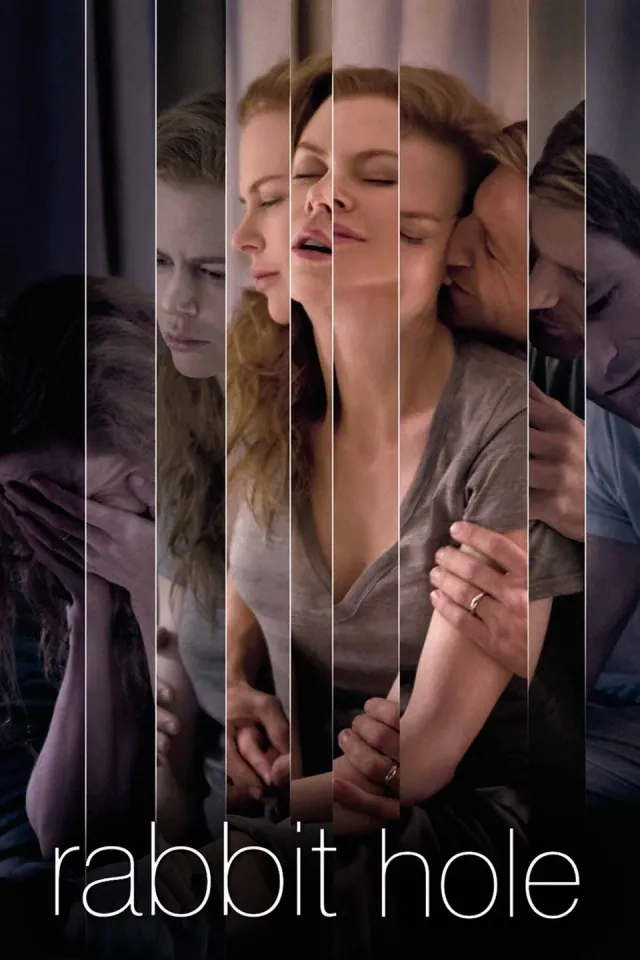
What changes Causeway: slow, observational, understated and patient. Rabbit Hole: measured and interior.
Becca and Howie are grieving the death of their young son, but their responses to the loss pull them in different directions. Becca wants to clear reminders and avoid another pregnancy, while Howie preserves familiar routines and looks for ways to reconnect with his child. John Cameron Mitchell adapts David Lindsay-Abaire’s play as an intimate domestic drama about grief, marriage and the uncertain paths people take toward living with an absence.
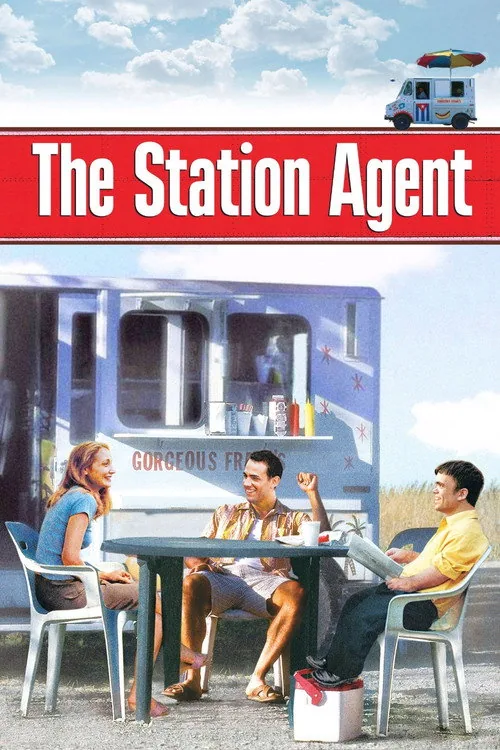
Fin’s attempt at seclusion is gradually interrupted by neighbors who keep returning and form a friendship without demanding instant intimacy.
Why this matches +
An adult's bodily or emotional injury requires a new relationship to ordinary work, independence and friendship.
Genres: Comedy / Drama
Shared film traits
Based on recorded story, mood and style. Your preferences can change the order.
What changes Causeway: slow, observational, understated and patient. The Station Agent: unhurried, conversation-led and low-key.
Finbar McBride, a private man with a passion for trains, inherits an abandoned station in rural New Jersey and hopes to live there alone. His quiet routine is interrupted by Joe, an outgoing vendor whose stand is nearby, and Olivia, an artist coping with a recent family loss. Although the three begin with different needs and little in common, repeated encounters build a tentative friendship. Tom McCarthy’s comedy-drama gives attention to silence, loneliness, and the awkward process of allowing other people into a life organized around solitude.
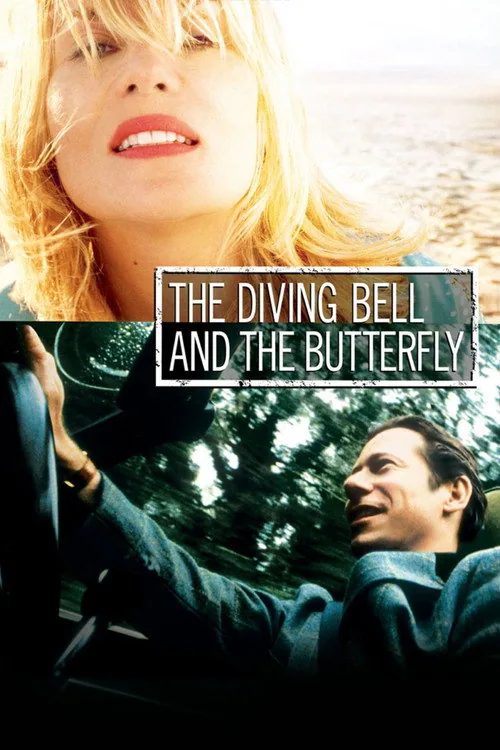
Bauby works with a transcriber to dictate his memoir after his stroke.
Why this matches +
A vulnerable person's self-worth has to survive limits that neither professional mastery nor good intentions can simply repair.
An adjacent discovery: a related idea with a different viewing experience.
Genres: Drama / Biography
Shared film traits
Based on recorded story, mood and style. Your preferences can change the order.
Memory and identity
What changes Causeway: slow, observational, understated and patient. The Diving Bell and the Butterfly: a slow alphabet read aloud lets bauby compose a book from inside an unresponsive body..
After a stroke leaves fashion editor Jean-Dominique Bauby with locked-in syndrome, he wakes in a hospital unable to speak or move except for one eyelid. A speech therapist develops a letter-by-letter blinking system, allowing Bauby to communicate with his family and dictate the memoir on which the film is based. Julian Schnabel’s drama begins within Bauby’s restricted point of view, then opens into memories, imagination, and the lives of visitors. It follows the act of writing as a way to remain connected while living with profound physical paralysis.
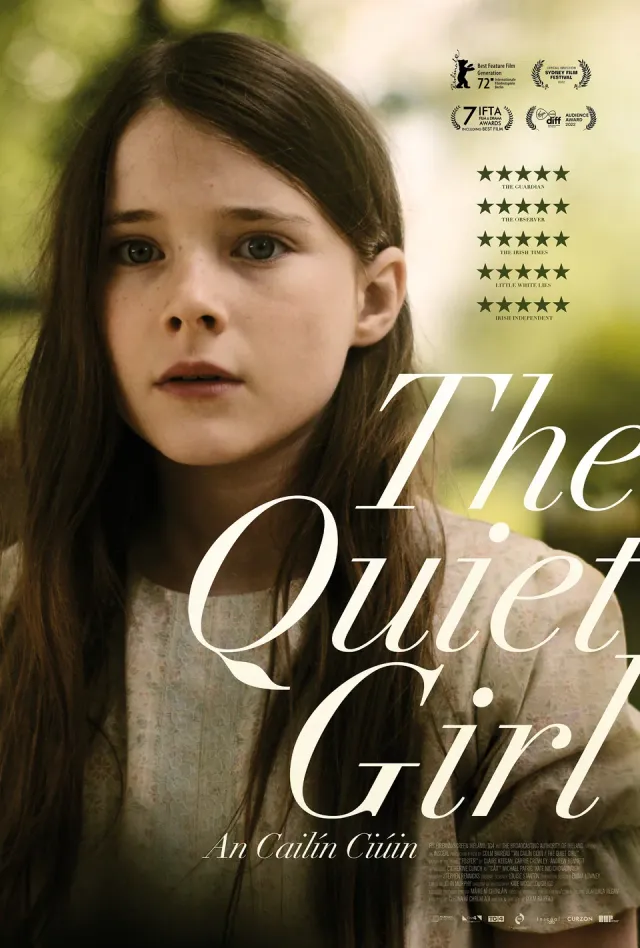
Cáit moves into a relative’s home for the summer, where daily chores and careful attention reveal a different model of family life.
Why this matches +
A vulnerable person's self-worth has to survive limits that neither professional mastery nor good intentions can simply repair.
An adjacent discovery: a related idea with a different viewing experience.
Genres: Drama
Shared film traits
Based on recorded story, mood and style. Your preferences can change the order.
Family and care · Memory and identity
Expect gentle and restrained, with measured and minimal pacing.
Nine-year-old Cáit is sent from her crowded home to stay with distant relatives in rural Ireland for the summer. Eibhlín welcomes her with patient care, while the more reserved Seán gradually makes room for the child in the routines of the farm. As Cáit learns the household’s silences and small acts of kindness, she discovers how attention can make a neglected child feel safe and how grief can remain present without being explained.
Three separated stages of one life trace how protective habits form around experiences of shame, tenderness, violence and interrupted intimacy.
Why this matches +
A vulnerable person's self-worth has to survive limits that neither professional mastery nor good intentions can simply repair.
An adjacent discovery: a related idea with a different viewing experience.
Genres: Drama / Coming-of-age
Shared film traits
Based on recorded story, mood and style. Your preferences can change the order.
What changes Causeway: slow, observational, understated and patient. Moonlight: measured.
Across childhood, adolescence and adulthood, a quiet boy from Miami learns different ways to protect himself from bullying, instability at home and expectations of masculinity. A drug dealer and his partner offer care complicated by the economy harming his mother, while one friendship creates a vulnerable possibility of intimacy. The divisions between the three periods reveal how a hardened adult identity can preserve earlier wounds without extinguishing the desire to be known.
Episodic childhood play gradually reveals an unstable household whose economic pressures are approaching consequences the child cannot control.
Why this matches +
A vulnerable person's self-worth has to survive limits that neither professional mastery nor good intentions can simply repair.
An adjacent discovery: a related idea with a different viewing experience.
Genres: Drama
Shared film traits
Based on recorded story, mood and style. Your preferences can change the order.
What changes Causeway: slow, observational, understated and patient. The Florida Project: measured.
A young girl spends a summer roaming the budget motels and improvised play spaces near a major Florida tourist resort. Her mother's precarious work and escalating conflicts remain only partly visible through the child's adventures, while a motel manager repeatedly balances compassion against practical limits. The pleasures of unsupervised friendship unfold beside the risk of losing a fragile home, exposing a gap between childhood imagination and the adult systems shaping it.
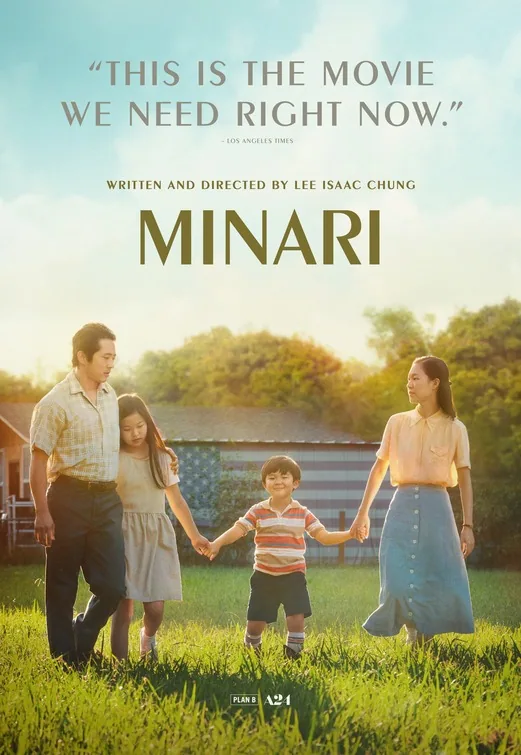
A risky farming venture turns competing ideas of security and success into daily disputes over money, care and where the family should live.
Why this matches +
A vulnerable person's self-worth has to survive limits that neither professional mastery nor good intentions can simply repair.
An adjacent discovery: a related idea with a different viewing experience.
Genres: Drama
Shared film traits
Based on recorded story, mood and style. Your preferences can change the order.
What changes Causeway: slow, observational, understated and patient. Minari: measured.
A Korean immigrant family moves to rural Arkansas, where the father hopes to build a farm supplying vegetables to other Korean households. His confidence in the land creates new strains for a marriage already stretched by insecure work, distance from familiar support and their son's health needs. The arrival of the children's grandmother offers another form of continuity, making the family's effort to put down roots both practical and deeply personal.
A teenager searches for her missing father to keep her family from losing its home.
Why this matches +
A vulnerable person's self-worth has to survive limits that neither professional mastery nor good intentions can simply repair.
An adjacent discovery: a related idea with a different viewing experience.
Genres: Drama / Crime
Shared film traits
Based on recorded story, mood and style. Your preferences can change the order.
What changes Causeway: slow, observational, understated and patient. Winter's Bone: steady and investigative.
Seventeen-year-old Ree searches the Ozark community for her missing father after learning that his court appearance and the family's home are tied to his bond. With younger siblings to protect and her mother largely absent, Ree navigates a network of relatives who offer fragments of information and warnings. Debra Granik's drama makes the investigation a test of endurance within a tightly bound rural world.
A contradictory eligibility decision traps a sick worker between systems, making survival depend on navigating tasks whose completion does not produce timely support.
Why this matches +
A vulnerable person's self-worth has to survive limits that neither professional mastery nor good intentions can simply repair.
An adjacent discovery: a related idea with a different viewing experience.
Genres: Drama
Shared film traits
Based on recorded story, mood and style. Your preferences can change the order.
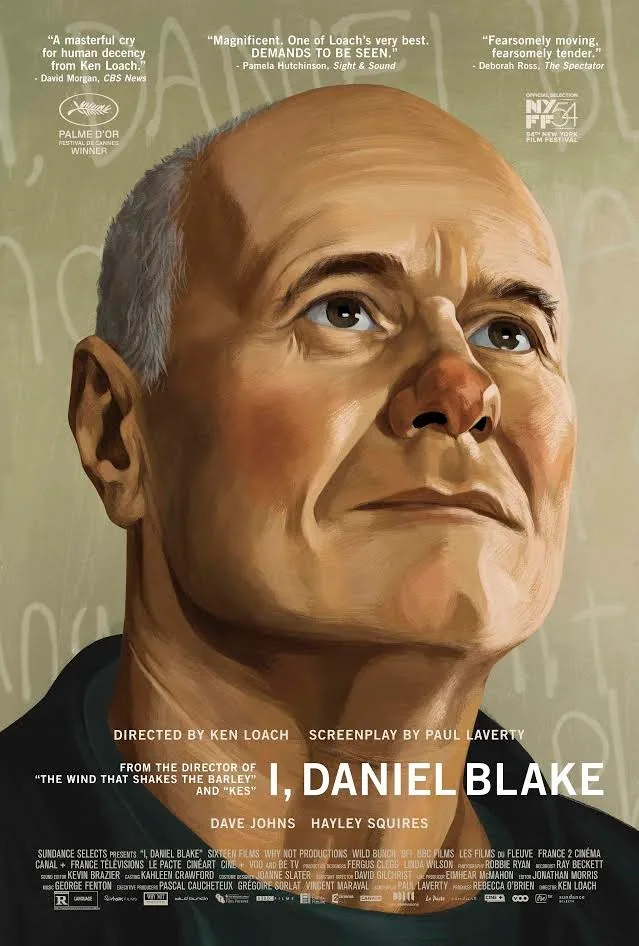
What changes Causeway: slow, observational, understated and patient. I, Daniel Blake: measured.
A widowed carpenter unable to resume work after a heart attack is declared fit by a benefits assessment and pushed into requirements that contradict his doctor's advice. Seeking an appeal demands computer skills, repeated explanations and performances of job-seeking that do little to meet his immediate needs. Friendship with a single mother creates a small network of practical care within the same system's failures. The social drama makes administrative delay materially consequential, contrasting ordinary competence and solidarity with procedures that refuse to recognize either.
The loss of language makes everyday work and family conversation newly difficult, so Alice's tools for holding onto agency become central to the story.
Why this matches +
A vulnerable person's self-worth has to survive limits that neither professional mastery nor good intentions can simply repair.
An adjacent discovery: a related idea with a different viewing experience.
Genres: Drama
Shared film traits
Based on recorded story, mood and style. Your preferences can change the order.
Memory and identity
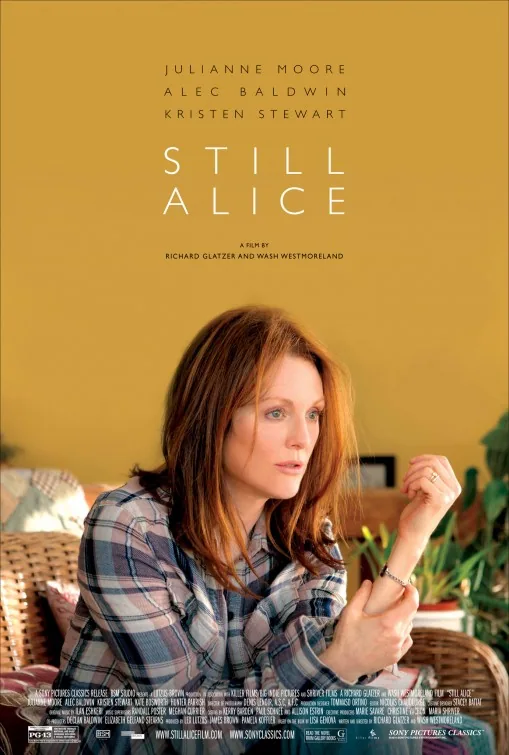
What changes Causeway: slow, observational, understated and patient. Still Alice: gradual decline and domestic observation.
Alice Howland is a successful linguistics professor whose occasional word loss and disorientation lead to a diagnosis of early-onset familial Alzheimer's disease. As she builds reminders and routines to preserve independence, her husband John and their adult children respond in different ways. Her daughter Anna learns she carries the inherited risk, while aspiring actress Lydia declines testing and remains closely involved with her mother. Alice's career, memory and ability to communicate change over time, shifting the family's idea of care and of who Alice is.
Mark and Cheryl agree to a limited series of sessions that help him explore intimacy while testing the professional boundaries they set.
Why this matches +
A vulnerable person's self-worth has to survive limits that neither professional mastery nor good intentions can simply repair.
An adjacent discovery: a related idea with a different viewing experience.
Genres: Biography / Comedy
Shared film traits
Based on recorded story, mood and style. Your preferences can change the order.
Mental health · Family and care
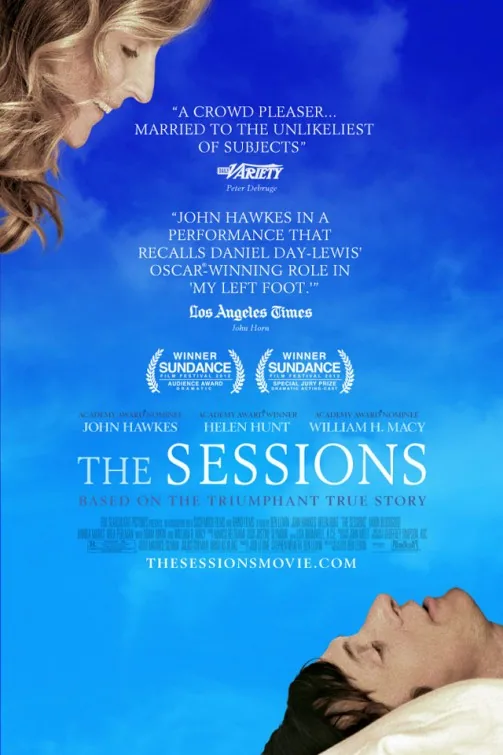
What changes Causeway: slow, observational, understated and patient. The Sessions: measured, dialogue-driven and emotionally warm.
Mark O’Brien is a poet living with the effects of childhood polio, including the use of an iron lung for much of his day. At 38, he wants to pursue sexual intimacy and consults his priest before working with Cheryl, a professional sex surrogate who sets a clear limit on their sessions. Their appointments become more emotionally complex as each learns about the other’s needs, while Cheryl’s husband and Mark’s longtime caregivers remain part of his life.
Matt's search for his wife's lover runs alongside a decision about land that belongs to his wider family; neither question can be settled without facing inherited obligations.
Why this matches +
A vulnerable person's self-worth has to survive limits that neither professional mastery nor good intentions can simply repair.
An adjacent discovery: a related idea with a different viewing experience.
Genres: Drama / Comedy
Shared film traits
Based on recorded story, mood and style. Your preferences can change the order.
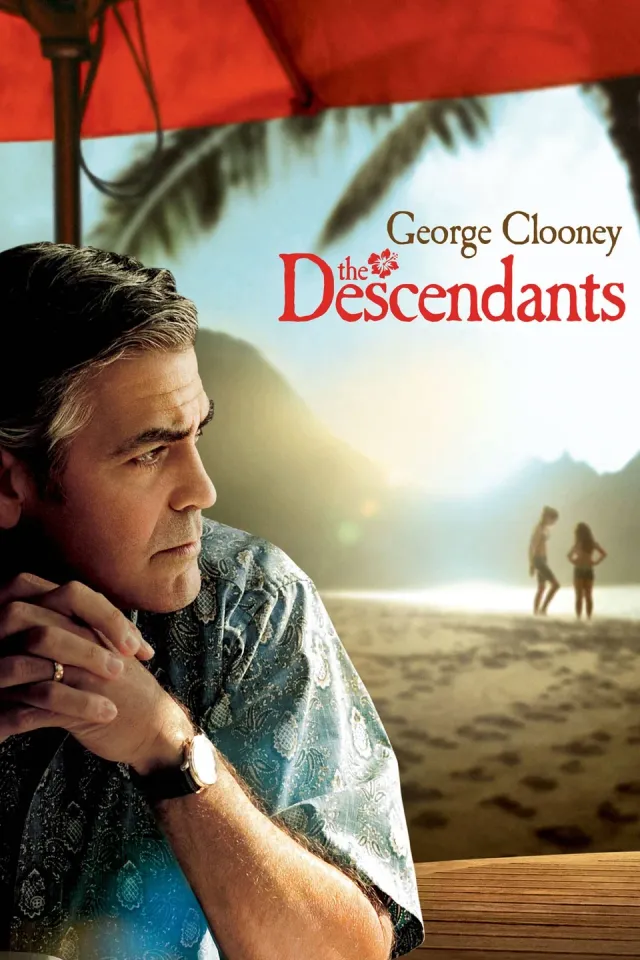
What changes Causeway: slow, observational, understated and patient. The Descendants: reflective family drama and road-trip conversations.
Honolulu attorney Matt King faces a family crisis when a boating accident leaves his wife Elizabeth irreversibly comatose. Their older daughter Alex tells him Elizabeth was having an affair, and Matt brings both girls on a trip to find the other man. At the same time, Matt must decide whether to sell his extended family's ancestral land on Kauai before the trust expires. His daughters' grief, the affair and pressure from relatives turn a private loss into a reckoning with what the family wants to preserve.
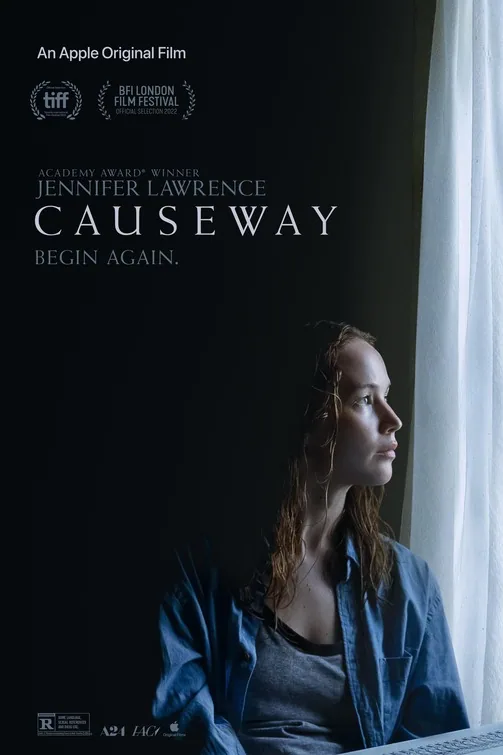
Army engineer Lynsey is recovering from a traumatic brain injury after deployment and hopes to return to military duty. When she must move back to New Orleans, ordinary tasks and memories make adjustment difficult. She finds a job cleaning pools and forms an unexpected friendship with James, an auto mechanic dealing with his own physical injury and grief. The film gives their conversations and gradual trust more weight than a conventional recovery arc.
What drives the story
Lynsey’s return home and determination to redeploy are complicated by recovery, while a friendship with James makes room for mutual honesty.
The people at its centre
Lynsey gradually admits what she needs from others, while James lets a new friendship interrupt his isolation.
What it feels like
Low-key performances make physical recovery, memory and mutual care legible through ordinary tasks and conversations.
Worth knowing
A small-scale veteran and friendship drama suited to viewers who value patient character development and realistic recovery.
traumafriendshiprecovery
Mood
quiet · intimate · melancholy · warm
Pacing
slow · observational · understated · patient
Visual style
muted urban palette · close performance framing · New Orleans neighborhood texture · everyday work imagery
Storytelling
veteran drama · brain injury recovery · unexpected friendship · New Orleans return · workplace routine