An itinerant rejection of material success builds toward a solitary wilderness experiment whose risks expose the limits of an absolute ideal.
Why this matches +
Modest work and attention to landscape make a life outside conventional security emotionally and socially specific.
Genres: Drama / Biography
Shared film traits
Based on recorded story, mood and style. Your preferences can change the order.
Expect contemplative and melancholic, with measured pacing.
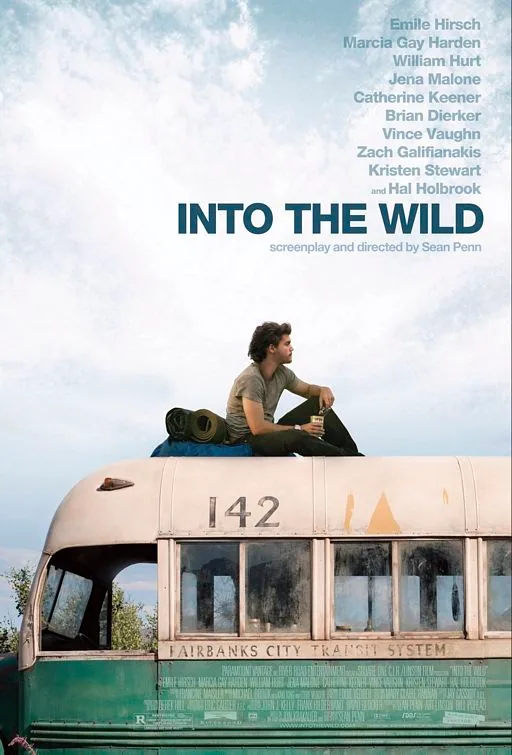
A young graduate cuts ties with his family, abandons conventional security and travels across the United States in search of a freer life. Temporary work and encounters with generous strangers offer forms of belonging he repeatedly moves beyond. His eventual retreat into Alaska tests the distance between a chosen ideal of self-sufficiency and the practical, emotional dependence that surviving in an indifferent landscape demands.
The repeated routine is the film’s story engine; small disruptions reveal the family ties and loneliness that the schedule leaves outside its frame.
Why this matches +
Modest work and attention to landscape make a life outside conventional security emotionally and socially specific.
Genres: Drama
Shared film traits
Based on recorded story, mood and style. Your preferences can change the order.
Expect contemplative and gentle, with slow and repetitive pacing.
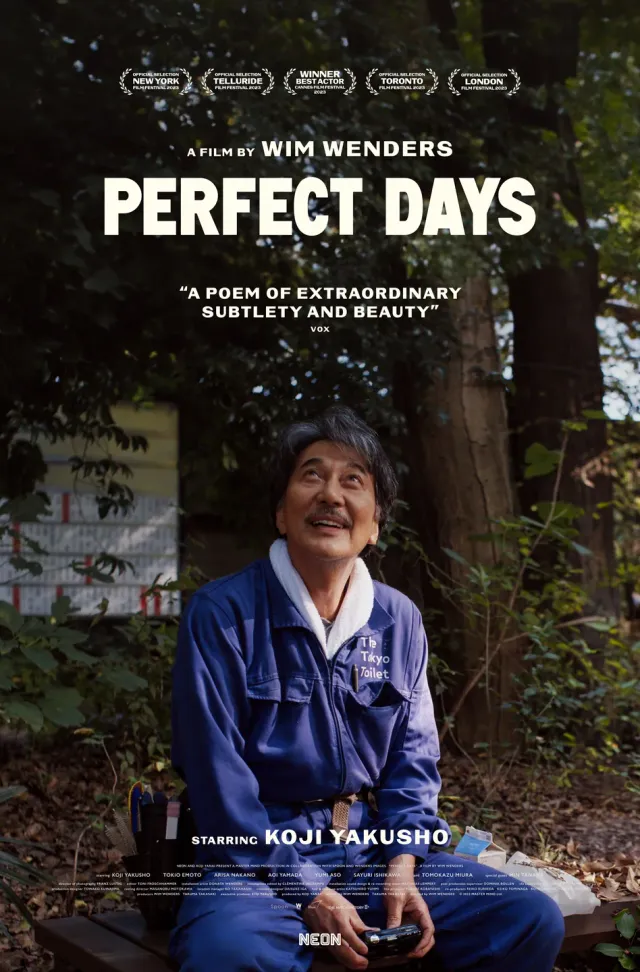
Hirayama works as a meticulous public-toilet cleaner in Tokyo, arranging his days around familiar routes, cassette tapes, books and photographs of trees. His routine is mostly self-chosen and gives him quiet satisfaction, but small interruptions gradually reveal relationships he keeps at a distance. His younger coworker Takashi’s needs, the arrival of Hirayama’s niece Niko and an unexpected encounter with a man from a nearby restaurant unsettle the pattern without turning it into a conventional quest. As these moments accumulate, Hirayama’s attention to work, nature and music becomes a way of meeting an uncertain life one day at a time.
Brady tries to build a life after a head injury while deciding whether the sport that shaped him is still possible.
Why this matches +
Modest work and attention to landscape make a life outside conventional security emotionally and socially specific.
Genres: Drama / Western
Shared film traits
Based on recorded story, mood and style. Your preferences can change the order.
What changes Nomadland: measured. The Rider: patient, observational and episodic.
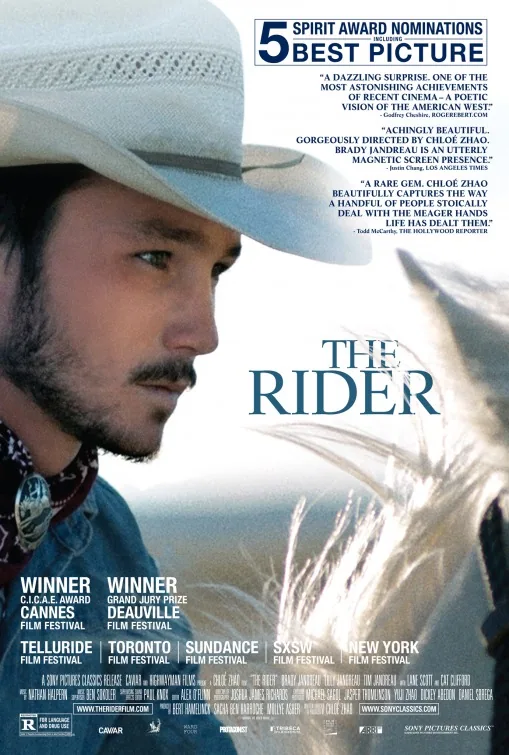
After a serious head injury ends his competitive rodeo career, young Lakota horseman Brady Blackburn returns to life on the Pine Ridge Reservation. He trains horses and spends time with friends, but his identity is closely tied to riding and to the possibility of competing again. His sister Lilly and father Wayne share his home, while Brady’s visits to fellow riders facing disability make the cost of his decision harder to ignore. Chloé Zhao filmed with nonprofessional performers whose lives closely inform the story.
The family’s displacement exposes the different futures Will and Tom imagine and the compromises each can accept.
Why this matches +
Modest work and attention to landscape make a life outside conventional security emotionally and socially specific.
Genres: Drama
Shared film traits
Based on recorded story, mood and style. Your preferences can change the order.
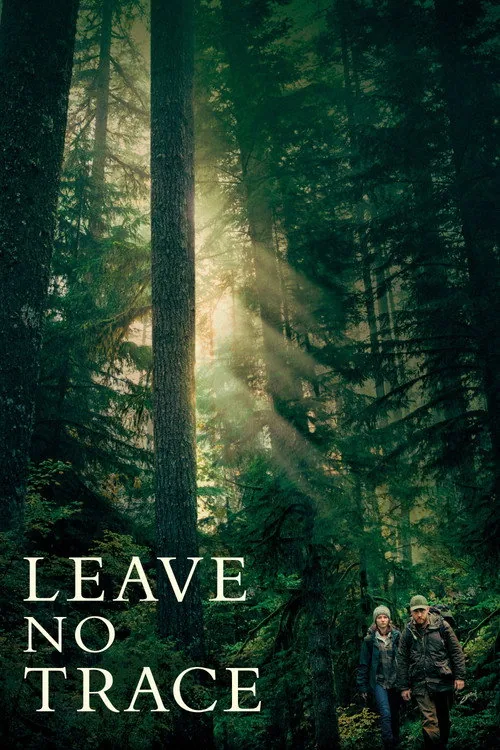
What changes Nomadland: measured. Leave No Trace: patient observation and understated emotional turns.
Will and his teenage daughter Tom have built a quiet life in the forests of Portland, Oregon, living off the grid and relying on practiced routines. When a small mistake brings social services into their lives, the two are moved into a new environment and eventually set out toward the wilderness again. Debra Granik’s restrained drama observes the bond between a protective father and an increasingly independent daughter, asking how care, safety, and belonging can mean different things to each of them without casting their conflict as a simple contest of right and wrong.
A risky farming venture turns competing ideas of security and success into daily disputes over money, care and where the family should live.
Why this matches +
Modest work and attention to landscape make a life outside conventional security emotionally and socially specific.
Genres: Drama
Shared film traits
Based on recorded story, mood and style. Your preferences can change the order.
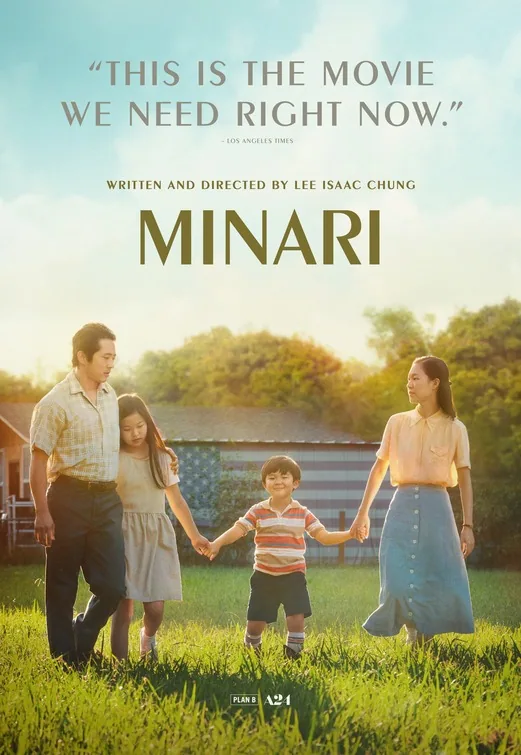
What changes Nomadland is tagged contemplative and melancholic; Minari is tagged intimate and emotional.
A Korean immigrant family moves to rural Arkansas, where the father hopes to build a farm supplying vegetables to other Korean households. His confidence in the land creates new strains for a marriage already stretched by insecure work, distance from familiar support and their son's health needs. The arrival of the children's grandmother offers another form of continuity, making the family's effort to put down roots both practical and deeply personal.
A worker has one weekend to persuade colleagues to give up a bonus so she can keep her job.
Why this matches +
Modest work and attention to landscape make a life outside conventional security emotionally and socially specific.
Genres: Drama
Shared film traits
Based on recorded story, mood and style. Your preferences can change the order.
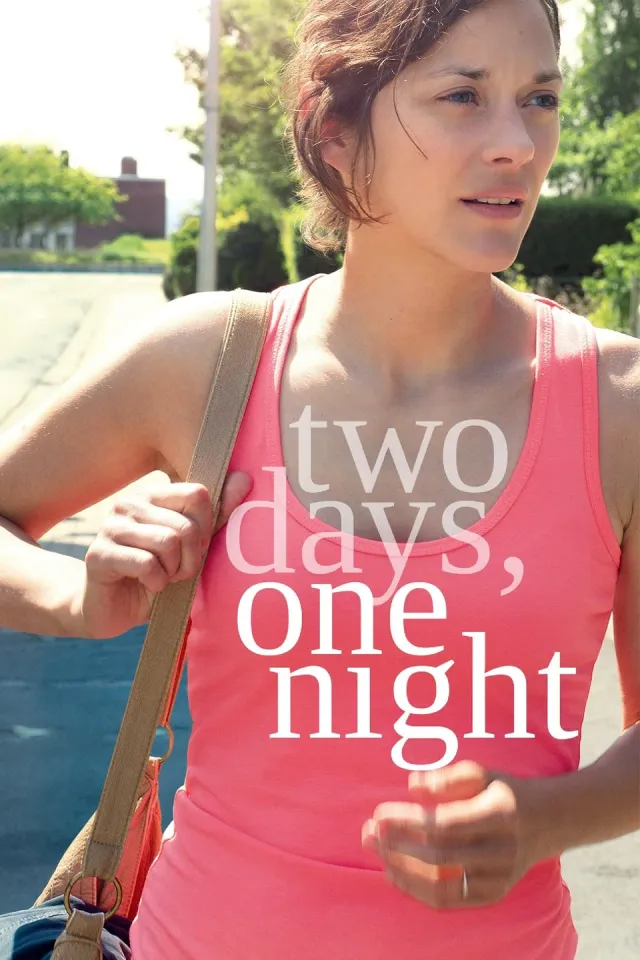
What changes Nomadland: measured. Two Days, One Night: compressed and steady.
Sandra learns that her factory colleagues have been offered a bonus in exchange for voting to eliminate her job. With only a weekend to change their minds, she visits each coworker and asks them to reconsider, while managing illness and fragile confidence. Jean-Pierre and Luc Dardenne's drama turns a workplace vote into an intimate portrait of solidarity, pressure and the value attached to one person's labour.
The trail gives Cheryl a demanding present tense in which past grief can return without stopping the next day’s walk.
Why this matches +
Modest work and attention to landscape make a life outside conventional security emotionally and socially specific.
Genres: Drama / Adventure
Shared film traits
Based on recorded story, mood and style. Your preferences can change the order.
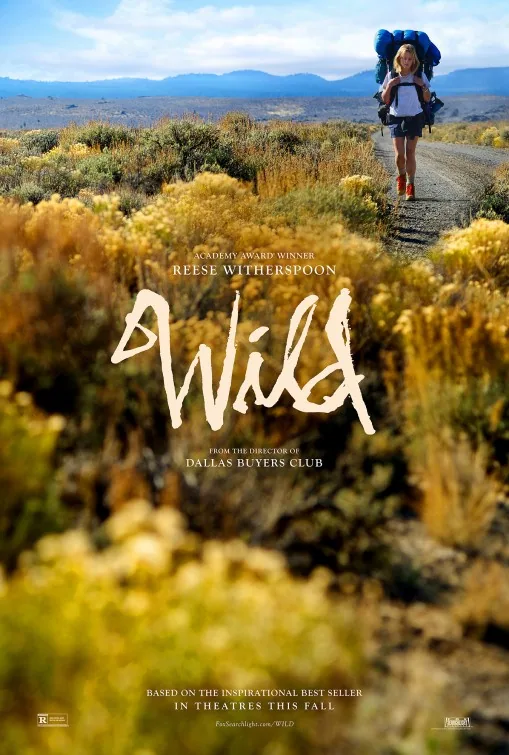
What changes Nomadland: measured. Wild: episodic hike and flashback structure.
After the death of her mother and the unraveling of her marriage, Cheryl Strayed sets out alone on a long hike along the Pacific Crest Trail. She is inexperienced with the route and the weight of her pack, and each practical hardship brings memories of choices and losses she has tried to leave behind. Encounters with fellow hikers punctuate the solitude without turning the trail into a simple cure. Adapted from Strayed’s memoir, the film follows an interior recovery through physical distance and repeated effort. The film alternates trail hardships with remembered events, so resilience arrives through accumulation rather than one insight. Small errors with gear make each day's progress uncertain.
An elderly man undertakes a slow cross-state journey to visit his brother before another illness makes reconciliation impossible.
Why this matches +
Modest work and attention to landscape make a life outside conventional security emotionally and socially specific.
Genres: Drama / Adventure
Shared film traits
Based on recorded story, mood and style. Your preferences can change the order.
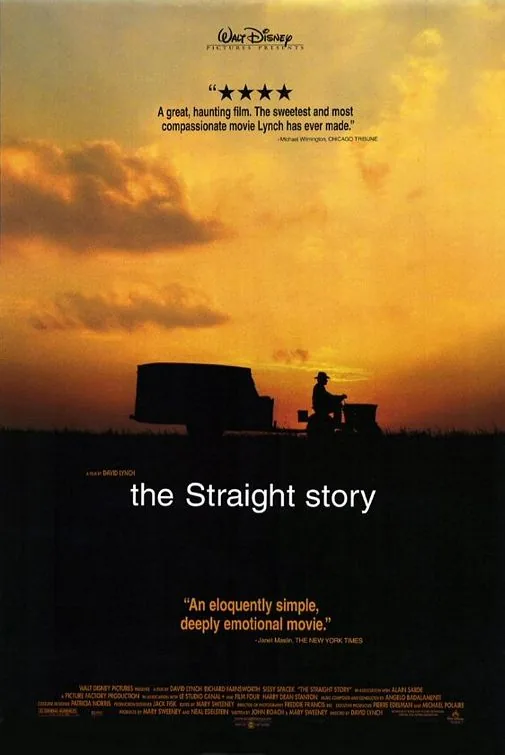
What changes Nomadland: measured. The Straight Story: unhurried and road-shaped.
When 73-year-old Alvin Straight hears that his estranged brother Lyle has suffered a stroke, he decides to travel from Iowa to Wisconsin to see him. Alvin cannot drive because of his eyesight and refuses to depend on the family car, so he sets out on a small John Deere riding mower with a trailer. Mechanical problems slow the trip, and conversations with people he meets reveal pieces of his marriage, his wartime past and the long silence between the brothers. His daughter Rose worries about his health and the journey's practical risks, but Alvin persists. The distance is modest by road-movie standards and immense for the vehicle, turning each stop into an opportunity to decide what reconciliation can still mean.
A contradictory eligibility decision traps a sick worker between systems, making survival depend on navigating tasks whose completion does not produce timely support.
Why this matches +
Modest work and attention to landscape make a life outside conventional security emotionally and socially specific.
Genres: Drama
Shared film traits
Based on recorded story, mood and style. Your preferences can change the order.
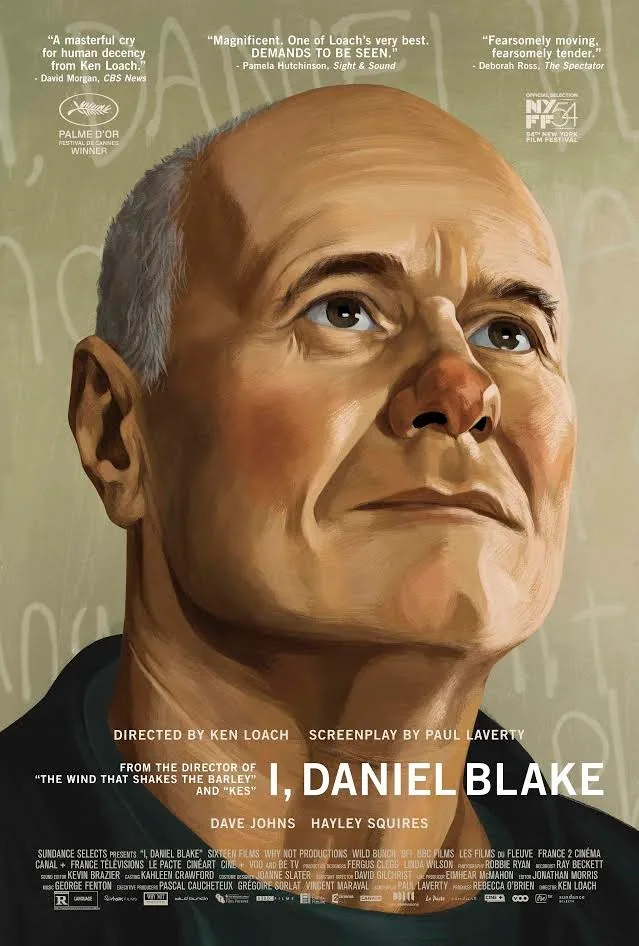
What changes Nomadland is tagged contemplative and melancholic; I, Daniel Blake is tagged somber and compassionate.
A widowed carpenter unable to resume work after a heart attack is declared fit by a benefits assessment and pushed into requirements that contradict his doctor's advice. Seeking an appeal demands computer skills, repeated explanations and performances of job-seeking that do little to meet his immediate needs. Friendship with a single mother creates a small network of practical care within the same system's failures. The social drama makes administrative delay materially consequential, contrasting ordinary competence and solidarity with procedures that refuse to recognize either.
Repeated expeditions build reciprocal trust before the guide's declining capacities expose a conflict between physical safety and the conditions that give his life autonomy.
Why this matches +
Modest work and attention to landscape make a life outside conventional security emotionally and socially specific.
Genres: Drama / Adventure
Shared film traits
Based on recorded story, mood and style. Your preferences can change the order.
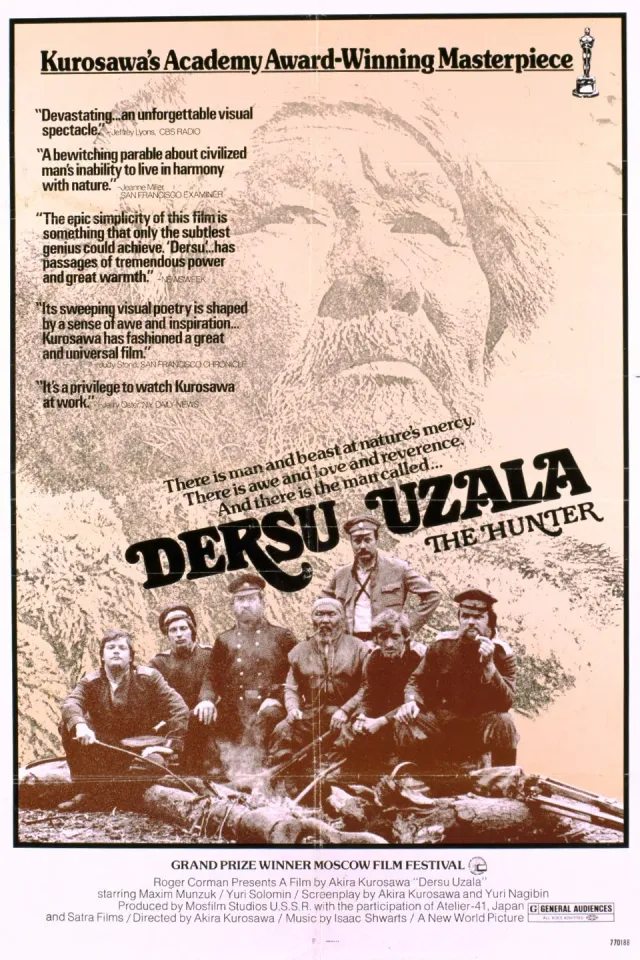
Expect contemplative and warm, with measured pacing.
A Russian surveying officer traveling through the Far East relies on Dersu, a hunter identified as Gold/Nanai in Arsenyev's account, whose knowledge of weather, tracks and reciprocal care repeatedly keeps the expedition alive. Their friendship continues across later journeys, but age and failing sight threaten the guide's ability to inhabit the forest on his own terms. An invitation into domestic comfort offers protection without necessarily supplying a livable replacement for the world in which his skills and habits make sense. Kurosawa’s friendship story mourns a specific way of living as surveying, settlement and age alter Dersu’s choices.
The westward trip promises a fresh start, but each labour camp reveals another way that economic hardship and unequal power constrain the family.
Why this matches +
A materially limited person's practical dignity depends on community, ordinary routines and negotiating imperfect forms of care.
An adjacent discovery: a related idea with a different viewing experience.
Genres: Drama
Shared film traits
Based on recorded story, mood and style. Your preferences can change the order.
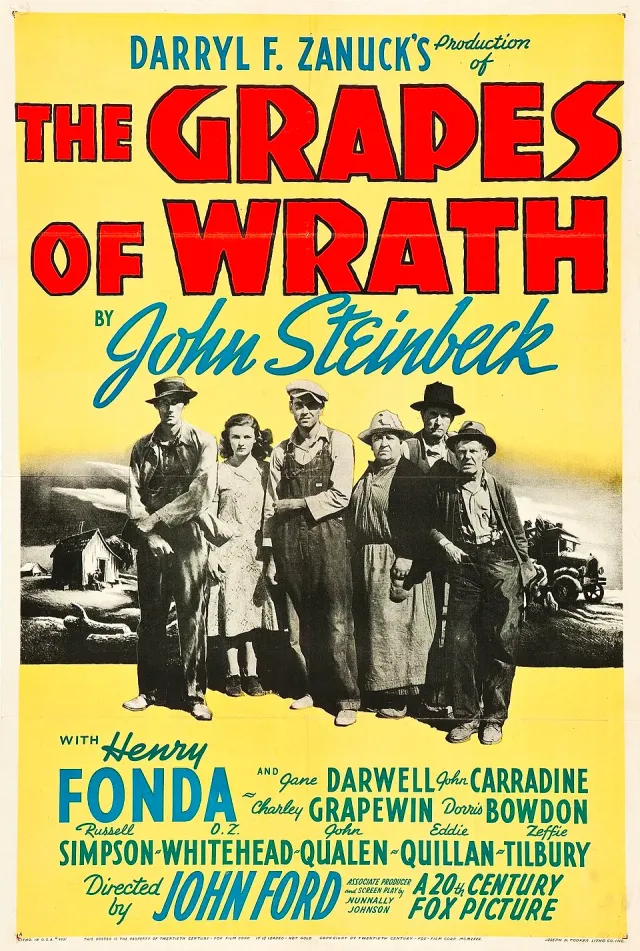
What changes Nomadland: measured. The Grapes of Wrath: road journey and economic hardship.
After drought and eviction drive the Joad family from their Oklahoma farm, Tom returns home from prison and travels with them toward California in search of work. The promised jobs prove uncertain, and the family encounters low wages, hostility and camps where migrant workers try to survive together. John Ford’s adaptation focuses on the family’s movement through a system that treats displaced people as disposable, while Ma Joad holds the group together as its circumstances worsen. The 1940 film is its own adaptation, with a more consoling ending than John Steinbeck’s novel.
A stolen work tool turns an ordinary first day into a search whose failure threatens a family's fragile income and the father's self-respect.
Why this matches +
A materially limited person's practical dignity depends on community, ordinary routines and negotiating imperfect forms of care.
An adjacent discovery: a related idea with a different viewing experience.
Genres: Drama / Art
Shared film traits
Based on recorded story, mood and style. Your preferences can change the order.
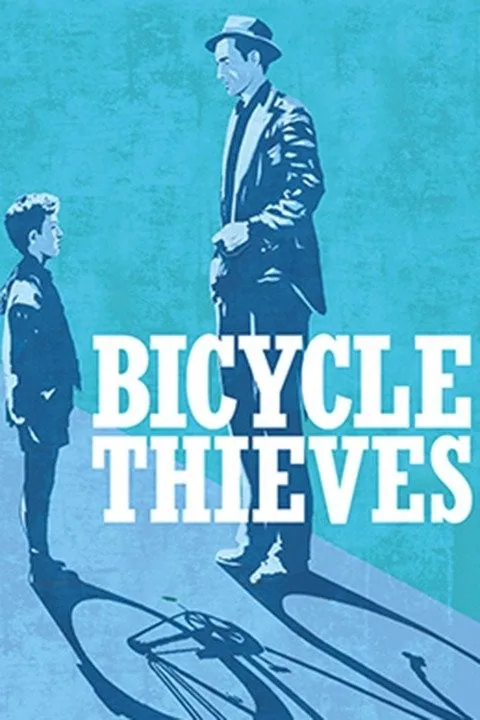
What changes Nomadland is tagged contemplative and melancholic; Bicycle Thieves is tagged emotional and bleak.
A father in postwar Rome finally obtains work that depends on owning a bicycle, only to have it stolen at the beginning of the job. Searching the city with his young son reveals how little protection formal authority and community can offer against material desperation. Each failed lead narrows his options, exposing the pressure poverty places on the identity he hopes to maintain in front of a child who still depends on him.
Episodic childhood play gradually reveals an unstable household whose economic pressures are approaching consequences the child cannot control.
Why this matches +
A materially limited person's practical dignity depends on community, ordinary routines and negotiating imperfect forms of care.
An adjacent discovery: a related idea with a different viewing experience.
Genres: Drama
Shared film traits
Based on recorded story, mood and style. Your preferences can change the order.
Expect humorous and emotional, with measured pacing.
A young girl spends a summer roaming the budget motels and improvised play spaces near a major Florida tourist resort. Her mother's precarious work and escalating conflicts remain only partly visible through the child's adventures, while a motel manager repeatedly balances compassion against practical limits. The pleasures of unsupervised friendship unfold beside the risk of losing a fragile home, exposing a gap between childhood imagination and the adult systems shaping it.
Lynsey’s return home and determination to redeploy are complicated by recovery, while a friendship with James makes room for mutual honesty.
Why this matches +
A materially limited person's practical dignity depends on community, ordinary routines and negotiating imperfect forms of care.
An adjacent discovery: a related idea with a different viewing experience.
Genres: Drama
Shared film traits
Based on recorded story, mood and style. Your preferences can change the order.
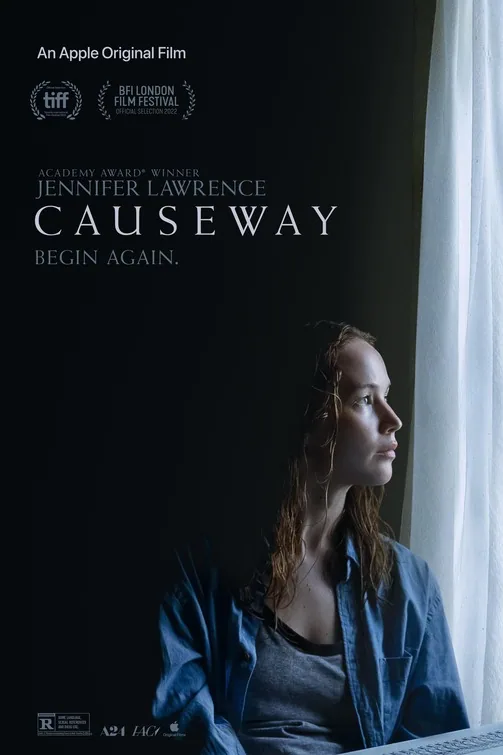
What changes Nomadland: measured. Causeway: slow, observational, understated and patient.
Army engineer Lynsey is recovering from a traumatic brain injury after deployment and hopes to return to military duty. When she must move back to New Orleans, ordinary tasks and memories make adjustment difficult. She finds a job cleaning pools and forms an unexpected friendship with James, an auto mechanic dealing with his own physical injury and grief. The film gives their conversations and gradual trust more weight than a conventional recovery arc.
A teenager searches for her missing father to keep her family from losing its home.
Why this matches +
A materially limited person's practical dignity depends on community, ordinary routines and negotiating imperfect forms of care.
An adjacent discovery: a related idea with a different viewing experience.
Genres: Drama / Crime
Shared film traits
Based on recorded story, mood and style. Your preferences can change the order.
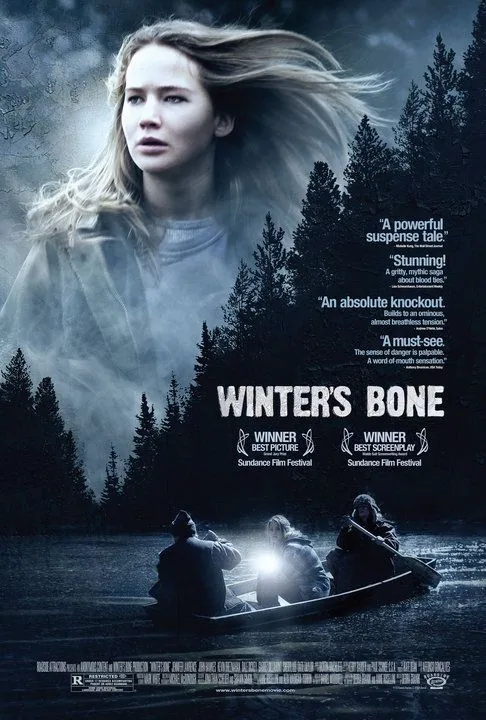
What changes Nomadland: measured. Winter's Bone: steady and investigative.
Seventeen-year-old Ree searches the Ozark community for her missing father after learning that his court appearance and the family's home are tied to his bond. With younger siblings to protect and her mother largely absent, Ree navigates a network of relatives who offer fragments of information and warnings. Debra Granik's drama makes the investigation a test of endurance within a tightly bound rural world.
A bus driver and poet notices his city while sharing a home with an aspiring artist. His routine shifts after a small loss and an encounter.
Why this matches +
A materially limited person's practical dignity depends on community, ordinary routines and negotiating imperfect forms of care.
An adjacent discovery: a related idea with a different viewing experience.
Genres: Drama / Comedy
Shared film traits
Based on recorded story, mood and style. Your preferences can change the order.
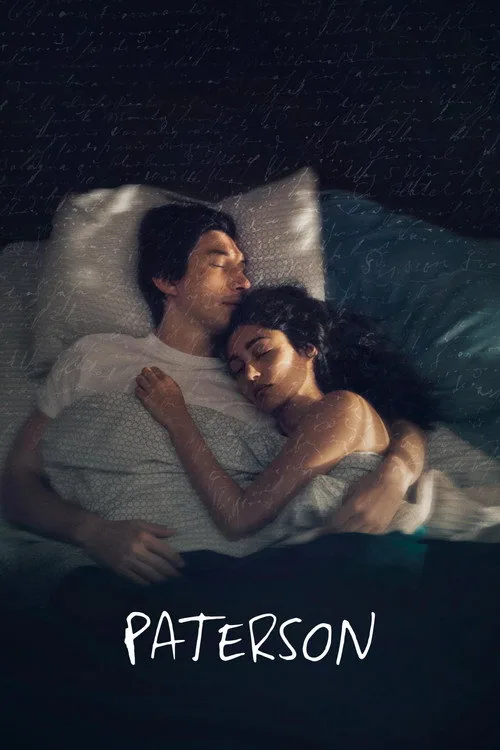
What changes Nomadland: measured. Paterson: gentle, repetitive and observational.
Paterson, a bus driver in Paterson, New Jersey, follows a steady routine of work, walks with his dog, and quiet conversations at a local bar. He writes poems in a notebook, drawing on passenger conversations and daily details, while his wife Laura pursues creative ambitions at home. The film observes ordinary days without a crisis-driven plot. Jim Jarmusch’s drama finds variation in repetition, private art, neighborhood encounters, and the way a small loss interrupts a familiar rhythm.
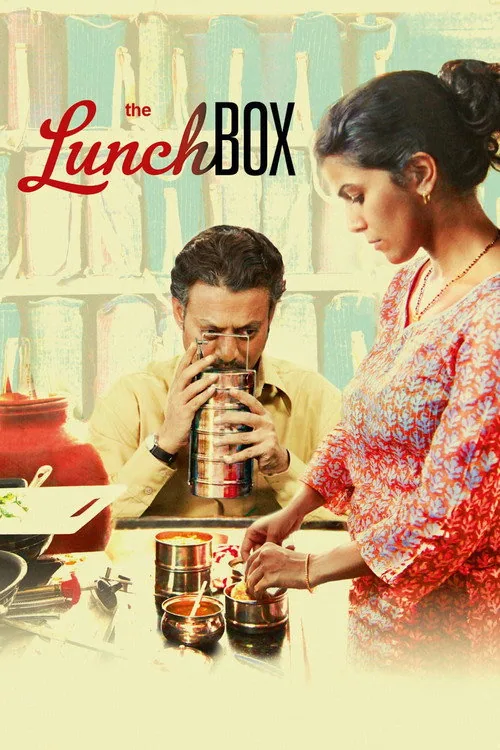
The misdelivered meal gives Ila and Saajan a private channel through which ordinary routines turn into personal conversation.
Why this matches +
A materially limited person's practical dignity depends on community, ordinary routines and negotiating imperfect forms of care.
An adjacent discovery: a related idea with a different viewing experience.
Genres: Drama / Romance
Shared film traits
Based on recorded story, mood and style. Your preferences can change the order.
What changes Nomadland: measured. The Lunchbox: slow and intimate and episodic letters and meals.
A meal prepared by Ila for her inattentive husband is mistakenly delivered to Saajan, a lonely widower nearing retirement in Mumbai. When the error goes unnoticed, Ila and Saajan begin exchanging notes through the lunchbox, sharing disappointments and hopes that they rarely express to people around them. Ritesh Batra’s Hindi-language drama follows this correspondence alongside the rhythms of the city’s delivery system, finding intimacy in food, routine, and small acts of attention. Its emotional movement is quiet and open-ended rather than driven by a conventional romantic resolution.
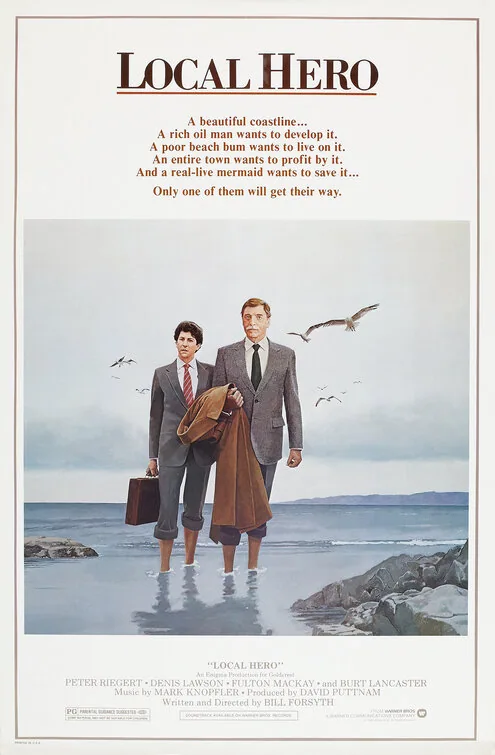
A corporate land deal becomes uncertain as Mac grows attached to the community he was sent to displace.
Why this matches +
A materially limited person's practical dignity depends on community, ordinary routines and negotiating imperfect forms of care.
An adjacent discovery: a related idea with a different viewing experience.
Genres: Comedy / Drama
Shared film traits
Based on recorded story, mood and style. Your preferences can change the order.
What changes Nomadland: measured. Local Hero: unhurried, episodic, measured encounters and gentle reversals.
Houston oil executive Mac MacIntyre is sent to the Scottish village of Ferness to acquire its land for a refinery. The company’s eccentric owner, Felix Happer, gives him an unrelated instruction to watch the sky, while local representative Danny Oldsen helps him navigate the assignment. As Mac meets hotel owners, residents and a marine researcher, the village becomes more than a transaction and his confidence in the plan weakens. The sale seems straightforward until an old beachcomber refuses to part with the shore. Happer’s visit changes the negotiations in an unexpected direction, leaving Mac to return to Houston with the village still on his mind.
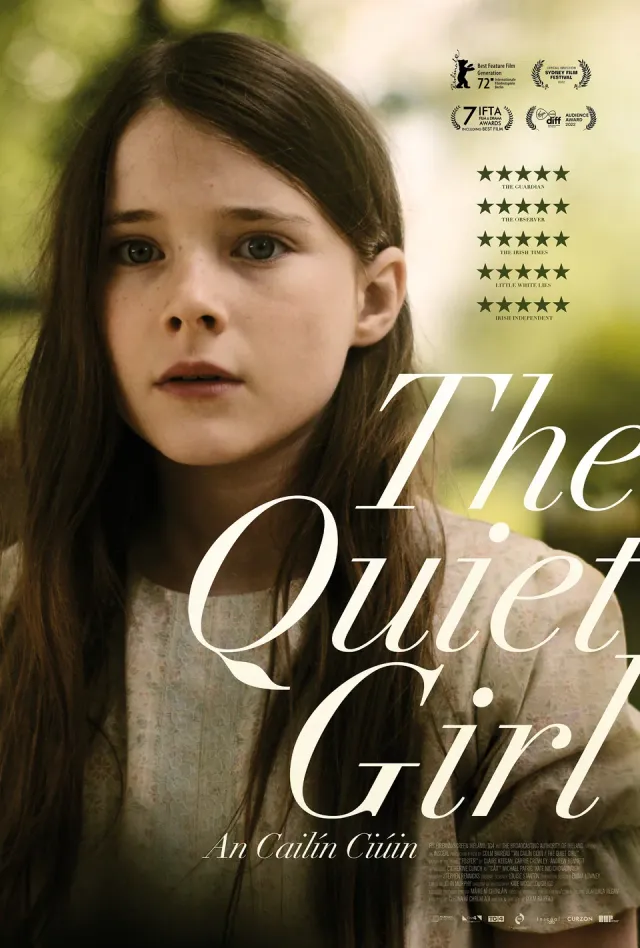
Cáit moves into a relative’s home for the summer, where daily chores and careful attention reveal a different model of family life.
Why this matches +
A materially limited person's practical dignity depends on community, ordinary routines and negotiating imperfect forms of care.
An adjacent discovery: a related idea with a different viewing experience.
Genres: Drama
Shared film traits
Based on recorded story, mood and style. Your preferences can change the order.
What changes Nomadland: measured. The Quiet Girl: measured, minimal, patient and emotionally cumulative.
Nine-year-old Cáit is sent from her crowded home to stay with distant relatives in rural Ireland for the summer. Eibhlín welcomes her with patient care, while the more reserved Seán gradually makes room for the child in the routines of the farm. As Cáit learns the household’s silences and small acts of kindness, she discovers how attention can make a neglected child feel safe and how grief can remain present without being explained.
Star leaves home with a traveling sales crew and discovers that freedom on the road comes with quotas, insecurity, and group dependence.
Why this matches +
A materially limited person's practical dignity depends on community, ordinary routines and negotiating imperfect forms of care.
An adjacent discovery: a related idea with a different viewing experience.
Genres: Drama / Road Movie
Shared film traits
Based on recorded story, mood and style. Your preferences can change the order.
What changes Nomadland: measured. American Honey: departure opens an uncertain road journey, work and relationships grow through episodes and group tensions complicate the promise of freedom.
Teenager Star leaves an unstable home in Oklahoma to join Jake and a crew of young magazine sellers traveling through the Midwest. The group moves from town to town, sharing crowded motel rooms, music, parties, and the pressure to meet sales quotas. Star learns how the crew survives through charm and improvisation while becoming drawn to Jake and wary of their leader Krystal. The road trip offers freedom and belonging, but also exposes the limits of the life they have chosen.
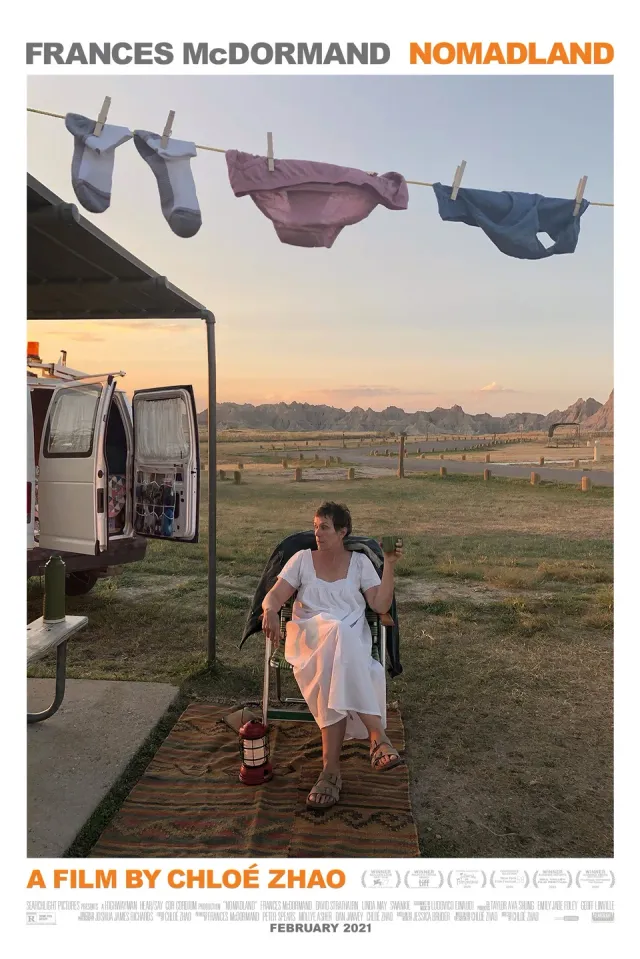
After the loss of her husband and the collapse of a company town, a woman travels through the American West in a van, taking seasonal jobs. Encounters with other mobile workers reveal practical solidarity alongside economic insecurity, illness and different reasons for avoiding permanent settlement. Her movement remains both a response to material loss and a personal way of living with memory.
What drives the story
Seasonal labour and travel create recurring choices between stability, movement and attachment.
The people at its centre
An independent widow forms temporary bonds with people whose generosity does not remove their precarious circumstances.
What it feels like
Open landscapes and ordinary work produce a patient, reflective rhythm with little conventional plot escalation.
Worth knowing
Its mobility includes labour and grief; it is not simply an aspirational travel escape.