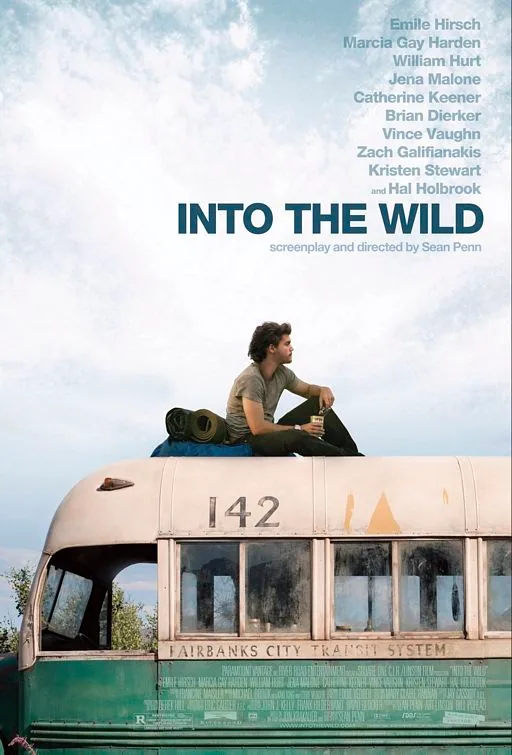
An itinerant rejection of material success builds toward a solitary wilderness experiment whose risks expose the limits of an absolute ideal.
Why this matches +
Attentive friendship and practical work reveal dignity in lives that conventional ideas of progress or success do not fully recognize.
Genres: Drama / Biography
Shared film traits
Based on recorded story, mood and style. Your preferences can change the order.
Survival
Expect contemplative and melancholic, with measured pacing.
A young graduate cuts ties with his family, abandons conventional security and travels across the United States in search of a freer life. Temporary work and encounters with generous strangers offer forms of belonging he repeatedly moves beyond. His eventual retreat into Alaska tests the distance between a chosen ideal of self-sufficiency and the practical, emotional dependence that surviving in an indifferent landscape demands.
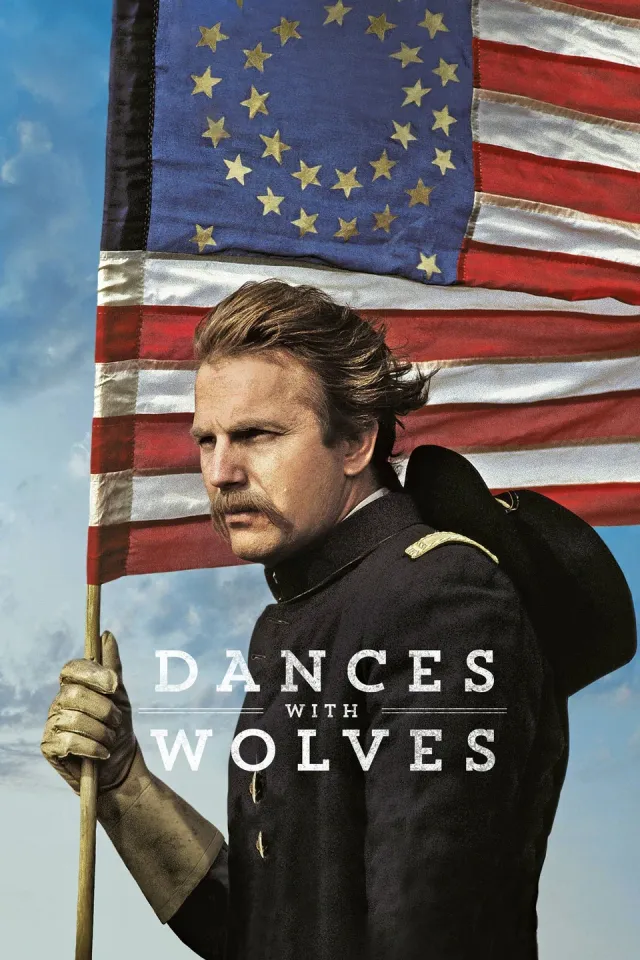
An isolated posting becomes a process of reciprocal contact that eventually creates a direct conflict with the officer's original allegiance.
Why this matches +
Attentive friendship and practical work reveal dignity in lives that conventional ideas of progress or success do not fully recognize.
Genres: Drama / Adventure
Shared film traits
Based on recorded story, mood and style. Your preferences can change the order.
Expect contemplative and emotional, with measured and epic pacing.
A Union officer posted to a remote frontier position begins contact with a nearby Lakota community and gradually learns to communicate beyond the assumptions of his original assignment. Hospitality, work and a developing attachment give him a place whose significance cannot be reduced to observation. The return of organised military authority makes his loyalties visible, forcing him to confront the violence carried by an institution he once served without imagining an alternative.
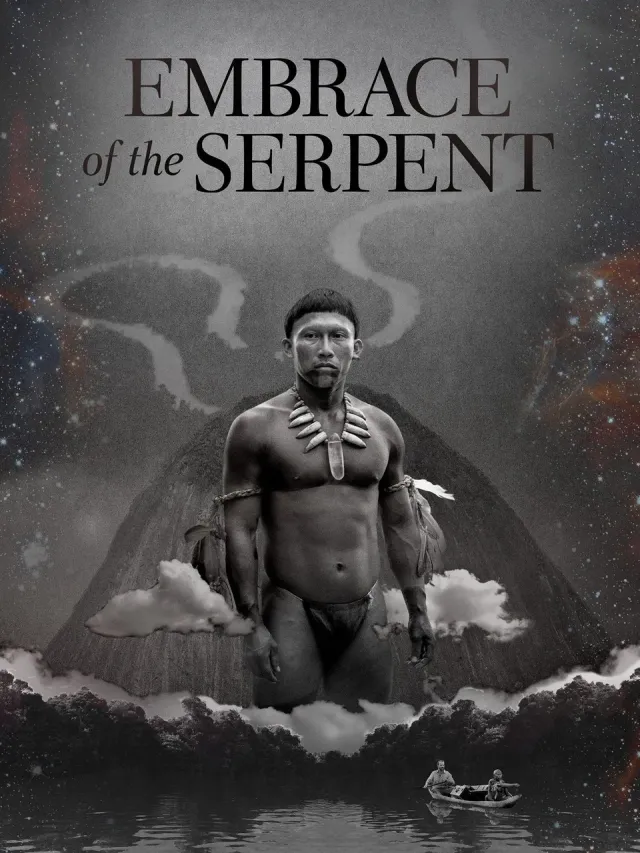
Karamakate’s two journeys make cultural loss visible through his changing relationship to memory.
Why this matches +
Attentive friendship and practical work reveal dignity in lives that conventional ideas of progress or success do not fully recognize.
Genres: Drama / Adventure
Shared film traits
Based on recorded story, mood and style. Your preferences can change the order.
What changes Dersu Uzala: measured. Embrace of the Serpent: episodic and contemplative.
Karamakate, a shaman in the Colombian Amazon, guides two foreign scientists on journeys separated by decades as they search for the sacred plant yakruna. The parallel expeditions reveal how colonial exploitation damages communities, knowledge and the natural world, while Karamakate confronts changes in his own culture and memory. Ciro Guerra films the story in evocative monochrome for much of its length, creating a meditative adventure about encounter, loss and the limits of translation.
The settlement and surrounding landscape are treated as forces that shape the encounter rather than mere backdrop.
Why this matches +
Attentive friendship and practical work reveal dignity in lives that conventional ideas of progress or success do not fully recognize.
Genres: Drama / Romance
Shared film traits
Based on recorded story, mood and style. Your preferences can change the order.
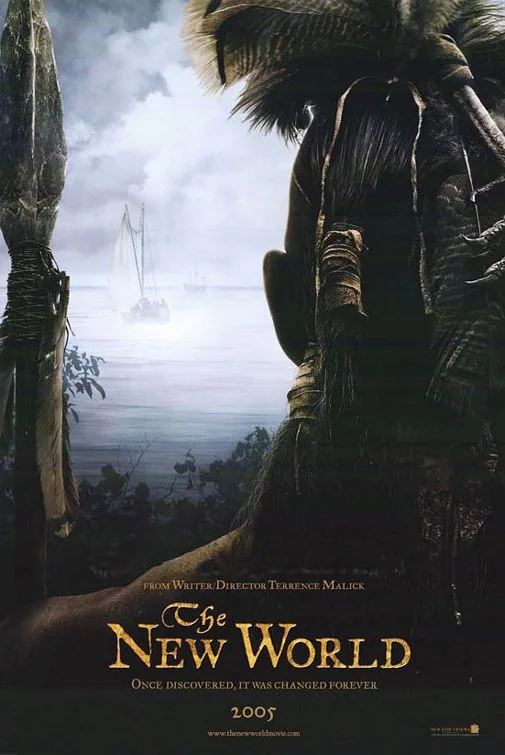
What changes Dersu Uzala: measured. The New World: patient and elliptical.
The arrival of English settlers in early seventeenth-century Virginia is seen through the encounter between explorer John Smith and Pocahontas, alongside the hardship of founding Jamestown. Their connection is set within a larger history of colonization and cultural conflict. The film uses sensory detail, voice-over and a patient rhythm to consider how desire, land and incompatible worlds are entangled, while resisting the shape of a conventional adventure romance.
A contested advance places command pressure against the cost of sending particular men into danger, while shifting perspectives continually exceed the official mission.
Why this matches +
Attentive friendship and practical work reveal dignity in lives that conventional ideas of progress or success do not fully recognize.
Genres: Drama / War
Shared film traits
Based on recorded story, mood and style. Your preferences can change the order.
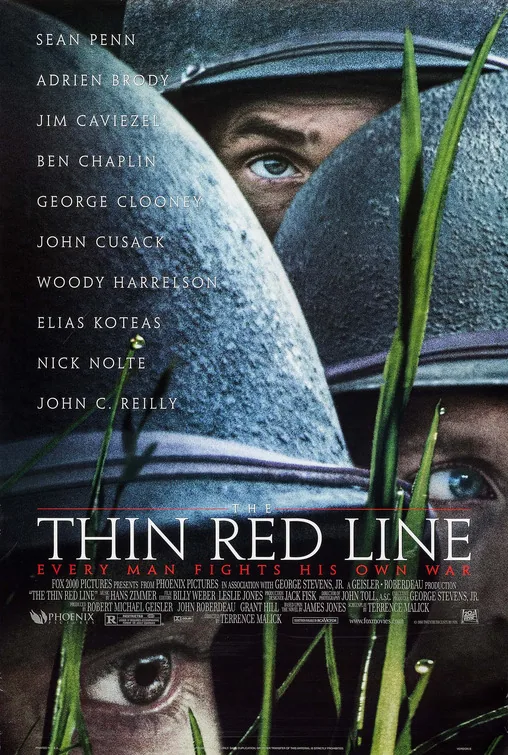
What changes Dersu Uzala: measured. The Thin Red Line: meditative.
An American infantry company arrives on Guadalcanal and confronts a landscape whose beauty offers no protection from military objectives or unpredictable killing. Attempts to capture a defended position expose differences between career ambition, tactical responsibility and the soldiers' private attachments. Multiple voices reflect on nature, violence and loss as the campaign continues, making neither strategic progress nor individual courage sufficient to explain what the men experience.
Seasonal labour and travel create recurring choices between stability, movement and attachment.
Why this matches +
Attentive friendship and practical work reveal dignity in lives that conventional ideas of progress or success do not fully recognize.
Genres: Drama
Shared film traits
Based on recorded story, mood and style. Your preferences can change the order.
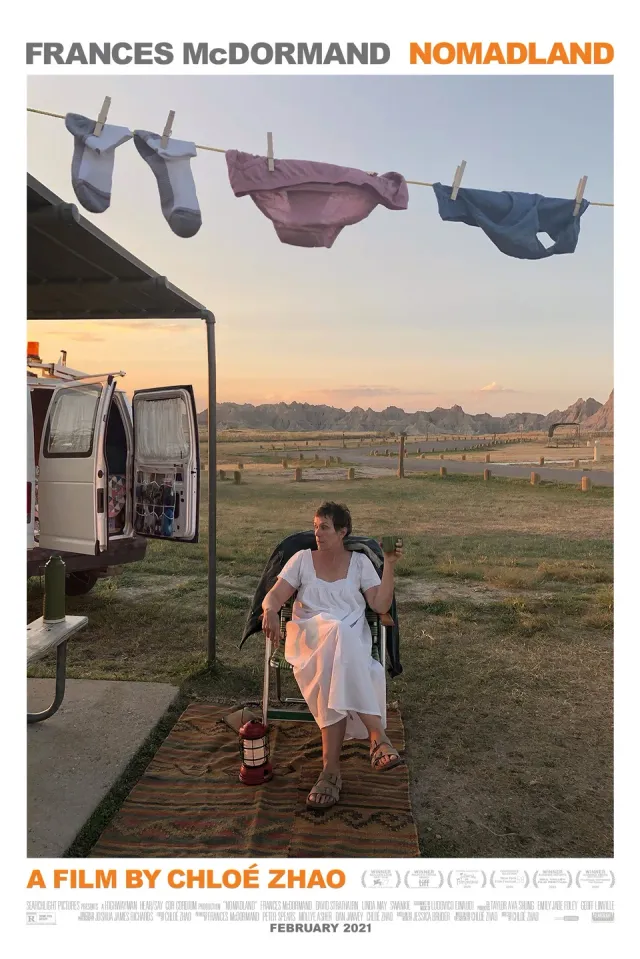
Expect contemplative and melancholic, with measured pacing.
After the loss of her husband and the collapse of a company town, a woman travels through the American West in a van, taking seasonal jobs. Encounters with other mobile workers reveal practical solidarity alongside economic insecurity, illness and different reasons for avoiding permanent settlement. Her movement remains both a response to material loss and a personal way of living with memory.
The family’s displacement exposes the different futures Will and Tom imagine and the compromises each can accept.
Why this matches +
Attentive friendship and practical work reveal dignity in lives that conventional ideas of progress or success do not fully recognize.
Genres: Drama
Shared film traits
Based on recorded story, mood and style. Your preferences can change the order.
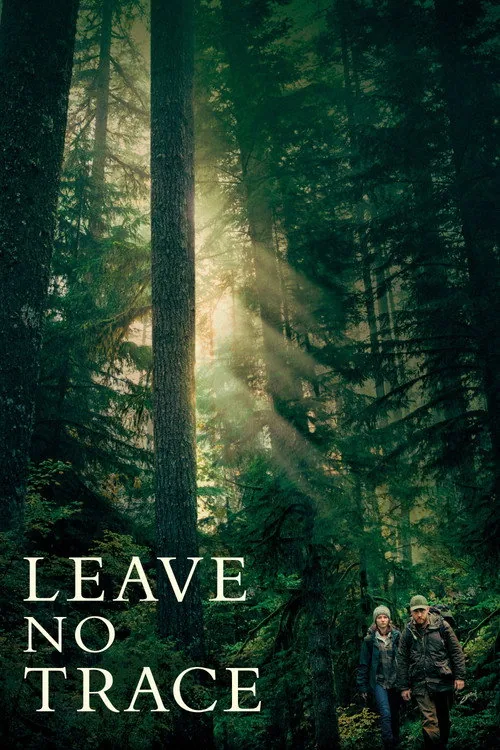
What changes Dersu Uzala: measured. Leave No Trace: patient observation and understated emotional turns.
Will and his teenage daughter Tom have built a quiet life in the forests of Portland, Oregon, living off the grid and relying on practiced routines. When a small mistake brings social services into their lives, the two are moved into a new environment and eventually set out toward the wilderness again. Debra Granik’s restrained drama observes the bond between a protective father and an increasingly independent daughter, asking how care, safety, and belonging can mean different things to each of them without casting their conflict as a simple contest of right and wrong.
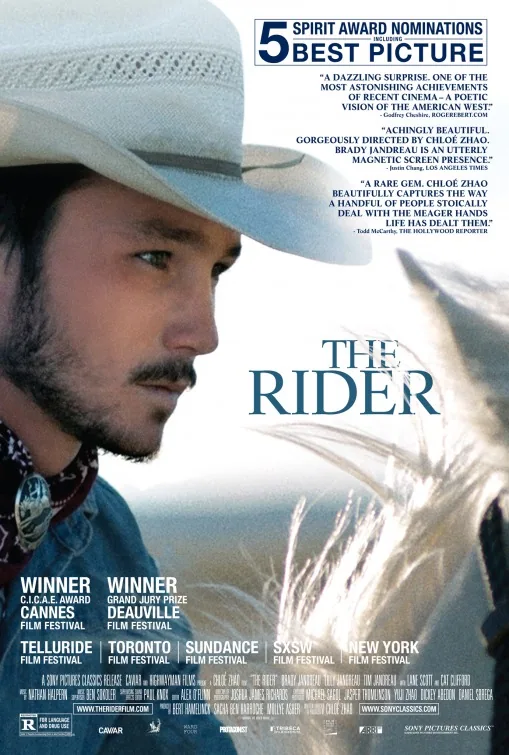
Brady tries to build a life after a head injury while deciding whether the sport that shaped him is still possible.
Why this matches +
Attentive friendship and practical work reveal dignity in lives that conventional ideas of progress or success do not fully recognize.
Genres: Drama / Western
Shared film traits
Based on recorded story, mood and style. Your preferences can change the order.
What changes Dersu Uzala: measured. The Rider: patient, observational and episodic.
After a serious head injury ends his competitive rodeo career, young Lakota horseman Brady Blackburn returns to life on the Pine Ridge Reservation. He trains horses and spends time with friends, but his identity is closely tied to riding and to the possibility of competing again. His sister Lilly and father Wayne share his home, while Brady’s visits to fellow riders facing disability make the cost of his decision harder to ignore. Chloé Zhao filmed with nonprofessional performers whose lives closely inform the story.
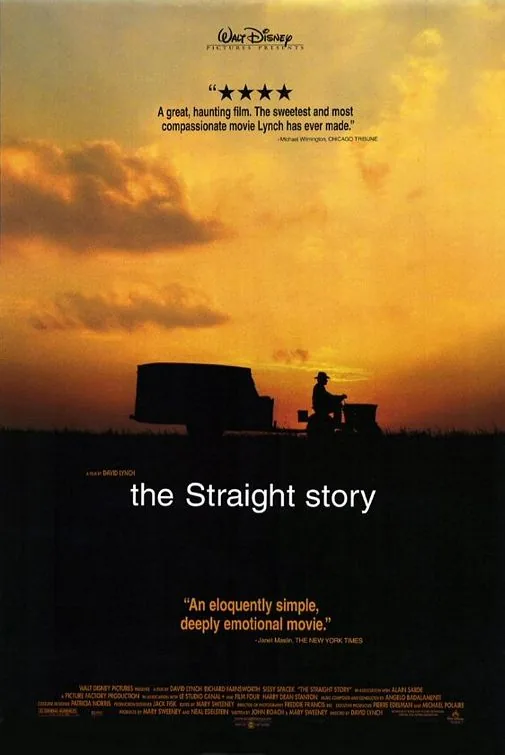
An elderly man undertakes a slow cross-state journey to visit his brother before another illness makes reconciliation impossible.
Why this matches +
Attentive friendship and practical work reveal dignity in lives that conventional ideas of progress or success do not fully recognize.
Genres: Drama / Adventure
Shared film traits
Based on recorded story, mood and style. Your preferences can change the order.
What changes A gentler journey centered on late-life practical dignity and accepting another person's care.
When 73-year-old Alvin Straight hears that his estranged brother Lyle has suffered a stroke, he decides to travel from Iowa to Wisconsin to see him. Alvin cannot drive because of his eyesight and refuses to depend on the family car, so he sets out on a small John Deere riding mower with a trailer. Mechanical problems slow the trip, and conversations with people he meets reveal pieces of his marriage, his wartime past and the long silence between the brothers. His daughter Rose worries about his health and the journey's practical risks, but Alvin persists. The distance is modest by road-movie standards and immense for the vehicle, turning each stop into an opportunity to decide what reconciliation can still mean.
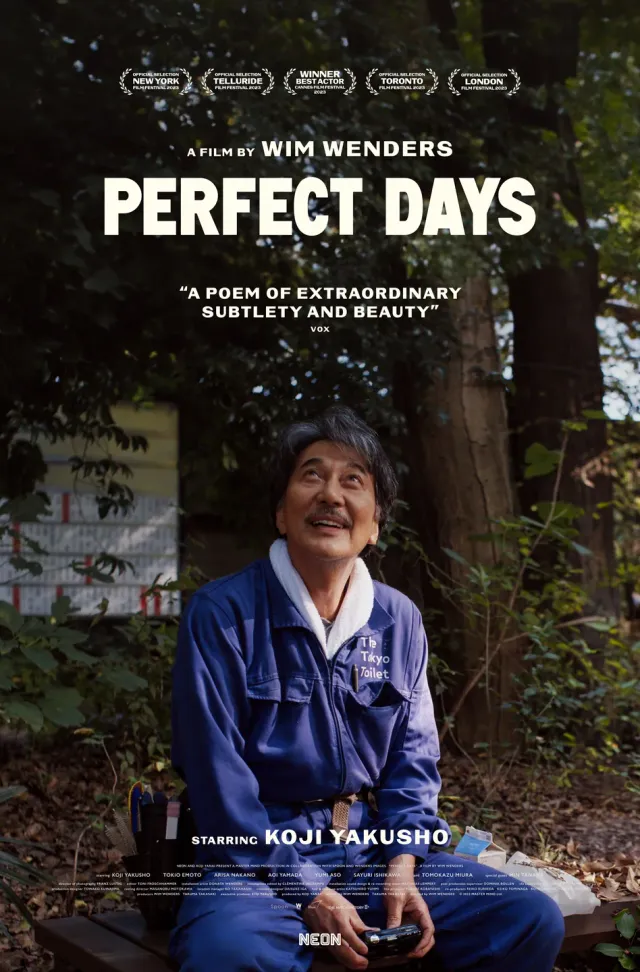
The repeated routine is the film’s story engine; small disruptions reveal the family ties and loneliness that the schedule leaves outside its frame.
Why this matches +
Attentive friendship and practical work reveal dignity in lives that conventional ideas of progress or success do not fully recognize.
Genres: Drama
Shared film traits
Based on recorded story, mood and style. Your preferences can change the order.
What changes A gentler contemporary working routine; attentive everyday dignity replaces a dangerous historical expedition.
Hirayama works as a meticulous public-toilet cleaner in Tokyo, arranging his days around familiar routes, cassette tapes, books and photographs of trees. His routine is mostly self-chosen and gives him quiet satisfaction, but small interruptions gradually reveal relationships he keeps at a distance. His younger coworker Takashi’s needs, the arrival of Hirayama’s niece Niko and an unexpected encounter with a man from a nearby restaurant unsettle the pattern without turning it into a conventional quest. As these moments accumulate, Hirayama’s attention to work, nature and music becomes a way of meeting an uncertain life one day at a time.
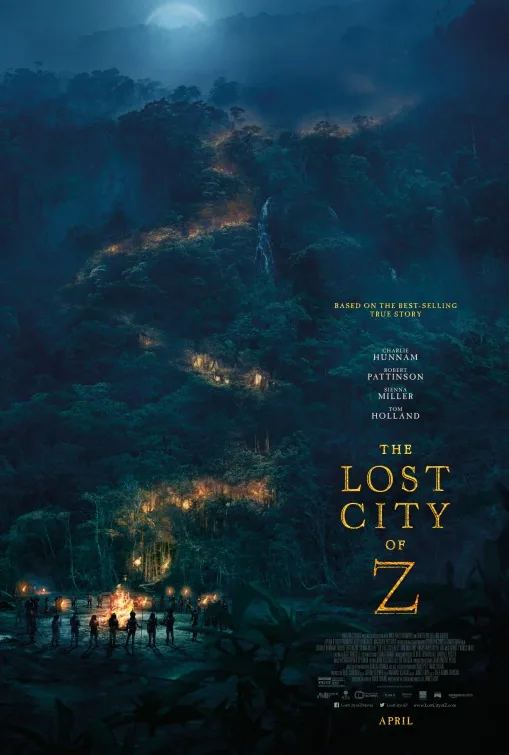
An explorer repeatedly returns to the Amazon in pursuit of evidence for a lost civilization.
Why this matches +
An encounter with nature challenges human confidence in expertise, control and the right to define another way of life.
An adjacent discovery: a related idea with a different viewing experience.
Genres: Adventure / Drama
Shared film traits
Based on recorded story, mood and style. Your preferences can change the order.
What changes Dersu Uzala is tagged contemplative and warm; The Lost City of Z is tagged reflective and adventurous.
British explorer Percy Fawcett becomes convinced that an advanced civilization existed in the Amazon after studying maps and reports from the region. His expeditions take him away from family life and into difficult terrain, where scientific ambition, colonial assumptions and personal endurance intersect. James Gray's period adventure follows his repeated attempts to return to the forest and the uncertain legacy of exploration.
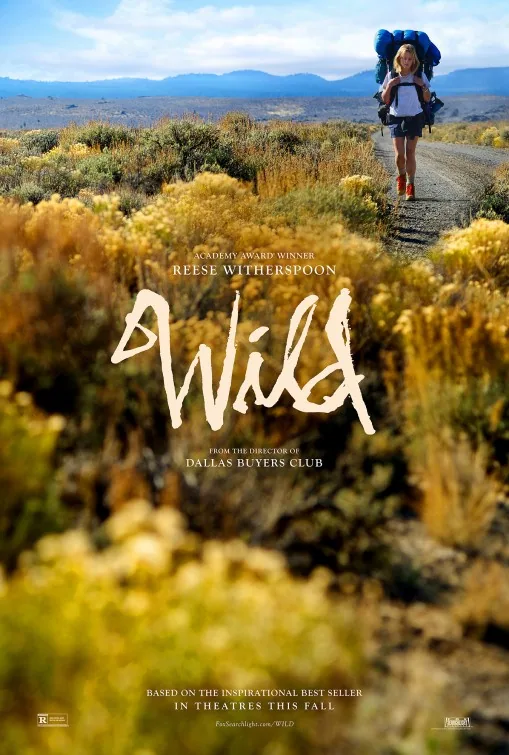
The trail gives Cheryl a demanding present tense in which past grief can return without stopping the next day’s walk.
Why this matches +
An encounter with nature challenges human confidence in expertise, control and the right to define another way of life.
An adjacent discovery: a related idea with a different viewing experience.
Genres: Drama / Adventure
Shared film traits
Based on recorded story, mood and style. Your preferences can change the order.
Survival
What changes Dersu Uzala: measured. Wild: episodic hike and flashback structure.
After the death of her mother and the unraveling of her marriage, Cheryl Strayed sets out alone on a long hike along the Pacific Crest Trail. She is inexperienced with the route and the weight of her pack, and each practical hardship brings memories of choices and losses she has tried to leave behind. Encounters with fellow hikers punctuate the solitude without turning the trail into a simple cure. Adapted from Strayed’s memoir, the film follows an interior recovery through physical distance and repeated effort. The film alternates trail hardships with remembered events, so resilience arrives through accumulation rather than one insight. Small errors with gear make each day's progress uncertain.
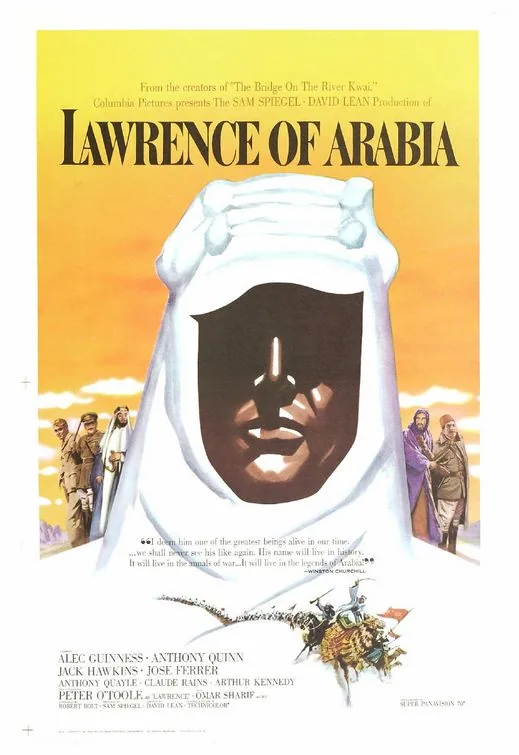
A liaison officer's military success magnifies the conflict between personal myth, a coalition's autonomy and the empire employing him.
Why this matches +
An encounter with nature challenges human confidence in expertise, control and the right to define another way of life.
An adjacent discovery: a related idea with a different viewing experience.
Genres: Drama / Adventure
Shared film traits
Based on recorded story, mood and style. Your preferences can change the order.
Expect epic and contemplative, with epic and measured pacing.
A British officer posted to the Middle East during the First World War joins Arab forces opposing Ottoman rule and becomes a celebrated figure in their campaign. His identification with the desert and hunger for extraordinary achievement grow entangled with competing local aims and British strategic interests. Victories intensify rather than resolve questions about violence, self-invention and who is permitted to claim ownership of a liberation struggle.
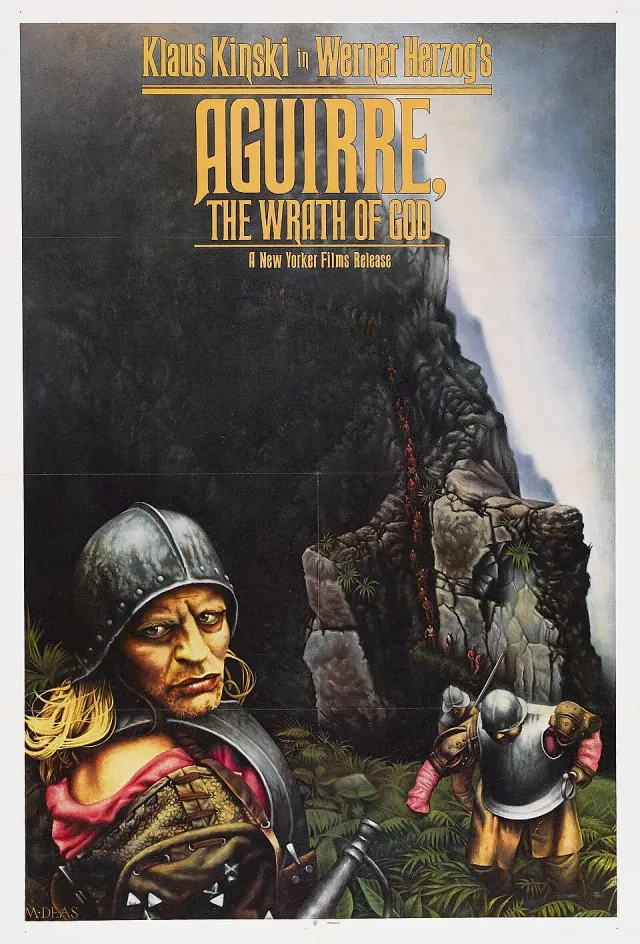
The expedition's logistical crisis gives Aguirre an opening to overthrow command. Once he controls the party, each renewed claim to empire postpones the practical recognition that the journey is failing.
Why this matches +
An encounter with nature challenges human confidence in expertise, control and the right to define another way of life.
An adjacent discovery: a related idea with a different viewing experience.
Genres: Adventure / Drama
Shared film traits
Based on recorded story, mood and style. Your preferences can change the order.
Survival
What changes Dersu Uzala: measured. Aguirre, the Wrath of God: slow.
In the sixteenth-century Spanish conquest of South America, an expedition descends a river in search of El Dorado and sends a smaller party ahead through dangerous territory. Lope de Aguirre turns the difficulty of return into an opportunity to seize command, then insists on an imperial future that the group lacks the food and strength to reach. The river journey pares away the certainty of military hierarchy and conquest, leaving the expedition's grand declarations increasingly detached from its physical collapse. Herzog's film is a fictionalized, formally spare meditation on power and delusion, not a documentary reconstruction.
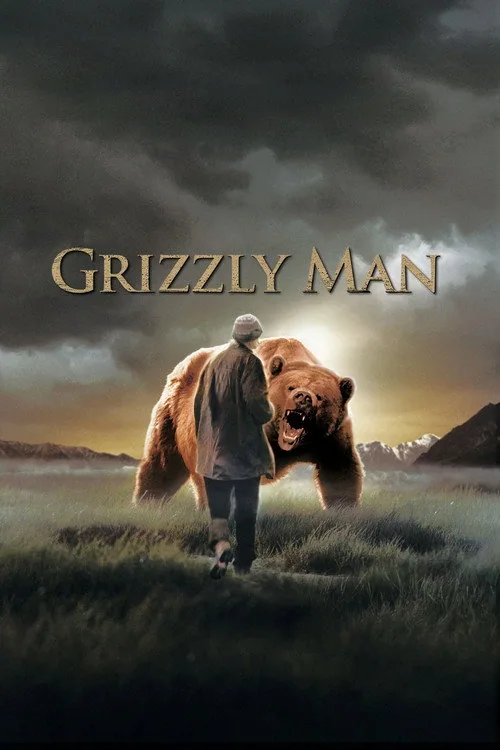
The documentary pieces together Treadwell’s motivations and final years through his own footage and other people’s accounts.
Why this matches +
An encounter with nature challenges human confidence in expertise, control and the right to define another way of life.
An adjacent discovery: a related idea with a different viewing experience.
Genres: Documentary / Biography
The approach A documentary treatment rather than a dramatic feature.
Shared film traits
Based on recorded story, mood and style. Your preferences can change the order.
What changes Dersu Uzala: measured. Grizzly Man: essay-like documentary flow and alternates field footage and reflection.
Werner Herzog assembles footage shot by Timothy Treadwell during summers spent living near grizzly bears in Alaska, along with interviews with people who knew him and experts familiar with the animals. The documentary considers Treadwell’s devotion to bear conservation, his charismatic public persona, and the risks of his chosen way of life, while Herzog’s narration brings a contrasting perspective on wilderness and human desire. Rather than offering a simple verdict, the film explores the tension between Treadwell’s intimate images and the dangers they cannot fully control.
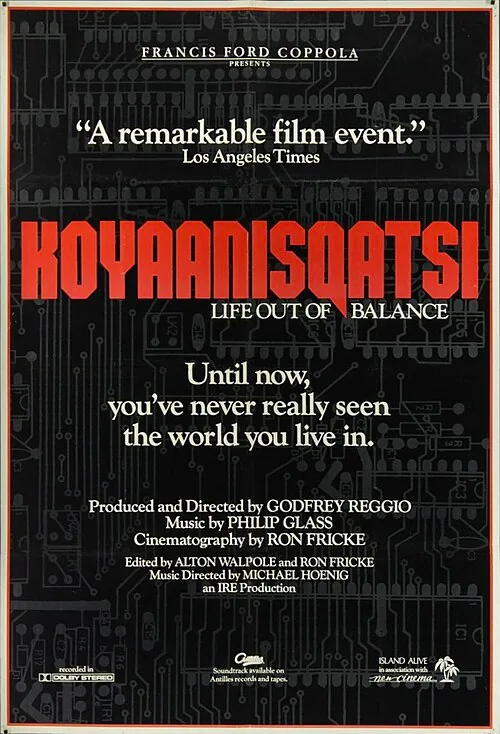
The film’s engine is a progression of visual relations rather than a plot: landscape, construction, machines and human crowds are placed in sequence so viewers form the argument themselves.
Why this matches +
An encounter with nature challenges human confidence in expertise, control and the right to define another way of life.
An adjacent discovery: a related idea with a different viewing experience.
Genres: Documentary / Experimental
The approach A documentary treatment rather than a dramatic feature.
Shared film traits
Based on recorded story, mood and style. Your preferences can change the order.
Expect hypnotic and contemplative, with measured and accelerating pacing.
Without conventional dialogue or a central character, Koyaanisqatsi moves from deserts, clouds and geological formations to cities, factories, traffic and crowds. Philip Glass’s repeating score turns time-lapse images into mounting rhythms, while slow motion makes ordinary movement strange. The juxtaposition invites viewers to connect industrial speed and environmental change, but the film does not state one simple thesis through narration. Its title comes from a Hopi word translated in the film as life out of balance; that use should not be mistaken for a complete or neutral account of Hopi philosophy. The experience is an audiovisual essay whose sequence and music guide interpretation even as its nonverbal form leaves room for disagreement about what the images prove.
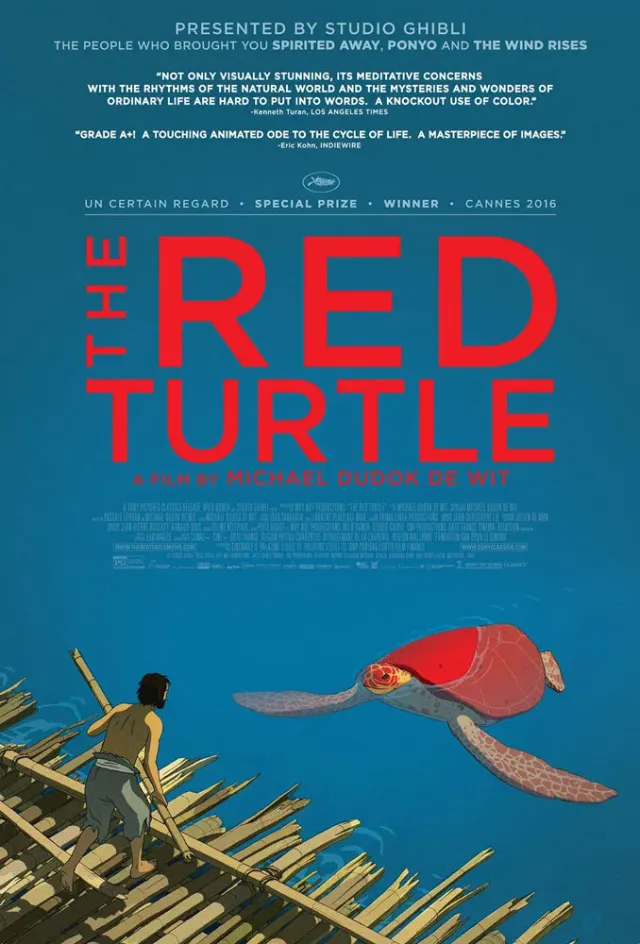
The castaway’s repeated escape attempts give way to an unexpected relationship that changes how he understands the island and his future.
Why this matches +
An encounter with nature challenges human confidence in expertise, control and the right to define another way of life.
An adjacent discovery: a related idea with a different viewing experience.
Genres: Animation / Drama
Shared film traits
Based on recorded story, mood and style. Your preferences can change the order.
Survival
What changes Dersu Uzala: measured. The Red Turtle: quiet, contemplative and long-spanning.
A man is stranded on an uninhabited island after a storm and repeatedly tries to escape on rafts he builds from bamboo. An unseen force destroys each attempt, until he encounters a red turtle that changes the direction of his life. The island gradually becomes a place where he forms a family and watches the rhythms of nature and aging. Michael Dudok de Wit’s animated fable tells its story without spoken dialogue, using movement, sound and landscape instead.
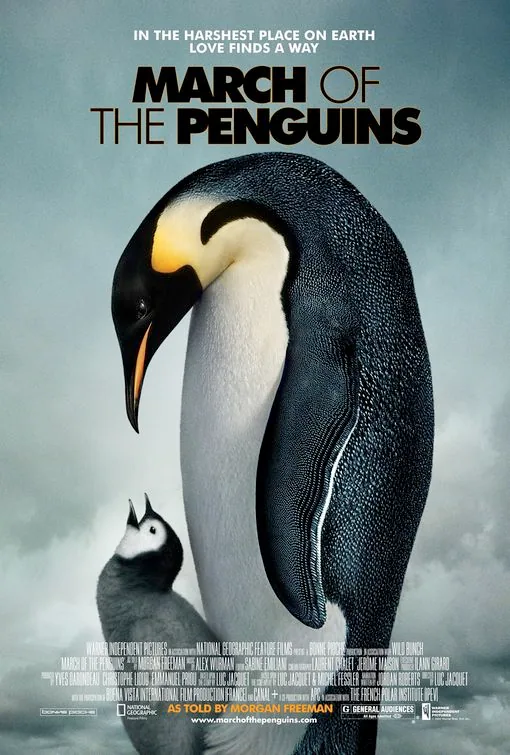
The reproductive cycle requires long journeys, an egg handoff and coordinated feeding trips that expose adults and chicks to cold, hunger and predation.
Why this matches +
An encounter with nature challenges human confidence in expertise, control and the right to define another way of life.
An adjacent discovery: a related idea with a different viewing experience.
Genres: Documentary
The approach A documentary treatment rather than a dramatic feature.
Shared film traits
Based on recorded story, mood and style. Your preferences can change the order.
Survival
What changes Dersu Uzala is tagged contemplative and warm; March of the Penguins is tagged wondrous and tense.
The documentary follows emperor penguins through the annual breeding cycle in Antarctica. Adults leave the ocean and travel inland to mate, then the female lays an egg and passes it to the male before returning to sea to feed. The male keeps the egg warm through the polar winter while the colony endures severe cold and predators; the returning females and hungry chicks depend on timing and cooperation. The film alternates the vast migration with close views of individual birds, while its narration gives animal behavior a human family vocabulary that remains the film's interpretive frame.
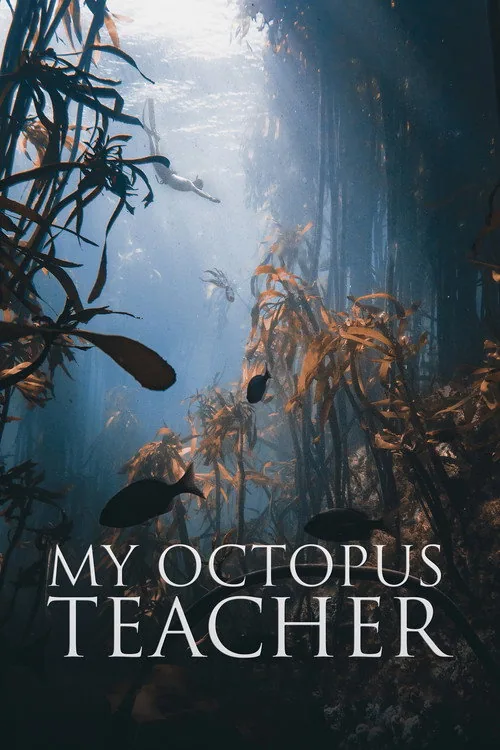
Foster returns to the same kelp forest to observe an octopus, building a documentary from repeated encounters and changing seasons.
Why this matches +
An encounter with nature challenges human confidence in expertise, control and the right to define another way of life.
An adjacent discovery: a related idea with a different viewing experience.
Genres: Documentary / Nature
The approach A documentary treatment rather than a dramatic feature.
Shared film traits
Based on recorded story, mood and style. Your preferences can change the order.
What changes Dersu Uzala: measured. My Octopus Teacher: seasonal observation, underwater encounters and reflective narration.
Filmmaker Craig Foster begins diving regularly in a kelp forest near Cape Town and gradually forms a close observational relationship with a wild octopus. Over months, he records the animal’s behavior, hunting, camouflage, and encounters with predators while reflecting on his own attention to the natural world. Pippa Ehrlich and James Reed’s documentary uses intimate underwater footage to consider curiosity, animal intelligence, and connection. It also shows the octopus facing natural dangers and does not treat its life as a human-style friendship in every respect.
The episodic structure observes practical activities and turns them into a survival narrative, with the camera deciding which labor becomes spectacle.
Why this matches +
An encounter with nature challenges human confidence in expertise, control and the right to define another way of life.
An adjacent discovery: a related idea with a different viewing experience.
Genres: Documentary / Silent
The approach A documentary treatment rather than a dramatic feature.
Shared film traits
Based on recorded story, mood and style. Your preferences can change the order.
Survival
What changes Staged historical documentary observation rather than fictionalized cross-cultural friendship; its representation of indigenous life needs historical caution.
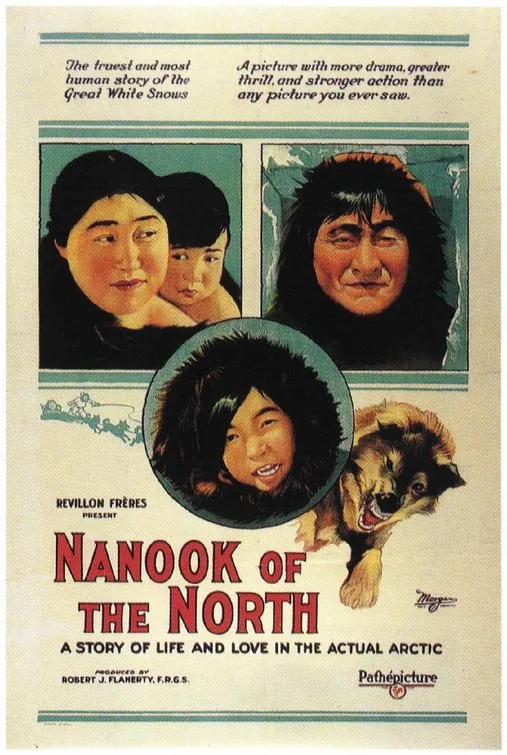
The silent film follows Inuk hunter Nanook, his wife Nyla and their family as they travel through the Ungava Peninsula in search of food and trade. It shows hunting, shelter-building and other daily tasks as tests of endurance in the Arctic. Inuit participants helped stage hunting and igloo-building scenes, repair the camera and review footage, so the film's documentary appearance contains both collaboration and reconstruction. Its images preserve a particular cinematic encounter shaped by Flaherty's outsider expectations, not an untouched record of Inuit life.
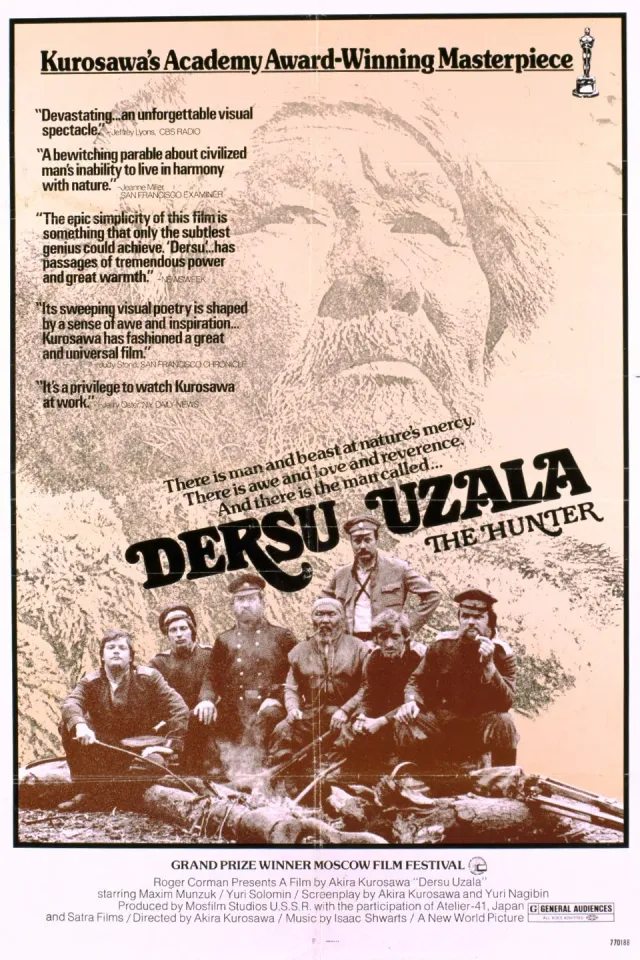
A Russian surveying officer traveling through the Far East relies on Dersu, a hunter identified as Gold/Nanai in Arsenyev's account, whose knowledge of weather, tracks and reciprocal care repeatedly keeps the expedition alive. Their friendship continues across later journeys, but age and failing sight threaten the guide's ability to inhabit the forest on his own terms. An invitation into domestic comfort offers protection without necessarily supplying a livable replacement for the world in which his skills and habits make sense. Kurosawa’s friendship story mourns a specific way of living as surveying, settlement and age alter Dersu’s choices.
What drives the story
Repeated expeditions build reciprocal trust before the guide's declining capacities expose a conflict between physical safety and the conditions that give his life autonomy.
The people at its centre
Arsenyev's gratitude cannot eliminate the asymmetry between official surveying power and Dersu's threatened way of living, while small provisions left for strangers make care extend beyond their partnership. Arsenyev can offer shelter but not recreate the forest world that gives Dersu practical authority and belonging.
What it feels like
Expansive landscapes and sustained attention to practical tasks give environmental knowledge visible weight, gradually shifting adventure toward an elegy for a particular relationship to place.
Worth knowing
Match on cross-cultural practical dependence and the limits of protective hospitality, while examining the expedition's framing rather than reducing Dersu to a timeless source of natural wisdom.