The reproductive cycle requires long journeys, an egg handoff and coordinated feeding trips that expose adults and chicks to cold, hunger and predation.
Why this matches +
These films share important themes, atmosphere or storytelling interests with this selection.
Genres: Documentary
Shared film traits
Based on recorded story, mood and style. Your preferences can change the order.
What changes Its own story: The reproductive cycle requires long journeys, an egg handoff and coordinated feeding trips that expose adults and chicks to cold, hunger and predation.
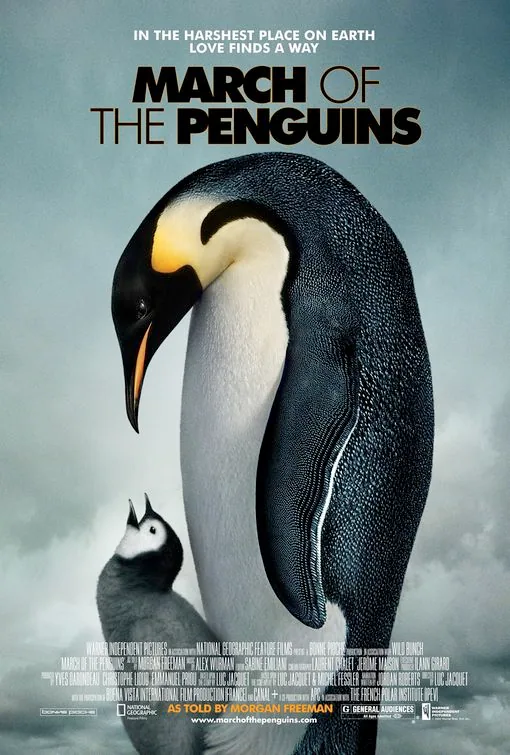
The documentary follows emperor penguins through the annual breeding cycle in Antarctica. Adults leave the ocean and travel inland to mate, then the female lays an egg and passes it to the male before returning to sea to feed. The male keeps the egg warm through the polar winter while the colony endures severe cold and predators; the returning females and hungry chicks depend on timing and cooperation. The film alternates the vast migration with close views of individual birds, while its narration gives animal behavior a human family vocabulary that remains the film's interpretive frame.
The episodic structure observes practical activities and turns them into a survival narrative, with the camera deciding which labor becomes spectacle.
Why this matches +
These films share important themes, atmosphere or storytelling interests with this selection.
Genres: Documentary / Silent
Shared film traits
Based on recorded story, mood and style. Your preferences can change the order.
What changes Its own story: The episodic structure observes practical activities and turns them into a survival narrative, with the camera deciding which labor becomes spectacle.
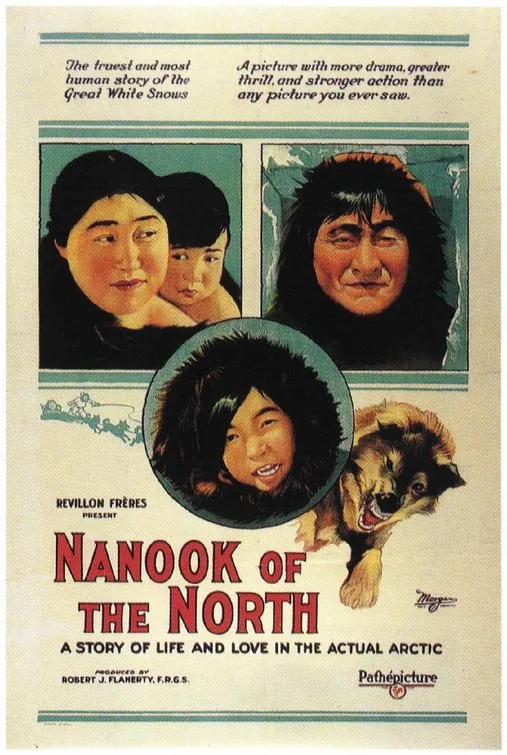
The silent film follows Inuk hunter Nanook, his wife Nyla and their family as they travel through the Ungava Peninsula in search of food and trade. It shows hunting, shelter-building and other daily tasks as tests of endurance in the Arctic. Inuit participants helped stage hunting and igloo-building scenes, repair the camera and review footage, so the film's documentary appearance contains both collaboration and reconstruction. Its images preserve a particular cinematic encounter shaped by Flaherty's outsider expectations, not an untouched record of Inuit life.
Footage of the Kraffts’ fieldwork and relationship traces a shared pursuit of volcanic knowledge toward their final expedition.
Why this matches +
These films share important themes, atmosphere or storytelling interests with this selection.
Genres: Documentary
Shared film traits
Based on recorded story, mood and style. Your preferences can change the order.
What changes Its own story: Footage of the Kraffts’ fieldwork and relationship traces a shared pursuit of volcanic knowledge toward their final expedition.
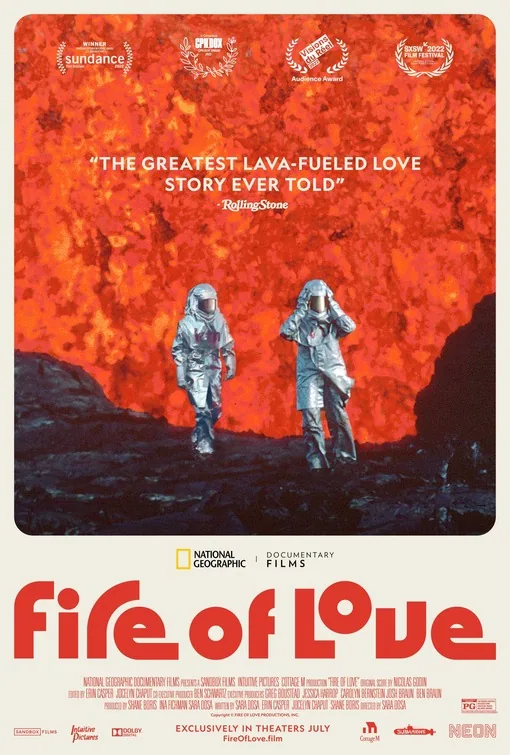
French volcanologists Katia and Maurice Krafft devoted their lives to documenting active volcanoes, travelling together with cameras and scientific equipment toward eruptions few people could safely approach. Sara Dosa’s documentary builds their story from extraordinary archival footage, recordings and interviews, pairing their intimate partnership with the scale and danger of their work. Their pursuit of images and knowledge ultimately leads them to Mount Unzen in 1991.
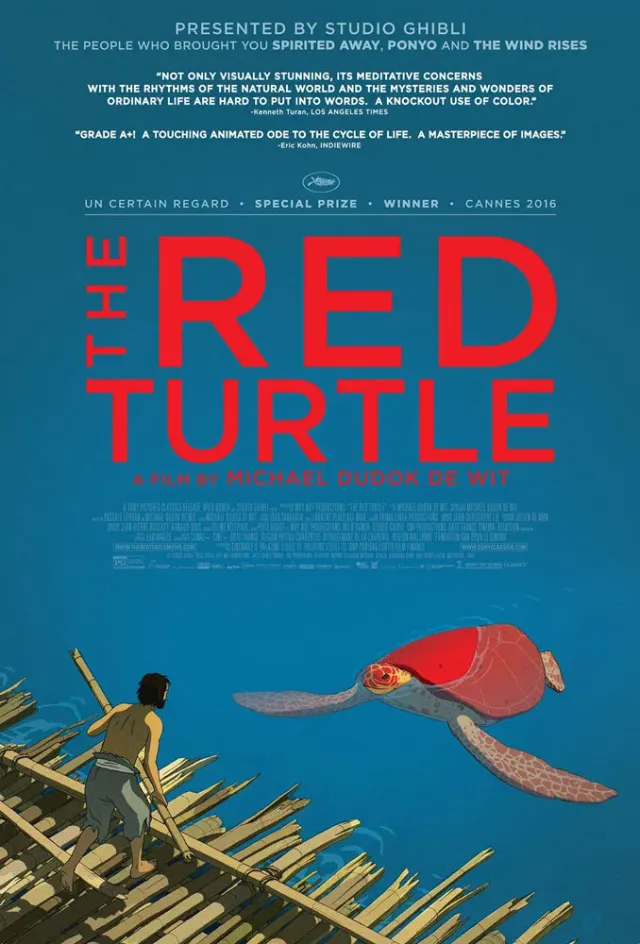
The castaway’s repeated escape attempts give way to an unexpected relationship that changes how he understands the island and his future.
Why this matches +
These films share important themes, atmosphere or storytelling interests with this selection.
Genres: Animation / Drama
The approach A dramatic feature rather than documentary footage.
Shared film traits
Based on recorded story, mood and style. Your preferences can change the order.
What changes Its own story: The castaway’s repeated escape attempts give way to an unexpected relationship that changes how he understands the island and his future.
A man is stranded on an uninhabited island after a storm and repeatedly tries to escape on rafts he builds from bamboo. An unseen force destroys each attempt, until he encounters a red turtle that changes the direction of his life. The island gradually becomes a place where he forms a family and watches the rhythms of nature and aging. Michael Dudok de Wit’s animated fable tells its story without spoken dialogue, using movement, sound and landscape instead.
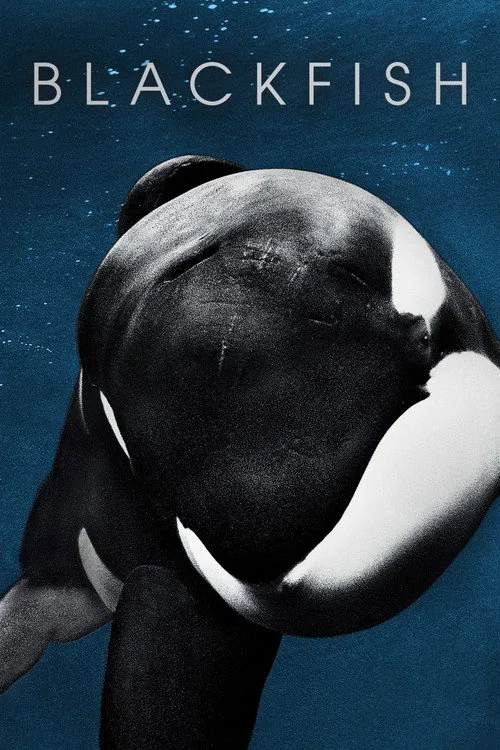
The film assembles Tilikum’s history and trainer testimony to question whether captive conditions create avoidable danger.
Why this matches +
These films explore a related idea in a different setting, genre or style.
An adjacent discovery: a related idea with a different viewing experience.
Genres: Documentary / Biography
Shared film traits
Based on recorded story, mood and style. Your preferences can change the order.
What changes More confrontational reporting investigates captivity, institutional decisions and fatal incidents.
Gabriela Cowperthwaite’s documentary examines Tilikum, an orca kept in captivity by marine parks, and the deaths of trainers associated with him. Through interviews, archival footage, and expert testimony, it traces the animal’s capture, conditions in captivity, and the practices used in public performances. The film argues that captivity and management decisions shaped the risks faced by both animals and people, inviting viewers to reconsider the ethics of keeping large marine mammals for entertainment.
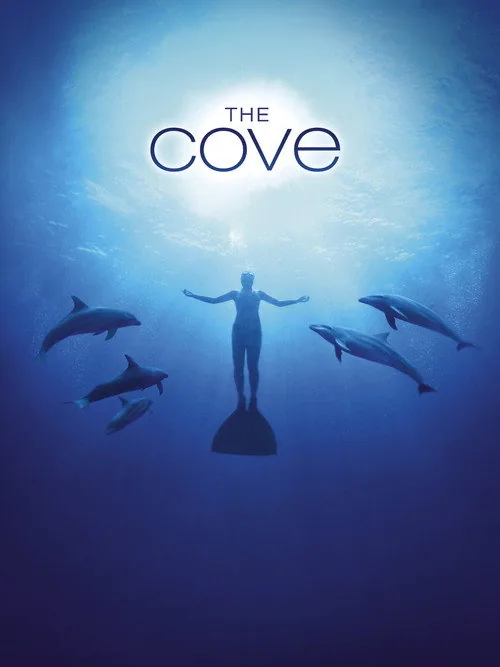
O'Barry and the activist team work around local surveillance and restricted access to capture evidence of the dolphin hunt.
Why this matches +
These films explore a related idea in a different setting, genre or style.
An adjacent discovery: a related idea with a different viewing experience.
Genres: Documentary
Shared film traits
Based on recorded story, mood and style. Your preferences can change the order.
What changes Covert activist reporting and graphic animal slaughter replace patient observation of an individual animal.
Former dolphin trainer Ric O'Barry joins a team of activists and filmmakers to document the dolphin drive hunt in Taiji, Japan. Because local authorities restrict access to the cove where the animals are captured, the team secretly installs cameras and recording equipment to film what happens out of public view. Their investigation connects the hunt to dolphin performance industries, international policy, and concerns about contaminated meat. The documentary turns covert footage into a campaign for public awareness while examining the risks and ethics of exposing hidden practices.
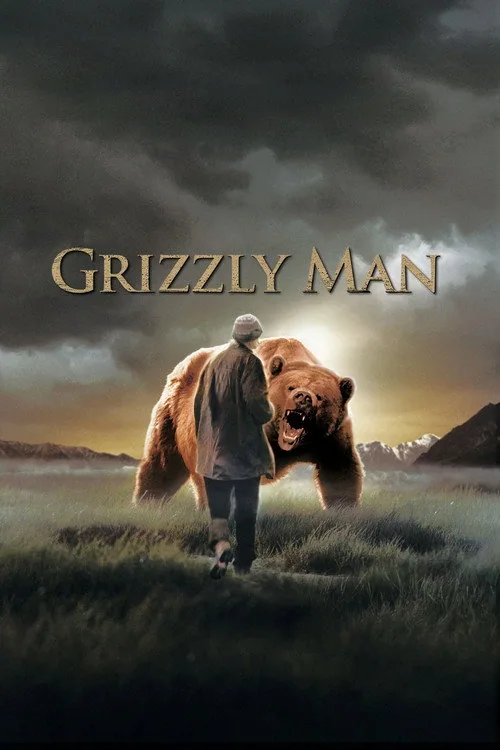
The documentary pieces together Treadwell’s motivations and final years through his own footage and other people’s accounts.
Why this matches +
These films explore a related idea in a different setting, genre or style.
An adjacent discovery: a related idea with a different viewing experience.
Genres: Documentary / Biography
Shared film traits
Based on recorded story, mood and style. Your preferences can change the order.
What changes A much more ominous account of wildlife attachment includes fatal human encounters, rather than a contemplative underwater relationship.
Werner Herzog assembles footage shot by Timothy Treadwell during summers spent living near grizzly bears in Alaska, along with interviews with people who knew him and experts familiar with the animals. The documentary considers Treadwell’s devotion to bear conservation, his charismatic public persona, and the risks of his chosen way of life, while Herzog’s narration brings a contrasting perspective on wilderness and human desire. Rather than offering a simple verdict, the film explores the tension between Treadwell’s intimate images and the dangers they cannot fully control.
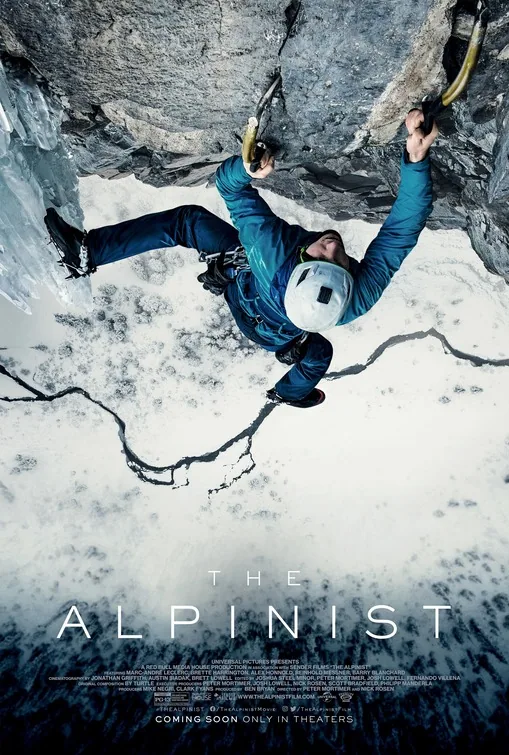
The documentary follows Leclerc’s solo climbing while trying to understand a motivation that does not depend on fame or records.
Why this matches +
These films explore a related idea in a different setting, genre or style.
An adjacent discovery: a related idea with a different viewing experience.
Genres: Documentary
Shared film traits
Based on recorded story, mood and style. Your preferences can change the order.
What changes Its own story: The documentary follows Leclerc’s solo climbing while trying to understand a motivation that does not depend on fame or records.
The filmmakers follow Canadian climber Marc-André Leclerc as he pursues difficult solo ascents on rock, ice and remote alpine routes. Leclerc’s low-profile approach resists the attention the camera brings, leaving the crew to document a climber who often prefers to move without an audience. The resulting portrait combines the practical danger of mountaineering with questions about solitude, risk and why he climbs.
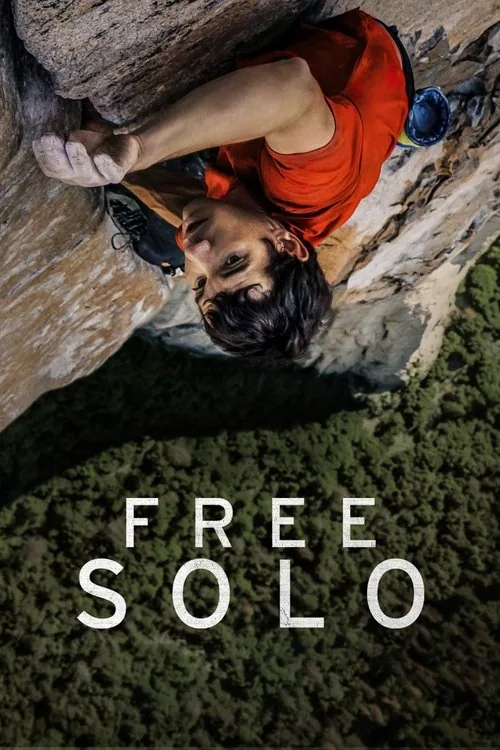
The documentary builds toward Honnold’s free solo ascent by showing the preparation and route decisions that precede it.
Why this matches +
These films explore a related idea in a different setting, genre or style.
An adjacent discovery: a related idea with a different viewing experience.
Genres: Documentary / Sport
Shared film traits
Based on recorded story, mood and style. Your preferences can change the order.
What changes Its own story: The documentary builds toward Honnold’s free solo ascent by showing the preparation and route decisions that precede it.
Free Solo follows climber Alex Honnold as he prepares to climb El Capitan in Yosemite without ropes or protective equipment. The documentary tracks route practice, physical training, conversations with his partner and fellow climbers, and the filmmaking team’s own response to recording a potentially fatal attempt. The ascent becomes both a technical challenge and a test of how ambition affects relationships and risk. Elizabeth Chai Vasarhelyi and Jimmy Chin combine climbing footage with an intimate portrait of preparation and concentration.
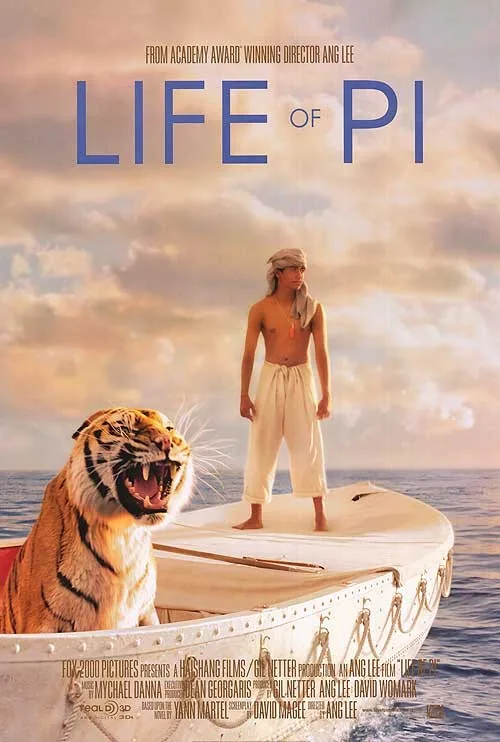
A survival account links practical coexistence with a dangerous animal to a retrospective question about how catastrophic experience is narrated.
Why this matches +
These films explore a related idea in a different setting, genre or style.
An adjacent discovery: a related idea with a different viewing experience.
Genres: Fantasy / Drama
The approach A dramatic feature rather than documentary footage.
Shared film traits
Based on recorded story, mood and style. Your preferences can change the order.
What changes Its own story: A survival account links practical coexistence with a dangerous animal to a retrospective question about how catastrophic experience is narrated.
A writer listens to an Indian man's account of surviving a shipwreck as a teenager, adrift in a lifeboat with a Bengal tiger. Keeping the animal at a workable distance requires routines of training, rationing and constant observation, while the ocean alternates between beauty and indifference. The framed recollection also raises questions about faith, interpretation and the role a story can play when experience resists ordinary explanation.
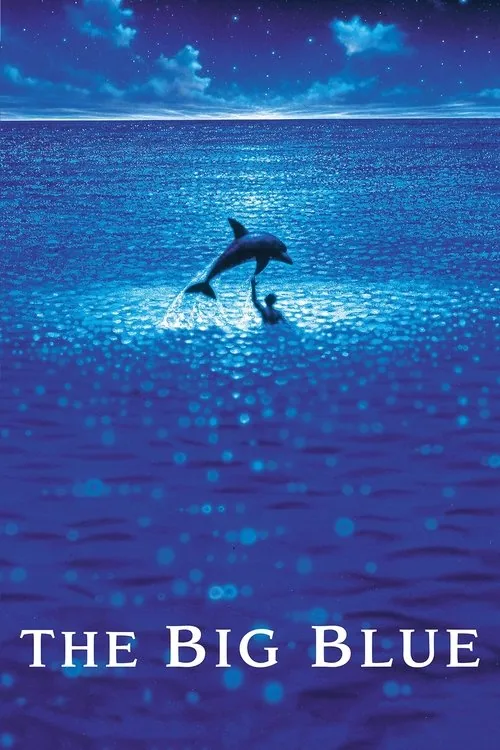
Jacques and Enzo renew a childhood rivalry as they pursue ever deeper freediving records and different ideas of life.
Why this matches +
These films explore a related idea in a different setting, genre or style.
An adjacent discovery: a related idea with a different viewing experience.
Genres: Drama / Sport
The approach A dramatic feature rather than documentary footage.
Shared film traits
Based on recorded story, mood and style. Your preferences can change the order.
What changes Its own story: Jacques and Enzo renew a childhood rivalry as they pursue ever deeper freediving records and different ideas of life.
Jacques Mayol and Enzo Molinari grow up on a Greek island with a shared fascination for diving and the ocean. After Jacques's father dies underwater, the boys' friendship becomes a lifelong rivalry over how far a person can descend on a single breath. As adults, they enter freediving competitions and reconnect with people who want Jacques to live on land. Luc Besson's atmospheric drama treats the sea as both a sporting arena and a powerful pull away from ordinary life.
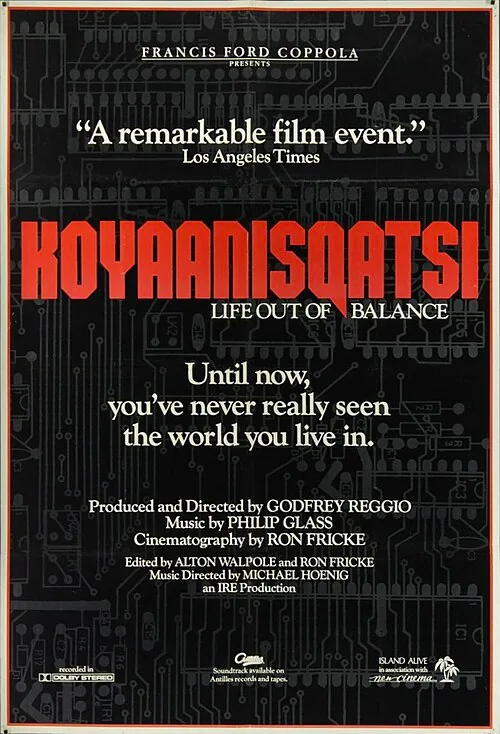
The film’s engine is a progression of visual relations rather than a plot: landscape, construction, machines and human crowds are placed in sequence so viewers form the argument themselves.
Why this matches +
These films explore a related idea in a different setting, genre or style.
An adjacent discovery: a related idea with a different viewing experience.
Genres: Documentary / Experimental
Shared film traits
Based on recorded story, mood and style. Your preferences can change the order.
What changes Its own story: The film’s engine is a progression of visual relations rather than a plot: landscape, construction, machines and human crowds are placed in sequence so viewers form the argument themselves.
Without conventional dialogue or a central character, Koyaanisqatsi moves from deserts, clouds and geological formations to cities, factories, traffic and crowds. Philip Glass’s repeating score turns time-lapse images into mounting rhythms, while slow motion makes ordinary movement strange. The juxtaposition invites viewers to connect industrial speed and environmental change, but the film does not state one simple thesis through narration. Its title comes from a Hopi word translated in the film as life out of balance; that use should not be mistaken for a complete or neutral account of Hopi philosophy. The experience is an audiovisual essay whose sequence and music guide interpretation even as its nonverbal form leaves room for disagreement about what the images prove.
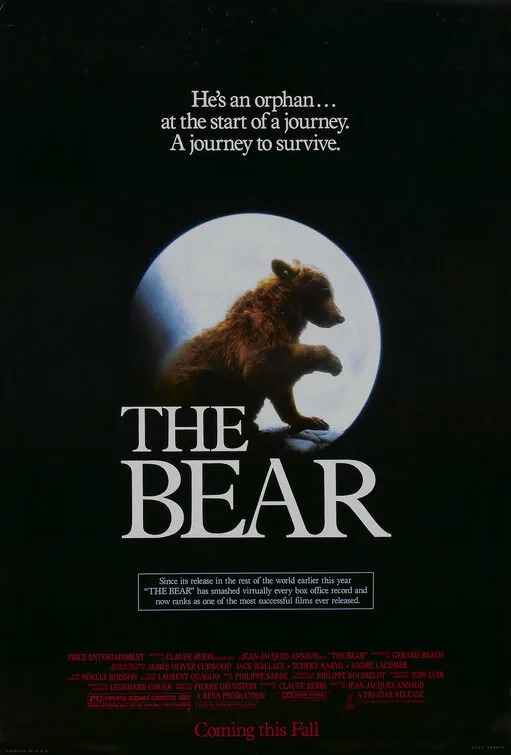
The cub’s dependence gradually becomes a relationship of mutual trust as the adult bear accepts his company.
Why this matches +
These films explore a related idea in a different setting, genre or style.
An adjacent discovery: a related idea with a different viewing experience.
Genres: Adventure / Drama
The approach A dramatic feature rather than documentary footage.
Shared film traits
Based on recorded story, mood and style. Your preferences can change the order.
What changes Its own story: The cub’s dependence gradually becomes a relationship of mutual trust as the adult bear accepts his company.
In the mountains of British Columbia, a grizzly cub loses his mother and must learn to survive alone. He eventually approaches a wounded adult Kodiak bear being pursued by two trophy hunters, and the older animal becomes a wary protector and teacher. As their bond grows, the hunters return with dogs and renewed determination to kill the Kodiak. The film follows the bears through weather, food scarcity, danger and moments of play, using little dialogue and an animal-centered point of view. Human characters remain part of the landscape rather than the emotional center, and the cub’s vulnerability makes the wilderness feel both beautiful and unforgiving. Jean-Jacques Annaud adapts James Oliver Curwood’s novel into a naturalistic adventure shaped by animal behavior and survival.
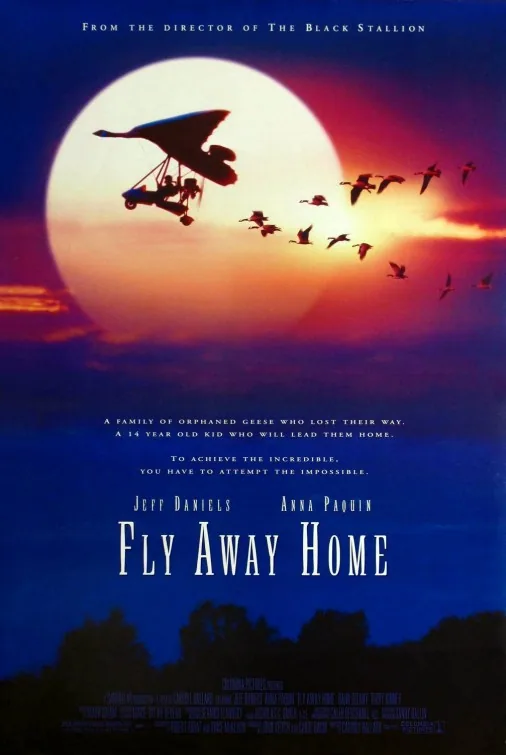
A teenager and her father raise geese and guide them south in an ultralight aircraft.
Why this matches +
These films explore a related idea in a different setting, genre or style.
An adjacent discovery: a related idea with a different viewing experience.
Genres: Adventure / Drama
The approach A dramatic feature rather than documentary footage.
Shared film traits
Based on recorded story, mood and style. Your preferences can change the order.
What changes Its own story: A teenager and her father raise geese and guide them south in an ultralight aircraft.
After her mother's death, teenager Amy moves to rural Ontario to live with her estranged father and discovers a nest of orphaned Canada geese. She and her father devise a way to teach the birds to migrate by following a small aircraft, turning grief and disconnection into a shared undertaking. The film grounds its family story in animal care and the striking practical challenge of the flight.
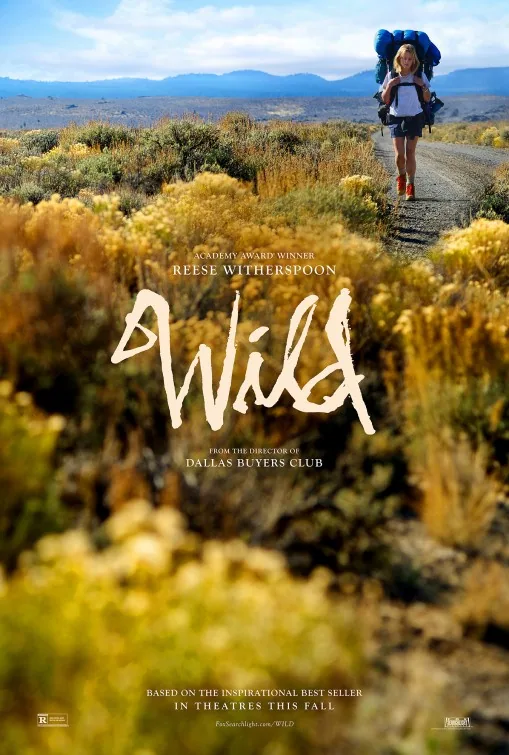
The trail gives Cheryl a demanding present tense in which past grief can return without stopping the next day’s walk.
Why this matches +
These films explore a related idea in a different setting, genre or style.
An adjacent discovery: a related idea with a different viewing experience.
Genres: Drama / Adventure
The approach A dramatic feature rather than documentary footage.
Shared film traits
Based on recorded story, mood and style. Your preferences can change the order.
What changes Its own story: The trail gives Cheryl a demanding present tense in which past grief can return without stopping the next day’s walk.
After the death of her mother and the unraveling of her marriage, Cheryl Strayed sets out alone on a long hike along the Pacific Crest Trail. She is inexperienced with the route and the weight of her pack, and each practical hardship brings memories of choices and losses she has tried to leave behind. Encounters with fellow hikers punctuate the solitude without turning the trail into a simple cure. Adapted from Strayed’s memoir, the film follows an interior recovery through physical distance and repeated effort. The film alternates trail hardships with remembered events, so resilience arrives through accumulation rather than one insight. Small errors with gear make each day's progress uncertain.
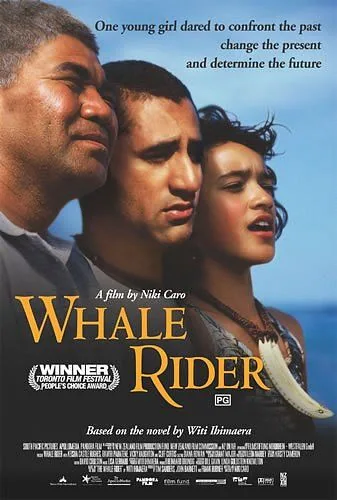
Pai’s commitment to her heritage conflicts with Koro’s belief that a girl cannot lead the community.
Why this matches +
These films explore a related idea in a different setting, genre or style.
An adjacent discovery: a related idea with a different viewing experience.
Genres: Drama / Family
The approach A dramatic feature rather than documentary footage.
Shared film traits
Based on recorded story, mood and style. Your preferences can change the order.
What changes Its own story: Pai’s commitment to her heritage conflicts with Koro’s belief that a girl cannot lead the community.
Paikea, called Pai, is born into a Māori community where leadership traditionally passes to a first-born boy descended from the legendary Whale Rider. Her grandfather Koro loves her but believes her sex disqualifies her from carrying the tradition forward, and he searches for a male successor. Pai continues learning the community’s history and practices, even as Koro pushes her away. A crisis at sea makes him confront what her courage and connection to the whales mean for the future of the village.
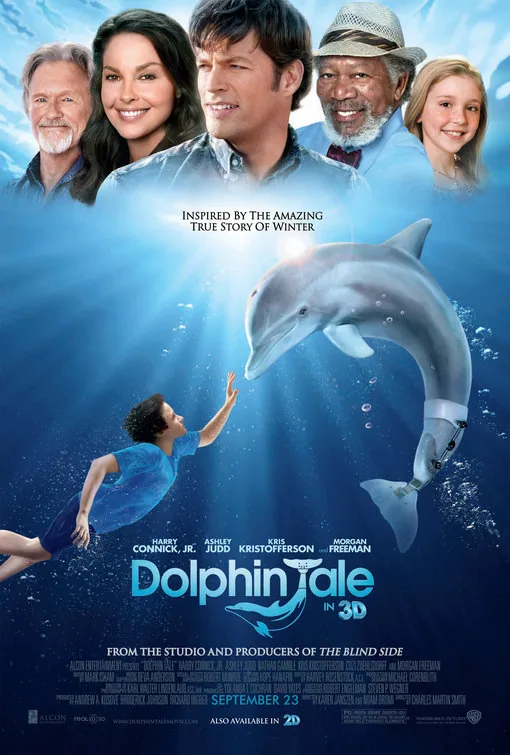
A boy and a marine hospital team help an injured dolphin adapt to a prosthetic tail.
Why this matches +
These films explore a related idea in a different setting, genre or style.
An adjacent discovery: a related idea with a different viewing experience.
Genres: Drama / Children's
The approach A dramatic feature rather than documentary footage.
Shared film traits
Based on recorded story, mood and style. Your preferences can change the order.
What changes Its own story: A boy and a marine hospital team help an injured dolphin adapt to a prosthetic tail.
After a young dolphin is injured in a crab trap, a boy visiting a Florida marine hospital becomes invested in her recovery. The staff's effort to fit Winter with a prosthetic tail draws together animal care, engineering and community support. Inspired by a real rescue, the family drama follows the setbacks as well as the visible progress, keeping the animal's rehabilitation at the center of the human relationships.
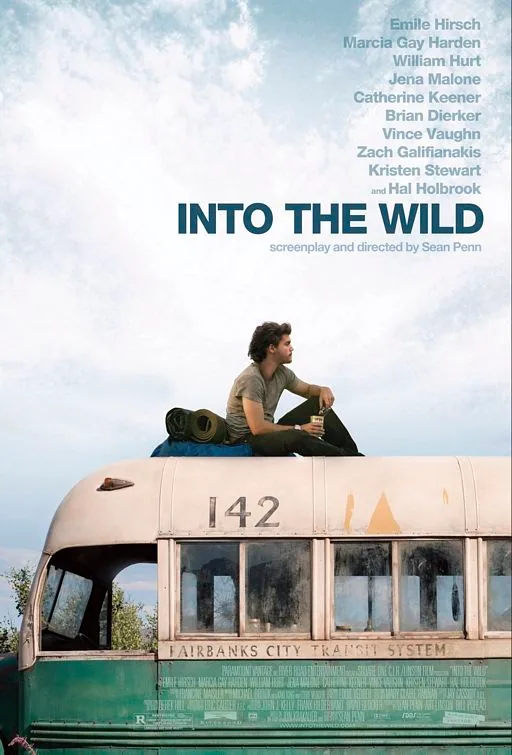
An itinerant rejection of material success builds toward a solitary wilderness experiment whose risks expose the limits of an absolute ideal.
Why this matches +
These films explore a related idea in a different setting, genre or style.
An adjacent discovery: a related idea with a different viewing experience.
Genres: Drama / Biography
The approach A dramatic feature rather than documentary footage.
Shared film traits
Based on recorded story, mood and style. Your preferences can change the order.
What changes A dramatized solitary human journey replaces animal observation and includes increasingly distressing survival scenes.
A young graduate cuts ties with his family, abandons conventional security and travels across the United States in search of a freer life. Temporary work and encounters with generous strangers offer forms of belonging he repeatedly moves beyond. His eventual retreat into Alaska tests the distance between a chosen ideal of self-sufficiency and the practical, emotional dependence that surviving in an indifferent landscape demands.
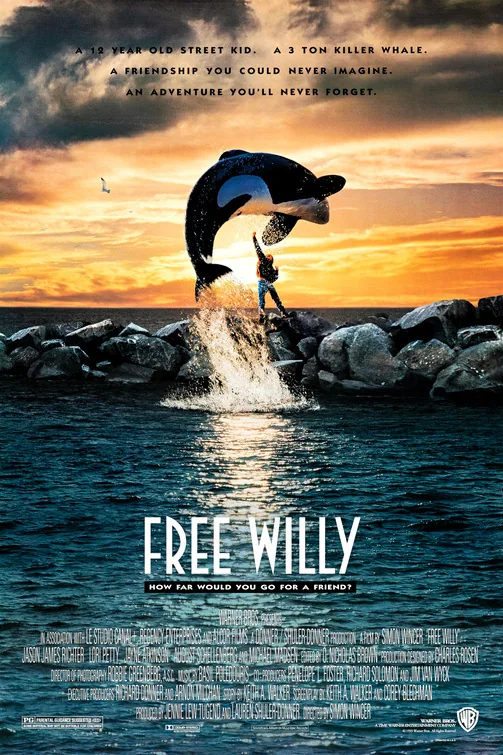
Jesse's friendship with a captive orca turns into an effort to give the whale a chance at freedom.
Why this matches +
These films explore a related idea in a different setting, genre or style.
An adjacent discovery: a related idea with a different viewing experience.
Genres: Adventure / Drama
The approach A dramatic feature rather than documentary footage.
Shared film traits
Based on recorded story, mood and style. Your preferences can change the order.
What changes Its own story: Jesse's friendship with a captive orca turns into an effort to give the whale a chance at freedom.
Jesse, a troubled boy in foster care, discovers that a captive orca named Willy responds to him in a way no one expected. Their growing bond changes how Jesse sees himself and the people responsible for the whale's confinement. When the aquarium's owners decide Willy is more valuable as a spectacle than as a living animal, Jesse and his allies attempt a dangerous rescue.
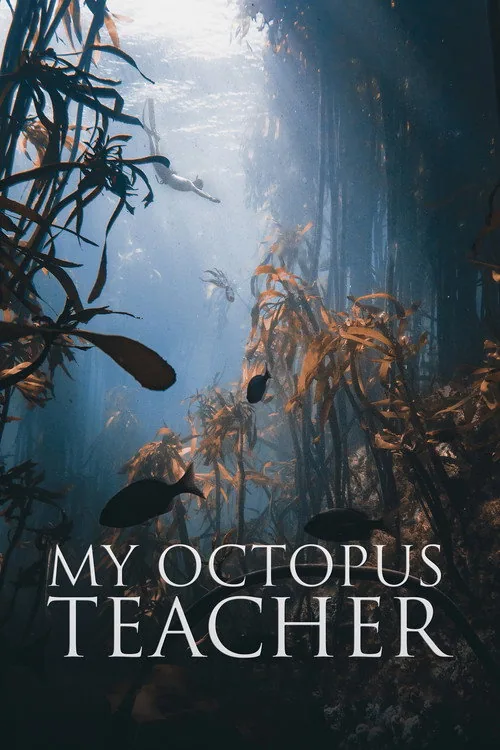
Filmmaker Craig Foster begins diving regularly in a kelp forest near Cape Town and gradually forms a close observational relationship with a wild octopus. Over months, he records the animal’s behavior, hunting, camouflage, and encounters with predators while reflecting on his own attention to the natural world. Pippa Ehrlich and James Reed’s documentary uses intimate underwater footage to consider curiosity, animal intelligence, and connection. It also shows the octopus facing natural dangers and does not treat its life as a human-style friendship in every respect.
What drives the story
Foster returns to the same kelp forest to observe an octopus, building a documentary from repeated encounters and changing seasons.
The people at its centre
The film connects the filmmaker’s curiosity with the octopus’s independent life, while showing its interactions with prey and predators.
What it feels like
A contemplative nature documentary centers striking underwater footage and the gradual learning of a human observer.
Worth knowing
It focuses on one wild octopus and a diver’s experience, rather than surveying cephalopod science or ocean ecosystems broadly.
Human attention to natureAnimal intelligenceConnection and humility