Based on recorded story, mood and style. Your preferences can change the order.
Family and care · Power and authority
What changes Whale Rider: pai’s bond with her grandfather and her community’s traditions develops toward a crisis involving stranded whales. The Ballad of Narayama: deliberate, episodic, observational and seasonal rhythms.
In a nineteenth-century Japanese village where tradition requires people to travel to a remote mountain at seventy, Orin is one year from the expected farewell. She is healthy, but a neighbor’s struggle to take his father away persuades her to face the custom without clinging to life. Over the coming year she puts her household and village affairs in order, confronts a family that hoards food, and attends to the future of her younger son. The village’s harsh material conditions are interwoven with brief observations of animals hunting, watching, calling and giving birth, placing human customs within a wider cycle of life.
Based on recorded story, mood and style. Your preferences can change the order.
Family and care
What changes Whale Rider: pai’s bond with her grandfather and her community’s traditions develops toward a crisis involving stranded whales. Klara and the Sun: measured, intimate and quietly cumulative.
Klara is an Artificial Friend designed to accompany people, and she hopes to find a home where she can be useful. When she meets Josie, a teenager living with illness and family strain, the two form an immediate bond. Taika Waititi adapts Kazuo Ishiguro’s novel as a science-fiction drama about loyalty, care, and how an artificial companion interprets human grief and connection.
Based on recorded story, mood and style. Your preferences can change the order.
Family and care
What changes Whale Rider: pai’s bond with her grandfather and her community’s traditions develops toward a crisis involving stranded whales. Fallen Leaves: measured, episodic and deliberately spare.
In contemporary Helsinki, Ansa and Holappa live precarious lives shaped by low-paid work, loneliness and alcohol. Their brief meeting leads to an awkward courtship repeatedly interrupted by bad timing, lost contact and practical difficulties. Small gestures, songs and shared silences gradually reveal their hopes for companionship, while the film follows their path toward connection with dry humor and spare, humane attention.
Based on recorded story, mood and style. Your preferences can change the order.
Coming of age
What changes Whale Rider: pai’s bond with her grandfather and her community’s traditions develops toward a crisis involving stranded whales. Lilo & Stitch: brisk and escalating.
In the live-action adaptation, lonely Lilo and older sister Nani try to keep their family together while an energetic alien experiment named Stitch crashes into their home. A social worker assesses whether Nani can care for Lilo, making the story’s central threat as much about family separation as alien pursuit. Stitch’s disruptive behavior tests the household, but the siblings’ bond and support from people around them gradually widen what ʻohana can mean. The 2025 film changes the animated original’s guardianship resolution: Nani leaves for school while Lilo’s care is shared with a trusted neighbor. That ending offers broader support without erasing the strain of state oversight or the sisters’ separation. Keep the remake’s outcome distinct from the 2002 film and its specific Hawaiian family context.
Both share themes of family, plus a tender atmosphere.
Why this matches +
Genres: Drama / Historical drama
Shared film traits
Based on recorded story, mood and style. Your preferences can change the order.
Family and care · Social hierarchy
What changes Whale Rider: pai’s bond with her grandfather and her community’s traditions develops toward a crisis involving stranded whales. Vermiglio: patient, seasonal and ensemble-led.
In the final winter of the Second World War, a Sicilian soldier arrives in the alpine village of Vermiglio and is taken in by a local family. His presence changes the lives of the household's daughters, especially Lucia, and draws private desires into the rhythms of village life. Maura Delpero observes the family across seasons as war, religion, work and social expectations shape what each generation can say aloud and what futures remain possible.
Based on recorded story, mood and style. Your preferences can change the order.
What changes Whale Rider: pai’s bond with her grandfather and her community’s traditions develops toward a crisis involving stranded whales. Shamshera: dual-generation setup, revenge and identity reveal and action-led uprising.
In 1871, Khameran tribesman Shamshera resists the oppression of a ruling kingdom and is forced to lead his people into conflict. Decades later, his son Balli hopes to rise within the same society but learns the story of his father's struggle and the violence inflicted on their community. A corrupt officer and colonial power maintain the tribe's subjugation, setting Balli on a path from self-interest toward rebellion. The Hindi period action film combines family legacy, social injustice, and a large-scale revolt.
Both share themes of family, plus a hopeful atmosphere.
Why this matches +
Genres: Drama / Sport
Shared film traits
Based on recorded story, mood and style. Your preferences can change the order.
Coming of age · Family and care
What changes Whale Rider: pai’s bond with her grandfather and her community’s traditions develops toward a crisis involving stranded whales. The Swimmers: episodic, propulsive, emotionally direct and building.
Sisters Yusra and Sara Mardini train as swimmers in Damascus as civil war closes in around them. After leaving Syria, their dangerous journey across the Aegean becomes a test of their athletic skill and their bond with the people traveling beside them. The story follows their passage toward Europe and Yusra’s effort to continue swimming, placing one family’s displacement alongside the persistence required to build a future after flight.
Both share themes of belonging, plus a hopeful and tender atmosphere.
Why this matches +
Genres: Drama
Shared film traits
Based on recorded story, mood and style. Your preferences can change the order.
Coming of age · Family and care
What changes Whale Rider: pai’s bond with her grandfather and her community’s traditions develops toward a crisis involving stranded whales. The Kid with a Bike: brisk, observational and emotionally cumulative.
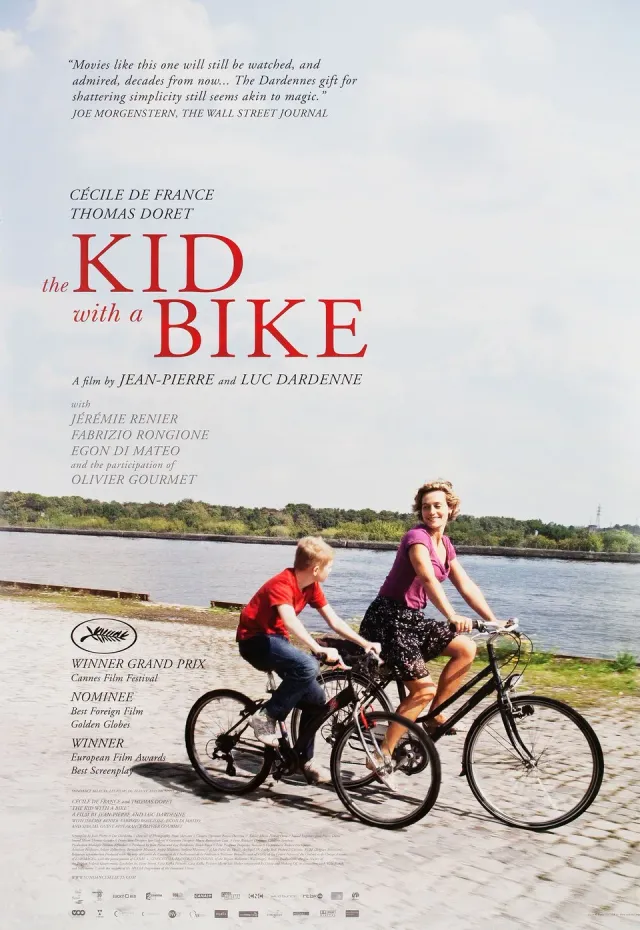
Twelve-year-old Cyril lives in a children’s home in Liège and keeps trying to reach his father, who has left him behind. After a chance encounter, hairdresser Samantha agrees to take him on weekends and returns his bicycle. Cyril remains determined to win his father’s attention, and the disappointment leads him toward a local gang leader despite Samantha’s care. The Dardenne brothers follow the boy’s impulsive search for belonging through fragile trust, rejection and the possibility of choosing another path.
Based on recorded story, mood and style. Your preferences can change the order.
Coming of age · Family and care
What changes Whale Rider: pai’s bond with her grandfather and her community’s traditions develops toward a crisis involving stranded whales. Flipper: sandy’s summer shifts from boredom to protecting flipper and exposing a fisherman’s illegal dumping.
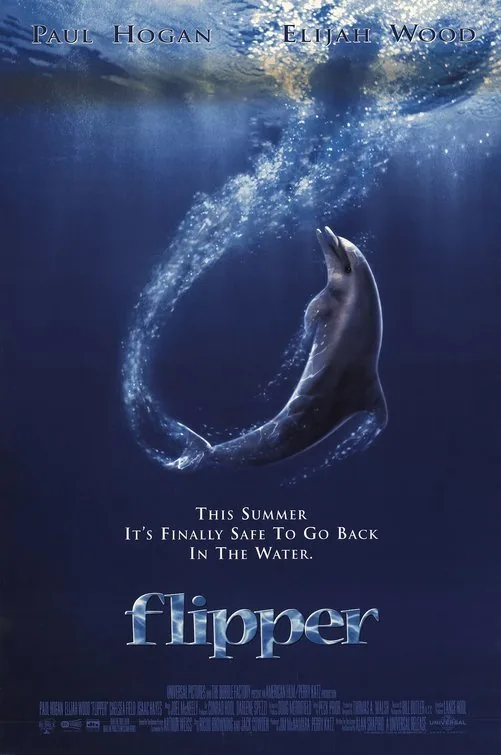
Teenager Sandy Ricks spends a reluctant summer with his uncle Porter in the Florida Keys, far from the concert he hoped to attend. He befriends Kim and encounters a dolphin he names Flipper after local fisherman Dirk Moran shoots at the animal’s pod. Sandy and Porter try to protect the dolphin while discovering that Moran is dumping toxic waste. A dangerous search at sea brings Sandy face to face with a shark, and Flipper’s pod helps turn the rescue into a chance for the boy and dolphin to part on better terms.
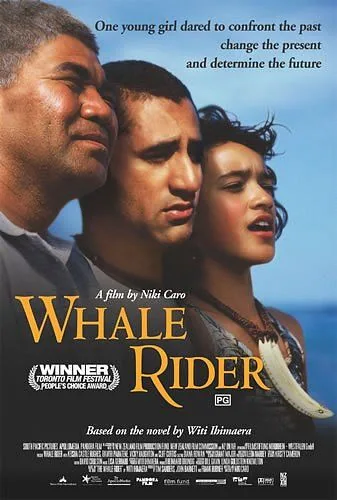
Paikea, called Pai, is born into a Māori community where leadership traditionally passes to a first-born boy descended from the legendary Whale Rider. Her grandfather Koro loves her but believes her sex disqualifies her from carrying the tradition forward, and he searches for a male successor. Pai continues learning the community’s history and practices, even as Koro pushes her away. A crisis at sea makes him confront what her courage and connection to the whales mean for the future of the village.
What drives the story
Pai’s commitment to her heritage conflicts with Koro’s belief that a girl cannot lead the community.
The people at its centre
Koro’s affection for Pai remains real even while tradition makes him unable to recognize her abilities.
What it feels like
The story joins a child’s coming of age with a community’s debate about how traditions endure.
Worth knowing
A girl her grandfather rejects as a successor may be the one person able to answer a crisis at sea.
coming of agetraditionleadership
Mood
hopeful · tender · spiritual · stirring
Pacing
Pai’s bond with her grandfather and her community’s traditions develops toward a crisis involving stranded whales
Visual style
Coastal landscapes · village life and whale imagery give the family drama a spiritual scale
Storytelling
A young Māori girl seeks recognition as the next leader in a community that expects the role to pass to a boy