Based on recorded story, mood and style. Your preferences can change the order.
Family and care · Memory and identity
What changes Klara and the Sun: measured, intimate and quietly cumulative. The Room Next Door: deliberate, conversation-led and quietly intense.
Ingrid, a successful writer, reconnects with Martha, a former colleague now living with terminal cancer. Martha asks Ingrid to stay close as she prepares to end her life on her own terms, and the two women retreat to a country house where companionship and difficult conversations replace the routines of the hospital. Their friendship, memories and conflicting responses to death create an intimate drama about autonomy, care and the limits of what one person can decide for another.
Based on recorded story, mood and style. Your preferences can change the order.
Memory and identity
What changes Klara and the Sun: measured, intimate and quietly cumulative. Sophie's Choice: gradual revelation and flashback.
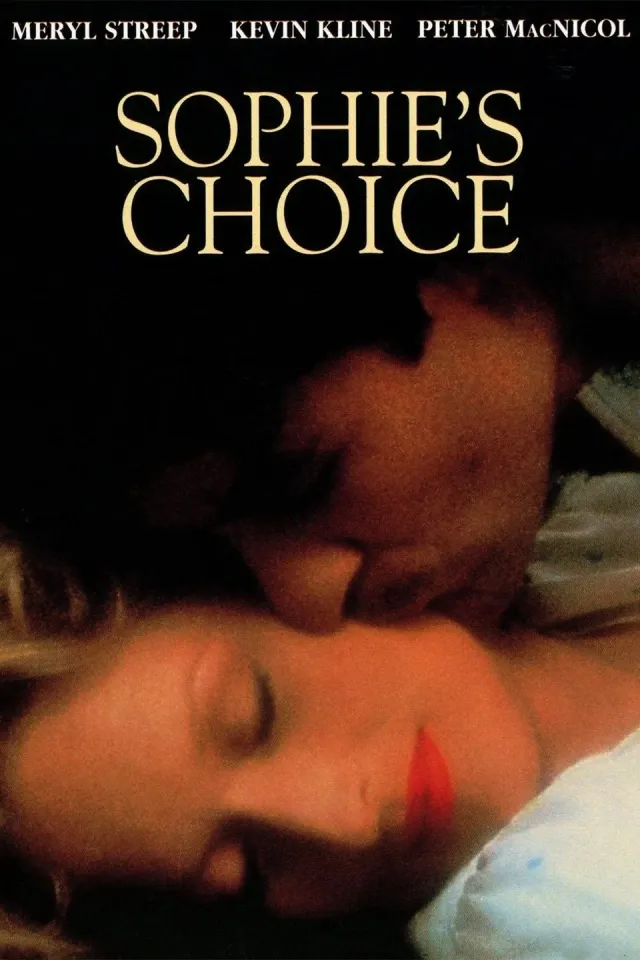
In postwar Brooklyn, aspiring writer Stingo befriends Sophie, a Polish survivor of Auschwitz, and her volatile partner Nathan. Sophie gradually recounts how war, imprisonment and the people she lost shaped her life, while Nathan’s jealousy and instability make their present home unsafe. In a memory she has struggled to disclose, Sophie describes being forced by a Nazi officer to choose which of her two children would live; the coercion belongs to the persecution inflicted on her, not to any moral failing of her own. Stingo’s growing affection cannot repair the history that shapes their present.
Based on recorded story, mood and style. Your preferences can change the order.
Memory and identity
Expect intimate and reflective, with measured and concentrated pacing.
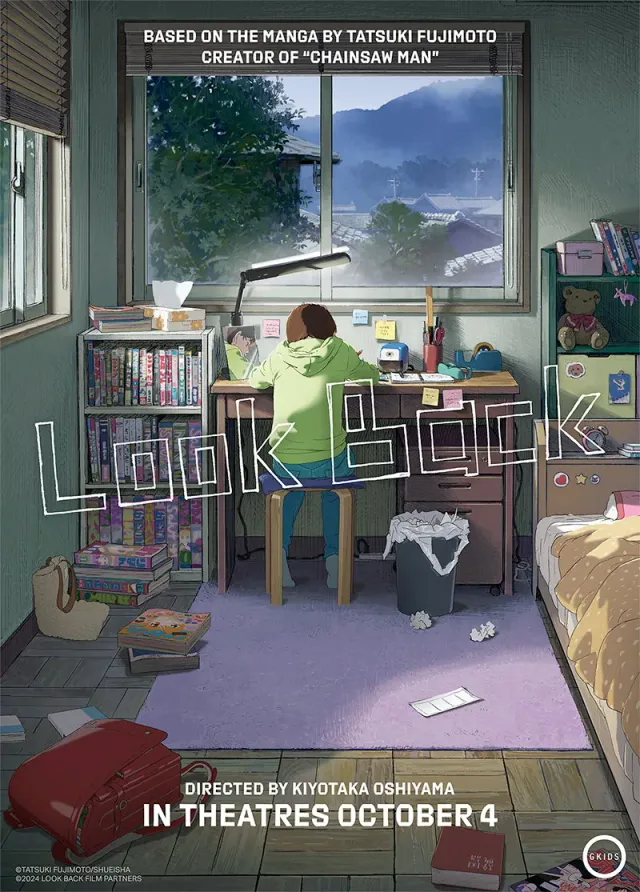
Two schoolgirls who draw manga approach creativity from very different places: confident Fujino enjoys recognition for her work, while withdrawn Kyomoto draws privately at home. A shared school project brings them together and turns admiration into an artistic partnership. Their lives diverge after a devastating event, and Fujino revisits choices and memories that shaped their friendship, reflecting on the uncertain line between making art and imagining another life.
Based on recorded story, mood and style. Your preferences can change the order.
Family and care · Memory and identity
Expect tender and restrained, with measured and rehearsal-based pacing.
Dan, a construction worker coping with personal strain, unexpectedly joins a community theater production of Romeo and Juliet. The amateur cast and rehearsals draw him into a world of performance that gradually intersects with his family's unresolved grief. As the play's language gives shape to feelings that are difficult to discuss directly, the drama moves between ordinary working life, domestic tension and the fragile community built around a production.
Based on recorded story, mood and style. Your preferences can change the order.
What changes Klara and the Sun: measured, intimate and quietly cumulative. Embrace of the Serpent: episodic and contemplative.
Karamakate, a shaman in the Colombian Amazon, guides two foreign scientists on journeys separated by decades as they search for the sacred plant yakruna. The parallel expeditions reveal how colonial exploitation damages communities, knowledge and the natural world, while Karamakate confronts changes in his own culture and memory. Ciro Guerra films the story in evocative monochrome for much of its length, creating a meditative adventure about encounter, loss and the limits of translation.
Both share family drama, plus themes of family and mortality.
Why this matches +
Genres: Drama / Science Fiction
Shared film traits
Based on recorded story, mood and style. Your preferences can change the order.
Artificial life · Family and care
What changes Klara and the Sun: measured, intimate and quietly cumulative. Swan Song: cameron considers a secret replacement procedure, meets the version of himself meant to continue his life and and weighs love against honesty..
In a near future, husband and father Cameron Turner is diagnosed with a terminal illness and offered a way to spare his family grief: a clone can take his place without their knowledge. Cameron weighs the promise of continuity against the ethics of replacement and the loss of a final chance to say goodbye. The intimate science-fiction drama makes identity a family decision.
Based on recorded story, mood and style. Your preferences can change the order.
Memory and identity
What changes Klara and the Sun: measured, intimate and quietly cumulative. A Single Man: measured and interior.
In 1960s Los Angeles, a British professor is grieving the sudden death of his partner and tries to move through one day while deciding whether he can continue living alone. Encounters with a friend, a student and strangers alter the emotional texture of that day without undoing his loss. The film turns clothing, color and routine into close expressions of grief, loneliness and the fragile possibility of renewed attention.
Based on recorded story, mood and style. Your preferences can change the order.
What changes Klara and the Sun: measured, intimate and quietly cumulative. Tokyo Story: slow and everyday episodes.
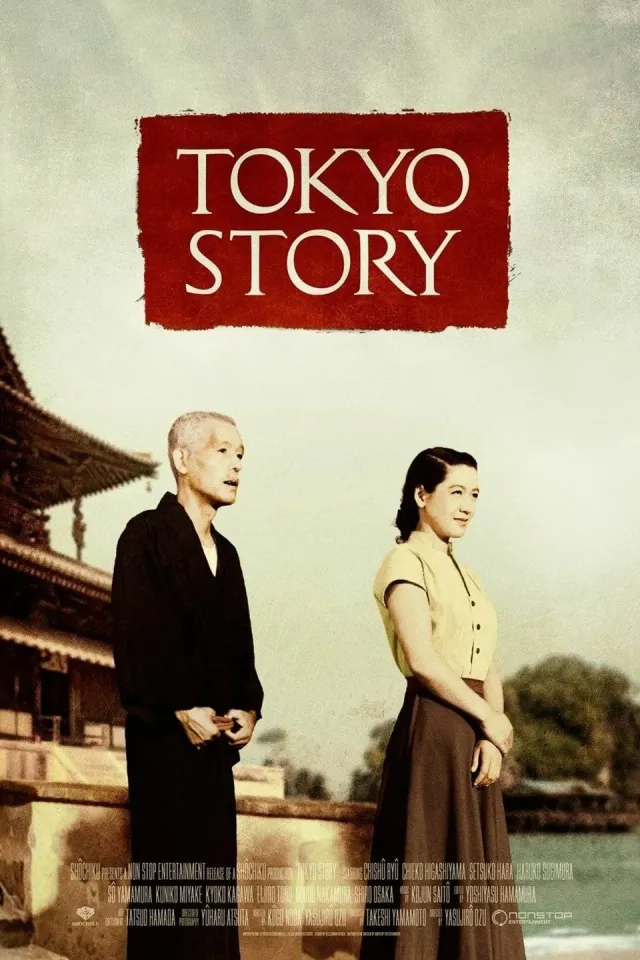
An aging couple, Shukichi and Tomi Hirayama, travel from their coastal town to Tokyo to visit their adult children and grandchildren. Their son and daughter are busy with work and family, and arrange a brief trip to a seaside resort rather than spending much time with them. Noriko, the widow of their deceased son, treats the couple with particular kindness despite her own modest life. When Tomi becomes ill, the family’s attentions reveal different forms of affection, duty and regret. Ozu follows these changes through small domestic gestures rather than dramatic confrontations. The visit’s short duration turns small family accommodations into signs of affection, impatience and regret.
Both share literary adaptation, plus themes of mortality.
Why this matches +
Genres: Drama
Shared film traits
Based on recorded story, mood and style. Your preferences can change the order.
Family and care
What changes Klara and the Sun is tagged gentle and poignant; Living is tagged restrained and somber.
In 1950s London, senior council clerk Rodney Williams has spent years moving paperwork through a bureaucracy that leaves little room for initiative. A group of women’s petition for a playground returns to his desk, and a terminal diagnosis changes how he thinks about his remaining time. New employee Mr. Wakeling and other encounters help Williams redirect his attention toward a modest public project, in this English adaptation of Akira Kurosawa’s Ikiru.
Klara is an Artificial Friend designed to accompany people, and she hopes to find a home where she can be useful. When she meets Josie, a teenager living with illness and family strain, the two form an immediate bond. Taika Waititi adapts Kazuo Ishiguro’s novel as a science-fiction drama about loyalty, care, and how an artificial companion interprets human grief and connection.
What drives the story
Klara hopes to find a home and a purpose as an artificial companion.
The people at its centre
Her bond with Josie develops alongside the teenager's illness and the family's strained relationships.
What it feels like
The story examines care through the contrast between Klara's attentive wonder and human uncertainty.
Worth knowing
The science-fiction premise serves a personal drama about loyalty, grief, and the limits of understanding.