A pre-vow family visit becomes a search for concealed wartime deaths, unsettling two women’s different ways of living with history and choosing a future. Wanda’s investigation and Ida’s vocation meet at family graves but lead to different future choices.
Why this matches +
Related viewing experiences with the specific differences recorded for each pair.
An adjacent discovery: a related idea with a different viewing experience.
Genres: Drama
Shared film traits
Based on recorded story, mood and style. Your preferences can change the order.
Memory and identity
What changes An intimate encounter in postwar Poland uncovers family loss under Nazi persecution and alters a young person’s identity; sparse black-and-white inquiry replaces an emotionally expansive Brooklyn recollection.
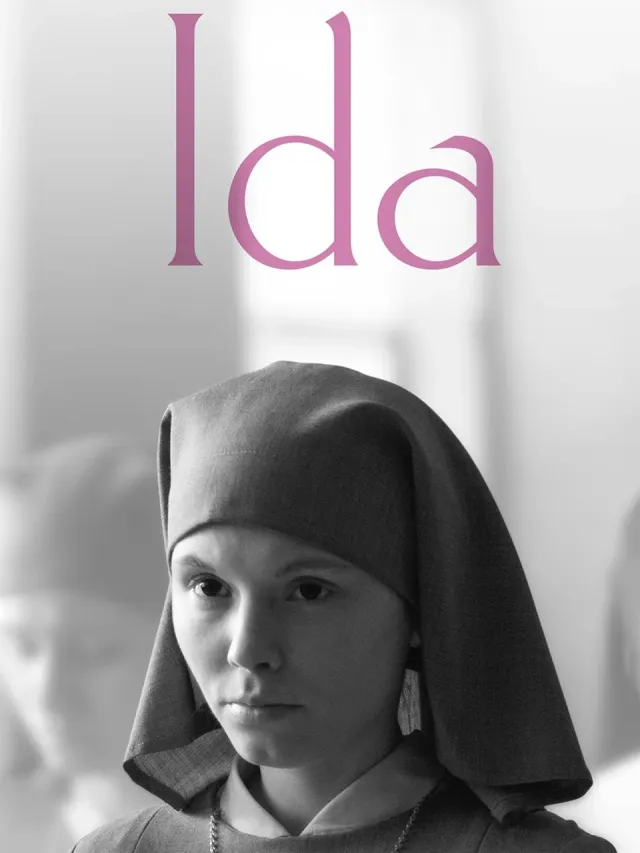
Before taking religious vows, novice Anna visits her only surviving relative, Wanda, and learns that she was born Jewish and given a different name. Their journey to locate the remains of family members killed during the occupation leads to difficult questions about local violence, survival and what can be recovered from silence. Wanda’s political past and grief shape one response; Ida’s quiet discipline and uncertainty shape another. Their discoveries do not produce a simple replacement identity or a single verdict on Poland. The film’s black-and-white, nearly square compositions make its sparse spaces and withheld information part of the historical tension, not merely an elegant style.
An intimate encounter prompts the actress to recount a suppressed wartime love, while her lover challenges the certainty with which she can claim to remember Hiroshima. The architect can challenge the actress’s certainty without becoming a spokesperson for everyone in Hiroshima.
Why this matches +
Related viewing experiences with the specific differences recorded for each pair.
An adjacent discovery: a related idea with a different viewing experience.
Genres: Drama / Romance
Shared film traits
Based on recorded story, mood and style. Your preferences can change the order.
War and civilian life · Memory and identity
What changes A postwar intimate encounter becomes a fragmented disclosure of wartime love, loss and memory that a new partner cannot repair; its brief affair and formally experimental witnessing differ from a Holocaust survivor’s Brooklyn triangle and coerced maternal loss.
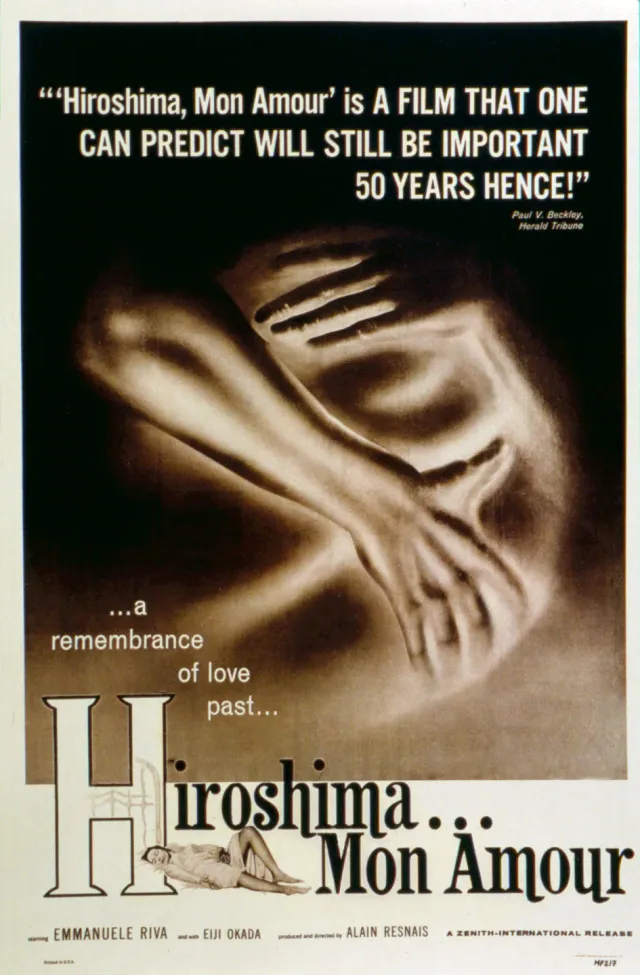
A French actress and a Japanese architect begin an affair in postwar Hiroshima, where her film work about peace does not grant her full access to the city’s history. Their conversations open onto her earlier love affair in occupied Nevers and the punishment that followed its loss. Repetition, fragmented images and documentary traces let one memory interrupt another without making the woman’s private suffering equivalent to the atomic bombing. The architect can ask her to remember, but cannot turn memory into shared ownership. The film’s formal argument lies in that unfinished encounter between personal recollection, public catastrophe and the limits of witnessing.
Escalating persecution reduces a musician's social world to unstable shelters and practical survival, with each reprieve exposing dependence on another person's risk or restraint.
Why this matches +
Related viewing experiences with the specific differences recorded for each pair.
An adjacent discovery: a related idea with a different viewing experience.
Genres: Drama / Biography
Shared film traits
Based on recorded story, mood and style. Your preferences can change the order.
War and civilian life
What changes Nazi persecution leaves a survivor’s ordinary relationships and cultural identity shattered; it follows wartime survival rather than a postwar triangle and the disclosure of a mother’s coerced loss.
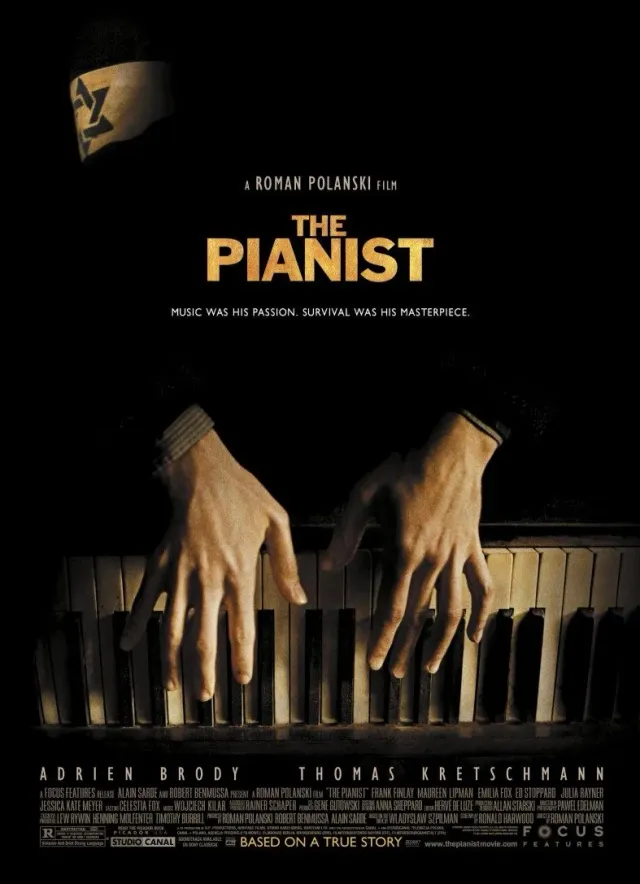
Polish Jewish musician Władysław Szpilman watches the Nazi occupation of Warsaw progressively strip his family of livelihood, movement and safety. Separated from them during deportation, he survives through forced labour, help from acquaintances and prolonged hiding in a city being destroyed around him. Music remains part of his identity, but endurance depends on contingent aid and temporary shelter rather than the protection professional distinction might once have promised.
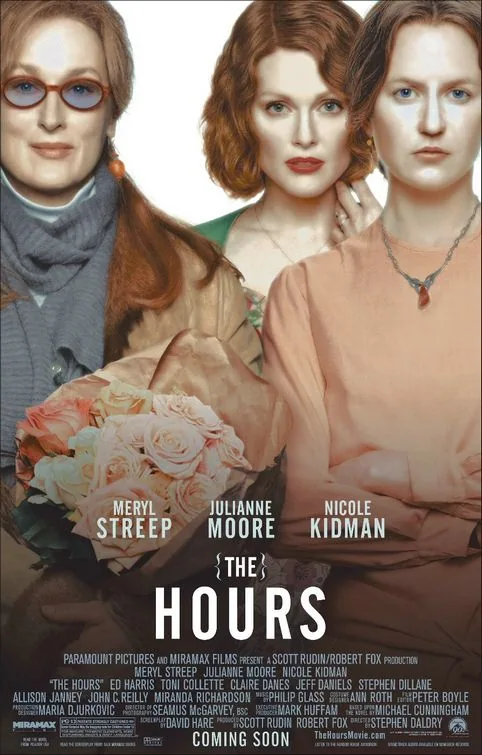
A day in each woman’s life forms a braided structure; their choices echo one another while belonging to different relationships and historical moments.
Why this matches +
Related viewing experiences with the specific differences recorded for each pair.
An adjacent discovery: a related idea with a different viewing experience.
Genres: Drama / LGBTQ-related
Shared film traits
Based on recorded story, mood and style. Your preferences can change the order.
Memory and identity
What changes Private despair, grief and intimate dependence link lives that observers cannot easily rescue; an interwoven literary structure replaces a single survivor’s testimony and coercive historical trauma.
The film follows three women on separate days in different decades: Virginia Woolf in 1920s England, Laura Brown in 1950s Los Angeles and Clarissa Vaughan in contemporary New York. Virginia writes Mrs. Dalloway while struggling with illness and the restrictions of her life; Laura reads the novel as domestic dissatisfaction closes around her; Clarissa cares for Richard, a poet and former lover dying of AIDS. Editing and recurring gestures connect the women without making their experiences identical. The result is a literary drama about care, escape and the futures people imagine for themselves.
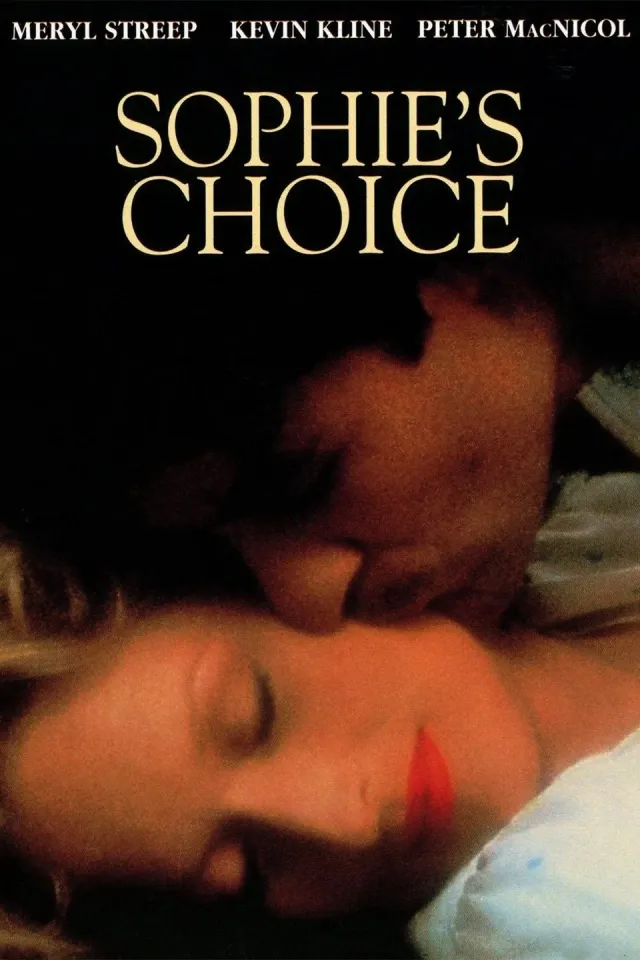
In postwar Brooklyn, aspiring writer Stingo befriends Sophie, a Polish survivor of Auschwitz, and her volatile partner Nathan. Sophie gradually recounts how war, imprisonment and the people she lost shaped her life, while Nathan’s jealousy and instability make their present home unsafe. In a memory she has struggled to disclose, Sophie describes being forced by a Nazi officer to choose which of her two children would live; the coercion belongs to the persecution inflicted on her, not to any moral failing of her own. Stingo’s growing affection cannot repair the history that shapes their present.
What drives the story
Sophie’s past emerges in fragments, so the present-day friendship is continually reshaped by what Stingo learns and what she has survived.
The people at its centre
Nathan’s charm and instability pull Sophie into a destructive relationship, while Stingo’s wish to rescue her is limited by the depth of her trauma.
What it feels like
Brooklyn’s intimate domestic scenes contrast with the memories of war and camp, using recollection rather than a battlefield narrative to reveal the central horror.
Worth knowing
A mature, emotionally devastating drama about Holocaust trauma and an impossible forced choice; it contains sexual abuse and atrocity and is not a light romantic triangle.
Traumamemoryintimacy
Mood
Tragic · intimate · devastating
Pacing
Gradual revelation · flashback
Visual style
Brooklyn interiors · stark historical recollections