Both share themes of art and friendship, plus an intimate and reflective atmosphere.
Why this matches +
Genres: Drama / Biography
Shared film traits
Based on recorded story, mood and style. Your preferences can change the order.
Memory and identity · Work and ambition
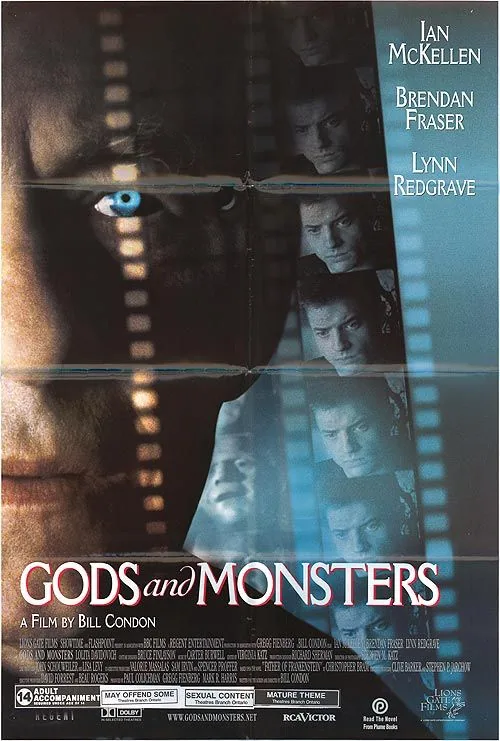
What changes Look Back: measured, concentrated and emotionally cumulative. Gods and Monsters: sittings and conversations deepen the connection and while whale’s memories and worsening health place new strain on it.
Retired filmmaker James Whale lives with his devoted housekeeper, Hanna, while coping with the effects of several strokes and memories of earlier losses. He befriends Clayton Boone, a young gardener who agrees to pose for his drawings, and the two build a wary connection across differences in age, class and experience. Whale’s stories about his past and his frankness about desire unsettle Boone, while declining health and depression make the friendship harder to navigate. Their conversations bring together Hollywood memory, loneliness and the need to be seen by another person.
Based on recorded story, mood and style. Your preferences can change the order.
Memory and identity
Expect gentle and poignant, with measured and intimate pacing.
Klara is an Artificial Friend designed to accompany people, and she hopes to find a home where she can be useful. When she meets Josie, a teenager living with illness and family strain, the two form an immediate bond. Taika Waititi adapts Kazuo Ishiguro’s novel as a science-fiction drama about loyalty, care, and how an artificial companion interprets human grief and connection.
Based on recorded story, mood and style. Your preferences can change the order.
Memory and identity · Work and ambition
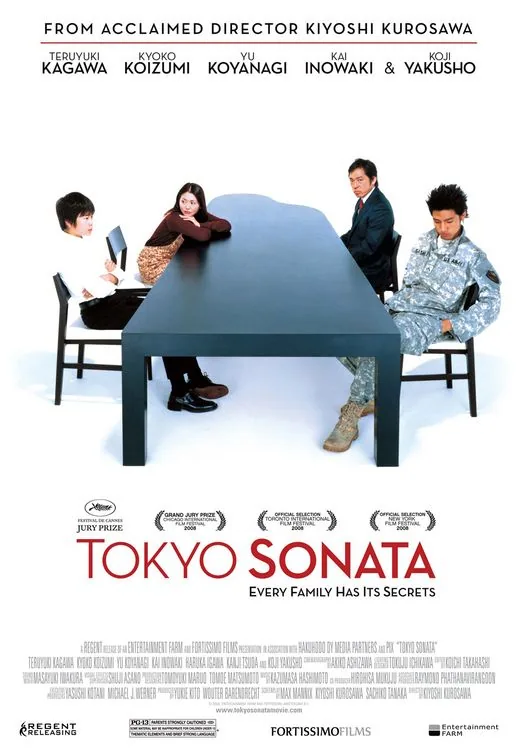
What changes Look Back is tagged intimate and reflective; Tokyo Sonata is tagged restrained and melancholic.
When office worker Ryūhei loses his position during a corporate restructuring, he conceals the dismissal from his wife and sons and keeps returning each day as if he still has a job. His teenage son Takashi announces a plan that takes him far from home, while younger Kenji secretly studies piano against his father’s wishes. Megumi, the family’s mother, is left managing a household whose members share meals but hide their fears. As their deceptions unravel, this restrained Tokyo drama follows economic insecurity into the private life of a family.
Both share themes of memory, plus an intimate atmosphere.
Why this matches +
Genres: Drama / romance
Shared film traits
Based on recorded story, mood and style. Your preferences can change the order.
Memory and identity
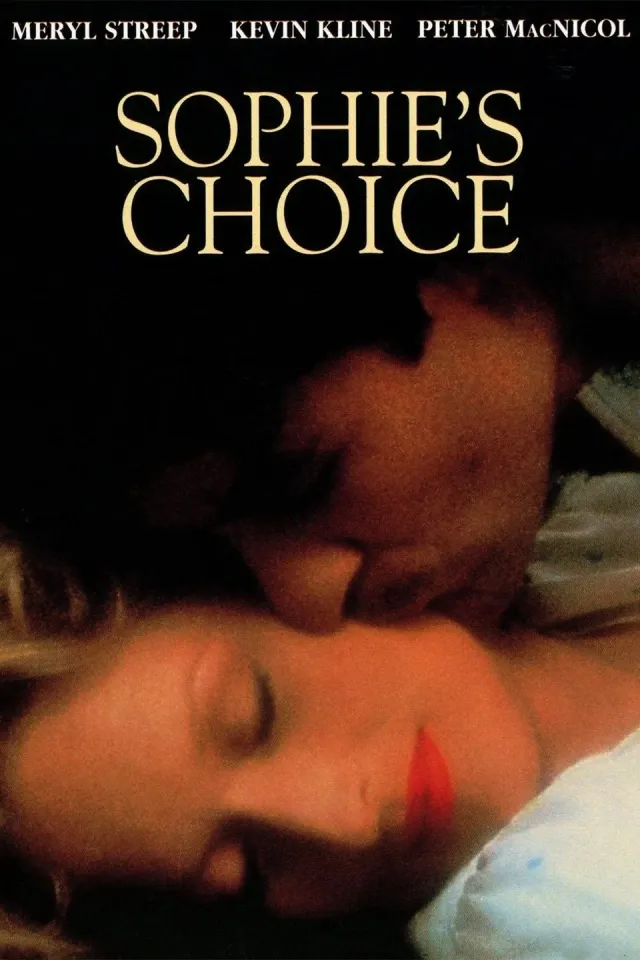
What changes Look Back: measured, concentrated and emotionally cumulative. Sophie's Choice: gradual revelation and flashback.
In postwar Brooklyn, aspiring writer Stingo befriends Sophie, a Polish survivor of Auschwitz, and her volatile partner Nathan. Sophie gradually recounts how war, imprisonment and the people she lost shaped her life, while Nathan’s jealousy and instability make their present home unsafe. In a memory she has struggled to disclose, Sophie describes being forced by a Nazi officer to choose which of her two children would live; the coercion belongs to the persecution inflicted on her, not to any moral failing of her own. Stingo’s growing affection cannot repair the history that shapes their present.
Based on recorded story, mood and style. Your preferences can change the order.
Coming of age
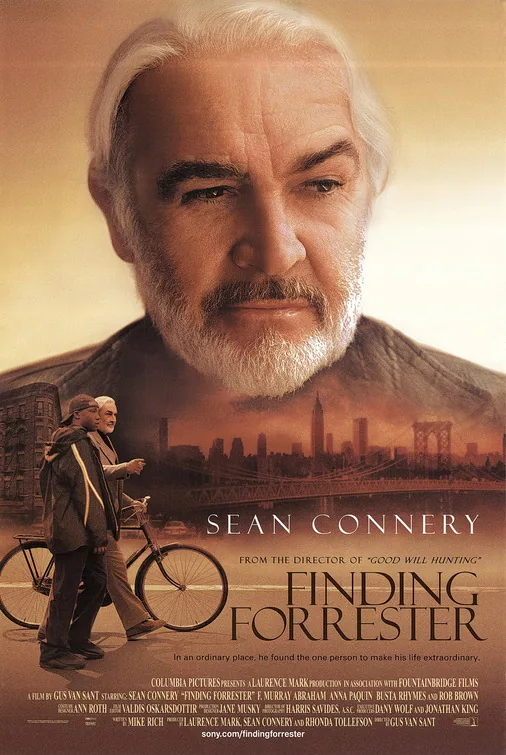
What changes Look Back: measured, concentrated and emotionally cumulative. Finding Forrester: measured and building.
A gifted teenager from the Bronx earns a place at an elite private school, where his writing attracts a reclusive author’s attention. Their unlikely friendship develops through private lessons and intellectual challenge as the boy defines himself in a new environment. The drama examines mentorship, class and authorship through two guarded people who have reasons to hide from public judgment.
Based on recorded story, mood and style. Your preferences can change the order.
Coming of age · Work and ambition
What changes Look Back: measured, concentrated and emotionally cumulative. The Diary of a Teenage Girl: episodic, intimate and character-led.
In 1970s San Francisco, fifteen-year-old Minnie Goetze records her thoughts as she tries to understand desire, adulthood and her ambitions as an artist. Her bohemian mother is focused on her own life, and Minnie becomes involved with Monroe, her mother’s boyfriend, after he takes her out one night. The relationship complicates Minnie’s family ties and self-image as she moves through school, friendship and drawing. The film adapts Phoebe Gloeckner’s graphic novel through an adolescent point of view.
Both share themes of grief and memory, plus a reflective atmosphere.
Why this matches +
Genres: Drama
Shared film traits
Based on recorded story, mood and style. Your preferences can change the order.
Memory and identity · Work and ambition
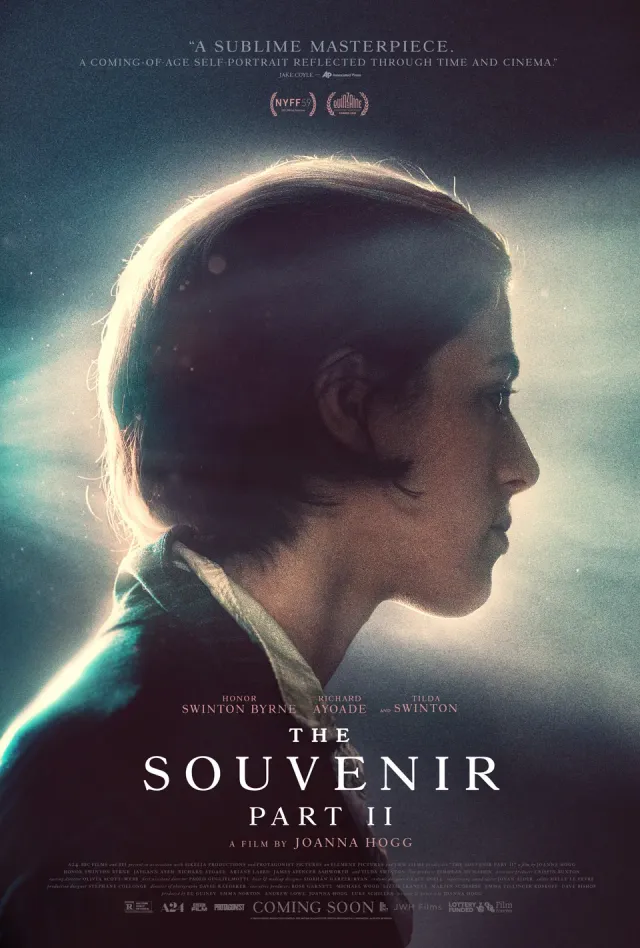
What changes Look Back: measured, concentrated and emotionally cumulative. The Souvenir Part II: julie revisits anthony’s life, develops a film drawn from their relationship and and discovers that translating memory into a scene requires choices..
After the death of her boyfriend Anthony, film student Julie returns to school and begins shaping a final project from their relationship. She tries to reconcile what she experienced with what others remember, while directing actors and managing her own doubts about how to tell the story. The film treats filmmaking as both a creative task and an imperfect way of revisiting grief.
Based on recorded story, mood and style. Your preferences can change the order.
Memory and identity · Work and ambition
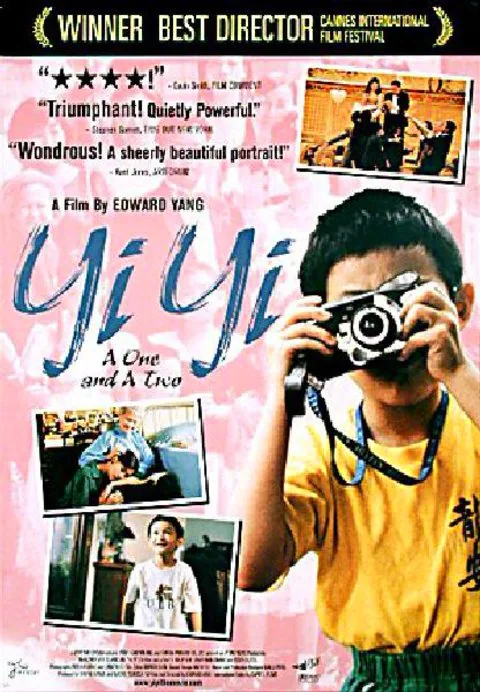
What changes Look Back: measured, concentrated and emotionally cumulative. Yi Yi: interwoven stories follow each family member as separate events reveal overlapping questions about life and perspective.
Over the course of a year in Taipei, the middle-class Jian family faces a wedding, a grandmother’s stroke, business troubles and the strains of ordinary family life. Father NJ reconnects with a former love while negotiating a new business deal; his wife Min-Min leaves for a Buddhist retreat; daughter Ting-Ting navigates adolescent relationships; and young Yang-Yang observes the adults with unusual curiosity. Each family member sees only part of the whole, and the film follows how private choices ripple through the household and its wider community.
Based on recorded story, mood and style. Your preferences can change the order.
Coming of age · Memory and identity
What changes Look Back: measured, concentrated and emotionally cumulative. The Colors Within: unhurried, character-led and rehearsal-based.
Totsuko can see colors around people that express their emotional presence. At a Catholic school she becomes fascinated by Kimi, a former student with a vivid color, and later meets Rui, a boy drawn to music and invention. The three form a band and rehearse in a secluded setting, using performance to explore feelings and uncertain plans while keeping parts of their lives hidden from family and school.
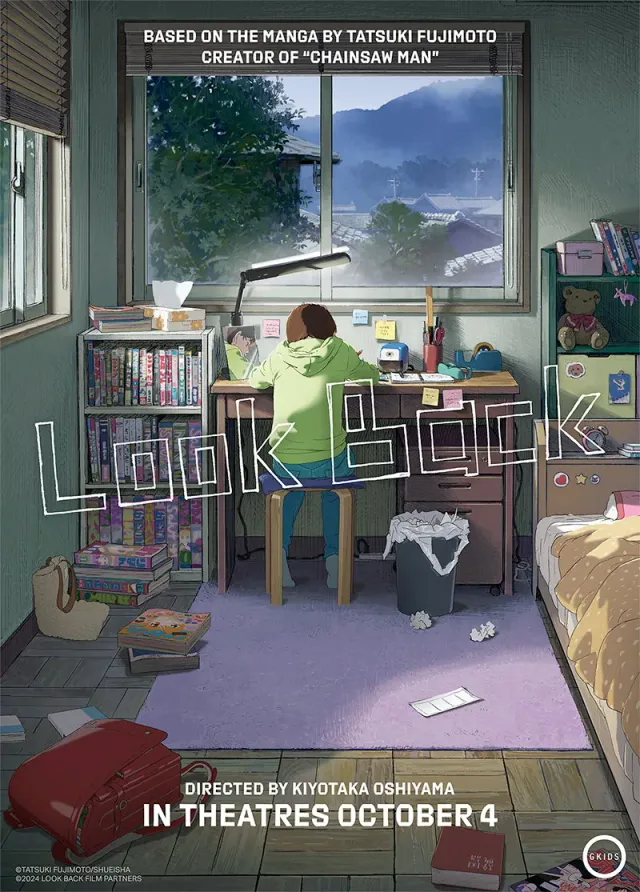
Two schoolgirls who draw manga approach creativity from very different places: confident Fujino enjoys recognition for her work, while withdrawn Kyomoto draws privately at home. A shared school project brings them together and turns admiration into an artistic partnership. Their lives diverge after a devastating event, and Fujino revisits choices and memories that shaped their friendship, reflecting on the uncertain line between making art and imagining another life.
What drives the story
A creative rivalry becomes a friendship that changes how both girls understand drawing and their futures.
The people at its centre
Fujino's confidence and Kyomoto's isolation evolve into mutual respect, then grief reshapes their shared history.
What it feels like
Concise scenes and visual shifts make artistic process and remembered possibility carry much of the emotion.
Worth knowing
This short feature builds meaning through a specific friendship and its aftermath rather than expansive plot machinery.