Both share themes of memory, plus an intimate and reflective atmosphere.
Why this matches +
Genres: Biography / Drama
Shared film traits
Based on recorded story, mood and style. Your preferences can change the order.
Memory and identity · Mental health
What changes Gods and Monsters: sittings and conversations deepen the connection and while whale’s memories and worsening health place new strain on it. Honey Boy: memory-driven, alternating timelines and character-centered.
Actor Otis Lort enters rehabilitation after a destructive incident, where therapy encourages him to revisit his childhood. In flashbacks, young Otis works on film sets while living with his father James, a former rodeo clown whose support and volatility are difficult to separate. The story moves between adult treatment and the boy’s memories, exploring how performance, work, and a complicated parent-child bond shape Otis’s understanding of himself.
Both share themes of memory and friendship, plus an intimate and reflective atmosphere.
Why this matches +
Genres: Drama / Coming-of-age
Shared film traits
Based on recorded story, mood and style. Your preferences can change the order.
Memory and identity · Work and ambition
What changes Gods and Monsters: sittings and conversations deepen the connection and while whale’s memories and worsening health place new strain on it. Look Back: measured, concentrated and emotionally cumulative.
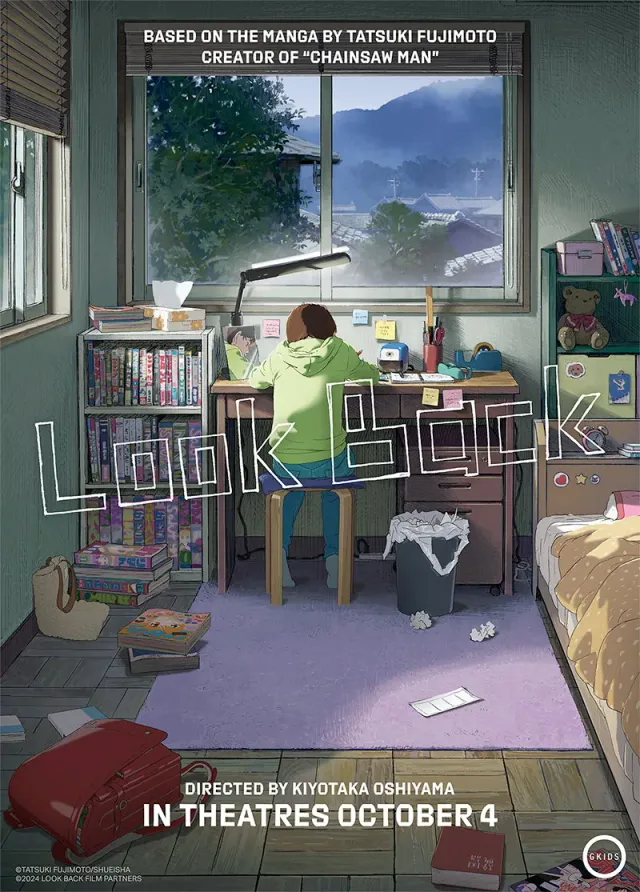
Two schoolgirls who draw manga approach creativity from very different places: confident Fujino enjoys recognition for her work, while withdrawn Kyomoto draws privately at home. A shared school project brings them together and turns admiration into an artistic partnership. Their lives diverge after a devastating event, and Fujino revisits choices and memories that shaped their friendship, reflecting on the uncertain line between making art and imagining another life.
Based on recorded story, mood and style. Your preferences can change the order.
Mental health · Power and authority
What changes Gods and Monsters: sittings and conversations deepen the connection and while whale’s memories and worsening health place new strain on it. Tyrannosaur: deliberate, intense and character-led.
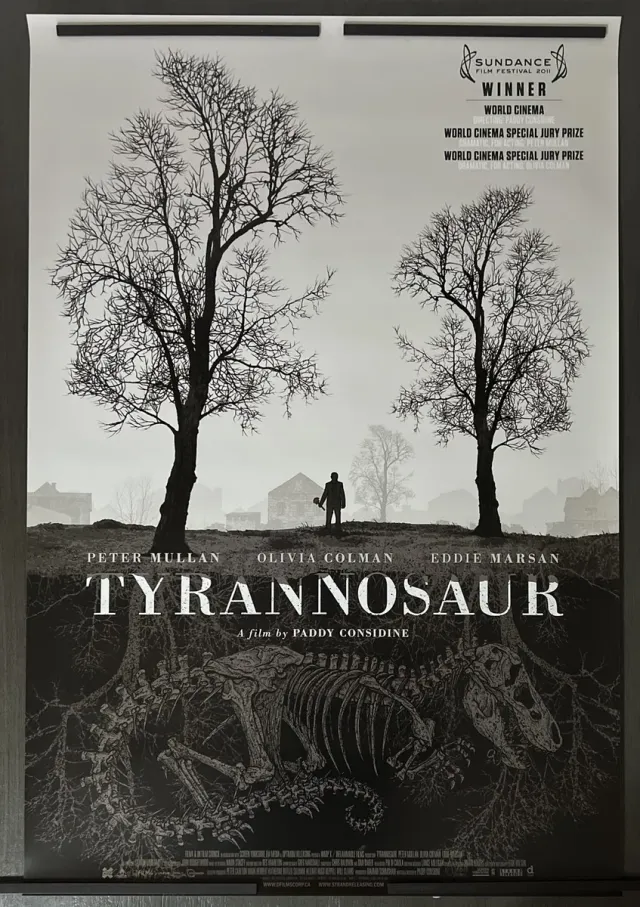
Joseph is a widower in northern England whose anger erupts across his daily life. After meeting Hannah, a charity-shop worker whose kindness initially unsettles him, he begins to return to her shop and accept a measure of help. Hannah’s life behind her public faith is controlled by an abusive husband, and the two form a connection shaped by private violence and shame. Paddy Considine’s drama follows whether compassion can survive when both characters are carrying damage they have struggled to name or escape.
Both share themes of memory, plus an intimate atmosphere.
Why this matches +
Genres: Drama / Biography
Shared film traits
Based on recorded story, mood and style. Your preferences can change the order.
Memory and identity · Mental health
What changes Gods and Monsters: sittings and conversations deepen the connection and while whale’s memories and worsening health place new strain on it. Bird: nonlinear biographical portrait, recurring musical passages and memory-led transitions.
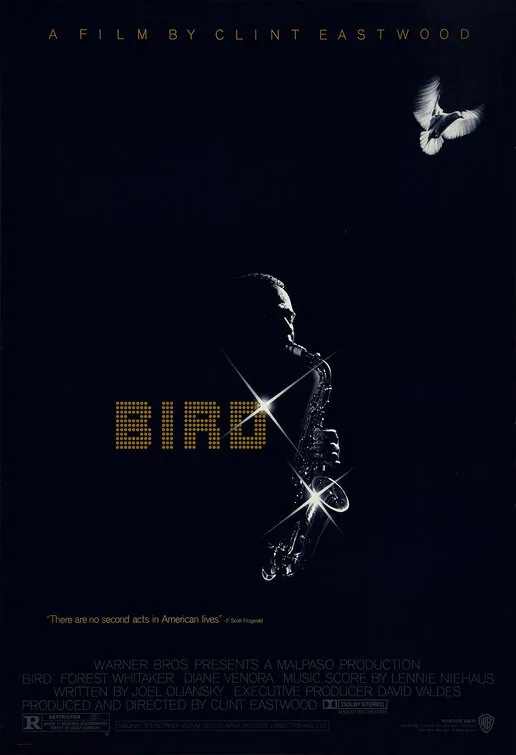
The film follows jazz saxophonist Charlie Parker from his early Kansas City performances into the New York bebop scene and his turbulent life with Chan Parker. Success brings periods of exhilaration and collapse, while drug and alcohol dependence repeatedly interrupts his playing and relationships. Chan helps reconnect him with work and family life, but Parker’s health and artistic drive remain difficult to separate. Told through shifting memories and music, the portrait moves between performance, intimacy and breakdown, framing bebop as a creative revolution carried by a life under strain.
Both share themes of friendship, plus an intimate and reflective atmosphere.
Why this matches +
Genres: Biography / Drama
Shared film traits
Based on recorded story, mood and style. Your preferences can change the order.
Memory and identity · Work and ambition
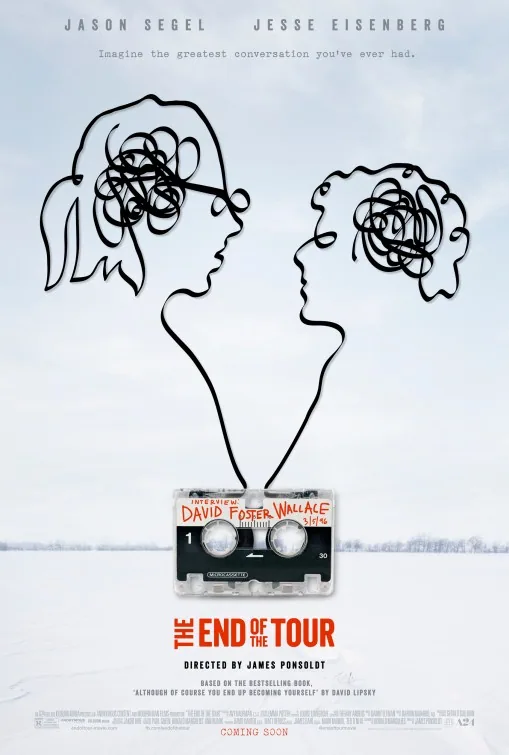
What changes Gods and Monsters: sittings and conversations deepen the connection and while whale’s memories and worsening health place new strain on it. The End of the Tour: measured, dialogue-led and episodic.
In 1996, Rolling Stone reporter David Lipsky travels to Illinois to interview novelist David Foster Wallace after the publication of Infinite Jest. The pair spend several days together in Wallace’s home and on the road, talking about writing, fame, loneliness, addiction and the expectations placed on a writer whose book has become a cultural event. Lipsky records the conversations, but their growing rapport is complicated by competition, guardedness and the knowledge that the interview will eventually be published.
Based on recorded story, mood and style. Your preferences can change the order.
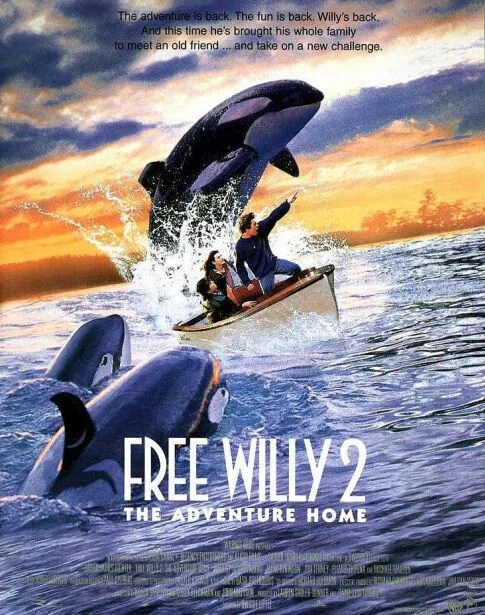
What changes Gods and Monsters: sittings and conversations deepen the connection and while whale’s memories and worsening health place new strain on it. Free Willy 2: The Adventure Home: rescue-oriented progression.
Teenager Jesse reunites with Willy and the whale's human caretakers, but an oil spill puts wildlife and the coastal community at risk. A new family relationship gives Jesse more to navigate while he and his friends look for a way to help Willy and the other animals. The sequel combines an environmental rescue story with an adolescent effort to build trust at home.
Based on recorded story, mood and style. Your preferences can change the order.
What changes Gods and Monsters: sittings and conversations deepen the connection and while whale’s memories and worsening health place new strain on it. Echo Valley: quiet farm routine is interrupted, investigation reveals a dangerous secret and mother faces escalating moral choices.
Kate lives a secluded life caring for horses at her Pennsylvania farm while grieving a personal loss. Her troubled daughter Claire arrives unexpectedly, hysterical and covered in someone else's blood, and Kate's instinct to protect her quickly collides with the need to understand what happened. As a dangerous secret emerges, mother and daughter become caught in choices that test their trust and expose the limits of unconditional loyalty. The psychological thriller turns a quiet rural home into the center of a tense story about sacrifice, family, and how far a parent will go to save a child.
Based on recorded story, mood and style. Your preferences can change the order.
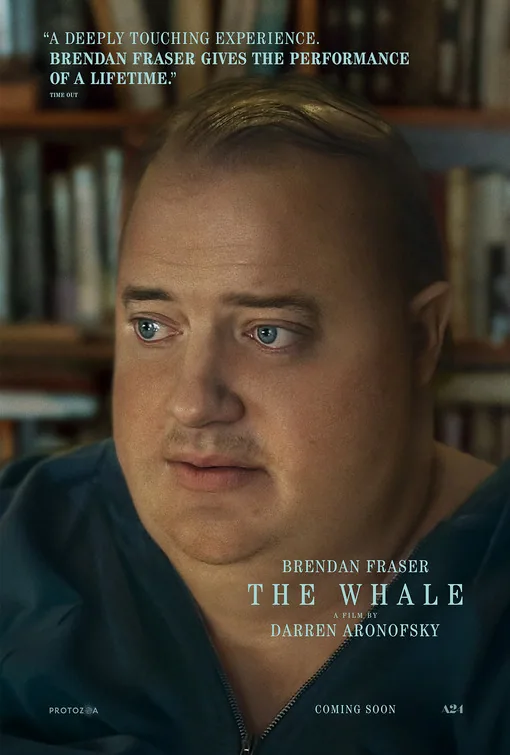
What changes Gods and Monsters: sittings and conversations deepen the connection and while whale’s memories and worsening health place new strain on it. The Whale: contained and dialogue-driven.
Charlie, an English teacher living with severe illness and rarely leaving his home, teaches online with his camera switched off. When he learns that his estranged teenage daughter Ellie is nearby, he tries to rebuild contact through writing lessons and an offer to help her with schoolwork. His friend and nurse Liz questions whether his attempt will repair their relationship, while missionary Thomas brings another set of beliefs into the apartment. Ellie’s anger, Charlie’s guilt and the visitors’ competing needs make each conversation difficult. The film confines its action to a few days and one home, centering a fraught effort at connection. A requested essay becomes Charlie’s way to maintain contact, but he cannot control what Ellie chooses to reveal.
Based on recorded story, mood and style. Your preferences can change the order.
Memory and identity
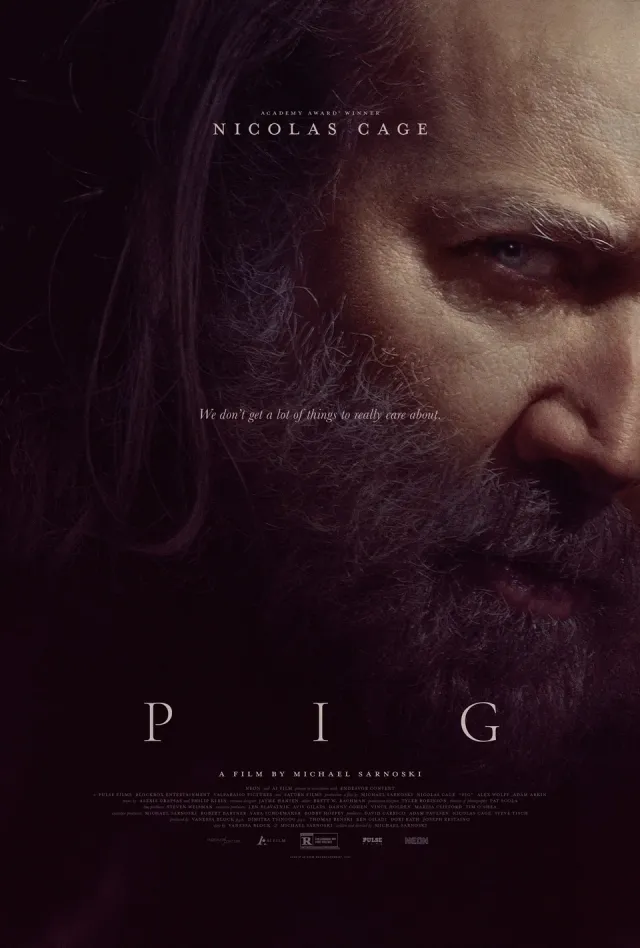
What changes Gods and Monsters: sittings and conversations deepen the connection and while whale’s memories and worsening health place new strain on it. Pig: a deliberate journey replaces conventional revenge escalation with intimate encounters.
Reclusive former chef Rob lives in the Oregon forest with a prized truffle-foraging pig until an attack leaves the animal missing. His search brings him back to Portland and into contact with the restaurant world he abandoned. The film initially resembles a recovery thriller, then becomes a restrained meditation on grief, status, and the difference between being admired for work and being known as a person.
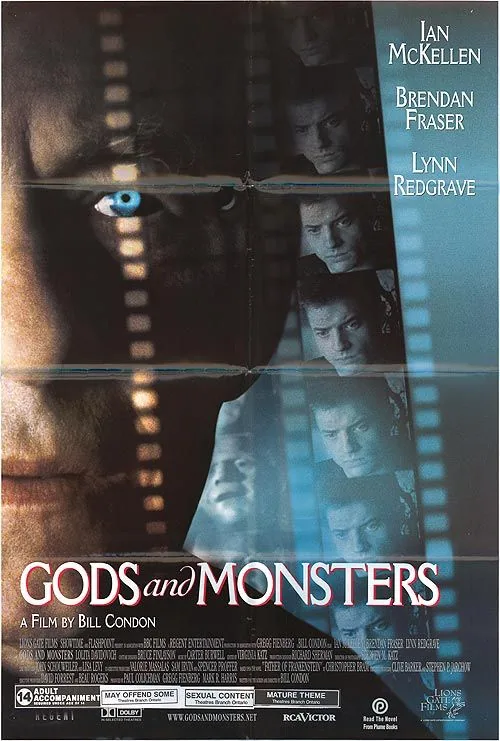
Retired filmmaker James Whale lives with his devoted housekeeper, Hanna, while coping with the effects of several strokes and memories of earlier losses. He befriends Clayton Boone, a young gardener who agrees to pose for his drawings, and the two build a wary connection across differences in age, class and experience. Whale’s stories about his past and his frankness about desire unsettle Boone, while declining health and depression make the friendship harder to navigate. Their conversations bring together Hollywood memory, loneliness and the need to be seen by another person.
What drives the story
Whale’s desire for companionship conflicts with the limits of what Boone understands or can offer.
The people at its centre
Boone’s uncertainty gives their friendship an uneven balance of curiosity, discomfort and genuine care.
What it feels like
The film links classic monster cinema with a personal story about aging, desire and creative loss.
Worth knowing
A fading Hollywood director asks his gardener to pose, opening a fragile friendship shaped by memory and loneliness.
agingmemorysexuality
Mood
intimate · somber · humane · reflective
Pacing
Sittings and conversations deepen the connection · while Whale’s memories and worsening health place new strain on it
Visual style
Quiet domestic spaces and period Hollywood references give the drama a restrained · elegiac tone
Storytelling
Retired director James Whale forms a complicated friendship with his young gardener as illness narrows his world