Both share themes of friendship and loneliness, plus an intimate and melancholic atmosphere.
Why this matches +
Genres: Drama
Shared film traits
Based on recorded story, mood and style. Your preferences can change the order.
Work and ambition · Memory and identity
Expect melancholic and intimate, with measured and conversational pacing.
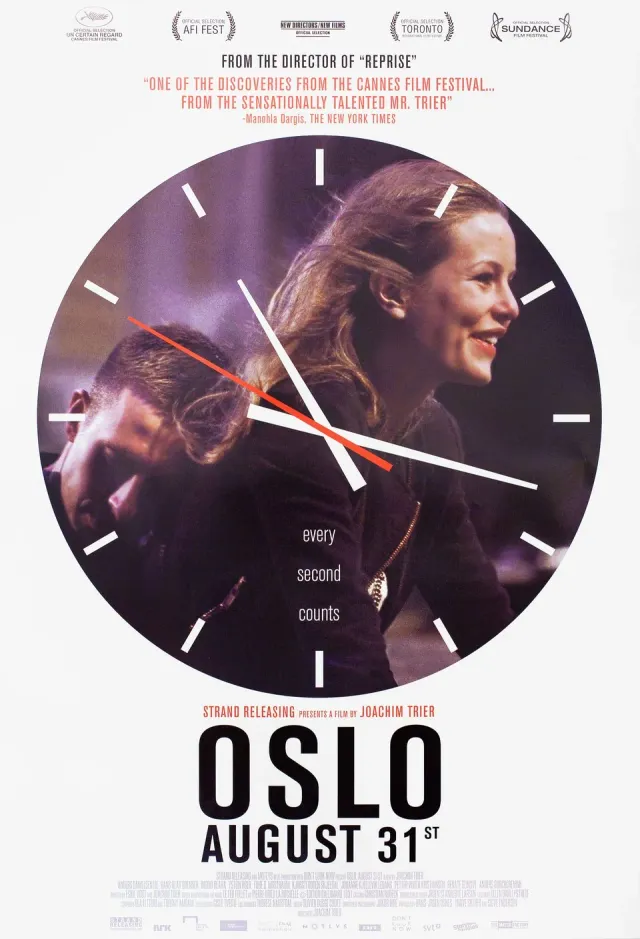
Recovering addict Anders receives a day’s leave from treatment to attend a job interview in Oslo. He visits a friend, encounters people from his former life and moves through the city as he considers whether sobriety offers a future he can inhabit. Conversations about work, family, love and aging bring the gap between his hopes and what he has left undone into focus. Joachim Trier’s drama follows a single day with close attention to loneliness and the fragile possibility of beginning again.
Both share themes of friendship, plus a reflective and intimate atmosphere.
Why this matches +
Genres: Drama / Biography
Shared film traits
Based on recorded story, mood and style. Your preferences can change the order.
Work and ambition · Memory and identity
What changes The End of the Tour: measured, dialogue-led and episodic. Gods and Monsters: sittings and conversations deepen the connection and while whale’s memories and worsening health place new strain on it.
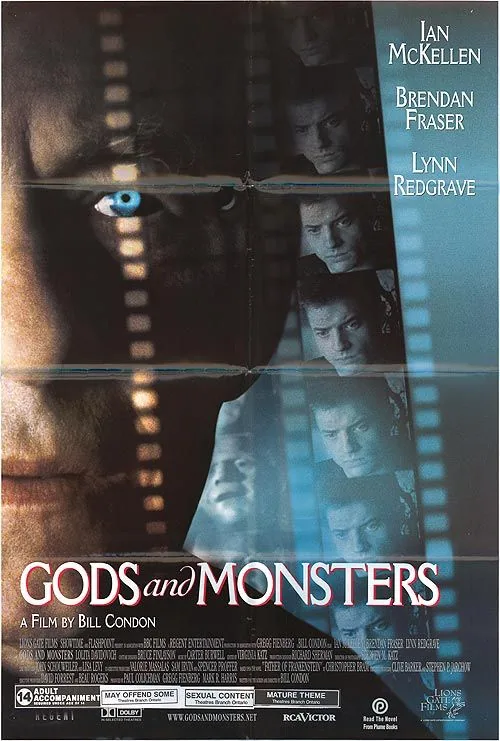
Retired filmmaker James Whale lives with his devoted housekeeper, Hanna, while coping with the effects of several strokes and memories of earlier losses. He befriends Clayton Boone, a young gardener who agrees to pose for his drawings, and the two build a wary connection across differences in age, class and experience. Whale’s stories about his past and his frankness about desire unsettle Boone, while declining health and depression make the friendship harder to navigate. Their conversations bring together Hollywood memory, loneliness and the need to be seen by another person.
Based on recorded story, mood and style. Your preferences can change the order.
What changes The End of the Tour: measured, dialogue-led and episodic. The Soloist: gradual and character-led.
A newspaper columnist meets a gifted musician living without stable housing and begins writing about his life. Their connection grows through conversations and music, but the columnist’s desire to help does not erase the musician’s independence or the complexity of his mental illness. The biographical drama examines friendship across unequal circumstances, showing how attention can create recognition while also making a person’s life into a public story.
Based on recorded story, mood and style. Your preferences can change the order.
Work and ambition · Memory and identity
Expect wry and intimate, with measured and dialogue-driven pacing.
At a book event in Tuscany, writer James Miller meets a French antiques dealer who has brought her son and several copies of his book about authenticity in art. After a strained first exchange, they spend an afternoon driving, walking through town and debating originals, reproductions and intimate relationships. Their conversation gradually takes on the rhythms of a long-established couple, though the film leaves the status of their roles unsettled. The encounter tests whether an experience can gain meaning regardless of its origin.
Based on recorded story, mood and style. Your preferences can change the order.
Work and ambition · Memory and identity
What changes The End of the Tour: measured, dialogue-led and episodic. Roadrunner: A Film About Anthony Bourdain: interviews and archival material move through bourdain’s changing work, from kitchens and writing to television travel and while tracing the people around him..
Morgan Neville’s documentary traces Anthony Bourdain’s path from restaurant chef to memoirist and international television host. Archival footage and interviews with family, friends and colleagues revisit his work, travels and public persona, including the people he met through food and reporting. The film considers how a celebrated career and a restless appetite for experience coexisted with complicated private relationships and personal struggles.
Based on recorded story, mood and style. Your preferences can change the order.
Memory and identity
Expect reflective and complicated, with episodic and memory-framed pacing.
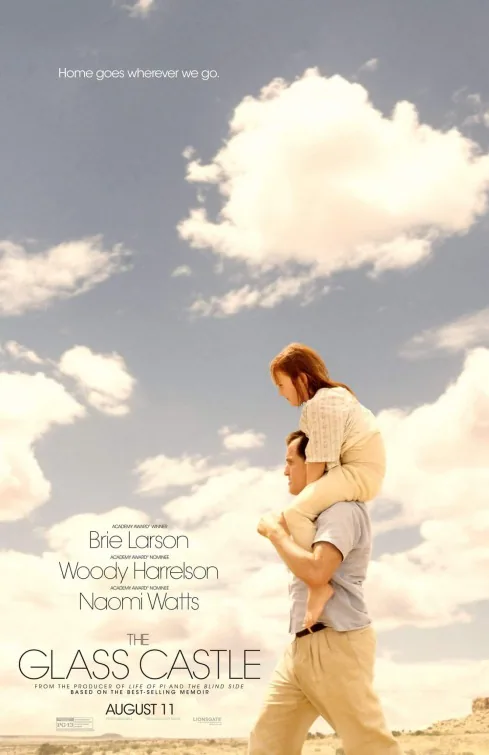
Jeanette Walls grows up with her siblings in a family that moves frequently, living on limited means under the shifting plans of her charismatic father Rex and artist mother Rose Mary. Rex encourages his children’s imagination and independence but his alcoholism and unreliable promises leave them exposed. As an adult in New York, Jeanette looks back on the family’s itinerant childhood and the choices that shaped her relationship with her parents and siblings.
Both share themes of friendship, plus a reflective atmosphere.
Why this matches +
Genres: Drama
Shared film traits
Based on recorded story, mood and style. Your preferences can change the order.
Work and ambition · Memory and identity
Expect nostalgic and uneasy, with episodic and reflective pacing.
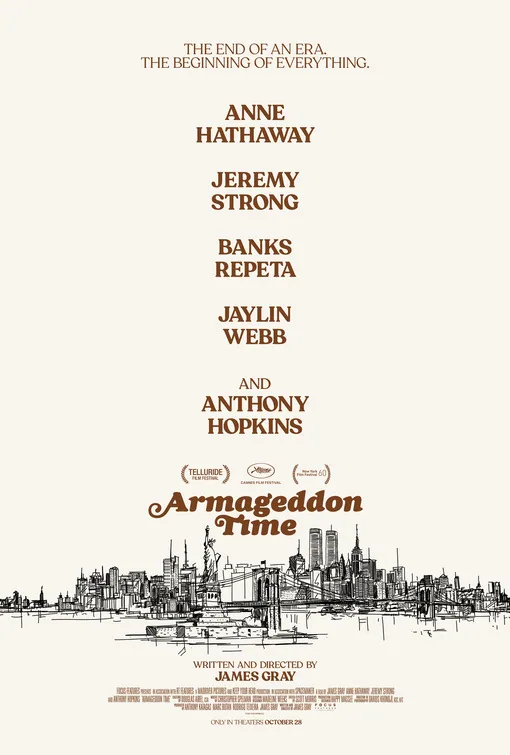
Paul Graff begins sixth grade in 1980 Queens, where his friendship with classmate Johnny grows alongside trouble at school. Paul’s family hopes to secure his future, while his grandfather encourages his artistic ambitions and offers a different account of the family’s past. When Paul is sent to a private school, the differences in opportunity and treatment between the boys become harder to ignore, turning an autobiographical coming-of-age story into a portrait of family, class and race.
Both share biographical drama, plus a wry and intimate atmosphere.
Why this matches +
Genres: Biography / Comedy
Shared film traits
Based on recorded story, mood and style. Your preferences can change the order.
Work and ambition · Romance and intimacy
Expect tender and wry, with measured and dialogue-driven pacing.
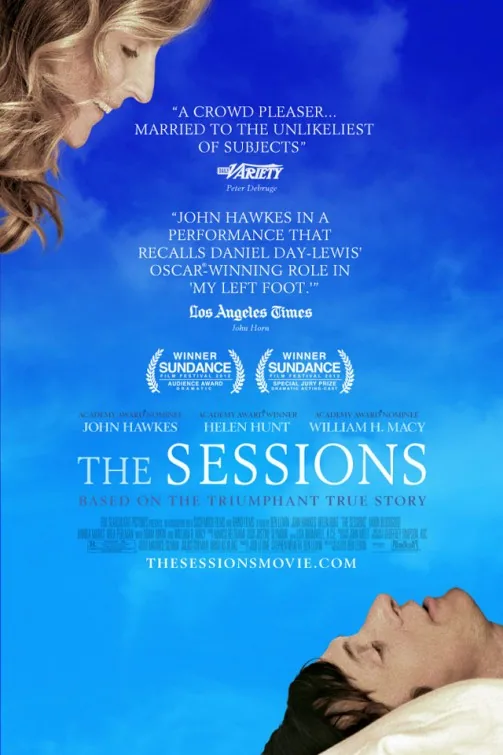
Mark O’Brien is a poet living with the effects of childhood polio, including the use of an iron lung for much of his day. At 38, he wants to pursue sexual intimacy and consults his priest before working with Cheryl, a professional sex surrogate who sets a clear limit on their sessions. Their appointments become more emotionally complex as each learns about the other’s needs, while Cheryl’s husband and Mark’s longtime caregivers remain part of his life.
Both share themes of authorship and ambition, plus a reflective atmosphere.
Why this matches +
Genres: Drama
Shared film traits
Based on recorded story, mood and style. Your preferences can change the order.
Work and ambition · Memory and identity
What changes The End of the Tour: measured, dialogue-led and episodic. The Wife: character-led, past and present interwoven and emotional revelation.
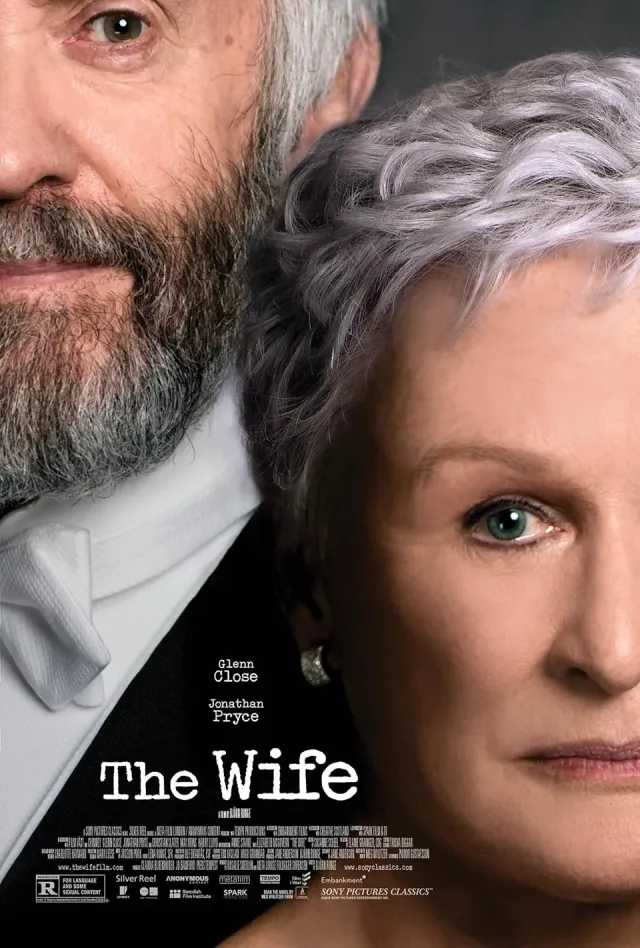
Joan Castleman accompanies her husband, celebrated novelist Joe, to Stockholm after he receives the Nobel Prize in Literature. The ceremonies bring their adult son and an intrusive biographer into the couple’s orbit, while Joan’s frustration with the public story of Joe’s success grows. Flashbacks to their early relationship as student and professor reveal the compromises that shaped their marriage and creative partnership, raising questions about recognition, authorship, and a life spent in another person’s shadow.
In 1996, Rolling Stone reporter David Lipsky travels to Illinois to interview novelist David Foster Wallace after the publication of Infinite Jest. The pair spend several days together in Wallace’s home and on the road, talking about writing, fame, loneliness, addiction and the expectations placed on a writer whose book has become a cultural event. Lipsky records the conversations, but their growing rapport is complicated by competition, guardedness and the knowledge that the interview will eventually be published.
What drives the story
Lipsky’s assignment to interview Wallace becomes a multi-day conversation about literary success and the boundaries between professional access and friendship.
The people at its centre
The reporter and novelist alternate between candor and guarded competition as they negotiate who controls the story being told.
What it feels like
Long conversations and small changes in tone create an intimate portrait of two writers confronting ambition, image and private life.
Worth knowing
Its dramatic tension comes from a recorded journalist-subject encounter, not from the plot of Wallace’s novel or a broad literary biography.