A mysterious child's rapid growth draws her into a life of privilege that conflicts with her remembered freedom.
Why this matches +
These films share important themes, atmosphere or storytelling interests with this selection.
Genres: Animation / Drama
Shared film traits
Based on recorded story, mood and style. Your preferences can change the order.
Memory and identity
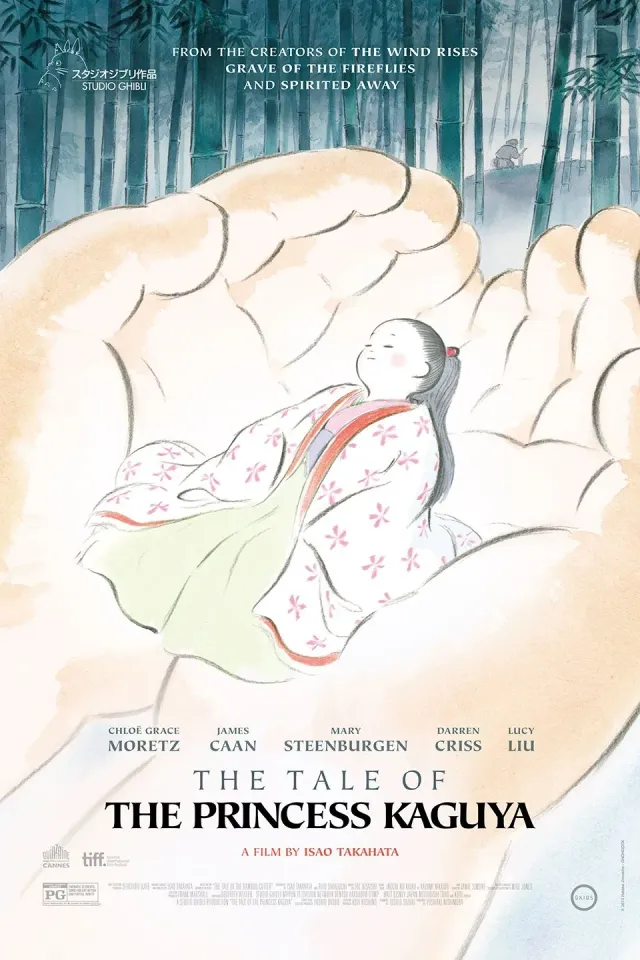
What changes Its own story: A mysterious child's rapid growth draws her into a life of privilege that conflicts with her remembered freedom.
A bamboo cutter finds a tiny girl inside a glowing stalk and raises her as a daughter with his wife. As she grows, the family moves from the countryside to the capital, where expectations of status and marriage conflict with the life she remembers and wants. Isao Takahata's hand-drawn film turns a folktale into a fluid meditation on freedom, beauty and the brevity of human happiness.
Ben’s resentment originates in the absence he associates with Saoirse’s birth.
Why this matches +
These films share important themes, atmosphere or storytelling interests with this selection.
Genres: Animation / Adventure
Shared film traits
Based on recorded story, mood and style. Your preferences can change the order.
Survival · Memory and identity
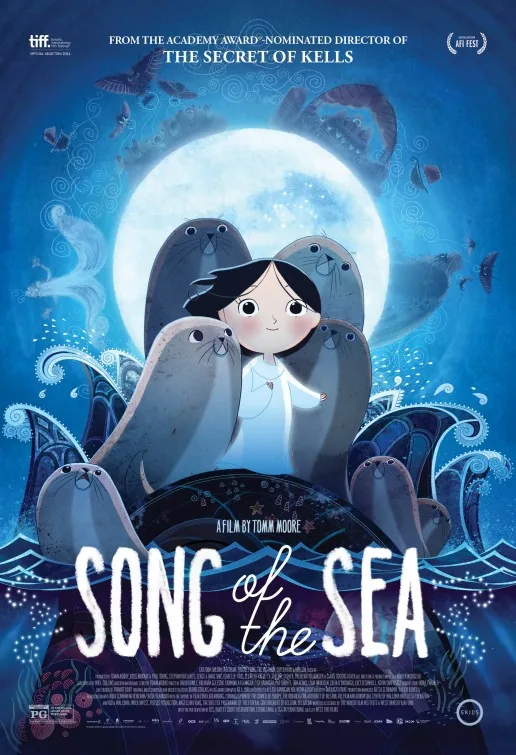
What changes Its own story: Ben’s resentment originates in the absence he associates with Saoirse’s birth.
After their mother disappears, siblings Ben and Saoirse live with their lighthouse-keeper father and struggle to understand their family’s grief. Saoirse’s connection to the sea reveals that she is a selkie, drawing the children into a journey through Irish folklore and a world of spirits. The animated fantasy pairs Ben’s resentment with his growing care for his sister, using myth to explore memory and loss.
The cub’s dependence gradually becomes a relationship of mutual trust as the adult bear accepts his company.
Why this matches +
These films share important themes, atmosphere or storytelling interests with this selection.
Genres: Adventure / Drama
Shared film traits
Based on recorded story, mood and style. Your preferences can change the order.
Survival · Family and care
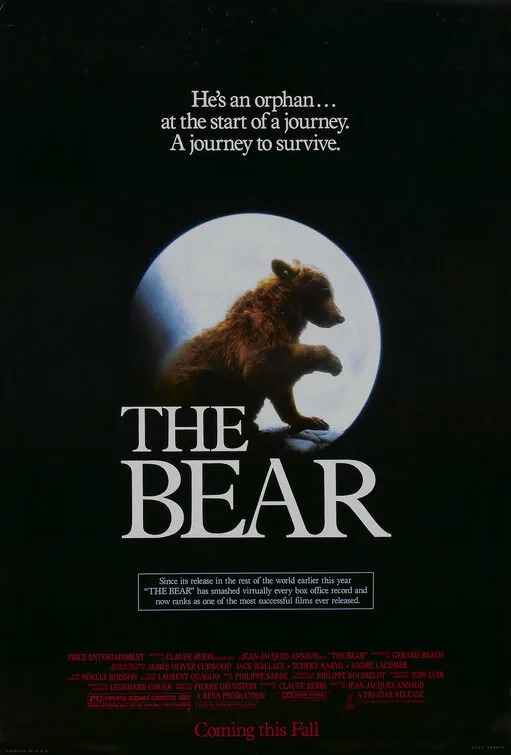
What changes Its own story: The cub’s dependence gradually becomes a relationship of mutual trust as the adult bear accepts his company.
In the mountains of British Columbia, a grizzly cub loses his mother and must learn to survive alone. He eventually approaches a wounded adult Kodiak bear being pursued by two trophy hunters, and the older animal becomes a wary protector and teacher. As their bond grows, the hunters return with dogs and renewed determination to kill the Kodiak. The film follows the bears through weather, food scarcity, danger and moments of play, using little dialogue and an animal-centered point of view. Human characters remain part of the landscape rather than the emotional center, and the cub’s vulnerability makes the wilderness feel both beautiful and unforgiving. Jean-Jacques Annaud adapts James Oliver Curwood’s novel into a naturalistic adventure shaped by animal behavior and survival.
An unassigned machine develops a sustained obligation through caregiving that its original instructions cannot fully define.
Why this matches +
These films share important themes, atmosphere or storytelling interests with this selection.
Genres: Animation / Science fiction
Shared film traits
Based on recorded story, mood and style. Your preferences can change the order.
Survival
What changes Its own story: An unassigned machine develops a sustained obligation through caregiving that its original instructions cannot fully define.
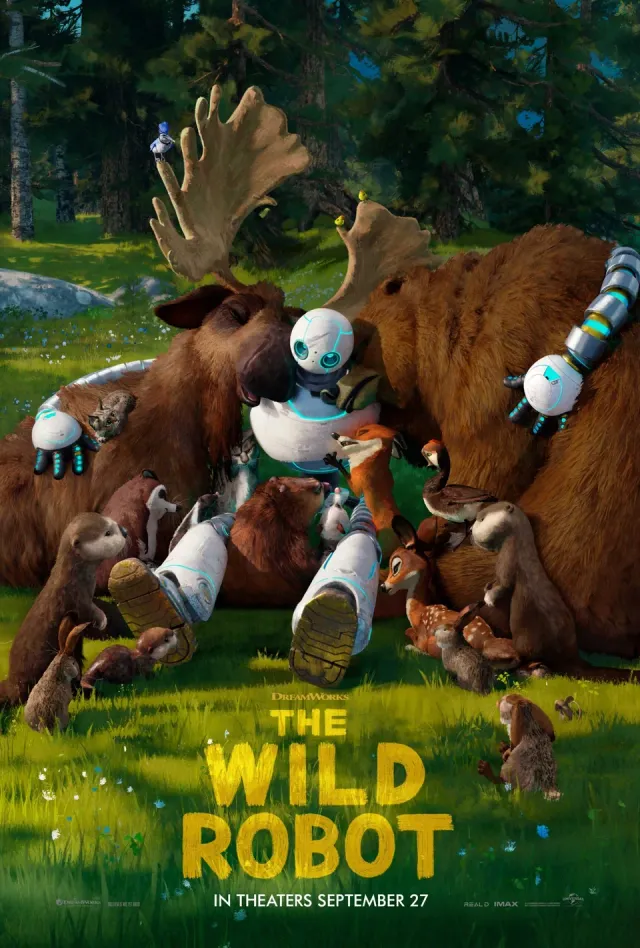
A service robot activated on an island must learn how to function among animals that neither requested nor initially trust her. Taking responsibility for an orphaned gosling makes adaptation more demanding than completing a predefined task. Raising him with the help of an unlikely ally gradually turns programmed assistance into a relationship, while seasonal change and outside claims on the machine threaten the community she has begun to call home.
A household move and a parent's illness frame a series of discoveries through which children approach an unfamiliar world.
Why this matches +
These films share important themes, atmosphere or storytelling interests with this selection.
Genres: Animation / Fantasy
Shared film traits
Based on recorded story, mood and style. Your preferences can change the order.
What changes Its own story: A household move and a parent's illness frame a series of discoveries through which children approach an unfamiliar world.
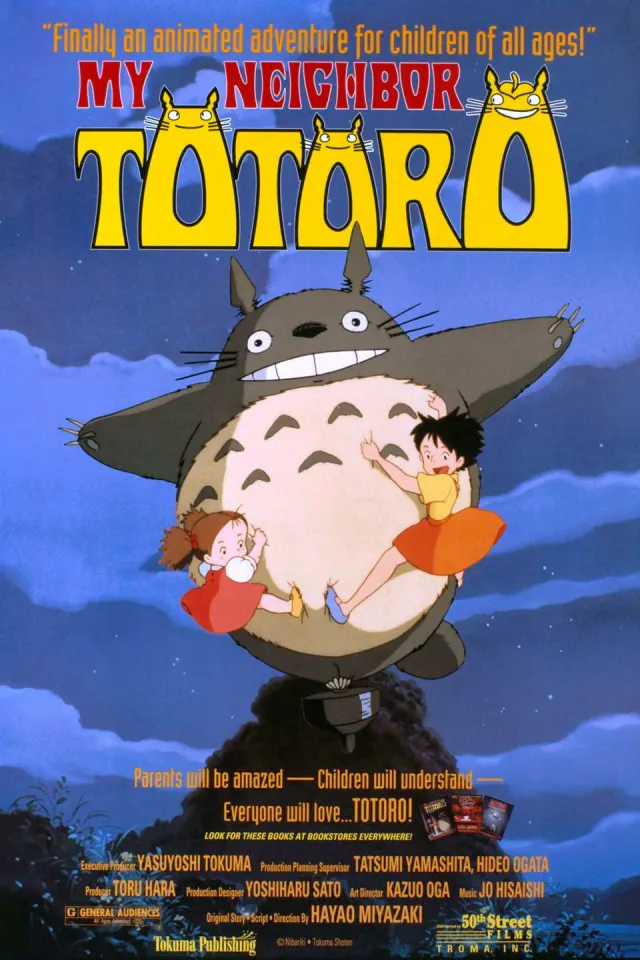
Two young sisters move with their father to a rural home while their mother receives treatment in hospital. Exploring the house and surrounding landscape introduces them to mysterious creatures whose presence belongs to the children's growing familiarity with the place. Ordinary play and shared discoveries coexist with anxiety about illness, allowing an enchanted environment to support rather than erase uncertainty within their family.
A survival account links practical coexistence with a dangerous animal to a retrospective question about how catastrophic experience is narrated.
Why this matches +
These films share important themes, atmosphere or storytelling interests with this selection.
Genres: Fantasy / Drama
Shared film traits
Based on recorded story, mood and style. Your preferences can change the order.
Survival
What changes Its own story: A survival account links practical coexistence with a dangerous animal to a retrospective question about how catastrophic experience is narrated.
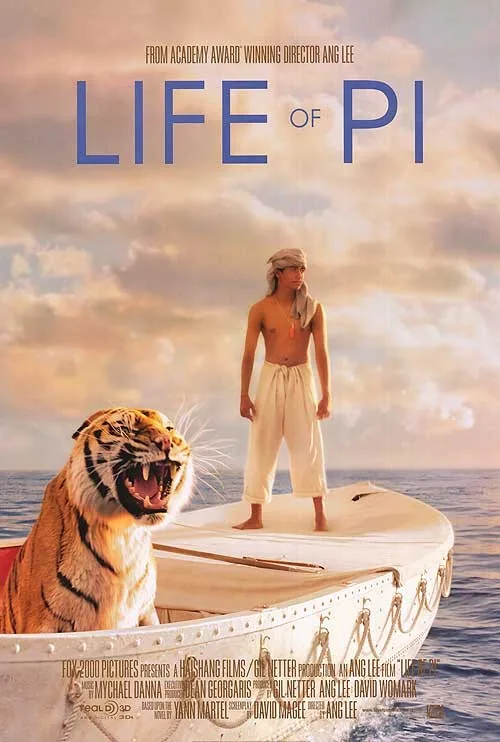
A writer listens to an Indian man's account of surviving a shipwreck as a teenager, adrift in a lifeboat with a Bengal tiger. Keeping the animal at a workable distance requires routines of training, rationing and constant observation, while the ocean alternates between beauty and indifference. The framed recollection also raises questions about faith, interpretation and the role a story can play when experience resists ordinary explanation.
A tightly managed child's friendship with an eccentric storyteller opens a conflict over what growing up should preserve.
Why this matches +
These films explore a related idea in a different setting, genre or style.
An adjacent discovery: a related idea with a different viewing experience.
Genres: Animation / Fantasy
Shared film traits
Based on recorded story, mood and style. Your preferences can change the order.
What changes Its own story: A tightly managed child's friendship with an eccentric storyteller opens a conflict over what growing up should preserve.
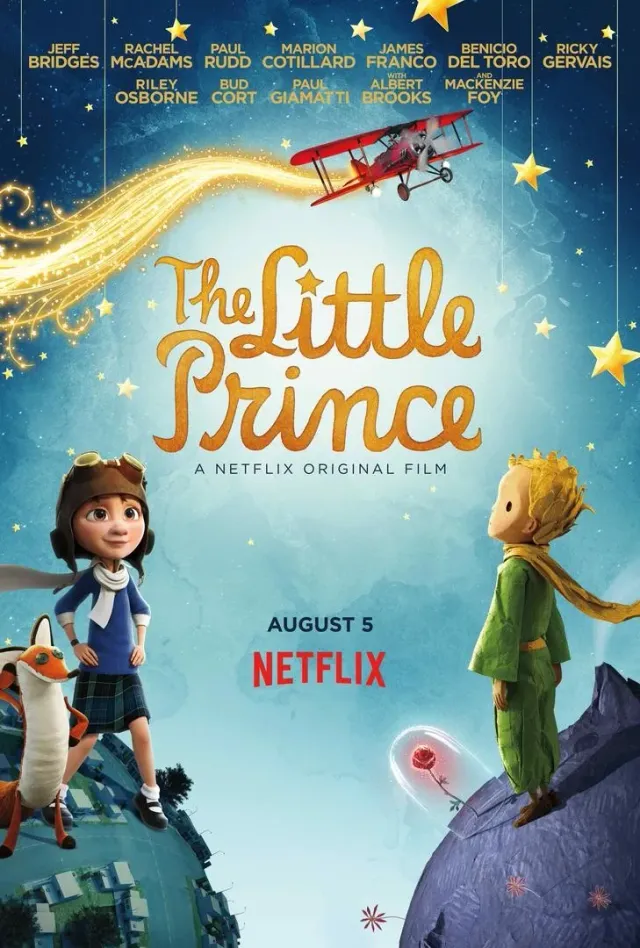
A girl living under an intensely scheduled plan for achievement befriends an elderly aviator who recounts his meeting with a boy from a distant asteroid. His stories introduce worlds organised around peculiar adult priorities, prompting her to question the life being prepared for her. As their friendship faces change, imagination becomes a way to approach attachment, loss and the parts of childhood that adulthood can erase.
A sudden loss of infrastructure turns competence into a long process of practical adaptation and emotional survival.
Why this matches +
These films explore a related idea in a different setting, genre or style.
An adjacent discovery: a related idea with a different viewing experience.
Genres: Drama / Adventure
Shared film traits
Based on recorded story, mood and style. Your preferences can change the order.
Survival
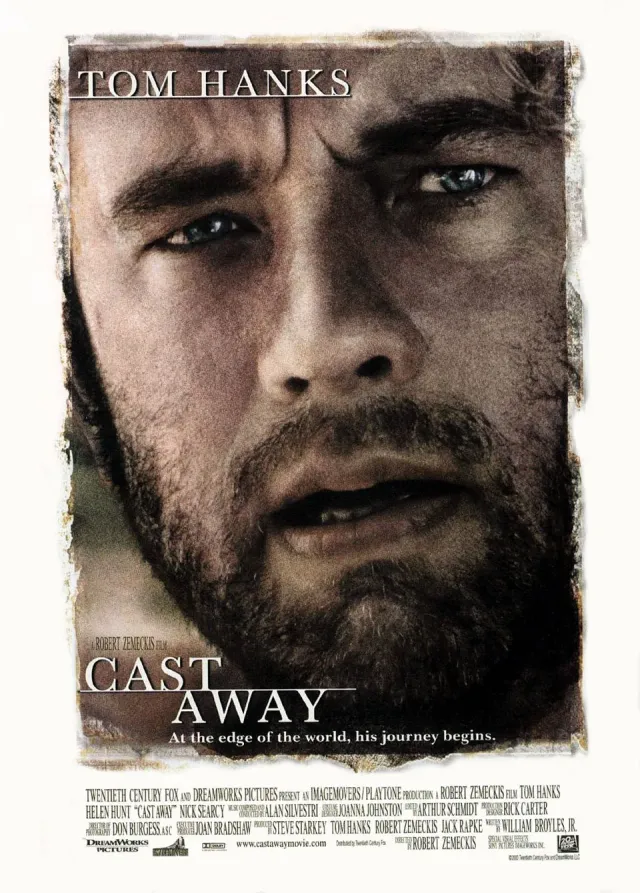
What changes Its own story: A sudden loss of infrastructure turns competence into a long process of practical adaptation and emotional survival.
A logistics executive whose working life is organised around schedules survives a plane crash and washes onto an uninhabited island. Immediate needs for shelter, water and food gradually become routines requiring patience and repeated failure rather than managerial urgency. Memories of a partner and an improvised companion help sustain a life without reciprocal human contact, while the possibility of escape raises a different question about returning to a world that has continued without him.
A collision and severe weather force an unnamed sailor to solve one escalating survival problem after another.
Why this matches +
These films explore a related idea in a different setting, genre or style.
An adjacent discovery: a related idea with a different viewing experience.
Genres: Adventure / Drama
Shared film traits
Based on recorded story, mood and style. Your preferences can change the order.
Survival
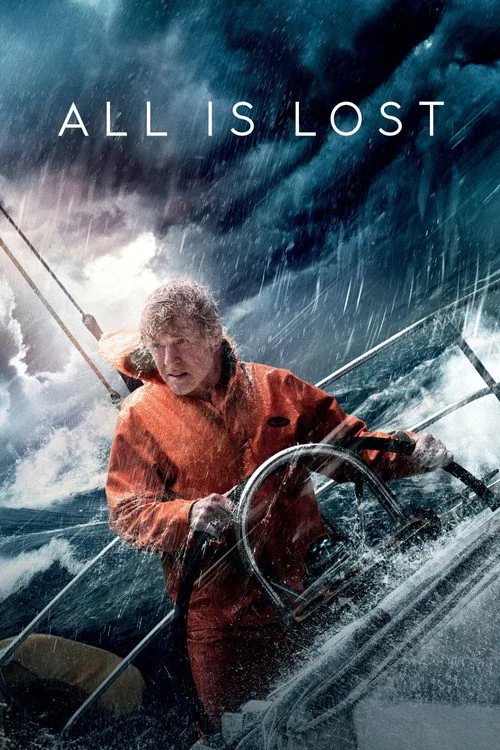
What changes Its own story: A collision and severe weather force an unnamed sailor to solve one escalating survival problem after another.
A lone sailor in the Indian Ocean discovers that his yacht has struck a shipping container and is taking on water. With communications damaged and a storm approaching, he repairs the hull, salvages supplies, and tries to navigate toward help. Each practical decision creates new problems as the vessel and the man’s strength decline. J. C. Chandor’s survival drama is nearly wordless, using Robert Redford’s performance and the precise stages of a maritime emergency to explore endurance and uncertainty.
Repeated expeditions build reciprocal trust before the guide's declining capacities expose a conflict between physical safety and the conditions that give his life autonomy.
Why this matches +
These films explore a related idea in a different setting, genre or style.
An adjacent discovery: a related idea with a different viewing experience.
Genres: Drama / Adventure
Shared film traits
Based on recorded story, mood and style. Your preferences can change the order.
Survival
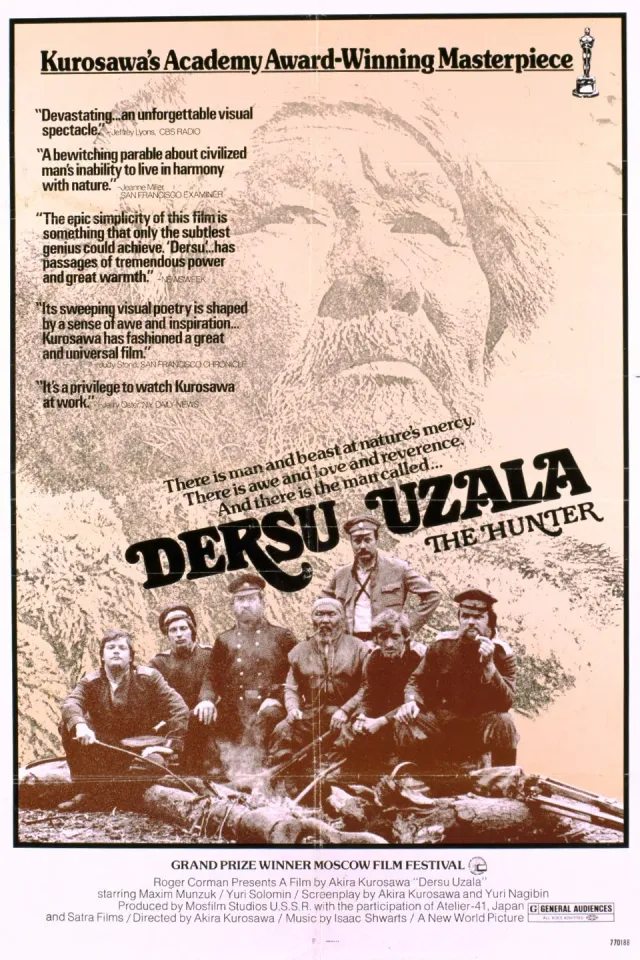
What changes Its own story: Repeated expeditions build reciprocal trust before the guide's declining capacities expose a conflict between physical safety and the conditions that give his life autonomy.
A Russian surveying officer traveling through the Far East relies on Dersu, a hunter identified as Gold/Nanai in Arsenyev's account, whose knowledge of weather, tracks and reciprocal care repeatedly keeps the expedition alive. Their friendship continues across later journeys, but age and failing sight threaten the guide's ability to inhabit the forest on his own terms. An invitation into domestic comfort offers protection without necessarily supplying a livable replacement for the world in which his skills and habits make sense. Kurosawa’s friendship story mourns a specific way of living as surveying, settlement and age alter Dersu’s choices.
The settlement and surrounding landscape are treated as forces that shape the encounter rather than mere backdrop.
Why this matches +
These films explore a related idea in a different setting, genre or style.
An adjacent discovery: a related idea with a different viewing experience.
Genres: Drama / Romance
Shared film traits
Based on recorded story, mood and style. Your preferences can change the order.
Memory and identity
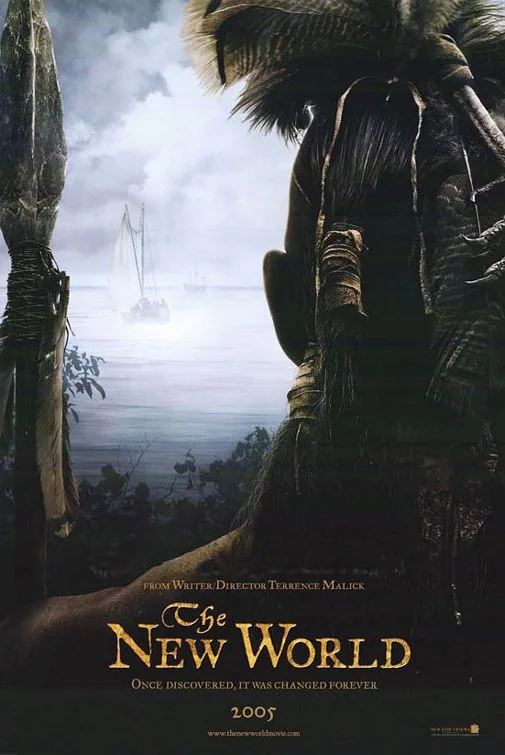
What changes Its own story: The settlement and surrounding landscape are treated as forces that shape the encounter rather than mere backdrop.
The arrival of English settlers in early seventeenth-century Virginia is seen through the encounter between explorer John Smith and Pocahontas, alongside the hardship of founding Jamestown. Their connection is set within a larger history of colonization and cultural conflict. The film uses sensory detail, voice-over and a patient rhythm to consider how desire, land and incompatible worlds are entangled, while resisting the shape of a conventional adventure romance.
An adult revisits family memories and a sibling's death while the film places his private grief beside an immense cosmic history.
Why this matches +
These films explore a related idea in a different setting, genre or style.
An adjacent discovery: a related idea with a different viewing experience.
Genres: Drama / Coming-of-age
Shared film traits
Based on recorded story, mood and style. Your preferences can change the order.
Memory and identity
What changes Its own story: An adult revisits family memories and a sibling's death while the film places his private grief beside an immense cosmic history.
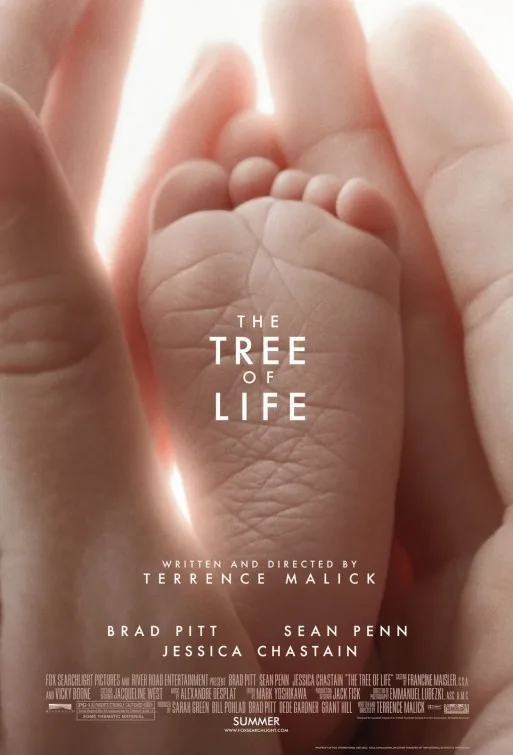
Adult Jack reflects on his childhood in 1950s Texas, where his mother's warmth and his father's strict, ambitious parenting shaped his ideas about love and power. The memory of a family loss runs through his recollections, making ordinary moments of play, discipline and sibling rivalry feel charged with questions he could not answer as a child. The film moves between Jack's present, fragmented family memories and vast images of the universe's origins, placing private grief beside the scale of creation. Rather than offer a single explanatory account of the past, it lets images, music and recurrence carry much of the emotional argument. Jack's adult search is for a way to hold anger, love and absence together.
Damiel’s desire to become human grows from listening to countless separate lives and recognizing the limits of distant compassion.
Why this matches +
These films explore a related idea in a different setting, genre or style.
An adjacent discovery: a related idea with a different viewing experience.
Genres: Fantasy / Drama
Shared film traits
Based on recorded story, mood and style. Your preferences can change the order.
Memory and identity
What changes Its own story: Damiel’s desire to become human grows from listening to countless separate lives and recognizing the limits of distant compassion.
In divided Berlin, angels Damiel and Cassiel observe people’s private thoughts and sorrows while remaining unable to participate in ordinary sensation. Damiel becomes increasingly drawn to human experience and to Marion, a trapeze artist whose own life is changing. Peter Falk’s arrival as a visiting actor, who seems aware of the angels, helps connect Damiel’s abstract longing to the physical routines of city life. Wim Wenders places the love story among Berlin’s streets, memories and postwar histories, making the city itself part of the film’s meditation. By listening to individual voices, the film makes inward life its dramatic landscape. Actor Peter Falk links angelic distance to a human who has chosen embodiment.
A novice passes through life stages in seasonal chapters, each shaped by desire and the consequences of earlier choices.
Why this matches +
These films explore a related idea in a different setting, genre or style.
An adjacent discovery: a related idea with a different viewing experience.
Genres: Drama
Shared film traits
Based on recorded story, mood and style. Your preferences can change the order.
Survival · Memory and identity
What changes Its own story: A novice passes through life stages in seasonal chapters, each shaped by desire and the consequences of earlier choices.
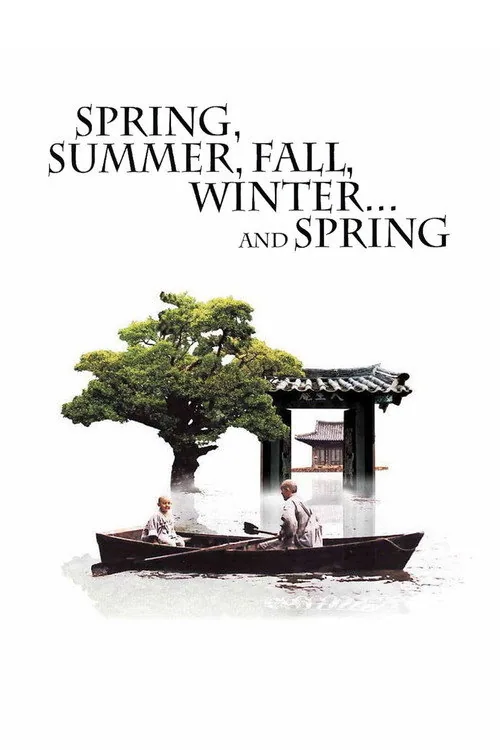
A Buddhist novice grows up with his teacher in a small monastery floating on a mountain lake. The film unfolds across five seasonal chapters, following the apprentice from childhood through desire, guilt, separation, and eventual return. His choices echo lessons taught through observation, discipline, and the rhythms of the natural world. Kim Ki-duk’s Korean drama relies on sparse dialogue, symbolic actions, and recurring images to examine the passage of time and the difficulty of living with consequences.
Boonmee’s final days bring relatives and past-life stories together as he moves toward the forest cave that may reveal his origins.
Why this matches +
These films explore a related idea in a different setting, genre or style.
An adjacent discovery: a related idea with a different viewing experience.
Genres: Drama / Fantasy
Shared film traits
Based on recorded story, mood and style. Your preferences can change the order.
Survival · Family and care
What changes Its own story: Boonmee’s final days bring relatives and past-life stories together as he moves toward the forest cave that may reveal his origins.
As Boonmee approaches death from kidney illness, he spends time with his sister-in-law Jen, his nephew Tong and his Lao caregiver Jaai on a rural farm. At dinner, Boonmee’s deceased wife Huay appears, followed by his long-missing son Boonsong, who has changed into a red-eyed monkey ghost. Memories and stories lead Boonmee, Jen and Tong into a forest cave, where the film folds present life into earlier lives and landscapes. Its patient, dreamlike episodes treat death as part of an ongoing cycle.
An elderly man undertakes a slow cross-state journey to visit his brother before another illness makes reconciliation impossible.
Why this matches +
These films explore a related idea in a different setting, genre or style.
An adjacent discovery: a related idea with a different viewing experience.
Genres: Drama / Adventure
Shared film traits
Based on recorded story, mood and style. Your preferences can change the order.
What changes Its own story: An elderly man undertakes a slow cross-state journey to visit his brother before another illness makes reconciliation impossible.
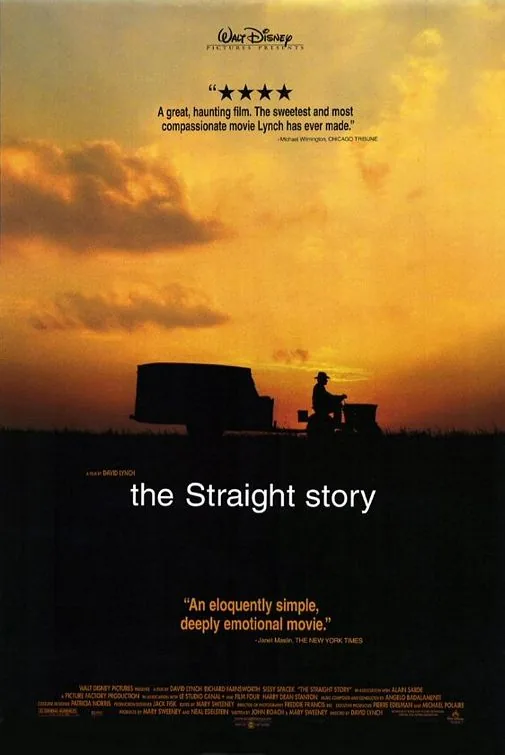
When 73-year-old Alvin Straight hears that his estranged brother Lyle has suffered a stroke, he decides to travel from Iowa to Wisconsin to see him. Alvin cannot drive because of his eyesight and refuses to depend on the family car, so he sets out on a small John Deere riding mower with a trailer. Mechanical problems slow the trip, and conversations with people he meets reveal pieces of his marriage, his wartime past and the long silence between the brothers. His daughter Rose worries about his health and the journey's practical risks, but Alvin persists. The distance is modest by road-movie standards and immense for the vehicle, turning each stop into an opportunity to decide what reconciliation can still mean.
The layered strands transform a search for a cure into a broader question about whether love can coexist with mortality.
Why this matches +
These films explore a related idea in a different setting, genre or style.
An adjacent discovery: a related idea with a different viewing experience.
Genres: Drama / Romance
Shared film traits
Based on recorded story, mood and style. Your preferences can change the order.
Memory and identity
What changes Its own story: The layered strands transform a search for a cure into a broader question about whether love can coexist with mortality.
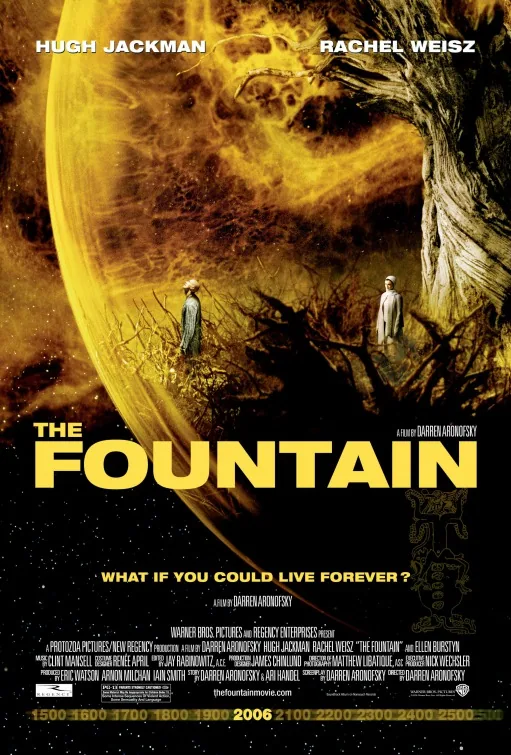
A scientist searches for a way to save his dying wife, while a writer creates a story about a conquistador seeking a tree of life and a later figure journeys through space. The film intertwines these strands without settling every connection between them. Darren Aronofsky’s drama uses recurring images and a compressed structure to explore love, mortality, grief and the desire to defeat loss.
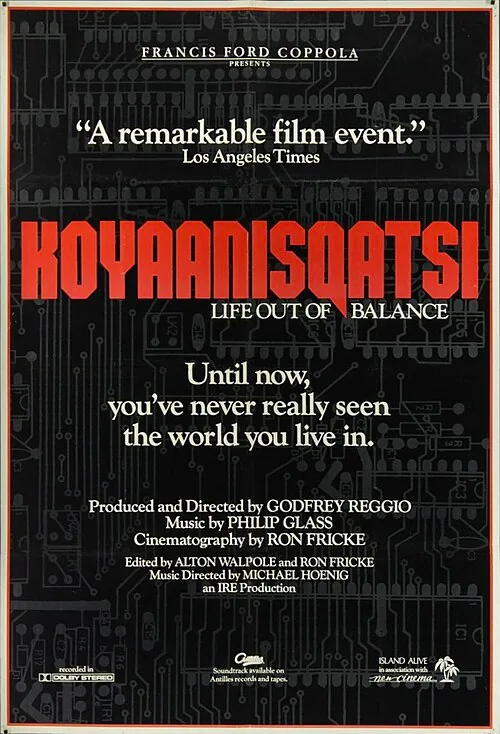
The film’s engine is a progression of visual relations rather than a plot: landscape, construction, machines and human crowds are placed in sequence so viewers form the argument themselves.
Why this matches +
These films explore a related idea in a different setting, genre or style.
An adjacent discovery: a related idea with a different viewing experience.
Genres: Documentary / Experimental
The approach A documentary treatment rather than a dramatic feature.
Shared film traits
Based on recorded story, mood and style. Your preferences can change the order.
What changes Its own story: The film’s engine is a progression of visual relations rather than a plot: landscape, construction, machines and human crowds are placed in sequence so viewers form the argument themselves.
Without conventional dialogue or a central character, Koyaanisqatsi moves from deserts, clouds and geological formations to cities, factories, traffic and crowds. Philip Glass’s repeating score turns time-lapse images into mounting rhythms, while slow motion makes ordinary movement strange. The juxtaposition invites viewers to connect industrial speed and environmental change, but the film does not state one simple thesis through narration. Its title comes from a Hopi word translated in the film as life out of balance; that use should not be mistaken for a complete or neutral account of Hopi philosophy. The experience is an audiovisual essay whose sequence and music guide interpretation even as its nonverbal form leaves room for disagreement about what the images prove.
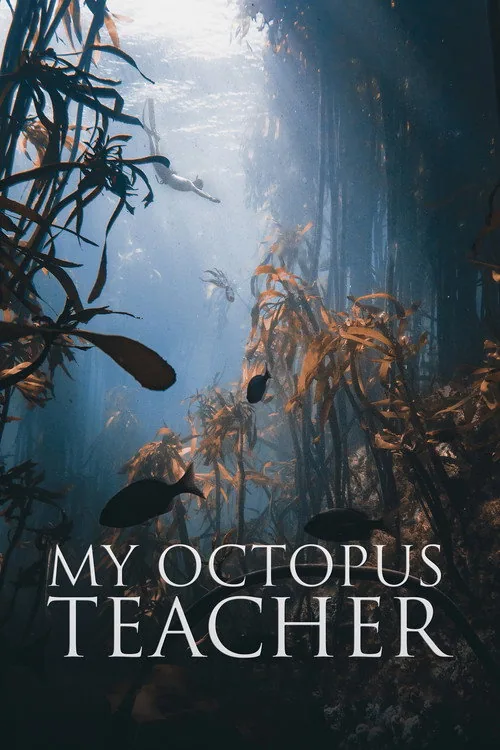
Foster returns to the same kelp forest to observe an octopus, building a documentary from repeated encounters and changing seasons.
Why this matches +
These films explore a related idea in a different setting, genre or style.
An adjacent discovery: a related idea with a different viewing experience.
Genres: Documentary / Nature
The approach A documentary treatment rather than a dramatic feature.
Shared film traits
Based on recorded story, mood and style. Your preferences can change the order.
What changes Its own story: Foster returns to the same kelp forest to observe an octopus, building a documentary from repeated encounters and changing seasons.
Filmmaker Craig Foster begins diving regularly in a kelp forest near Cape Town and gradually forms a close observational relationship with a wild octopus. Over months, he records the animal’s behavior, hunting, camouflage, and encounters with predators while reflecting on his own attention to the natural world. Pippa Ehrlich and James Reed’s documentary uses intimate underwater footage to consider curiosity, animal intelligence, and connection. It also shows the octopus facing natural dangers and does not treat its life as a human-style friendship in every respect.
Footage of the Kraffts’ fieldwork and relationship traces a shared pursuit of volcanic knowledge toward their final expedition.
Why this matches +
These films explore a related idea in a different setting, genre or style.
An adjacent discovery: a related idea with a different viewing experience.
Genres: Documentary
The approach A documentary treatment rather than a dramatic feature.
Shared film traits
Based on recorded story, mood and style. Your preferences can change the order.
Survival · Memory and identity
What changes Its own story: Footage of the Kraffts’ fieldwork and relationship traces a shared pursuit of volcanic knowledge toward their final expedition.
French volcanologists Katia and Maurice Krafft devoted their lives to documenting active volcanoes, travelling together with cameras and scientific equipment toward eruptions few people could safely approach. Sara Dosa’s documentary builds their story from extraordinary archival footage, recordings and interviews, pairing their intimate partnership with the scale and danger of their work. Their pursuit of images and knowledge ultimately leads them to Mount Unzen in 1991.
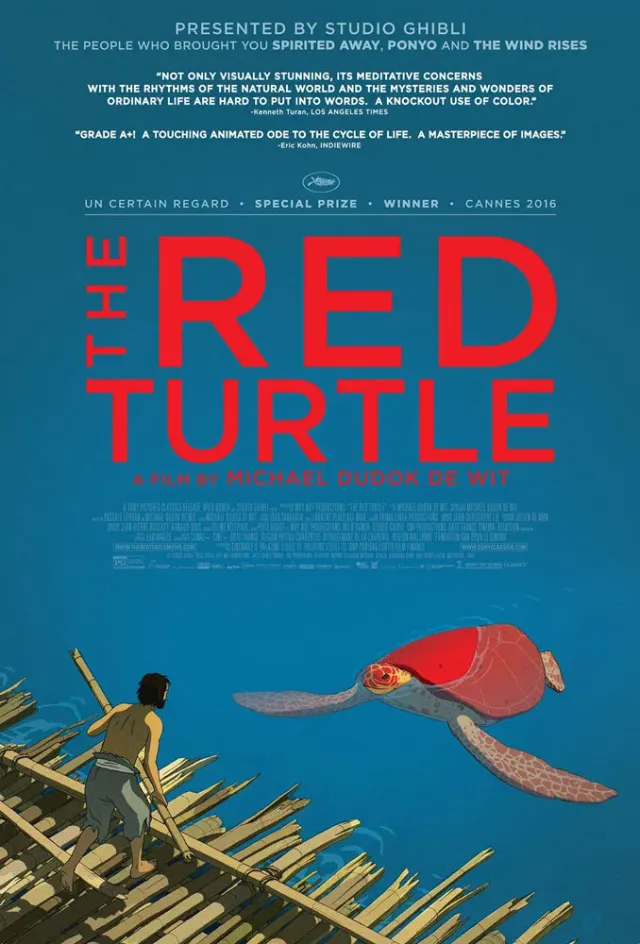
A man is stranded on an uninhabited island after a storm and repeatedly tries to escape on rafts he builds from bamboo. An unseen force destroys each attempt, until he encounters a red turtle that changes the direction of his life. The island gradually becomes a place where he forms a family and watches the rhythms of nature and aging. Michael Dudok de Wit’s animated fable tells its story without spoken dialogue, using movement, sound and landscape instead.
What drives the story
The castaway’s repeated escape attempts give way to an unexpected relationship that changes how he understands the island and his future.
The people at its centre
The man and the red turtle move from conflict toward companionship, while a family grows within the island’s changing cycles.
What it feels like
Expressive animation and a wordless approach invite attention to gestures, weather and the passage of time.
Worth knowing
Its quiet, dialogue-free fable follows a single life across years, rather than an adventure driven by spoken exposition or a rescue mission.