Movies like Spring, Summer, Fall, Winter... and Spring
2003 · Kim Ki-duk
Runtime: 1h 42mMPA rating: R
Explore films connected to Spring, Summer, Fall, Winter... and Spring through Discipline, Desire, Consequences. Choose the qualities you want to carry into your next watch.
What should feel similar?
Find your next favourite
9 films · Closest overall matches
Hide films you’ve seen or don’t want. Saved on this device.
No matches for this combination yet.
Try another option or reset your choices to see more films.
Based on recorded story, mood and style. Your preferences can change the order.
Coming of age · Memory and identity
What changes Spring, Summer, Fall, Winter... and Spring: meditative, episodic and unhurried. Little Buddha: parallel and measured.
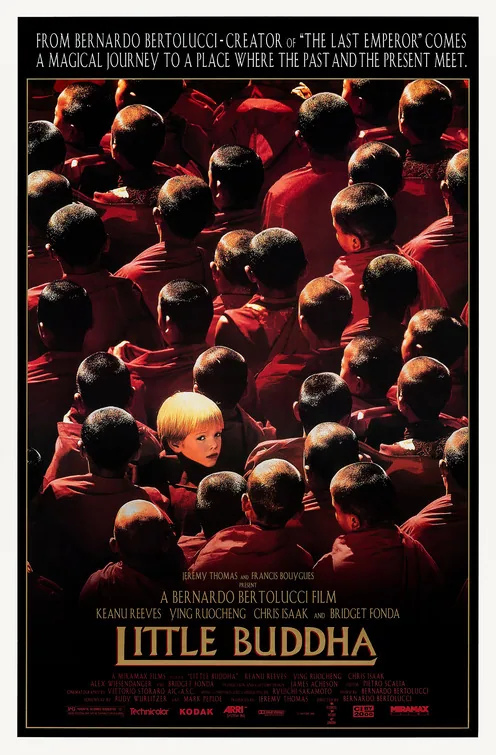
Tibetan Buddhist monks believe a Seattle boy may be the reincarnation of their teacher and visit his family to test that possibility. The film intercuts the modern search with a stylized account of Siddhartha Gautama’s life, turning the child’s ordinary world into a meeting point between faith, family anxiety and religious story. His parents respond differently as the monks explain their tradition, but the film does not establish the search as an objective test that proves rebirth to viewers. Bertolucci’s visual epic is an outsider-made representation of Tibetan Buddhism and combines a fictional family with a sacred narrative. It can invite curiosity about reincarnation while remaining distinct from the diverse practices and actual processes through which communities recognize tulkus.
Both share a contemplative and melancholic atmosphere.
Why this matches +
Genres: Drama
Shared film traits
Based on recorded story, mood and style. Your preferences can change the order.
What changes Spring, Summer, Fall, Winter... and Spring: meditative, episodic and unhurried. Perfect Days: slow, repetitive and measured.
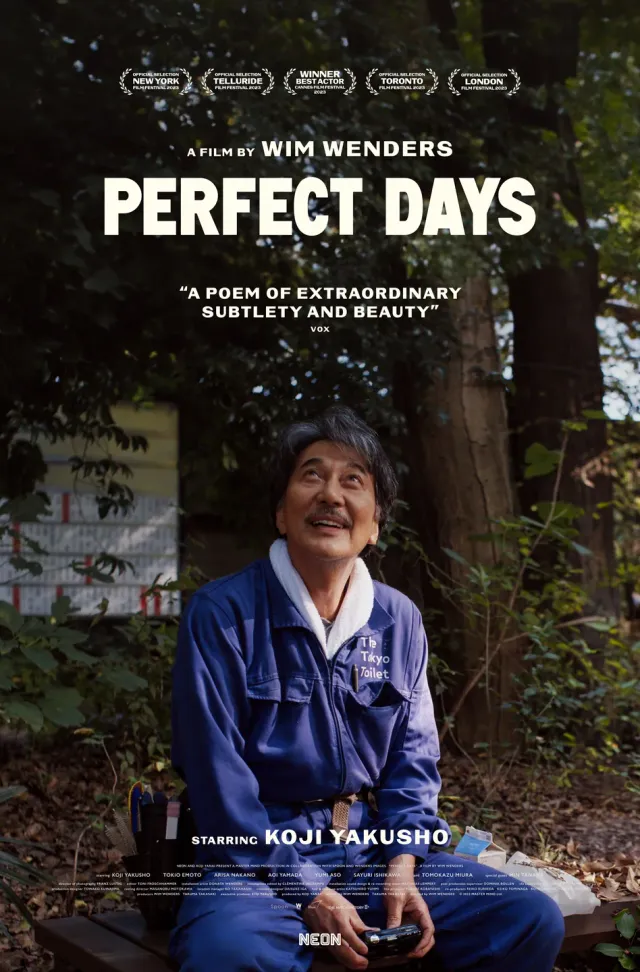
Hirayama works as a meticulous public-toilet cleaner in Tokyo, arranging his days around familiar routes, cassette tapes, books and photographs of trees. His routine is mostly self-chosen and gives him quiet satisfaction, but small interruptions gradually reveal relationships he keeps at a distance. His younger coworker Takashi’s needs, the arrival of Hirayama’s niece Niko and an unexpected encounter with a man from a nearby restaurant unsettle the pattern without turning it into a conventional quest. As these moments accumulate, Hirayama’s attention to work, nature and music becomes a way of meeting an uncertain life one day at a time.
Both share a contemplative and melancholic atmosphere.
Why this matches +
Genres: Drama / Biography
Shared film traits
Based on recorded story, mood and style. Your preferences can change the order.
Survival
What changes Spring, Summer, Fall, Winter... and Spring: meditative, episodic and unhurried. Into the Wild: measured.
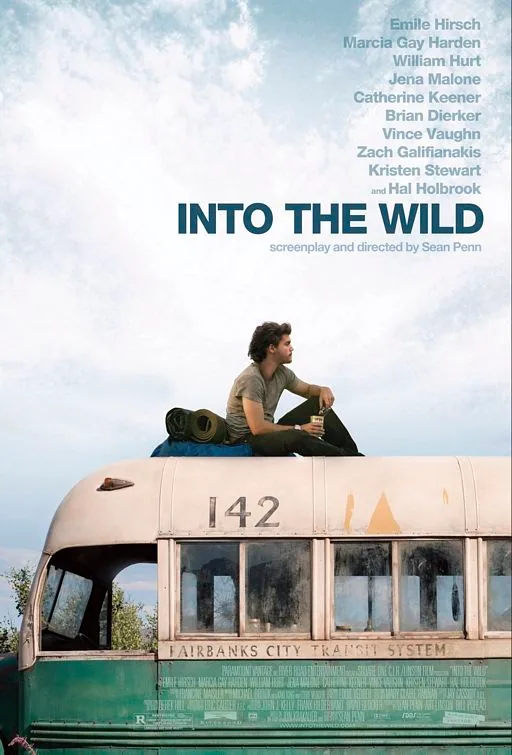
A young graduate cuts ties with his family, abandons conventional security and travels across the United States in search of a freer life. Temporary work and encounters with generous strangers offer forms of belonging he repeatedly moves beyond. His eventual retreat into Alaska tests the distance between a chosen ideal of self-sufficiency and the practical, emotional dependence that surviving in an indifferent landscape demands.
Based on recorded story, mood and style. Your preferences can change the order.
Memory and identity
What changes Spring, Summer, Fall, Winter... and Spring: meditative, episodic and unhurried. A Single Man: measured and interior.
In 1960s Los Angeles, a British professor is grieving the sudden death of his partner and tries to move through one day while deciding whether he can continue living alone. Encounters with a friend, a student and strangers alter the emotional texture of that day without undoing his loss. The film turns clothing, color and routine into close expressions of grief, loneliness and the fragile possibility of renewed attention.
Based on recorded story, mood and style. Your preferences can change the order.
Expect melancholic and intimate, with meditative pacing.
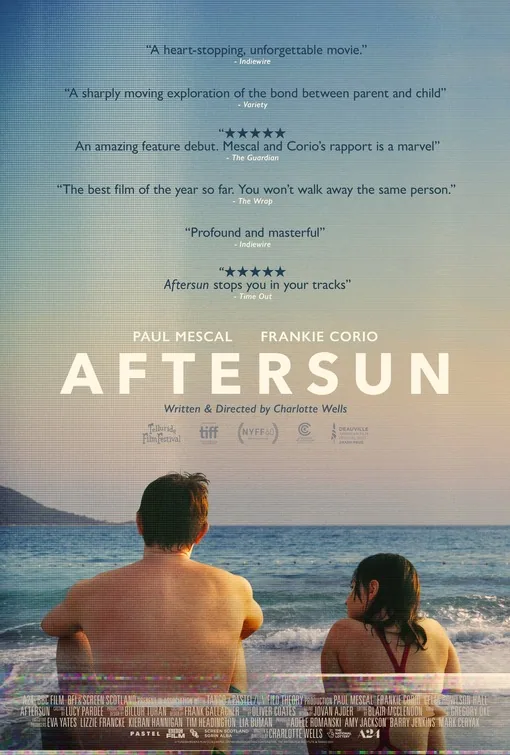
An adult woman revisits a childhood seaside holiday with her young father through video fragments and memories she cannot fully complete. The trip's small pleasures coexist with hints of financial strain and emotional trouble that the child could notice without understanding. Revisiting ordinary gestures becomes an attempt to recognise the parent's experience without pretending that later knowledge can restore a complete account of the person he was.
Based on recorded story, mood and style. Your preferences can change the order.
Memory and identity
What changes Spring, Summer, Fall, Winter... and Spring: meditative, episodic and unhurried. Here: a non-linear structure revisits one place across multiple generations.
The film remains anchored to one location while moving across different periods and generations of people who live in or pass through it. Domestic routines, relationships, and historical change become visible through the space itself, making the room a witness to lives it cannot control. The drama adapts a graphic-novel structure into a meditation on memory, time, family, and the meanings that accumulate around an ordinary place.
Based on recorded story, mood and style. Your preferences can change the order.
Coming of age
What changes Spring, Summer, Fall, Winter... and Spring: meditative, episodic and unhurried. Cinema Paradiso: measured.
A successful filmmaker learns of a death in the Sicilian town he left decades earlier and revisits his childhood through memories of its cinema. Friendship with a projectionist introduced him to images, forbidden access and the communal life organised around a screen. Growing older brings romance and the difficult possibility that following a vocation may require leaving the place and people through which that vocation first became imaginable.
Based on recorded story, mood and style. Your preferences can change the order.
Coming of age · Memory and identity
What changes Spring, Summer, Fall, Winter... and Spring is tagged contemplative and serene; How Green Was My Valley is tagged lyrical and somber.
A man remembers childhood in a Welsh mining family before changes in work and landscape dissolved the world he knew. Wage conflict divides his father from older brothers, while schooling, romance and religious gossip expose other hierarchies inside a community he still loves. Injuries and departures accumulate beneath the warmth of song and family ritual. The drama makes recollection both a shelter and an admission of loss, presenting industrial change through the child who cannot yet understand every pressure shaping the adults around him.
Both share themes of desire, plus a melancholic atmosphere.
Why this matches +
Genres: Drama / Romance
Shared film traits
Based on recorded story, mood and style. Your preferences can change the order.
Memory and identity
What changes Spring, Summer, Fall, Winter... and Spring: meditative, episodic and unhurried. Memoirs of a Geisha: measured.
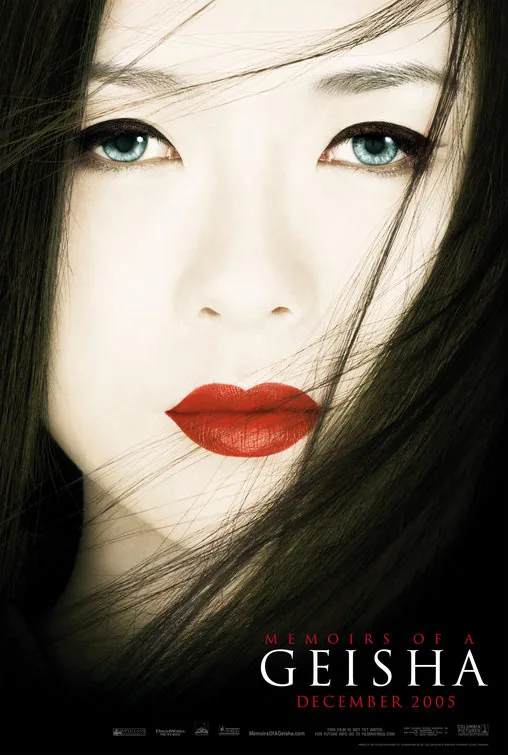
Sold away from her fishing family as a child, Chiyo enters a Kyoto okiya and eventually becomes Sayuri, a celebrated geisha trained in dance, music and conversation. Mameha mentors her, Hatsumomo competes for status, and Sayuri’s attraction to the Chairman gives her ambition a personal focus. War displaces the women and interrupts the world of the house before Sayuri returns to Kyoto. Rob Marshall’s lush adaptation of Arthur Golden’s novel turns training, patronage and romance into a Cinderella-like story, but it is not a memoir or ethnographic account of geisha practice. The source novel drew criticism from a retired geisha who had advised Golden, and the film’s casting and visual choices prompted further debate. Its central perspective is cinematic fiction shaped by outsiders’ storytelling decisions.
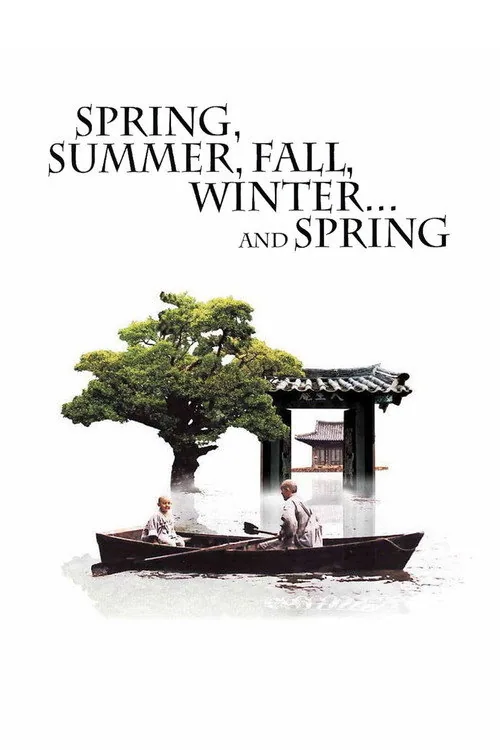
A Buddhist novice grows up with his teacher in a small monastery floating on a mountain lake. The film unfolds across five seasonal chapters, following the apprentice from childhood through desire, guilt, separation, and eventual return. His choices echo lessons taught through observation, discipline, and the rhythms of the natural world. Kim Ki-duk’s Korean drama relies on sparse dialogue, symbolic actions, and recurring images to examine the passage of time and the difficulty of living with consequences.
What drives the story
A novice passes through life stages in seasonal chapters, each shaped by desire and the consequences of earlier choices.
The people at its centre
The teacher’s restrained guidance persists across the apprentice’s separation, return, and eventual responsibility for another child.
What it feels like
Includes animal cruelty, violence, sexuality, grief, and spiritual themes presented in a quiet contemplative style.
Worth knowing
The film is a symbolic life-cycle drama with Buddhist imagery and long visual passages rather than conventional plot mechanics.
DisciplineDesireConsequences
Mood
Contemplative · Serene · Melancholic
Pacing
Meditative · Episodic · Unhurried
Visual style
Composed lake imagery · Seasonal landscape changes · Minimalist staging
Storytelling
Seasonal chapter structure · Monastic teacher-student bond · Life-cycle narrative