Based on recorded story, mood and style. Your preferences can change the order.
Coming of age · Memory and identity
What changes Little Buddha: parallel and measured. Spring, Summer, Fall, Winter... and Spring: meditative, episodic and unhurried.
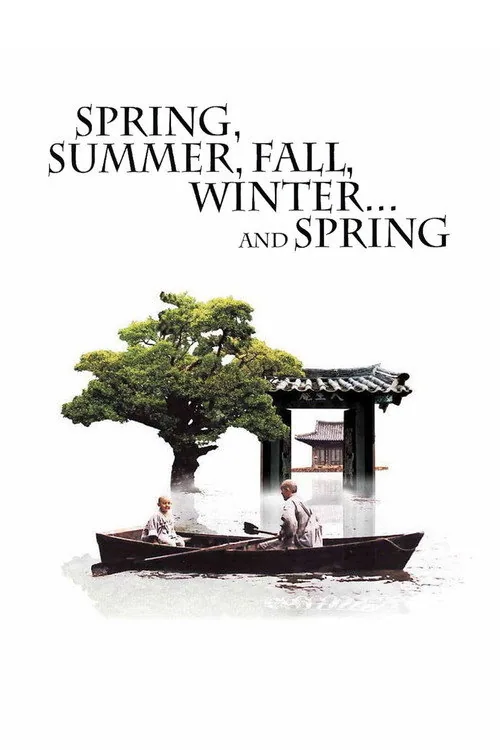
A Buddhist novice grows up with his teacher in a small monastery floating on a mountain lake. The film unfolds across five seasonal chapters, following the apprentice from childhood through desire, guilt, separation, and eventual return. His choices echo lessons taught through observation, discipline, and the rhythms of the natural world. Kim Ki-duk’s Korean drama relies on sparse dialogue, symbolic actions, and recurring images to examine the passage of time and the difficulty of living with consequences.
Based on recorded story, mood and style. Your preferences can change the order.
Memory and identity
What changes Little Buddha: parallel and measured. Here: a non-linear structure revisits one place across multiple generations.
The film remains anchored to one location while moving across different periods and generations of people who live in or pass through it. Domestic routines, relationships, and historical change become visible through the space itself, making the room a witness to lives it cannot control. The drama adapts a graphic-novel structure into a meditation on memory, time, family, and the meanings that accumulate around an ordinary place.
Based on recorded story, mood and style. Your preferences can change the order.
Memory and identity
What changes Little Buddha: parallel and measured. Miracles from Heaven: measured crisis-to-recovery progression.
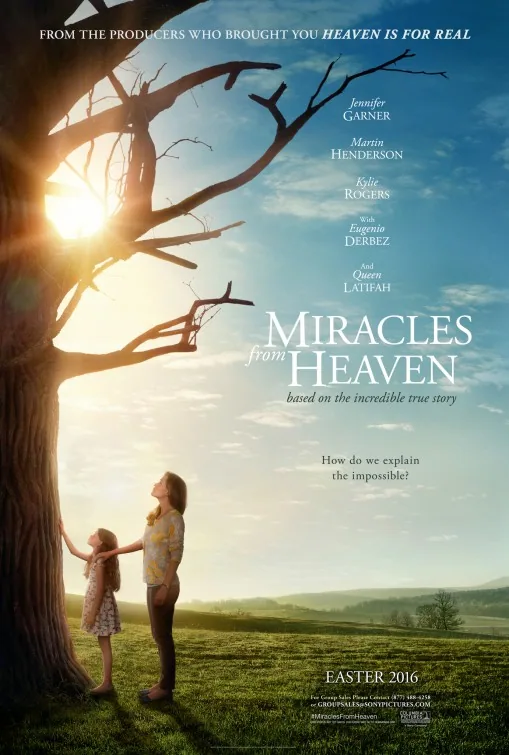
A mother searches for answers when her young daughter develops a serious illness, while medical uncertainty strains the family’s faith and daily life. After a frightening accident, the family interprets a remarkable recovery through a religious framework that brings comfort but also raises questions about belief and proof. The drama presents a true-story-inspired account centered on caregiving, hope and spiritual conviction.
Based on recorded story, mood and style. Your preferences can change the order.
Coming of age
Expect melancholic and hopeful, with measured pacing.
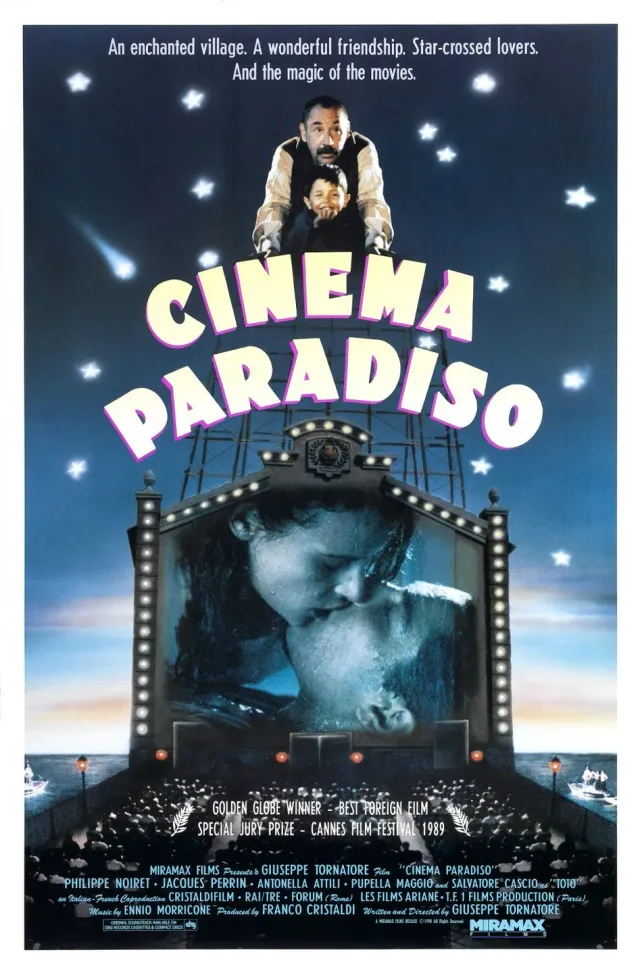
A successful filmmaker learns of a death in the Sicilian town he left decades earlier and revisits his childhood through memories of its cinema. Friendship with a projectionist introduced him to images, forbidden access and the communal life organised around a screen. Growing older brings romance and the difficult possibility that following a vocation may require leaving the place and people through which that vocation first became imaginable.
Based on recorded story, mood and style. Your preferences can change the order.
Memory and identity
What changes Little Buddha: parallel and measured. The Kashmir Files: intercut present and past and speech-driven climax.
After his exiled grandfather dies, a Kashmiri Hindu student begins re-examining the story he was taught about his parents and the family’s departure from the Kashmir Valley. The film moves between his present-day search and dramatized events from 1989–90. Its historical framing is disputed, so the drama is best understood as a forceful film perspective on displacement, memory, and political responsibility.
Based on recorded story, mood and style. Your preferences can change the order.
Expect contemplative and solemn, with measured and patient pacing.
On a Danish farm, Morten Borgen and his sons disagree about religion, reason and family obligations. One son believes himself to be Jesus, another has lost his faith, and the youngest hopes to marry a woman whose father follows a rival religious community. As disputes over belief intersect with illness and childbirth, the family faces a crisis that tests what faith means to each of them.
Shared characteristics
Mood: Contemplative
Pacing: Measured
Genre: Drama
Poster: Film rights holders; original promotional poster documented by Wikipedia · Image source
Based on recorded story, mood and style. Your preferences can change the order.
Memory and identity
What changes Little Buddha: parallel and measured. The Divine Secrets of the Ya-Ya Sisterhood: alternating timelines and character-led.
A playwright's public comments about her childhood deepen a long-running rift with her mother and threaten to disrupt her upcoming wedding. The mother's lifelong friends intervene, bringing the daughter into a shared history that spans girlhood, marriage and painful family choices. The drama uses memories and an ensemble of older women to ask how adult children can understand parents without excusing the harm they experienced.
Based on recorded story, mood and style. Your preferences can change the order.
Memory and identity
What changes Little Buddha: parallel and measured. The Fabelmans: childhood episodes and adolescent turning points.
Young Sammy Fabelman becomes fascinated with filmmaking after seeing a train crash in a movie and recreates it with his toy set and camera. As his family moves from New Jersey to Arizona and later California, the hobby grows into a way to understand what he sees at home. Sammy’s mother Mitzi is an expressive pianist; his father Burt is a practical engineer, and the household’s closeness is strained by changes neither parent can easily explain to their children. Sammy discovers that his camera can preserve details adults would rather avoid, placing him in a painful position between them. The coming-of-age story follows how making films becomes both an artistic calling and a way to process family fracture.
Based on recorded story, mood and style. Your preferences can change the order.
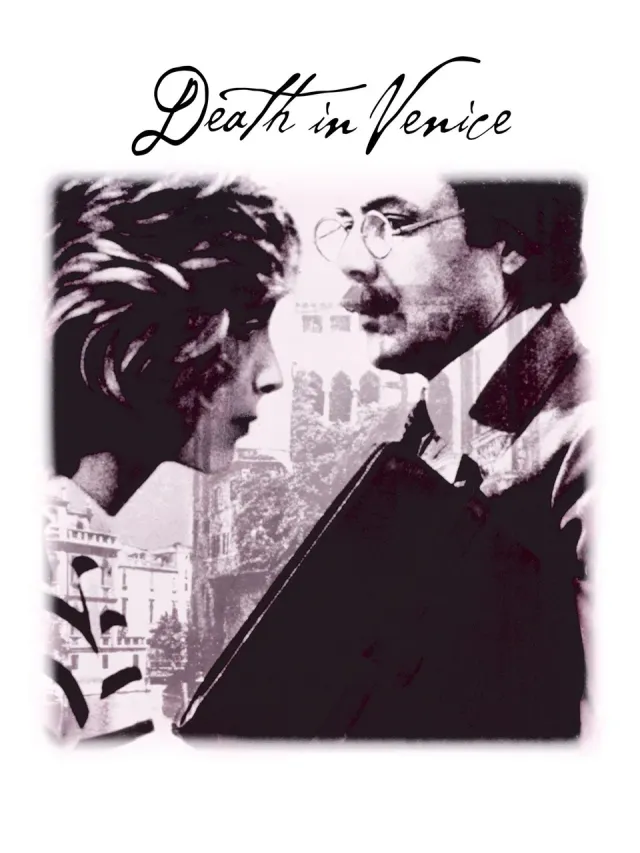
What changes Little Buddha: parallel and measured. Death in Venice: slow burn.
An ailing composer travels to Venice and becomes absorbed by an adolescent boy staying at his hotel. Watching from a distance turns beauty into a private argument about art, aging and the possibility of renewed feeling. As signs of an epidemic disturb the city's polished hospitality, his reluctance to leave exposes the gap between aesthetic idealization and concern for other people's safety, while attempts to disguise age make his own body increasingly conspicuous. Visconti recasts Mann’s writer as a composer, placing artistic theory inside a prolonged, largely silent act of looking.
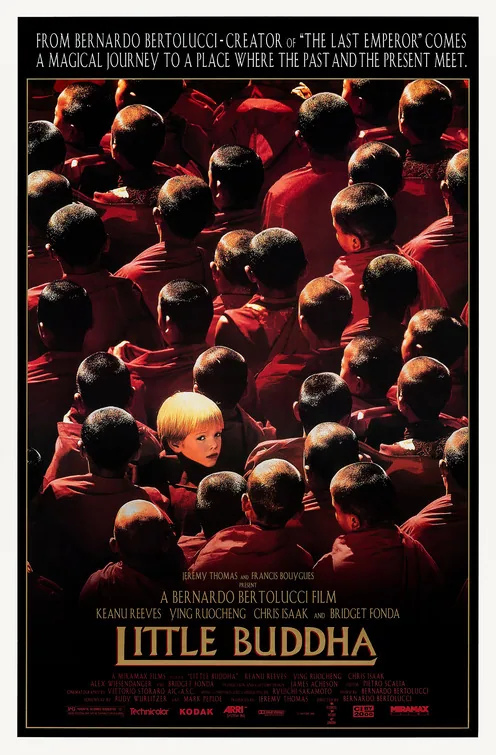
Tibetan Buddhist monks believe a Seattle boy may be the reincarnation of their teacher and visit his family to test that possibility. The film intercuts the modern search with a stylized account of Siddhartha Gautama’s life, turning the child’s ordinary world into a meeting point between faith, family anxiety and religious story. His parents respond differently as the monks explain their tradition, but the film does not establish the search as an objective test that proves rebirth to viewers. Bertolucci’s visual epic is an outsider-made representation of Tibetan Buddhism and combines a fictional family with a sacred narrative. It can invite curiosity about reincarnation while remaining distinct from the diverse practices and actual processes through which communities recognize tulkus.
What drives the story
The search for a reincarnated teacher runs beside Siddhartha’s story, but the parallel strands have different status: one is a contemporary fictional investigation, the other a dramatized religious life.
The people at its centre
The monks’ certainty meets Jesse’s parents’ concerns about family, travel and belief. Their disagreement should not be framed as simple superstition versus reason; each responds to a consequential claim about a child’s identity.
What it feels like
Symmetrical compositions, vivid color and elaborate historical sets make the spiritual story visually expansive, while the contemporary scenes remain domestic and conversational. The contrast supplies the film’s structure more than suspenseful proof.
Worth knowing
Tibetan Buddhist traditions are not a single universal doctrine, and a film’s child-search plot is not a field guide to tulku recognition. Treat the rebirth premise as the movie’s represented belief and consult specialist sources for religious context.