The story’s central tension comes from how family members interpret a child’s account under stress.
Why this matches +
Selected for the central appeal: A mother seeks help for her seriously ill daughter and interprets her recovery through faith.
Genres: Drama / Faith
Shared film traits
Based on recorded story, mood and style. Your preferences can change the order.
What changes A family confronts a child's severe medical crisis and considers the meaning of an extraordinary experience through faith and uncertainty.
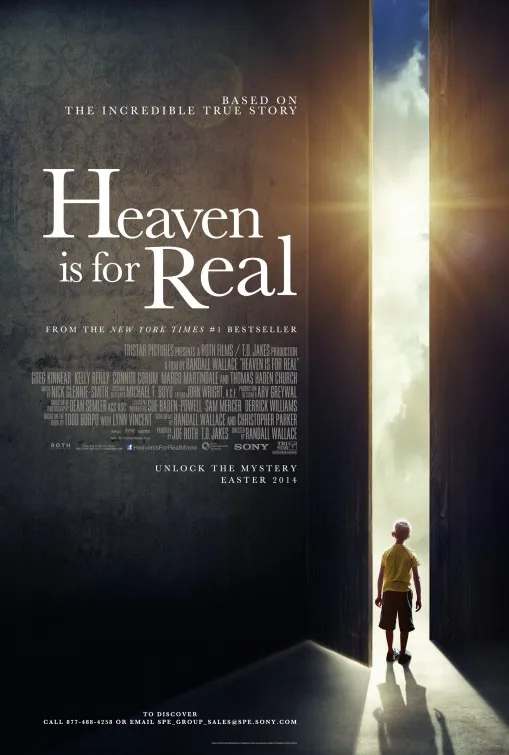
Pastor Todd Burpo and his family face fear and uncertainty when their young son Colton becomes gravely ill and later describes experiences he believes occurred during surgery. Todd tries to reconcile his faith, his responsibilities to the congregation and the demands of daily life while listening to his child. The drama focuses on belief within a family rather than treating the account as a puzzle with a universally settled answer.
Sharon’s commitment to help develops alongside her need to repair her own life.
Why this matches +
These offer a related experience with a meaningful difference in story, tone, or presentation.
An adjacent discovery: a related idea with a different viewing experience.
Genres: Drama
Shared film traits
Based on recorded story, mood and style. Your preferences can change the order.
What changes A family facing a child's serious illness receives practical help and hope from an unexpected community supporter.
In 1990s Louisville, hairdresser Sharon Stevens becomes involved in helping a young girl who needs a liver transplant after losing her mother. She mobilizes a community to support the family while facing her own addiction and strained relationships. The faith-based drama links personal recovery with collective care, presenting generosity as an imperfect choice made by people who are themselves dealing with hardship.
a bodily-autonomy claim forcing the family to revisit protective choices
Why this matches +
These offer a related experience with a meaningful difference in story, tone, or presentation.
An adjacent discovery: a related idea with a different viewing experience.
Genres: Drama
Shared film traits
Based on recorded story, mood and style. Your preferences can change the order.
What changes A child's serious illness reshapes family routines, exposing the emotional costs of caregiving and difficult medical decisions.
A family’s effort to care for a daughter with a serious illness is disrupted when her younger sister seeks the right to make medical decisions for herself. The court dispute exposes different forms of love, fear and sacrifice carried by each family member. The drama examines the strain of treating one child as a possible source of help for another and asks who gets to choose what their body endures.
The accident creates a prolonged period in which the family cannot control the outcome.
Why this matches +
These offer a related experience with a meaningful difference in story, tone, or presentation.
An adjacent discovery: a related idea with a different viewing experience.
Genres: Drama / Family
Shared film traits
Based on recorded story, mood and style. Your preferences can change the order.
Memory and identity · Survival
What changes A mother and her community support a child through a medical emergency, interpreting recovery through prayer and religious conviction.
When teenager John Smith falls through ice on a Missouri lake and is hospitalized without signs of life, his mother Joyce refuses to give up hope. The family and medical team wait for a response as faith, uncertainty and grief shape the crisis. Based on a reported case, the drama follows the family’s experience of medical peril and the community that gathers around them.
Religious differences divide a farming family and neighboring households until a domestic crisis demands a response beyond argument.
Why this matches +
These offer a related experience with a meaningful difference in story, tone, or presentation.
An adjacent discovery: a related idea with a different viewing experience.
Genres: Drama
Shared film traits
Based on recorded story, mood and style. Your preferences can change the order.
What changes A family confronts illness and the possibility of miraculous recovery while relatives differ in how they understand faith and evidence.
On a Danish farm, Morten Borgen and his sons disagree about religion, reason and family obligations. One son believes himself to be Jesus, another has lost his faith, and the youngest hopes to marry a woman whose father follows a rival religious community. As disputes over belief intersect with illness and childbirth, the family faces a crisis that tests what faith means to each of them.
Shared characteristics
Theme: Faith
Theme: Hope
Genre: Drama
Poster: Film rights holders; original promotional poster documented by Wikipedia · Image source
A mother searches for answers when her young daughter develops a serious illness, while medical uncertainty strains the family’s faith and daily life. After a frightening accident, the family interprets a remarkable recovery through a religious framework that brings comfort but also raises questions about belief and proof. The drama presents a true-story-inspired account centered on caregiving, hope and spiritual conviction.
What drives the story
Medical uncertainty gives the family’s hope a practical shape through treatment, waiting and advocacy.
The people at its centre
The mother’s commitment to her child intensifies as she confronts doctors and her own fear.
What it feels like
The film treats faith as a source of endurance and frames recovery as a family event.
Worth knowing
It is an explicitly Christian medical-family drama, not a skeptical medical mystery.