Seasonal labour and travel create recurring choices between stability, movement and attachment.
Why this matches +
Selected for the central appeal: Social dramas about displaced families, precarious work and survival through mutual support.
Genres: Drama
Shared film traits
Based on recorded story, mood and style. Your preferences can change the order.
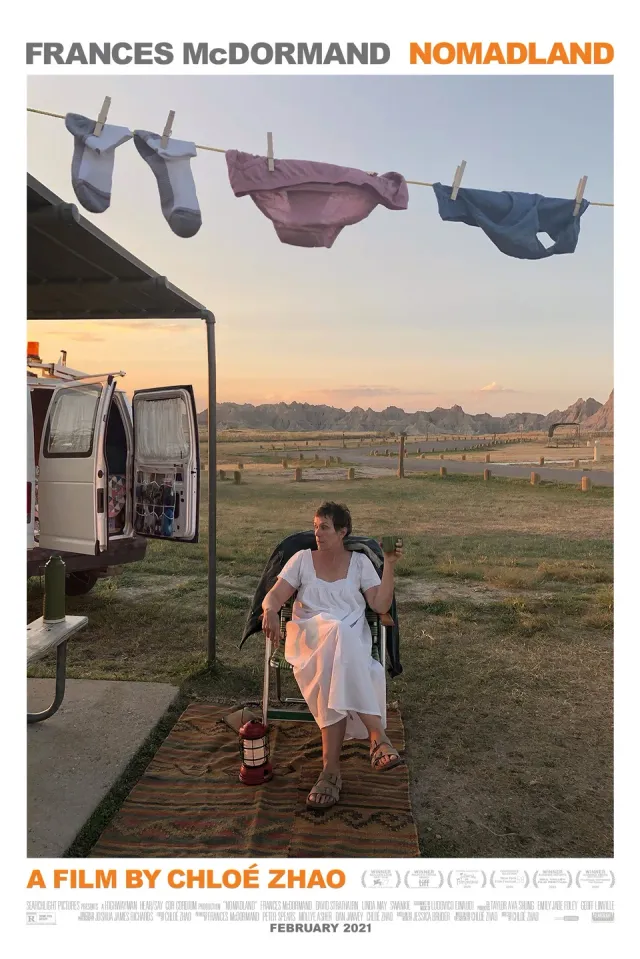
What changes Nomadland follows displaced American workers navigating unstable jobs and temporary communities.
After the loss of her husband and the collapse of a company town, a woman travels through the American West in a van, taking seasonal jobs. Encounters with other mobile workers reveal practical solidarity alongside economic insecurity, illness and different reasons for avoiding permanent settlement. Her movement remains both a response to material loss and a personal way of living with memory.
George and Lennie seek work while holding onto a shared farm dream, but Lennie's misunderstood strength brings them into conflict with the ranch community.
Why this matches +
Selected for the central appeal: Social dramas about displaced families, precarious work and survival through mutual support.
Genres: Drama
Shared film traits
Based on recorded story, mood and style. Your preferences can change the order.
Coming of age
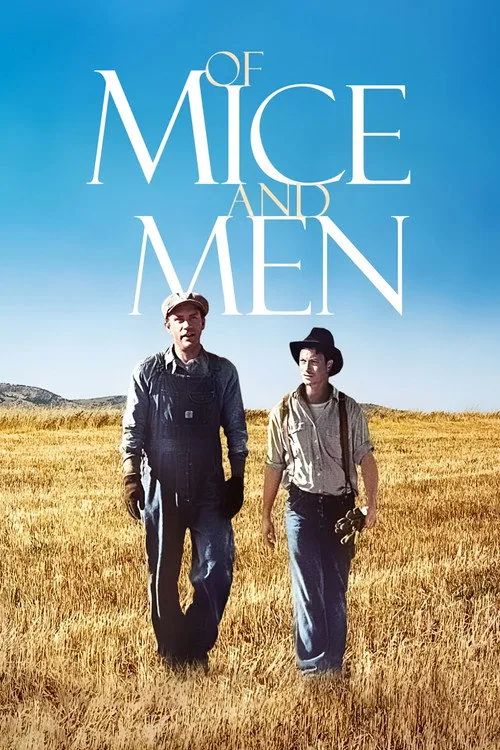
What changes Of Mice and Men follows itinerant workers seeking security and dignity during economic hardship.
During the Great Depression, itinerant ranch workers George Milton and Lennie Small travel together in search of work and dream of owning a small farm. George is quick-witted and protective, while Lennie's strength and disability can lead to frightening misunderstandings despite his gentle intentions. At a California ranch they meet workers carrying their own disappointments, including an aging hand and a lonely young wife. Their fragile plan seems possible until a sudden tragedy forces George to choose between loyalty, safety, and the only future Lennie has imagined.
A risky farming venture turns competing ideas of security and success into daily disputes over money, care and where the family should live.
Why this matches +
Selected for the central appeal: Social dramas about displaced families, precarious work and survival through mutual support.
Genres: Drama
Shared film traits
Based on recorded story, mood and style. Your preferences can change the order.
What changes Minari follows a family pursuing a precarious farming livelihood while relying on one another.
A Korean immigrant family moves to rural Arkansas, where the father hopes to build a farm supplying vegetables to other Korean households. His confidence in the land creates new strains for a marriage already stretched by insecure work, distance from familiar support and their son's health needs. The arrival of the children's grandmother offers another form of continuity, making the family's effort to put down roots both practical and deeply personal.
The need to save a farm brings an unlikely household together through seasonal work and mutual reliance.
Why this matches +
These offer a related experience with a meaningful difference in story, tone, or presentation.
An adjacent discovery: a related idea with a different viewing experience.
Genres: Drama
Shared film traits
Based on recorded story, mood and style. Your preferences can change the order.
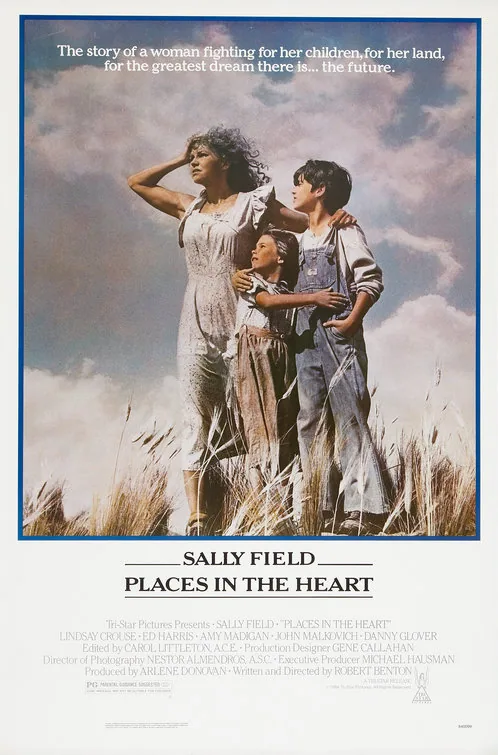
What changes Places in the Heart centers a family struggling to keep its farm and community intact during economic hardship.
In Depression-era Texas, widowed Edna Spalding tries to keep her farm after her husband's death. She hires a blind boarder and a Black laborer, whose work and differing circumstances become central to the household's survival through a difficult season. Their practical cooperation unfolds against racism, economic insecurity and family grief, giving the farm's struggle a wider view of interdependence in a small community.
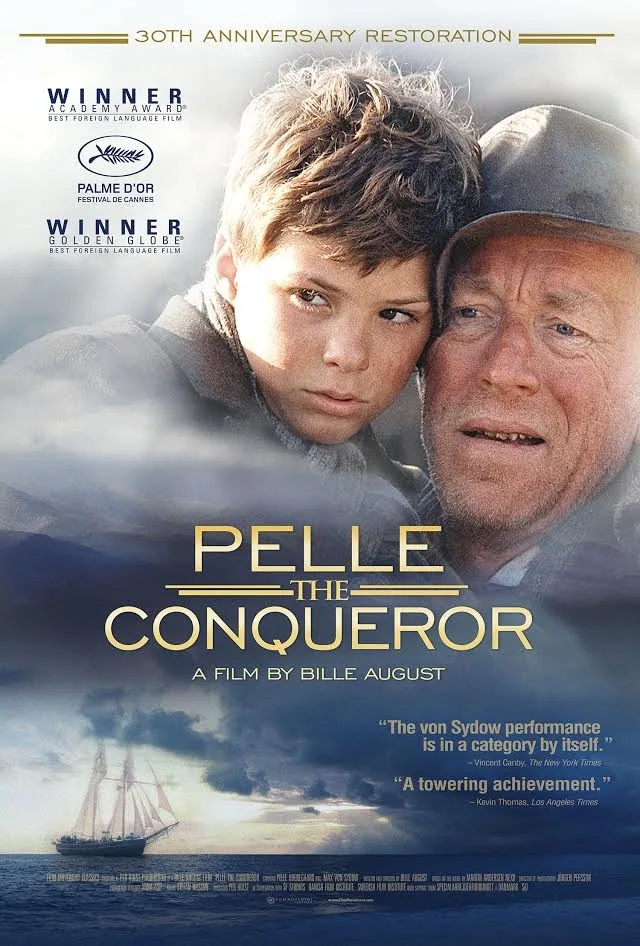
Lasse and Pelle migrate to Denmark and struggle to establish themselves as poor workers on a large farm.
Why this matches +
These offer a related experience with a meaningful difference in story, tone, or presentation.
An adjacent discovery: a related idea with a different viewing experience.
Genres: Drama / Historical
Shared film traits
Based on recorded story, mood and style. Your preferences can change the order.
Coming of age
What changes Pelle the Conqueror follows impoverished migrants facing harsh labor and exclusion in search of a better life.
In the late nineteenth century, elderly Lasse and his young son Pelle leave Sweden to seek work in Denmark. They find employment on a large farm, where harsh conditions and low status limit their choices even as Pelle begins to form a life beyond his father's reach. Through labor, illness, friendship, and disappointment, their migration becomes a quiet story of survival and a boy's gradual movement toward independence.
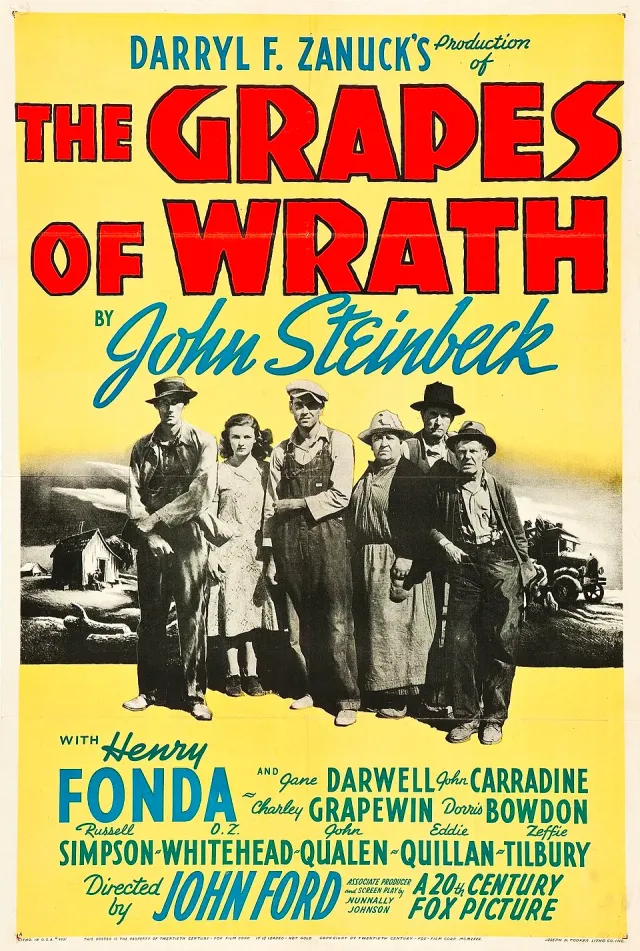
After drought and eviction drive the Joad family from their Oklahoma farm, Tom returns home from prison and travels with them toward California in search of work. The promised jobs prove uncertain, and the family encounters low wages, hostility and camps where migrant workers try to survive together. John Ford’s adaptation focuses on the family’s movement through a system that treats displaced people as disposable, while Ma Joad holds the group together as its circumstances worsen. The 1940 film is its own adaptation, with a more consoling ending than John Steinbeck’s novel.
What drives the story
The westward trip promises a fresh start, but each labour camp reveals another way that economic hardship and unequal power constrain the family.
The people at its centre
Tom’s anger and Ma’s steadiness pull in different directions as relatives respond to loss, work and separation. Their changing family roles give the journey its emotional shape.
What it feels like
A humanist road drama built around landscape, family scenes and stark social detail. The film compresses the novel and softens its ending, so the two versions do not leave the same impression.
Worth knowing
For viewers drawn to classic social dramas about displacement and workers’ dignity. It is less bleak than the novel’s conclusion and should be approached as a 1940 screen adaptation rather than a complete retelling.
DisplacementDignityFamily
Mood
Humanist · Sober · Resilient
Pacing
Road journey · Economic hardship
Visual style
Black-and-white social realism · Landscape photography
Storytelling
Dust Bowl migration · Migrant labour · Family separation